

The recent growth trajectory of food trucks suggests that this industry is thriving, particularly in areas like Lakewood where a vibrant community and culinary experimentation intersect. As of 2024, there are approximately 78,928 food truck businesses in the U.S., which represents a substantial increase of 17% over the previous year. The market’s value is projected at $2.4 billion, with each truck generating an average annual revenue of $346,000. This indicates not only the popularity but also the lucrative potential of the food truck business.
As aspiring entrepreneurs consider launching a food truck in Lakewood, choosing the right model becomes paramount. As one industry expert noted,
“It boils down to three things: menu, location, and budget.”
This quote encapsulates the essential elements that could dictate the success of a food truck venture. With the right information and strategy, newcomers can navigate the exciting landscape of food trucks to find their niche, meet community cravings, and achieve business success.
| Food Truck Model | Price Range | Size (Length x Width) | Pros | Cons |
|---|---|---|---|---|
| Chevy P30 | $30,000 – $50,000 | 20′ x 8′ | Solid build, reliable parts, large kitchen space | Limited availability (discontinued) |
| Ford Transit | $46,000 – $75,000 | 21′ x 8′ | Versatile design, easy to customize, fuel-efficient | Smaller kitchen layout compared to others |
| RAM ProMaster | $44,000 – $60,000 | 22′ x 8′ | High roof option for taller staff, good maneuverability | Narrower load space |
| Freightliner MT45 | $90,000 – $110,000 | 22′ x 8.5′ | Sturdy and durable, great for heavy-duty operations | Higher initial investment |
| Ford P700 | $40,000 – $90,000 | 20′ x 8′ | Wide range of engine options, customizable | Older models may require more maintenance |
Introduction
The recent growth trajectory of food trucks suggests that this industry is thriving, particularly in areas like Lakewood where a vibrant community and culinary experimentation intersect. As of 2024, there are approximately 78,928 food truck businesses in the U.S., which represents a substantial increase of 17% over the previous year. The market’s value is projected at $2.4 billion, with each truck generating an average annual revenue of $346,000. This indicates not only the popularity but also the lucrative potential of the food truck business.
As aspiring entrepreneurs consider launching a food truck in Lakewood, choosing the right food truck model becomes paramount. As one industry expert noted, “It boils down to three things: menu, location, and budget.” This quote encapsulates the essential elements that could dictate the success of a food truck venture. With the right information and strategy, newcomers can navigate the exciting landscape of food trucks to find their niche, meet community cravings, and achieve business success.
Food Truck Model Comparison
| Food Truck Model | Price Range | Size (Length x Width) | Pros | Cons |
|---|---|---|---|---|
| Chevy P30 | $30,000 – $50,000 | 20′ x 8′ | Solid build, reliable parts, large kitchen space | Limited availability (discontinued) |
| Ford Transit | $46,000 – $75,000 | 21′ x 8′ | Versatile design, easy to customize, fuel-efficient | Smaller kitchen layout compared to others |
| RAM ProMaster | $44,000 – $60,000 | 22′ x 8′ | High roof option for taller staff, good maneuverability | Narrower load space |
| Freightliner MT45 | $90,000 – $110,000 | 22′ x 8.5′ | Sturdy and durable, great for heavy-duty operations | Higher initial investment |
| Ford P700 | $40,000 – $90,000 | 20′ x 8′ | Wide range of engine options, customizable | Older models may require more maintenance |
Factors to Consider When Choosing a Food Truck Model
Choosing the right food truck model requires a careful evaluation of your menu, operational locations, and budget constraints. Here are key insights to guide your decision:
1. Align Truck Size and Equipment with Menu Complexity
- Menu Scope: A compact menu of 5–10 main items enhances efficiency and reduces costs. Overextending can lead to slower service and increased waste. (dunestrailers.com)
- Equipment Needs: Complex menus may necessitate larger food truck models equipped with specialized appliances, while simpler offerings can be managed using smaller, more maneuverable vehicles. (loschifladostruck.com)
2. Consider Location Constraints and Opportunities
- Parking and Accessibility: Urban areas with limited parking may require smaller food truck models for easier navigation. (loschifladostruck.com)
- Target Audience: Position your food truck in areas frequented by your intended customers, such as business districts for office workers or parks for families. (smartbuckshub.com)
- Competition Analysis: Evaluate nearby food options to identify gaps your menu can fill, ensuring your offerings stand out. (smartbuckshub.com)
3. Budget Planning and Cost Management
- Initial Investment: Investment costs for food truck models vary widely, typically ranging from $20,000 to $100,000, depending on whether you purchase new or used vehicles and the extent of necessary modifications. (followmytruck.com)
- Operational Expenses: Monthly expenses include inventory ($3,500–$8,000), insurance ($80–$400), marketing ($250–$1,000), and permit fees ($100–$400). (dojobusiness.com)
- Menu Pricing: Set prices that cover costs while remaining competitive. Main items are often priced between $7 and $15, with food costs constituting about 30% of the price. (dojobusiness.com)
4. Selecting the Appropriate Vehicle Model
- Chevy P30: Offers spacious interiors suitable for diverse menus but may have higher maintenance costs due to age.
- Freightliner MT45: Durable and customizable, ideal for equipment-heavy offerings.
- RAM ProMaster: Compact and maneuverable, perfect for simpler menus in urban settings. (loschifladostruck.com)
5. Marketing and Branding Investments
- Vehicle Wraps: A professional wrap acts as a mobile advertisement, costing between $2,500 and $5,000.
- Online Presence: Developing a website and engaging in social media marketing can cost between $500 and $2,000, essential for building brand identity and attracting customers. (startupfinancialprojection.com)
By thoughtfully considering these factors, you can select a food truck model that aligns with your menu offerings, operational locations, and financial plan, setting a solid foundation for your business’s success.
Food Truck Popularity and Profitability Insights
The food truck industry is on a remarkable growth trajectory, driven by evolving consumer preferences and innovative business models. Here’s a summary of the latest insights regarding the popularity and profitability of food trucks:
Industry Growth and Market Value
- The global food truck market was valued at approximately $4.91 billion in 2024 and is projected to grow at a CAGR of 7% through 2035. (Market Business Insights)
- In the U.S., the food truck industry reached a valuation of $2.8 billion in 2025, with an annual growth rate of 13.2% over the past five years. (IBISWorld)
Consumer Adoption and Demographics
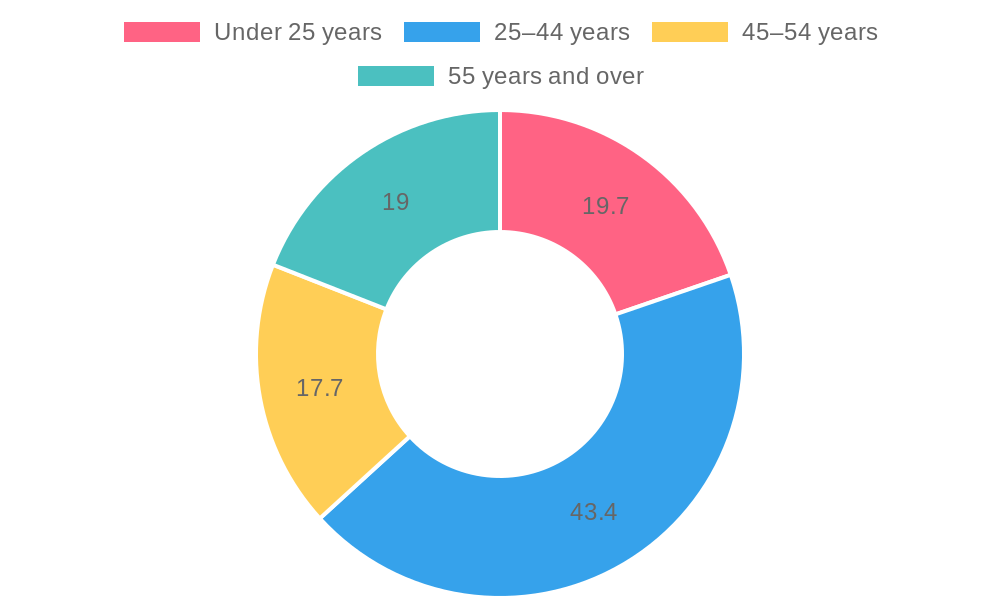
- 60% of millennials have patronized a food truck in the past year, signifying strong engagement from younger demographics. (Food Truck Profit)
- 80% of food truck customers belong to the Millennial or Gen Z age groups, highlighting a shift towards younger consumers in the market. (Gitnux)
Profitability and Revenue Trends
- The average annual revenue for U.S. food trucks was reported to be $346,000 in 2025. (Food Truck Profit)
- Profit margins can range between $100,000 to $500,000 annually, primarily due to lower startup and operating costs compared to traditional restaurants. (Wikipedia)
- Event-based operations significantly boost earnings, being approximately 2.5 times higher than regular routes during peak seasons. (Market Business Insights)
Technological Integration and Its Impact
- Nearly 90% of food truck owners utilize digital tools, including mobile point-of-sale systems and social media platforms, as a standard part of operations. (Food Truck Profit)
- 70% of food trucks engage with social media to promote their offerings, with a notable 65% reporting enhanced customer bases due to their marketing efforts. (Gitnux)
- The adoption of mobile ordering and contactless payments has surged to 85% among food truck operators, improving operational efficiency and customer convenience. (Industry Research)
Challenges and Considerations
- Operators often face regulatory hurdles, with 47% encountering multiple permit requirements before they can start operations. (Industry Research)
- Weather-related issues can significantly affect revenue, as 68% of owners reported revenue losses ranging from 30% to 40% due to inclement conditions. (Verified Market Research)
The food truck industry not only continues to thrive but also adapts rapidly to shifts in consumer demand and technological advancements. Aspiring entrepreneurs should consider these factors to navigate potential challenges effectively and seize opportunities for profitability.
Costs Associated with Different Food Truck Models
When considering the costs associated with various food truck models, such as new step vans, cargo vans, and trailers, it is essential to account for both the base vehicle price and the expenses related to customization and equipment installation.
Step Vans:
- New Step Vans: Prices typically range from $50,000 to $100,000, influenced by factors like brand reputation, engine type, size, and included features. (bevwo.com)
- Pre-Owned Step Vans: These usually cost between $20,000 and $50,000, depending on age, mileage, and condition. (bevwo.com)
- Conversion Costs: Basic modifications can range from $10,000 to $40,000, while full custom build-outs may cost between $80,000 and $200,000, covering equipment and exterior design. (bevwo.com)
Cargo Vans:
- New Cargo Vans: Models like the Ford Transit, Mercedes-Benz Sprinter, and Nissan NV Cargo typically range from $25,000 to $50,000. (loschifladostruck.com)
- Used Cargo Vans: Depending on condition, used models can be found for $10,000 to $25,000. (loschifladostruck.com)
- Conversion Expenses: Basic modifications can range from $10,000 to $40,000, while full custom build-outs may cost between $80,000 and $200,000, depending on chosen features and equipment. (loschifladostruck.com)
Trailers:
- Compact Utility Trailers (8′): Equipped with a sink and counter, these range from $4,000 to $7,000. (guidemechanic.com)
- Small Snack Trailers (12′): With basic refrigeration and limited cooking facilities, prices range from $8,000 to $12,000. (guidemechanic.com)
- Mid-Size Food Trailers (16′): Featuring a grill, fryer, fridge, and 3-compartment sink, these cost between $20,000 and $35,000. (guidemechanic.com)
- Large Catering Trailers (20′): Equipped with a full kitchen, hood, oven, and generator hookup, prices range from $45,000 to $65,000. (guidemechanic.com)
- Specialty Trailers (22′ and above): Designed for specific setups like pizza ovens or bakeries, these can cost between $60,000 and $110,000. (guidemechanic.com)
Factors Influencing Pricing:
- Vehicle Condition: New vehicles are more expensive but may offer better reliability and warranties.
- Size and Layout: Larger vehicles or trailers provide more space but come at a higher cost.
- Equipment and Customization: The complexity and quality of kitchen equipment and custom features significantly impact the overall price.
- Compliance and Permits: Ensuring the vehicle meets local health and safety codes can add to the initial investment.
In summary, the total cost of a food truck varies widely based on the type of vehicle, its condition, and the extent of customization required to meet your business needs.
Conclusion
Selecting the right food truck model is a crucial decision that significantly impacts the success of your food truck venture in Lakewood. As highlighted throughout this article, you must align your choice with your unique menu, ideal location, and budget constraints. Each aspect plays a pivotal role in reaching your target audience and navigating the competitive food truck landscape.
The diversity in food truck models offers various options, from step vans to cargo vans and trailers, allowing you to find a vehicle that complements your culinary offerings and operational goals. Remember, a well-planned strategy that considers these factors will equip you with a strong foundation for launching your food truck business.
Now is the time to take action! Explore your culinary creativity, evaluate potential locations, and establish a budget that reflects your aspirations. By delving into this exciting venture with thorough research and planning, you can turn your food truck dream into a thriving reality. Don’t wait—start mapping out your food truck journey today!
Preferred Food Truck Models
Choosing the right food truck model can significantly influence the trajectory of your food truck business. Based on insights gathered from the Jalopnik article, here are some of the preferred models among food truck vendors, including their features, pricing, and what makes them popular.
Step Vans
Step vans are among the most preferred models due to their spacious interiors, making them ideal for vendors who require extensive cooking and storage space. Popular models include the Chevy P30, Freightliner MT45, and Ford P700. These vans offer the following benefits:
- Ample Space for Equipment: With enough room for deep fryers, stoves, and refrigeration units, they accommodate a comprehensive menu and multiple staff members comfortably.
- Durability: Designed for commercial use, these vehicles are built to last, which can be a crucial factor for food truck operators who plan to work daily.
- Price Range: New step vans typically range from $30,000 to over $100,000, depending on configuration and brand. Used models can be found at more accessible price points.
However, a notable downside is that step vans can be cumbersome in tight urban spaces, which may restrict operational flexibility.
Cargo Vans
For those with more straightforward menus or limited equipment needs, cargo vans are a cost-effective and maneuverable choice. The Ford Transit and RAM ProMaster are among the sought-after cargo van options. Their key advantages include:
- Maneuverability: These smaller vehicles are excellent for navigating crowded urban environments, making it easier to find parking and service customers quickly.
- Cost-Effectiveness: With new models priced around $46,000 for the Ford Transit and $44,000 for the RAM ProMaster, these vans represent a lower initial investment compared to step vans.
- Versatile Configurations: Cargo vans can be easily customized for different types of food service, thus accommodating various menu styles.
The main consideration for potential owners is that cargo vans may not have sufficient space for larger menu setups, limiting their utility for operators with complex food offerings.
Trailers
Food truck trailers offer a flexible and sometimes more budget-friendly alternative for vendors requiring specialized cooking setups, such as barbecue or pizza ovens. Brands like Diamond Cargo Trailers have models that can cost less than $6,000 for entry-level options. Some highlights include:
- Flexibility: Trailers can be detached and moved easily, allowing for versatile setups at multiple locations without the need for a new truck.
- Cost: They often serve as a lower-cost entry point into the food truck business, especially for those who already have a vehicle capable of towing.
On the downside, operating trailers requires knowledge of towing and parking logistics and can be challenging in urban settings with limited space.
Entrepreneur Case Study: Sarah’s Taco Truck Journey
Meet Sarah, a passionate entrepreneur who decided to take the plunge into the booming food truck industry in Lakewood. Inspired by her love for gourmet tacos, she envisioned a food truck that would not only serve delicious food but also provide a vibrant dining experience for her community.
After thorough research, Sarah chose the RAM ProMaster as her food truck model. The ProMaster’s cost-effectiveness, priced around $44,000, and maneuverability made it the perfect choice for the tight streets of Lakewood. She appreciated its spacious interior, which offered her the cooking space she needed without breaking the bank.
However, Sarah’s journey was not without its challenges. Navigating the maze of local permits and regulations posed a significant hurdle. She spent countless hours learning about health codes and food safety requirements. Sarah also had to scout for the best locations—this meant understanding where her target customers frequented and what times were optimal for serving meals.
Determined to stand out, she focused her menu on unique gourmet taco recipes, blending traditional flavors with modern twists, such as Korean BBQ tacos and vegan mushroom tacos. Sarah’s commitment to quality ingredients and creativity quickly garnered a loyal customer base.
Her food truck began thriving, especially during local events and community gatherings. The vibrant colors of her RAM ProMaster, coupled with the enticing aroma of her tacos, made her truck a popular stop for hungry patrons. Word of mouth about her culinary delights spread, and Sarah soon found herself featured in local food blogs.
In summary, Sarah’s story embodies the essence of what it means to venture into the food truck business. By meticulously selecting the right vehicle, overcoming local regulatory challenges, and crafting a standout menu, she transformed her dream into a flourishing reality, proving that determination and passion can lead to success in the competitive food truck landscape.
Factors to Consider When Choosing a Food Truck Model
Choosing the right food truck model requires a careful evaluation of your menu, operational locations, and budget constraints. Here are key insights to guide your decision:
- Align Truck Size and Equipment with Menu Complexity: A compact menu of 5–10 main items enhances efficiency and reduces costs. Overextending can lead to slower service and increased waste. Source
- Consider Location Constraints and Opportunities: Urban areas with limited parking may require smaller food truck models for easier navigation. Position your food truck in areas frequented by your intended customers, such as business districts or parks. Source
- Budget Planning and Cost Management: Investment costs for food truck models vary widely, typically ranging from $20,000 to $100,000. Set prices that cover costs while remaining competitive. Source
- Selecting the Appropriate Vehicle Model: Depending on your needs, a Chevy P30 offers spacious interiors suitable for diverse menus, while a RAM ProMaster is compact and maneuverable for simpler setups. Source
- Marketing and Branding Investments: A professional vehicle wrap acts as a mobile advertisement, costing between $2,500 and $5,000. Developing a website and engaging in social media can also enhance brand identity. Source
By thoughtfully considering these factors, you can select a food truck model that aligns with your menu offerings, operational locations, and financial plan, setting a solid foundation for your business’s success.
Food Truck Popularity and Profitability Insights
The food truck industry is on a remarkable growth trajectory, driven by evolving consumer preferences and innovative business models. Here’s a summary of the latest insights regarding the popularity and profitability of food trucks:
Industry Growth and Market Value
- The global food truck market was valued at approximately $4.91 billion in 2024 and is projected to grow at a CAGR of 7% through 2035. [Market Business Insights]
- In the U.S., the food truck industry reached a valuation of $2.8 billion in 2025, with an annual growth rate of 13.2% over the past five years. [IBISWorld]
Consumer Adoption and Demographics
- 60% of millennials have patronized a food truck in the past year, signifying strong engagement from younger demographics. [Food Truck Profit]
- 80% of food truck customers belong to the Millennial or Gen Z age groups, highlighting a shift towards younger consumers in the market. [Gitnux]
Profitability and Revenue Trends
- The average annual revenue for U.S. food trucks was reported to be $346,000 in 2025. [Food Truck Profit]
- Profit margins can range between $100,000 to $500,000 annually, primarily due to lower startup and operating costs compared to traditional restaurants. [Wikipedia]
- Event-based operations significantly boost earnings, being approximately 2.5 times higher than regular routes during peak seasons. [Market Business Insights]
Technological Integration and Its Impact
- Nearly 90% of food truck owners utilize digital tools, including mobile point-of-sale systems and social media platforms, as a standard part of operations. [Food Truck Profit]
- 70% of food trucks engage with social media to promote their offerings, with a notable 65% reporting enhanced customer bases due to their marketing efforts. [Gitnux]
- The adoption of mobile ordering and contactless payments has surged to 85% among food trucks, improving operational efficiency and customer convenience. [Industry Research]
Challenges and Considerations
- Operators often face regulatory hurdles, with 47% encountering multiple permit requirements before starting operations. [Industry Research]
- Weather-related issues can significantly impact revenue, as 68% of owners reported revenue losses ranging from 30% to 40% due to inclement conditions. [Verified Market Research]
The food truck industry not only continues to thrive but also adapts rapidly to shifts in consumer demand and technological advancements. Aspiring entrepreneurs should consider these factors to navigate potential challenges effectively and seize opportunities for profitability.
Costs Associated with Different Food Truck Models
When considering the costs associated with various food truck models, such as new step vans, cargo vans, and trailers, it is essential to account for both the base vehicle price and the expenses related to customization and equipment installation.
Step Vans:
- New Step Vans: Prices typically range from $50,000 to $100,000, influenced by factors like brand reputation, engine type, size, and included features. source
- Pre-Owned Step Vans: These usually cost between $20,000 and $50,000, depending on age, mileage, and condition. source
- Conversion Costs: Basic modifications can range from $10,000 to $40,000, while full custom build-outs may cost between $80,000 and $200,000, covering equipment and exterior design. source
Cargo Vans:
- New Cargo Vans: Models like the Ford Transit, Mercedes-Benz Sprinter, and Nissan NV Cargo typically range from $25,000 to $50,000. source
- Used Cargo Vans: Depending on condition, used models can be found for $10,000 to $25,000. source
- Conversion Expenses: Basic modifications can range from $10,000 to $40,000, while full custom build-outs may cost between $80,000 and $200,000, depending on chosen features and equipment. source
Trailers:
- Compact Utility Trailers (8′): Equipped with a sink and counter, these range from $4,000 to $7,000. source
- Small Snack Trailers (12′): With basic refrigeration and limited cooking facilities, prices range from $8,000 to $12,000. source
- Mid-Size Food Trailers (16′): Featuring a grill, fryer, fridge, and 3-compartment sink, these cost between $20,000 and $35,000. source
- Large Catering Trailers (20′): Equipped with a full kitchen, hood, oven, and generator hookup, prices range from $45,000 to $65,000. source
- Specialty Trailers (22′ and above): Designed for specific setups like pizza ovens or bakeries, these can cost between $60,000 and $110,000. source
Factors Influencing Pricing:
- Vehicle Condition: New vehicles are more expensive but may offer better reliability and warranties.
- Size and Layout: Larger vehicles or trailers provide more space but come at a higher cost.
- Equipment and Customization: The complexity and quality of kitchen equipment and custom features significantly impact the overall price.
- Compliance and Permits: Ensuring the vehicle meets local health and safety codes can add to the initial investment.
In summary, the total cost of a food truck varies widely based on the type of vehicle, its condition, and the extent of customization required to meet your business needs.
Conclusion
Selecting the right food truck model is a crucial decision that significantly impacts the success of your food truck venture in Lakewood. As highlighted throughout this article, you must align your choice with your unique menu, ideal location, and budget constraints. Each aspect plays a pivotal role in reaching your target audience and navigating the competitive food truck landscape.
The diversity in food truck models offers various options, from step vans to cargo vans and trailers, allowing you to find a vehicle that complements your culinary offerings and operational goals. Remember, a well-planned strategy that considers these factors will equip you with a strong foundation for launching your food truck business.
Now is the time to take action! Explore your culinary creativity, evaluate potential locations, and establish a budget that reflects your aspirations. By delving into this exciting venture with thorough research and planning, you can turn your food truck dream into a thriving reality. Don’t wait—start mapping out your food truck journey today!
Preferred Food Truck Models
Choosing the right food truck model can significantly influence the trajectory of your food truck business. Based on insights gathered from the Jalopnik article, here are some of the preferred models among food truck vendors, including their features, pricing, and what makes them popular.
Step Vans
Step vans are among the most preferred models due to their spacious interiors, making them ideal for vendors who require extensive cooking and storage space. Popular models include the Chevy P30, Freightliner MT45, and Ford P700. These vans offer the following benefits:
- Ample Space for Equipment: With enough room for deep fryers, stoves, and refrigeration units, they accommodate a comprehensive menu and multiple staff members comfortably.
- Durability: Designed for commercial use, these vehicles are built to last, which can be a crucial factor for food truck operators who plan to work daily.
- Price Range: New step vans typically range from $30,000 to over $100,000, depending on configuration and brand. Used models can be found at more accessible price points.
However, a notable downside is that step vans can be cumbersome in tight urban spaces, which may restrict operational flexibility.
Cargo Vans
For those with more straightforward menus or limited equipment needs, cargo vans are a cost-effective and maneuverable choice. The Ford Transit and RAM ProMaster are among the sought-after cargo van options. Their key advantages include:
- Maneuverability: These smaller vehicles are excellent for navigating crowded urban environments, making it easier to find parking and service customers quickly.
- Cost-Effectiveness: With new models priced around $46,000 for the Ford Transit and $44,000 for the RAM ProMaster, these vans represent a lower initial investment compared to step vans.
- Versatile Configurations: Cargo vans can be easily customized for different types of food service, thus accommodating various menu styles.
The main consideration for potential owners is that cargo vans may not have sufficient space for larger menu setups, limiting their utility for operators with complex food offerings.
Trailers
Food truck trailers offer a flexible and sometimes more budget-friendly alternative for vendors requiring specialized cooking setups, such as barbecue or pizza ovens. Brands like Diamond Cargo Trailers have models that can cost less than $6,000 for entry-level options. Some highlights include:
- Flexibility: Trailers can be detached and moved easily, allowing for versatile setups at multiple locations without the need for a new truck.
- Cost: They often serve as a lower-cost entry point into the food truck business, especially for those who already have a vehicle capable of towing.
On the downside, operating trailers requires knowledge of towing and parking logistics and can be challenging in urban settings with limited space.
Conclusion
Ultimately, the choice of food truck model depends on specific operational needs, menu complexity, and budget. Step vans, cargo vans, and trailers each offer unique benefits and drawbacks. It is crucial to evaluate these factors effectively to choose a model that aligns with your business objectives.
SEO Optimization
In the evolving landscape of the food truck industry, staying updated with food truck trends is essential for entrepreneurs. As the mobile food business continues to thrive, understanding these trends can help aspiring food truck owners identify opportunities and refine their business strategies. The following trends are shaping the future of food trucks:
- Health-Conscious Options: More consumers are seeking healthier food truck offerings, which can drive the success of your mobile food business.
- Tech Integration: The use of technology, from mobile ordering systems to social media marketing, is crucial in adapting to modern consumer preferences.
- Location Flexibility: Food trucks are capitalizing on various event opportunities, ensuring they are present where their target audience gathers, enhancing the mobility aspect of the food business.
- Sustainability: Eco-friendly practices are becoming more popular, attracting environmentally conscious consumers and reflecting current food truck trends.
- Diverse Menus: Incorporating a range of cuisines and unique food concepts can set your food truck apart and attract a diverse clientele.
By focusing on these trends, food truck entrepreneurs can position themselves advantageously in the competitive mobile food business landscape. Leveraging these insights will not only enable a more successful launch but also a sustainable growth trajectory in the food truck sector.
Conclusion
Selecting the right food truck model and focusing on current food truck trends is a crucial decision that significantly impacts the success of your food truck venture in Lakewood. By integrating these strategies and insights into your business plan, and continuously adapting to the mobile food business industry’s changing dynamics, you can turn your food truck dream into a thriving reality.