
Introduction to Food Trucks
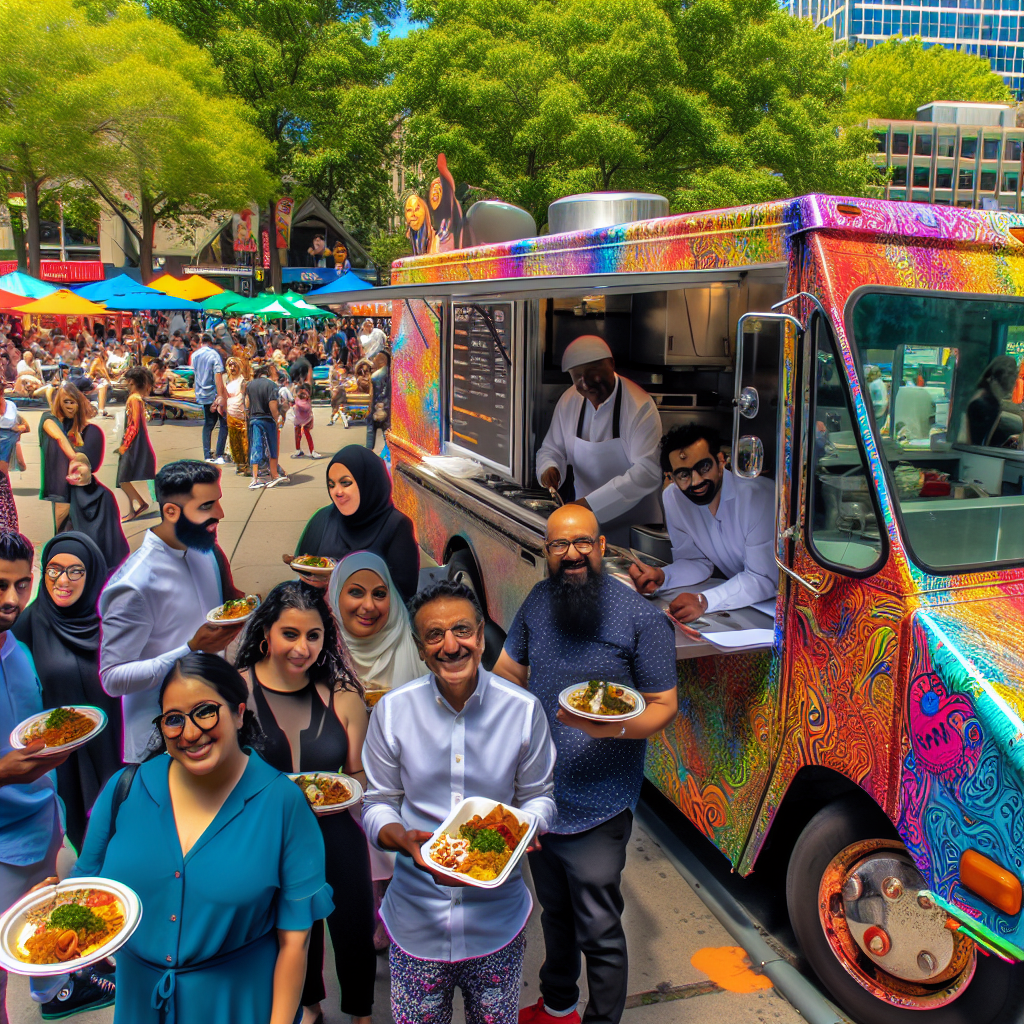
The food truck phenomenon has transformed the way we experience culinary delights, bringing gourmet meals right to our neighborhoods, parks, and events. With over 36,000 food trucks operating in the U.S. alone as of 2023, it is clear that these mobile kitchens are not just a fleeting trend; they represent a vibrant movement celebrating diversity in cuisine and local flavors. The charm of food trucks lies in their flexibility—the ability to serve up delicious offerings anywhere from bustling urban streets to intimate community gatherings. They allow ambitious chefs and culinary aficionados to experiment with creative menus while engaging directly with the community. If you have ever dreamed of sharing your culinary passion on wheels, now is the perfect time to dive into the exciting world of food trucks. Join us as we explore the essential steps needed to kickstart your food truck business, from budgeting to menu planning, paving the way for your unique culinary journey.
Budgeting for Your Food Truck
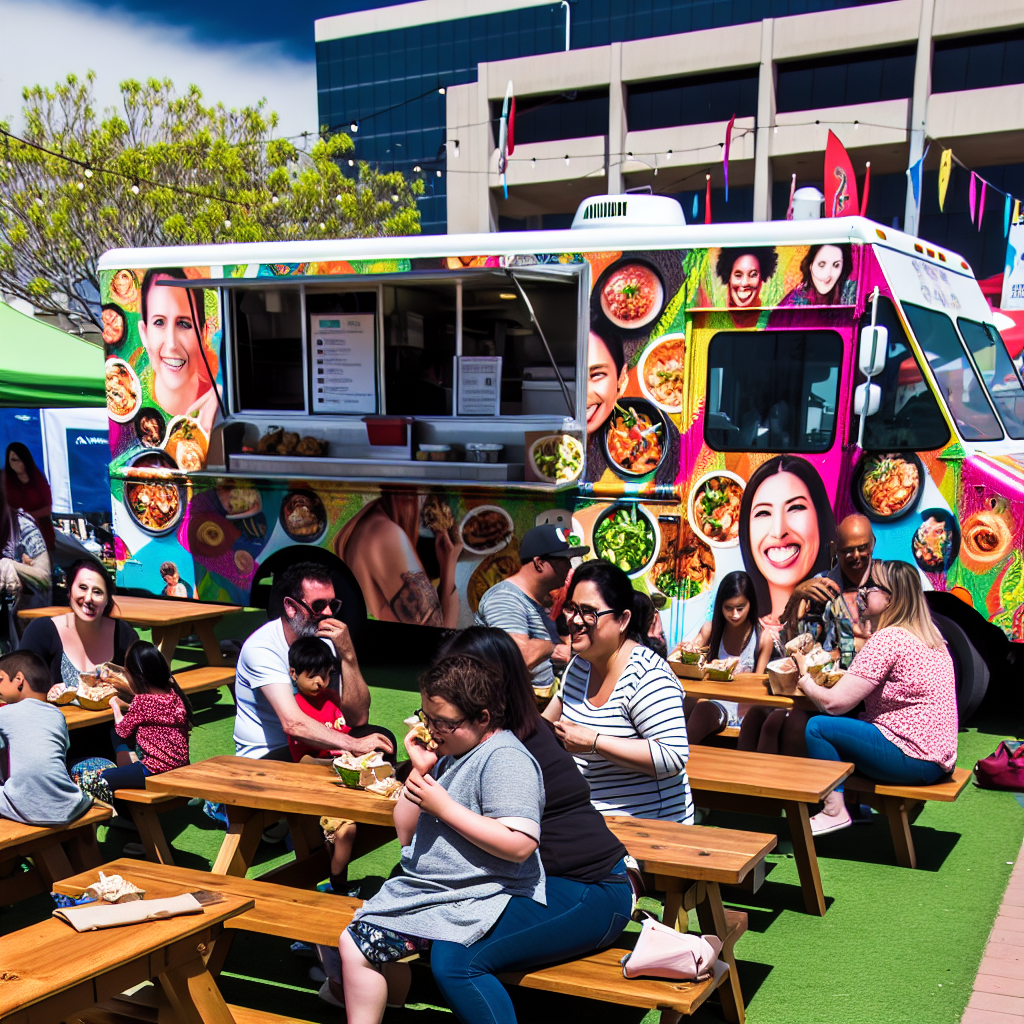
Starting a food truck business requires careful budgeting and effective food truck management to ensure financial success. Here are the key budget considerations and strategies to keep in mind:
1. Truck Purchase
The first significant expense is acquiring the food truck itself. Depending on which model you choose, prices vary:
- A new Ford Transit costs around $46,000.
- The RAM ProMaster is slightly less at about $44,000.
- If you are looking for larger options, a Mercedes Sprinter van starts at $50,000.
- Alternatively, you could consider a used truck or leasing options, which may lower initial costs.
- Diamond Cargo Trailers can be a more budget-friendly option, costing less than $6,000, especially if you’re starting with a food trailer.
2. Equipment Costs
After securing a truck, outfitting it with kitchen equipment is next, affecting your operational budget:
- Cooking appliances (grills, fryers, ovens): $5,000 – $20,000
- Refrigeration systems: $2,000 – $5,000
- Serving and storage equipment: $1,000 – $3,000.
3. Permits and Licenses
Operating legally requires obtaining various permits, which can add considerably to the budget:
- Health permits: $100 – $500, depending on local regulations.
- Business licenses: $50 – $400.
- Additional licenses for food handling and sales can vary widely by location.
4. Operational Costs
Finally, budget for the everyday operational costs, which include:
- Ingredients and supplies (monthly recurring costs): $2,000 – $5,000.
- Insurance (vehicle and liability): $1,000 – $3,000 annually.
- Maintenance and repairs for the truck: $1,000 – $3,000 annually.
- Employee wages, if hiring staff: varies based on number of employees and local wage laws.
With effective food truck management, budgeting becomes easier, allowing for a better estimation of costs and ensuring you have a buffer for unexpected expenses. The total initial cost to start a food truck can range from around $75,000 to over $150,000 depending on your specific choices and business decisions.
Though starting a food truck may seem financially daunting, thorough planning and implementing suitable food truck marketing strategies can help create a sustainable business that allows you to share your culinary vision with the community while maintaining an enjoyable working environment.
| Food Truck Model | Price | Capacity (ft³) | Unique Features |
|---|---|---|---|
| RAM ProMaster | $44,000 | 136 | High payload capacity, versatile interior |
| Ford Transit | $46,000 | 130 | Various wheelbase options, efficient fuel use |
| Mercedes Sprinter | $50,000 | 147 | Premium build quality, advanced safety features |
Menu Planning for Your Food Truck
When planning a menu for your food truck, consider the local trends and your target audience. Here are some key points:
1. Understanding Your Target Audience
In Lakewood, the typical food truck customer is often a middle-class millennial aged 25 to 44. They prefer trendy food options and value convenience. Catering to their tastes is crucial for success.
2. Local Tastes and Trends
Lakewood has many exciting food trends:
- Farm-to-Table Focus: Using fresh, local ingredients not only delights customers but also supports local farmers. Seasonal produce can elevate your menu.
- Fusion Cuisine: Combine different culinary traditions to appeal to the diverse Lakewood population. Unique fusions can attract food lovers excited to try new dishes.
- Sustainability: Eco-friendly practices, like using biodegradable containers and minimizing waste, attract environmentally conscious customers.
- Upscale Casual Dining: Blend casual dining with finer restaurant quality. This approach creates dishes that are both refined and accessible.
3. Innovative Menu Design
Include a signature dish that represents your culinary style. A standout item can help build customer loyalty and encourage repeat business. Here are more tips:
- Adapt to High Traffic Times: Position your food truck in busy areas during peak hours, such as lunch (11 am to 2 pm) and evenings on weekends, when demand is highest.
- Offer Diverse Options: Include vegetarian, vegan, and gluten-free items on your menu.
- Keep It Simple: A well-curated menu focusing on quality matters more than variety.
4. Final Thoughts
By focusing on local ingredients and current trends, you can create a menu that pleases Lakewood customers and reflects your culinary identity. Engaging with your community allows your passion for food to shine through in every dish you serve. Creative menu planning is your opportunity to express yourself and connect with your customers.
As you consider your menu choices, it’s equally important to identify the ideal locations where you can serve your delicious creations. The intersection of culinary offerings and community engagement in bustling local spots can greatly enhance your food truck’s success. Let’s delve into some popular local areas in Lakewood where food trucks thrive, providing the perfect backdrop for your menu to shine.
Popular Local Spots for Food Trucks in Lakewood
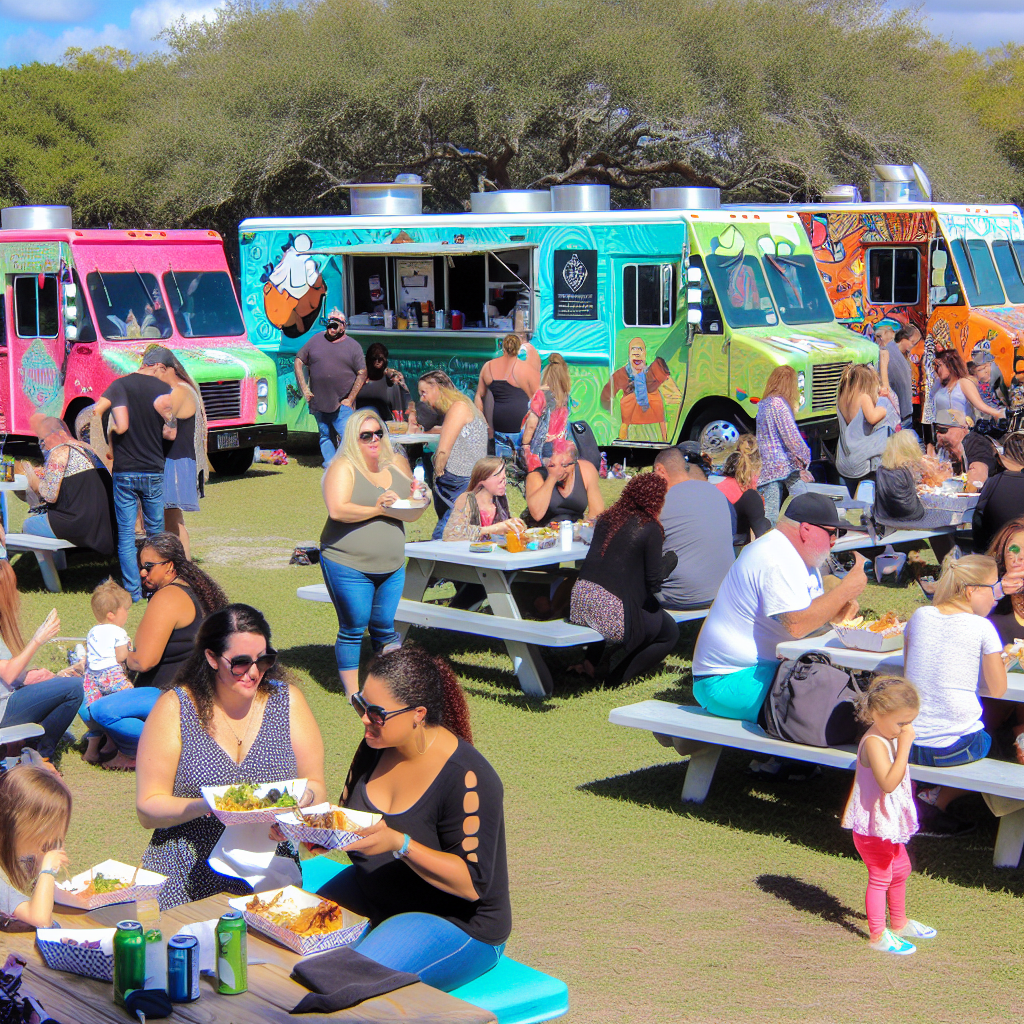
Lakewood, Colorado, offers an exciting and vibrant scene for food trucks, with numerous locations and events where these mobile kitchens can thrive. If you are considering launching a food truck, here are some popular spots and community gatherings to help you find your target audience:
Popular Local Spots for Food Trucks in Lakewood
Lakewood, Colorado, offers an exciting and vibrant scene for food trucks, with numerous locations and events where these mobile kitchens can thrive. If you are considering launching a food truck, here are some popular spots and community gatherings to help you find your target audience:
1. O’Kane Park
O’Kane Park hosts regular “Food Trucks in the Park” events from May through September. These gatherings typically include a variety of food trucks and often feature special activities, such as movie nights, making it an ideal location for families and individuals to enjoy delicious meals in an outdoor setting.
2. Local Breweries
Many Lakewood breweries frequently support food trucks. Key spots include:
- Landlocked Ales (3225 South Wadsworth Blvd): This brewery often hosts food trucks like Tacos Pegueros and El Wero during special events, providing visitors with great beer and tasty food offerings.
- WestFax Brewing Company (6733 W. Colfax Ave): Known for its craft beers, this venue regularly features various food trucks, supporting community engagement and culinary diversity.
3. Lakewood Truck Park
This dedicated space for food trucks offers a rotating selection of vendors and hosts community events, making it a popular spot for locals to explore different food options. Special events, like the “Bluey & Bingo Halloween Spooktacular,” attract families and children, fostering a lively atmosphere.
4. Colorado Mills Mall
Located at 14500 W. Colfax Ave, the Colorado Mills shopping center occasionally hosts food trucks, especially during peak shopping seasons and special events, providing shoppers with delicious food options while they take a break from retail therapy.
5. Lakewood Heritage Center
Situated at 801 S Yarrow St, the Lakewood Heritage Center is a historical venue that hosts various events throughout the year, often featuring food trucks to serve attendees, enhancing the overall experience with diverse dining options.
Community Preferences
The Lakewood community appreciates the variety and convenience food trucks bring to local events and commercial areas. The mixture of food trucks with breweries, parks, and shopping destinations aligns with the residents’ desire for accessible and diverse dining experiences. The city’s active promotion of food truck events and the dedicated space at Lakewood Truck Park reflect strong support for this culinary movement.
For food truck owners seeking to establish themselves in Lakewood, tapping into local events and understanding community dynamics will be essential for connecting with their target audience effectively.
The food truck industry is witnessing rapid growth, appealing primarily to millennials and younger demographics. As of 2025, there are approximately 48,400 food trucks in the U.S., with an annual growth rate of 8%. The industry is projected to generate around $2.8 billion in revenue by 2025. Over 60% of millennials have eaten from a food truck in the past year, and the 25 to 44 age group constitutes 43% of total food truck expenditures.
Key reasons for this popularity among younger consumers include:
- Convenience: 92% of customers favor food trucks for their quick service.
- Social Media Influence: Effective use of platforms like Facebook and Twitter has helped food trucks engage and attract customers.
- Evolving Tastes: There is a trending demand for gourmet foods among millennials and Gen Z, favoring unique and adventurous food concepts.
This data highlights the robust growth of the food truck sector, showcasing its appeal and importance among younger consumers in the culinary landscape.
Conclusion: Take the Leap into the Food Truck World
Embarking on the journey of launching your very own food truck is not just about serving food; it’s about embracing the entrepreneurial spirit and contributing to your community in meaningful ways. The food truck industry is vibrant and dynamic, offering endless opportunities for creative expression and the chance to build lasting relationships with customers who appreciate your culinary offerings.
As Ross Resnick, founder of Roaming Hunger, aptly stated, “Food trucks are not just about food—they’re about community and the experience of sharing a meal. They bring people together in ways that traditional restaurants just can’t.”
The rewards extend far beyond financial gains. Picture the thrill of seeing people enjoy your dishes, the joy of receiving compliments, and the satisfaction of knowing you bring delicious food to those around you. Engaging with your community allows you to make a positive impact and create a loyal following passionate about your food.
If you are ready to take action, consider these next steps to initiate your food truck journey:
- Research Local Regulations: Every location has unique health codes and permits required to operate food trucks legally. Understanding these regulations is crucial.
- Create a Budgeting Plan: Ensure your finances are in order by drafting a comprehensive budget for vehicle purchase, kitchen equipment, and operational costs.
- Design Your Menu: Start brainstorming on menu items that not only cater to local tastes but also allow you to showcase your culinary flair.
- Network with Local Food Truck Communities: Engage with other food truck owners and participate in events to gather insights, learn best practices, and get support.
This is your chance to dive into something truly exciting—a life where your passion for food can flourish on wheels. As you dream of your unique culinary creations, remember that every meal you serve contributes to a larger story of community and connection. Don’t just imagine it, make it happen! The food truck world is waiting for you!
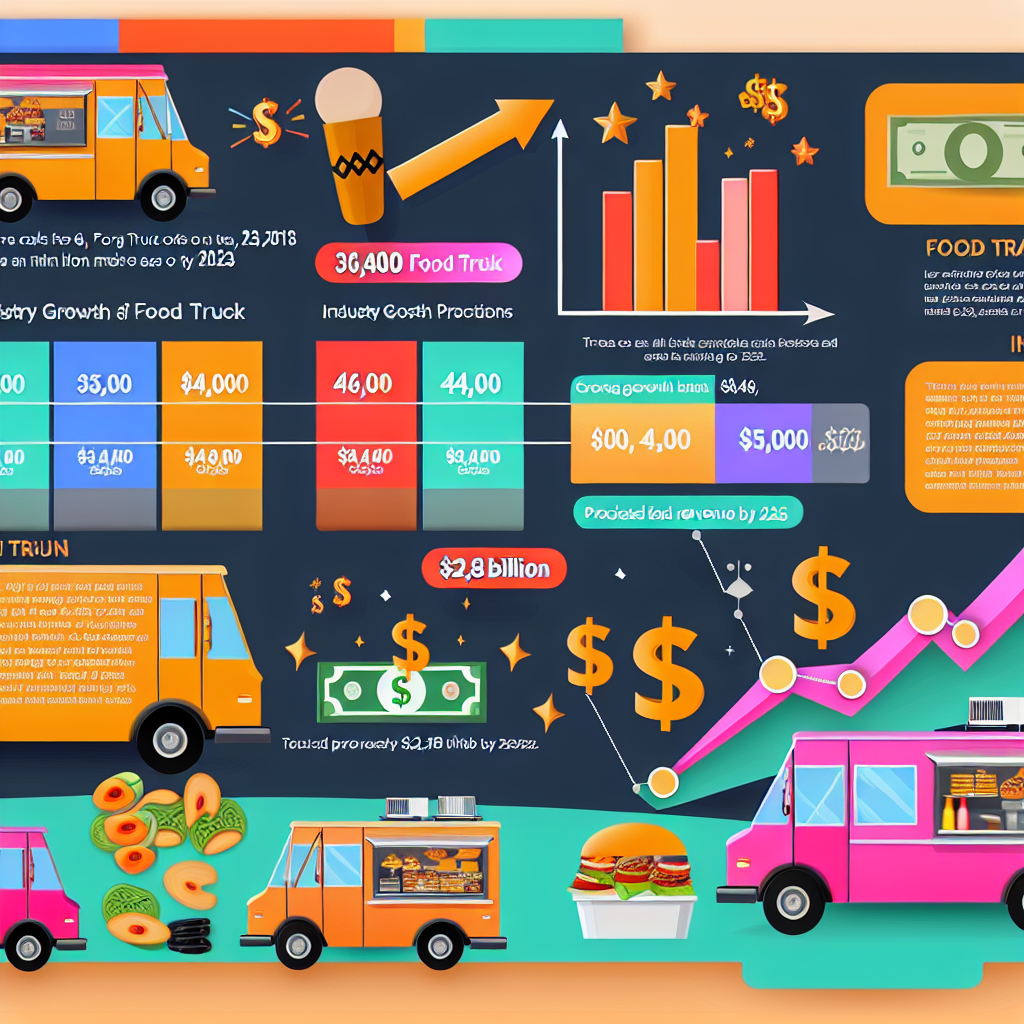
An infographic highlighting the key statistics and trends in the food truck industry.