
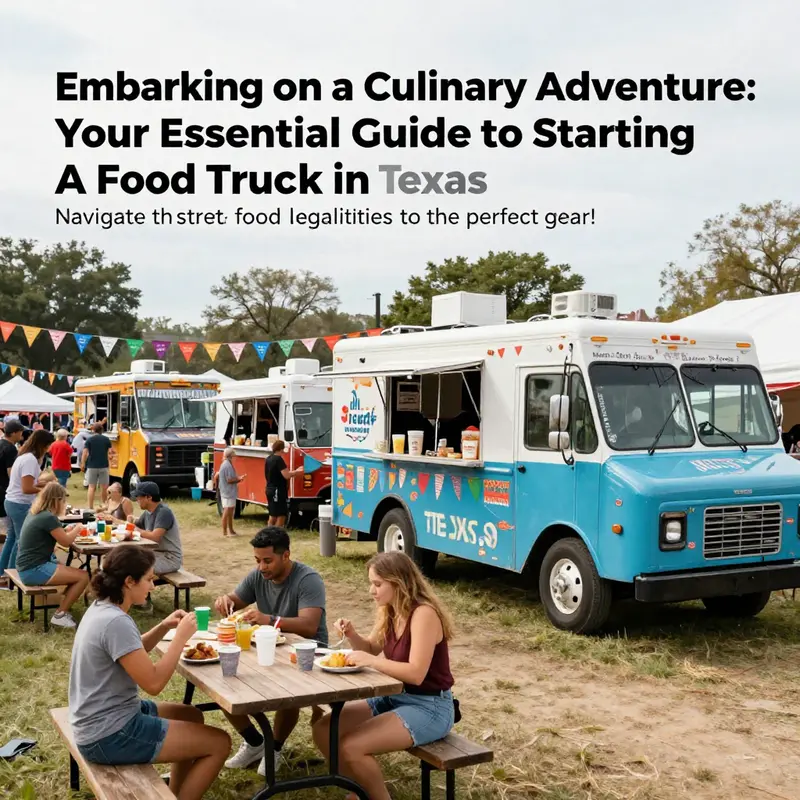
Starting a food truck in Texas offers a delicious way to share your culinary passion while connecting with the vibrant community and visitors alike. Whether you’re an aspiring food truck operator or a tourist eager to explore local flavors in Lakewood, understanding the key elements of launching a food truck is essential. This guide breaks down everything you need—from legal registrations and permits to health compliance and essential equipment—ensuring you’re well-prepared to serve your tastiest dishes on wheels. Let’s dive into the chapters that will help you hit the ground rolling!
Foundations That Move: Navigating Business Structures and Legal Registration for a Texas Food Truck
When you set out to feed crowds from a moving kitchen in Texas, the foundation you choose for your business structure and the way you register it shape liability, taxes, and day-to-day operations. A well chosen structure acts like a sturdy chassis for a vehicle that will haul your dreams across cities, parks, and festival grounds. The right choice reflects how you intend to grow, how you plan to hire, and how you want profits and responsibilities to flow through your books.
Sole proprietorship offers the simplest path. One person, a truck, and a straightforward tax picture can feel tempting when momentum is everything. Yet simplicity comes with personal liability tied directly to business debts and lawsuits. If you expect partners, investors, or family involvement, a partnership adds complexity and shared liability, though it can work smoothly in the early days with clear operating agreements. Most food truck operators who want protection and flexibility lean toward a limited liability company, or LLC. An LLC provides a shield between personal assets and business liabilities while preserving pass-through taxation, so profits aren’t taxed twice at the corporate level. In Texas, an LLC is a prudent middle ground between ease of setup and protective benefits. A corporation, with its formalities and more involved tax structure, can suit larger operations or businesses that anticipate venture capital or multiple ownership layers, but it brings increased compliance and administration.
With a structure chosen, the next step sits squarely in the realm of legal registration. Texas requires you to register your business with the state if you are operating under a name that isn’t your legal name, or if you choose any formal business entity like an LLC or corporation. This means considering a unique business name and filing the appropriate formation documents through the Texas Secretary of State. If you plan to use a name beyond your personal name, you’ll likely file for a DBA, often described as a Doing Business As. The DBA filing protects you by tying your chosen brand to the legal entity behind it and ensuring the public record reflects the name you’ll trade under in menus, invoices, and social media. After you’ve settled on your structure and name, you’ll obtain a Federal Employer Identification Number, or EIN, from the IRS. An EIN functions as a social security number for your business, opening a bank account, handling payroll, and simplifying tax reporting. It’s free, it’s straightforward, and it signals to vendors and customers that your operation is legitimate and ready to transact on a professional level.
Beyond the state level, local jurisdictions in Texas add their own layer of registration and permits. Each municipality may require a separate license for mobile vendors, a business tax certificate, and sometimes a signage permit if your truck will carry a prominent logo or elaborate lettering. These local permits ensure you are operating within the zoning rules of parks, streets, and business districts. If you plan to serve alcohol from your mobile unit, a Texas Alcoholic Beverage Commission permit becomes part of the landscape, with training and background checks that reflect the seriousness of serving alcohol in a mobile context. Health and safety compliance sits next in line, because the mechanics of keeping food safe are non-negotiable on a truck that travels across neighborhoods and events. All staff who handle food should pursue a Texas Food Protection Manager Certification, and the truck itself must pass a health inspection before any wheels turn toward customers. A sanitation plan is not merely an administrative formality; it is the playbook that demonstrates how you will maintain temperatures, separate raw and cooked items, and manage waste and pest prevention in a compact space. Local health departments look for functional handwashing stations, proper refrigeration, and waste management systems that align with the standards required for mobile food operations.
Insurance is another pillar that supports the structure from the outside, even as the inside is being built with careful bookkeeping and legal filings. General liability insurance protects against claims of bodily injury or property damage that could arise if a customer trips near your truck or if a spill occurs on a festival lawn. Commercial auto insurance covers the truck itself as a vehicle and as a business asset, guarding against accidents, theft, and other unforeseen events on the road. If you hire employees, workers’ compensation becomes a requirement in Texas for businesses with one or more workers, providing a safety net for injured staff and reducing liability for you as the owner. The insurance layer not only fulfills regulatory expectations but also communicates professionalism to customers, hosts, and venues who host you in their spaces.
The nuts and bolts of the truck and its equipment deserve equal attention. You will decide whether to purchase or lease a vehicle that meets health and safety standards while fitting your cuisine, space, and service model. Your kitchen layout should prioritize efficient workflow, with zones for hot and cold holds, handwashing, prep, cooking, and plating in a compact footprint that respects fire and ventilation codes. While the specifics of equipment are tied to your menu, the overarching goal is a reliable system that survives long shifts, frequent set-ups, and rapid relocations. In practice, many operators seek turnkey or semi-custom solutions from mobile kitchen providers, but the core objective remains the same: a clean, safe, and compliant working environment that delivers consistent results.
Location strategy and operating plans are inseparable from legal compliance. Start by mapping high-traffic areas—public parks, office corridors, stadiums, and event venues—where customers congregate and appetites align with schedules. Zoning laws and street-use rules can limit where you park or operate, so a proactive approach to permission and timing matters. In the era of mobility, you’ll also look to event booking approaches, even if you prefer word-of-mouth growth. A proactive calendar that aligns with local festivals, markets, and weekends helps you maximize revenue while staying within permitted hours and locations. On the branding side, a cohesive identity—name, logo, and menu style—will carry you through your first season and beyond, while social media presence turns curiosity into lines and repeat customers. To keep the growth momentum steady, consider a practical, scalable marketing plan that emphasizes eye-catching visuals, a memorable menu, and some incentive for first-time visitors, all of which contribute to a durable brand in a crowded field.
Throughout this journey, a practical reference point is useful. For a sense of how others balance truck design with business practicality, you can explore resources like the collection of insights on best-fit truck models for early-stage food ventures, which can spark ideas about space, workflow, and durability. And as you build your registration and compliance backbone, remember that a strategically chosen structure and a thoughtful registration path reduce headaches later. The process may feel meticulous, but it is also strategic; it delivers legal protection, smoother banking, cleaner tax treatment, and a clearer path to sustainable growth across Texas’s diverse cities and communities. When you think about the road ahead, imagine not just the first pop of steam and aroma, but the long arc of a business that can roll smoothly from one event to the next, with clear numbers, documented licenses, and a dependable crew.
For a broader overview of state-level business registration processes, consult the Texas Comptroller resource. It offers essential guidance on compliance and forms that help you navigate the paperwork with confidence.
Rolling Toward Compliance: A Texas Food Truck Starter’s Guide to Licenses, Permits, and Regulations
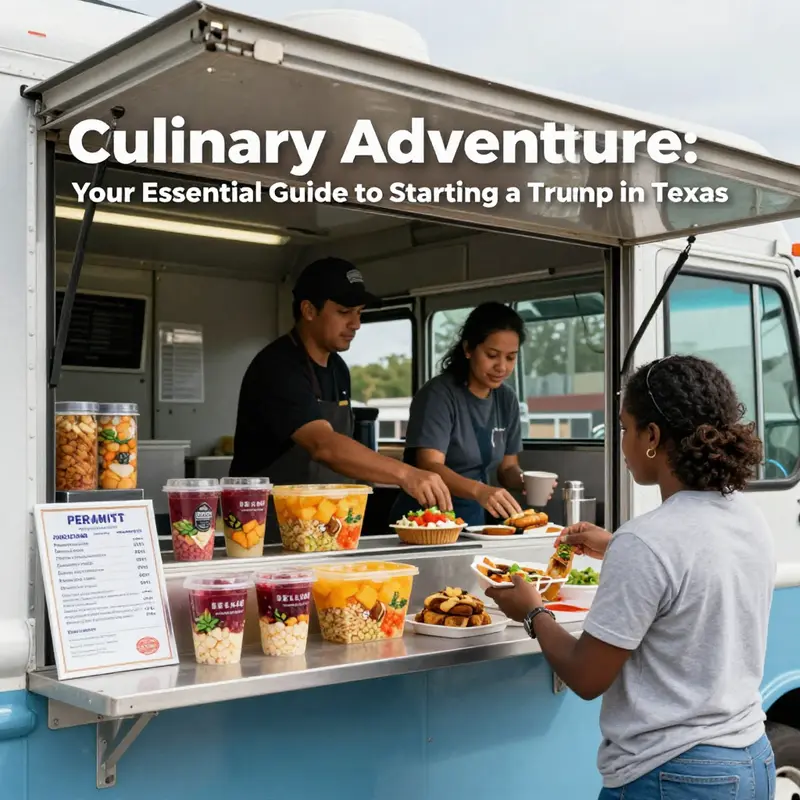
Launching a Texas food truck starts long before you pull onto a curb with a sizzling grill. It begins with a clear map of the licenses and permits that keep your doors open, your customers safe, and your business humming through busy lunch lines and weekend festivals. In Texas, the licensing landscape sits atop a layered framework that blends state health standards, local enforcement, and practical business registration. Understanding how these pieces fit together is less about chasing one big permit and more about building a chain of compliance that holds firm under the daily demands of a mobile kitchen. At the heart of this structure is your obligation to prove that your operation meets rigorous health and safety standards while also fitting the rules of the city, county, and state where you plan to work. It is a collaborative effort between regulatory agencies and your team, and the payoff is straightforward: legitimacy, trust, and the freedom to serve customers wherever there is demand. The first piece of the puzzle is the state health permit that validates your food service practices. In practice, many Texas jurisdictions refer to this permit as the Texas Food Service Establishment Permit, administered through the state health agency. The exact pathway can vary by locale, but the underlying goal remains consistent: ensure that food is stored at proper temperatures, handled with clean, sanitary procedures, and prepared in facilities designed to minimize contamination. In some references, you’ll see a parallel or complementary program described under the Texas Department of Agriculture umbrella for mobile vendors; while the TDA offers support and guidance for mobile operators, the formal health credential most often anchors a mobile unit in the broader regulatory framework. It’s not unusual for a city to require a local health department review in addition to the state credential, so expect a conversation about how your truck is equipped, how waste is managed, and where handwashing stations will be placed. The practical implication is simple: your path to rolling up in a market is paved by a permit that demonstrates you meet health and safety expectations and by a series of local approvals that certify you’re allowed to park and operate in particular zones at particular times. Those local approvals typically come in the form of a Mobile Food Vendor License from the city or county health department, a Business Tax Certificate or equivalent business license, and sometimes signage permissions if your branding will be large or prominent on the vehicle itself. This is where the line between state-wide health standards and local customization becomes visible. You may be assessed on separate criteria at the city level—zoning compatibility, parking restrictions, and even operating hours that respect neighborhood rules. The result is that licensing is not a single hurdle but a series of checkpoints that align your operation with health codes, traffic and parking policies, and business regulations designed to protect patrons and competitors alike. As you plot your route to compliance, you’ll also be wiring in your business’s formal identity. Even before food safety and site permissions are fully squared away, you’ll want to secure an Employer Identification Number from the IRS if you plan to hire staff, and you’ll register with the Texas Comptroller of Public Accounts for sales tax collection. A seller’s permit may be required depending on your sales structure and volume, so it’s wise to talk through tax obligations as early as possible with a tax professional or a state resource. These steps create the financial backbone of your venture and simplify downstream processes like payroll, banking, and quarterly filings. The health and safety requirements, however, extend beyond paperwork. A critical component is staff preparedness through a formal Food Handler’s Certification, or an equivalent credential, so your team understands proper food protection practices, cross-contamination prevention, and clean handling of contaminated items. Your truck will then face a health inspection, which evaluates refrigeration, ventilation, waste disposal, handwashing stations, pest control measures, and general sanitation. It may sound procedural, and it is, but it pays dividends in trust and reliability. A well-documented sanitation plan, tailored to your menu and kitchen layout, becomes a living blueprint that guides daily operations and audits. In parallel with these health milestones, you’ll assemble the physical and legal infrastructure that makes a truck viable. The vehicle itself—either purchased or leased—must be ready to accommodate the necessary equipment: proper refrigeration, safe cooking surfaces, sinks with adequate drainage, and storage that keeps ingredients organized and accessible during service. Insurance becomes the practical shield that supports life in motion: general liability to cover customer incidents, commercial auto insurance for the truck as a vehicle and asset, and workers’ compensation if you have employees. Texas law requires workers’ comp for businesses with employees, so a plan here protects both you and your crew as you grow. The sequence of steps you’ll follow is not merely a checklist but a dynamic process. Begin with a clear business structure and registration so your entity exists in the eyes of law and lenders. Then pursue the health-facing credentials and inspections that verify your kitchen can operate safely under state and local standards. At the same time, secure tax registrations and employer numbers to keep your finances in order. Finally, align your street presence with local zoning rules, maps of permitted operating zones, and the realities of where people congregate—parks, festivals, office parks, stadium gatherings, and community events that draw foot traffic. If you’re uncertain about equipment choices or layout as you navigate permits, you can learn from those who have walked similar paths. For instance, many aspiring operators explore practical truck models and configurations that lend themselves to compliance and efficiency—an area worth exploring as you iron out your plans. See discussions around popular truck models for startup ventures in resources like Best food-truck models for Lakewood startups. This kind of research helps you select a chassis and layout that facilitate easier cleaning, smoother workflow, and compliant installation of ventilation, sinks, and refrigeration. As you orchestrate this licensing journey, remember that the aim is seamless everyday operation. Your branding and marketing efforts should reflect the professional standard you have built in your permits: clean, compliant, and customer-focused. A strong local presence begins with a business license and a clear schedule of where and when you will operate, but it extends to a brand narrative that communicates reliability, safety, and a consistent dining experience. In the long run, your license portfolio becomes a living document—renewed, updated, and adjusted as you expand, add staff, or move to new jurisdictions. This means tracking expiration dates, staying current on food code changes, and maintaining an ongoing dialogue with the health department and local authorities. It also means keeping your sanitation plan current, training new staff promptly, and ensuring that any adjustments to menu or kitchen equipment are reflected in your permits and inspections. The regulatory path in Texas rewards prepared operators with fewer surprises on busy days and more predictability when you scale to multiple locations or events. For entrepreneurs who want to drill into specifics, the official guidance from state health agencies is invaluable. The landscape can vary by city, so consult the local health department for tailored requirements and timelines. And for formal, state-level health standards and process details, you can review the Texas Department of State Health Services’ food service portal to understand the scope of the permit, inspection expectations, and documentation you’ll need to assemble. External resource: https://www.dshs.texas.gov/foodservice
Meeting Texas Health and Safety Rules: How to Build a Compliant Food Truck Operation
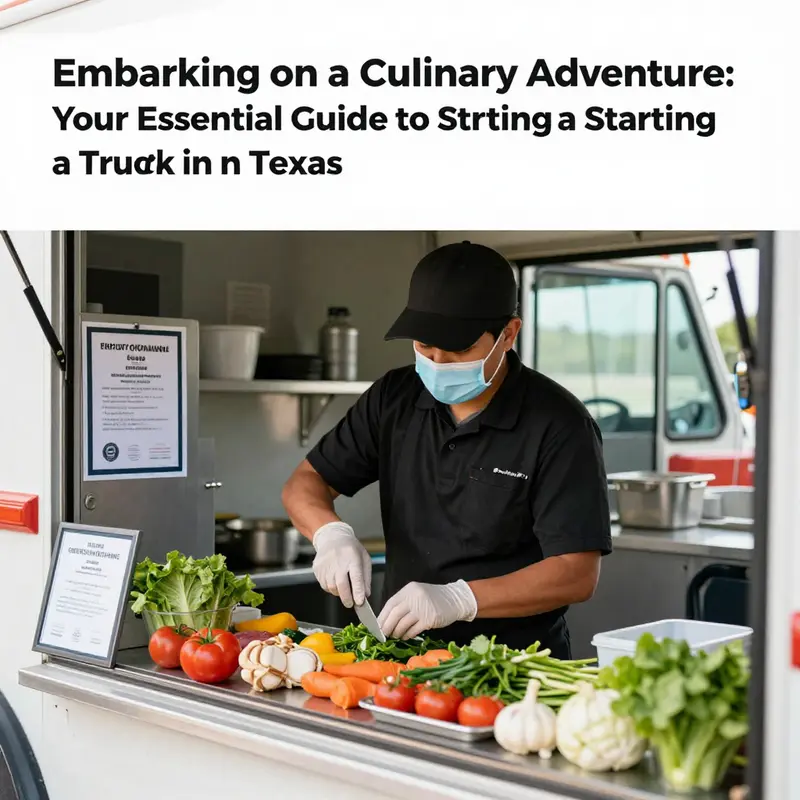
Health and safety compliance is the backbone of a successful food truck business in Texas. From the moment you sketch your truck layout to the day you serve your first plate, every decision must prioritize safe food handling, sanitation, and regulatory transparency. Meeting state and local standards protects customers and shields your business from fines, closures, and reputational damage. This chapter walks through the practical steps and everyday practices that keep a mobile kitchen compliant, with clear expectations for staff, equipment, and inspections.
Start with training. Every person who touches food must understand safe handling and cross-contamination prevention. Texas requires a Food Protection Manager Certification or an equivalent state-approved course for employees handling food. These courses teach critical controls such as proper handwashing technique, time and temperature abuse prevention, sanitizing surfaces, and allergen awareness. Make certification a condition of hiring and schedule recurring refresher training. Staff who know the rules will help you pass inspections and run a cleaner, safer service.
Design your truck with sanitation and inspection in mind. When applying for a Mobile Food Facility Permit, you will submit detailed plans of the truck layout. Plan now to meet those expectations. Use non-porous, easy-to-clean materials for counters, walls, and shelving. Position handwashing stations where employees can access them without disrupting service flow. Install a dedicated three-compartment sink or an approved automatic dishwasher if your menu requires frequent dishwashing. Include a separate handwashing sink for staff and a clearly labeled consumer handwash station if required by local rules.
Temperature control is non-negotiable. Cold foods must remain at 41°F or below, and hot foods must stay at 135°F or above. Fit reliable refrigeration units and monitor them with calibrated thermometers. Consider digital loggers that record temperatures throughout the day and keep logs for inspectors. For hot holding, use equipment that maintains consistent heat without drying or overcooking food. Train staff to check and record food temperatures at set intervals, and to discard items that fall into the danger zone for extended periods.
Waste handling and plumbing require attention. Mobile units must provide safe, sanitary wastewater storage and disposal methods. Waste tanks need adequate capacity for your peak service and easy offloading at approved sewage stations. Ensure grease traps meet municipal standards and schedule regular cleaning. Trash containers should be covered and emptied frequently to avoid pests. Keep a maintenance log for plumbing and wastewater removal—inspectors often ask for records showing regular upkeep.
Preventing cross-contamination starts with layout and workflow. Separate raw protein prep from ready-to-eat food areas. Use color-coded cutting boards and utensils to reduce risk. Store raw foods below cooked or ready-to-eat items in refrigerators and transport containers. Label containers clearly and implement a strict rotation system based on preparation and use-by dates. All packaging, disposable gloves, and single-use items should be stored off the floor, shielded from possible contamination, and within reach of staff to encourage proper use.
Sanitation is an ongoing practice, not a one-time setup. Maintain a written sanitation plan that details cleaning frequency, sanitizing solutions, and responsible staff. The plan should include daily tasks—cleaning prep surfaces, sanitizing utensils, and disinfecting high-touch areas—and weekly or monthly chores such as deep-cleaning ventilation hoods and degreasing exhaust filters. Keep Material Safety Data Sheets (MSDS) for cleaning chemicals accessible, and ensure staff use proper dilution and contact times to achieve effective sanitation without damaging equipment.
Equipment selection affects compliance and efficiency. Choose appliances designed for commercial mobile use and that meet health department criteria. Pay attention to ventilation and fire suppression systems. Proper ventilation prevents grease buildup and ensures a safe working environment, while the correct suppression system protects customers and staff from fire risks. Regularly service refrigeration, cooking, and ventilation equipment and keep maintenance receipts. Inspectors may request proof that systems are maintained and functioning.
Documentation smooths inspections. Keep copies of all certifications, permits, and inspection reports on board. Maintain temperature logs, cleaning schedules, waste disposal receipts, and training records in an organized binder or digital folder. When an inspector arrives, being able to produce current documents quickly shows professionalism and commitment to safety. It can also speed up the inspection process and reduce the likelihood of fines or temporary closures.
Understand the cadence and consequences of inspections. Local health departments conduct routine inspections and may perform unscheduled visits. Inspectors look for proper food storage temperatures, evidence of cross-contamination prevention, functioning handwashing stations, and clean facilities. Failing an inspection can trigger fines, mandatory corrective action, or temporary closure until issues are resolved. Treat each inspection as an opportunity to refine operations and to demonstrate a proactive safety culture.
Plan for emergency scenarios. Develop protocols for power loss, refrigeration failure, equipment malfunction, or illness among staff. Have backup cooling solutions, such as portable refrigerated units or coolers with ice packs, and written steps for discarding perishable items if temperatures exceed safe limits. Train staff on what constitutes reportable illnesses and when to stay home. A clear emergency plan reduces food safety risk and shows inspectors you take prevention seriously.
Finally, build compliance into your brand. Customers value visible cleanliness and transparent hygiene practices. Display your permits where allowed, post certification stickers, and use social media to communicate your safety standards. This not only reassures diners but also differentiates you in a crowded market.
For official guidance and the detailed application process for the Mobile Food Facility Permit, refer to the Texas Department of State Health Services guidance at: https://www.dshs.texas.gov/food. If you are choosing or customizing a truck model, this guide to the best food truck models for startups can help align your equipment choices with compliance needs: https://lakewoodfoodtrucks.com/best-food-truck-models-for-lakewood-startups/.
Protecting Your Rolling Kitchen: Essential Insurance Choices for a Texas Food Truck
Protecting Your Rolling Kitchen: Essential Insurance Choices for a Texas Food Truck
Launching a food truck in Texas means juggling licensing, health inspections, and the constant search for good parking. Equally important, and sometimes overlooked, is building a layered insurance strategy that protects the truck, the staff, and the recipe for your livelihood. Insurance is not a single policy but a tailored combination of coverages that work together to reduce financial risk. Choosing the right mix will help you meet legal requirements, satisfy event organizers and property owners, and keep an unpredictable road from wiping out your investment.
At the center of any insurance plan for a mobile food business is coverage for the vehicle itself. Commercial auto insurance is different from personal auto policies. It covers liability if your truck damages someone else’s property or injures a person while you are on the road, and it often includes physical damage protection for collisions and comprehensive perils like theft, fire, or weather-related loss. Given the heavy equipment and supplies onboard, replacement costs can be high. Investing in a policy that reflects the actual value of your outfitted truck — not just the vehicle chassis — reduces the likelihood of a shortfall when you file a claim.
While the truck is mobile, when you are parked and serving customers you are operating a temporary place of business. General liability insurance protects against third-party claims for bodily injury and property damage that occur during that time. Think of slips near the serving window, burns from hot food, or damage to a vendor’s property at an event. A strong general liability policy will cover medical expenses, legal defense, and settlements up to your policy limits. For small vendors, this policy is often the first line of defense against lawsuits that can quickly become costly.
Property insurance extends protection beyond the truck’s shell. Kitchen equipment, refrigeration units, cooking appliances, POS systems, and inventory are all business assets that may be exposed to theft, vandalism, or damage. Property coverage can be written as part of a commercial package or as a standalone policy; ensure the limits reflect the cost to repair or replace equipment. If you lease equipment, confirm whether the lease requires specific coverage and whether the lessor’s interests are named on the policy.
Because food is at the heart of the business, product liability — sometimes called food contamination or foodborne illness insurance — is critical. This coverage addresses claims that arise from customers becoming ill after consuming your food. The coverage helps manage legal costs, medical claims, and settlements related to contamination, improper preparation, or undisclosed allergens. Even with meticulous safety practices and staff training, no operation is immune to human error or supplier issues. Product liability gives you financial protection while preserving the reputation you work to build.
If your truck hires additional hands, you must plan for workers’ compensation. In Texas, having coverage is mandatory for businesses with employees. Workers’ compensation pays for medical treatment, rehabilitation, and lost wages for employees injured on the job. Beyond legal compliance, providing this coverage shows employees you value their safety and can reduce turnover. It also protects you from potential lawsuits by employees who are injured and might otherwise sue the business.
Other coverages are useful depending on your operations. Equipment breakdown insurance protects costly appliances if they fail unexpectedly. Business interruption insurance can replace lost income when an insured event — such as a covered physical loss — makes it impossible to operate. If you sell at rented events or on private property, consider contingent liability or premises liability endorsements that extend protection when you operate away from your usual location.
Insurance premiums reflect perceived risk, so steps that reduce risk can lower your costs. Keeping the truck well-maintained and modernizing safety systems can translate into discounts. Installing fire suppression systems, using approved refrigeration, and training staff in safe food handling reduce the chance of claims. Documenting maintenance, adhering to local health codes, and maintaining clean inspection records show insurers that you manage risk proactively.
Choosing an insurer and agent matters. Look for professionals who specialize in small businesses or commercial vehicles and who understand mobile food operations. An experienced agent will ask about your typical locations, daily mileage, equipment value, average number of employees, and whether you serve alcohol. That information shapes a policy package that covers your specific exposures without paying for irrelevant coverage.
When evaluating policies, focus on limits and exclusions as much as premium. Low premiums can hide inadequate limits and significant exclusions that leave you exposed. Confirm whether deductibles apply per event or per component. Ask how claims are valued — whether equipment is covered on a replacement-cost basis or depreciated. If you park in multiple cities, verify whether your liability coverage follows you across municipal lines and whether you need additional local endorsements.
Some event organizers and property owners require certificates of insurance and specific limits. Building relationships with event planners and property managers becomes easier when you can quickly provide the required documentation. Keep digital copies of certificates and endorsements on hand for online applications and contracts. If you plan to serve alcohol, obtain any additional liquor liability coverage required by local rules and liquor licensing authorities.
Budget for insurance from day one. Premiums will vary by truck value, location, driving history, claims record, and coverages chosen. Startups often balance cost with protection by choosing higher deductibles, bundling policies, or opting for business owner packages that combine general liability and property insurance. But avoid underinsuring equipment or product liability; a single severe claim can outstrip modest savings on premium.
Beyond policies, create internal practices that reduce risk. Train staff in safe food handling and equipment operation. Keep clear sanitation logs and maintenance records. Use secure storage to deter theft and install basic security measures like alarm systems or GPS tracking. These actions complement your insurance and demonstrate due diligence should you need to make a claim.
If you want a quick reference to truck options while considering how equipment choices affect insurance and safety, review the guide to the best food truck models for Lakewood startups. It can help you weigh equipment needs and safety features when budgeting for coverage: https://lakewoodfoodtrucks.com/best-food-truck-models-for-lakewood-startups/.
For further detail on vehicle safety features and how they can influence auto insurance discounts, consult this external resource: https://www.statefarm.com/insurance/vehicle-safety-savings
A thoughtful insurance plan does more than satisfy requirements. It protects your investment, gives peace of mind to staff and customers, and keeps your truck rolling when unexpected events occur. Start with the essential coverages, tailor policies to your operation, and reassess regularly as your route map, menu, or staffing changes.
Wheels, Heat, and Health: The Essential Gear Playbook for Launching a Texas Food Truck
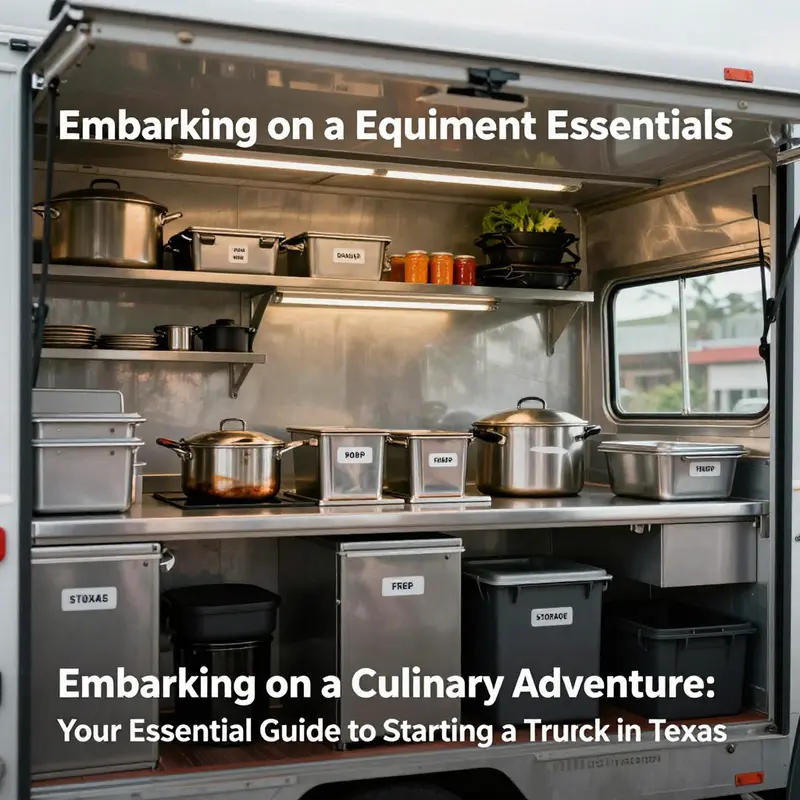
A Texas food truck is a compact, climate-tested workshop where every gear choice—cooking equipment, refrigeration, and sanitation—shapes cost, service speed, and safety. When you map out the heart of your mobile operation, you’re designing a workflow that endures heat, hustle, and health inspections. The right mix of cooking equipment, cold storage, and cleaning gear will influence your menu, margins, and growth.
Cooking equipment sits at the center. In a small space, versatility matters. If your concept is tacos or street food, prioritize a compact, robust cooking system that can handle high-volume service. For burgers, a reliable flat-top plus a solid heat source is a workhorse. For steam-forward dishes, a small convection oven or steam table can expand your menu without bloating the footprint. The goal is multi-function stations that are easy to clean and energy efficient, with rugged build for Texas conditions.
Refrigeration is the quiet partner. Temperature stability matters in Texas heat. You’ll typically need under-counter units, reach-ins or bottle coolers, and a walk-in or chest freezer for bulk stock. Choose commercial-grade equipment that’s sealed, minimizes energy use, and fits your truck layout while enabling safe, sanitary storage.
Cleaning and sanitation complete the trio. Sinks with hot and cold water and a dedicated handwashing station support basic hygiene. Designate clean and dirty zones to prevent cross-contamination, and plan for sanitizers, cleaners, and waste disposal. Sanitation plans often meet regulatory requirements and help inspections go smoothly.
Finally, plan for growth. Study layout options used by peers in similar markets and consider turnkey packages from Texas-based suppliers. A thoughtful layout prioritizes a smooth workflow, reliable service, and scalable components. Budget for electrical, water, and waste needs, and leave room for future upgrades as your menu evolves.
Final thoughts
Starting a food truck in Texas is more than just cooking—it’s about legal compliance, health standards, and understanding your community’s preferences. Each chapter has equipped you with valuable insights to navigate this exciting venture. By keeping local regulations, customer safety, and essential equipment in mind, you’re ready to bring your culinary dreams to life. So, gear up to hit the roads and serve up some unforgettable flavors!