
Imagine the aroma of freshly prepared tacos wafting through the air, or the sight of a colorful food truck parked at a bustling Lakewood festival. Starting a food truck can be a delicious venture that not only satisfies your passion for cooking but also adds to the vibrant dining scene of our beloved town. In this guide, we’ll explore everything you need to know about starting a food truck—from shaping your business idea to navigating crucial legalities and ensuring compliance with health regulations. Each chapter will serve as a stepping stone, helping you gain confidence as you take the plunge into this exciting industry.
From Blueprint to Street Corner: Mastering Business Planning and Market Research to Launch a Successful Food Truck
Launching a food truck starts long before the first sizzle of a grill. It begins with a clear vision paired with disciplined planning and a deep read of the market you intend to serve. You are not just buying a vehicle and a license; you are orchestrating a small, mobile business that must adapt to shifting neighborhoods, evolving tastes, and the rhythms of the day. The most successful operators treat planning and market research as ongoing practices, not one-time hurdles. A well-crafted plan acts as a compass when cash is tight, when you’re weighing menu ideas against price points, and when you need to persuade lenders or partners to believe in your concept. The essence of that plan rests on three anchors: a compelling concept that resonates with a specific audience, a menu and pricing strategy that fit the budget of both the business and its customers, and a realistic forecast of costs, revenue, and capital needs. The guidance from the U.S. Small Business Administration emphasizes this structure: a robust plan improves access to startup capital and keeps you focused on measurable milestones. With that framework in mind, you can move confidently from an idea around a kitchen counter to a street corner where people line up for a lunch and a story.
Market research, the second pillar, shapes everything from concept to location. It begins with understanding who your customers are, what they crave, and when they are most likely to buy. Demographics matter, but so do behavior patterns: where do people like to eat on a workday, which nearby venues attract foot traffic, and how long they are willing to wait for a quality bite from a mobile kitchen? In practice, this means gathering data on income levels, cultural preferences, and the presence or absence of similar offerings in your target area. It also means studying traffic patterns and event calendars. A thoughtful analysis looks beyond price and taste to cadence—peak hours for lunch, after-work cravings, weekend crowds at markets or fairs. Statista’s 2023 findings underscore a simple truth in this space: successful operators often credit their strength to detailed market analysis prior to launch. The insights are not abstract; they translate into where you stand, when you serve, and which dishes you push first.
A practical business plan distills all this into a map you can execute. It clarifies your concept in a way lenders can measure, and it translates market insights into a menu that fits the neighborhood and the budget. Start with a core offering that can travel well and be consistently prepared in a compact kitchen. Define your target audience with a name and a few defining characteristics—the kind of people who would seek your flavor profile and who likely walk past your planned locations at just the right moments. Your menu development should balance novelty and reliability. Innovative signature items can draw crowds, but the backbone of your revenue is the ability to produce repeatable dishes under pressure and within food-safety guidelines. A clear pricing strategy ties directly to your cost structure, including commodity prices, labor, and waste. When pricing, consider the total cost per plate and the emotional value of the dining experience you’re delivering. The aim is not to be the cheapest option but to offer consistent value that customers feel in their pocket and palate.
Another cornerstone is the operational plan—how you will run the truck, what equipment you need, and how you will source and store ingredients. The plan should also cover opening hours, route strategies, and a daily routine that keeps food quality high even as demand fluctuates. Financial projections follow naturally from this. Start-up costs must account for the vehicle itself, equipment, initial inventory, licensing, insurance, and a contingency buffer. Ongoing expenses include fuel, maintenance, payroll, and periodic compliments to your marketing efforts. The SBA’s guidance is practical here: a coherent, well-supported plan improves your odds of securing startup capital and helps you stay aligned with your goals as the business grows. This is not just about securing a loan; it is about maintaining a disciplined course when opportunities or obstacles arise.
As you translate planning into action, market research becomes a living process. When you identify a promising site, you must validate it with real-world testing. Farmers’ markets, pop-ups, and small-street events offer affordable platforms to test recipes, refine workflows, and observe customer reactions without the risk of a full-scale launch. These pilot tests reveal which days and times yield the best turnout and which locations produce the highest order-to-service speed. They also reveal preferences you might not anticipate from desk research alone. For example, a particular dish might be popular at a farmers’ market but less appealing in a downtown corridor due to price sensitivity or competing meals nearby. The data gathered from these pilots informs your final strategy for opening locations, hours, and even the seasonal adjustments you’ll need to keep the truck profitable across the year.
In building your plan, you must also confront the realities of permits, licenses, and compliance. The narrative of a successful food truck is inseparable from the discipline of regulatory readiness. You will need a food service permit or a food permit to prove that your kitchen setup, hygiene practices, and food handling meet health standards. A local business license grants permission to operate within a city or county, while a specialized mobile vendor permit may be required by specific jurisdictions. Sales tax permits ensure you collect and remit taxes appropriately for prepared foods. Vehicle-related permits, registrations, and proper insurance protect you and your business as you travel from one curb to another. Health and safety compliance adds another layer of accountability: food handlers’ permits or health certificates for staff, routine inspections, and meticulous records of supplier invoices, temperatures, and cleaning schedules. This is the infrastructure that makes your concept durable, not just a temporary culinary experiment.
The path from planning to traction also requires a sober look at equipment and setup. A food truck must be equipped to deliver consistent results safely and efficiently: refrigeration to keep perishables fresh, dependable cooking appliances, a reliable water and waste system, a fire extinguisher, proper ventilation, and a capable POS setup. The guidance here is pragmatic: start small, prove the model, then upgrade as profits permit. Your choice of truck and layout should reflect your menu, your peak service times, and the environments you expect to serve in. A few early investments in layout planning can save you a world of headaches later when you are juggling orders, food safety, and customer service in close quarters on a bustling street.
Budgeting and funding are the practical gears turning the whole machine. Start-up costs vary widely, influenced by whether you purchase a pre-owned vehicle and how extensively you customize the interior. Even for a lean operation, expect a substantial upfront investment that warrants careful planning. Funding options span personal savings, SBA-backed loans, crowdfunding, and grants in cases of minority or women-owned businesses. The emphasis here is on realism: you should build a budget that includes a cushion for unplanned costs and a clear plan for how revenue will cover debt service, fuel, and ongoing compliance.
As you weave together plan, research, and compliance, you’ll naturally reach a point where you want to see how real-world layouts and equipment choices intersect with your concept. A practical way to deepen your understanding is to explore resources that discuss different truck models and configurations, especially those tailored to the kind of mobility and flexibility a startup needs. For a concrete sense of options and considerations, many aspiring operators find it useful to review guidance on the best food truck models for Lakewood startups. This resource offers a perspective on how layout choices affect efficiency and service speed, which in turn influence your location strategy and menu design. best food truck models for Lakewood startups.
In the end, the journey from a concept in a notebook to a fully functioning street-side business is a disciplined fusion of planning, market insight, and regulatory readiness. The plan keeps you anchored when opportunities arise and keeps you honest when numbers don’t align with dreams. Market research keeps you relevant by translating trends, tastes, and behaviors into a menu and a schedule that people feel compelled to seek out. Compliance and safety wrap the enterprise in trust, ensuring customers return with confidence and word-of-mouth becomes a powerful driver of growth. The balance of these elements is dynamic, not static. You should revisit your plan, re-check your market assumptions, and refresh your financial model as you gather more data from pilots, permits, and early sales. When these pieces align, a food truck can become more than a mobile kitchen; it can become a neighborhood fixture that signals consistency, value, and culinary curiosity in equal measure.
External resource: https://www.sba.gov/business-guide/plan-your-business/start-a-food-truck
Registration as the First Step: Building the Legal Framework for Your Food Truck
Launching a food truck starts long before the first sizzle of a grill. It begins with a deliberate, methodical embrace of the legal framework that will carry your concept from an idea to a verified business, compliant with local and state rules, safe for customers, and durable enough to withstand the ups and downs of a mobile operation. The backbone of that framework is registration and the related licenses and permits that turn a truck-and-kitchen idea into a legitimate, everyday business. If you hear nothing else in the planning phase, hear this: the form you file and the licenses you secure are your first line of defense and your fastest path to credibility with customers, lenders, and partners. A solid registration strategy clears the path for everything that follows—bank accounts, insurance, vendors, and even the permits you need to serve food legally in your chosen areas.
Choosing a legal structure is the opening move. You must decide how your business will exist in the eyes of the law. The most common paths are a Limited Liability Company (LLC), a sole proprietorship, or a corporation. An LLC provides a shield of liability protection for personal assets while keeping management relatively straightforward, making it a popular middle ground for many solo operators who plan growth or multiple trucks. A sole proprietorship offers the simplest set of filings and the lowest upfront friction, which can be attractive if you intend a lean start with a clear personal financial trail. A corporation, while more complex and often more expensive to maintain, can suit operators aiming for rapid scale or outside investment. Each structure has tax implications, reporting requirements, and long-term consequences for things like ownership transfer and profit distribution. The choice should align with your risk tolerance, funding strategy, and appetite for administrative overhead.
Once you settle on a structure, you need an Employer Identification Number (EIN) from the federal government—essential for tax reporting, payroll (even if you’re the only employee), and opening a business bank account. If you’re operating outside the United States or in situations where you lack a Social Security number, an Individual Taxpayer Identification Number (ITIN) may be the appropriate alternative for certain filings. This step isn’t decorative paperwork; it’s the legal gateway to distinct financial accounts, tax filings, and formal vendor arrangements. Alongside the EIN or ITIN, you should register your business with your state’s official business registry. This formal registration legitimizes your enterprise in the eyes of state agencies, and it’s a prerequisite for everything that follows—from licensing to banking to securing permits.
With your entity formally created, you move into the arena of licenses and permits. In most jurisdictions, a business license acts as the initial permission to operate within a city or county. Even before you hit the road, you’ll need health and safety approvals that verify your kitchen meets hygiene standards and that your staff—whether you’re a one-person operation or a small team—handles food safely. A critical companion to the business license is the Food Service Permit or Food Establishment Permit, issued by the local health department. This permit confirms that your layout, sourcing, storage, and handling practices align with public health expectations. In many cities, you’ll also need a Mobile Food Vendor Permit, a designation specific to trucks and carts that signals to regulators and customers that you’re a permitted, regulated operator in a defined area.
A sales tax permit is another non-negotiable element if you intend to sell prepared meals. You’ll collect tax from customers and remit it to the state, so you need a permit to do so and a system to maintain accurate records. Vehicle-related permits complete the package: your truck must be properly registered under your business name, the operator must hold a valid driver’s license, and commercial vehicle insurance is typically required. These registrations and insurances are not mere formalities; they are essential for safeguarding yourself against liability and ensuring continuity of operations in case of accidents or audits. Many operators discover that a well-documented compliance package—showing professional registration, insurance coverage, and a clear sharing of responsibilities within the operation—helps secure favorable terms when negotiating with lenders or landlords for parking permissions and fuel contracts.
Beyond the core registrations, health and safety compliance remains a continuous commitment. Health departments often require that every person involved in food preparation holds a Food Handler’s Permit or Health Certificate, ensuring that your crew understands basic food safety principles, from preventing cross-contamination to proper cooking temperatures. Training is not a one-and-done event; it’s a recurring obligation that supports consistent quality and protects your customers. Regular inspections may occur, and you’ll be expected to maintain meticulous records—not just of licenses, but of supplier invoices, temperature logs, and cleaning schedules. These records are not just bureaucratic burdens. They function as indicators of your operational discipline and provide a trail that can simplify audits, warranty claims, or liability discussions with insurers.
Equipment and setup intersect with compliance in meaningful ways. A food truck is, after all, a compact, mobile kitchen, and regulators assess whether the equipment configuration supports safe operation. You should plan for reliable refrigeration, appropriate cooking appliances, a steady water supply, a robust waste disposal system, a functional fire extinguisher, a proper ventilation setup, and a dependable Point of Sale (POS) system. While it’s easy to focus on menu and concept, regulators will want to see how you manage the essentials of safety, sanitation, and waste handling. Starting small and investing progressively as revenue grows is a prudent approach here. A lean, compliant first truck can be upgraded in stages, aligning capital expenditure with proven demand and cash flow.
The local layer of compliance is perhaps the most variable and the most consequential. Zoning rules, parking restrictions, and designated operating zones can dramatically shape where you can sell food and when you can operate. Some municipalities restrict where trucks can park at certain times or require that you operate only within assigned event spaces or within a set distance from brick-and-mortar restaurants. A common example is a distance buffer from fixed eateries, or a requirement to avoid competing directly in the same block during peak hours. If you ignore these constraints, you risk fines, temporary shutdowns, or even a permanent ban from certain areas. Because these rules exist at the city or county level, you’ll want to do targeted, local research before investing in a truck. The Small Business Administration (SBA) offers a comprehensive start-up resource that helps navigate licensing and permitting across different states and cities. It’s a reliable, up-to-date compass when you’re mapping legal requirements across multiple locations or considering a multi-city expansion.
As you map your path, a practical tip is to leverage available local and regional resources. For instance, many aspiring operators benefit from looking at industry-specific guidance that surfaces common licensing pitfalls and practical tips for securing permits efficiently. In your planning notes, you might see references to operating at farmers’ markets, festivals, or pop-up events as pilot venues. These opportunities allow you to test your concept in a controlled, lower-risk setting while you’re still aligning your legal and financial scaffolding. The experience gathered in these settings can provide valuable insight into customer reception, workflow efficiency, and supply chain reliability, all of which feed back into your formal business plan and permit applications.
To ensure you stay grounded in the broader landscape, you’ll want an informed, approachable resource that translates the legal language into actionable steps. For a practical view on how other operators have positioned themselves within local laws and how they navigated the permit labyrinth, consider exploring articles that discuss the relationship between preparation and compliance, especially in the context of urban mobility and street food regulations. And as you refine your plan, remember that you don’t have to map this journey alone. Engaging with mentors, local business development centers, and regulatory agencies can clarify ambiguous requirements and help you stage your launch in a legally sound way. If you’re curious about broader operational considerations that often pair well with legal readiness, you could look into resources focused on menu design, equipment choices, and the practical realities of launching in your community, which can be found in related content such as the best food truck models for Lakewood startups.
As you weave together these threads of registration, licensing, and local compliance, you’ll begin to sense how the legal framework acts as both shield and roadmap. The shield is obvious: it protects you, your guests, and your workforce from risk and noncompliance. The roadmap is subtler but equally valuable: it guides decisions about where you park, how you staff, how you source ingredients, and how you price your offerings with the confidence that you’re meeting all required standards. The act of registering is not a one-time form; it’s an ongoing commitment to governance, transparency, and accountability that will shape the quality and resilience of your business as you scale from a single truck to a fleet that can serve diverse neighborhoods and events.
In practice, the path to a legally sound launch is iterative. Start by formalizing your business structure and securing the essential identifiers. Then, gather the permits that the most proximate regulatory bodies will require, and build your compliance library with templates for floor plans, supplier invoices, temperature logs, and cleaning schedules. Maintain a calendar of renewal dates for permits and licenses, and set aside a small reserve to accommodate any regulatory changes or periodic inspections. Finally, align your operational policies with your legal obligations. Develop a standard operating procedure for health and safety checks, a documented process for food handling and cross-contamination prevention, and a clear incident response plan in case a health inspector raises questions about your practices. By integrating these elements into your daily routine, you’ll turn the legal framework from a static checklist into a living, breathing part of your business—one that supports growth, protects your customers, and keeps you on the right side of the rules as you bring your culinary concept to streets, markets, and events across your chosen footprint.
External resource for broader guidance: https://www.sba.gov/business-guide/launch-your-business/start-a-food-truck
On the Road to Compliance: Navigating Licenses, Permits, and the Legal Framework of a Food Truck Startup
Getting a food truck off the ground starts long before you pull it onto a curb. The legal scaffolding around your operation is not a hurdle to clear once and forget; it’s an ongoing framework that shapes your concept, budget, and day-to-day discipline. In practice, the licenses and permits you secure map the route from dream to daily reality. They differ from city to city, county to county, and even block to block, but the core rhythm remains the same: secure your identity as a business, prove you meet health and safety standards, and demonstrate that your vehicle and your team can operate cleanly and safely in public spaces. When you begin, you won’t just file forms—you’ll be coding the very habits of how you source, handle, cook, and serve food on wheels.
The first steps are foundational more than ceremonial. At the federal level, you’ll typically obtain an Employer Identification Number, or EIN, from the IRS. An EIN is the business equivalent of a social security number, and you’ll need it to open a bank account, hire staff, and file taxes as a recognized entity. Whether you register as a sole proprietorship or form an LLC matters for liability and tax treatment, but the practical effect is the same: you’re shifting from a personal hobby or side gig into a legally identifiable business. If you aren’t sure which structure fits your risk tolerance and long-term goals, a quick consult with a tax advisor or attorney can save you from costly missteps later.
With a federal identifier in hand, you must register your business with the appropriate state authority. States maintain a registry of businesses, and many state agencies expect you to file under the chosen legal form. The act of registration is more than bureaucracy; it’s a public declaration of your intent to operate and a signal to lenders, suppliers, and landlords that you’re a credible partner. The choice of structure—whether you keep it simple as a sole proprietor or pursue an LLC or even a corporation—will influence your personal exposure, your ability to raise capital, and your tax reporting. In parallel, you’ll want to secure any state-level permits that affect your ability to open bank accounts, hire staff, or qualify for certain relief programs. The key is to approach registration as the first layer of professionalizing your venture, not as a one-off form pass.
On the ground, local regulations compose a more intricate tapestry. Local business licenses are almost universal: your city or county will expect you to obtain a general license to operate within their jurisdiction. But local rules often extend beyond a single license. Zoning laws can determine where a mobile kitchen may set up shop, and many municipalities impose prohibitions or restrictions near schools, parks, or certain neighborhoods that are sensitive to traffic and noise. Even if you plan to roam from event to event, those local land-use rules still govern how you assemble and deploy your truck in a given area. The practical effect is that your launch plan must include a day-by-day calendar of permit applications, inspections, and potential wait times so you aren’t caught by surprise on opening week.
A health and safety baseline stands alongside those administrative hurdles. The primary permit for any mealtime operation on wheels is the Food Service Establishment Permit, issued by the local health department or its equivalent. This credential validates your kitchen design, food handling procedures, temperature controls, and sanitation practices. In most jurisdictions you’ll be asked to submit floor plans of your mobile kitchen, a bill of materials for your food preparation and storage areas, and a description of how you source and store ingredients. The health department may require a pre-opening inspection or a plan review before you can begin serving customers, and it will certainly expect you to maintain ongoing records—from cold-chain temperature logs to cleaning schedules and supplier invoices. In short, health compliance isn’t a one-time stamp; it’s a daily discipline embedded in your operating routines.
Beyond the general health permit, many cities issue a separate Mobile Food Vendor Permit. This is the credential that specifically acknowledges your ability to operate a food truck in public space. The permit process often includes a vehicle inspection that validates your truck’s design and equipment against safety standards. You may be asked to demonstrate fire suppression, adequate handwashing facilities, a back-up power source for refrigeration, and reliable waste disposal practices. The inspector’s eye extends to the layout of your kitchen, the placement of hot surfaces and ventilation, and the ease with which staff can move safely during peak service. Since inspectors focus on public health and safety, regard their questions as a chance to tighten processes, not a box to tick.
For some operators, alcohol adds a layer of complexity. If you plan to serve beer, wine, or spirits, you’ll need an alcohol license. These licenses reside under a very different regulatory umbrella and are among the most challenging and costly permits to secure. Availability, cost, and processing time vary dramatically by jurisdiction, and in many places competition for licenses can be intense. Accepting this reality early helps you avoid chasing a feasibility fantasy later in the game. If alcohol isn’t central to your concept, you can still pursue a food-focused model with fewer regulatory obstacles, leaving room to explore beverage partnerships or non-alcoholic offerings that align with your concept.
Insurance is the practical shield that sits alongside licenses. General liability insurance protects you against common claims—slips, burns, or cross-contamination that could occur during service. Commercial auto insurance covers the truck itself and any business-related risks tied to driving. Depending on your lender, landlord, or the size of your operation, you may also consider equipment coverage, money-in-transit protection, and workers’ compensation if you hire staff. Insurance isn’t a luxury; it’s a risk-management discipline that protects your personal assets and your ability to stay afloat when an unforeseen incident occurs. The process of obtaining insurance often nudges you toward refining safety protocols, since insurers price risk and reward proactive controls such as calibrated thermometers, documented cleaning logs, and clear food-handling SOPs.
The enforcement environment also rewards diligence in documentation. Health departments, licensing offices, and inspectors expect a trail of records that demonstrate consistent practice. Temperature logs, supplier invoices, pest-control reports, cleaning schedules, and maintenance records aren’t mere paperwork; they’re proof you’re operating within defined boundaries. You’ll find yourself updating these records regularly, even daily, as you prep for service, cook on the truck, and track inventory. A well-kept paper trail reduces the friction of inspections and solidifies your reputation as a responsible operator who respects both customers and neighbors.
Because licensing procedures are location-specific, a practical approach is to tap into local resources early and often. City and county websites typically publish the exact forms, fees, and steps you must complete. They also lay out common roadblocks, such as where permits are issued, expected processing times, and the calendar of health inspections. The Small Business Administration is another invaluable guide, offering practical checklists and advice tailored to new owners navigating the regulatory landscape. The combination of official guidance and a clear internal schedule helps you convert a sometimes opaque process into a predictable project plan. If you’re unsure where to begin, a focused early step is visiting the official site for your jurisdiction and documenting the specific permits required for mobile food operations in your area.
As you plan, you may also keep one eye on the hardware that will carry your idea. A practical, strategic move is to explore the best food truck models for Lakewood startups. That exploration helps you align your vehicle choice with the permitting realities you’ll face. The truck’s configuration can influence which permits you’ll need and how inspections will evaluate your fire suppression, ventilation, and hygiene features. It also shapes your budgeting for floor plans, refrigeration, water systems, and waste management. The right model doesn’t just fit your menu; it fits the regulatory demands of the spaces you intend to serve. You can pursue this direction by checking a local guide that aggregates options suited to new operators and emerging concepts, ensuring you choose a vehicle that complements both your culinary vision and your compliance responsibilities.
The process culminates in a practical readiness: once licenses, permits, and registrations are in place, you’re not merely allowed to serve food; you’re empowered to serve with confidence. The pilot period—pop-ups at farmers’ markets, local festivals, or carefully chosen micro-events—becomes a controlled, real-world test of your workflows, from setting up the truck to cleaning down and handling peak service. This staged approach gives you a chance to refine recipes, train staff, and adjust packaging and POS processes before committing to a fixed schedule or a high-volume venue.
In short, starting a food truck legally is less about crossing a finish line and more about building a robust operating spine. Each license and permit is a vertebra that supports the body of your business, shaping where you can operate, how you prepare food, and how you respond when the unexpected occurs. It’s a discipline that rewards planning, precision, and patience. And while you will feel the pressure of timelines, the payoff is a durable foundation that enables growth, ensures safety, and earns trust with customers who value consistency and integrity.
External resources for planning and compliance can provide a structured overview as you map your route. The U.S. Small Business Administration’s Starting a Business guide offers a step-by-step framework and context for the regulatory landscape you’ll navigate. For more practical, jurisdiction-specific guidance, consult your city or county’s official government portal, which will list the exact permits, forms, and timelines that apply to your area. This combination of national guidance and local controls prepares you to approach licensing not as an obstacle, but as a deliberate design choice that sets you up for sustainable success on the street.
External resource: https://www.sba.gov/business-guide/plan-your-business/start-your-business
Under the Hood: Building a Health-Safe, Regulation-Ready Food Truck
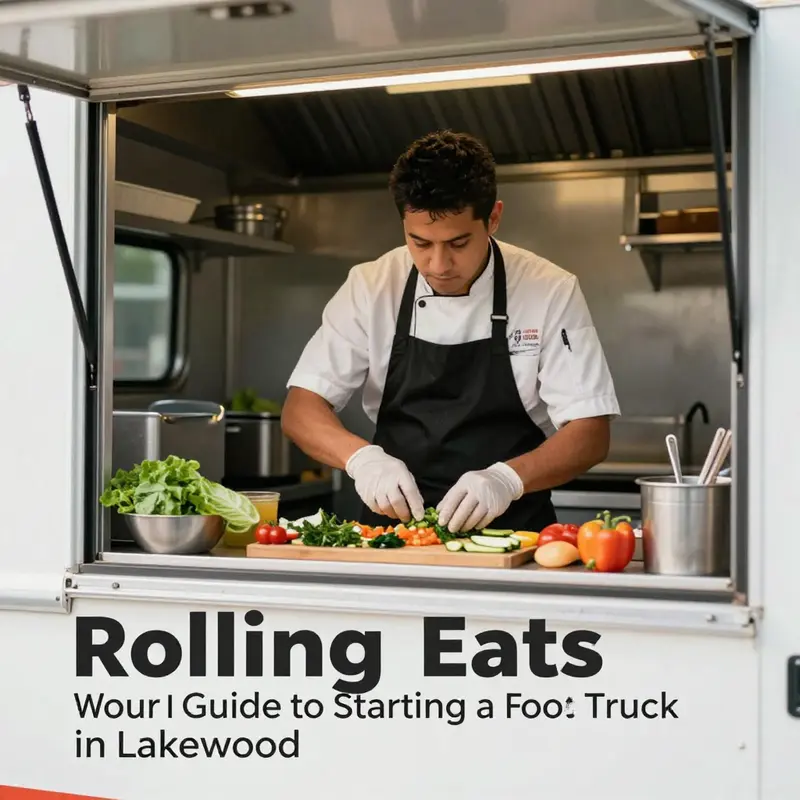
A food truck’s promise rests not only on its flavor but on the trust a customer places in its health and safety practices. When you plan to roll through neighborhoods, office parks, and event grounds, compliance becomes a fluid part of every decision—from the layout of the kitchen to the way you handle ingredients. Health and safety are not separate checkboxes to tick at opening; they weave through your operating rhythm, your supplier choices, and your daily routines. A compliant truck speaks to the responsible business you’re building, and that reputation can be as important as any signature sauce.
The foundation begins with permits and licenses, the bare minimum that makes your operation legal in the eyes of local government. You’ll need a business license to establish your entity in the jurisdiction where you operate. A Mobile Food Vendor Permit targets the unique realities of selling from a street-ready kitchen on wheels. And each member of your crew should hold a Food Handler’s Permit or equivalent certification to demonstrate safe food handling practices. These documents are not mere paperwork; they are a declaration of standards you commit to uphold every day. Health departments may require a detailed application that includes a floor plan of the mobile kitchen, a current inventory of equipment, and proof of insurance coverage. The more complete your submission, the smoother the path to approval, and the better prepared you’ll be to pass inspections with confidence.
Sanitation standards form the practical core of daily operations. Every truck must accommodate a handwashing facility accessible to staff, a non-negotiable requirement for maintaining hygiene. Refrigeration units have to keep cold foods at or below 40°F (4°C), with hot holding equipment ensuring foods stay above 140°F (60°C) when needed. Temperature control is not a one-time test; it’s a continuous discipline, logged and reviewed to catch drift before it becomes an issue. Regular inspections are standard in most jurisdictions, and they reward the prepared with fewer disruption moments and quicker project approvals. When a failure occurs, the consequences can be immediate: fines, a temporary shutdown, or even a revocation of permits. In a mobile kitchen, the cost of a lapse can be high, not just financially but in public trust.
To manage these risks systematically, many operators implement a Food Safety Management System (FSMS) grounded in HACCP principles. The idea is simple: identify where hazards can occur and establish critical controls to prevent them. In a truck, critical points include receiving ingredients, cooking to safe temperatures, rapid and safe cooling, and maintaining hot and cold holding at appropriate thresholds. An FSMS isn’t a one-page document; it’s a living program with records, procedures, and periodic reviews. It guides training, standardizes responses to deviations, and creates a repeatable, auditable path from supplier to customer. The careful mapping of processes helps you anticipate problems rather than react to them after a service window closes.
Staff training is where policy becomes practice. Every employee should understand not only how to operate equipment but how to avoid cross-contamination and how to respond to allergens. Allergen awareness has become essential, given the diverse diets customers bring to a window or a truck service counter. Personal hygiene rules, handwashing procedures, glove usage, and utensil handling all feed into a safer customer experience. Training also extends to how you present information to diners. Clearly labeled allergen information isn’t just a liability shield; it’s a service you provide, enabling customers to make informed choices and feel confident in your kitchen. Maintaining visible, accurate allergen and ingredient information reinforces your commitment to safety at every touchpoint.
Cleaning protocols deserve equal emphasis. A robust cleaning schedule is not optional; it’s a core operating discipline. Surfaces, utensils, and equipment require cleaning and sanitizing after each use, and routines should be documented in a way that a new shift can pick up without guesswork. The pace of a busy service doesn’t excuse lapses; it makes them more likely. A consistent regime reduces bacterial risk, extends equipment life, and sustains the flavor integrity customers expect. Sanitation also ties to supplier management. Working with certified suppliers who can provide reliable ingredient information, batch specifics, and allergen declarations strengthens your control over what you serve. An organized inventory system, with traceable lots and dates, supports recalls or any corrective actions with speed and clarity.
The truck’s hardware and layout are not cosmetic choices; they closely govern safety and efficiency. A compact footprint demands smart design: adequate cold storage, clean separation between raw and ready-to-eat zones, clear flow from receiving to cooking to serving, and accessible cleaning stations. The choice of equipment—refrigeration, cooking appliances, water supply, waste disposal, a fire suppression system, and a reliable POS—must align with both health regulations and real-world workflow. In practice, many operators start with a focused, reliable setup and scale up as demand permits. When you look at configurations, consider the value of a layout that minimizes backtracking, reduces the risk of cross-contamination, and supports quick, hygienic turnover between customers. If you’re exploring options about truck configurations or model families, it helps to review practical configurations used by other startups. For example, see the considerations highlighted in the best food-truck models for Lakewood startups, which can give you a sense of how layouts balance space, safety, and service speed. best food-truck models for Lakewood startups.
Equipment choices also influence your food safety posture. Refrigeration must be reliable, with temperature logs maintained and reviewed. Hot equipment should be capable of sustaining safe holding temperatures during peak service times. A stable water supply and an effective waste disposal plan are essential for hygiene and regulatory compliance. A fire extinguisher with current inspection tags and a properly maintained ventilation system are non-negotiables for safety and insurability. While it may be tempting to grow fast, the responsible path in health and safety is to start small, test thoroughly, and scale in ways that preserve your standards. A pilot phase—testing at farmers’ markets, festivals, or pop-up events—lets you spot operational gaps, train staff in real conditions, and gather customer feedback without risking your primary route network.
Recordkeeping is the quiet backbone of compliance. Temperature logs, cleaning schedules, supplier invoices, and maintenance records are not red tape; they’re evidence of your commitment to quality and safety. Health inspectors spot these logs quickly, and the presence of organized records can smooth the inspection process and keep your operations moving. When questions arise about a procedure or a supplier, you’ll have documentation ready to demonstrate due diligence and control. In many jurisdictions, the health department will require you to present a floor plan and equipment inventory during the application process, and you’ll want to keep those documents up to date as you upgrade or relocate equipment. A culture of meticulous recordkeeping reduces uncertainty for you, your team, and your customers.
Beyond the immediate controls, a compliance mindset also shapes your interaction with the broader food system. Your supplier management practices should emphasize traceability and quality assurance. Use suppliers who can provide clear provenance information, batch numbers, and safety certifications. Maintain a record of safety data and critical handling steps for each ingredient. This attention to detail can protect you during a recall scenario and protects your brand’s long-term integrity.
Finally, a successful health-and-safety program translates into a service experience that feels effortless to the diner. When a customer orders, they trust that every bite is prepared with care, in a clean space, under the watchful eye of people who understand their responsibility. The best operators weave safety into the story they tell—through transparent allergen labeling, visible hygiene practices, and a readiness to answer questions with confidence. That trust is earned day by day, and it compounds into repeat business and advocacy for your brand. For readers seeking additional context on formal safety guidance, the U.S. Department of Agriculture’s Food Safety and Inspection Service offers comprehensive, up-to-date resources on safe handling and preparation in mobile operations. See https://www.fsis.usda.gov/food-safety/safe-food-handling-and-preparation-answers for further detail.
In building a health- and safety-forward food truck, you’re not simply meeting minimum requirements—you’re constructing a culture of care that informs every decision, from how you receive ingredients to how you greet a customer at the window. Your truck becomes a small, movable laboratory of safety, where every process is designed to minimize risk and maximize trust. If you maintain disciplined practices, they’ll become part of your brand’s DNA, helping you weather regulatory changes, customer demands, and the evolving landscape of food safety with resilience and integrity.
Rolling Kitchens on the Move: Mastering Equipment, Layout, and Compliance to Launch a Food Truck
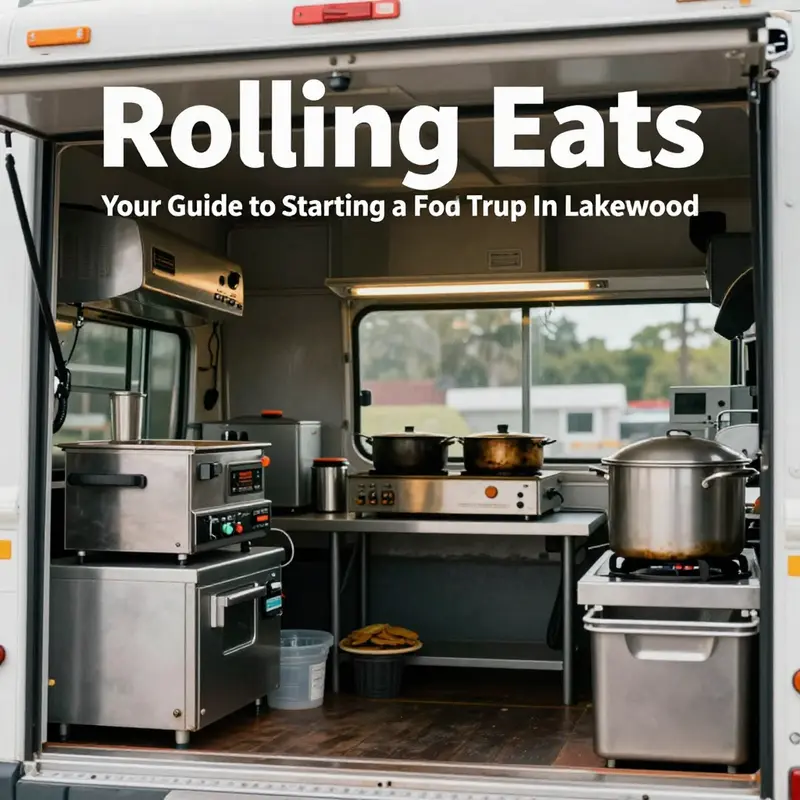
A food truck is a kitchen liberated from four walls, but it remains a kitchen with responsibilities of a traditional restaurant. It travels into varied spaces, weather, and crowds. The path from concept to curbside service relies on what you put on the truck and how you organize it. A great menu will draw people in, but the right equipment and layout keep operations smooth, safety intact, and margins protected as you scale. The core idea is practical: treat the truck as a compact, high stakes workplace where every square foot earns its keep, every appliance works reliably, and every movement through the kitchen is choreographed for speed and safety.\n\nChoose cooking equipment first, then plan refrigeration, washing, prep, storage, and service without bottlenecks. The heart of the truck defines your menu and daily volume. Grills support grilled proteins, sandwiches, kebabs, and roasted vegetables; options include gas, electric, and charcoal. Gas provides consistency and speed; electric offers clean operation and simpler maintenance; charcoal adds flavor but requires more cleanup and ventilation. Each choice affects floor space, grease management, and hood maintenance. Align the selection with menu and service style, and your mobile footprint. Aim for reliable performance and predictable maintenance rather than chasing trends; evaluate heat output, fuel use, and fire suppression needs.\n\nRefrigeration is non negotiable. Use a cold storage solution that fits the truck and energy profile, keeps ingredients within safe temperatures, endures vibration and variable ambient temperatures. A compact reach in or under counter may suffice for small concepts, while larger operations benefit from dedicated prep fridges or a small freezer. Maintain separation between raw and ready to eat foods and log temperatures daily. Sinks and water must meet local health codes with hot and cold running water, a sink option if space is tight, and a drainage plan that preserves sanitation. The sink doubles as a sanitation hub for tools and utensils.\n\nWorkspace and workflow matter. A dedicated prep station speeds handling and reduces cross contamination. Place prep before cooking, then assembly and service. Adjacent storage and shelving keep containers, spices, and packaging within arm’s reach. Durable, easy to clean surfaces matter in a mobile environment subject to vibration and temperature changes. When space is tight, dual purpose components help, such as a prep table that also serves as a staging area or a cabinet that doubles as waste and retrieval zone.\n\nVentilation is critical. Properly sized hoods and exhaust systems are non negotiable when cooking with gas or charcoal. Poor ventilation increases heat, smoke, and odors and can lead to code violations. A well planned ventilation pathway keeps staff cool and improves guest experience. Schedule maintenance, including filter changes and hood cleaning, just like daily cleaning logs. Fire suppression must meet local requirements, be properly inspected, and be accessible in emergencies to reduce risk and downtime.\n\nTechnology and operations. A reliable POS system links kitchen to customer experience, with rugged power sources and energy management. Portable generators should match equipment load and local sound rules; batteries or shore power can reduce fuel use and noise. Efficient equipment reduces wear and energy costs and helps reliability during busy events. Planning means you can scale modules as revenue grows, plan for redundancy, and keep operating expenses predictable.\n\nStarting up. Budget realistically for startup costs and ongoing maintenance. Consider truck purchase or retrofit, the quality of appliances, and ventilation safety. Include installation, permits, and future repairs. Start lean but scalable, designing the floor plan to add modules as demand grows. If markets are high volume, plan for redundancy like extra prep space or spare water heaters. Energy efficiency pays off over time.\n\nOperational flow and compliance. Layout should guide staff in a single arc from storage to prep to cook to serve. Minimize non value added motion. Align recipes with a few instinctive steps. Sanitation logs and checklists should fit the daily rhythm so staff can maintain hygiene without paperwork fatigue. Compliance with local health departments through permits, clean facilities, sanitation standards, and traceability helps inspections go smoothly.\n\nA practical approach to testing is to pilot at farmers markets or events to reveal layout bottlenecks and validate equipment choices. External resources can guide procurement decisions and provide benchmarks for energy efficiency, portability, and durability. The goal is a compact, compliant, and efficient rolling kitchen that travels well and scales with demand.
Final thoughts
Embarking on the journey to launch your own food truck in Lakewood is a thrilling prospect filled with potential rewards. As you prepare to bring your culinary dreams to life, remember that each step—from market research to compliance with health regulations—plays an essential role in your success. The vibrant community spirit here in Lakewood welcomes fresh and diverse food options, and with the right planning and commitment, your food truck could become a staple of local dining. Stay organized, stay passionate, and embrace the adventure ahead!