
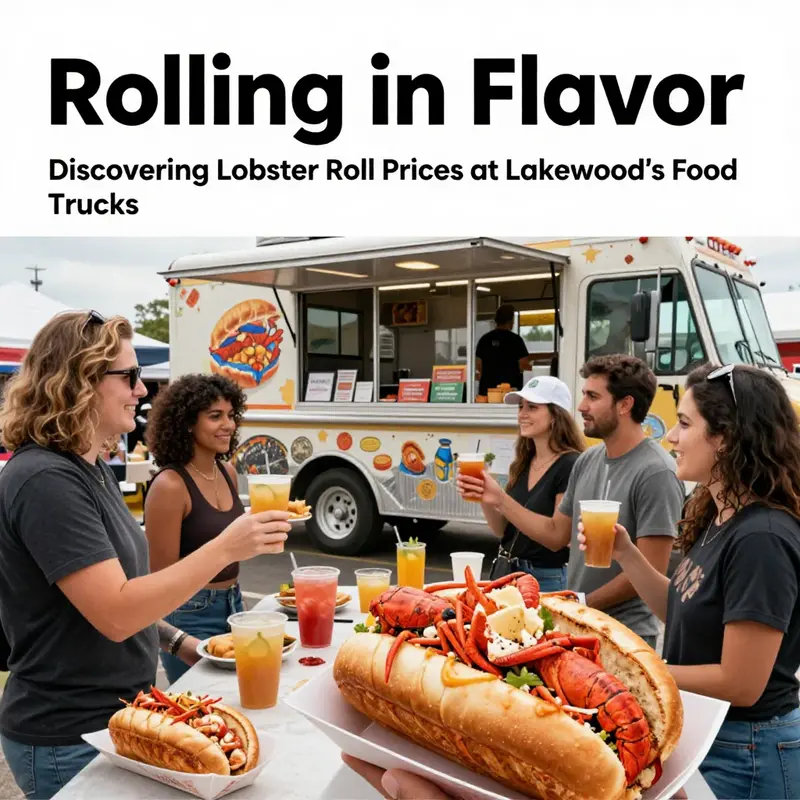
If you’re a food lover, nothing quite compares to the joy of enjoying a fresh lobster roll from a food truck. They offer a delightful mix of flavors and textures that simply can’t be replicated. As Lakewood embraces its vibrant food truck culture, understanding how much a lobster roll sells for becomes essential—whether you’re an aspiring vendor hoping to join the scene or a tourist eager to experience the local cuisine. In this guide, we’ll dive into average pricing, factors influencing those prices, how different regions stack up, and promotional strategies that impact your wallet. By the end, you’ll have a complete picture of what to expect when chasing down the perfect lobster roll from a food truck in Lakewood.
Coastlines on Wheels: Decoding the Real-World Pricing of Lobster Rolls for Food Trucks
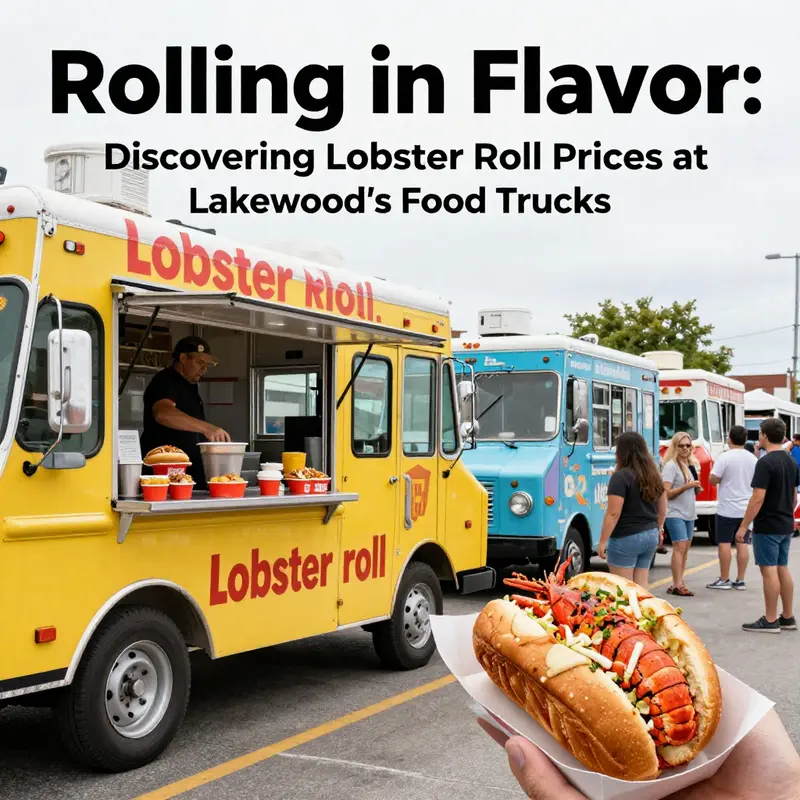
The price of a lobster roll on a food truck is never founded in a single variable. It is the visible tip of a submerged iceberg built from supply chains, labor, location, and the business choices that keep a truck rolling through rain, heat, and high-season crowds. When you hear a range at the register—a roll for under $15, another priced near $25, and occasional spikes beyond that—what you are really hearing is a chorus of factors that shift with every mile the truck travels, with every batch of lobster that arrives from the coast, and with every dollar the operator has invested in equipment, permit, and insurance. The story of pricing, in other words, is the story of balancing value against costs in a market that swings with seafood prices, fuel costs, and consumer appetite for a coastal indulgence sold from a compact kitchen on wheels. The result is a spectrum that looks simple on the surface but rests on a web of decisions about quality, speed, and what the market will bear in a given neighborhood or season.
To understand the math behind the menu, it helps to start with the widely observed bands. In many parts of the United States, a lobster roll sold from a food truck commonly lands in the range of roughly fourteen to twenty dollars. In higher-traffic, tourism-driven hubs—places where the lure of fresh-caught lobster meat is part of the experience—prices often tilt toward the upper end or beyond, sometimes approaching twenty-five dollars for a roll that promises 100 percent fresh, wild-caught Maine lobster meat served in generous proportions. Conversely, in regions with different cost structures or a deeper emphasis on accessibility, trucks may price a similar offering in the twelve-to-sixteen-dollar zone, with portions and accompaniments adjusted to preserve margins while maintaining a competitive edge. These brackets reflect not only the economics of seafood but also how operators position their brand in relation to the customer’s perception of value.
The narrative moves from broad ranges to real-world calibration when we consider the premium end of the market. A thread in the pricing story is the push toward premium ingredients. Some vendors emphasize 100% fresh lobster, claw and knuckle meat, shell-on simplicity, and quick, no-nonsense preparation that preserves texture and flavor. In markets where diners expect a refined bite and are willing to pay for it, menus tilt toward higher price points as a signal of quality. It’s not merely a markup for luxury; it’s a reflection of the costs associated with sourcing, handling, and presenting a product that arrives at peak freshness. In practice, this premium tier is where the discussion often centers on the cost of live or freshly prepped lobster, the reliability of supply, and the operational discipline required to maintain consistent quality across a mobile kitchen that changes stops with the weather, the schedule, and the crowds.
The inflation narrative adds another layer. When fuel, seafood, and labor costs rise, the bottom line for any mobile operator tightens. The pressure is visible in pricing patterns that track broader economic signals. Take the example of a well-known premium seafood truck operator on the West Coast that adjusted its lobster roll price upward by a couple of dollars in a single year, moving toward a thirty-five-dollar mark for a single roll. That move wasn’t a whim but a response to sustained increases in ingredients and transportation costs, coupled with an environment where customers still expect efficiency, speed, and the sensation of receiving value for their money. The takeaway here is straightforward: when the cost beds rise, those costs must be reflected in the menu to sustain service levels, not merely the illusion of abundance. Higher prices are often accompanied by subtle shifts in perceived value—better sourcing, more generous portions, or improved consistency in the product—so that customers feel the price aligns with the experience they receive.
This inflationary thread interplays with the broader consumer landscape. In some markets, diners view a lobster roll as a treat or a special occasion, a luxury item that deserves premium packaging, consistent heat, and a moment of pause amid a bustling street. In other markets, it is a go-to lunch or a casual indulgence, and price sensitivity is higher. The result is regionally nuanced pricing: the same core product can carry different price signals in different geographies, driven by local competition, guest expectations, and the cost of doing business in that place. It’s a simple idea with complicated execution: price the same dish differently depending on where the truck parks, how many competitors share the same block, and whether the day brings a festival, a farmers market, or a routine weekday lunch crowd. The operator’s challenge is to marry the science of cost calculations with the art of customer perception, a balance that must be revisited as costs shift.
Seasonality adds rhythm to the pricing melody. In many markets, operators lean into seasonal promotions that pivot around regional events or holiday crowds. There are occasional promotional windows where a Maine-inspired or coastal-themed sale, sometimes labeled as a “lobster roll sale,” offers meaningful discounts for a limited time—up to a notable portion off the regular price. For customers, these promotions can unlock a sense of urgency and value, pulling in first-time buyers who might become repeat customers when the normal price resumes. For operators, the seasonal sale is a strategic instrument, not a blanket policy; it should be designed to draw traffic, clear capacity, or introduce the brand to new neighborhoods, all while preserving the unit economics that keep the truck viable through the rest of the year. The result is a cycle in which pricing becomes a tool for demand shaping rather than a one-note statement.
The practical craft of pricing a lobster roll rests on careful math. Most operators run a cost-plus model: determine the total landed or prepared cost of a roll, add labor and overhead, then set a price that achieves a target margin while remaining palatable to customers. It’s not enough to tally lobster meat and buns; one must factor in a share of crew wages, truck maintenance, gas, insurance, water and power for the kitchen, wear and tear on equipment, licensing, and the inevitable small expenses that creep in at the end of a shift. In a bustling food truck, even seemingly small costs—like the convenience of pre-toasted buns, the reliability of a cold storage line, or the time spent on a prep window—can accumulate in meaningful ways. When these factors surge, price adjustments follow, but so too does the art of communicating value. A well-told story about freshness, regional sourcing, or a clear portion standard can soften sticker shock and keep customers returning.
An important but often overlooked aspect is portion and presentation. The size of the roll and the heft of the lobster meat shared the plate often carry as much weight as the price tag. A roll that offers generous claw and knuckle meat from Maine might justify a higher price because it signals a premium experience. The same product presented with a crisp, clean bun, a neat arrangement, and a quick, reliable service feel can elevate perceived value, making customers more tolerant of a higher price. In other words, the sensory cues—how quickly the truck can serve, how clean the setup appears, how clearly the portions are measured—build confidence that the higher price is warranted. These cues are a form of nonverbal advertising, silently reinforcing the math behind the cost structure.
For operators who want to stay competitive while managing rising costs, a pragmatic approach to pricing also includes portfolio choices. A food truck can diversify beyond a single flagship item to include sides, drinks, or alternative lobster preparations at different price points. This creates cross-subsidies that help balance the economics of a single high-cost item. In practice, it means that the lobster roll remains the lead star, but the menu can be designed so that lower-cost items or midrange options keep the operation viable when lobster prices spike or fuel costs climb. It also means monitoring demand signals through digital channels, which in turn informs future pricing tests. The decision to adjust prices in response to market indicators should be data-driven, transparent to the customer, and aligned with the brand’s overall positioning.
The dialogue around pricing also acknowledges a broader educational role: helping customers understand what they are paying for and why it matters. Transparent communication about sourcing and preparation can turn price into an assurance of quality. A small narrative on a menu—how the meat is handled, where it comes from, and how it is portioned—can transform a price into a story customers are glad to subscribe to. In this light, pricing becomes not a barrier but a promise that the dish they are ordering is crafted with care and backed by a plan for consistent quality, even as the market fluctuates. This is especially relevant when comparing a budget option in a competitive area with a premium option where the customer perceives a higher level of craft and taste.
For readers contemplating the practical realities of operating in this space, the mathematics of pricing is inseparable from the business model that underpins the venture. Operators who study and adapt their pricing strategy in line with their service area, their supply chain, and their staffing realities are more likely to sustain themselves through lean periods and to capitalize on peak moments. As you explore the pricing question, consider how your location, speed of service, and menu design cohere with the price you set. A well-calibrated price can support fast service, consistent quality, and positive customer experiences, which in turn drive repeat business and organic growth.
If you want to see how business models intersect with pricing in the broader food truck ecosystem, you can explore a resource that examines how operators approach the trade-offs of truck design, model selection, and operational scale. Best Food Truck Models for Lakewood Startups provides a useful lens for thinking about how the physical footprint, equipment choices, and workflow influence pricing strategy and profit margins. This is not a direct restaurant manual, but a reminder that the unit economics of a mobile kitchen depend as much on the chassis beneath the price as on the plate on top. For a closer look at how pricing shifts in premium seafood offerings can manifest in real-world markets, consider the external reporting on price adjustments in high-end lobster rolls, where inflationary pressures and supply costs have driven notable changes in the category.
External resource: https://www.sfchronicle.com/food/article/Cousins-Maine-Lobster-raises-prices-on-lobster-rolls-17489885.php
From Ocean to Window: The Hidden Forces Shaping Lobster Roll Prices on Food Trucks
A lobster roll on a moving platform is more than a sandwich served with a splash of lemon. It is the outdoor equivalent of a micro-economy, a delicate balance of supply, demand, and the daily realities of running a kitchen on wheels. When observers ask how much lobster rolls should cost from a food truck, the instinct is to point at the lobster meat alone and call it a day. In truth, the price tag sits at the intersection of ingredients, logistics, labor, locale, and the momentary pulse of the market. The range you’ll typically encounter nationwide is not a single line crossed by a single factor, but a spectrum that reflects a web of choices, constraints, and opportunities that every operator negotiates before the first customer arrives at the window.
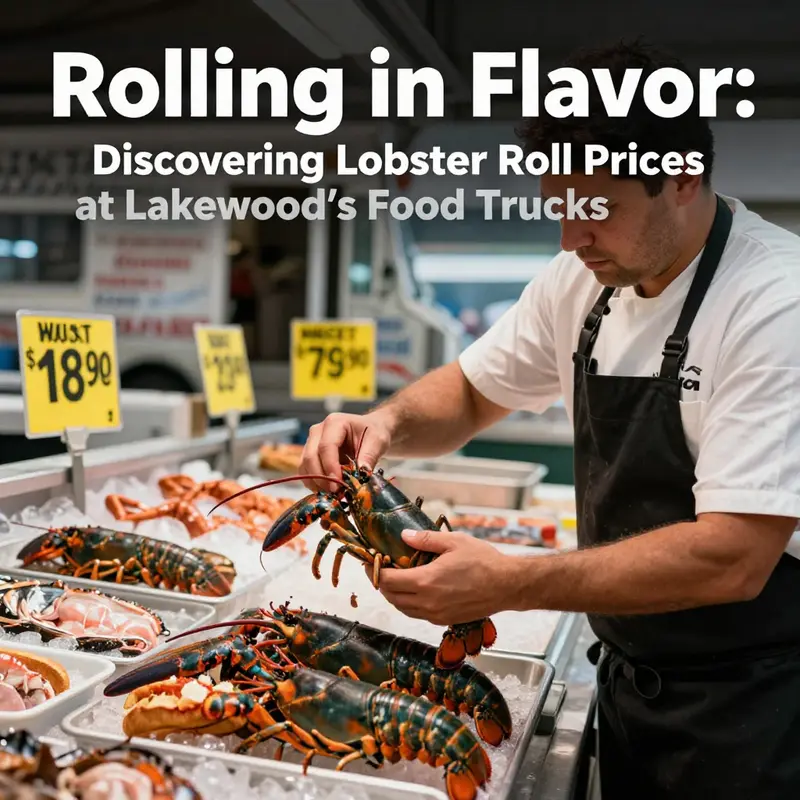
At its core, the price of a lobster roll is anchored in ingredients. The meat remains the most visible driver, and it is subject to the volatility of supply. In places where markets prize fresh, wild-caught Maine lobster meat, vendors can justify higher prices because the perceived value aligns with the extra costs of sourcing, handling, and maintaining premium quality. But even within the broader category of “lobster meat,” there is a gradient: fresh versus frozen, claw and knuckle meat versus tail meat, and how the lobster is prepared for quick service. Fresh meat commands a premium, but it also carries a greater risk of yield variability, which operators must manage through portioning discipline and menu design. In regions with robust lobster supply, a premium can be reasonable, yet when a truck has to rely on long-distance transport to preserve freshness, the calculus changes quickly. The prospect of sending live seafood by road or air to a fleet that travels between events adds a layer of cost that many customers may not immediately see but that shows up in the ledger and, ultimately, in the price tag.
Consider the regional example where the price ceiling can climb toward the upper end of the spectrum. In some metropolitan coastal hubs, particularly where demand is high and venue costs are steep, the same sandwich can push toward $30 or more in certain evenings or at premium locations. The logic here is not a marketing trick but a function of logistics, overhead, and a customer base willing to pay a premium for a product that feels distinctly artisanal and connected to a specific seafood heritage. It is not unusual to encounter dishes in the same city that sit at the higher end of the scale, reflecting a combination of supply chain sophistication and capital-intensive operations. The intensity of this dynamic becomes clearer when a truck positions itself in a tourist-heavy corridor or in a city where the cost of living drives labor and rent up. In such scenarios, the price floor shifts, and the menu must absorb the higher baseline costs without eroding forthcoming demand.
Even though the headline prices can swing widely, a large portion of the market sits within a familiar corridor. A typical lobster roll from a mobile vendor in many parts of the United States tends to land in the mid-teens to mid-twenties, roughly between fourteen and twenty dollars. This band represents a balance between affordability for curious eaters and adequate margins for operators who must cover the infrastructure that keeps a mobile kitchen on the road. In seasonal and tourist-dense regions, it is not uncommon to see closer to the upper end of that band, sometimes reaching the high teens or low twenties, especially when the menu features generous portions, a higher meat-to-bread ratio, or a multi-part offering with a premium side. A careful examination of recent pricing patterns shows that even within the same city, two trucks can price quite differently based on how they source, store, and prepare their meat, how they design the bun and fixings, and how much they want to signal rarity or luxury to passersby.
Beyond ingredients, logistics and operational costs begin to frame the price structure in a more systemic way. Transport costs for seafood are a practical constraint that cannot be ignored. The chain from catch to plate is a long one, and in many markets the seafood needs to be transported under strict cold-chain conditions to preserve texture and flavor. When the supply chain runs through ports, cold storage facilities, and specialized carriers, even modest shifts in fuel prices or labor rates can ripple into the menu price. In remote or inland locales, trucks might rely on longer-haul shipments, which raises refrigeration requirements, increases handling steps, and widens the risk of spoilage if schedules slip. The result is a price signal that tells the consumer: this is seafood on a schedule, and that schedule carries a premium for reliability.
Operational costs add another substantial layer. Fuel costs are a recurring concern when a truck travels between event sites, markets, and street corners. Driver hours, prep labor, and kitchen maintenance all accumulate as fixed and variable expenses. Equipment depreciation — from refrigeration units to portable fryers and sanitizing systems — compounds the per-unit cost. Permits, health-inspection fees, and mobile vending licenses, while necessary, contribute consistently to the overhead burden that gets apportioned into each lobster roll sold. When the truck operates during peak seasons or a festival circuit with high foot traffic, labor efficiency becomes a competitive advantage, but it does not vanish as a cost factor; it simply changes the way the cost is allocated across the menu.
Market dynamics complete the picture. Seasonal fluctuations in lobster availability can be as predictable as the tides and as unpredictable as a weather front. Price sensitivity among consumers fluctuates with tourism cycles, local events, school calendars, and even broader economic sentiment. In a region that sees a surge of visitors during the summer, a truck may raise prices modestly to capture the increased willingness to pay when crowds are thick and appetite is high. Conversely, during shoulder seasons or in areas where visitors dwindle, price relief or promotions can help sustain demand. Promotions, such as limited-time offers, can temporarily shift price perception and expand the audience by attracting first-time buyers who may become repeat customers. In some markets, promotions can cut prices by a meaningful percentage, even as the base price remains constructive for the business model. This is not so much about discounting for the sake of discounting as it is a deliberate tactic to harness demand spikes or to move inventory before a product window closes.
Regional economics also matter. Operating in a city with a higher cost of living or higher real estate rents can push base prices upward. The differential is not merely about wages; it reflects the entire ecosystem of costs that supports a mobile kitchen: parking or event access fees, insurance, liability coverage, and the opportunity cost of occupying prime pavement for a few hours instead of a fixed storefront. The same lobster roll in a lower-cost region can carry a proportionally lower price tag without compromising the operator’s margin, provided the supply chain and labor costs align. In these contexts, the price is less a statement of quality and more a reflection of local macroeconomic conditions.
This complexity also shapes how operators think about value. A roll’s price isn’t just the sum of its parts; it’s a promise to the customer about the experience. The bun, the dressing, the lemon, the ice-cold beverage pairing, and the rhythm of service all contribute to the perceived value. A truck that emphasizes zero-waste prep, sustainable sourcing, or a story about chasing the perfect claw-to-knuckle ratio can justify a higher price by delivering a narrative that resonates with a growing cohort of diners who equate cost with quality, ethics, and provenance. Conversely, a more price-competitive strategy may emphasize generous portion sizes, economical prep, or a lean operation that keeps margins thin but volumes high. The operator’s choice of pricing philosophy becomes part of the product’s identity, and customers respond to that identity in how they perceive value.
A note on practice helps ground these abstractions. In many markets, the listed price you see on a chalkboard or mobile app represents a negotiated outcome among several live variables: meat yield, bun cost, topping choices, and the day’s labor stack. In markets where fresh meat commands a premium, some operators may offer an alternative experiential option — such as a smaller portion or a bread-only product — to accommodate price-sensitive customers without diluting the brand’s perceived value. In places with robust competition, a well-structured value proposition can sustain a higher price point because the customer perceives clear differentiation: a consistent, high-quality product; a trusted source; a clean, fast experience; and a sense that the operation has thoughtfully priced around real costs rather than chasing price wars.
The pricing conversation is also enriched by references to the broader seafood pricing ecosystem. The U.S. Department of Agriculture’s Economic Research Service tracks price trends, labor dynamics, and supply chain pressures that underlie shifts in seafood costs across the country. Keeping an eye on these macro indicators helps operators calibrate expectations and plan pricing strategies with more resilience. For readers who want to connect the dots between wholesale price movements, consumer demand, and retail prices on the curb, the ERS resources provide a useful lens into how external forces ripple through a local food economy.
Within this landscape, one can also observe how the truck’s own configuration interacts with pricing strategy. The physical setup — from the size and insulation of the refrigeration to the efficiency of the service line — can meaningfully influence both cost and customer experience. Efficient layouts reduce waste, shorten wait times, and increase the number of transactions per hour, all of which can support more favorable margins even when ingredient costs are high. This is why some operators study the broader equipment and operating models used in mobile kitchens. For readers curious about practical implications, a useful reference point is the discussion around market-ready configurations and startup-friendly models, summarized in resources like the “Best Food Truck Models for Lakewood Startups.” That resource offers a concise look at how equipment choices shape efficiency, reliability, and ultimately the price at the window. You can explore it here: Best Food Truck Models for Lakewood Startups.
The pricing puzzle, therefore, is a living artifact of a dynamic market. It relies on a delicate balance: keeping meat sourcing viable in the face of transport costs; maintaining a kitchen-on-wheels that can perform under weather, crowding, and long hours; and understanding the local consumer’s willingness to pay for a product that blends sea flavor with street-side convenience. The most successful operators are not simply chasing the highest possible price; they are orchestrating a consistent experience that honors the core appeal of a lobster roll while adapting to the economic temper of the moment. They recognize that price is a signal, not just a ticket, and that the signal must be aligned with the overall brand story, service quality, and the tangible value delivered in every bite. In that alignment, the price ceases to be a raw number and becomes a clear expression of an operating choice: this is what we believe a premium street-food lobster roll should cost, given where we source, how we move, and who we serve.
For readers who want to widen the frame, it helps to consult external resources on broader seafood pricing trends. The USDA’s Economic Research Service offers a wider view of how wholesale movements, supply chain pressures, and market demand interact with retail pricing. This context helps explain why a lobster roll in one city might sit at a different price point than another, even when the dish appears conceptually similar. As the market evolves, a truck’s price tag remains a flexible instrument, responsive to seasonal shifts, local economies, and the ever-changing rhythm of a city’s appetite for seafood on the fly. If you are exploring this topic further, you may find it useful to follow updates on broad seafood pricing trends and supply-chain considerations through official channels such as ERS.
The real takeaway is this: the price of a lobster roll on a food truck is not a fixed target but a negotiated outcome shaped by the full ecosystem that feeds it. High-end markets may justify higher prices through freshness, provenance, and a curated experience. Mid-market areas balance quality and accessibility, aiming for steady demand and reliable margins. Budget-conscious locales lean on efficiency, volume, and programmatic promotions to keep the dish within reach while protecting the business’s viability. Across this spectrum, the product remains a living test case for how mobile food businesses translate the complexities of seafood procurement, logistics, and consumer choice into a price that feels both fair and competitive. The street-level math, in the end, is a reflection of the sea’s fickle abundance and the street’s demand for speed, consistency, and taste—all in a single, satisfying bite.
From Coast to Cart: Navigating Regional Price Variations in Lobster Rolls for Food Trucks
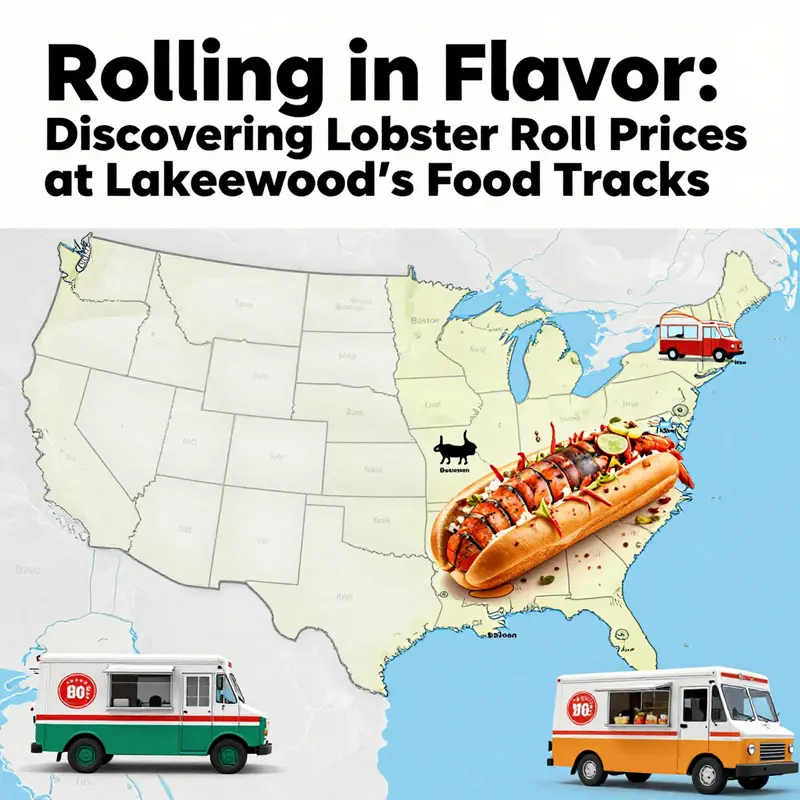
Money follows the lobster when it leaves the tank and travels onto the roll, but the price is shaped by region, costs, competition, and consumer expectations. This chapter examines regional pricing for lobster rolls sold from trucks, arguing that the price is not a single number but a function of location, season, and throughput. High-cost urban markets push prices higher, while more price-sensitive regions test value and volume. Price signals reflect meat quality, bun and butter choices, labor efficiency, and fuel; they are also influenced by promotions, regional identity, and the story the truck tells about the coast. Seasonality and supply make price elastic, with promotions, bundles, and tiered offerings allowing operators to protect margins while reaching a broader audience. Three archetypes: high-cost metropolitan corridors; historic seafood hubs with moderate costs; and broader regional markets with intense competition. For operators with multi-market routes, a disciplined approach to cost-of-goods-sold, a transparent value proposition, and adaptable menus is essential. The chapter also highlights how to monitor price perception and maintain consistency across markets. Practical takeaways include building a price ladder, testing promotions, and aligning equipment and operation efficiency to support the chosen price structure. A closing note invites readers to consider how regional pricing interacts with supply chains, labor markets, and local dining culture to tell a coast-rich story on wheels.
Raising the Sizzle: Pricing Lobster Rolls on Food Trucks
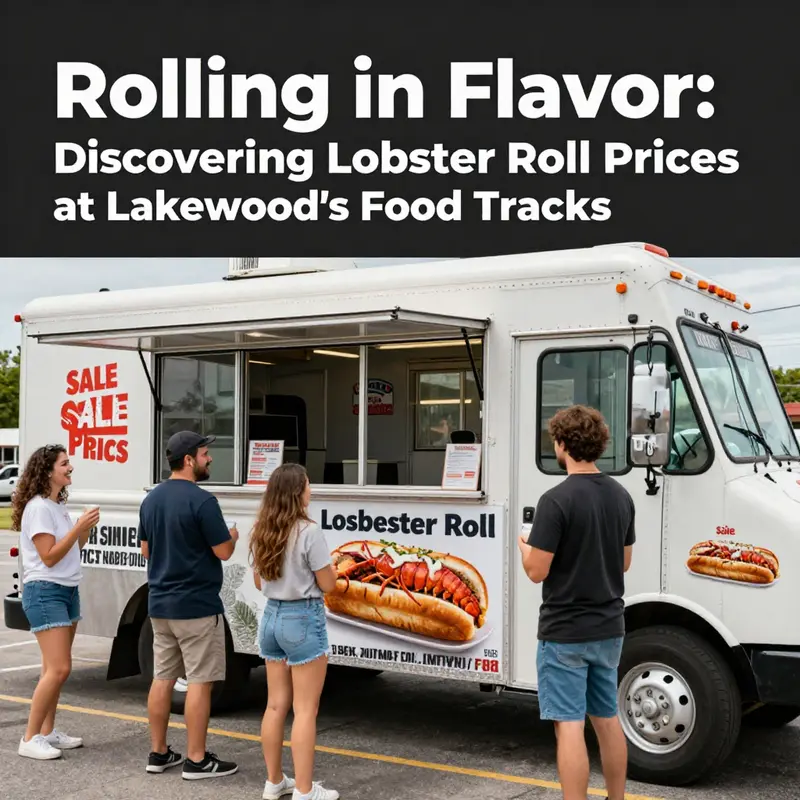
Pricing a lobster roll on a mobile stage is more than a sticker price; it is a negotiation between scarcity, quality, and the story a truck tells with every sizzle of butter. Across the United States, lobster rolls from food trucks tend to sit in a broad band, often between $14 and $20, with higher prices near $25 in peak tourist regions. Those figures reflect the tension between premium seafood costs and delivering value to hungry guests seeking a quick, crave-worthy meal amid coastal towns, festivals, or downtown corridors. Fresh, wild-caught lobster can push toward the upper end, while frozen meat or smaller portions may sit toward the lower end. Yet even within the range, smart pricing aligns with the experience the truck promises—an experience that can be as important as the meat itself in shaping willingness to pay. Seasonality sharpens this dynamic: peak seasons with heavy foot traffic allow premium narratives, while off-peak times reward accessibility. Bundling lobster roll with fries and a drink can elevate perceived value, and loyalty programs can soften the price for repeat customers. Social media and location-based promotions further influence willingness to pay by shaping perceived quality and urgency. The broader industry context, including coverage by major outlets, supports using scarcity, bundled value, and storytelling to sustain a pricing structure that respects the product while growing volume and loyalty. Ultimately, price is a flexible instrument that reflects costs, craft, and convenience on the move, allowing operators to manage margins without alienating customers.
Final thoughts
As you’ve seen, the world of lobster roll pricing at food trucks is as diverse as the flavors themselves. From typical price ranges to the many factors affecting costs, it’s clear that enjoying a delicious lobster roll is a valued experience. Whether you’re a local foodie or visiting Lakewood for the first time, understanding these nuances equips you with the knowledge to make informed choices. So next time you spot a food truck with that mouthwatering lobster roll sign, you’ll know what to expect in terms of pricing—and maybe even find a great deal amidst the seasonal promotions. Savor your culinary adventures, and don’t forget to share the joy of fresh flavors with friends and family!