
Lakewood is buzzing with culinary dreams waiting to be realized, especially for aspiring food truck operators. With platforms like Food Truck Wars showcasing gastronomic talents, standing out is more vital than ever. This article provides deep insights into how you can prepare to audition for this exciting opportunity. We’ll explore the importance of building a strong brand, gathering eye-catching media, applying through official channels, and leveraging networking to boost your visibility. Each chapter equips you with practical tips and actions to enhance your chances of getting noticed and hopefully cast in the next season. Let’s roll into this tasty venture together!
Brand as Stage: Building a Memorable Identity for Auditioning for Food Truck Wars
Auditions for reality competition shows rarely unfold as a single formal moment. For Food Truck Wars, producers scout operators who blend craft with character, then watch how that combination plays out in the wild—the heat of the street, the tempo of a busy service, the way a crowd reacts to a bold idea. There isn’t a single line of casting where you walk in and say, “I want in.” Instead, the show looks for teams whose brands tell a story, whose menus promise more than meals, and whose trucks feel like living stages. If you’re aiming for future seasons, your most powerful move is to treat branding as your audition tape. Your truck is your stage, your menu is your script, and your online presence is the backstage crew that keeps the performance ready. In this sense, the question shifts from “Do I make the cut?” to “How loudly does my brand speak when I’m cooking, serving, and sharing on the move?” The answer comes through authenticity, differentiation, and a clear, observable purpose that viewers and producers can follow from first bite to final frame.
A strong brand starts with a clear culinary identity. It’s not enough to offer good food; you must offer something that feels inevitable once you’ve tasted it. The most compelling contenders don’t chase trends; they fuse them with a personal thread that people can recognize in a single glance or a single sentence. Think of a concept rooted in local flavors transformed through a global lens, or a heritage-inspired technique presented with modern practicality. The key is to articulate the niche with crisp specificity. If your concept leans into fusion, describe the core cultural influences, the driving flavors, and the techniques that unify them. If your concept leans into heritage, explain the lineage you honor, the story behind every ingredient, and how your process preserves tradition while inviting new audiences to participate. When the concept feels inevitable—like a dish that answers a need people didn’t know they had—the story becomes more than marketing. It becomes a reason to try your truck again and again.
The visual identity of your brand works in tandem with its culinary identity. A memorable name helps listeners recall your truck long after they’ve tasted your food. While a name should be catchy, it should also hint at your approach, your origins, or your mission. The color palette and logo should communicate the same message at a glance. Consider how simple, iconic visuals can travel from your truck’s signage to your social posts, to your packaging, and finally to your customers’ memories. The strongest brands don’t rely on bells and whistles; they rely on consistency. If a color evokes warmth, let it appear everywhere—from your menu cards to your Instagram stories. If a shape feels energetic, use it as a recurring motif across your signage and uniforms. The visual language becomes a shorthand for your entire narrative, and that repetition helps you stay memorable amid a crowded street lineup.
A purposeful brand speaks from the heart. This is where alignment with a broader mission matters. You can build credibility by linking your cooking to a purpose that resonates with customers, whether that purpose is sustainability, cultural preservation, or health and accessibility. Consumers increasingly support brands that demonstrate responsibility through practices they can verify. You don’t need a published manifesto to achieve this; you need to show your values through concrete steps. Do you source locally? Do you provide clear ingredient information and allergens? Do you implement waste-reduction practices or use recyclable packaging? The more you can demonstrate transparency and accountability, the more your brand earns trust. And trust, in turn, translates into loyalty and word-of-mouth, both of which help you stand out when producers are looking for teams with staying power and teachable moments to share over a season’s arc.
Content marketing is the stage crew that makes your performance repeatable. You want shareable moments that reveal the drive behind your kitchen, not just pretty plates. Behind-the-scenes videos that show you slicing, braising, or fire-kissed moments can become signature content if you frame them with a narrative arc. Consider a recurring motif—perhaps a dish that evolves with the day’s mood, or a technique that you reveal step by step in a way that invites comments and questions. The aim is to generate what the industry calls the steam of authenticity: visible steam rising from a hot pan, visible effort, visible care. When viewers see the real work happen, they feel invited into your process, and that invitation creates a stronger emotional bond with your brand. Don’t oversell; show your process and let the flavor do the talking.
Social media amplifies your kitchen’s energy in real time. Platforms like short-form video are not merely promotional tools; they are narrative channels that let you demonstrate your craft, personality, and brand voice in seconds. Your captions and on-screen interactions should stay aligned with a consistent tone—whether that tone is bold, warm, witty, or earnest. The visual tempo matters as well: quick cuts that show sizzle, a steady cadence of plating, the glow of a fire, the rush of service when the crowd grows. If the kitchen is the stage, the social feed is the studio audience that decides whether the performance feels worth revisiting. Viewers who connect with your voice are more likely to follow, comment, and share. Their engagement becomes a living resume you showcase as you pursue future openings.
A cohesive brand story extends beyond posts and plates. It travels through your signage, your menu copy, your packaging, and every interaction with guests. The menu becomes a map of your identity, guiding guests through flavors while hinting at the journey that brought you here. Your signage should reinforce the narrative, with typography and icons that echo your core themes. Even the way you greet customers, handle a line, or respond to feedback can reinforce the story you’re telling. When all of these elements align, your brand reads as a singular, compelling voice—a voice a producer can hear in the roar of the street and recognize in a single glance at a photo.
The path to being considered for future seasons is not about a single audition moment but about what your brand makes possible across weeks of exposure. Producers look for teams who can sustain momentum, navigate pressure, and keep their story authentic as new chapters unfold. To cultivate this, you should assemble a portfolio of assets that function as your ongoing audition reel: high-quality food photography that showcases texture and color; action shots of your kitchen in motion; and testimonials that capture why guests return. Have a bank of short clips that illustrate rapid service, crowd interaction, and the moments when a dish earns a second round of orders. This material, presented cleanly and accessibly on your brand channels, gives producers a ready-made narrative they can follow and imagine translating into episodic storytelling.
While there isn’t a formal casting call that guarantees a seat at the table, the actions you take now influence who notices you. Start by building a brand foundation that communicates your essence with precision. Clarify your niche, design a visually cohesive identity, and anchor your business in a purpose that others can rally around. Then turn your attention to content that communicates your craft, your process, and your personality in ways that feel intentional, not performative. Pair this with practical signals of viability: reliable equipment, a consistent supply chain, and a demonstrated ability to navigate busy service periods. Producers appreciate teams who can deliver both flavor and reliability, as well as teams who can translate a story into a season-long arc that audiences will follow with momentum and care.
The practical steps you take should feel natural, not forced. Start with a clear concept and a confident, repeatable kitchen workflow. Behind the scenes, document the decisions that shape your brand: why you chose your menu, how you source ingredients, and how you handle logistics on a tight schedule. Then translate those decisions into tangible, shareable assets. A sleek menu card photographed in good light, a 15-second clip that captures the sizzle, a short testimonial from a loyal customer—all of these pieces create a mosaic of your brand’s identity. For the audience, this mosaic becomes a compelling invitation to join your journey. For a producer, it becomes a digestible, persuasive dossier that speaks to your potential as a season-long narrative rather than a one-off spectacle.
To connect your brand-building with the practical audition path, consider how you present yourself at events and gatherings. Attend food truck rallies, local festivals, and industry meetups where producers often scout talent between the main stages. These events provide a fertile ground to showcase your concept in a real-world setting: the way you interact with guests, how your team handles a queue, and how quickly you translate feedback into better plates. Networking in these spaces is not mere socializing; it’s auditioning in public. The more you can demonstrate your team’s cohesion, how your concept adapts, and how you tell your story in person, the more your brand reads as a well-prepared entry rather than a hopeful side project.
An important practical detail is where and how you apply when casting calls do open. Keep a watchful eye on official channels—your brand’s own platforms, the casting pages of the production company, and listings on casting networks that reality shows use to reach diverse talent. The process may be sporadic, but readiness is a habit. Have a ready digital dossier: a succinct bio, a brief elevator pitch for your concept, updated high-resolution photos, press-ready menus, and a few minutes of well-edited video that captures both your cooking and your personality. The goal is to make it effortless for a producer to see you, understand you, and imagine you fitting into a season-long arc. If you maintain this readiness, you increase the odds that an opening appears at the moment you’re most prepared to respond.
In this framework, the internal reference to a practical resource on the physical side of branding—truck models and configurations—becomes more than a shopping list. It’s about how the form you choose amplifies your story. The right truck model and design can echo your concept and help visuals align with the narrative you present online and in person. For a grounded look at how form factors influence brand perception in the mobile-food space, see the discussion in the linked resource titled best-food-truck-models-for-lakewood-startups. This connection between vehicle, space, and story reinforces the idea that branding is embodied as much as it is expressed.
As you move through this journey, remember that the goal is not a single moment of validation but a durable, observable, and repeatable performance. Your brand should invite viewers to taste with their eyes, then with their mouths, and finally with their memories. The sensory richness of your food becomes the bridge to your story, and the clarity of that story becomes the bridge to your future seasons. The more you can synchronize flavor, form, and narrative into a cohesive whole, the more your brand behaves like a consistent audition—one that producers can watch, revisit, and advocate for as you grow. This is how a concept becomes a contender, a contender becomes a brand, and a brand becomes a memorable candidate for Food Truck Wars.
External resource: https://www.fbif.com/
Sizzle in the Spotlight: Crafting Media That Elevates Your Food Truck Wars Audition
The notion of an official audition for Food Truck Wars is more a rumor than a rule. Producers don’t hand out a formal packet with a checkbox and a stopwatch. Instead, they build casts from stories that feel real, from people who cook with clarity, charisma, and a vision that can translate from a bustling street to a television audience. If you want to be considered for future seasons, your first act is to assemble a media story that can travel beyond your cart and into the hands of someone who might choose you to carry a season. That starts with how you gather and present media—not as a flashy reel alone, but as a cohesive package that communicates your brand, your craft, and your readiness to handle competition under the glare of cameras and a big, hungry crowd. The core idea is simple: media is the bridge between your day-to-day operation and the producers’ ability to see you in the bigger, televised game. Every frame should whisper a sentence your future viewers would want to hear: this is someone who can win while staying true to what makes their truck unique.
Begin with your brand, because media without a story is a map without a destination. A memorable menu, a distinctive truck design, and an online presence that feels intentional all work together to give you a magnetic center. Think of media as the extension of your brand voice. If your truck speaks through a loud, neon aesthetic but your menu remains understated and refined, the discrepancy can confuse casting audiences and, more importantly, it can confuse you. The media you gather should reflect a unified story: what you cook, why you cook it, and how your team handles pressure when the line grows and the heat climbs. Your photos and videos should not only showcase food but also capture your approach to service, your teamwork, and the personality behind the apron. In practical terms, that means planning shoots that reveal both the craft and the character of your operation.
A robust media kit is your best friend here. It’s not merely a portfolio; it’s a compact narrative you can send to casting teams and production partners. Start with high-quality photos of your most photogenic dishes, but don’t stop there. Include images of your space—your truck’s exterior and interior, the branding that banners your space, the way your service window opens and closes. Add a few action shots: steam rising over a pan, the moment your team plates a dish, the handshake with a satisfied customer. A handful of lifestyle shots—your crew at a festival, you interacting with guests, the way you manage a long queue—helps viewers feel the energy you bring to a crowd. The photos should be clear, well-lit, and composed with the same care you put into sourcing ingredients. If a single image is worth a thousand words, your media kit should be a short, well-paced visual novel that leaves a producer wanting to see more.
Video content is where the real storytelling happens. A well-crafted audition reel doesn’t demand a big budget; it demands intention. A concise pitch video, two to four minutes in length, can be enough to move a producer to want to know more. The opening seconds matter more than you think. Start with a strong hook: a quick line that states your concept and why it matters today, followed by a glimpse of the cooking in action. The middle portion should showcase your process: the heat, the rhythm of the kitchen, your signature dish, and your team’s coordination. Let viewers hear your voice: the cadence of your kitchen, the humor that keeps your crew calm, the care you take with ingredients. The ending should circle back to your goal—why you want to be on the show, what you’ll bring to the competition, and how you’ll celebrate and learn from the experience. Throughout the reel, balance close-ups with wider shots that convey scale and atmosphere. The soundtrack should support the mood without overpowering the spoken words or the sizzle of the stove. If you can weave a brief personal anecdote—the moment a dish changed your approach, a mentor who shaped your technique, a challenge you overcame on the road—do it. Personal stories create a human connection that can outshine perfect plating.
The technical side of media gathering matters, too. A polished reel signals professionalism, but it doesn’t have to be Hollywood-grade to work. In fact, authenticity often beats polish when you’re trying to convey a real, day-to-day operation. Real voices, real customers, and real moments of teamwork resonate. A single-camera mobile shoot with natural light can produce compelling material if you plan it with intention. For the audio, invest even a modest external microphone if you can. Clear dialogue and clean sound make a world of difference when a producer revisits your reel after a long day of submissions. The visuals should be stable and well-lit, avoiding overly shaky footage that tires the viewer. You don’t need to film a feature-length documentary; you need a focused, repeatable sequence that can be trimmed into a highlight reel and an extended video if needed.
Media isn’t only about what you show; it’s also about what your channels say about you. An active, thoughtful presence on social platforms and a well-maintained website sends a consistent signal to casting teams. Your online profiles should reflect your brand identity—consistent color palettes, logo usage, and a tone that mirrors your kitchen’s personality. Posting regularly keeps your operation in the minds of followers and makes your media kit more credible when a producer asks for ongoing updates. Customer testimonials are a simple yet powerful addition to your media collection. Short clips or quotes from people who have tasted your food at festivals, markets, or pop-ups lend social proof that your operation resonates beyond your own kitchen. They show a pattern of satisfaction that can reassure producers you’ve built a loyal base and that your team can deliver under pressure.
You’ll also want to organize your materials into an accessible digital package. A simple, clean folder with a readable file structure makes it easy for a casting coordinator to review your material quickly. A one-page overview or a short “concept summary” can sit at the top of the package, distilling your concept, your team, and your competition strategy into a few crisp sentences. Inside, place the media assets in clearly labeled folders: photos, video reels, behind-the-scenes clips, and testimonials. A short, well-written bio that highlights your background, your culinary focus, and your culinary philosophy can help humanize you and position you as a candidate with a distinct voice. As you assemble these components, keep sight of one principle: produce a media package that travels well. It should be easy to share through email, easy to host on a platform, and easy for a producer to reference on a phone screen while they’re on the go.
The way you tell your story matters as much as the content you capture. You want a narrative arc that makes your audience lean in and want to see more. A strong arc centers on the core question: why this show, why now, and why you. You might structure your story around three pillars: the dish that defines your concept, the team that makes it work, and the journey that led you to this point. The dish is the sensory anchor—its ingredients, textures, and flavors. The team reveals how you collaborate under time pressure and how you lift each other up when a service is hectic. The journey gives texture to your brand, whether it’s a family recipe, a personal turning point, or a mission to bring a unique cuisine to a broader audience. Link these pillars with a consistent visual language so the viewer feels your world even before you speak.
While media is the engine, you must still remember that actual casting involves more than a flashy reel. Producers are seeking operators who combine culinary skill with entrepreneurial fuel and the temperament to thrive in a competitive environment. The best media packages communicate not only what you cook but also how you run a business, how you lead a team, and how you handle setbacks. Show your plan for balancing kitchen demands with the pace of a reality format: what happens when a line goes long, when a dish misfires, or when a festival schedule shifts last minute. Demonstrating resilience and adaptability in your media makes a stronger impression than a flawless, detached presentation. In other words, your media should prove you can deliver under pressure while staying true to your brand and your crew’s dynamics.
If you want to deepen the thread of narrative and show how a real truck family grows a unique concept, consider examples that reveal a path you could walk yourself. Stories that emphasize a hands-on approach, direct customer interaction, and a genuine love of cooking can be incredibly persuasive. A compelling media kit doesn’t rely on bravado; it relies on consistency, credibility, and a clear sense of purpose. In the end, media becomes the handshake that lets a production team know you’re ready for cameras, not just for a one-shot moment, but for a multi-episode arc that could travel with you through a season. It’s not about perfection; it’s about showing a thoughtful, market-ready, and camera-friendly version of your reality.
The practical steps then converge into a simple workflow you can start today. Capture a handful of crisp, high-quality photos that highlight your signature dishes and your truck’s branding. Draft a two- to four-minute audition reel that starts with a strong hook, flows into your cooking, and closes with your vision for the show. Assemble customer testimonials and a few candid team moments that reveal personality and reliability. Compile a short bio and a concept summary that your team can refer to as you present yourselves to the world online and to casting teams. Build a light, clean website or a dedicated page that hosts your media kit, your dish lineup, and a few story-driven posts that reflect your brand voice. When you’re ready, reach out through official channels and respond to casting calls with a tailored note that points to your media kit and your desire to participate in an upcoming season.
To bring this to life with a touch of peer inspiration, you can look to stories like RockDog Adventures, where the journey of a food truck and its crew demonstrates how identity, narrative, and consistent media work together to create engagement across audiences. This is the kind of grounded storytelling that casting teams often respond to: a real operation with a clear sense of place, a distinctive cooking voice, and a team you can imagine on a televised stage. For more on that journey, see the page RockDog Adventures: Food Truck Journey.
In practice, the path to a successful media-led audition is not a secret ritual but a disciplined, authentic presentation of who you are as a cook, as a business operator, and as a team. You aren’t auditioning in a vacuum; you’re presenting a living, breathing business that can thrive under the spotlight while delivering memorable flavors and moments to a diverse audience. Your media kit is the vehicle that carries your story from the street to the screen. It should be ready, adaptable, and easy to share, so a producer can imagine you as part of a season’s arc in a way that feels natural, not manufactured. And the more you can weave your media with the realities of your operation—the real customers, the real hustle, and the real love of what you do—the more compelling your candidacy becomes.
As you prepare to share your story publicly, keep a steady calendar of events where producers might encounter you. Attend festivals, collaborate with other traders, and stay active in the community you serve. Networking at these venues is not about hard selling; it’s about letting your media speak for itself in person. A genuine smile, a quick demonstration, a shared plate, and a confident, friendly demeanor can translate into a media-friendly moment that producers remember. If you’re intentional about where and how you film, you can create a buffer of ready-to-use material that supports your brand in multiple contexts. The goal is to be discoverable, credible, and captivating—everywhere a producer looks.
To close the loop, remember that there isn’t a one-size-fits-all audition path. The strength of your approach lies in the singular combination of your culinary identity, your business acumen, and your ability to articulate a compelling, camera-ready story. Gather media that reflects that triad, curate it into a professional yet authentic package, and present it through the official channels with a note that shows you understand the show’s spirit and your readiness to contribute to it. If you can do this consistently, your media won’t just tell people you exist; it will invite them to imagine you as a member of the Food Truck Wars universe, one capable of turning a sizzling idea into a season-long arc that audiences will root for. For context on the broadcast side and casting process, you can consult the show’s official page for more information on format and opportunities.
External resources: https://www.tlc.com/shows/great-food-truck-race
Navigating Official Channels to Shine at Food Truck Wars: A Brand-First, Competitor-Ready Path
The moment you start thinking about Food Truck Wars, the instinct is to hunt for an audition, a formal ritual that hands you a ticket to the stage. In truth, the process isn’t framed as a traditional audition in most years. Producers don’t run a single, neatly scripted audition room. Instead, they scout widely for operators who blend culinary craft with entrepreneurial grit, and who can carry a story that audiences will root for week after week. If you’re imagining a televised moment where you stand in front of a panel and recite a prepared pitch, you may be disappointed. But if you focus on cultivating a standout concept, a memorable truck, and a resilient, audience-friendly operation, you place yourself in the strongest possible position. The path to Food Truck Wars lives in preparation, visibility, and consistent performance, not a one-off audition piece. And because the show is built around real competition, every interaction you cultivate—every festival you survive, every audience you win—becomes a potential signal to producers that you belong on the lineup.
The first truth to internalize is that there is a blurring line between real-life event dynamics and the more gamified experiences around food trucks. The real competition, as it exists in multiple cities and seasons, hinges on how you run your business when a crowd is watching, how you adapt under pressure, and how your brand translates into a festival atmosphere. If you want to be considered for future editions, you must project a balanced mix: top-tier cooking, savvy business sense, and the ability to convert a lively line into a loyal following. The absence of a formal audition does not equate to spontaneity. It places a premium on rigor—in how you present your concept, document your credentials, and demonstrate your readiness to compete responsibly and creatively.
Begin with your brand as a living system rather than a static logo. Craft a menu that tells a story, not just a list of items. The best vendors on the circuit don’t rely on one crowd-pleaser; they curate a distinctive lineup that harmonizes textures, colors, and cultural influences, while staying feasible for a busy service window. A strong brand emerges from a concise promise: what taste, what experience, what memory will a customer leave with, and how does that promise translate into every encounter—from the first social post to the last bite of the day? Your truck design, your signage, and your service demeanor must all align with this promise. When producers look for compelling stories, they respond to a narrative that feels authentic, repeatable, and scalable. Your branding should not be an afterthought but a core operating principle that guides every decision, from your signature dish to your social media calendar and beyond.
In practice, turning branding into a real audition-ready package begins with preparation, not performance. Gather assets that speak to your seriousness as a business. Start with high-quality photography that showcases your best plates from multiple angles, a short video that captures the sizzle and speed of service, and authentic testimonials that reflect customer affection. You want assets that can travel with your application and also serve your marketing stack at festivals and other events. The value of these materials isn’t merely aesthetic; it’s evidence. It shows you can generate enthusiasm, maintain quality, and deliver consistent results under the strain of a full house. The producers are not just evaluating flavor; they are evaluating stamina, reliability, and the ability to be a credible partner throughout a long season of competition and collaboration.
For those aiming to participate in future seasons, one practical step stands above the rest: keep a vigilant eye on the official channels that manage vendor participation and open calls. The official portal—the one most consistently linked to by organizers, and the safest place to submit any formal inquiry—is where updates, eligibility criteria, and deadlines appear first. It is essential to treat that channel as your single source of truth. Submitting through unofficial forms or third-party sites can lead to miscommunication, delays, or worse—scams. Your best bet is to align with the official site’s guidance, and use the provided application forms or eligibility checklists as your north star. Even when you feel you have a compelling concept, missing a required document or misreading a policy can derail an otherwise strong candidacy. The discipline of checklist completeness, insurance prerequisites, and licensing compliance reflects your seriousness about the long game.
A strong vendor profile hinges on more than a chef’s knife and a clever recipe. It rests on evidence of a legally compliant, fully insured operation that can operate safely in a festival environment. Municipal health regulations, vehicle inspections, and safety protocols are not merely hurdles; they are demonstrations of your capacity to sustain service in a crowded, high-pressure setting. Your application should show a clear alignment with these requirements. Scan the official guidelines early in the process, and start compiling documents well in advance. This includes your valid food service license, proof of insurance, and evidence of vehicle safety and compliance. You will want to present a clean, organized packet that makes reviewers feel confident about your readiness to roll into a competition with a robust emergency plan, a well-maintained mobile kitchen, and a team that can manage high-volume service without compromising quality.
The storytelling component you bring to the table matters as much as the recipes you serve. Three pillars anchor a credible application narrative: origin, impact, and adaptation. Your origin story should resonate with festival audiences and producers alike. Maybe your concept grew from a family recipe, a community garden project, or a cross-cultural culinary exchange. The point is to show why your food exists, not just what it tastes like. The impact angle demonstrates how your business contributes to the local food ecosystem: collaborations with local growers, a commitment to reducing waste, or a community initiative tied to your profits. Finally, the adaptation pillar highlights resilience. In a reality-competition context, the ability to pivot—whether in response to crowd feedback, weather, or equipment hiccups—signals a performer who can survive the volatility of a televised season.
Documentation is where the audition meets the concrete. Your application should weave together the business license, insurance certificate, and vehicle inspection report with a polished menu deck and a brief, powerful personal statement. The personal statement is not a manifesto; it’s a focused elevator pitch about who you are as a leader, how you manage a team under pressure, and how your concept will delight audiences across multiple cities. You don’t need a long, polished screenplay to convey authority. You need three elements: credibility, character, and consistency. Credibility comes from your track record—clear hours of operation, customer volume, and feedback. Character shines through your voice in the personal statement and through your interactions with customers at events. Consistency appears in your branding, in your food quality, and in your capacity to maintain a steady narrative across your social channels and festival appearances.
When you do engage with producers, you want to appear as a partner rather than a hobbyist. This means leaning into the practicalities of vendor management: a reliable schedule, predictable inventory needs, and a well-trained crew. Your application should demonstrate that you can scale up when needed—additional staff, efficient service lines, and a plan to handle a surge of customers during a busy shift. A production-caliber approach to your team’s roles, responsibilities, and communication channels translates into reliability, which is a virtue producers look for in a season-long commitment. The ability to coordinate with vendor neighbors, manage queuing, and handle equipment failures without spiraling into chaos is a signal of maturity that extends beyond taste and concept.
To sharpen your concept before you even apply, and to help you stand out among a crowded field, study the broader ecosystem of successful food trucks. Look at how other operations develop distinct identities, how they stage their menus for festival settings, and how they balance creative risk with practical execution. It helps to observe what works well in similar markets, but your unique voice should still guide the end product. A quick, useful tactic is to map out a day in the life of a festival service: from truck arrival and set-up to service flow and tear-down. Visualize how your team communicates, where your bottlenecks typically occur, and how you can mitigate them. These contemplations don’t just prepare you for a potential feature; they feed your written materials. Clear, vivid descriptions of your process can turn a generic vendor profile into a living campus of action that commissioners can imagine as part of their show’s rhythm.
As you move through the application window, remember that visibility is a currency in this game. Participating in local food events, building a following, and collecting testimonials from satisfied customers creates tangible proof of appeal. Producers love to see a line of people responding to your offering; they love more that those customers share their enthusiasm online. Honest, generated feedback from diners is a powerful asset in your packet. It shows you can attract attention, deliver value, and sustain interest over time. The more you can illustrate that your concept resonates with real audiences, the more likely it is that producers will want to bring you into their fold for a national audience.
In the digital era, your online footprint is a portable version of your brand that travels with your application. A curated set of social media posts, a concise website or landing page, and a portfolio of high-quality media can all accompany your official submission. Your online channels should echo the values you present in your written materials: taste, storytelling, and reliability. When producers evaluate your digital presence, they are counting impressions, engagement, and sentiment. A clean, consistent online presence that amplifies your branding and your origin story is a quiet but consequential advantage. Conversely, a scattered or neglected online presence can give the impression that you are not ready to handle the visibility that comes with a televised competition.
At every step, you can capitalize on the reality that there is no single audition moment. Your journey to Food Truck Wars is a continuum of demonstrations: the quality of your food, the polish of your branding, the strength of your documentation, and the depth of your professional network. Industry events, vendor meetups, and even casual conversations at festivals can yield conversations with potential scouts or producers. Networking matters because it shifts you from a digital application in a file to a recognized contender in a live ecosystem. The more you participate with enthusiasm and professionalism, the more you become a known quantity in the community. In practical terms, make meeting producers a deliberate objective at festivals. Introduce your concept to the people who are scouting talent, share your story with peers who can vouch for you, and leave behind a compact, professional one-pager that strains no credulity and invites further dialogue.
There are two practical realities to keep in view. First, apply early. Slots for high-traffic locations fill quickly, and the calendar for future seasons is written months in advance. The earlier you submit, the better your chances of being considered for the open windows that align with festival calendars and city planning. Second, follow up in a measured, professional manner. If you haven’t heard back within a reasonable period after submitting your packet, a brief, respectful inquiry about receipt and next steps can make your interest clear without appearing pushy. The aim is to convey eagerness paired with reliability, a combination that many producers value as much as culinary brilliance.
As you prepare your materials, you might ask whether there is a universal formula to guarantee consideration. The honest answer is no. There isn’t a single checklist that will unlock a spot on the show every time. What you can do, however, is build a credible, compelling case built on authentic storytelling, demonstrated capability, and an adaptable, well-branded operation. Your success grows from your ability to align your concept with the show’s ethos: fearless cooking, resilient entrepreneurship, and a sense of community that audiences can connect with. The show’s actual schedule may pivot year to year, but the core demand remains constant: a vendor who can deliver high-quality food quickly, maintain safety and compliance, and contribute to a dynamic, entertaining festival atmosphere.
To close the loop, remember that the official site is the lighthouse in this process. It is where you confirm eligibility, where you find the exact forms you must fill out, and where you subscribe for announcements on future opportunities. Treat this portal as your primary resource. Your readiness for future seasons is built over time through consistent work, not a single moment of exposure. If you want to see how others have framed their growth as food brands and how they turned opportunities into ongoing partnerships, consider studying industry benchmarks and case studies such as the best food truck models for Lakewood startups. It’s a practical reference that helps you envision how a well-structured business can sustain momentum through a competitive cycle. https://lakewoodfoodtrucks.com/best-food-truck-models-for-lakewood-startups/.
For a direct view into the official ecosystem and the open calls that occasionally emerge for new sessions, explore the primary resource available to vendors and aspirants: the event’s official platform. There you will find the latest guidelines, timelines, and submission mechanisms. This is not a one-time stop but a living hub that grows with the show’s demands, city partnerships, and audience expectations. Your pursuit should be purposeful and patient, combining the art of cooking with the science of running a scalable mobile operation. If you approach it with discipline, you’ll begin to recognize how your concept, your team, and your brand can be woven into a show that celebrates tastiness, tenacity, and the shared joy of street-food discovery. Embrace the process, because the journey itself is a rehearsal for the season you hope to join—and the relationships you build along the way can sustain your business long after the final episode airs.
External resource: For a deeper look into the official framework, regulations, and opportunities associated with Food Truck Wars, visit https://foodtruckwars.co.
From Networking to the Spotlight: Building Your Path to Food Truck Wars Auditions
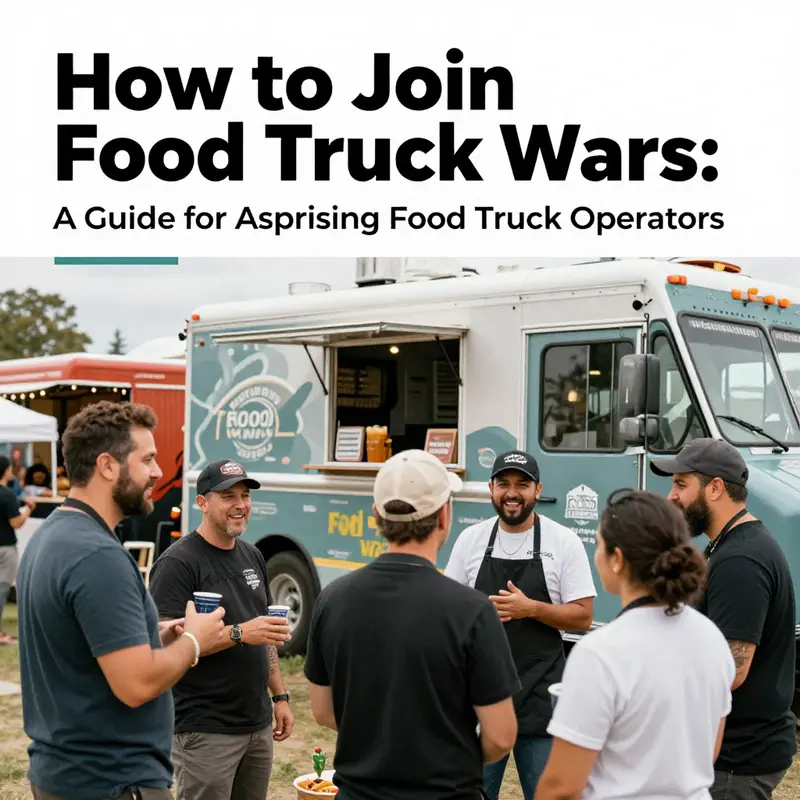
The route to a spot on Food Truck Wars isn’t a single audition in a studio lot. It is a story you tell with your grill, your crew, and the way you show up long before the cameras arrive. The producers aren’t looking for perfect recipes alone; they’re seeking a multifaceted operator who can survive a gauntlet of kitchens, crowds, and competition while staying true to a brand that feels inevitable on television and authentic on the street. In that sense, the journey toward a possible selection begins with something quieter and larger than a tasting menu: your network, your narrative, and your readiness to perform under pressure. When you understand this, you begin to see auditions not as a one-and-done event but as a season-long audition of character, competence, and character again.
The first ingredient in this longer audition is a brand that isn’t just about food but about a point of view. A distinctive menu helps, but a distinctive truck design helps even more. In the world of food trucks, your vehicle is a moving billboard, a rolling storefront, and a stage where your concept comes to life in real time. A strong brand is not just a logo or a color scheme; it’s a consistent story that people can repeat to friends, courts, and festival organizers. Think about what makes your menu edge-to-edge with your personality. Is your concept rooted in a family tradition, a sustainable sourcing pledge, or a fusion that nods to a regional palate with playful confidence? That narrative will travel with every photo, every video clip, and every conversation you have at an event. And when you begin to speak about your concept on camera or to a reporter, that story should feel natural—like you’re simply explaining why your food matters, not performing for a moment.
With branding in place, the next layer of preparation is the content that supports your story. In the digital era, images and video can travel faster than a bus at peak hours. The most successful operators arrive at festivals with a portfolio that looks professional but feels intimate: high-quality photos that capture the texture and color of your dishes, short clips showing your cooking rhythm, and testimonials from customers who have become fans in a single season. Think of these assets as your call-and-response with the audience you hope to captivate during an audition window. They don’t just prove your competence; they convey your consistency, your service pace, and the way you treat people who stop by for a quick bite after a long day. If you haven’t already, invest in a simple, reliable camera setup and a handful of trained, friendly staffers who can appear in your media with natural energy. The scene should feel like a real service, not a staged performance.
The doorway to formal channels—yes, there are official paths even if there isn’t a formal audition process—opens when you demonstrate readiness through your application materials and visible traction. The practical steps are straightforward on the surface: keep an eye on the official channels for new casting opens, prepare a robust application package, and present a compelling narrative that can travel beyond your home city. The official route is your ladder, but the rung you stand on is your credibility. A well-documented track record—consistent sales, reliable health compliance, a smooth operating routine, and a demonstrated ability to thrive in a crowded, noisy environment—sends a signal that you’re not a flash in the pan but a business worth investing time and curiosity in. It also helps if you can articulate a clear plan for how you would adapt your concept to different markets, seasons, and crowd dynamics, because contestants on Food Truck Wars often encounter unexpected challenges that require both agility and a steady nerve.
Networking becomes the practical engine behind that credibility. You’ll hear repeatedly that relationships matter, and there is truth in that counsel for anyone aiming to be considered for future seasons. The strongest applicants aren’t the ones who simply shout the loudest about their tacos or burgers; they are the operators who cultivate meaningful connections across the community of food trucks, chefs, event organizers, and previous contestants. These connections can yield insights about the audition process, refine your pitch, and occasionally produce recommendations that cut through noise. When you sit down with a veteran operator at a festival or a pop-up market, your aim isn’t just to trade menu tips. It’s to listen actively, learn from their missteps, and share your own growth plans with honesty. People respond to authenticity, and in a world saturated with mouthwatering images, a credible, grounded story becomes a differentiator.
Attending local food truck festivals, pop-up markets, and culinary trade shows becomes a form of hands-on rehearsal. These are the moments when your concept meets real people outside your own kitchen and you can observe what resonates in real time. When you’re in those settings, your approach matters as much as your product. The conversations you initiate about sourcing, labor, and quality control reveal not just what you serve, but how you think and how you lead a team under pressure. The more you practice those conversations, the more fluid your delivery becomes on camera. Producers aren’t looking for a perfect story; they’re looking for a dependable, teachable, and teachable personality who can carry a brand under scrutiny. The feedback you receive from peers, mentors, and even enthusiastic festival goers can help you refine your narrative until it’s tight, persuasive, and unmistakably yours.
The social channels you maintain play a vital role as well. Instagram, TikTok, and other platforms function as a long-running interview with both your audience and the people who might cast you. The most effective creators give audiences a window into the daily life of a truck operator—behind-the-scenes footage of prep, the rhythm of a busy service, and the everyday decisions that shape flavor, consistency, and service speed. It’s not just about showing off a dish; it’s about revealing a process, a culture, and a standard you’re proud to uphold. When producers sample your world through those feeds, they’re assessing your ability to sustain transparency and energy while still preserving the mystery that makes a brand compelling. A robust, authentic online presence can supplement a formal application by showing that your concept has momentum and a loyal following before you even step in front of a camera in a casting scenario.
Another often overlooked aspect is the art of storytelling itself. Producers aren’t attracted to one-note characters who smile while doling out bites; they want dynamic personalities who can carry a broadcast narrative while staying credible under pressure. Your story should fuse passion with practicality: why you started, what you’ve learned, how you source ingredients, and how you handle the unpredictability of busy service windows. Craft this story like a recipe for a successful season—start with a compelling origin, fold in learning moments, insert a robust work ethic, and finish with a clear vision of your brand’s impact. The most resilient operators can translate this narrative into a camera-ready demeanor: a poised presence, a calm in the chaos, and a responsiveness that makes every moment on screen feel earned rather than rehearsed.
All of this converges toward a simple, grounded truth: you are auditioning for more than a single show. You are auditioning for the role of a scalable business owner who can thrive in a competition while maintaining a brand that matters to a community. That is the audition—every interaction, every festival booth, every shareable moment, every conversation you have with a mentor or peer. The strength of your application runs through the network you’ve built and the story you’ve honed. When a producer asks, in effect, who you are as a business, you want the answer to be clear, credible, and human. You want to be able to articulate not just that your food tastes great but that your operation embodies efficiency, consistency, and a sense of responsibility toward customers, staff, and suppliers.
In practical terms, think about your plan as more than a portfolio. It’s a living blueprint that evolves as you gain feedback from events, as you test new menus, and as you refine your on-camera presence. You’ll want to ensure your branding carries across all touchpoints: the window design, the menu layout, the way you interact with guests, and the cadence of your service. Your team should feel aligned with that brand—every member aware of the core message and able to communicate it with warmth and clarity. The stronger the alignment between concept, execution, and narrative, the less you’ll need to do later to adjust or pretend. The audition will feel less like a performance and more like an extension of your daily business, and that is precisely what producers look for: a team that can deliver a compelling episode while still delivering on the fundamentals of a thriving operation.
If you’re ready to deepen your strategic preparation, consider how the physical and digital pieces of your plan connect. Your truck’s chassis and equipment choices should reflect your concept and scale with your ambitions. Sparing no expense on quality—while maintaining a practical cost structure—signals to producers that you’re prepared for the long arc of competition. Within this broader planning frame, you can also explore resources about truck models and operational setups that fit startup realities. For example, you may want to explore the best food truck models for Lakewood startups to gauge how different rigs match various menu concepts and service models. This kind of research helps you understand what you’ll need in the field and what compromises you may need to make as you grow. It’s about marrying ambition with feasibility, so your plan remains credible during every stage of a potential audition window.
As you map this path, remember that every successful applicant isn’t chasing a single moment on TV. They’re building a reputation as a reliable, creative operator who can bring value to a dynamic competition. They cultivate relationships with event organizers, stay attuned to industry trends, and maintain a practical mindset about operations. They rehearse their on-camera presence—brief, authentic, and guided by a genuine passion for what they cook and how they serve. They also learn to respond to feedback with grace, whether it comes from a mentor in the field or a producer who sees potential in their concept. That adaptability, more than any single dish, often distinguishes those who merely dream about appearing on screen from those who become recurring, trusted contenders in reality television that foreground the realities of running a food business.
If you’re ready to begin that journey, start small but aim large. Build your brand, document your journey, and actively seek out opportunities to connect with peers and potential mentors. Attend the festivals that attract producers, introduce yourself with a concise elevator pitch about your concept, and ask for feedback with genuine curiosity. In a world where attention spans are short, clarity is a superpower. The stronger your narrative and the more consistent your execution, the higher your chances of being seen as not just a strong cook but a capable business leader who can handle the volatility of competition and the pace of the market.
To ground this in tangible steps, you might explore how to align your concept with practical considerations for a startup, including the kind of vehicle that suits your service style and menu. The choice of truck model matters because it affects your speed, capacity, and the quality of service you can sustain across events. For those curious about the practical side of rig selection in a startup context, you can delve into this resource on the Lakewood scene: the best food truck models for Lakewood startups. This reference helps you frame your operations with a realistic view of what a winning truck looks like in the field and how it can scale as you gain traction and visibility in your local ecosystem. The goal is to ensure that your brand promise remains intact from the moment you turn the key to the moment you hand over a finished plate to a festival attendee who just discovered you.
As the journey unfolds, your audition isn’t just about getting selected for a season. It’s about proving, time and time again, that you can contribute to the competition with more than great flavor. You bring a well-tuned operation, a story worth sharing, and a team that can handle pressure with grace. When producers see that, they aren’t watching for a miracle—they’re watching for consistency, leadership, and a capacity to grow alongside the show’s evolving challenges. In the end, the audition is an invitation to bring your entire business into a single, compelling narrative that resonates with audiences and editors alike. It’s about showing up ready to work, not just to perform, and that readiness often travels the furthest in the room where decisions are made.
External resource for broader perspective: https://www.foodnetwork.com/food-truck-wars/season-10/audition-tips-for-chefs-and-food-truck-owners
Final thoughts
As you embark on your journey toward auditioning for Food Truck Wars, remember that success is as much about passion as it is about preparation. Building a strong brand, gathering eye-catching media, applying diligently, and networking effectively can significantly enhance your chances of being selected. The food truck community in Lakewood is rich with potential; so embrace these steps, let your culinary creativity shine, and take the leap toward sharing your unique flavors with the world! Get ready to hit the streets and make your food truck dreams a reality!