

Renting a food truck can elevate your event, offering unique cuisine and a fun atmosphere. Whether you’re planning a birthday bash, corporate gathering, or a casual get-together, understanding the costs involved is crucial. In this guide, we’ll break down what you can expect to pay based on the type of food truck you choose, factors that affect pricing, additional services you might need, and how to find reliable vendors. Each chapter will provide the key insights you need to make informed decisions, ensuring your event is a delicious success.
Counting Cents: A Practical Guide to Renting a Basic Food Truck for Your Party
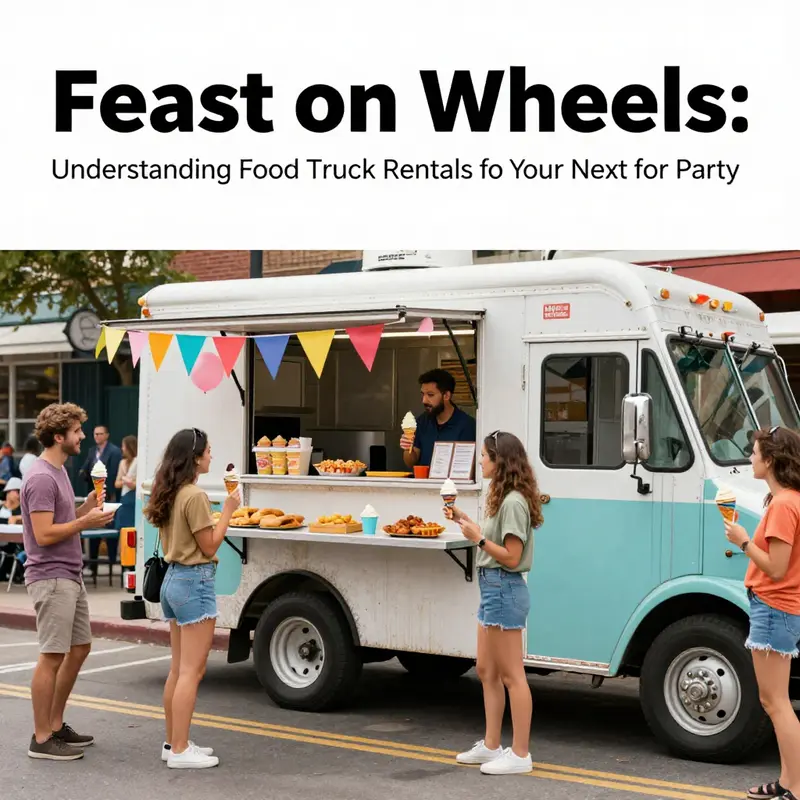
At a glance, a basic food cart rental is the main line item, but the actual cost picture includes setup, delivery, insurance, deposits, and possible staff. In many markets, daily rental rates for a compact cart begin around a modest figure and can climb with size, equipment, and service level. Understanding how each component fits helps you balance taste, experience, and budget.
Start with the base rate: the daily rental for a simple ice cream or snack cart often sits in a certain range. In urban markets, expect a wide spread depending on demand and location. Conversion to USD or local currency aside, the key is to compare apples to apples by requesting a line item quote: base cart, delivery, setup, power or water hookups, and any staffing costs.
Monthly rental options exist for ongoing events, festivals, or seasonality. These can provide budgeting stability but may require longer commitments, deposit terms, and cancellation policies. Look for what is included: basic power, water, and display equipment, versus upgrades like refrigeration or live cooking demonstrations.
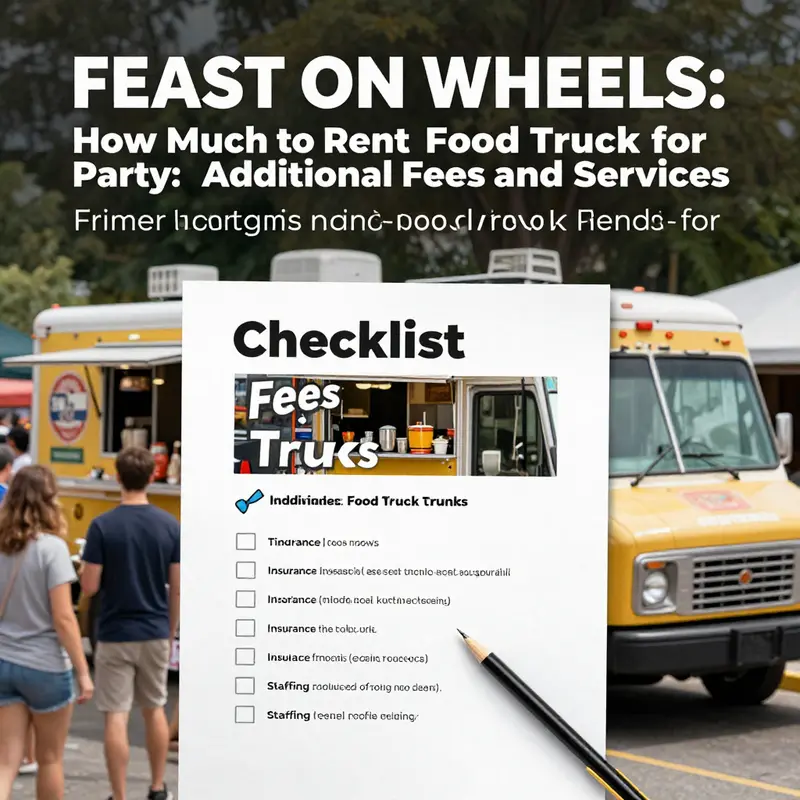
Past the base rate, minor charges can quietly increase the final bill. Insurance coverage is common; some vendors include it, others itemize it. A security deposit is standard for longer or higher value rentals and is usually refundable after the event if no damages occur. Delivery and setup fees reflect distance, access, and labor. If the venue has easy loading or near power hookups, these fees may be reduced.
Staffing adds another dimension. If cooks or servers are included, labor costs are bundled into the quote. If you handle serving yourself, arrange a drop off and rely on self service, you can trim costs. Some packages offer full service with food preparation and guest hospitality, priced as a premium option.
To avoid surprises, demand a transparent breakdown: base rate, each ancillary fee, taxes, and any weather contingency. If a quote is bundled as a single number, ask for a line item version. For weather sensitive events, confirm a rain plan and associated costs.
Budget planning in practice can use a few scenarios. A casual backyard party with a compact cart and minimal staff will be leaner than a mid sized event with a display cart, refrigeration, and a staffed service. When exploring options, request photos or a virtual walkthrough of the cart to ensure what you see matches the quote.
Finally, compare vendors not just on price but on reliability, communication, and flexibility. A clear contract, agreed timelines, and reference checks help, and looking at nearby or similar markets can provide a sanity check on what is realistic for your date and guest count.
Budgeting the Feast: Understanding the True Cost of a Full-Service Food Truck
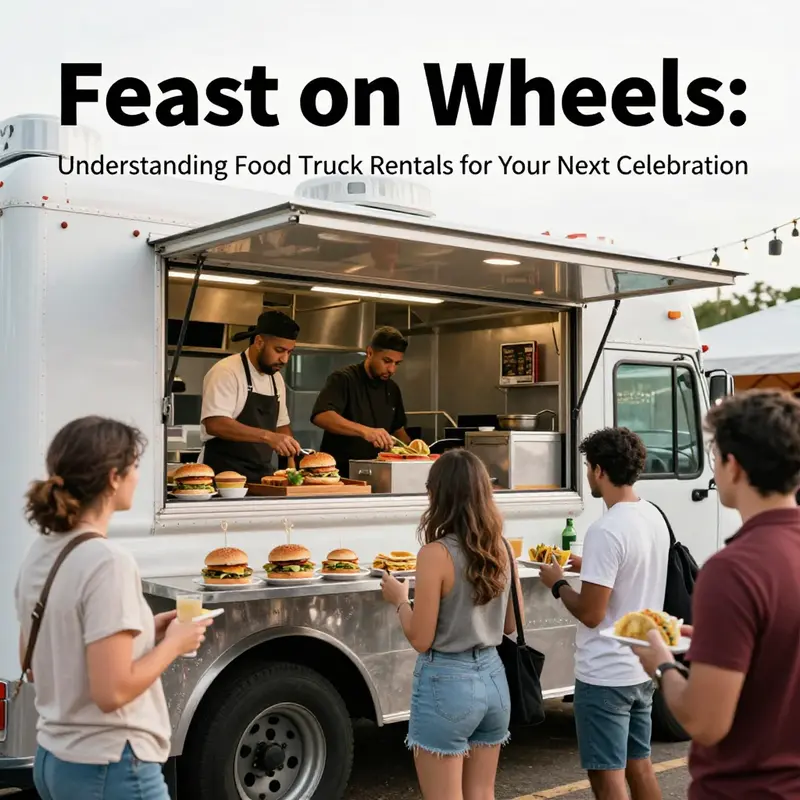
Planning a party with a full service food truck means you get a built in kitchen a trained crew and a smooth service flow. This convenience pushes the price beyond basic catering and is shaped by location duration menu ambition and the inclusions in the daily rate. In the current market a reputable full service truck typically ranges from about 750 to 2000 dollars per day, but the real story is in the details of what is included and what might be extra to ensure a seamless experience for guests. The baseline price is affected by location with higher demand areas charging more and by the scope of service such as whether beverages desserts or special dietary accommodations are included. Menu complexity higher end cuisine and live fire preparation can raise the price because they require more equipment staff and prep time. Travel delivery and setup fees can add to the total, and some vendors offer after hours service or weather contingencies that increase the day rate. Staffing levels matter as well; a full crew with a chef tends to be pricier than a lean team but offers greater consistency and food safety oversight. Seasonality also matters, with peak outdoor season often yielding less flexibility and off peak times offering opportunities to negotiate. When budgeting think in terms of a daily rate plus any extra charges and then translate that into an hourly figure based on event duration. Ask for an itemized quote that lists the daily rate plus inclusions and all add ons such as delivery, travel, permits, and any internal fees. Compare multiple vendors using the same criteria and push for written proposals that cover service hours health and safety compliance cancellation policies and weather contingencies. A practical approach is to gather quotes and use them as a benchmark while ensuring the vendor selected aligns with your guest experience goals and budget constraints. Eventually you will reach a plan that delivers the intended culinary experience with operational clarity and predictable costs.
null
null
null
null
What It Takes to Rent a Food Truck for a Party: A Practical Guide to Price and Vendors

Renting a food truck for a party can elevate a gathering with on-site flavor and a dash of spectacle. Yet price is not a single figure; it depends on truck size, menu complexity, service window, location, and add-ons. In Texas and many markets, you typically see a range rather than a fixed price, and understanding the factors helps you plan.
Price ranges commonly split into basic setups and full-service kitchens. A compact truck with limited staff and a short service window tends toward the lower end of the spectrum, while a fully equipped truck with multiple stations and backup power typically lands higher in the thousands per day. Peak seasons or high-demand vendors can push quotes upward.
Key drivers of cost include the truck footprint and power requirements, the scale of the kitchen, staff levels, and required permits or insurance. Location matters too: urban markets with fierce competition can offer more price options but may carry higher base costs, while rural areas can add travel and delivery fees. Venue constraints such as limited electrical access or special access windows can also affect price and scheduling.
Quotes are often structured as base rates plus add-ons. Some operators offer all-inclusive packages covering truck, equipment, ingredients, and staff, which simplifies budgeting but can carry a higher base price. Other providers use a pay-as-you-go model with itemized line items for delivery, setup, staffing, overtime, and permits. When comparing quotes, request a line-by-line breakdown and a clear service window that includes setup and teardown.
Reliability matters as much as price. A vendor with transparent communication, demonstrated past performance, and good dietary accommodations can deliver a smoother day-of experience, even if their base rate is a bit higher. Verify certificates of insurance and any required permits early in the process.
If you’re ready to move forward, issue a brief to several operators, ask for detailed proposals, and compare not only the totals but the quality of the plan and the vendor’s responsiveness. The right partner should align with your event goals, budget, and timeline.
Final thoughts
Renting a food truck can be a fantastic addition to your event, providing delicious food and a unique experience for your guests. By understanding the costs associated with different types of food trucks, knowing the factors that affect pricing, and being aware of additional fees and services, you can make an informed choice. And remember, finding a reliable vendor ensures that everything goes smoothly. Equip yourself with all this information to make your event a flavorful success!