
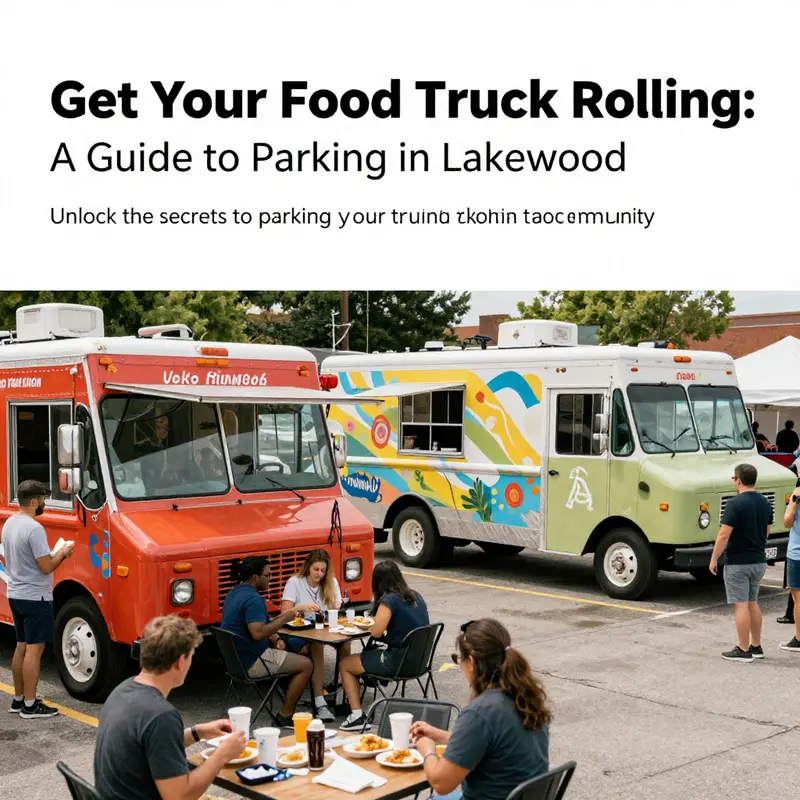
For aspiring food truck operators and tourists visiting Lakewood, finding the perfect parking spot for your mobile kitchen can be an adventure in itself. Navigating local regulations, identifying suitable locations, and ensuring compliance with health and safety standards are just a few steps on the road to success. This guide will walk you through the essential steps needed to park your food truck in a designated parking lot, making your culinary dreams a reality and helping you become a part of Lakewood’s bustling food scene.
Regulatory Compass: Charting Permits, Parking Permissions, and Pathways to Put Your Food Truck on a Lot
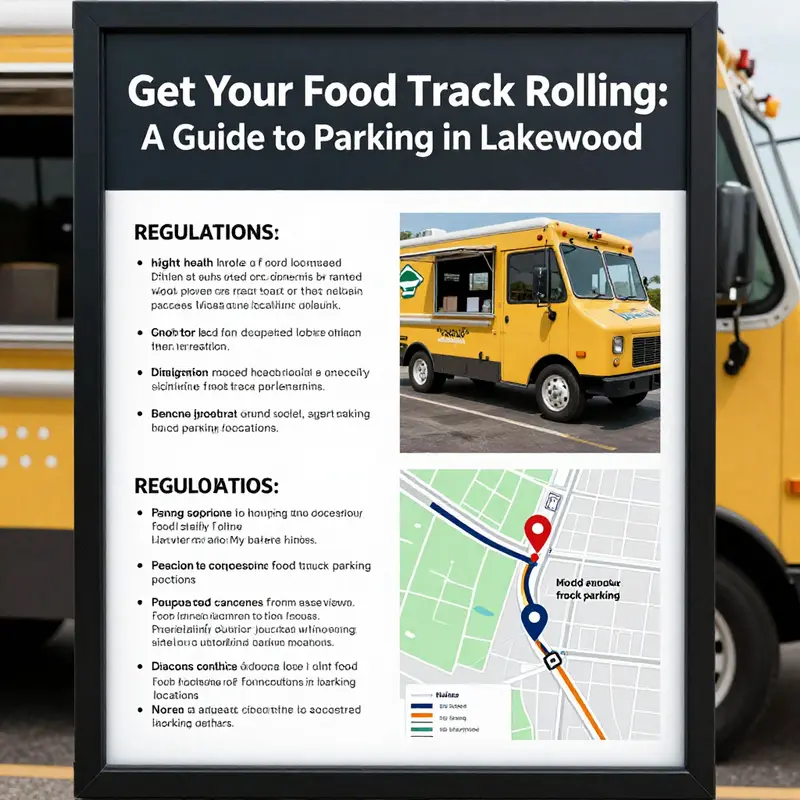
Getting your food truck onto a parking lot is less about the sizzling menu and more about reading the map of local rules, owner agreements, and practical logistics that govern where a business can set up shop. It’s a process that rewards preparation, patience, and a willingness to negotiate with a range of stakeholders who hold the keys to a permitted, safe, and financially viable operation. In essence, the journey from concept to a permitted curbside or lot-based service is a careful choreography of regulatory awareness, property access, and operational assurances that prove you are a reliable partner rather than an anonymous vendor. Those who master the rhythm can unlock spaces that become steady sources of foot traffic, consistent hours, and the chance to build a recognizable brand in a specific neighborhood or district. Yet the path is not a straight line; it winds through different agencies, private property owners, and sometimes the very residents who live nearby, all of whom have legitimate interests in how a mobile business shares space with daily life and existing parking needs.
First comes the foundation: understanding the regulatory environment. Local jurisdictions diverge widely in how they treat mobile food vendors, what permits are required, and which parking locations are even legally permissible. In many places, operating a food truck involves a bundle of licenses that span health, safety, and business compliance. A typical trail might begin with a mobile food vendor license, followed by health department approval that confirms your food safety plan, refrigeration, waste disposal, and sanitation practices meet public standards. A separate business license legitimizes the enterprise, and some locations demand a special use or temporary use permit if the lot is public or held under a broader zoning framework. The message is plain: you can’t assume a parking space is a granted right simply because it’s empty most days. You must prove you meet the rules that keep customers, neighbors, and workers safe and the operation orderly.
Next, the hunt for a suitable parking lot is as much about relationships as it is about location. Even when a space looks ideal—near a shopping corridor, office park, or event venue—permission must be secured from the property owner or manager. The best conversations begin with clarity about what you bring to the site: steady hours, a clean footprint, a plan for waste and odor control, and a commitment to honoring the lot’s existing tenants and traffic flow. A concise proposal that highlights the mutual benefits can cut through hesitation. It may include proposed hours, anticipated daily customers, a layout that ensures sufficient clearance for vehicle movement and pedestrian safety, and a plan for utility access if the site provides water or power connections. In many cases, you’ll negotiate a lease or agreement that covers daily or weekly fees, hours of operation, access to water and electricity, and cleaning responsibilities.
With site access on the table, the next layer is aligning your mobile operation with health and safety expectations. Your truck isn’t merely a kitchen on wheels; it’s a small, regulated facility that must stay compliant with local health codes. This means your vehicle’s equipment—refrigeration units, sinks for proper handwashing, waste disposal systems, and food preparation surfaces—needs regular inspection and documentation. The licensing process frequently includes inspections that verify sanitation standards, pest control measures, and the overall condition and maintenance of the vehicle. A well-prepared operator discovers that the paperwork reflects a disciplined operation: regular cleaning schedules, a documented waste management plan, and a maintenance log that proves the truck remains in good working order. Preparing these elements in advance reduces delays and demonstrates reliability to licensing officials and property managers alike.
Equally crucial is the art of professional communication. When you approach a property owner or manager, you are not merely asking for a parking spot; you are presenting a business arrangement. A respectful, well-structured message can set a collaborative tone from the outset. A practical template might read: “Hi, I’m a licensed food truck operator looking to set up at your lot for lunch service. I’d love to discuss the possibility of renting a spot—would that be possible?” Such a simple, direct inquiry signals preparation, respect for the site’s needs, and a willingness to form a legitimate business relationship. In most markets, the path toward final approval follows a cycle: initial inquiry, sharing of a written plan, an on-site evaluation if required, and then a formal agreement that codifies responsibilities and expectations. The more thorough your presentation—security of a permit, a clear layout, a safety plan, and a reasonable fee structure—the more likely you are to move smoothly from interest to a scheduled operation.
A broader, cross-border view can illuminate subtle but meaningful differences in how communities balance the needs of residents, businesses, and mobile vendors. In some urban contexts, parking facilities in residential areas can be opened to the public only if they meet the parking needs of local residents. This principle prioritizes resident access and implies a thoughtful, collaborative approach to scheduling and location use. For vendors, this often translates into conversations with neighborhood committees or property management offices to determine whether temporary or event-based parking arrangements might be feasible during peak periods. It is a reminder that every space is a held resource and that permission is earned through demonstrating that the operation does not disproportionately strain adjacent parking or disrupt daily life. The core idea remains consistent: you must prove both value and respect for the local ecosystem before the space becomes a consistent venue for your lunch crowd.
To illustrate how regulatory thinking plays out across contexts, consider how operators weigh vehicle size and traffic dynamics. There is no universal rule mandating a particular truck type, but the choice between a compact model and a larger rig directly influences maneuverability and parking feasibility. In dense city settings, smaller trucks can access tighter lots and fit into narrower stalls more easily, reducing friction with parking attendants and neighbors. Larger trucks, while offering more kitchen capacity, may encounter restrictions on turning radii, loading zones, and the overall footprint of the service area. This tension is not merely about aesthetics; it is about predictable flow for customers and a non-disruptive coexistence with residents and other lot users. The decision about size, therefore, becomes part of the regulatory conversation, demonstrating that the operator has thoughtfully weighed access, safety, and community impact before committing to a site.
For readers seeking practical examples of how this planning translates into vehicle strategy, a relevant resource can offer a grounded perspective on design choices and how they affect leasing. A useful reference is the discussion of various truck models and their implications for startup operators. Exploring that material can help you assess not only how you feed your customers but also how you fit into a parking environment that balances space, safety, and service speed. The goal is to present a plan that makes your truck an asset to the site rather than a complication for the property team. A well-chosen vehicle, paired with a robust compliance package, signals that you bring reliability, consistency, and regulatory mindfulness to the negotiation table. This combination strengthens your case when you request recurring access to a lot and, in some markets, can be the deciding factor between a one-off event and a long-term settlement.
For broader guidance on legal requirements, zoning, and resources to start and operate a food truck business in the United States, refer to official guidance provided by national and regional authorities. In particular, the Small Business Administration’s portal offers step-by-step considerations that complement local knowledge. By connecting federal resources with local regulations, you build a robust framework that supports sustainable growth and reduces the risk of missteps as you move through the permit and lease process. As you assemble your documentation, it helps to keep a well-organized packet: current licenses, health inspection reports, a site plan or layout drawing, utility access details, and a clear schedule of hours that honor the expectations of the lot’s primary users and nearby residents. The combination of regulatory awareness, practical site planning, and a professional communication style creates a compelling case for why a parking lot can become a trusted, productive venue rather than a contested space.
In this light, the Beijing regulatory context offers a pointed reminder that rules adapt to place. While the specifics differ, the underlying logic—protect public health, respect residents and property owners, and ensure predictable access—remains constant. For vendors, this means doing the homework early: consult the official municipal channel for permits, engage with district service centers for zoning guidance, and be prepared to demonstrate how your operation integrates with the local ecosystem. That work pays off when a property manager sees a prepared plan that minimizes disruption and promises steady daily customers. It also paves the way for smoother renewals, easier extensions of operating hours, and the potential to expand to other sites with comparable terms. In practice, the path from curiosity to occupancy begins with a memorandum of understanding, moves through formal approvals, and culminates in a well-executed rollout that respects both the letter and the spirit of local regulation.
As you progress, keep your eyes on two practical anchors: a thorough compliance package and a reliable network of relationships. The former makes your case solid; the latter sustains it. A professional, well-documented approach signals that you are in this for the long run, not merely for a quick lunch rush. The result is a more predictable, legally sound operation that can thrive on the right lot with the right hours and the right neighbors. If you study the regulations closely, prepare your permits with care, and present a compelling value proposition to the property owner, you increase the odds of turning a vacant space into a steady feeder of customers and a consistent revenue stream. And in markets where space is contested, that combination—compliance, clarity, and collaboration—becomes the multiplier that helps your food truck become a familiar, welcome feature of a community’s daily rhythm.
Internal link for further vehicle strategy context: Best Food Truck Models for Lakewood Startups.
External resource: Beijing Municipal Regulations on Motor Vehicles – Beijing Municipal Government Official Website, https://www.beijing.gov.cn/zhengce/zhengcefagui/2026-01/08/145399.html
Securing the Right Lot: A Practical Path to Parking Your Food Truck
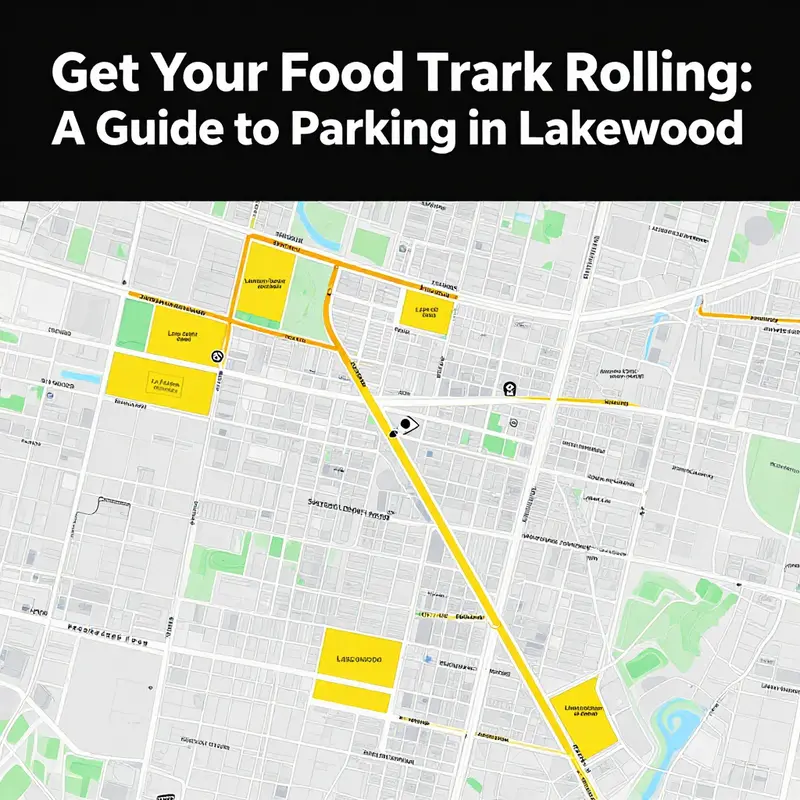
Finding a suitable parking lot for a food truck is a disciplined process. Start with regulatory awareness because city and county rules vary and what looks open may not be allowed in practice. Some places require a mobile food vendor permit, others a temporary use permit, and many zones designate where trucks may operate. Don’t assume an open lot is immediately workable; call the local business licensing office or health department to confirm what permission is needed to stand at a given address and what inspections or documentation you must carry when you show up to operate.
As you look for spaces, seek existing designations that support vendors such as city food truck corrals in parks or plazas. Corrals provide shared infrastructure and predictable hours and simplify compliance with safety and waste management expectations. If no corrals exist, focus on spaces that feel stable rather than constantly shifting. Use search terms like city food truck corral and check official pages or trusted community resources to uncover options.
Location evaluation blends traffic with practicality. Target high visibility near offices, transit hubs, shopping centers, and event venues, but beware spaces that close off after hours or require complicated access. Map a small network of candidate lots within walking distance of your customer base. Visit at different times of day to observe foot traffic and noise, and note how easily customers can spot the truck from the street. Consider events that draw crowds and lawfully prearranged parking rights that could jumpstart a longer term arrangement.
Safety and accessibility are non negotiable. Ensure there is enough space to pull in, pivot, and exit without backing into traffic or squeezing past obstacles. Look for adequate driving lanes, level surfaces, and emergency access. If you need on site utilities, confirm whether there are hookups or if you will rely on on board generators. Health inspections often scrutinize waste disposal and grease management; plan a practical approach that inspectors would recognize as compliant.
Technology and community networks can speed the process. Use scouting tools that map parking layouts and neighboring activity, and reach out to fellow operators and local associations for insights on receptive venues, best days, and who manages the spaces. Combining site visits with community feedback helps you form a robust view of where you can park with confidence rather than guesswork.
Negotiation is the human hinge. If you can propose terms that create a win win you gain access to spaces others overlook. Start with a concise approach and a clear plan for hours of operation, utilities, cleaning responsibilities, and cross promotions with nearby businesses. A well prepared portfolio including permit status, a sanitation plan, and a safe layout makes the case for a stable, legal spot and a gentle introduction to the host site.
Document everything as you move to agreement. Capture agreed terms, operating hours, emergency contact, maintenance expectations, and contingency plans for weather or equipment failures. Consider a simple one page summary to share with the owner that reinforces your professionalism and intent to stay aligned with the host goals. With the right lot, you gain a foundation for growth and a predictable venue that customers recognize and return to.
For ongoing progress, keep a calendar of permitting deadlines, inspection dates, and renewal requirements, and review waste management and sanitation practices regularly to stay inspection ready. Maintain proactive communication with the property owner, share schedule changes, report issues promptly, and celebrate mutual successes in ways that reinforce value to the space. When you find a stable lot, treat it as a platform for expansion rather than a one off stop.
The Paper Trail That Opens the Lot: Permits and Licenses to Park Your Food Truck
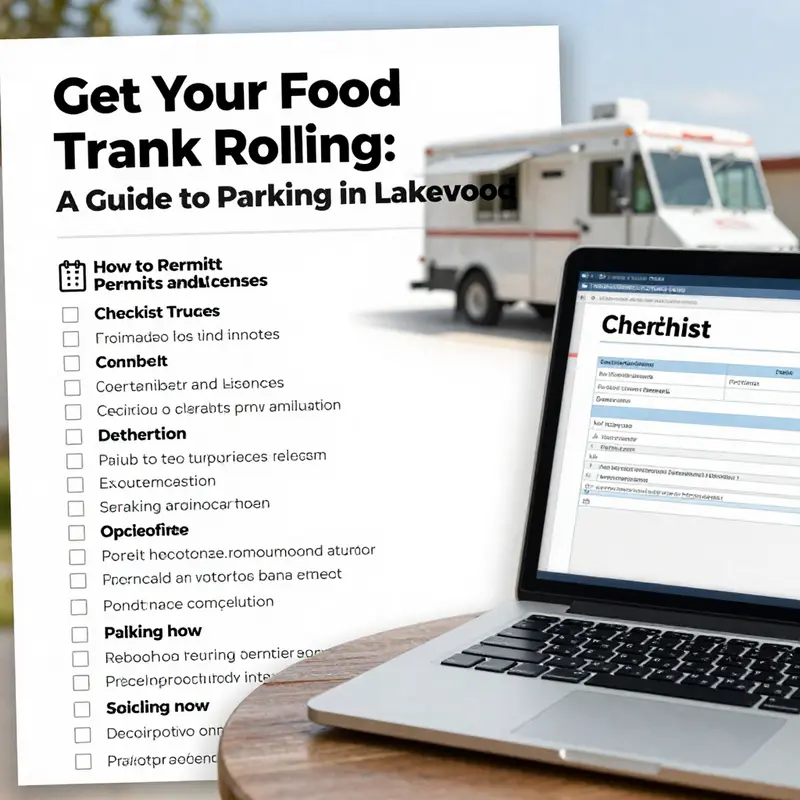
Parking a food truck on a designated lot is as much a game of paperwork as it is a game of flavor. The dream of serving a crowd from a bright, bustling trailer hinges on a chain of approvals that vary by city and county, and California layers compliance across multiple agencies before a single customer ever tastes your menu. The path begins with a clear business identity and ends with a signed lease and a clean bill of health, but in between lies the disciplined work of permits, inspections, and thoughtful coordination with property owners. When you walk through this process, you are not just ticking boxes; you are shaping the operational reality of your truck. You will need a registered business, the right tax permits, a healthful kitchen that meets local standards, and a parking arrangement that respects the lot owner and the community around it. The sequence matters because each credential unlocks the next, and delays in one place can stall the whole plan. Yet the reward—having a steady, permitted place to park and sell—outweighs the effort because it transforms a concept into a repeatable business model, a place where you can build a loyal lunchtime following and plan for seasonal peaks with confidence. As you work through these layers, stay grounded in two priorities: accuracy and communication. Accuracy in applications reduces back-and-forth with agencies, and clear communication with the parking lot owner reduces friction in the lease itself. The negotiations around location, hours, and utilities are not mere add-ons; they are essential to delivering a consistent customer experience and keeping your operation compliant with fire and safety codes. This is not paperwork for paperwork’s sake; it is the scaffolding that keeps your service reliable, your customers safe, and your business growable. While the specifics can feel dense, there is an intelligible rhythm to it all when you approach it as a single, integrated project rather than a scattered set of tasks. You start with the company you own, then prove you are a responsible operator, and finally secure the physical space that will host your daily workflow. In California, this rhythm is reinforced by the availability of official portals and local offices that guide you from entity formation to facility inspections. The steps are concrete, but the way you script your approach matters every bit as much as the forms you fill out. Think of the permit sequence as a choreography, where each partner—state agencies, county health officials, and the property owner—has a role that supports your ability to serve safely and legally. One practical way to frame the journey is to imagine your truck as a mobile kitchen whose daily performance depends on precise standards and predictable routine rather than improvisation. Your first lines of business are formalization and registration. In California, that means establishing your business entity with the state and local authorities and obtaining a Seller’s Permit so you can collect and remit sales tax. The Seller’s Permit, issued by the tax administration, is not a mere formality; it is a legal credential that validates your capacity to transact and comply with tax reporting. Once your entity is established, you move toward the health and safety arc of the operation. The Mobile Food Facility Permit (MFFP), administered by the state health department, is the gateway to compliant cooking and serving from a mobile unit. This permit signals that your truck design, its equipment, and your operating procedures meet the statewide health and sanitation standards. The application typically requires proof of vehicle inspection, documented sanitation practices, and staff training credentials—often including ServSafe-style certification or equivalent. The MFFP is not a ceremonial stamp; it is a practical assessment of how you manage cold and hot storage, waste and grease disposal, handwashing, and overall food safety practices. After the state posture is in place, the next thread to pull is the agreement that ties your operation to a specific lot. A Parking Lot Agreement and Landlord Permission are essential for private property. The property owner will want clear terms: the exact location on the lot, hours of operation, duration of the arrangement, and any fees or conditions—utilities, water access, power outlets, waste collection, and cleaning responsibilities. Sometimes, the local rules require a Parallel permit for temporary outdoor vending on private property, reflecting a concern for public safety and zoning. It is prudent to present a concise site plan and a simple operations map to the owner, showing where you will park, how customers will access you, and how you will handle ingress and egress. This is the part of the process where a professional tone and a well-prepared proposal matter as much as the menu. In practice, the negotiation is not just about rent; it is about mutual trust. You are asking a property owner to host your business, and they are asking for predictable performance, reliable compliance, and clear hygiene standards. A practical approach is to outline the hours you intend to operate, whether you will need access to water or power, who will manage waste, and what your plan is for maintaining the site after service. If the lot sits within a municipality, you may also need a Temporary Outdoor Vendor Permit that authorizes operations on private property, bridging the gap between the private lot and public regulatory expectations. The heart of the permit journey, however, often lies in local zoning and fire and accessibility compliance. Municipal permits—such as a Temporary Use Permit or Outdoor Vendor Permit—confirm that a mobile unit aligns with the zoning that governs the parking area and surrounding land uses. Fire safety requirements ensure that cooking devices, fuel storage, and grease disposal meet fire code expectations, while ADA compliance ensures your setup is accessible to all patrons. The health inspection is a pivotal moment that tests your readiness. County Environmental Health departments schedule on-site checks of your vehicle’s design, the layout of your kitchen equipment, refrigeration, cooking appliances, waste disposal, and your overall food handling procedures. Passing this inspection is not optional; it is the concrete verification that your operational reality mirrors the safety standards you attest to on paper. Alameda County and nearby jurisdictions illustrate an adaptable approach through programs designed to support outdoor commerce. The Flexible Streets Program, for instance, recognizes the value of expanded outdoor operations using sidewalks, parking lanes, or private lots. While the program has roots in specific districts, its guidelines demonstrate how municipalities can balance business opportunity with community priorities and safety. If your planning touches a county like Alameda, review the program guidelines to understand how temporary outdoor ventures may be accommodated, and what conditions might apply to food trucks operating on designated parking areas. For the operator, skimming the official portals is not a substitute for proactive outreach, but it is a powerful companion. The recommended next steps emphasize three actions: visit the Mobile Food Facility Portal to understand the MFFP requirements, contact the local planning or zoning office to confirm what locations are permitted and what application steps are needed, and, if operating in areas with flexible streets allowances, review the local health department’s guidelines for outdoor operations. Throughout this journey, keep a professional tone when approaching lot owners. A succinct, respectful message—like, “Hi, I’m a licensed food truck operator looking to set up at your lot for lunch service. I’d love to discuss the possibility of renting a spot—would that be possible?”—can set the tone for a productive conversation and help move the negotiation forward from interest to occupancy. For inspiration and context on truck models, layouts, and practical implementation, see resources such as Best Food Truck Models for Lakewood Startups. This internal reference can provide tangible ideas for efficient layouts, equipment placement, and service flow that you can adapt to your own space and permits. While this is a helpful cross-check, the real work remains in aligning every regulatory piece with the actual operation, from supplier contracts to waste management and staff training. The safety net here is a clear, documented process: keep copies of all forms, maintain a tidy site plan, and schedule regular reviews with the health department and the property owner. The risk of operating without proper permits—fines, shut-down orders, or legal action—far outweighs any convenience gained by skipping steps. When your permits, licenses, and lease are in place, your food truck stands on a legal, performative footing that can sustain growth over multiple locations and seasons. The city, the county, and the private lot come together to support a simple objective: a safe, compliant, and reliable dining option for people who want good food on a lunch break or during a weekend rush. External resources remain essential anchors in the process, and the official portals provide the most authoritative guidance. For a concrete starting point on health and facility compliance, consult the Mobile Food Facility Permit portal maintained by the state health department. External resource: CDPH Mobile Food Facility Permit Portal.
Safe Ground: A Health-Driven Roadmap to Getting Your Food Truck on a Parking Lot
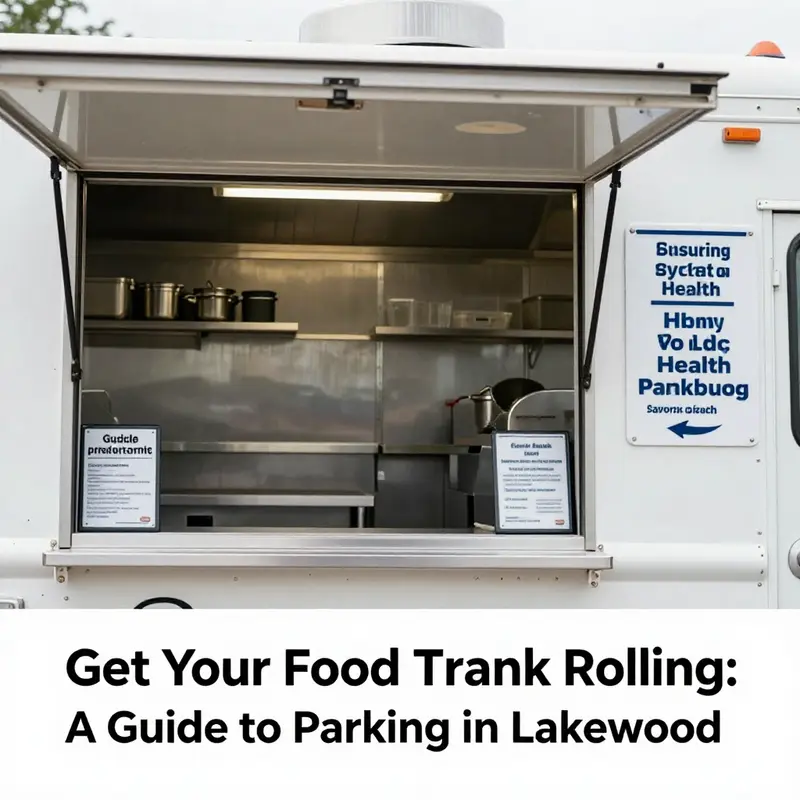
Creating a compliant parked operation starts with a structured safety and health plan. The core idea is to protect customers, staff, and the surrounding community while meeting local rules. A well documented protocol improves reliability, reduces risk, and builds trust with property owners and inspectors.
Begin with permits and licenses, the legal anchors that authorize a mobile operation. Obtain a valid mobile food vendor permit from the health department, proof of business registration, and proof of liability insurance. A separate business license and, in some places, a health department approval with a food safety inspection are common prerequisites. In some jurisdictions a special use permit may be required for municipal lots. Check requirements early to avoid delays.
Next verify parking permission itself. Not all lots allow commercial vending, and some require a specific vendor permit for temporary use. Clarify who manages the lot, what hours are allowed, and whether water or electrical hookups are available. A concise inquiry shows professionalism and readiness to operate within a formal framework.
Health standards demand consistent compliance. The vehicle must meet local health codes for waste disposal, refrigeration, sanitation, and cross contamination prevention. Daily cleaning is essential. Implement a formal disinfection protocol before and after each shift and maintain a visible temperature log for equipment. Ensure hot foods stay above recommended temperatures and cold foods stay below them. Rely on properly calibrated thermometers and reliable refrigeration.
Preventing cross contamination is a key guardrail. Use separate storage for raw and cooked foods, color coded utensils, clearly labeled containers, and strict hand hygiene for all crew. Train staff to wash hands regularly, wear gloves for ready to eat items, and sanitize surfaces between tasks. These habits support safety in a fast paced environment.
The physical setup matters as well. Ensure adequate ventilation to control odors and smoke. Keep waste contained with a robust grease trap and an effective exterior cleaning routine to deter pests. A pest management plan helps maintain a clean, compliant operation and preserves the perception of professionalism with customers and landlords.
Practical necessities such as water and power require planning. If the lot provides municipal water and electrical access, align operations with those utilities. If not, arrange compliant generators and water hauling. Consistent water supply and dependable power for refrigeration and cooking equipment are critical for safety and service quality. Plan waste storage, regular removal, and disposal in line with local rules. A clear grease management and waste water plan prevents environmental complaints.
Safety practices extend to facilities and daily routines. Shared spaces should be properly ventilated, and waste disposal should be secure and accessible to staff only. Maintain clear access routes for customers and for emergency services. Establish a simple, repeatable daily routine that documents cleaning, temperature checks, and equipment function. A brief log, signed by staff at each shift, creates an auditable trail for inspections and accountability.
Staff training is central. Emphasize core principles such as Clean, Separate, Cook, Chill. Translate these ideas into practical actions: clean hands and surfaces, thoroughly cooked foods, and keeping foods at safe temperatures. Well trained staff adapt to busy periods without compromising safety. A culture of safety beats a compliance checklist every time.
To connect practical realities with industry context, present your plan as an integrated system rather than a list of rules. Frame safety, health, and parking compliance as a responsible, community minded business practice. When you communicate clearly with property managers and inspectors, you reduce friction and increase the likelihood of getting the green light to operate. A robust plan that you can discuss in a single conversation or formal proposal demonstrates readiness and professionalism.
In sum, parking a food truck on a lot is a disciplined blend of health minded practices, regulatory literacy, and operational design. When safety and health are central to your strategy, you do more than avoid fines or shutdowns. You build trust with customers, landlords, and the community, supporting sustainable growth in a competitive market.
Locking In a Parking Lot: The Negotiation Playbook for Your Food Truck
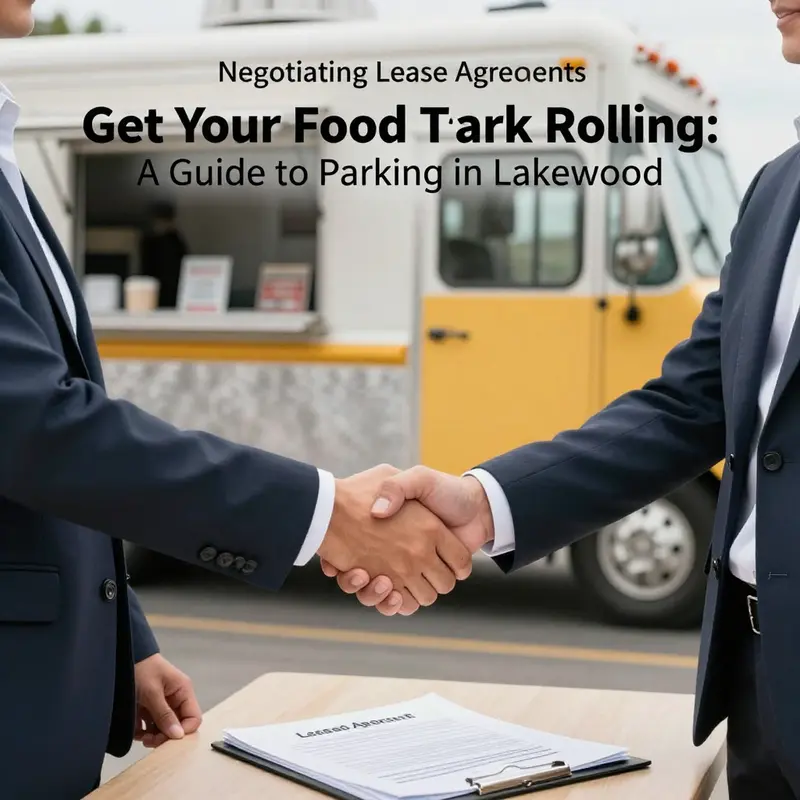
Securing a spot for your food truck on a parking lot is less about luck and more about turning a site into a collaborative opportunity. It requires seeing the space as a shared asset and the owner as a partner who benefits from reliable traffic, clean operations, and a consistent customer experience. The negotiation, then, becomes a careful balance of value, risk, and trust. You begin long before you knock on a door, with research that frames the conversation and a concrete plan that translates ideas into terms both sides can accept. The first step is understanding the regulatory backdrop that governs where you can operate. Cities and counties often have zoning rules and health requirements that restrict or allow mobile vendors in certain lots or districts. A well-prepared operator knows not only the permit landscape—such as mobile food vendor licenses and health approvals—but also which lots are likely to align with those regulations. This awareness helps you avoid pursuing spaces that would be blocked by red tape or timing that could derail a negotiation before it starts. In practical terms, this means mapping out a handful of strong candidates: busy shopping centers with the property owner’s consent to host food trucks, business parks that want to diversify lunch options for tenants, and event venues that frequently host markets or fairs. Reaching out to the right gatekeepers—property managers, facility supervisors, or owners—requires a concise, professional approach that signals reliability and foresight. When you initiate contact, you present a clear case for why the space can become a draw rather than a distraction. You do not wind up with a simple rent discussion; you open a dialog about partnership, scheduling, and support systems that keep the operation running smoothly. A well-crafted pitch highlights not only the potential for revenue but also the operational discipline you bring. You talk about hygiene protocols, waste management plans, and the cadence of service that minimizes disruption to the lot’s other users. You also frame the value in terms the owner can quantify: increased foot traffic, higher occupancy rates for the surrounding businesses, and a branding presence that can be extended through signage and social media exposure. If you’re unsure how to present these points in a compelling way, picture a pitch that blends three components: a precise operation blueprint, a transparent financial model, and a showing of your reliability. A practical approach to the financial conversation is to offer a revenue-sharing model as a baseline rather than a rigid rent. A percentage of daily sales—commonly in the range of 10–20%—addresses the owner’s interest in performance while protecting you during slower periods. It shifts the risk away from a fixed monthly burden and aligns incentives: the better the collaboration, the stronger the returns for both parties. You couple this with a modest marketing commitment on your end. In your proposal you promise cross-promotion for the parking lot through your social channels, banners or signage that comply with the property’s branding guidelines, and a calendar of operating hours that avoids conflicts with other tenants. The aim is to convey a professional, values-driven operation that respects the site’s schedule, cleanliness expectations, and overall audience. Inside the pitch, you also propose a practical trial or pilot period. A short-term arrangement—think one month to begin—offers a proving ground for both sides. It gives you a chance to demonstrate the value you bring and lets the owner assess crowd flow, parking efficiency, and the impact on lot maintenance. A trial reduces the psychological and financial risk and helps build trust, especially if you couple it with soft commitments: a dedicated loading/unloading plan, a clear waste disposal method, and an agreed-upon set of operating standards. When you move toward a formal agreement, you shift to a draft that spells out concrete terms. The lease should specify the term of use, whether seasonal, monthly, or rolling, and the rent structure. A hybrid approach—base rent plus a percentage of sales—often represents a fair middle ground, balancing predictable costs with upside as your business grows. The document must also define the permitted use clearly, ensuring the space is reserved for your food truck operations and not repurposed for other activities. Utilities and maintenance are vital discussion points. You need to clarify who covers electricity, water, and sanitation costs, and who handles trash removal and lot upkeep. These details prevent disputes that can sour a relationship after the ink dries. Insurance is a non-negotiable line item in most leases. The landlord will typically require general liability coverage in the vicinity of $1 million, sometimes with additional insured language that protects the property owner. You will want to align your insurance program with the lease’s requirements, and you may need to present certificates of insurance before you ever set up a tent and griddle on the lot. Termination provisions, too, deserve careful attention. The agreement should allow for early termination under unforeseen circumstances—bad weather, health issues, or a major policy change—without crippling either party. A fair clause might specify notice periods and any break fees, ensuring that both sides can pivot with minimal disruption. In drafting the lease, you lean on clear language rather than legalistic gobbledygook. You can start with a dependable template from a reputable source or work with an attorney who understands the food service industry and commercial real estate nuances. The goal is a contract that reads like a practical playbook: responsibilities, expectations, and consequences laid out in direct terms. It helps to demonstrate your commitment to reliability through evidence of your organization and track record. Cleanliness, safety, and compliance are not afterthoughts; they are foundational to the partnership. The owner will want to know that your truck meets health and safety standards, that your waste disposal is lawful and responsible, and that you can execute a consistent service schedule. If you already operate legally in your jurisdiction, you will be prepared to show inspection results, permits, and your standard operating procedures. You can also reassure the owner about how you will manage peak demand. Parking lot customers often want a straightforward and predictable experience: quick service, consistent quality, and a comfortable ambiance around the truck. A thoughtful operator links these expectations to concrete operational practices—set up and teardown times that minimize blocking the lot, clear signage that complies with local regulations, and a plan for how you will handle queuing and waste during busy periods. A well-structured negotiation embraces flexibility as a strength rather than a concession. When you propose a short-term trial, you should also suggest a staged expansion plan should the partnership meet agreed-upon metrics. Perhaps you begin with a single, carefully chosen lot during a lunch window and then, if the arrangement thrives, consider additional days or another location within the same property portfolio. Throughout this process, your communication remains professional, courteous, and results-driven. You present facts, not bravado, and you rely on documentation rather than promises. This is where the Small Business Administration’s guidance can be a helpful compass. It lays out the legal and regulatory foundations for licensing, permits, and the negotiation of leases. For an operator who wants to ensure alignment with best practices, reviewing such official guidance can be invaluable as you refine your approach to property owners and solidify your lease terms. If you’re unsure where to start, consider looking at established resources that discuss how to present a professional business case to property owners while staying compliant with local rules. In the spirit of building a credible, cooperative relationship, you can also study how other operators have structured their space agreements and what terms endured the test of time. For a practical, concrete example of the negotiation framework, you might begin with a well-organized one-page summary that includes your plan, a proposed revenue-sharing arrangement, and a schedule of operating hours. This summary becomes a tangible artifact you can share in your initial conversations, the kind of document that signals preparedness and a collaborative mindset. As you move through negotiation and finally sign a lease, you should maintain open lines of communication with the owner. Provide regular updates on your operations, share feedback from customers, and address any issues promptly. Keeping the relationship healthy is as important as securing the space, because the success of a food truck on a parking lot depends on ongoing cooperation. For operators who want to see practical examples and further guidance, a broader resource on starting and operating a mobile food business can offer structured steps, from licensing to site selection and lease negotiation. External resources provide the scaffolding you need to ensure you are compliant, professional, and prepared to sustain a long-term partnership with the lot owner while keeping the focus on delivering a great dining experience to your customers. External resource: https://www.sba.gov/business-guide/starting-your-business/starting-mobile-food-truck-business Midway through the process, after terms are reached and signatures exchanged, the work shifts from negotiating to executing. That means coordinating with the owner to align schedules, confirm utility access, and establish a plan for regular inspections and ongoing compliance. You’ll schedule maintenance windows that minimize disruption to the lot’s other users and create a shared protocol for waste management, cleaning, and storefront presentation. A well-managed operation respects neighboring tenants, park visitors, and the property’s own branding and security standards. The more you invest in that collaborative frame, the more you’ll find that a parking lot can become not just a space to serve meals, but a focal point for community, a draw for foot traffic, and a stable foundation for growth. If you want to see an example of the broader ecosystem that supports food truck ventures, you can explore related resources and case studies that discuss how operators balance creative food concepts with the practical demands of site agreements and regulatory compliance. For those who want to deepen their practical toolkit, a specific, well-regarded reference on leasing and contracts offers templates and guidance to ensure your documents withstand scrutiny and protect your interests. Internal link: Best Food Truck Models for Lakewood Startups to illustrate how equipment choices can align with site requirements and operational realities, while still keeping the focus on a professional, scalable approach to parking-lot opportunities.
Final thoughts
Parking your food truck in Lakewood isn’t just about finding a spot; it’s about understanding your community, complying with regulations, and connecting with patrons. By following the steps outlined in this guide—from comprehensively researching local rules to negotiating a fair lease—you’ll be well on your way to sharing your culinary creations with the world. Embrace the journey and bring your delicious vision to Lakewood, one meal at a time!