
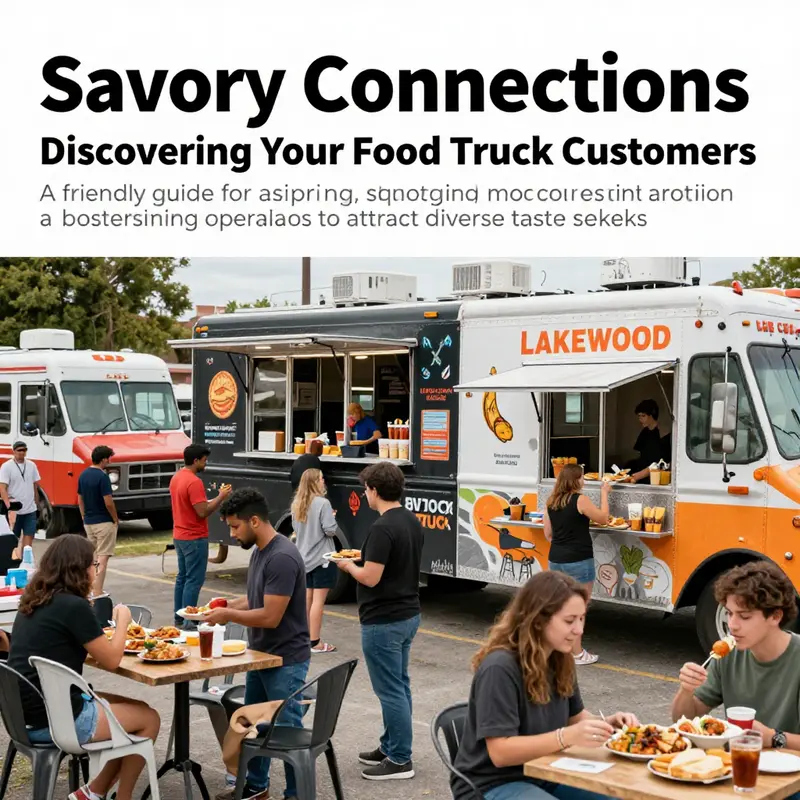
Engaging with the right customers is crucial for your food truck business! Whether you’re serving gourmet quinoa bowls or signature tacos, knowing who your audience is allows you to tailor your offerings to meet their desires. We’ll delve into various customer segments—from health-conscious diners and culturally diverse communities to night owls craving late-night snacks and event-goers in need of catering. This journey through Lakewood’s food scene will equip you with insights to connect with these customers meaningfully and create an unforgettable culinary experience. Each chapter will build on your understanding of these distinct customer groups, ensuring your food truck caters to the tastes and preferences that drive your success.
Fuel, Flavor, and Focus: Engaging Health-Conscious Diners as Customers for Your Food Truck
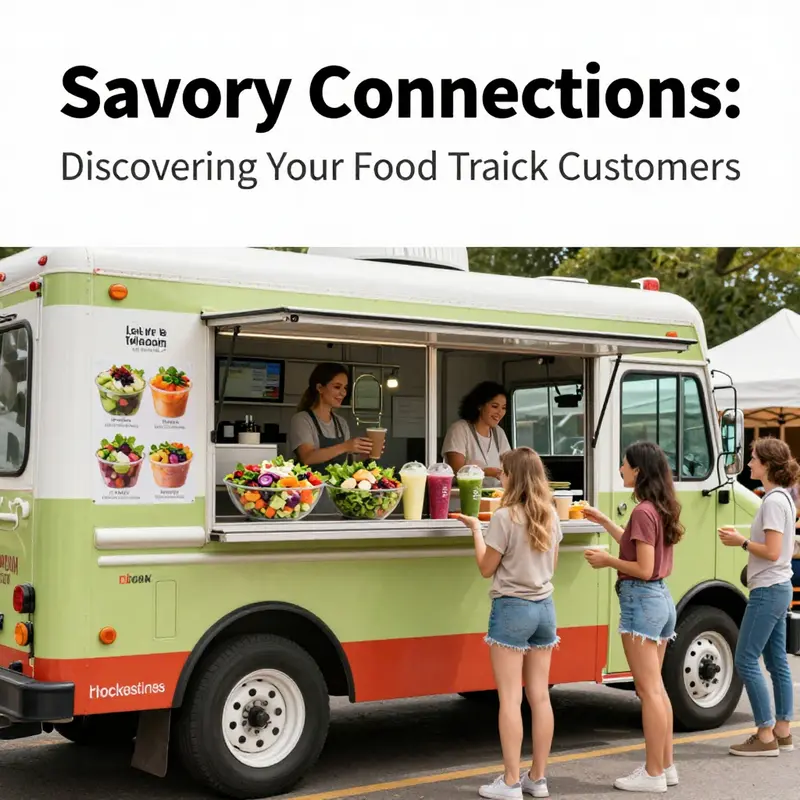
When you look at who will become your customers, health-conscious diners stand out as a core group that crosses age, income, and lifestyle boundaries. They are not chasing miracle cures or quick fads; they are seeking a reliable alignment of nourishment, taste, and everyday practicality. Their choices are driven by a long-term orientation toward well-being that includes better energy, steadier mood, and a rooted sense of control over what they eat. In practical terms, this means your truck becomes a place where flavor and integrity meet the moment of decision, turning a quick bite into a small, meaningful step toward a healthier routine. The emotional dimension matters here as much as the nutritional one. Consumers increasingly want a dining experience that leaves them feeling relaxed, confident, and in sync with their values. They are drawn to brands that acknowledge this need by offering clearly labeled ingredients, transparent sourcing, and a narrative that connects the plate to responsibility and care. It is no longer enough to promise nourishment; the promise must feel earned in every bite, every bite’s traceable origin, and every moment of service from the moment the line forms to the moment the bag is handed over.
Market signals reinforce this shift. Recent research highlights that more than seven in ten health-minded shoppers now weigh the emotional value of a health-focused experience as they choose a product. They want more than efficacy; they want resonance. They seek products and brands that speak to their desire for balance, calm, and confidence in what they put into their bodies. This means a health-focused food truck must go beyond listing organic or clean-label on a menu board. It must convey a story of care through transparent sourcing, ethical production, and a consistent commitment to high-quality ingredients. In practice, this translates into visible indicators on the truck and in the crowd-pleasing menus—the kind of cues that show freshness, minimal processing, and nutrient-dense options without compromising flavor. A telling insight from the field is that freshness and balanced nutrition are among the most influential factors for light-meal choices, with more than half of respondents signaling these priorities.
The emotional value framework adds another layer to the strategy. Health-conscious eaters want to feel relaxed and in control after they eat. They want to believe that a meal fits into a mindful routine rather than disrupts it. That creates an opportunity for a carefully designed dining experience that reinforces these sensations. Menu design becomes a storytelling device. Ingredient origins told on a chalkboard or on a small print card, sustainable packaging that feels gentle to the planet, and a dining environment that reduces cognitive load—these elements combine to create a sense of trust and satisfaction that goes beyond taste. In a mobile context, where decisions are made quickly and the sensory environment is transient, the impact of ambient cues is multiplied. A warm, clean, and orderly presentation, paired with clear labeling about calories, macronutrient balance, and allergen information, signals that your truck respects the consumer’s time and health goals as well as their palate.
So how do you translate these insights into a practical path for your food truck business? First, emphasize clean-label, minimally processed options that still deliver robust flavor. Consider meals built around whole, recognizable ingredients and avoid unnecessary additives. When possible, highlight local source points, organic practices, or no added sugars on the menu boards and in the product descriptions. The goal is transparency: the consumer should feel they understand not only what they are eating but where it came from and why it matters. Second, the branding and messaging should weave wellness into everyday life. A tagline like “fuel your day with purpose” or “powered by real ingredients” can reinforce the connection between the customer’s health goals and your offerings. Third, packaging should support on-the-go wellness. Use compact, recyclable or compostable containers that minimize waste and maximize portability, making it easy for someone to grab a meal during a busy workday, after a workout, or while wandering through a market. The packaging itself becomes a signal of care—clean, simple, and purposeful.
The operational side of serving health-conscious customers in a mobility-focused business requires attention to both product and process. Your menu should balance freshness and convenience, offering dishes that can be prepared quickly without sacrificing nutritional integrity. Nutrition information and ingredient lists should be readily accessible, either on the menu board or via a quick QR code that readers can scan to learn more. Beyond the plate, your service design matters. Think about how the ordering flow, pickup area, and even the truck’s exterior aesthetics align with the audience’s desire for authenticity and reliability. Clean lines, a calm color palette, and easy-to-read typography help communicate a sense of hygiene and clarity, which matters when a customer is deciding what to eat amidst a crowded outdoor space. Every touchpoint—from the moment a potential buyer notices the truck’s branding to the moment they fold the napkin after finishing their bite—should reinforce that the experience is both enjoyable and aligned with their health values.
There is also a strategic operational dimension tied to location and context. Health-conscious consumers tend to gravitate toward venues that offer consistent quality, such as outdoor markets and events where there is a premium on fresh, flavorful choices. In many urban contexts, diversity of population and dynamic street life create a natural audience for vibrant, nutrient-dense options that are as exciting as they are wholesome. Late-night service can be part of this equation as well, especially in areas with a lively nightlife and a demand for mindful options after long days. Your truck can become a trusted late-night stop that provides nourishment without compromising the consumer’s broader wellness goals. In practice, this means staying true to ingredient integrity even when the pacing of service intensifies, carrying enough stock of fresh components to avoid cutting corners, and ensuring that every dish maintains its nutritional profile under varying rush conditions.
To translate these considerations into a tangible, growth-oriented plan, think about your truck as a mobile wellness ambassador as much as a kitchen on wheels. High perceived value comes from the coherence of your offering, the clarity of your communication, and the consistency of your execution. If a customer feels that you are honest about what goes into each dish and how it supports their day, they are more likely to become repeat buyers who also advocate for your brand in their communities. That advocacy is particularly valuable in diverse markets and at community events where word of mouth carries weight and trust is currency. The health-conscious customer is not a one-off shopper; they can become a loyal base that sustains steady growth through repeat visits, referrals, and social sharing, especially when the experience is as reliable as the nutrition is good.
For operators seeking practical leverage, the physical and logistical aspects of the truck itself should mirror the values you promote on the menu. The right truck model can enhance visibility, efficiency, and reliability, supporting faster service without sacrificing the careful attention to ingredient quality. When you are choosing equipment, layouts, and storage that suit a wellness-forward menu, you are investing in a platform that helps you consistently deliver on the promises you make to customers. As you plan, you can explore options that optimize workflow and showcase your health-conscious narrative in a way that is both aesthetically pleasing and operationally sound. See how other startups have balanced form and function with a resource like the best-food-truck-models-for-lakewood-startups to inform your decision about capacity, visibility, and reliability, while keeping your brand’s wellness story front and center.
In weaving together nutrition, emotion, and practical service, you create a food truck that appeals to health-conscious diners not merely as a place to eat, but as a trusted partner in their daily routines. The objective is to offer a mindfulness-driven experience that feels effortless and nourishing at once. When texture, aroma, and color reinforce a clear message of real ingredients and thoughtful preparation, the consumer’s decision becomes easier. They are drawn to a place where flavor and integrity coexist, where the menu reads like a commitment rather than a marketing slogan, and where the overall ambience reduces stress rather than elevating it. In short, health-conscious customers respond to an integrated package: a plate that satisfies taste, a narrative that respects their values, and a service rhythm that fits their busy lives. When these elements align, your truck becomes more than just another option on the curb; it becomes a reliable partner in a journey toward better living.
External resource: For a deeper dive into the emotional value framework driving health consumption, see the external resource at https://www.mintel.com/insights/insight-2026-emotional-value-health-consumption
Reading the Crowd: Aligning a Food Truck’s Offerings with Diverse, Health-Conscious Palates
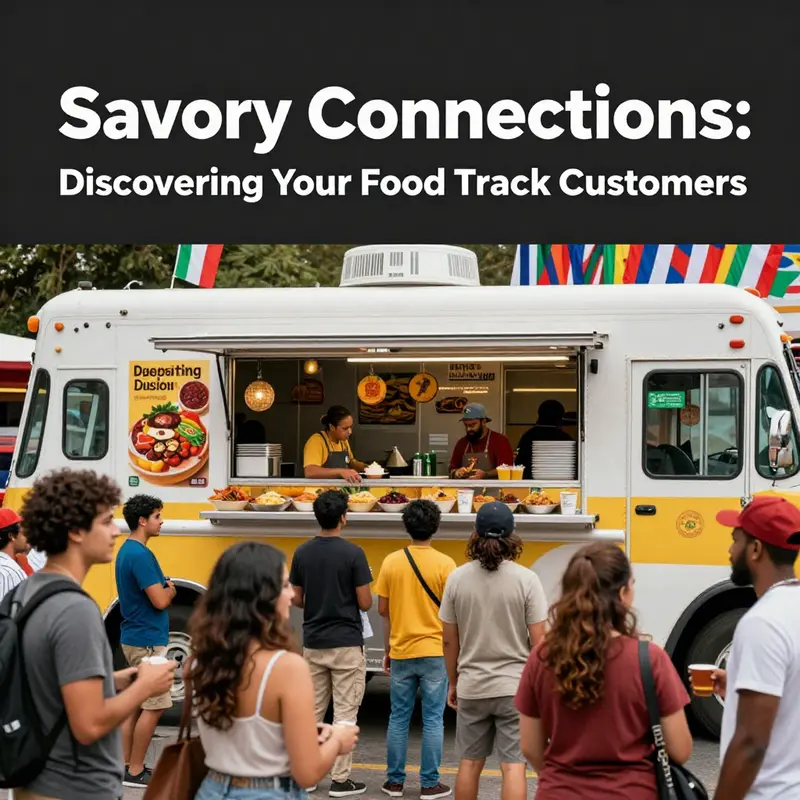
Understanding who buys from a moving kitchen requires more than a map of streets. It begins with a sensibility about what people seek in a quick, high-quality meal: a mix of health awareness, curiosity about flavor, and a pace that fits busy lives. In practice, your most promising customers are health-conscious diners who still chase a bold taste, those who prize quality ingredients and confident technique, even when they are choosing lunch on a crowded corner or a late-night stop after an event. This chapter unfolds how to translate those preferences into a menu, a service model, and a rhythm that makes your truck feel essential rather than optional. When you listen for what people say they value most, a clear pattern emerges: performance in the kitchen that respects body and palate, paired with speed, convenience, and a sense of occasion. The health-conscious segment is not opposed to indulgence; they want meals that are thoughtfully composed, balanced, and transparent about sourcing. The taste-oriented consumer, meanwhile, is drawn to novelty as long as it remains tied to a credible backbone of quality. The convergence of these two tendencies creates a space where a truck can stand out with weekly rotations, seasonal ingredients, and recognizable, clean labels that help customers feel informed rather than simply full. The challenge, then, is to design every element of the experience around that dual aim—delivering nourishment and delight in every bite without compromising speed or accessibility. In this sense, your customers are less a fixed demographic and more a dynamic conversation between what the dish promises and what the neighborhood expects from a mobile kitchen. They are the people who will return if they taste integrity in every component, and who will tell others when a meal feels crafted rather than improvised. The result is a core audience that expands through word of mouth, event connections, and a presence that feels both familiar and aspirational. The flavor story becomes a compass for menu development, while the value story—speed, portion, and perceived quality—becomes the promise you deliver with every order. The implication for operations is simple yet potent: consistency across service, freshness in ingredients, and a clear line of sight to what makes the dish worthwhile. When customers perceive high value—through taste, healthfulness, and convenience—they are more willing to invest in a meal that fits their day as much as their beliefs about food. This alignment, in turn, feeds loyalty during lunch rushes, after-work strolls through outdoor markets, and late-night sorties when the street lights glow and hunger makes a different kind of demand. It is not about chasing a single perfect profile but about cultivating a flexible core that can pivot with season, location, and event type while preserving a predictable standard of flavor and quality. The practical implication is a menu that can be dynamic without becoming inconsistent. A rotating offering keeps health-forward options front and center while inviting craveable flavors that may echo global influences or regional favorites. The equipment and workflow must support this flexibility, enabling quick swaps, efficient prep, and clear labeling that communicates health considerations to diverse eaters. In this way, the truck becomes a bridge between health-first values and celebratory indulgence, a portable kitchen where customers sense purpose in every choice. The listening method matters too. Engage with customers through brief conversations at the window, and observe which items disappear from the steam table first. Monitor data from point-of-sale trends to identify which proteins, vegetables, or spice profiles earn the strongest enthusiastic responses. Use that insight to refine both what you offer and how you present it. A well-designed operation will also consider accessibility and inclusivity. Colorful signage with legible fonts, allergen notes, and clear descriptions help people from different backgrounds understand what they are choosing. A diverse consumer base thrives when every eater feels seen and respected, and that sense of belonging translates into repeat visits, referrals, and longer lines that validate the value of your craft. The best way to serve this broad audience is to blend transparency with imagination: a menu that states where ingredients come from, a cooking style that celebrates technique, and a service approach that keeps the line moving without compromising quality. The interplay of these elements becomes a foundation for dependable, scalable growth. You will find that late-night windows, weekend markets, and family-friendly events all reward this balance with higher perceived value. People who are health-conscious do not abandon flavor; they demand flavor that respects their goals. Those who seek novelty want a meal that feels special, even when it is served from a curbside window. Your job is to weave those preferences into a story that customers are excited to tell others. In practice, that means thinking about portions that feel satisfying, not merely full; about aromas and textures that betray careful preparation; about a kitchen cadence that delivers consistency even when the crowd swells. It also means recognizing that the audience is not a monolith. A neighborhood with a rich mix of cultures invites a menu that nods to different dietary patterns, price points, and comfort foods while staying cohesive enough to feel like one authentically crafted brand rather than a rotating parade of one-off experiments. The most successful trucks learn to balance these voices—offering bold, clean flavors for the health-minded, while presenting familiar formats with elevated ingredients for the more traditional diner. They read the street as a living curriculum, watching patterns of foot traffic, seasonal shifts, and special event calendars to tailor offerings without sacrificing core values. In doing so, they create a name for reliability in unexpected places: a reason to choose the truck when alternatives are abundant, a reason to stand in line when the weather is less than ideal, and a reason to bring friends who value both nourishment and discovery. Observing the dynamics of diverse populations also reveals opportunities beyond everyday lunch and dinner. Outdoor markets, university campuses, corporate campuses, and music festivals become test beds for understanding how people move through a menu—what catches the eye, what sustains interest, and what prompts a return. The demand for late-night service is a reminder that a food truck exists to meet customers where they are in the day. The post-event rush, the after-hour craving, the need for a quick, health-conscious bite after an evening of socializing—all these moments shape menu balance, prep timing, and staffing. Your customers, then, are not only those who order food but those who share the experience with others: friends riffing on a near-impossible spice level, coworkers swapping stories over a vibrant bowl, families counting on a quick but wholesome dinner in a public square. This is why a well-curated menu, a transparent kitchen, and a dependable, friendly presence matter as much as the recipe itself. The study of selection attributes underlying dining intentions toward food trucks reinforces a practical truth: the choice to eat from a truck hinges on a perception of value anchored in flavor, freshness, and provenance, delivered with reliability and speed. You do not have to chase every taste, but you do need to offer clear, credible signals that your truck respects both body and appetite. When customers encounter that alignment—an inviting aroma, a clear nutritional note, a portion that satisfies, and a service that feels efficient and warm—they become loyal visitors who bring friends and colleagues along. In turn, those visitors help your truck endure across seasons, expand into private bookings, and become part of a pattern of community nourishment. Observe how crowds respond at local gatherings and rallies, where the mix of diverse appetites, late-night energy, and social engagement tests a menu’s resilience and appeal. The insights you gain there can guide every rotation, every special offering, and every pricing decision, ensuring that your truck remains a trusted, welcome option rather than a temporary novelty. For practitioners who want a concise map of drivers behind dining choices, see research focused on selection attributes that illuminate why people choose food trucks over fixed-location options. You will find it clarifies the balance between flavor, healthfulness, and perceived value, a balance you can tune with intention as you grow your mobile operation. And for a broader look at how real-world audiences experience rallies and events, consider visiting a local compilation of upcoming gatherings to observe firsthand how diverse populations engage with mobile cuisine. 2026s-best-food-truck-rallies-what-lakewood-has-in-store
After-Hours Appetite: Understanding and Capturing Your Late-Night Food Truck Customers
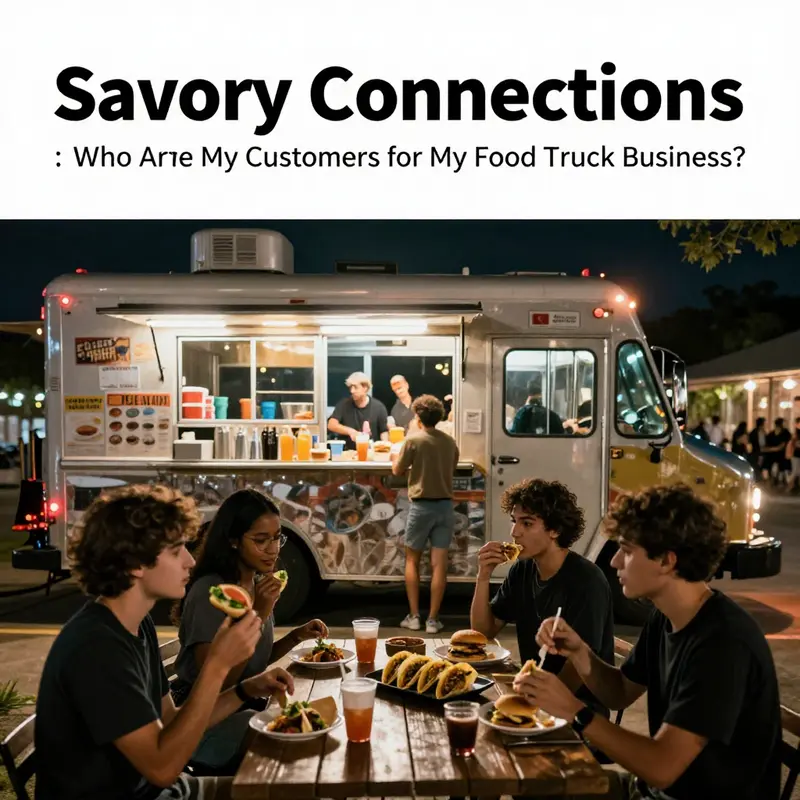
When the city quiets down and the streetlights glow, a different kind of hunger rises. The late-night crowd is driven by a mix of practical needs and heightened cravings, and a food truck that can respond quickly to both will find a durable foothold. This isn’t merely about selling meals after dark; it’s about recognizing a shifting rhythm in the urban environment. Health-conscious diners, flavor seekers, night-shift workers, students burning the midnight oil, and post-party revelers all converge in a window where the competition narrows and the appetite grows more intense. The challenge—and the opportunity—is to craft a singular experience that feels both effortless and essential. As with any food business, the best late-night trucks fuse quality with speed, value with personality, and familiarity with a pinch of novelty. The result is not just a quick bite but a trusted come-and-go ritual that fits into the rest of a customer’s night, whether they are grabbing fuel between shifts, studying in a campus library until closing time, or winding down after an evening out.
To truly capture this crowd, it helps to reframe what counts as success after dark. Quick service isn’t a luxury; it is a baseline. People who are tired, hungry, and often multitasking want to order once, pay simply, and receive their food without delay. Flexible hours are not an indulgence but a strategic requirement. A truck that can stay open during peak late-night windows—roughly from late evening through the early hours—gains a competitive edge that stationary dine-in spots cannot easily replicate. In practice, this means small but carefully chosen operational decisions: a streamlined menu that prioritizes dishes that travel well, a cooking workflow designed for open-fire speed or efficient assembly, and a service model that minimizes your customers’ friction, whether they are walking up to the window or ordering ahead from a mobile app. The emphasis on speed must never erode quality, however. The late-night consumer is discerning, even when they are hungry and in a hurry. A bold, consistent flavor profile and reliable portion sizes become the quiet confidence that keeps people coming back after long shifts, exam week, or a night out.
Location, as ever, is destiny. The late-night market rewards proximity to high-traffic activity where people linger or pass through during non-traditional hours. Campuses become late-night hubs during exam periods as students reinforce their study routines with quick bursts of energy. Entertainment districts near theaters and clubs become magnets for groups seeking a post-show bite or a social recharge after a night out. Industrial parks and 24-hour facilities generate a steady stream of workers who need something more satisfying than a vending machine or a gym snack. Transit hubs serve commuters who are fueling long shifts or long trips, often with limited dining alternatives in the immediate vicinity. Each of these settings requires a different choreography: what you offer, how you present it, and when you show up. Shopify’s recent look at urban food trucks confirms that demand in city centers is not only persistent but growing, with a broader appetite for mobile dining as a flexible, accessible, and affordable option. This growth underscores a practical truth for late-night operators: demand often outpaces the visible competition, particularly in pockets where other late-night restaurants have curtailed service.
Demographic layers further refine the picture. Millennials and Gen Z, in particular, gravitate toward convenience, value, and social appeal. They are especially responsive to a mobile ordering experience and a brand that communicates through a vibrant, recognizable image. The social media loop matters as much as the menu itself because a single post can introduce a new late-night crowd to your truck’s signature energy. This does not mean chasing trends at the expense of consistency; rather, it means letting your personality emerge in a way that feels authentic and easy to engage with online. A well-executed digital presence can transform a simple late-night snack into a shareable moment, turning casual customers into repeat patrons who plan their nights around your window of operation. Beyond the screen, hospitality still wins—polished service, clear lines, and friendly interactions at the window create a human connection that digital ordering alone cannot equal.
From a menu perspective, the aim is to balance hunger with practicality. Deeply comforting, crave-worthy options are the anchor that makes a late-night stop feel worth the detour, yet there is room for lighter, health-conscious choices that fit into a broader lifestyle. The best late-night concepts offer a core set of items that travel well, stay hot, and retain texture and flavor after a short wait. Beyond the main course, strategically designed sides and beverages can boost average tickets without complicating the kitchen. The value proposition matters too. Customers in these hours seek meaningful quantity and quality at a reasonable price. That means thoughtful pricing, smart combos, and transparent value messaging that makes the transaction feel fair and satisfying. The math of value must align with the story you tell: you are the reliable option when the clock has moved past traditional dining hours, offering steadiness in a city that never truly sleeps.
Branding plays a quiet but powerful role in late-night success. A bold, cohesive look that reads well in low light, a clear name or motif that sticks in memory, and a simple, efficient ordering flow all contribute to a strong late-night identity. Customers choose routines, and your truck becomes part of theirs. A signature narrative—how your food is prepared, what it represents, and why it matters in the late-night economy—helps people feel they know you even before they order. Social proof, too, matters, in the form of customer photos, quick testimonials, and a steady rhythm of posts that preview daily specials or highlight a behind-the-scenes moment. When combined with dependable service and elevated flavor, these elements create a sense of anticipation around your truck’s next appearance.
Events and private bookings represent a powerful growth lever for the late-night segment. Corporate gatherings after hours, neighborhood celebrations, and off-site meetings increasingly rely on mobile catering to provide convenience and ambiance. For operators, this means building a calendar that mixes regular street-facing service with targeted event opportunities. The appeal here is twofold: you gain access to a guaranteed crowd and you can tailor menu and service to fit a specific timeframe and guest profile. The logistics are different from street service, but the payoff—predictable sales and meaningful word-of-mouth—can be substantial. The late-night market thrives on the synergy between street-level consistency and event-driven exposure. In practice, this translates to a flexible layout, adaptable staffing, and a menu that scales gracefully from a few dozen guests to several hundred.
For those who want to explore the event and rally angle further, consider looking at the landscape of organized gatherings where late-night traffic converges with culinary creativity. One useful resource highlighting contemporary opportunities in this space can be found in 2026’s Best Food-Truck Rallies in Lakewood, which offers context on timing, audience, and logistics for operators considering a crowd-filled, late-evening footprint. 2026’s Best Food-Truck Rallies in Lakewood.
As you map your approach, embed the late-night strategy into a broader customer-facing plan. Your target market includes health-conscious and flavor-focused consumers, but the definition should remain practical: where they are, when they are awake, and what makes your offering distinct enough to justify a detour after dark. Integrate digital ordering in a frictionless way, and design a menu that can be enjoyed on foot or during a short ride, with packaging that preserves heat and texture. The result is a food truck that feels essential in a city that never truly sleeps—one that earns loyalty not by being the loudest or the flashiest, but by delivering on a promise: great taste, quick service, and dependable value when the clock has moved past the ordinary dinner hour. For those seeking a deeper dive into the mechanics of starting and growing a mobile food business, an external resource offers practical guidance and strategic framing that complements this approach: https://www.shopify.com/blog/how-to-start-a-food-truck-business. This reading can help you align concept, operations, and marketing into a coherent late-night proposition that resonates with your target audience.
Events, Experience, and Easy Bites: Crafting Your Food Truck’s Private-Booking and Event Customer Picture
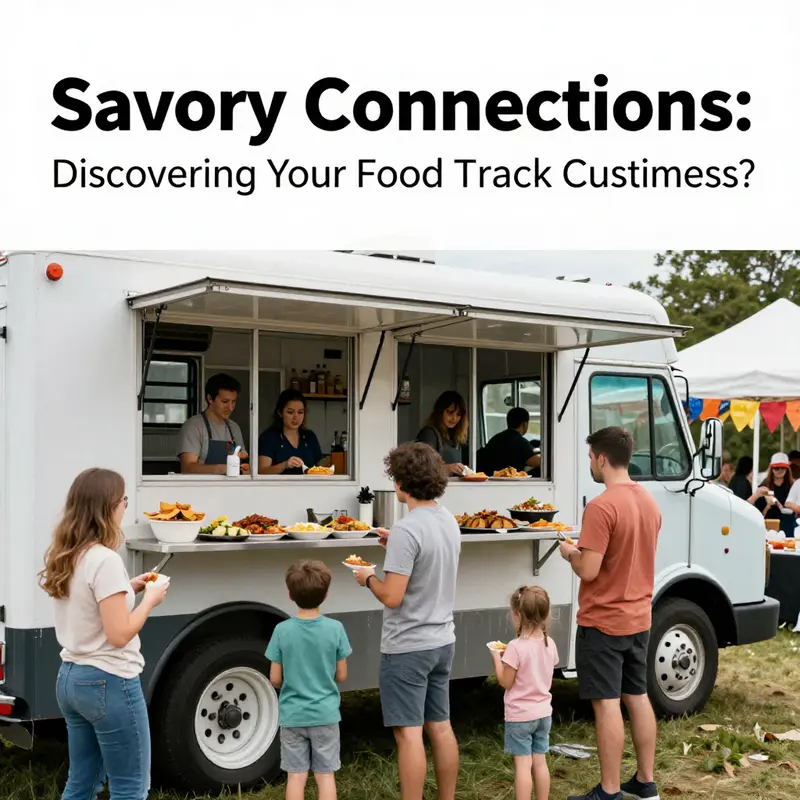
The work of a food truck extends far beyond the commute to a busy street corner. When you tilt your business toward events and private bookings, you’re not just selling meals; you’re selling an experience that blends convenience, personality, and consistency. The research frame you’re drawing on divides customers into health-conscious, price-oriented, taste-oriented, and convenience-oriented segments. In everyday service, these categories help you quickly infer what a client might value. At events, however, the dynamic shifts toward a hybrid demand where organizers seek a reliable partner who can deliver exceptional flavor while eliminating the logistical headache. If you listen closely to planners, you’ll hear them craving a menu that feels special yet simple to execute, a service that moves with punctuality, and a partner who can adapt to dietary needs without turning the day into a puzzle. That combination—flavor that captivates, logistics that vanish into the background, and options that respect the crowd’s diversity—defines your success in private catering and event work.
Health-conscious guests at an event may be more visible than you expect. They seek menus that feature organic ingredients, clear labeling, and options like vegan, gluten-free, or dairy-free dishes. For your truck, that means designing a core menu with clearly marked alternatives and a few standout items that feel premium but aren’t prohibitively costly to prepare during a busy service window. It also means communicating values early—on the menu boards, in a short catering brief, and via pre-event outreach—so organizers know they’re aligning with a partner who respects dietary choices and transparent sourcing. The goal isn’t to convert every guest into a health claim, but to show that healthy options can be delicious, crave-worthy, and easy to scale for larger groups.
Price-oriented clients, especially at community fundraisers or longer day events, want real value without compromising reliability. They’re attentive to bundled packages, per-person pricing, and the ability to mix and match components. Your event strategy can respond with tiered packages that offer a base price with add-ons—like a small tasting flight, a shared platter, or a dessert option—so organizers can calibrate the bill to the headcount and budget. By presenting transparent pricing and predictable portion sizes, you reduce back-and-forth and speed up contract signing. It’s important to be ready with a simple, clear contract that outlines service hours, staffing levels, setup and teardown norms, and contingency plans for weather or equipment hiccups. This kind of clarity reinforces trust and makes it easier for the client to say yes.
Taste-oriented guests drive some of the most memorable event experiences. They crave a menu that surprises and delights, with flavors that feel contemporary yet accessible. For a mobile kitchen, that translates into a few signature items that can be tweaked for a private event—perhaps a crowd-pleasing bite that carries a regional twist or a small plate lineup that tells a story about your culinary identity. Rotating specials for different events, seasonal specials, and the option to offer a tasting menu or chef’s selection are all ways to elevate the perceived value. If a client wants something truly unique for a wedding or corporate gathering, you can propose a curated menu with tasting portions, showcasing a narrative that connects the flavors to the moment—happiness at a reception, camaraderie at a team-building lunch, or celebration at a milestone event. The important part is to balance novelty with reliability so the guest experience remains consistently excellent, even as you push creative boundaries.
Convenience-oriented customers are the backbone of successful events because they value a seamless experience. They want timing that aligns with the program, ordering that can be done in advance, and service that minimizes lines and waiting. The best operators turn convenience into a service feature: digital pre-orders, staggered service windows to avoid bottlenecks, and efficient, well-staffed lines that keep guests moving. For events, this means you design the setup with flow in mind—clear queuing, portable heat retention, and sturdy packaging that travels well. It also means offering on-site flexibility, such as a quick rotation of menu items if an event runs long or a change in cuisine to accommodate an evolving guest list. The value you deliver is not just the food itself but the assurance that the day will proceed smoothly, that the truck will be present on time, and that each guest will walk away with something tasty and unbroken by chaos.
When you pursue private catering, you’ll typically be serving a mix of these segments. The stronger emphasis, however, tends toward convenience-oriented and taste-oriented customers. Organizers of corporate events, weddings, or private parties place a premium on reliability and a menu that leaves a lasting impression without imposing logistical burdens on the host. They want a partner who can handle setup, service, and breakdown efficiently and who can tailor the menu in a way that aligns with the event’s occasion and constraints. Your approach begins long before the day of service. It starts with your portfolio: a clear, appetizing menu board, a set of high-quality photos, and sample packages that demonstrate value, flexibility, and a feel for the event’s mood. In this frame, the event menu becomes a product line with variations, from the simplest buffet-style setup to a more elaborate tasting experience, each designed to meet different host goals without complicating operations on the day of service.
To make private catering scalable, you should lean on tools that help you coordinate, adapt, and learn. Platforms like Truckster Vendor offer a practical blueprint for managing private catering opportunities from a single dashboard. You can sync calendar events to avoid double-booking, keep menus updated to reflect seasonal options, accept mobile orders to streamline guest choices, and track analytics to understand which events drive the most revenue or repeat bookings. The value of this approach lies in turning scattered event inquiries into a predictable pipeline. When you can forecast demand and monitor guest feedback, you can continually refine your packages, timing, and staffing to optimize the guest experience and the host’s satisfaction. This, in turn, feeds into word-of-mouth referrals and repeat business, creating a virtuous cycle that expands your event reach.
The practical heart of targeting events and private bookings is the way you present options to planners. For private catering, emphasize convenience and taste in equal measure. Offer customizable menus that let organizers weave in dietary accommodations, a preferred service style, and a price ladder that scales with guest counts. Build a core menu that showcases your best flavors, then offer premium add-ons—chef’s tasting portions, menu customization, or a dessert cart—that signal a premium experience without breaking the budget. Your messaging should also speak to reliability: guaranteed arrival times, clear on-site responsibilities, and straightforward contingency plans. Event organizers rarely want to chase a vendor down for details; they want a partner who anticipates needs and executes with calm efficiency.
An effective way to signal relevance to events is to anchor your content to the broader landscape of private gatherings you intend to serve. Weddings, corporate off-sites, milestone celebrations, and charity fundraisers each carry a distinct rhythm, but they share a confidence in the vendor’s ability to deliver a complete experience. In your communications, you can reference how your offerings support different pacing of an event—quick breaks between sessions in a conference, a relaxed cocktail hour with grazing plates at a wedding, or a multi-venue catering plan for a larger fundraising gala. This helps a planner visualize how your truck fits into their program rather than simply viewing you as a source of food.
For ongoing outreach, think beyond the event moment. Build relationships with venues, staffing agencies, and corporate event planners. Encourage testimonials from hosts who experienced seamless planning and a memorable menu. Consider offering trial runs or tasting days for key clients to experience your service firsthand. These steps create trust and reduce perceived risk for a host planning a complex day with many moving parts. And as you cultivate private bookings, you’ll find that your business becomes more resilient—less dependent on the variability of street traffic and more anchored in predictable, high-quality engagements. If you want a sense of how the event ecosystem is evolving and where these relationships can lead, explore industry perspectives and case stories linked in this resource: the landscape of 2026’s best food truck rallies in Lakewood.
In terms of visibility, you can weave hints of your event capability into blog posts, portfolios, and outreach emails. One practical strategy is to reference a recent or hypothetical private booking scenario that highlights your flexible menu, reliable service, and the ease for the client to work with you. Such narratives help planners picture the day’s flow from setup to dessert, and they demonstrate the tangible benefits of choosing your truck as a private catering partner. As you refine your approach, keep an eye on the metrics you track—booking rate, average event value, and guest satisfaction scores. These indicators will tell you whether you’re meeting the needs of health-conscious guests, value-driven clients, flavor-driven guests, or convenience-focused organizers. When your team can align production, service style, and communication to those segments, events become not just a service line but a core strength of your brand.
Along the way, you’ll discover that the most successful event partners are those who treat every booking as a storytelling opportunity. Your menu becomes the narrative arc, your staff the cast, and your on-site setup the stage where guests experience the moment your kitchen arrives. The better you tailor the experience to the client’s goals and the crowd’s needs, the more your truck earns a reputation as a reliable, creative, and tasty option for events and private bookings. And when a planner sees your name again for a sister event, you’ll know your investment in menu design, coordination tools, and thoughtful service paid off. For a concrete glimpse into related event topics and how the landscape is evolving, consider exploring a growing resource on 2026’s best food truck rallies in Lakewood.
Savoring Perceived Value: Uncovering Your Food Truck’s Ideal Audience
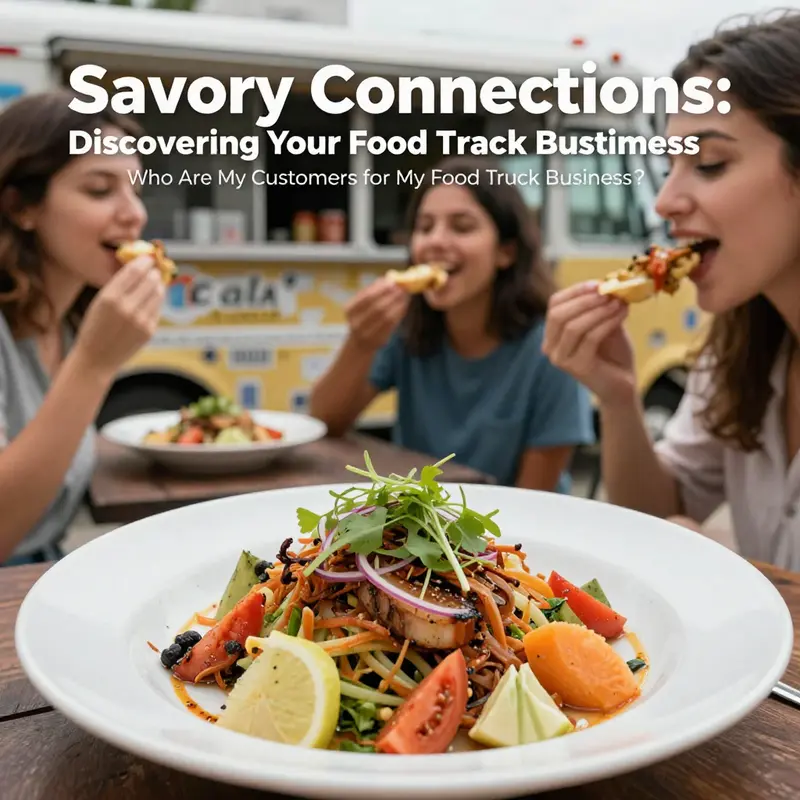
Pulling a cart onto a busy street or threading your wheels through a weekend market creates more than just a meal moment. It creates a perception—one that customers carry with them after the last bite. Perceived value is not just about the price tag or the plate; it is about the whole experience a customer believes they are getting for what they pay. To build a food truck business that resonates, you first need to understand who you are serving in a way that aligns with their daily lives, their ambitions, and their values. The ideal customer, in this sense, is not a single profile but a constellation of overlapping needs and desires that your truck can meet with consistency, personality, and care.
From market research and observed patterns in consumer behavior, a clear sense emerges. The core audience for a mobile kitchen tends to be urban professionals, young adults, students, and event-goers who crave convenience without sacrificing quality. These groups are united by a willingness to trade a small portion of time for a bigger payoff in taste, freshness, and a sense of novelty. Health-conscious diners, in particular, are drawn to trucks that showcase responsible sourcing, transparent prep practices, and balanced options. But the story does not end with nutrition alone. Even among those who seek quick bites, there is a hunger for flavor journeys, clever menu concepts, and memorable moments that they want to share with friends or on social media. The common thread is a demand for products that feel tailor-made for their fast-paced lives while still delivering a sense of discovery.
Speed and safety sit at the foundation of perceived value. A line that moves efficiently, a crew that handles food with clear cleanliness and care, and a kitchen that adheres to strict cold-chain practices all contribute to trust. When customers feel confident that the food is prepared under hygienic conditions and stored securely, they relax into the experience. They become more willing to pay a premium for quality because the risk feels low and the payoff feels high. Yet value does not reside only in safety and speed. Hedonic elements—novelty, ambiance, storytelling—play a crucial role in elevating a meal into an event. A distinctive concept, even a small, well-executed twist on a familiar dish, can transform a routine lunch into a shareable moment. In practice, this means offering a menu that tells a story, or a truck that delivers more than sustenance—an experience that becomes part of the customer’s day.
The context in which service is delivered magnifies perceived value. At events like concerts, festivals, or farmers markets, customers expect fast, reliable service that can handle high volumes in short windows. In these settings, throughput matters, but so does consistency. A well-structured system—clear signage, logical ordering flow, and well-trained staff who can anticipate bottlenecks—helps customers feel they are getting efficient service without sacrificing quality. Health-minded attendees at wellness-focused events or neighborhood enclaves that prize sustainable practices tend to judge value through a broader lens. They notice transparency in sourcing, the use of seasonal ingredients, and a truck’s commitment to responsible waste management. When a business aligns with these values, perceived value is amplified because the product is congruent with the customer’s own ethics.
The other layer of value relates to the sensory and emotional arc of the meal. In a crowded city block or a campus corridor, a truck’s vibe matters as much as its menu. A tech-forward, vintage-inspired design with a touch of novelty—think interactive ordering or automated elements—can attract late-night crowds or students looking for a quick, fun experience. This does not mean every truck must chase gadgetry. The more sustainable approach is to tailor the concept to a specific audience and deliver a coherent, repeatable experience. For instance, a concept that emphasizes organic, locally sourced ingredients will resonate strongly at farmers markets and wellness events where environmental considerations hold weight. The key is to articulate a clear promise you can keep consistently.
From a culinary perspective, the menu design itself is a central driver of value. A concise, well-curated menu reduces decision fatigue and speeds service. It also makes it easier to emphasize what you do best, whether that is bold, balanced flavors, or comforting staples with a modern twist. Portion sizes should align with price points and the time customers have for a meal. In practice, this means offering options that feel generous for the price while also delivering a quick, satisfying bite for someone on the go. When possible, you can pair a core offering with a couple of rotating items that showcase seasonal produce or a rotating inspiration. This not only keeps your menu fresh but also creates talking points that customers share with others, expanding your reach through word of mouth and social sharing.
Another dimension of value comes from how a truck communicates its story. Brand storytelling—whether conveyed through signage, packaging, or staff interaction—creates an emotional connection that strengthens perceived value. The most successful operators treat branding as a living element of the customer experience. It is not only about the look of the truck or the design of the menu board; it is about the consistency of the narrative you offer, the way you describe ingredients, and the tone you use when you speak to customers. A clear, authentic voice helps customers feel they know what to expect, which reduces hesitation and increases willingness to pay for a trusted, pleasurable experience. In this sense, the truck is a mobile ambassador for a set of values: quality, taste, transparency, and a sense of community.
Operationally, delivering high perceived value requires attention to the invisible systems that support frontline service. The use of cold storage and effective refrigeration is not merely a compliance measure; it is a critical trust signal. When customers see that ingredients have been kept at safe temperatures and that the food maintains its peak freshness, their confidence in the product increases. Even environmental considerations—such as minimizing waste, choosing recyclable or compostable packaging, and sourcing locally where feasible—signal alignment with customer values. These choices matter as much as the chef’s knife or the fry station. They contribute to a holistic impression that the business respects both people and the planet. In this light, value is not only what lands on the plate; it is the sum of safety, taste, ambiance, and responsibility that customers experience in the moment and carry forward in their memories.
For operators who want to tailor their appeal to specific segments, the research suggests two practical archetypes. One is a tech-forward, vintage-inspired truck that uses touchscreen ordering and discreet automation to move crowds quickly during late hours or at campus hotspots. This concept appeals to late-night service seekers, students, and event-goers who value speed and novelty in equal measure. The other archetype centers on organic, locally sourced ingredients presented with clarity and warmth. This approach resonates with environmentally conscious patrons at farmers markets or wellness-focused events who want nourishment that aligns with their values. Both routes hinge on a strong value proposition rooted in quality and consistency, reinforced by a transparent narrative that customers can trust.
In the broader arc of building a customer base, the objective is to develop a deep, practical understanding of how different lifestyle choices intersect with the meal experience. Knowing whether a target customer prioritizes speed, price, sustainability, or storytelling—and designing the menu, the service model, and the branding around that priority—helps ensure that every interaction reinforces perceived value. This alignment is what converts a one-off purchase into a repeat visit and, ultimately, into a loyal following that seeks out your truck when it is parked nearby. The resulting customer relationship becomes an asset: a living feedback loop where tastes, expectations, and values are continually refined by experience. In such a landscape, the question of who your customers are is answered not by a single demographic line but by a network of preferences, behaviors, and aspirations that your team understands and respects.
To connect these insights to practical planning, consider how your concept sits within the local ecosystem. A well-considered location strategy, a clear menu narrative, and a reliable service rhythm together define value in a way that is tangible day after day. For operators seeking a roadmap, a useful starting point is to study models that fit your context and customer expectations. See the guide on the best-food-truck-models-for-lakewood-startups for a sense of how different configurations can support your value proposition and your ability to serve your chosen audience with consistency and personality. best-food-truck-models-for-lakewood-startups
External reference: For a broader contextual lens on vintage-inspired approaches and the characteristics that tend to drive customer engagement in mobile dining, consult the following overview: https://www.foodtruckinsider.com/vintage-food-truck-explained/
Final thoughts
Understanding who your customers are significantly shapes your food truck success in Lakewood. By tapping into health-conscious consumers, embracing diverse populations, catering to the late-night crowd, targeting events, and delivering high perceived value, you can create a dynamic and inviting experience. The key takeaway is to remain adaptable and responsive to the preferences of your target groups as you build your culinary journey on wheels. Drawing from these insights, you can prepare your menu, marketing, and overall approach to truly resonate with your community.