
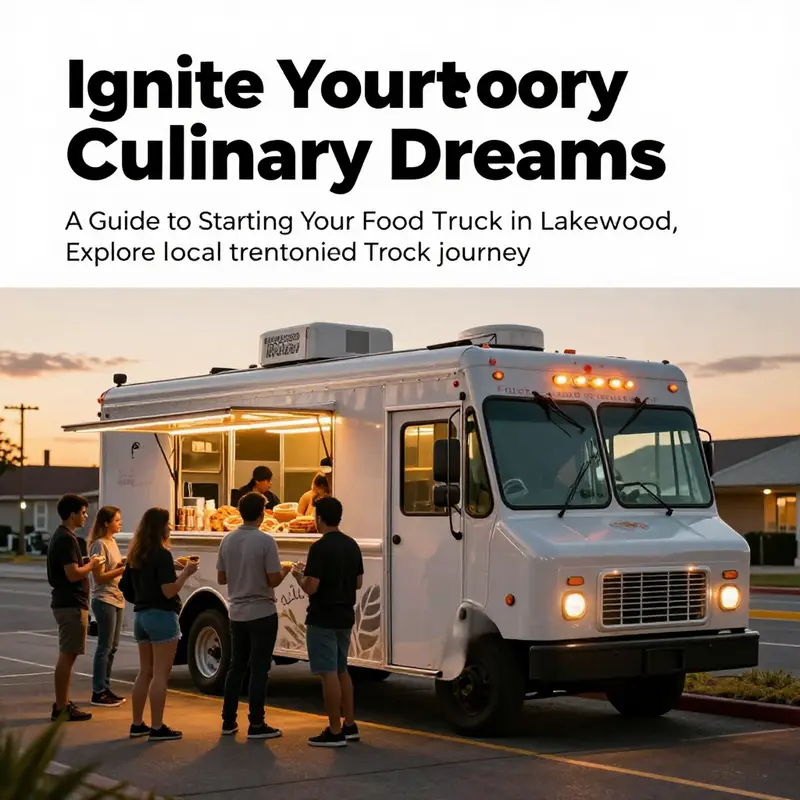
Have you ever dreamed of serving up delicious street food on the bustling streets of Lakewood? You’re not alone! With a vibrant food scene and enthusiastic diners, starting a food truck is an exciting venture. From researching local tastes to designing your ideal mobile kitchen, this guide will steer you through the essential steps. Join us as we explore the local food culture, develop a solid business strategy, navigate legal requirements, understand insurance necessities, and design the perfect food truck. Get ready to roll into a flavorful journey with your food truck venture!
Reading the Local Palate: Translating 2026 Trends Into a Food Truck Launch
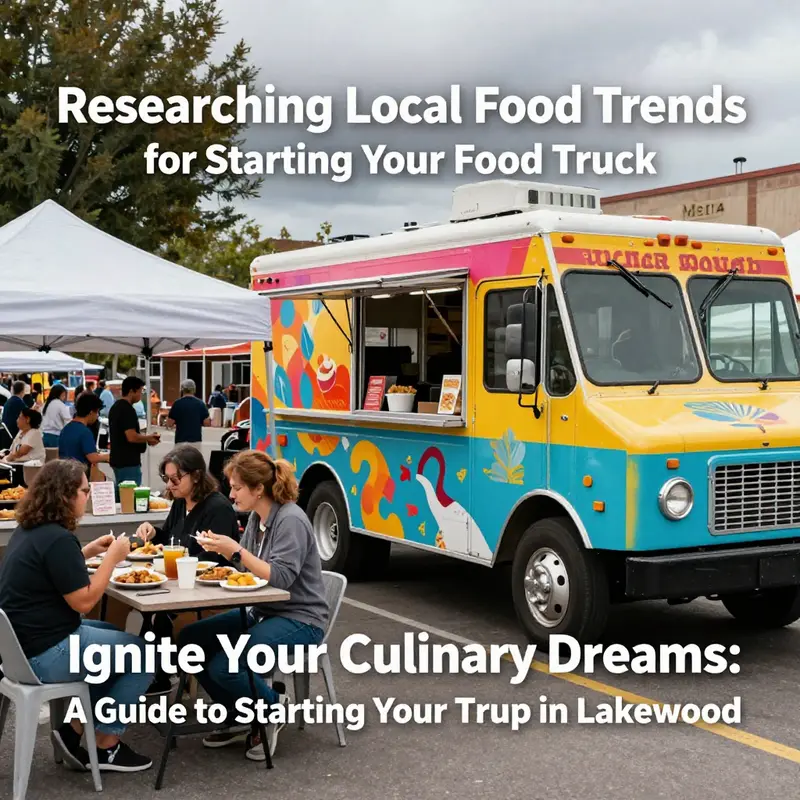
Launching a food truck in 2026 demands more than a clever menu and a bright vehicle. It requires reading the local palate the way a chef reads a room of hungry guests. Trends are not distant signals; they are daily cues about what people want, how they want to eat, and how they judge value. The most successful operators listen for these cues, translate them into practical choices, and stay nimble enough to adjust as tastes shift. This chapter follows that logic, weaving trend insight into concrete decisions about menu design, sourcing, and service style. It begins with how the big currents—plant-based options, fusion flavors, and customizable meals—play out in everyday street food, then moves to how a new truck owner can turn those insights into a coherent, sustainable plan that survives the noise of a competitive market. In doing so, it ties back to the broader roadmap of starting a food truck business: research, planning, permits, insurance, and operations, all aligned with what customers want right now and what they may want tomorrow. For entrepreneurs, the point is not to chase fads but to map them into a compelling offering that stays true to a personal story and a neighborhood’s character.
The plant-based and sustainability trend is no longer a novelty; it has become a baseline expectation in many communities. The drive is twofold: environmental awareness and health consciousness. A truck that leans into plant-forward recipes can attract diners who seek lighter, cleaner meals without sacrificing bold flavor. Think about a lineup built around plant-based proteins, seasonal vegetables, and grains that showcase locally sourced ingredients. The menu can feature items like a vibrant plant-based taco or a bowl that highlights produce from nearby farms. What matters is the balance between taste, texture, and price, with substitutions that allow for flexibility when supply or seasonality shifts. In practice, this means designing a kitchen workflow that minimizes waste, uses versatile equipment, and allows quick switchovers between hot and cold stations. It also means choosing suppliers who can deliver consistent quality with a smaller environmental footprint. The USDA and other industry analyses consistently point to growing interest in plant-based proteins, a signal that reinforces what the market is already showing in many cities: customers are drawn to flavors that feel both indulgent and responsible.
Fusion cuisine represents another powerful turn in the local scene. Urban populations bat with a tapestry of cultural influences, making bold, cross-border flavor combinations particularly appealing. A Korean-Mexican hybrid, for example, can deliver the punch of kimchi, sesame, and gochujang with the familiar comfort of a burrito. A Latin American street-food approach can turn arepas or empanadas into crave-worthy grab-and-go meals when paired with thoughtful toppings and sauces. The key for a truck is to curate a tight, coherent narrative rather than an eccentric menu. A successful fusion concept blends recognizable elements with a unique perspective, creating a story that customers can share on social media and in line at pickup. That narrative matters almost as much as the flavors themselves, because in the compact world of a food truck, every bite has to feel purposeful and memorable. In practice, this means a streamlined menu that emphasizes 4–7 core items, each with a clear origin story or cultural reference that resonates with the local community. It also means testing flavors in small batches, listening to feedback, and iterating quickly so the brand remains fresh without becoming unfocused.
A third, equally influential trend is the demand for quick-service, customizable meals. The speed of service matters for early lunch breaks, late-afternoon crowds, and weekend events. Yet customers increasingly want to tailor their meals—where the grain, protein, vegetables, and sauces come together matters as much as the final taste. Build-your-own bowls, modular wraps, and customizable grain boxes let guests shape meals that align with dietary needs, whether keto, gluten-free, vegan, or high-protein. The operational payoff is substantial: modular station layouts, clear labeling, and efficient assembly lines reduce wait times and improve accuracy. To execute this well, a truck should feature a flexible prep area and an efficiently organized cold chain for toppings, plus a user-friendly POS flow that supports customization without slowing service. The trend toward personalization dovetails with sustainability when the options help reduce waste. For example, offering a rotating set of seasonal toppings can keep the menu exciting while minimizing the need for a highly specialized inventory.
These three currents—plant-based sustainability, fusion creativity, and customizable quick service—do more than shape a menu. They influence every touchpoint of the business: supplier choices, kitchen design, pricing strategy, branding, and community engagement. An entrepreneurial approach that embraces these trends builds a brand that customers feel speaks to them as neighbors, rather than as distant trend followers. A thoughtful story matters: it could center on family traditions, a commitment to local producers, or a dedication to culinary experimentation rooted in the city’s own mosaic of cultures. When customers sense authenticity, they are more inclined to try new items, forgive small missteps, and become repeat visitors who spread the word. The practical takeaway is to braid trend insight into the business plan from day one. That means including a menu roadmap in the business plan with targets for item introductions, testing timelines, supplier agreements, and a process for gathering customer feedback after events and pop-ups. It also means forecasting how seasonal variations will alter the mix, and building contingency plans for supply disruptions or price volatility.
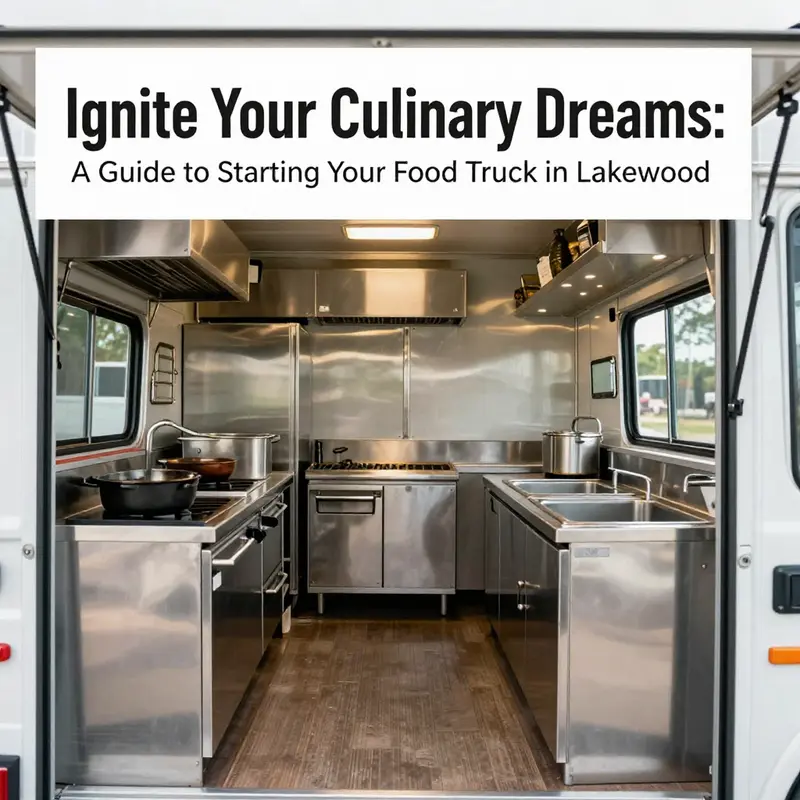
Operationally, a smooth tie between trends and execution requires disciplined design and planning. A modular truck that can transition from coffee and baked goods in a busy morning to a heartier, customizable bowl lineup at lunch and dinner is a tangible way to translate trend signals into daily reality. The equipment should be chosen with an eye toward flexibility and safety, with stainless prep surfaces that are easy to clean and compliant with health standards. The layout should support a quick swap of menu modules—hot stations for fusion plates, cold stations for vibrant bowls, and a section dedicated to toppings and sauces. This modularity ensures that the business remains resilient as consumer tastes shift within the same neighborhood. It also supports a scalable model; as the operation grows, the same truck can participate in different events, markets, or fixed-location setups with only minor modifications. Sourcing needs to reflect the same flexibility, favoring farms and distributors that offer seasonal produce, vary the protein base to align with dietary choices, and deliver consistent quality even when demand spikes. The result is a food truck that is not just a vehicle for meals but a mobile platform for a family of menus that feel cohesive and current.
In practical terms, embracing local trends also means leveraging community channels for exposure. Partnerships with neighborhood groups, schools, and workplace teams can help validate the concept and create repeat business, while events and rallies can serve as testing grounds for new items and storytelling. For a closer look at upcoming regional opportunities, you can explore 2026’s best food truck rallies in Lakewood. This resource can help you plan appearances that align with the menu shifts described above and expose your brand to new audiences while you refine your offerings.
Finally, while trends point to a path, execution remains the ultimate determinant of success. The practical steps outlined here—careful menu design, modular equipment planning, adaptable sourcing, and a clear narrative—form a cohesive approach to starting a food truck that remains relevant year after year. The aim is not to chase every fad but to build a stable platform that can pivot smoothly as tastes evolve. With attention to trend-driven flavors, a disciplined kitchen layout, and a commitment to authentic storytelling, a new truck can capture a distinct corner of the local market and grow through word of mouth, repeat visits, and thoughtful community involvement. For broader context on industry movements, consult a trusted trend analysis resource such as the coverage from the Food & Wine trends piece linked at the end of this chapter: https://www.foodandwine.com/food-truck-trends-2026.
null
null
Legal Footing on Wheels: Navigating UK Registration, Licences, and Food Safety for a Mobile Kitchen
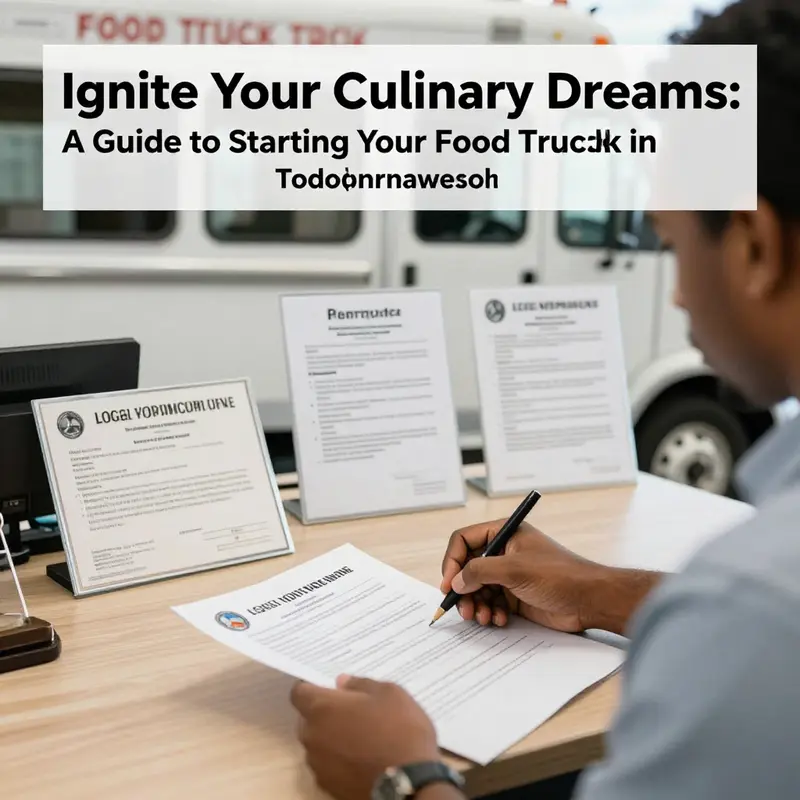
A food truck is both a kitchen on wheels and a small business ready to roam, but speed and flavor mean little if you don’t first lay down the legal groundwork. In the United Kingdom, the path to lawful operation begins with clear registrations, proper food safety credentials, and the right permits. When you lay out these fundamentals early, you create a stable platform that supports every creative decision about your menu, location strategy, and service model. The goal isn’t simply to avoid penalties; it is to build trust with customers, councils, and partners who will judge your venture by whether you demonstrate competence, accountability, and ongoing compliance. The first step is not the most glamorous, but it is the most consequential: registering your status as a business and then translating that status into practical, enforceable routines for day‑to‑day operations.
In the UK, the journey starts with HM Revenue & Customs. If you operate as a self‑employed person, you need to register so you can file annual Self Assessment tax returns and contribute to National Insurance. This is not just about taxation; it is how your business is recognized for regulatory purposes and how you establish your identity as a legitimate enterprise. Once registered, you should keep a tidy ledger of income and expenses, as you will need to reconcile your accounts with tax deadlines and any applicable allowances that pertain to small businesses or mobile vendors. The act of registering also signals your intent to operate in compliance with national rules, and it helps you avoid the compounding stress of late filings, penalties, or surprises that can derail a new business before it gains traction.
But registering with HMRC is only the beginning. Before you drive a single mile of your rolling kitchen, you must also register your food truck with the local council. The rule here is precise: you should complete the local registration well in advance of your planned opening date, and you must do so at least 28 days before you commence operations. This window isn’t arbitrary; it gives local authorities time to assess your approach, coordinate any street trading requirements, and ensure your vehicle meets the sanitation and safety expectations that protect public health. The registration itself is described as free of charge in many jurisdictions, which can feel like a relief for cash‑strapped startups. Still, the absence of a fee does not equate to a lack of scrutiny. Local councils may require additional documentation or inspections, and failing to follow through on these requests can delay your launch and damage your credibility with early supporters.
Crucially, you will need food safety certification that demonstrates you understand proper handling, storage, cooking temperatures, and cross‑contamination prevention. In the UK, the expected standard is typically Level 2 or Level 3 in Food Safety and Hygiene. These qualifications are not just formalities; they translate into practical capabilities in a mobile environment where space is limited and kitchen workflows must be efficient and sanitary. You’ll learn about safe temperatures for holding foods, correct storage practices, personal hygiene measures, and how to respond to potential food safety incidents. The training also reinforces the habit of documenting procedures, maintaining records, and auditing your own practices regularly. Even if your concept emphasizes speed and casual presentation, the safety discipline you practice becomes a competitive advantage, because it underpins consistent quality and customer trust.
Beyond registration and training, there are permits and permissions that vary by area and by street. Depending on where you plan to operate, you may need a street trading licence or a specific parking permit. These requirements reflect local priorities—ranging from pedestrianized zones to council‑designated markets to event‑specific permits for fairs or shows. In practice, this means you should map out the neighborhoods, evenings, and events you intend to join, then verify what permissions these locations require. Some districts maintain a straightforward process, while others operate with capricious or limited licensing. The risk of attempting to operate in a restricted zone without the proper permit can be severe: fines, forced closures, or the confiscation of equipment. The prudent operators treat these permissions as non‑negotiable elements of any go‑to‑market plan, not as afterthought add‑ons.
Another essential layer is insurance. A mobile kitchen faces unique hazards: propane or gas systems, fire risks from cooking equipment, theft of valuable gear, and the potential for liability claims if a customer has an adverse reaction or if staff are injured. You should obtain comprehensive commercial auto insurance for the vehicle and a specialized mobile food vendor policy that covers equipment, inventory, and liability. While premiums vary with coverage levels and assessed risks, the ADA of the policy you choose should mirror the reality of your operations. A well‑structured policy does more than protect your balance sheet; it reinforces confidence with lenders, partners, and customers who want to know you are prepared to manage risk responsibly.
Equipment and design decisions must align with compliance as well. Your truck should be configured with safe, easy‑to‑clean surfaces, clearly separated storage for raw ingredients and ready‑to‑eat items, and dependable temperature control for perishables. It is wise to invest in modular design that can adapt as your menu evolves or as you move between events. A flexible layout minimizes the risk of cross‑contamination, speeds up service during peak times, and reduces the need for constant adjustments that could cause safety lapses. In practice, that means choosing equipment that is durable, easy to clean, and compatible with the kinds of foods you intend to serve. You should also maintain routine cleaning schedules, implement pest control measures, and establish a color‑coded system for utensils and cutting boards to reinforce safe practices among staff.
Operational planning plays a decisive role in compliance, too. Decide whether you will prepare at a central kitchen or onboard the truck. If you operate onboard, you must ensure your processes characterize a safe, sanitary workflow from supplier delivery through cooking, cooling, and service. If you rely on a communal kitchen or shared facility, your responsibility extends to ensuring that the shared environment meets health and safety standards and that you document any cross‑facility transfer plans or supplier certifications. In either case, you should maintain robust inventory controls, traceable sourcing records, and a clear production plan that aligns with health inspector expectations. When you can show inspectors a well‑documented, repeatable process, you reduce the likelihood of last‑minute complications and demonstrate that your operation is built for reliability and accountability.
The practical reality is that even with a strong compliance framework, a new mobile business will encounter questions from authorities and curious customers. Some areas place tight limits on the number of active licenses or allocate permits through public rolls or lotteries. Others require ongoing reporting, such as quarterly health checks, routine temperature logs, or incident reporting. The best response is proactive: engage with your local council early, ask for written guidance, request checklists, and, if possible, arrange a preliminary site visit. Not only does this approach flatten the learning curve, it signals a professional mindset to every prospective partner and patron who encounters your truck. It also helps you anticipate seasonal shifts, such as market fairs, nightlife corridors, or school events, and plan permissions in advance so you do not chase licenses in a single last sprint before opening.
In this context, your legal plan is not a final chapter but a living backbone that informs every decision—from the location you choose to the recipes you develop. It ensures that growth is sustainable rather than punitive, and that your early success does not outpace your capacity to stay compliant. When you pair rigorous registration with ongoing education and thoughtful risk management, you convert a mobile kitchen into a trustworthy brand on wheels. The narrative you present to customers—careful handling, clear safety practices, and reliable operation—becomes the unsurprising baseline that makes your more ambitious goals possible, whether that means expanding to a second truck, serving at larger events, or curating a rotating menu that reflects changing tastes while maintaining rigorous standards.
For readers aiming to anchor their business in the UK regulatory landscape, the practical takeaway is to treat compliance as a disciplined daily practice rather than a checklist. Schedule time to review HMRC obligations, confirm council registrations, renew safety qualifications when required, and track permits as part of your regular operations calendar. Build this discipline into your budgeting and forecasting so compliance costs are predictable rather than disruptive. In a market where your reputation can be as important as your flavor profile, the simplest act—staying within the lines—often yields the most enduring rewards.
To pursue official guidance and the latest requirements, consult the UK government resources on registering your business and understanding food safety expectations. For official guidance, see https://www.gov.uk/guidance/register-your-business.
Shielding the First Mile: Insurance Essentials for Launching a Food Truck Venture
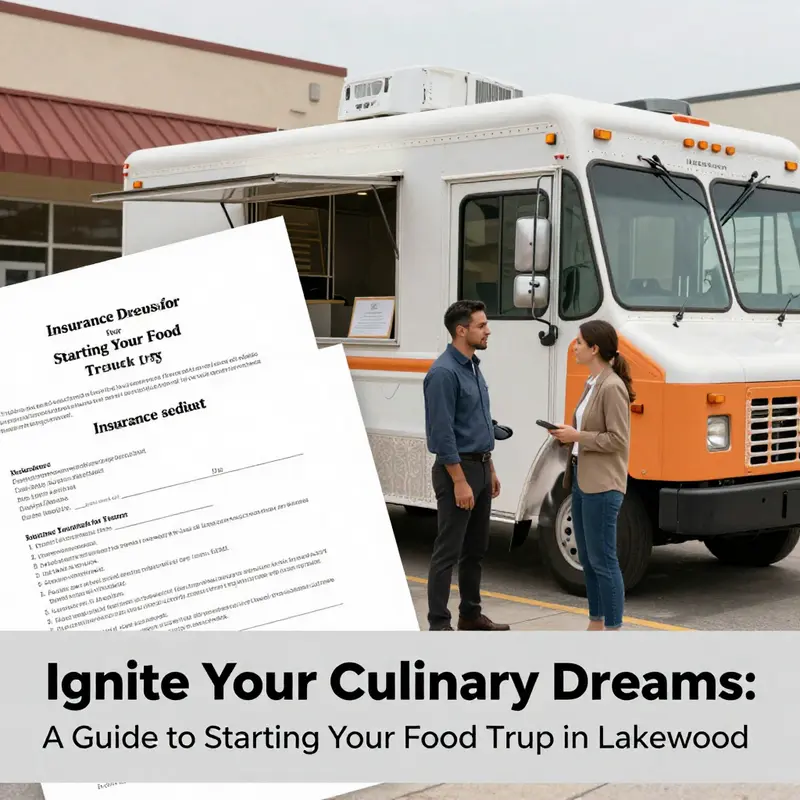
Insurance is not a dull line item on a startup checklist; it is the quiet backbone that keeps a food truck moving when risk arrives from unexpected corners. Launching a mobile kitchen means embracing activity that blends food preparation with driving, setting up in unfamiliar lots, and serving a broad, diverse crowd. A single accident, a fire, or a lawsuit can erase months of effort in minutes if protection is missing. For a mobile operation, risk isn’t abstract; it’s practical, it’s kinetic, and it travels with every mile. The right coverage turns volatility into a manageable expense, preserving cash flow, protecting your crew, and enabling you to focus on menu, service, and growth rather than on the fear of what might go wrong. In practice, building a solid insurance program starts with a clear picture of the risks your specific operation faces and then aligning coverage to those realities in a way that remains affordable as you scale. This is where the science of coverage meets the art of running a kitchen on wheels, because every route, every event, and every line cook adds a layer of exposure that needs thoughtful shaping.
General liability insurance sits at the foundation. It’s designed to respond to third-party claims for bodily injury or property damage that occur on your site or because of your service. If a customer trips on an extension cord or a neighboring vendor’s plate falls and injures someone near your truck, this coverage steps in to cover defense costs and settlements. It’s not only about big incidents but about the small, messy realities of live events and busy streets where crowds swirl and fragile reputations can hinge on a single misstep. Then there’s commercial auto insurance, which is squarely focused on the vehicle that does more than transport your kitchen. This policy protects liability and property interests tied to the truck itself, including the risk of accidents during travel between venues or while maneuvering through tight urban spaces. The coverage can also be tailored to include physical damage, theft, or vandalism, all of which matter when your kitchen operates in a mobile, sometimes unpredictable environment. Complementing these is property insurance, which safeguards your truck, kitchen equipment, and inventory from perils like fire, theft, flood, and power outages. A modular unit with stainless steel surfaces and specialized appliances is valuable, and property coverage makes it possible to recover quickly if components are damaged or lost.
If you hire staff to help during busy windows, workers’ compensation becomes a critical piece of the puzzle. In most states, you’re required to carry this coverage if you have employees, and it helps cover medical expenses and wage loss if someone is injured on the job. Even when you operate solo, product liability insurance deserves consideration. It shifts the risk of illness or injury arising from prepared foods away from you personally and onto a policy designed to respond when a customer alleges contamination or improper handling. For mobile operations, product liability can be essential because your food is prepared in a compact, high-traffic space and served in environments where temperature control and sanitation must be meticulously maintained. Some insurers offer bundled or specialized policies labeled as mobile food service insurance. These tend to be built around the realities of on-site kitchens, offering a convenient way to combine several coverages into one tailored package. A single bundled policy can simplify renewal and endorsements when your operation grows or changes venues.
Beyond these core protections, a prudent owner should consider a surety bond as part of the licensing process. Many municipalities require bonds for event permits or front-door licenses, particularly for vendors operating at public gatherings or in competitive markets. The bond acts as a guarantee to spectators and organizers that you will meet your contractual obligations and comply with safety standards. While a bond is not insurance in the traditional sense, it serves as a bridge between regulatory compliance and financial protection. It’s wise to discuss bond requirements with your licensing authority early in the planning phase so you can budget for the cost and the process. In tandem with bonds, keep an eye on endorsements and riders that fit your operation. Equipment breakdown coverage can cushion repair bills for vital kitchen gear, while spoilage endorsements help when a refrigeration failure interrupts inventory. These additions are not luxuries; they’re practical responses to the daily fragility of a mobile kitchen that travels, stores, and serves in varied conditions.
The specifics of pricing can seem opaque at first, but the core principle is straightforward: premiums reflect the level of risk your business presents, which is shaped by coverage limits, deductibles, traffic exposure, the safety history of your equipment, and whether you employ staff. Higher coverage limits, a larger vehicle footprint, and greater reliance on high-risk activities (like open flames or propane-powered equipment) typically push premiums upward. Conversely, investing in strong safety practices—regular equipment maintenance, robust fire suppression systems, documented sanitation protocols, and well-trained staff—can lower your risk profile and, by extension, your costs over time. This is why risk assessment is not a formality but a strategic exercise. Map your route patterns, the types of venues you frequent, the longevity of events, the volume of customers, and the scale of your kitchen. Identify who operates what tasks and where potential bottlenecks or hazards exist. These insights guide the coverage you need and the limits you should pursue to stay financially resilient.
A seasoned insurance partner can be a valuable ally in this process. Work with an agent who understands the nuances of mobile food operations—where the kitchen sits in a moving vehicle, how you store propane or other energy sources, and how you handle peak service times. A knowledgeable broker can help you compare quotes, clarify what constitutes a “true” coverage need versus an add-on you might not require yet, and structure a plan that can scale with your business. It’s not unusual to start with a core package and then layer in endorsements as your footprint grows or as you expand into new event types and regions. The goal is to avoid gaps that could be exposed during a claim while keeping the policy affordable enough to sustain as you reinvest profits into your fleet, your menu, and your brand.
Choosing a truck and building a kitchen that align with your risk management plan also matters. A well-designed unit that emphasizes safety features—proper ventilation, fire suppression, secure storage for fuels and chemicals, and durable, compliant materials—supports both operations and insurance, often leading to smoother underwriting and fewer disputes when claims arise. For those at the start of this journey, it can help to look at practical benchmarks for truck models and layouts that balance efficiency with safety. See the article on Best food truck models for Lakewood startups for insights into configurations that support a resilient workflow and easier maintenance. Best food truck models for Lakewood startups
Ultimately, the discipline of insurance is inseparable from the discipline of operations. The most careful owners connect their risk management plan to licensing requirements, regular training, and a realistic understanding of the day-to-day hazards of mobile service. The National Restaurant Association highlights a striking reality: nearly 70% of restaurant owners list insurance as a top concern when launching a new venture. That statistic translates into a practical imperative: address coverage early, revisit it frequently, and align it with the evolution of your business model. The U.S. Small Business Administration’s guidance on insurance requirements offers a reliable framework for navigating the regulatory side and selecting policies that fit a growing operation. For a structured overview of what you need to consider, you can consult the SBA’s guidance on understanding your insurance requirements. https://www.sba.gov/business-guide/plan-your-business/understand-your-insurance-requirements
As you build toward a launch, keep in mind that insurance is not a single purchase but a living system. It should adapt as your routes broaden, your staff grows, and your menu expands. The right protection gives you the latitude to experiment with food concepts, test new venues, and respond to opportunities without the paralyzing fear of what might go wrong. It also frees you to invest in the elements that truly differentiate your business: a distinctive menu, consistent service, and a brand that customers can trust along every mile of your journey. In this sense, insurance becomes a partner in your growth, not a barrier to it, and a well-considered plan today can safeguard your appetite for tomorrow’s opportunities.
null
null
Final thoughts
Starting a food truck in Lakewood is not only a rewarding venture but a unique way to engage with the community and share your culinary talents. By following these steps, you’ll be well-equipped to navigate the challenges and joys of this business. Remember, the needs of the local market are always evolving, so staying attuned to trends and preferences will serve you well. Whether you’re serving gourmet tacos or artisanal cupcakes, your food truck can become a cherished part of Lakewood’s vibrant food scene. Embrace the journey and let your passion lead the way!