
Embarking on a journey to start a home-based food truck business is an exciting yet challenging venture. Imagine this: you’re cooking up your unique recipes and sharing them with the community, all from your very own stylish food truck. Lakewood, known for its vibrant community and diverse culinary scene, is an ideal backdrop for such aspirations. In this guide, we’ll break down every essential step to get your mobile business rolling. From crafting a detailed business plan to registering your food truck and gearing up with suppliers, each chapter builds upon the last, ensuring you have a comprehensive roadmap to success. Along the way, we’ll draw on principles that echo the spirit of successful entrepreneurs, like Eric Thomas, emphasizing commitment and strategic thinking as you carve out your niche in this deliciously competitive market.
From Driveway to Downtown: Crafting a Brilliant, Disciplined Plan to Launch a Home-Based Food Truck
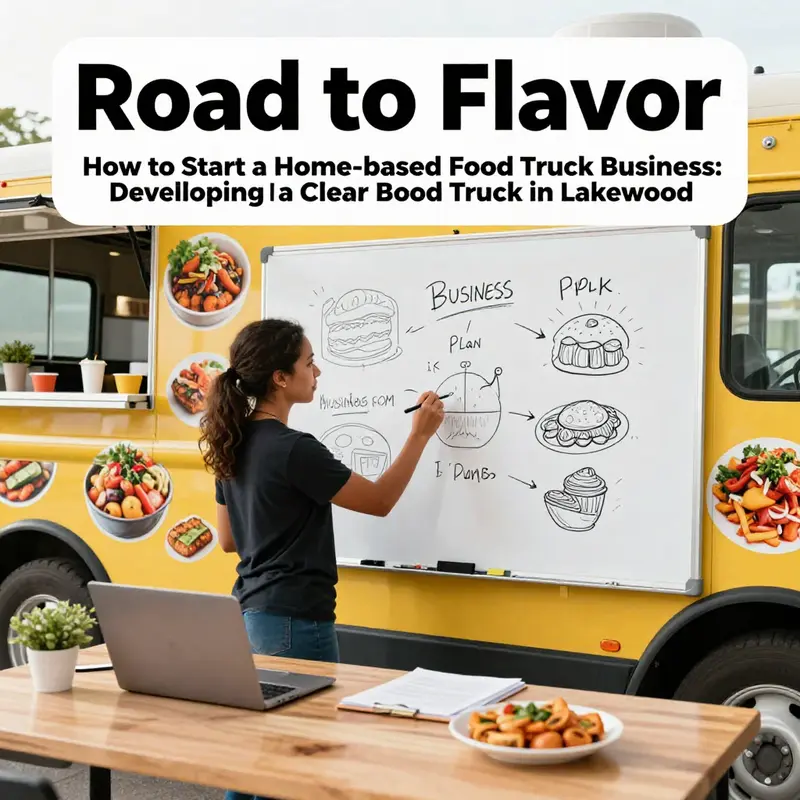
When you imagine a home based food truck, you might see freedom: the open road, the sizzle of a grill, and a crowd drawn by the scent of something fresh. But freedom without structure can burn out just as quickly as a hot pan on an empty stove. A solid plan is not a cage; it is the map that turns raw ambition into repeatable, scalable results. The idea behind starting a home based food truck is simple in concept, yet demanding in execution. You operate on the road, but your success begins back home, in the white space where decisions are made. It is here that the principles of discipline, consistency, and strategic preparation — the hallmarks of a frame breaking approach associated with high achievers — take on real, practical form. This chapter is about translating intention into a plan that can withstand the day to day pressures of regulation, competition, and shifting customer demand, while keeping the drive and energy that got you here intact.
A clear business plan is more than a brochure of dreams. It is a living document that maps your concept to a real, legs-on-the-ground operation. Your core idea is the heartbeat, but the plan breathes through a detailed understanding of who you serve, what you serve, and how you maintain profit while delivering quality that keeps customers coming back. Start with a precise concept that aligns with the space you want to carve in the market. This means translating your taste and skill into a menu that is unique yet cost effective to produce at scale. A thoughtful concept recognizes what makes your truck different from the endless stream of options in city streets and events. It could be a focus on seasonal ingredients, a quick service model that preserves the integrity of a specialty dish, or a comfort food twist that turns heads at every stop. The importance of a unique selling proposition is not novelty for its own sake; it is the anchor that keeps your pricing, sourcing, and marketing aligned when you are facing tough mornings and longer lines.
Once the concept is clear, you define the audience. Your target market shapes where you park, what you say, and how you price. Do you aim for office commuters seeking a fast, flavorful lunch, or do you chase festival crowds hungry for novelty? Perhaps your sweet spot lies in community markets and private events where your story can resonate. The market analysis in your plan need not be a dissertation, but it should reflect real data about local demographics, preferences, and the competitive landscape. The discipline to gather and apply this data mirrors the mindset of a coach who studies the field before calling a play. In Eric Thomas terms, you turn vision into daily practice by detailing what you will do, when you will do it, and how you will know if you are succeeding.
The menu is the interface between your concept and your economics. A menu that feels exciting yet remains financially viable is essential. High margin items, combinations that share ingredients, and standardizable preparation methods reduce waste and increase speed. The plan should outline pricing that accounts for food costs, labor, truck overhead, and the unpredictable rhythm of seasonality and events. In practice, this might mean a price ladder that rewards popularity with a steady margin, while offering smaller portions or specials that move quickly and minimize waste. The financial projections you include will become your compass as you navigate the first year, illustrating startup costs and ongoing expenses, and laying out a realistic break even point. When you estimate startup costs — for example, tens of thousands for a truck, outfitting, and required permits — you cast a light on the scale of the commitment and the time horizon you need to reach profitability.
Logistics and operations follow the concept and the market. A well engineered plan details how you will manage supplies, food preparation, service flow, and the daily rhythm of the business. You will need to describe supplier relationships and how you will monitor inventory to prevent waste. Perishables demand tight inventory control and reliable delivery windows, especially when you operate in different neighborhoods, markets, or events. Your plan should include an aggressive, yet realistic, procurement schedule that aligns with peak demand days and seasonal shifts. It should also map out the maintenance calendar for your truck and equipment, ensuring that breakdowns do not derail a busy service window. The thought you put into logistics is the reflection of a coach who anticipates the field conditions and designs plays to adapt on the fly. You might find yourself balancing speed and quality, deciding whether to micro-plan for lunch rushes or to embrace a flexible, event-driven timetable. Either way, the plan must articulate how you will keep customers satisfied while protecting margins.
A crucial component of the plan is the financial forecast. This forecast should stretch beyond a single month and project a realistic pathway to profitability. It starts with a transparent accounting of startup costs, then flows into monthly expenses, anticipated sales, and the timing of cash flow breaks. It is common for a new mobile venture to require a thoughtful runway, a period of lean operating months while you build a customer base and reputation. Concrete figures matter, but so does the method of achieving them. The plan should articulate how you will finance the venture, whether through savings, small business loans, or potential investors. The objective is not to secure a miracle loan but to demonstrate that you understand the financial mechanics of the business and can sustain operations long enough to reach the turnover that makes sense for your level of risk. In many cases, a realistic range for startup costs is substantial, influenced by the condition of the truck, the equipment you need, and the regulatory environment of your location. Your projections, if honest and precise, become the strongest tool to persuade lenders or partners that this is a venture worth backing.
The regulatory terrain deserves as much respect as the kitchen you will operate in. In a home based model, production may still be governed by local health codes and a spectrum of permits. Your plan should spell out the licenses and permits you must secure, the agencies that issue them, and the timeline for obtaining each one. You will likely need a mobile vendor license or permit, a health permit for the establishment from the local health department, and possibly a home based processor permit if your jurisdiction allows production from a residential kitchen. You must also secure a business registration, a tax permit for sales, and a proper insurance coverage for your vehicle and your operation. The requirement to maintain health certificates for staff who handle food is not optional; it is the price of keeping customers safe and the business open. The plan should show a disciplined approach to compliance: you build a calendar of renewal dates, inspection reminders, and record keeping that tracks supplier invoices, daily sales, and health inspection outcomes. This is a practical, not glamorous, part of the business, but it is essential for continuity and reputation. In the end, the discipline you demonstrate in compliance translates into trust with customers, a fundamental asset that cannot be bought with a single brilliant menu.
A strong chapter in your plan covers marketing and brand development. You will craft a brand story that aligns with your concept and resonates with the people you serve. The branding should be visible in your truck design, your menu layout, and your communications. A consistent visual identity is not just aesthetic; it reduces decision fatigue for customers and creates recognition in crowded spaces. The marketing strategy should emphasize the portability and seasonal appeal of your offerings, using social media to share real time updates about locations, menus, and behind the scenes moments. A well designed social presence becomes a bridge between your business and your community, enabling repeat visits and word of mouth that can sustain you through the slower periods. Consider loyalty initiatives, email updates, or a community WhatsApp group to keep your audience engaged. In this sense, marketing is not separate from operations; it is an everyday practice that reinforces your business plan and grows your following. The most effective marketers in this space tell stories about ingredients, cooking methods, and the experiences you offer, rather than simply pushing items for sale. Storytelling, in this context, is a powerful tool to differentiate you in a crowded market.
As you move through the drafting process, you should also consider starting lean. The chapter on starting with minimal capital suggests strategies that reduce risk while you test your assumptions. Begin with a simpler menu that hits your core strengths, seek used equipment when possible, and test your concept as a pop up before committing to a full scale operation. This approach aligns with the disciplined mindset of long term success: test, learn, refine, and expand. By positioning a pop up as a learning platform, you gain invaluable data about customer preferences, peak times, and route optimization, while minimizing capital exposure. The payoff is a business that can scale in a sustainable way, with proven demand and optimized processes. The wise plan anticipates those first 12 to 18 months as a growth phase that relies on learning speed and operational resilience more than sudden leaps in revenue. This is not a detour from ambition; it is the most reliable path to turning a bold concept into a steady, repeatable business model.
A practical note on equipment and operations often emerges in the plan as well. The choices you make about the truck, the layout, and the equipment affect not only your capacity but also your ability to prepare food safely and efficiently. You may consider a refurbished vehicle or a custom built unit, but whatever you choose must be supported by a robust maintenance and sanitation schedule. Your plan should describe how you will conduct safety inspections, how you will document maintenance, and how you will handle repairs with as little downtime as possible. The interplay between equipment and process is core to delivering quality on every service window. When you think through equipment, you also think through time and labor. A layout that streamlines prep, cooking, and service can dramatically improve throughput, reduce labor costs, and improve the customer experience. The plan should specify staff roles, training requirements, and the systems you will use to track performance, costs, and quality. In many ways, the operation blueprint is the day to day execution of the philosophy that drives your concept. It translates the vision of a thriving mobile business into the concrete steps you will take each shift.
The chapter would not be complete without acknowledging the breadth of guidance that exists beyond your own deck. The insights you bring from proven resources, including guidance on permits, financing, and best practices from established authorities, are invaluable as you navigate the regulatory landscape and build a credible case for investors or lenders. A robust business plan demonstrates your ability to think through risk, manage capital, and grow with discipline. It shows that you are not merely excited about food and mobility, but committed to a sustainable, compliant, and scalable operation. In the voice of a coach who insists on personal accountability, your plan becomes a living testament to your readiness to do the work. It sets expectations for yourself and your team, channels the energy of your ambition, and gives you a clear route to achieving the milestones you set at the outset.
Throughout this process, remember that the road to a successful home based food truck is not a straight line. You will adjust, you will encounter obstacles, and you will discover what works in your community along the way. The plan you develop now is your playbook for those moments. It should be detailed enough to keep you on track, yet flexible enough to adapt to changing conditions, permits, and customer tastes. The discipline you cultivate in the drafting phase will translate into consistency on the street. You will learn to optimize your route, tighten your supply chain, and refine your menu in ways that keep customers delighted while protecting your margins. If you stay true to the fundamentals of a clear concept, a precise market understanding, a robust pricing strategy, and a practical operations framework, you will build a business that not only survives but thrives. And in that growth, you will see the quiet power of steady, purposeful action — a principle that resonates with the ethos of a driven entrepreneur who believes that great outcomes come from consistent, thoughtful work over time.
For readers seeking a structured roadmap to the practical steps that accompany the plan, a useful anchor is the broader guidance that explains how to translate a plan into action. You can explore an official, step by step guide that covers permits, financing options, and operational best practices. This resource complements the plan by offering a repository of current regulatory details and structured advice for turning concepts into permits and policies into profitable processes. As you read, keep your eyes on the larger picture: your plan is your investment in your future, the document that makes your dream sustainable. The more thoroughly you draft it, the less you will be surprised by the realities of starting up a mobile food business in a competitive environment. The objective is not nostalgia for a kitchen on wheels, but a practical, repeatable system that delivers consistent quality, controlled costs, and expanding reach. This is how discipline, consistency, and strategic planning, borrowed from the mindset of a high achiever, become not just advice but a working blueprint for your journey from a driveway plan to downtown demand.
Internal link to related practice can offer further practical perspectives on equipment choices and vehicle configurations that suit emerging startups. For example, the resource on best food truck models for Lakewood startups provides a useful frame for evaluating how your truck design can support your plan without locking you into a high burn rate. You can read more here: best food truck models for Lakewood startups.
As you refine your chapter by chapter understanding of launching a home based food truck, keep one enduring principle in mind. A plan is worth nothing unless it is lived. Your discipline in drafting it shows in your daily actions: when you confirm permits, secure reliable suppliers, monitor inventory, and refine your menu through testing. The plan becomes a living agreement with yourself and your future customers. It guides your decisions during stress, keeps your pricing honest, and ensures you can deliver on promises even when demand spikes or the weather turns hostile. In that sense, your plan is the foundation of a reputation built on reliability, transparency, and taste. And the strength of that reputation is what converts a one off event into a recurring business, a single customer into a loyal community, and a weekend project into a lasting venture. The rest, in the end, can be learned and refined along the way, but the bedrock of your success remains the clarity and rigor of the plan you created in the first place.
External resource for further guidance on financing and operational detail: https://www.paypal.com/us/webapps/mpp/food-truck-business
Laying the Legal Groundwork: Registering Your Home-Based Food Truck and Securing the Permits That Open the Road
Discipline is the quiet force behind every successful venture, and a home‑based food truck is no exception. Before the sizzle and the steam, there is a framework of legality that keeps you moving forward when the days get long and the road gets crowded. This chapter walks you through the foundational steps of registering your business and securing the permits that allow you to operate with confidence, not fear. It helps you translate the drive you feel into a lawful, sustainable platform where your culinary ideas can thrive and scale. When you emulate the consistency and strategic planning that drives top performers, you set yourself up not just to start a truck, but to keep it rolling through seasons of growth and uncertainty alike. The process may feel meticulous, even tedious, but it is also a force multiplier for your long‑term success. Get it right now, and you’ll spend less time negotiating with regulators and more time serving customers, perfecting recipes, and refining your brand narrative at every stop.
The first decision you face is not what you cook but how you structure the business itself. You will likely choose between operating as a sole proprietor or forming a limited liability company, and the choice will ripple through taxes, liability, and insurance. A sole proprietorship is the simplest path, offering straightforward tax reporting and control, but it leaves personal assets more exposed if liabilities mount. An LLC, by contrast, provides a shield between personal assets and business liabilities, an important consideration for a venture that carries the risks inherent to food service, equipment maintenance, and vehicle operation. The early decision about structure also affects your ability to raise funds, obtain banking services, and obtain certain types of insurance. Whichever route you select, you must align it with a precise business plan, a clear understanding of your market, and a long game mindset. Eric Thomas often emphasizes the power of consistent, principled action over impulsive hustle. That mindset translates here: commit to a legal structure you can defend under pressure and then execute the steps to register, document, and gatekeep your enterprise with the same rigor you bring to your most carefully tested recipe.
Registration is the citizenship ceremony of your business life. It signals to the state, your customers, and potential partners that you intend to operate with accountability. The exact process varies by location, but several core elements recur. You will need to file the chosen business name with the state or local authority to ensure it is unique and recognizable in your jurisdiction. You may be required to obtain a state tax ID number or an employer identification number (EIN) from the IRS, especially if you anticipate hiring staff or opening a formal bank account in the business’s name. Beyond registration, you should secure a business license or a general professional license that confirms your operation is recognized as a legitimate enterprise within your city or county. These licenses are not mere bureaucratic boxes; they are the official gateway that allows you to legally collect payments, hold yourself to formal recordkeeping standards, and participate in the municipal economy with confidence. The path to licensing begins with a careful inventory of the exact permits your city requires for mobile food operations and home‑based production. In many places, the permit landscape includes a basic business license, a mobile or temporary food permit, and a food establishment permit that attests to the sanitary design and operation of your mobile kitchen. It is worth noting that this is not a one‑size‑fits‑all moment. While some jurisdictions treat a home‑based operation as a regular business with a food cart, others require more specialized pathing because your kitchen may be housed on a trailer, in a converted van, or within a pop‑up structure that travels the roads. A disciplined plan will map these requirements in a calendar and budget, so you can anticipate costs and timelines rather than chase them reactively.
If you pause to reflect, the moment you register your business and secure permits becomes the first test of your strategic clarity. You should assemble a portfolio of documents that includes your chosen business structure, your registered business name, your EIN or state tax ID if applicable, proof of address for the business, and a clean, professional outline of your menu and service model. In the permitting process, you will typically provide more granular documents as well. A mobile food vendor permit or a dedicated food truck permit generally requires proof that your vehicle has the appropriate registrations, a details of where you plan to operate, and evidence that you hold insurance. A food service establishment permit is often tied to a health department assessment that examines your facility plan—specifically, your kitchen layout, food storage, handwashing capabilities, and sanitation procedures. A site plan showing the truck’s interior layout is sometimes requested to verify that the workflow supports safe and efficient food handling across the line from receipt to service. And because food safety is a public health matter, you will likely need to present your menu for risk assessment, the safeguards you have in place to prevent cross‑contamination, and a narrative describing your cleaning and sanitation regimen. The FSMA framework, where applicable, reminds you that food safety is not a one‑time permit stamp but a continuing obligation to monitor, verify, and improve. Even if your local rules are more pragmatic than prescriptive, you still benefit from adopting a formal food safety plan—documented procedures, routine equipment maintenance, and clear responsibilities for every staff member. These components are not merely compliance artifacts; they become part of your operational backbone that supports consistency and trust with customers who judge you by the quality and reliability of what you deliver.
Understanding staff readiness is another critical thread. Any person handling food should have a baseline health understanding that protects both customers and your business. In many jurisdictions, a food handler’s certificate or health department permit for employees is a prerequisite for work within your truck. Some areas require health inspections prior to permit issuance, while others enforce periodic re‑inspections to ensure ongoing compliance. The cost and time investment for staff training can feel heavy at first, but it compounds quickly as your business scales. Well‑trained staff reduce the risk of foodborne illness, limit the likelihood of sanitation violations during busy service periods, and elevate the guest experience through consistent, safe handling. The discipline you bring to training mirrors the discipline you bring to your daily routine in life and business: routine, accountability, and a clear chain of responsibility. This is where the entrepreneurial mindset you admire in leaders like the motivational figures you study meets the practical realities of the kitchen. You are building a team and a culture that can operate not just today but through the inevitable ebbs and flows of demand, weather, and competition without compromising safety or ethics.
Vehicle considerations are inseparable from all of the above. If you’re purchasing or leasing a truck, you must register the vehicle with the state’s department of motor vehicles and maintain valid driver’s licenses for anyone behind the wheel. Insurance becomes a vital line of defense—the kind that protects your business, your customers, and your personal assets should an accident or a liability event occur. In many jurisdictions, commercial auto insurance is a non‑negotiable requirement for mobile food operations; it covers your vehicle as a business asset and helps you meet the expectations of partners, event organizers, and regulators. Even this layer of protection benefits from a proactive stance: maintain regular maintenance logs, address equipment wear promptly, and create a transparent record of repairs and service that you can present during audits or inspections. The sense of security that comes from being on top of these details cannot be overstated. It is the difference between a misstep that triggers a shutdown and a disciplined, well‑documented operation that continues to grow.
A robust compliance mentality underpins your procurement and inventory practices as well. Permits do not exist in a vacuum; they are part of a broader system that governs how you source, store, and use ingredients. You should establish supplier relationships with local producers and distributors who can demonstrate traceability, quality standards, and reliable delivery. Use inventory management practices that minimize waste, especially for perishable goods. A well‑managed back end supports the front of the truck, helping you meet sanitation expectations, keep costs predictable, and avoid downtime caused by stockouts or spoilage. This level of operational discipline echoes the recurring themes of resilience and consistency in the mindset you cultivate from motivational study: plan with precision, execute with consistency, and adjust based on data rather than impulse. The permits you secure will reflect the seriousness with which you approach these systems, and the customers you serve will feel the difference in the reliability of your service.
Finally, the practical reality is that regulations differ widely by location. What is required in a dense urban core may be different from a suburban market or a regional event circuit. You cannot assume that one city’s permit kit will fit another’s. The prudent approach is to engage early with your local department of health and your city planning office, asking for the exact checklist that applies to mobile food operations in your area. Gather the contact information, request written guidance, and store it alongside your business plan. The same commitment you bring to recipe development—testing, documenting, and refining—will serve you as you navigate licensing. While you are no stranger to hard work and discipline, you will still save time and money by identifying potential permit timelines, inspection windows, and required documents before you invest heavily in trucks, equipment, or marketing. The payoff is not merely legal compliance; it is a clear runway to operate in multiple venues, maintain steady cash flow, and scale your brand with confidence.
As you close this chapter of the journey, remember that registering your business and obtaining permits is not a one‑time gate to pass through. It is an ongoing relationship with regulators, insurers, and the communities you serve. You are not just chasing a license; you are codifying a standard of practice that will govern your daily decisions—from how you source ingredients to how you train crew members, from how you respond to customer feedback to how you plan for peak season. The most successful operators treat compliance as a competitive advantage: a signal of reliability to customers, a shield against interruptions, and a platform for sustainable growth. If you approach the process with a calm, methodical pace and a willingness to learn from each interaction with authorities, you will emerge on the other side with a business that not only survives but thrives in a crowded market.
For those who want concrete steps and up‑to‑date pathways, remember that the official resources are designed to guide you through the specifics of your locale. Always verify with your local health department and city or county offices to confirm the exact forms, fees, and timelines you will encounter. This is not a detour; it is the essential route that makes every other decision—menu design, branding, pricing, and location strategy—more effective because it sits on a solid legal foundation. The questions you ask early—What licenses do I need? What permits apply to mobile operations? What documents will the health department want to review?—become the control panels by which you steer your business decisions. Stay curious, stay compliant, and stay the course with the same focus you bring to your best service day.
For official, current guidance, consult the U.S. Small Business Administration’s resource on starting a food truck business: https://www.sba.gov/business-guide/launch-your-business/start-food-truck-business
From Discipline at Home to the Open Road: Acquiring and Preparing Your Food Truck for a Purpose-Driven Launch
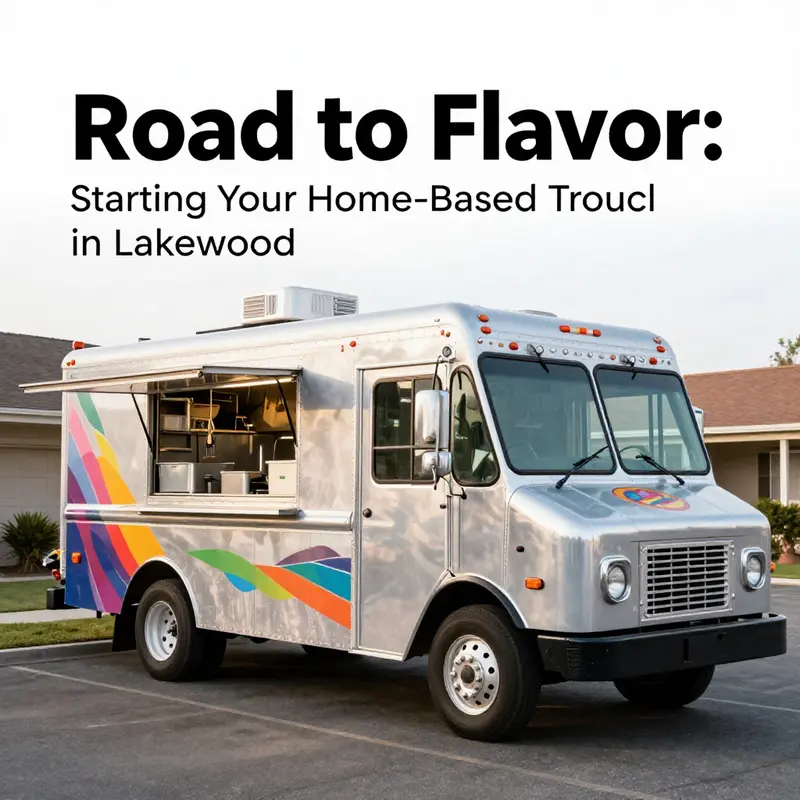
Discipline is the quiet engine behind every successful venture, and a home-based food truck is no exception. When you’re cooking in a kitchen that doubles as your imagination, the daily grind needs to be precise, predictable, and relentlessly purposeful. Eric Thomas often speaks about showing up with intentionality and turning small, consistent actions into a life-changing result. Carry that mindset into every choice you make about acquiring and preparing a food truck, and the road ahead begins to feel less like a leap of faith and more like a calculated sprint toward a defined destination. This chapter weaves together the practical mechanics of vehicle selection, equipment, and layout with the mindset shift that keeps a fledgling food business from wavering when the first sign of friction appears. It’s a story of building a rolling kitchen that doesn’t just serve food but serves a mission—whether you’re cooking gourmet street bites or nourishing busy office crowds—and it starts with the right rig and a plan that sticks.
Choosing the right vehicle is the first and perhaps most consequential decision. A home-based food venture doesn’t merely imply cooking at home; it means a mobile operation that starts in your garage or driveway and then rolls into neighborhoods, parks, and event spaces. You can buy a new or used food truck, or you can convert a van, trailer, or step-van into a kitchen on wheels. Each path has trade-offs. A brand-new truck comes with the latest sanitation systems, energy efficiency, and warranty protections, but the price tag is steep. A used unit offers cost savings but may carry unknown wear or constraints that require more upfront refurbishment. A converted van or trailer gives flexibility but demands meticulous attention to layout and compliance to keep the kitchen safe and efficient. The most critical thread through any choice is safety and sanitation. A vehicle must have current registration, a valid driver’s license for the operator, and insurance that covers a commercial operation. If you convert a vehicle, you’re not just building a kitchen; you’re pioneering a space that must meet local health and transportation regulations. It’s not glamorous, but it’s essential, and it’s where a lot of plans either fail or flourish in those first months.
As you map the dimensions of your future kitchen, think in terms of workflow as much as square footage. Good flow minimizes cross-contamination, speeds service, and reduces fatigue for you and any staff. Plan a practical kitchen layout that keeps raw ingredients away from ready-to-serve foods, places the sink between washing and prep zones, and provides a straightforward path from storage to cooking to plating to service window. Ventilation is not optional; it’s a requirement. A proper hood, exhaust system, and fire suppression equipment are investments in safety that also prevent expensive shutdowns caused by health department concerns or fire code violations. The scale of your equipment depends on your intended menu and the volume you expect. A compact operation might prioritize a high-efficiency induction range, a compact refrigerator and freezer, a reliable prep table, a commercial sink, and a small but solid refrigeration setup for perishable goods. A broader menu or higher anticipated throughput calls for more burners, a larger griddle, an additional freezer or refrigeration unit, and a dependable hand-wash station that makes clean hands a quick, daily habit rather than a ritual.
If you’re unsure about models or layouts, there’s value in looking at established guidance for small and mobile kitchens. The exact model matters less than how it serves your concept and your working rhythm. For those weighing specific rigs in a Lakewood context—or any market where standards can shift as regulations evolve—consider a resource that highlights practical, scalable options for startups. For example, a recent guide on the best food truck models for lakewood startups offers a helpful snapshot of how different rigs fit different culinary concepts, space constraints, and operating budgets. It can serve as a starting point for conversations with builders, inspectors, and insurers. Think of it as a map you’ll customize as you confirm your own concept and route strategy. And as you evaluate a potential purchase, don’t overlook the human element of your setup. Your team will be navigating tight spaces, juggling multiple tasks, and reacting to the rhythm of events and street traffic. A layout that reduces fatigue and comfortably accommodates a two-person team will preserve energy for the long days ahead. When you’re ready to dive into specific configurations, consider stepping through the practical guidance in the referenced model guide and letting it guide your questions to manufacturers or conversion specialists. If you’re still weighing your options, the summarized recommendations from that resource can spark a productive dialogue about what features matter most for your cuisine, your climate, and your typical service cadence. For easy reference, you can explore the guidance here: best food truck models for lakewood startups.
The decision on acquisition also hinges on ownership versus lease strategies and how you manage risk. A lease can lower upfront costs and provide flexibility if you’re testing a new market or concept. Ownership offers long-term cost advantages but requires capital, maintenance planning, and a longer horizon for return on investment. Either path will demand a thorough assessment of insurance needs, maintenance budgets, and the realities of ongoing inspections. The regulatory environment adds weight to every choice. In many jurisdictions, your food truck will need a Mobile Food Vendor Permit and a Health Establishment Permit, along with passing a health inspection that confirms your kitchen meets sanitation standards. Health departments may require a certified food safety program for staff, typically backed by a ServSafe or equivalent certificate, confirming you and any team members understand safe handling, proper storage temperatures, and cross-contamination controls. You should also anticipate sales tax registration and the need for a business license. The licensing landscape shifts by city and county, so you’ll want to establish a direct line to your local health department or city planning office to confirm the latest requirements before you sign a contract or dole out a large deposit.
With a solid vehicle concept in place, attention turns to the heart of the operation: the kitchen itself. Equipment should be selected not only for reliability but for the way it supports your brand and menu. A typical compact configuration will include a stove or burner system, a griddle or charbroiler, a refrigerator and a freezer, a food warmer or steam table, a sink with three compartments, a handwashing station, adequate storage cabinets, and a ventilation hood that meets code. The priorities are safety, efficiency, and cleanliness. Induction cooktops, microwave alternatives, and compact combinations can save space and energy while delivering consistent results. The layout should minimize movement and reduce the risk of cross-contamination by design. Even the smallest details—where you place the trash, where you stage finished plates, and how you route your electrical and gas connections—affect throughput and the quality of service you can sustain during peak periods.
Finally, you must secure robust insurance that reflects the dual nature of a home-based operation: a rolling kitchen and a small business with customers, staff, and perishable inventory. Commercial auto insurance is typically mandatory for a vehicle used to operate as a business vehicle. You’ll also want general liability insurance to cover slip-and-fall risks, property damage, and product liability. If your operation uses propane or other hazardous materials for cooking, you’ll want to discuss these specific risks with an insurer to determine whether additional coverage is needed. A comprehensive policy often includes equipment breakdown, spoilage, and business interruption coverage, which can be a lifeline if you’re forced to pause operations due to a power outage or a mechanical failure. Insurance costs vary with vehicle size, equipment complexity, and the risk profile of your menu, but the peace of mind can be worth every premium. In the spirit of discipline, you’ll want to review these protections annually and adjust as your business scales or shifts focus.
As you imagine the first days of operation, blend this practical planning with a mindset that could be described as ET-inspired: show up early, prepare thoroughly, and execute with consistency. The best food trucks are not merely portable kitchens; they’re rolling expressions of a carefully held purpose. This means your brand should begin in the cab with a clean, identifiable aesthetic—color, logo, and menu design that communicate your story the moment a passerby looks up from their phone. The menu itself should be compact enough to be executed smoothly from a small workspace yet broad enough to appeal to a changing, mobile audience. A lean menu also stabilizes cost of goods sold and simplifies inventory management, two pillars of a business that must survive the inevitable fluctuations of outdoor dining and event schedules.
In the mix of preparation and planning, the details matter as much as the dreams. Inventory management, for instance, becomes a daily discipline rather than a periodic check. Build relationships with local farmers, wholesalers, and distributors who understand the perishability of ingredients and can offer reliable delivery schedules. A straightforward system—regular inventory counts, purchase invoices neatly filed, and a simple daily sales log—also helps you spot waste, adjust pricing, and forecast peak periods. A strong procurement plan reduces the risk of stockouts during high-demand events and keeps your kitchen running smoothly when you’re pressed for time. You may start with a basic paper or digital log, but the sooner you establish a dependable system, the sooner you’ll have real data to guide your decisions about menu tweaks, supplier negotiations, and staffing needs.
As important as the rig itself is the way you present it to the world. A consistent brand voice, a clear value proposition, and a visible schedule of where you’ll be and when are essential for building a loyal following. Social media can amplify a single pop-up location into a regional pattern of traffic, but it needs real content: fresh menu pictures, brief behind‑the‑scenes clips, and authentic stories that connect with people who crave something special in the middle of a workday or a weekend stroll. Engagement matters—respond quickly to comments, thank patrons publicly, and celebrate local partnerships or events you attend. The goal is to create a feedback loop between your kitchen and your customers so you’re not fighting the market but learning from it, iterating your menu and your service style to fit what people want and are willing to pay for. When customers sense a clear purpose behind your food and your operation, they become advocates who help you grow through word of mouth as reliably as a well-timed post on a feed.
Consider also how you’ll leverage a network of partnerships and opportunities that align with your cuisine and your schedule. Farmers markets, corporate lunch programs, and community events can be fertile ground for a home-based food truck to establish a steady revenue stream while you refine your craft. Each venue may have its own rules and permit requirements, so you’ll need to stay organized and flexible. You might begin by testing locations with a limited footprint, rotating spots as you learn which event types and neighborhoods respond best to your concept. The discipline you bring to route planning and permit management will pay off in less stress during peak seasons, more predictable cash flow, and a brand that grows stronger with each successful pop-up.
Or, put differently, you’re building a moving classroom where every service window is a test and every customer interaction is a lesson. Your truck becomes an extension of your kitchen, your brand, and your personal mission. If you carry this line of thinking into your daily habits—checking equipment before each shift, logging temperatures, recording waste, reviewing supplier invoices, and reviewing the day’s sales—you create a reliable foundation that supports bold experimentation without sacrificing safety or compliance. The path from home base to road-ready operation is paved by small rituals that compound into trust from customers, partners, and mentors in the industry. And while the exact configuration of your rig will be unique to your concept and your market, the core principles remain the same: secure compliant, efficient equipment; design for safe, fast workflow; price with clarity and margin in mind; and market your mission with consistency so people know what you’re about even before they taste your food.
Finally, as you prepare to move from getting the truck into service to getting customers through the window, keep in mind the value of external guidance. While there isn’t an official “Eric Thomas method” for launching a food truck, his philosophy of discipline, persistence, and strategic planning aligns closely with what makes a mobile food business endure. The combination of a well-built rig and a repeatable operating system—coupled with a clear brand and a schedule you can defend against the pull of distractions—creates a durable platform for growth. When you stand at the edge of the open road, you should feel not fear but readiness. You’ve done the work to acquire, prepare, and guard your business, and you’re ready to bring your kitchen to the people who need it most. The journey from a kitchen table idea to a thriving rolling restaurant is real, and with the right structure—and the right mindset—you can navigate it with confidence.
Internal link note: If you’re still weighing truck models and layouts, exploring practical examples can help illuminate the best path for your cuisine and market. See the resource on best food truck models for lakewood startups for a concise comparison of configurations and use cases that match many early-stage concepts. You can read it here: best food truck models for lakewood startups.
External resource for broader guidance: for foundational guidance on starting and running a small business, including navigating local regulations and building a compliant practice, consult the U.S. Small Business Administration (SBA) resource at https://www.sba.gov.
From Promise to Plate: Securing Reliable Suppliers and Mastering Inventory for a Home‑Based Food Truck
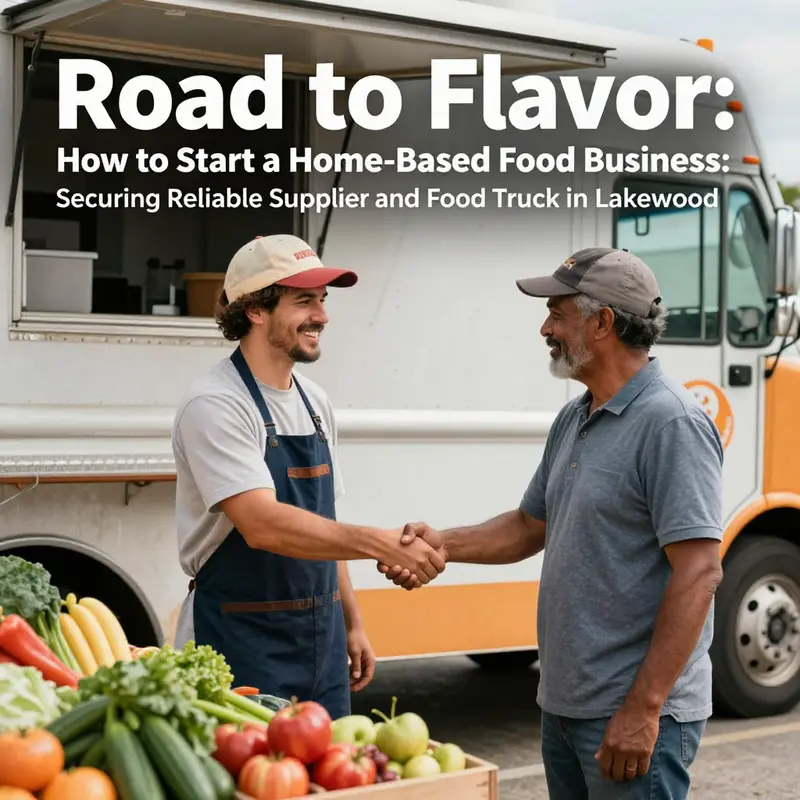
A successful home‑based food truck hinges on a quiet, persistent discipline that starts long before the first fry sizzles. The kitchen is only as strong as the network behind it—the farmers, distributors, and suppliers who deliver the building blocks of your menu, and the inventory system that turns those blocks into consistent profits rather than wasted dollars. When you combine the motivational clarity associated with disciplined entrepreneurship with a practical, road‑tested approach to sourcing and stock management, you create a foundation that can weather perishable realities, shifting seasons, and the unpredictable rhythms of street cuisine. This isn’t merely about finding vendors; it’s about building a supply chain mindset that fits a mobile, home‑based operation, where every decision must optimize time, cost, and quality. In the larger arc of launching a food‑truck venture, securing reliable suppliers and mastering inventory are the quiet engines that pull your vision forward, even when the grind feels long and the road trips long enough to test your resolve. It is the type of work that mirrors Eric Thomas’s emphasis on consistency, focus, and deliberate practice—though there is no branded “Eric Thomas method” for this field, the core principles translate: show up, plan with precision, and follow through relentlessly.
To begin, you must translate your menu concept into a sourcing map. A clear menu design, with an eye toward cost‑of‑goods and shelf stability, sets the constraints you’ll carry into every supplier conversation. If your concept leans toward vibrant bowls, grilled wraps, or regional specialties, start by identifying the core ingredients that define those dishes. Then ask a simple but powerful question of every potential supplier: can you commit to reliable lead times, freshness, and transparency about sourcing? Reliability begins with predictability. You want vendors who can tell you not just what they have, but when you will receive it, and how they handle substitutions when demand spikes or supply lines wobble. In practice, this means prioritizing vendors who are willing to share minimums, delivery windows, and backup options. It also means seeking partners who can explain their sourcing practices—where the produce comes from, how it’s harvested, and how long it takes to travel from farm to truck to your prep bench.
Local connections often become the backbone of a robust supply chain. Local farms and farmers’ markets aren’t just about freshness; they’re about relationship leverage. When you can meet a grower face‑to‑face, you can learn their rhythms: harvest days, seasonal peaks, and how they handle imperfect produce that still meets your standard. Platforms that connect buyers directly with farms, like LocalHarvest, can be valuable as you prototype your supplier list. The goal isn’t to replace wholesalers with every farmers’ market purchase but to blend sources in a way that mitigates risk and preserves margins. Consider a hybrid model: staple items—proteins, dairy, staple grains, and certain vegetables—from trusted wholesalers; perishable or specialty items from local farmers who can guarantee freshness and consistent delivery windows. The practical benefit is twofold: you preserve the flavor integrity of your dishes while carving out room in your cash flow for the variability that can accompany perishable ingredients.
As you build this network, it helps to treat supplier selection like a tactical negotiation rather than a one‑time transaction. Start with a short list of vetted candidates and request samples, lead‑time information, and price transparency. If a supplier views you as a partner rather than a one‑off buyer, they are more likely to offer favorable terms, flexible delivery schedules, and proactive communication during shortages or weather disruptions. Do not overlook the importance of paperwork. Ensure you have clear agreements that specify payment terms, order quantities, returns for damaged goods, and how substitutions will be handled if a promised item becomes unavailable. In the best cases, you can negotiate bulk pricing for core ingredients or establish a small reserve stock to bridge short gaps while you adjust your menu to the realities of supply.
Diversification is a safety protocol. Relying on a single supplier for critical items is a risk you can’t afford in a mobile operation. A well‑structured supplier portfolio includes primary vendors for core items, reliable secondary sources for backups, and occasional direct partnerships with farms for seasonal boosts. Having multiple channels allows you to preserve your service level even if one line experiences delays. The goal is not to over‑complicate procurement but to build resilience—enough options to adapt without sacrificing quality or service. This is where the concept of a compact, well‑negotiated supply ecosystem becomes a strategic asset: you gain flexibility in menu design, avoid sudden price shocks, and maintain consistent taste across your locations.
In practice, you’ll develop a routine for supplier management that mirrors the discipline you apply to the rest of the business. Create a simple calendar that marks harvest seasons, wholesale cycles, and market days where you meet new vendors. Maintain a two‑tier inventory plan that distinguishes between the items you must have to serve the menu with integrity and the items that offer culinary variety but aren’t strictly essential. This distinction matters because it informs how aggressively you reorder. Use a combination of historical sales data and a forward‑looking forecast to set reorder points that keep your stock lean while preventing menu gaps. For a home‑based model, it’s especially important to establish a weekly rhythm for checking deliveries, inspecting quality, and reconciling what arrived with what you ordered. A disciplined approach to receiving—counting items, checking temperatures for perishables, and recording any discrepancies—prevents confusion and protects your margins.
Once you’ve built the supplier framework, inventory management becomes the engine that keeps it humming. A robust system is not a flashy gadget but a clear, repeatable process. Start with a detailed, kitchen‑level bill of materials for each menu item. This doesn’t need to be a doctoral thesis; a simple mapping of ingredients to quantities per dish plus expected portion sizes will do. From there, you can translate the menu into a live inventory ledger that updates with every sale. Real‑time stock visibility is ideal, but even a daily update can yield meaningful improvements in waste reduction and cash flow management. The central principle is to know precisely how much you’re holding, how fast you’re using it, and when you need to reorder to maintain continuity on the road.
Digital tools can be a big multiplier here, even for a lean operation. Inventory management software such as those designed for food service can track stock levels, automate purchase orders, and flag potential stockouts before they occur. For smaller operations or early growth stages, simpler systems—spreadsheets with a clear, shared template or a lightweight app—often do the trick. The key is to implement a system that provides real‑time or near real‑time visibility into what you have left, what you need to restock, and what is at risk of spoilage. In practice, you’ll set up reorder points for core items and use a first‑in, first‑out protocol to ensure older stock is used before newer deliveries. This is especially important for perishable components and sauces or toppings that carry a limited shelf life. By maintaining a disciplined FIFO flow, you prevent waste and protect your margins even when the day’s sales outpace your prep capacity.
Regular physical counts are an essential companion to digital tracking. A weekly or biweekly inventory count helps you catch discrepancies, theft, or shrinkage early. If a count shows a variance, you’ll want to trace it back to the source: a supplier shortfall, a miscount, or a mislabeling in the stock. The act of counting creates a feedback loop that sharpens your purchasing decisions and reinforces accountability across the team. For a home‑based operation, where the truck might move between neighborhoods, it’s prudent to designate a single person as the inventory steward. This role is not punitive. It’s a system‑level responsibility that keeps your operation honest, reduces waste, and protects your ability to deliver consistently on every route and at every event.
The economics of sourcing and inventory are inseparable from your culinary strategy. Pricing, portioning, and menu design must reflect the realities of your supplier network. If a favorite item requires premium ingredients that stretch margins, you may need to adjust the portion size, introduce a more economical alternate, or pair higher‑cost elements with more forgiving components to maintain profitability. This doesn’t mean dulling your concept; it means making smart bets on what sells reliably at a given price point and with the equipment you have on the truck. A well‑managed supply chain allows you to hold to a consistent price rhythm, even as your inputs experience fluctuations outside your control. You’ll find that the discipline you apply to supplier relationships and inventory translates into steadier cash flow, fewer last‑minute menu changes, and a calmer pace on the prep line, where confidence and precision can shine through every plate.
Beyond the numbers, supply reliability shapes your customer experience. If a dish becomes a recurring favorite, your patrons will expect it to appear wherever you operate, whether it’s a weekend market, a corporate lunch program, or a pop‑up downtown. That expectation places a premium on dependable deliveries and predictable stock levels. When your suppliers can keep you in stock, and your inventory system can anticipate needs, you’re delivering the kind of reliability that builds trust and repeat business. The discipline of supplier management and inventory control then becomes a competitive advantage, a differentiator that you can communicate as a core strength of your brand. And that brand strength will feed back into your marketing—loyalty programs, press coverage, and word of mouth—from which you can sustain growth without chasing unstable sales trends.
A final element involves the synergy between procurement and compliance. In a mobile operation, you must document sourcing and food safety with the same rigor you apply to recipe testing. Maintain records of supplier invoices, batch codes, and health and safety certifications for staff. Track lot numbers for perishable ingredients and retain receipts for audits or inspections to demonstrate accountability. This isn’t bureaucratic red tape; it’s the quiet assurance that you’re consistently meeting sanitation standards, protecting your customers, and safeguarding your license to operate across jurisdictions and venues. The better you master these records, the easier it becomes to scale—whether you expand to additional routes, add a second vehicle, or partner with event organizers who require rigorous supplier traceability.
As you refine your process, you’ll notice patterns that the most resilient operators share. They start with a menu anchored to dependable, transparent sourcing. They invest time in building relationships with multiple vendors, not just chasing the best price, and they maintain simple, robust inventory practices that fit a small, mobile footprint. They view inventory not as a cost to be minimized at all costs but as a strategic asset that, when managed well, unlocks consistent quality, predictable cost, and smoother operation. They also learn to pivot quickly when a supplier’s capacity shrinks or a market window closes. In the spirit of disciplined entrepreneurship, they adapt with data, maintain the line between high standards and practical constraints, and keep the customer experience front and center through every bite of their menu.
To readers following this path, imagine a practical moment on a busy weekend, when a sudden uptick in demand coincides with a temporary supplier delay for a key ingredient. A week’s worth of prepared stock might be at risk, and you could be facing a scramble that disrupts service and erodes margins. The prepared, disciplined approach—balanced menu flexibility, diversified sourcing, clear stock levels, and a ready secondary vendor—enables you to respond with calm efficiency rather than reactive panic. Your workflow becomes a sequence of small, confident steps: confirm an alternate supplier’s lead time, pivot to a backup ingredient without sacrificing flavor, adjust portioning for the day, and communicate transparently with customers or event coordinators if plan B requires modest changes. The cohesion of supplier reliability and inventory discipline then shows up not as a theory but as a steady, reliable performance under pressure.
For those who want a concrete illustration of how these principles play out in practice, consider how the best operators balance the pull of a beloved local dish with the practicalities of supply volatility. They keep a tight menu core that can be produced with ingredients that have dependable availability, and they reserve space in their lineup for seasonal specialties sourced when prices and availability are favorable. They document each decision, track the outcomes, and refine the approach on the next run. In this way, the business grows not by guessing and grinding but by disciplined iterations that align culinary ambition with supply chain reality. The end result is simple and powerful: your home‑based food truck becomes not a gamble on a single perfect supplier or a fragile, unpredictable stock, but a resilient, repeatable operation. A place where discipline, consistency, and strategic planning—echoing the spirit of enduring entrepreneurship—turns a great idea into a reliable, scalable mobile business.
If you’re ready to deepen your exploration, a practical touchstone you can refer to as you refine your procurement and inventory approach is to examine how other successful food‑truck ventures organize their physical assets and routes. A useful starting point is the collection of perspectives that emphasize practical structure in a mobile context. For instance, you can explore resources focused on the best truck configurations and how they support operational flow, which is closely tied to supplier coordination and stock handling. See the discussion on the best food truck models for Lakewood startups for insights into how chassis choice, kitchen layout, and storage impact your ability to manage inventory on the move. best-food-truck-models-for-lakewood-startups. While every market has its own quirks, the principle remains universal: a well‑designed truck and a disciplined supply chain together enable consistent quality and growth across venues.
The path forward is practical and incremental. Build your supplier roster with intention, diversify to lower risk, and embed simple, robust inventory processes in your daily routine. Let your menu decisions reflect the realities of your supply chain, and let your cash flow reflect your discipline. The combination creates a momentum that not only supports a successful launch but also sustains it as you grow. As you work through the early months, keep returning to the core questions: Are my suppliers delivering reliably on time? Is my inventory tracking accurate and timely? Am I minimizing waste while preserving the flavor and quality customers return for? If you can answer yes to those questions more days than not, you’ll have established a durable platform for your home‑based food truck venture—an enterprise built on reliable relationships, meticulous inventory, and the kind of steady, consistent effort that turns culinary ambition into sustainable business reality.
External resource for broader context and current guidance: https://www.foodtrucks.org/start-your-food-truck/
Final thoughts
Starting a home-based food truck business is more than just serving food; it’s about connecting with your community, unleashing your creativity, and bringing joy to others through culinary delights. Each step, from drafting your business plan to securing reliable suppliers, plays a pivotal role in your success. As you look forward to hitting the roads of Lakewood, remember to embrace the entrepreneurial spirit that will carry you through challenges. Your delicious journey starts now!