
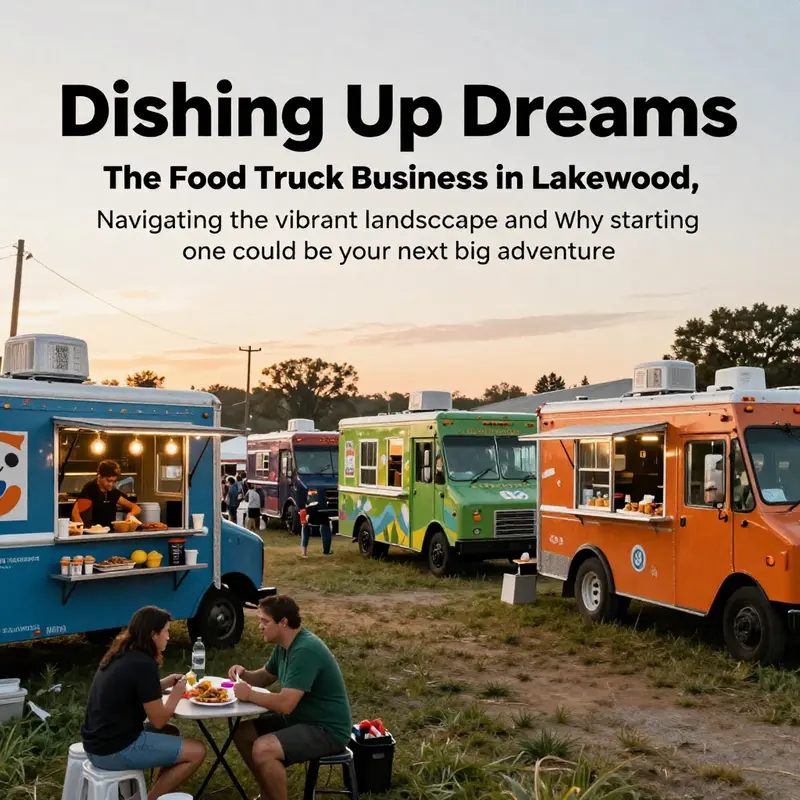
With the aroma of street food wafting through the air and a community craving diverse flavors, the food truck scene in Lakewood has never been more inviting. If you’re an aspiring operator or a curious tourist, you might be wondering: “Is having a food truck a good business?” This exploration begins with understanding the unique advantages of lower startup costs, tapping into market demand, and cultural significance. We’ll delve into how versatility and compliance play pivotal roles for success, ultimately paving the way for innovative operational strategies. Together, we’ll uncover whether this culinary venture could be the right fit for you.
Bootstrapping the Mobile Kitchen: How Low Startup Costs Shape the Viability of a Food Truck Business
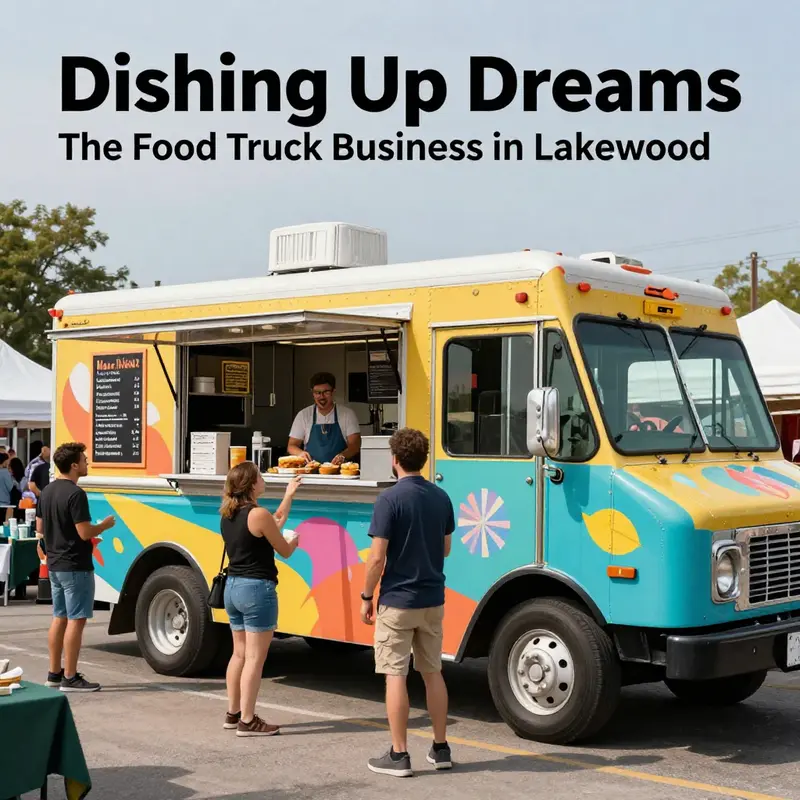
Is having a food truck a good business? The answer hinges on a web of factors, and among them, startup costs loom large. In the debate between bricks and mortar and wheels, the barrier to entry is a defining feature. Lower startup costs can turn an idea into a venture with far less risk, allowing a creator to test menus, refine branding, and learn the pace of a city’s appetite without tying up capital in a lease, build-out, and long-term debt. The economics of a mobile kitchen are not a magic formula, but they do tilt the odds in favor of careful, calculated experimentation. The potential payoff comes not from a single factor alone but from how well an operator aligns a lean financial footprint with a market that wants flexibility, speed, and novelty. The redemption story often starts with money saved up front and ends in a sustainable routine of service, repeat customers, and the ability to adapt to shifting conditions on the ground. When you consider location, menu, operations, and demand together, a lean entry point becomes more than a convenience; it becomes a strategic platform for growth in a dynamic food landscape where crowds are drawn to authentic flavors and convenient options. And because the street food economy thrives on mobility, the choice to start small can also be a choice to grow responsibly, testing concepts in multiple neighborhoods before committing to a single, heavy commitment area. This is not about choosing between a chase for maximum profit and minimal risk; it is about shaping an iterative business model that learns from the street, not just from a spreadsheet. The practical implications are clear: a lower upfront investment reduces the break-even hurdle and buys time to prove demand, refine the supply chain, and build a brand that travels with the truck, not a single storefront tied to a fixed address. In places where urban life pulses late into the night and people crave budget-friendly meals that feel personal, a lean mobile kitchen can become a reliable staple rather than a gamble. The concept of testing and iterating is not a luxury; it is a necessity when the menu must respond to weather, event calendars, and shifting consumer preferences, all while keeping the operation lean enough to weather slow periods. The streets reward agility—an operator who can modulate a route, pivot from one crowd to another, and present a consistent, appetizing experience with a familiar, trusted vibe. A core advantage of this approach is the ability to scale northward or southward in response to demand without committing to large fixed costs. A compact, modular trailer structure can also support a broader range of concepts, from savory street staples to niche offerings that whet curiosity at festivals, markets, or sporadic business districts. This flexibility matters because market demand is not static. In large metropolitan centers, food trucks contribute to a culinary culture that prizes variety, bold flavors, and rapid service. In cities with rich immigrant communities, the opportunity to offer authentic, family-style dishes alongside fusion takes on added resonance, drawing customers who seek both nostalgia and novelty in a single meal. The profitability of a lean mobile kitchen, then, is less about a guaranteed revenue stream and more about a disciplined approach to profitability. It rests on a few essential practices: meticulous route planning that minimizes downtime and fuel costs, tight inventory control that reduces waste, and an unwavering commitment to brand consistency so customers know exactly what to expect wherever the truck appears. The branding here is not a glossy logo alone; it is the entire experience—visual identity, scent, sound, and the pace of service—that shapes customer loyalty. When these elements are coherent, the modest capital outlay precedes a chain of positive feedback that creates momentum. The street is a marketplace that rewards familiarity—but it also rewards novelty. A successful operator might start with a core, well-executed offering and then seasonally diversify in response to local events and weather. For instance, during warm months, a menu might emphasize quick, fresh bowls and wraps; in cooler evenings, the focus could shift to comforting, savory items that travel well and reheat efficiently. The ability to pivot, and to do so cheaply, is one of the greatest advantages of a mobile kitchen. It is a reality that resonates with people who glimpse opportunity in a flexible business model and see a path to profitability through adaptability, not through a single grand concept. The economics of sourcing play a significant role in this dynamic. A less expensive trailer and well-chosen equipment can dramatically reduce the initial cash outlay, making it feasible to launch a venture in a city with high costs of entry or to test multiple neighborhoods with minimal risk. Yet low cost is not a synonym for low quality. Modern trailers can be designed with corrosion-resistant stainless steel interiors, modular layouts, and high-capacity performance that enable disciplined operations at events, markets, and street corners. The key is to balance cost with reliability and safety. Operators should demand equipment and trailers that meet recognized safety standards and local health requirements, ensuring that the lower upfront expense does not translate into higher long‑term risk. The conversation about sourcing is nuanced. Many aspiring vendors consider international suppliers as a way to stretch dollars further, a strategy that has a clear logic in today’s global marketplace. Procurement from overseas manufacturers can provide fully equipped trailers at competitive prices, allowing a startup to hit the ground running. However, this path demands rigorous due diligence: verifying the supplier’s reliability, confirming compliance with U.S. safety and health regulations, and validating the quality of materials and built-in equipment. Logistics become part of the equation as well—lead times, shipping costs, customs clearance, and after-sales support all influence both the initial setup and ongoing maintenance. In practice, a careful procurement plan combines cost awareness with a robust risk assessment. Operators who pursue this route should treat the process as a project with clear milestones, budget contingencies, and quality checks. Regulatory compliance is the other side of the coin. Operating a mobile kitchen legally means meeting federal, state, and local standards for food handling, water supply, waste disposal, and structural safety. Trailer construction must be up to code, and units often require certification and inspection upon arrival to the United States. The penalties for noncompliance can include fines, operational shutdowns, or legal liabilities that erase the initial savings from a bargain procurement. The lesson is simple: a lean startup is strengthened by a rigorous compliance framework that prevents costly missteps. Within this framework, the day-to-day operations become the backbone of profitability. Route efficiency, inventory discipline, and branding consistency are the engines that translate the initial cost savings into steady cash flow. The best path is to treat the truck not as an isolated sales channel but as a travel-ready storefront that negotiates the city’s rhythm. Operators who master route optimization learn where crowds gather, how events align with weather, and when late-night demand spikes in neighborhoods where family-owned food traditions meet modern hunger. In Los Angeles and similar urban centers, for example, food trucks have become more than a convenience; they are cultural touchpoints that draw people seeking bold flavors in a casual setting. They thrive when they combine familiar favorites with inventive twists—think fusion dishes that honor heritage while offering something new. This cultural vitality reinforces the case for lower upfront costs: the barrier to entry is low enough that a diverse range of voices can enter the market, experiment with flavors, and discover what resonates with local diners. The practical takeaway for anyone weighing whether this is a good business is that the cost of entry matters, but it is not the sole determinant of success. A successful mobile kitchen grows from a combination of smart, lean setup, disciplined operations, and a brand that travels well. It requires a concept that can be delivered consistently, an understanding of where customers are and when they want to eat, and a readiness to adjust tactics in response to data from each service window. For readers evaluating equipment choices and long-term viability, a grounded resource on practical models and cost considerations can provide clarity. See the resource on best food truck models for Lakewood startups for a concise comparison of form and function that aligns with a lean entry approach. Finally, the broader literature on sourcing and compliance recognizes that the most cost-efficient path still hinges on robust due diligence and a proactive safety culture. The street is unforgiving to missteps, but it rewards those who plan for reliability as much as they plan for price. If you approach the venture as a disciplined experiment rather than a one-time purchase, the low entry cost becomes a strategic advantage—a way to test, learn, and grow without overextending. For readers seeking additional depth on how to navigate trailer sourcing, supplier selection, and pricing within the U.S. market, the linked external resource offers expanded guidance and case studies that illuminate the trade-offs and best practices in today’s mobile-food ecosystem: https://www.foodtrucks.com/2025/11/25/smart-sourcing-of-food-trailers-for-the-u-s-market-suppliers-compliance-pricing/.
From Street Corners to City Hubs: Market Demand, Culture, and the Viability of a Food Truck Business
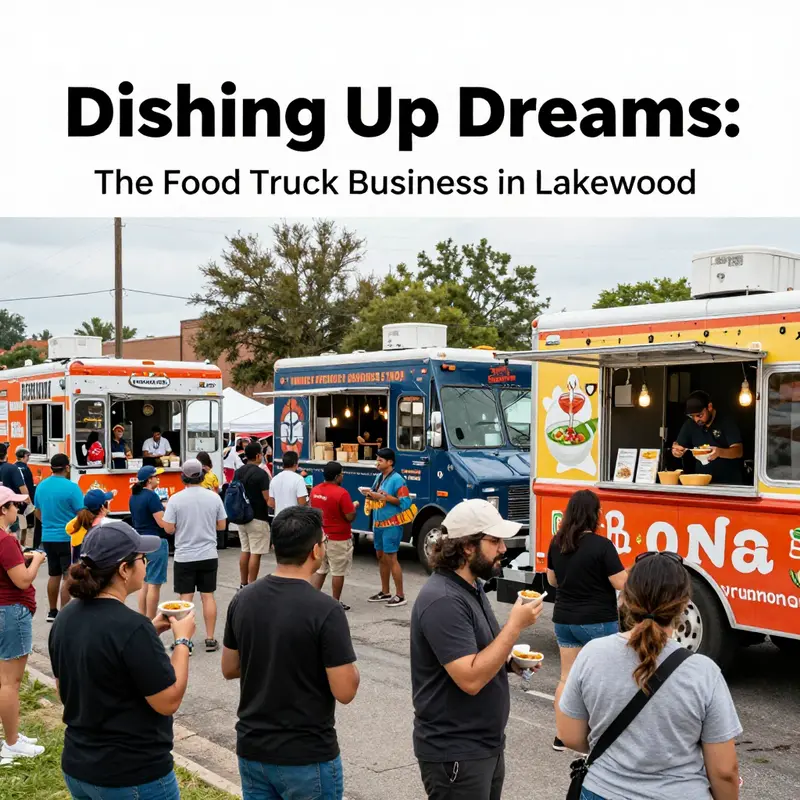
Market demand for mobile food has evolved into a durable force that reshapes how entrepreneurs approach food service. The global food truck market is projected to grow at about 6.3 percent annually, a clear signal that consumers crave convenience, variety, and a sense of discovery. This isn’t merely about quick bites; it’s about experiences delivered on wheels, in places as varied as street corners, parklands, and festival grounds. The appeal lies in mobility—the ability to chase crowds, adapt to events, and capitalize on changing weather and schedules. A compact trailer, designed for fast deployment and robust performance, lowers the barrier to entry and invites cooks to test concepts without committing to a heavy lease or a fixed storefront. In this model, revenue can materialize quickly, cash flow can improve with the right timing, and the learning curve often maps directly to smarter menu development and smarter marketing. The result is a business that feels responsive, entrepreneurial, and aligned with contemporary expectations for flexible, experiential dining.
Beyond the mechanics of moving from one locale to another, the cultural pull of mobile food is undeniable. Urban life increasingly embraces pop-up experiences that turn public spaces into shared dining rooms. A well-executed trailer can serve a late-night crowd in one district and, within the same week, feed families at a weekend market in another. This agility satisfies a shifting consumer palate that values not just taste but narrative: the origin of ingredients, the chef’s story, and the sense that what’s on the plate reflects local culture. Fusion concepts, which blend techniques and flavors from different culinary traditions, have particular pull. They invite curiosity without sacrificing comfort, offering familiar elements with a twist that invites repeat visits and social chatter. When customers feel they are part of a evolving culinary conversation, loyalty grows alongside menu innovation. The street, in short, becomes a stage where culture, taste, and community converge, and consumers respond with enthusiasm and engagement that extend far beyond a single meal.
Culturally, the impact of a mobile food enterprise extends into neighborhood dynamics and local economies. Street food has the power to transform overlooked corners into vibrant gathering spaces, expanding the hours during which a community comes alive. It creates micro-economies that rely less on a single storefront and more on networks of cooks, suppliers, event organizers, and regulars who learn to anticipate the vendor’s cadence. This dynamic can be especially meaningful for immigrant and minority communities, who often bring long-standing culinary traditions to the street and elevate them through accessible, social experiences. The stall becomes a classroom, a workshop, and a marketplace all at once, where recipes are refined, stories are shared, and new audiences are introduced to flavors that might otherwise remain unfamiliar. As neighborhoods gain identity through these food-centered activities, related benefits accumulate: increased foot traffic for nearby businesses, cleaner and more lively public spaces, and a sense of pride in local innovation. In this sense, the food truck is not just a business vehicle but a catalyst for cultural exchange and urban resilience.
Profitability in this space hinges on more than a clever concept. Location remains a decisive factor because visibility, accessibility, and regulatory costs vary widely across cities, districts, and event calendars. The most successful operators cultivate a portfolio of locations that balance high-traffic sites with an ability to migrate when opportunities arise. They think seasonally and festival-wise, ensuring the calendar aligns with school events, sports gatherings, and neighborhood festivals that attract their target patrons. Menu differentiation is equally vital. A distinctive concept can draw diverse crowds while carving out a recognizable niche that can weather changing trends. Yet differentiation alone isn’t enough; operational efficiency quietly drives margins. Tight inventory management, waste reduction, streamlined cooking routines, and reliable supplier relationships translate into shorter lead times, consistent taste, and happier customers. When these elements align, a lower barrier to profitability emerges—from shorter ramp-up to faster, repeatable service in multiple locations. The interplay between price, portion, and speed matters; customers appreciate value and consistency, and they reward it with loyalty and favorable word-of-mouth.
Branding exerts a similar silent influence. A cohesive visual identity, a clear menu concept, and consistently friendly service can elevate a simple street meal into a recognizable, shareable experience. Customers today crave stories they can tell others; a strong brand communicates origin, values, and community connection. The modular design of modern trailers adds another advantage. Interiors can be reconfigured to accommodate different menus, equipment needs, and peak times, enabling a rapid response to demand without sacrificing efficiency. The ability to pivot—from a core offering to another in response to weather, crowd size, or a themed event—keeps the business relevant, fresh, and ready for the next wave of interest. Of course, authenticity and quality must accompany branding. Compliance with safety standards and food-handling best practices reassures customers and event organizers, building trust that pays off in repeat business and broader opportunities.
Every successful operator learns to listen as much as they cook. Data, observation, and conversation together reveal which locations yield sustainable margins, which menu items fetch premium pricing, and how social engagement translates into real-world traffic. Social media functions as more than a billboard; it becomes a feedback loop that tests ideas, surfaces local preferences, and spotlights ingredients that resonate with the audience. The sensory cues—the aroma that travels with a passing breeze, the visual charm of the truck’s display, and the enthusiasm of staff who can articulate a dish’s origins—create a halo effect that draws people in and encourages them to linger. When customers feel seen and engaged, their visits become part of a broader narrative about the community, the food, and the people behind the counter. In markets that prize both novelty and consistency, a well-managed mobile venture can deliver reliable revenue while remaining adaptable to shifting tastes and urban rhythms.
For those contemplating entry into this space, the path is best approached with intention. Start with a clear concept that fits a defined audience, then test that concept in low-risk settings before committing to more expansive routes. A compact, versatile trailer, optimized for quick deployment and straightforward maintenance, can unlock access to markets that were previously out of reach. As the business grows, emphasis should remain on operational stability, branding clarity, and the guest experience. The trajectory often unfolds as a sequence of small bets rather than a single leap. Participating in pop-ups, joining seasonal markets, and gradually building a loyal local following can translate into durable revenue while preserving the core purpose of the venture: to deliver flavorful food, tell a story, and connect with community through shared meals. Above all, cost discipline, safety, and consistent quality anchor long-run success. Mobility, culture, and entrepreneurship intersect to offer a compelling case that a food-truck venture can be durable and rewarding when guided by strategy, resilience, and community ties.
Internal resource for further reading: For a closer look at the best-food-truck-models-for-lakewood-startups, explore the practical guidance and comparative insights offered in this local industry overview: best-food-truck-models-for-lakewood-startups.
External resource for broader context: to gain a wider view of how the food-truck landscape is evolving and where opportunities lie, this external guide offers actionable ideas and a framework for testing concepts in a market-ready way: https://www.shopify.com/blog/food-truck-business-ideas
Rolling Revenue: Mobility, Compliance, and Strategy for a Viable Food Truck
Mobility is a strategic asset that shapes where and when revenue is captured. A successful food truck moves between business districts, office clusters, neighborhoods with growing dining scenes, and timed events, meeting hungry customers where they are and when they are most receptive. This roaming rhythm helps create a predictable cadence of revenue rather than relying on a single anchor location. When a truck can reposition to a festival at dusk, a lunch cluster, or a late-night strip, it broadens the revenue funnel and stabilizes cash flow in ways that brick-and-mortar venues often cannot.
Cost considerations are common in discussions about mobile cuisine. The lower startup cost relative to a fixed restaurant makes the early phase more accessible. Without a traditional storefront, capital can be directed toward a compact kitchen designed for efficiency, durability, and cleanliness. The math often improves when paired with a practical route plan, a lean menu, and reliable supplier relationships. Many trucks reach profitability within their first year by aligning pricing with real-world traffic and minimizing waste through forecasting.
Compliance remains a core driver of long-term success. Food safety is not a one-time checklist, but a daily discipline: proper refrigeration, clean handling, sanitation logs, and temperature control that protects customers and the business. Keeping hot foods at or above a threshold like 140F (60C) during transport and service supports consistency and trust. Licensing, inspections, and certifications shape the operational tempo; regular equipment checks and documented protocols reduce friction at renewals and audits.
Branding and customer experience round out the value of mobility. A truck is a story on wheels; speed matters, but so does clarity and warmth of the brand narrative. A modular kitchen layout supports agility, allowing shifts from quick bites to heartier fare as seasons or events demand. Digital presence—real-time location updates and responsive engagement—turns mobility into online visibility and repeat patronage.
Operational discipline ties everything together. Strong supplier relationships, demand forecasting, and inventory controls reduce waste and ensure quality across fluctuating volumes. The best operators build a reliable network of partners and a trusted reputation with event organizers, venues, and everyday customers. When movement, safety, and a clear brand promise align, a food truck can be a resilient, scalable business rather than a temporary novelty.
On the Move, On the Money: Operational Truths About Making a Food Truck a Profitable Venture
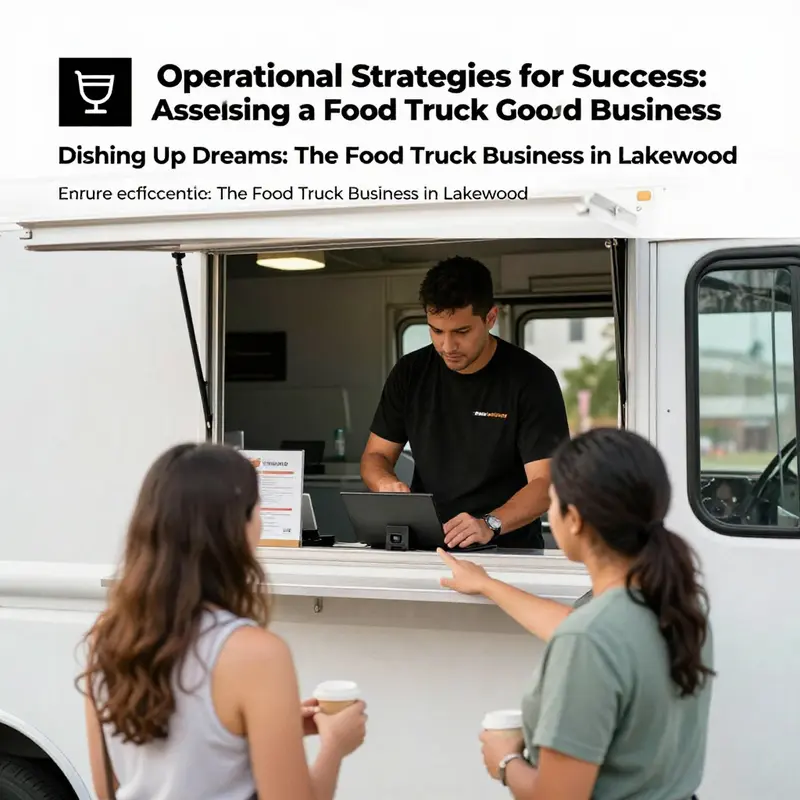
The question of whether having a food truck is a good business is not answered by a single formula. It rests on a careful blend of location intelligence, menu discipline, operational efficiency, and the ability to read demand in real time. The arc of the modern food truck story is not about a flash of culinary novelty alone; it is about sustained adaptability in a market that rewards speed, reliability, and consistent quality as much as it does bold flavors. Across cities and festival grounds, the appeal of mobile dining lies in its ability to meet diners where they are—between work and late nights, at neighborhood blocks where foot traffic clusters, or at events that transform streets into temporary marketplaces. The momentum is real. The global food truck market is expanding at a steady pace, driven by consumer appetite for convenient, diverse, and high-quality meals served with immediacy. This growth creates opportunity, but opportunity is not a guarantee. It is earned through systems that translate opportunity into repeatable profits.
A practical entry point for many aspiring operators is the cost structure. A key advantage of a food truck over a traditional brick-and-mortar restaurant is the substantially lower startup cost. A compact, modular trailer can provide the same core capabilities needed to deliver a strong, recognizable dining experience with a fraction of the capital. The modular interior design matters as much as the chassis. Flexible layouts enable quick reconfiguration for different menus, events, or weather conditions, reducing downtime between shifts and expanding the range of venues you can serve. In a world where a single event can deliver hundreds of potential customers, the ability to shift formats—from ice cream on a hot afternoon to hot dogs during a late-night festival—becomes a core strategic asset. In the broader ecosystem of suppliers and builders, many modern trailers also boast corrosion-resistant stainless construction, built-in sanitary systems, and attuned ventilation and safety features that meet regulatory expectations while preserving speed of service. They can be smaller than traditional trucks yet still deliver high-volume performance, with capacities that have historically translated into meaningful throughput per shift. When you combine mobility with a scalable, easy-to-maintain kitchen, the barrier to entry drops, and the path to profitability becomes clearer.
Location remains the deciding factor in many markets. In dense urban environments, the right corner or the right block can make or break a week’s bottom line. The same reasoning applies at events and festivals, where foot traffic spikes and crowds form in bursts. In practice, operators who win in this space do more than chase traffic; they curate routes with intent. They identify high-visibility opportunities—areas where curious pedestrians become customers, and where repeat exposure converts casual observers into loyal fans. This is not merely a matter of picking the busiest street corner; it is about understanding when a location peaks and how long customers stay. It is also about brand consistency. A truck that looks and feels like a coherent, recognizable concept, from the logo on the side to the tone of the menu board, builds trust with customers who start to anticipate a known experience at a familiar time and place.
The customer experience in a mobile dining setting hinges on speed, predictability, and taste. A well-run operation minimizes wait times while maximizing the quality and consistency of every plate. Tooling and process design matter here. The interior workflow should support a steady rhythm: a clear separation between prep, assembly, and finishing stations; a predictable line of sight for the cook to the window; and a system for batching components so that a batch of orders moves through the line without bottlenecks. A streamlined menu plays a decisive role in controlling waste and shortening ticket times. When the menu is too long, inventory becomes unstable; when it’s too small, novelty wanes and revenue opportunities shrink. The sweet spot is a carefully curated menu that emphasizes fresh ingredients, distinct flavors, and reliable preparation that translates into consistent execution across shifts and weather conditions.
Some operators place priority on versatility as a core value. The modular interior design that characterizes many modern trailers isn’t just about aesthetics; it is a strategic capability. If a shell can be reconfigured in a matter of hours to accommodate a different cuisine or service format, the business can align with shifting demand. A warm-weather menu can pivot to light, fast items when a festival crowd shifts toward lighter fare; a cool-weather slate can introduce heartier options without the overhead of a full rebuild. This flexibility is particularly valuable in markets with pronounced seasonal swings or in venues that routinely host diverse audiences. The ability to pivot, while maintaining brand integrity and service standards, reduces risk and broadens the number of viable locations and events in which a single trailer can participate.
Beyond culinary design and location strategy, regulatory compliance anchors profitability in the long run. Models certified to safety standards and local health regulations instill trust with customers and event organizers alike. A credible safety and sanitation framework translates into smoother partnerships, easier permitting, and more confidence when expanding to new markets. The emphasis on safety is not merely bureaucratic; it threads through every aspect of daily operations—from how ingredients are stored to how food is cooked, cooled, and served. A strong compliance posture lowers the probability of costly violations and the disruption that can accompany sudden inspections or revocation of permits. In addition, many operators who scale up use suppliers who can provide consistent quality and reliable deliveries, a factor that helps stabilize days when demand is high and inventory planning becomes more complex.
Operational efficiency, however, is never about compliance alone. It is about executing a plan that aligns with market demand while keeping costs in line. The economics of a mobile kitchen hinge on a balance between fixed and variable costs. While the trailer itself is a capital asset, the ongoing costs—fuel, maintenance, insurance, commissary arrangements if required, and labor—must be managed with precision. Inventory management emerges as a central discipline. The impact of waste on profitability is often disproportionate in a mobile operation, where space is at a premium and every square foot must do multiple jobs. A disciplined approach to inventory reduces waste, ensures product availability, and improves cash flow. In practical terms, this means establishing par levels, implementing a reliable supplier schedule, and maintaining a tight governance over what can be rotated in or out of the menu. The overall effect is a leaner operation that can weather fluctuations in demand and respond rapidly to opportunities.
To illustrate how these principles come together in the field, consider a typical week in a market with varied demand. A strong operator maps routes to align with peak pedestrian flow, coordinates with event organizers to secure space during high-traffic periods, and uses social media to shape expectations around menu availability, hours, and location. Social channels become a tool not just for promotion but for genuine customer engagement: a place to tell stories about ingredients, to solicit feedback on flavor profiles, and to signal when a new dish is launching. Branding matters just as much as the food itself. A consistent visual identity and a clear value proposition create recognition, and that recognition compounds when customers begin to seek out the trailer at recurring events or neighborhoods. The social layer, in turn, feeds demand and strengthens brand equity without the same level of investment required for a fixed storefront.
For operators who want to quantify the business case, a practical starting point is to think in terms of throughput and utilization. A high-capacity trailer, capable of serving hundreds of meals per shift, provides a meaningful platform to build a predictable revenue stream if you couple it with disciplined cost control and a sharp menu. This is not a guarantee of success, but it does create the conditions where the math can work. A robust plan begins with a realistic forecast of daily sales, a clear view of the marginal cost per item, and a break-even calculation that accounts for both fixed and variable costs. In markets where late-night demand is strong or where special events bring one-off opportunities, the financial upside can be significant, provided the operator can move quickly between sites and maintain a steady pace of service.
The broader ecosystem supports this approach. In addition to the internal discipline of a well-run trailer, there are practical steps operators can take to lay a solid foundation. Practical guides on starting a small food business can help with the basics—from business registration to building an online presence that complements the storefront on wheels. The Shopify guide to launching a small food business, for example, offers a structured path that many new entrants find valuable as a starting blueprint. While the specifics of each market differ, the core principles—clarity of purpose, a viable menu, efficient operations, and a credible brand—remain universal across locales and formats. If you want a concrete checklist of vehicle options and configurations to match your goals, the following resource can offer insight into what models have worked for similar ventures in different contexts: Best food truck models for Lakewood startups.
In sum, is having a food truck a good business? The evidence suggests that it can be, but only when the venture is grounded in operational discipline and market-aware strategy. A lower-cost entry, coupled with the agility to test and adapt, creates a platform for sustainable growth rather than a one-off success. The strongest operators do not rely on luck; they build routines that translate opportunity into repeatable outcomes. They plan routes with purpose, maintain a brand that travels as well as their food, simplify menus to control waste, and leverage the immediacy of mobile dining to capture moments of demand before they vanish. They recognize that the mobile kitchen is not a single opportunity but a repeated mechanism for value creation—one that can be part of a broader hospitality repertoire, whether a street-side pop-up, a festival staple, or a long-term presence in a neighborhood that comes to know and trust the trailer as a reliable source of flavor and speed.
For those who want to explore practical vehicle options and compare configurations, theLakewood resource above provides a gateway to understand what fits your goals, your budget, and your local rules. And for those who seek a practical, tested playbook beyond the basics, a broader set of online guides can help translate theory into a working plan. The path to profitability is built on the alignment of market demand, operational efficiency, and disciplined financial thinking, all supported by a branding narrative that makes the trailer feel like a familiar, welcome dining destination wherever you pull up.
External resource for further reading: Shopify’s guide to starting a small food business offers actionable steps for developing a business plan, registering the enterprise, and building an online presence to complement a mobile service. See https://www.shopify.com/blog/food-truck-business-ideas for more.
Final thoughts
As we’ve explored, the question of whether having a food truck is a good business is complex yet encouraging. With lower startup costs, vibrant market demand, cultural impact, compliance with regulations, and effective operational strategies, there’s ample opportunity to carve out a niche for yourself in Lakewood’s food scene. Whether you’re an aspiring operator ready to serve sizzling tacos or a tourist hunting for the best street food, the food truck business in Lakewood combines community spirit with culinary adventure. Embrace the journey!