
Owning a food truck can be an exciting venture, especially in the vibrant community of Lakewood! For aspiring operators and tourists alike, understanding the financial landscape is crucial. Whether you’re dreaming of serving gourmet tacos by the lake or simply exploring local culinary delights, getting a grip on the costs involved will help you navigate this delicious journey. From the substantial initial purchase cost of the truck itself to ongoing operational expenses you may not expect, each chapter of this article sheds light on an essential aspect of food truck economics. You’ll discover what to plan for in your budget and get a sense of the hidden costs that can take a bite out of your profits. Let’s dig into making sense of these costs together, ensuring that your food truck experience—whether running one or enjoying the offerings in Lakewood—is as successful as it is satisfying.
The Gatekeeper Price: A Deep Dive into the Purchase Cost of Your Food Truck
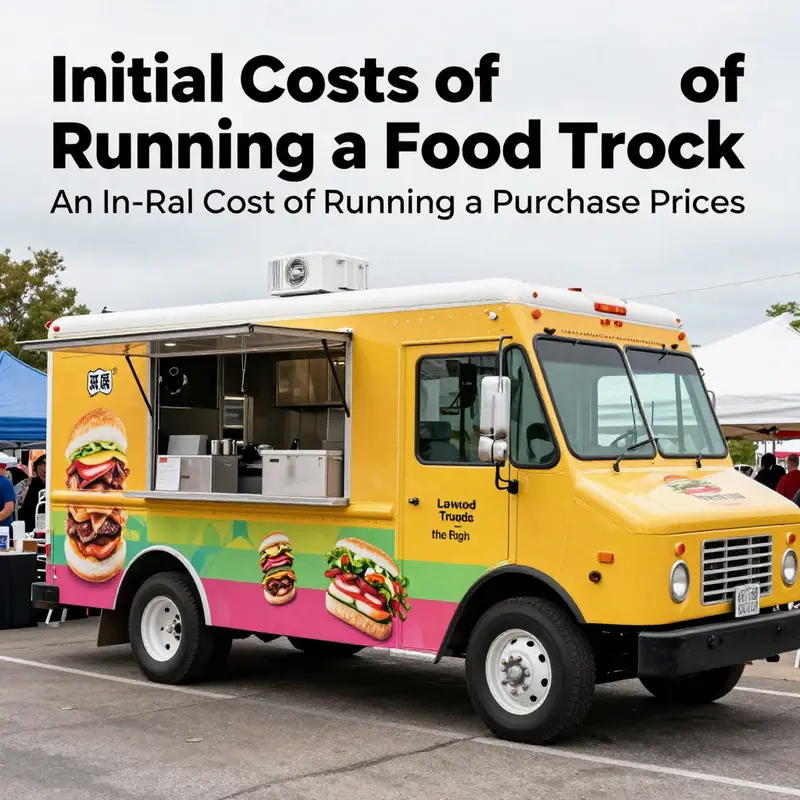
Entering the world of mobile food service, entrepreneurs quickly learn that the truck price is only the opening chapter. The gatekeeper price—the upfront cost to acquire a vehicle and outfit it for cooking—defines not just how soon you can launch, but how you structure your concept, financing, and even your first menu. Across markets and neighborhoods, those initial dollars do more than buy metal and appliances; they determine the pace at which you can test ideas, attract customers, and build a sustainable operation. The journey from idea to open window involves a careful inventory of options, each with its own cost architecture. The choice between a new unit, a used model, rental, or a non motorized cart will ripple through every month after the launch, shaping cash flow, risk, and growth trajectory. The numbers that appear in price sheets are not just numbers; they are a set of constraints and opportunities that every founder must navigate with discipline, curiosity, and a clear view of long-term goals.
New food trucks sit at the high end of the spectrum, and this is where the most visible variance appears. Price ranges for a brand-new unit typically start around six figures and can easily climb into the range of $100,000 to beyond $250,000. Size matters here, as does the scope of kitchen customization, the sophistication of the equipment, and the branding that accompanies the vehicle. A larger footprint with a more robust cooking line, specialized ventilation, and a tailor-made layout can push the total beyond a quarter of a million dollars. The cost envelope expands further when you count premium finishes, enhanced safety systems, and upgraded fuel and electrical setups that keep a kitchen running smoothly in a high-demand environment. For someone aiming for a high-performance kitchen on the move, the upfront investment can be substantial, but it is also the clearest path to a ready-to-operate operation with full control over capacity, flow, and how customers experience the brand.
Used food trucks present a different calculus. They offer a tempting value proposition: substantial savings on the purchase price while delivering a fully functional mobile kitchen setup. On the used market, purchase prices typically run from about $50,000 to $100,000, depending on the truck’s condition, age, equipment inclusions, and how recently the kitchen has been refurbished or upgraded. The appeal is straightforward: you can enter the market more quickly and with less capital, leaving more budget for permits, initial inventory, and marketing. The tradeoff is real, though. A used truck can wear out faster, experience higher maintenance needs, or require refurbishment to meet current health and safety standards. A thorough inspection becomes crucial, and savvy buyers often allocate a buffer for anticipated retrofits—new refrigeration units, reworked plumbing, or updated cooking surfaces that better align with their menu. The difference between a well-loved, reliable platform and an aging workhorse can hinge on the diligence of the due diligence process and a clear plan for ongoing maintenance.
For those who want to minimize upfront cost further, renting a food truck is a viable option worth weighing. Rental arrangements generally offer monthly costs in a narrow band, typically between $2,000 and $3,000, with six-month leases standing out as a common structure. Shorter leases can be pricier on a per-month basis, but the advantage is immediate flexibility: you can test a concept, adjust the menu, and evaluate customer response before committing to ownership. Renting also shields you from some depreciation risk and the burden of financing, making it an attractive path for first-time operators who want to learn the terrain, refine their recipe, and identify a target area or event circuit before sinking capital into a pressed-metal asset. The tradeoff is ongoing expense, and over a longer horizon, renting may prove more expensive than buying when you combine total cash outlay, maintenance, and lack of equity. Yet for many, it is exactly the right bridge from concept to fully scaled operation, especially when market conditions remain uncertain or when a concept needs rapid validation.
Beyond motorized units, non-motorized options such as towable carts offer another entry point for aspiring vendors. These setups bring lower initial costs and offer generous, showroom-like layouts that can be easier to customize. Towable carts can sometimes be moved with relative ease to festival grounds, markets, or semi-permanent patterns, which makes them ideal for seasonal or event-driven strategies. The reduced upfront investment can free capital for core operations, such as initial inventory, menu testing, and staff training. However, these advantages come with practical considerations. They require a separate towing vehicle, which adds a layer of operating expense and logistics, and they can limit spontaneity in terms of location and schedule. For vendors who want the flexibility to build a brand in waves—testing locations, building a loyal following at limited-time popups, or targeting specific festival circuits—towable carts offer a compelling combination of affordability and adaptability. The decision to pursue a towable option often hinges on the balance between mobility, event density, and the cadence of opportunities you expect in your first year.
If you shift your gaze from the vehicle to the equipment that turns the truck into a kitchen, the initial costs expand even further. Essential equipment is the backbone of a functional operation, and it tends to be where the first big outlay of cash occurs after the vehicle itself. You’ll be looking at commercial-grade cooking appliances, refrigeration units, plumbing and grease management, ventilation and fire safety systems, and the point-of-sale technology that handles orders, payments, and receipts. Each category carries its own price tag, and the total can push the startup budget into tens of thousands of dollars above the vehicle purchase price. A compact but capable kitchen might include a grill, a fryer, and a small oven; more complex concepts may demand multiple cook zones, specialized steamers, or combinations that support a diverse menu. Refrigeration is not a luxury but a necessity, and it funds the core ability to store perishable ingredients safely while preserving freshness and flavor. Plumbing and ventilation are non-negotiable infrastructure pieces that meet health and safety standards and keep the truck compliant with city regulations. The POS system, while seemingly mundane, touches every aspect of the customer experience—from speed of service to accurate inventory tracking and simple end-of-day reconciliation. The initial equipment investment, thus, often rivals or exceeds a portion of the truck price itself, depending on the scope of equipment and the longevity of the units you select.
To connect the math with real-world budgeting, it’s important to factor in licenses and insurance as part of the earliest cost decisions. Licensing and permits vary widely by city and state, and the price can swing based on the type of food, the location, and the length of the permitted operation window. Insurance is another fixed expense that cannot be ignored; it provides protection for the vehicle, the business itself, and any liability arising from food handling or customer interactions. The combination of licensing fees and insurance typically adds a predictable, recurring cost that should be accounted for from day one. Then there is initial inventory, which is not simply a shopping list but a carefully staged procurement. You’ll need to stock the line with ingredients, packaging, disposable wares, and a few backup items to handle the first few weeks of service. The goal is to avoid the brittle first week where stockouts derail service and erode customer trust. In practice, many new operators underestimate how quickly those first dollars vanish, underscoring the need for careful forecasting and contingency planning.
Hidden or variable costs also ride alongside the headline price. Parking fees at high-traffic events, premiums for premium spots, and seasonal spikes in ingredient prices can quietly erode margins. Maintenance and repairs may not make the receipt each month, but they are an ongoing responsibility that becomes more acute as the vehicle ages or as equipment is pushed hard during busy periods. The more disciplined you are about preventive maintenance, the more predictable your cost curve becomes, which in turn stabilizes your cash flow and helps you plan for the long arc of profitability rather than the immediate sprint.
In framing a realistic startup budget, industry voices consistently emphasize that the initial purchase price is only part of the story. The broader reality is that a well-managed food truck business should budget for a buffer beyond the truck price to cover early-stage needs. Some industry benchmarks suggest allocating at least $10,000–$20,000 in startup capital beyond the vehicle’s purchase price to cover initial inventory, staffing, and marketing. Those figures reflect the reality that the drive to profitability is anchored not just in a kitchen on wheels but in the recipes, the customer experience, and the trust you build with early deploys. A more conservative approach—especially for first-time operators—adds a cushion for licenses, insurance, permits, and the onboarding costs of a capable team. The math is not an abstract exercise; it translates into the ability to run smaller test campaigns, iterate menus based on real feedback, and sustain a pop-up rhythm that converts curiosity into repeat visits.
For readers who want a snapshot of how these decisions look in practice, a practical tip is to research model configurations and layouts that align with your planned menu and service flow. A quick look at a selection of kitchen designs geared toward startups can illuminate how different equipment footprints influence cost and efficiency. If you’re weighing options, I’d point you toward a concise overview of suitable configurations—these offer a glimpse into how layout choices interact with equipment costs and service speed. For a broader sense of where these models tend to thrive, consider exploring a resource that highlights the best food truck models for startup ventures in Lakewood. This can provide a concrete sense of scale, workflow, and what operators are prioritizing in early-stage builds. Best food truck models for Lakewood startups
The decision framework is not a static equation. It evolves as you test concepts, engage with customers, and refine your brand promise. A high upfront investment in a brand-new unit may accelerate service speed and reliability, appealing to events and markets that demand consistent quality. A well-chosen used truck or a strategic rental may provide the same outcomes at a gentler pace and with less capital at risk. A towable cart might suit a festival strategy with a tightly defined menu that travels light but travels often. Each path has distinct implications for how you allocate money in the first year, how you staff, and how you measure success. The common thread is that the initial costs are not just costs; they are a deliberate choice about the pace, risk, and flavor of your early growth.
As you plan, keep in mind the validation arc. Your goal should be to reach a point where you can reliably execute a handful of shifts per week, gather feedback from customers, and demonstrate repeatability in sales. The numbers will then begin to settle into a pattern: a predictable weekly volume, a clearer understanding of break-even points, and a practical cadence for reinvesting profits into menu development and brand amplification. That progress hinges on the alignment of your upfront commitment with your operating rhythm, your target venues, and your capacity to adapt when demand shifts. In other words, the initial purchase price is a doorway, not a destination. It opens the possibility to embark on the operational journey, but the sustainability of the venture rests on disciplined financial management, rigorous planning, and the willingness to adjust as you learn.
If you’re contemplating the road ahead, it can help to visualize the long view while you negotiate the immediate terms. Consider the total cost of ownership across the first year, including depreciation or financing costs, insurance, permits, fuel, and routine maintenance. Weigh that against the revenue you anticipate from events, markets, and steady street-side service. The math becomes a narrative about capacity, resilience, and customer love—elements that shape whether your food truck remains a summer fling or grows into a lasting, scalable business. And while the vehicle is the stage, the real performance lives in the menu, the service tempo, and the story you tell with every interaction.
For a broader context on ongoing costs and how they balance with initial investment, external industry perspectives offer useful benchmarks. See the 2025 overview of what it costs to operate a food truck, which highlights the range of recurring expenses—from fuel and insurance to permits and labor—and how operators align those with revenue. This lens helps convert the initial price tag into a practical plan for sustainable operation over time: https://www.foodtrucks.com/operating-costs-2025/
Balancing the Ledger on Wheels: Mastering Monthly Costs and Recurring Expenses for a Food Truck
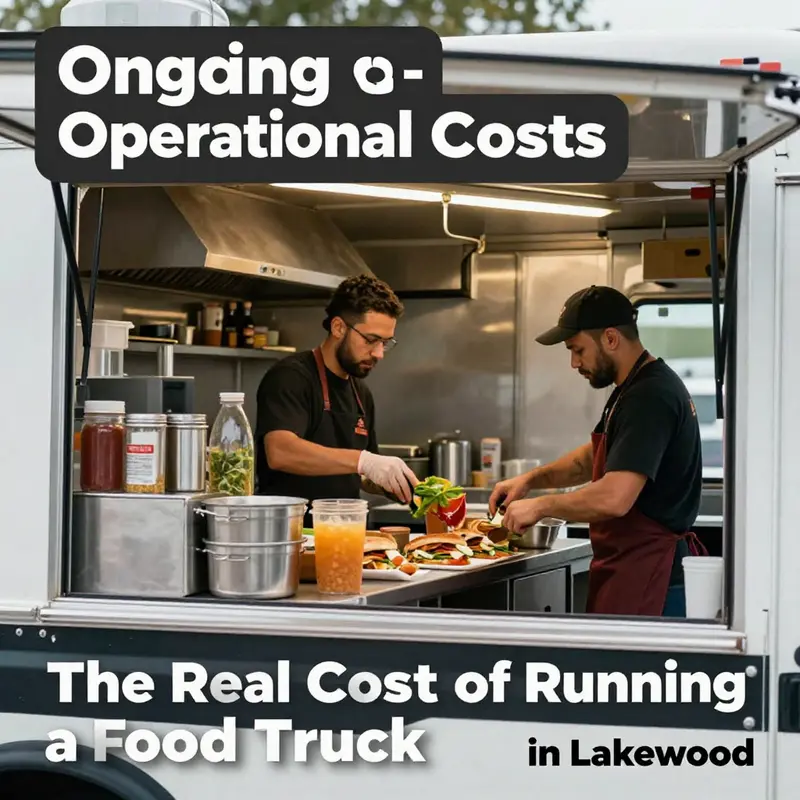
On the surface, a food truck can seem like a nimble, lower-risk sibling to a brick-and-mortar restaurant. But the truth sits in the ledger that travels with the truck, month after month, year after year. The upfront sticker price is only the opening note; once the wheels start turning, the costs that recur become the real test of the business. A new food truck typically costs between $75,000 and $200,000, a spread that reflects not just the chassis but the interior design, the kitchen equipment, and the branding that makes the truck fast, efficient, and unmistakable. When you shop, imagine the truck as a mobile platform for your cooking, your service flow, and your brand story. The layout affects speed, waste, and energy use, and every design choice sets up a cascade of ongoing expenses. A taller question follows: how much does it cost to keep that truck running after the first ride? The answer is a blend of fuel, insurance, permits, maintenance, ingredients, labor, and marketing—the recurrent costs that demand disciplined budgeting every month. Without careful planning in this area, even a promising concept can stall before it reaches a single festival venue.
Fuel costs stretch beyond simple commuting. They cover the miles required to reach events, restock supplies, and sometimes to chase peak traffic on a busy Saturday. A common rule of thumb is to budget for variable fuel consumption that scales with your route density and event schedule. Then there is vehicle maintenance and repairs. The truck and the kitchen share the same heartbeat, and when a belt squeals, a radiator leaks, or a generator falters, service downtime can erase days of sales. Regular maintenance—oil changes, brake checks, tire rotation, and kitchen equipment calibration—keeps the operation smooth and reduces the risk of costly breakdowns. Insurance premiums are another tight thread in the loom of ongoing costs. Most operators carry liability, property, and commercial auto coverage, each with its own rate based on driving history, location, coverage levels, and how the truck is used. The numbers can creep up if you expand to multiple vehicles or offer catering away from your base. Permits and licenses are not one-and-done items; they renew, with varying schedules and price points by jurisdiction, and some markets require health department inspections or food handler certifications that incur ongoing fees. Utilities include propane for burners, electricity when you plug in at events or commissaries, and water services. Each item on this list affects the day-to-day profitability of a route and the long-term possibility of scaling to more hours, more events, or new menus.
Beyond the obvious line items, costs quietly accumulate in smaller demands that, at first glance, look almost trivial. Parking fees at coveted events or in high-traffic districts can be significant, and seasonal price swings for ingredients force you to rethink menus or renegotiate with suppliers. The practical question for operators is how to translate all of these minor costs into a reliable, month-by-month budget. On average, ongoing operational costs tend to land in a broad band of roughly $1,500 to $5,000 per month, a range that reflects cruise speed, geography, and the level of sophistication in your operation. Insurance, as noted, can be found for about $1,000 to $3,000 per year, which breaks down to roughly $83 to $250 per month depending on coverage and risk profile. Permits and licenses vary widely, but you should expect a recurring expense that compounds if you move between jurisdictions or extend hours. Utilities depend on whether you operate with a full propane system, or rely on a generator and external power sources; electricity access can reduce propane use, but it adds a connected-cost dynamic. Ingredient costs follow the menu, and the ability to negotiate favorable supplier terms can tilt the balance between a balanced menu and a lean margin. Labor costs, too, are highly elastic—they change with event calendars, staffing models, and the legal requirements for minimum wage, overtime, and benefits. Finally, in a highly competitive landscape, marketing and advertising—branding, social media promotions, event sponsorships, and customer loyalty programs—serve not only to attract customers but to reinforce the value you offer with every bite.
To put these numbers into practice, many operators adopt a structured monthly budgeting process. They track every expense using spreadsheets or cloud-based accounting software that can categorize costs, project cash flow, and flag variances. A practical budget separates fixed costs from variable ones and assigns a realistic range for each category. The fixed column might include insurance premiums, permits, and some level of loan payments if a truck was financed. Variable costs include fuel, ingredients, and labor hours that vary with the schedule. The goal is to know your break-even monthly revenue and then to design menus and event strategies that push you beyond it while maintaining quality and service standards. A disciplined budgeting approach also invites cost-saving moves. For example, negotiating supplier rates—building relationships with vendors who understand your seasonality and volume—can lower ingredient costs over time. Another lever is route optimization: planning the most efficient paths to events to minimize driving and idle time, which translates directly into fuel savings. Preventive maintenance scheduling is a third essential practice; a structured calendar that anticipates part replacements, equipment calibration, and diagnostic checks reduces the risk of disruptive failures. Finally, set aside a contingency fund, not as a luxury but as a safety net for unexpected repairs, regulatory changes, or a sudden shift in demand. A conservative cushion—something like ten to twenty thousand dollars beyond the truck’s purchase price—can be the difference between weathering a rough month and staying on the road.
Within the broader framework of ongoing costs, the decision to operate solo versus with a small crew should be revisited regularly. Labor costs are not just wages; they include payroll taxes, benefits, training, and, in some markets, tips or service fees that must be redistributed. If growth charts point toward multiple shifts or a second vehicle, the cost equation shifts in noticeable ways. The budgeting conversation should extend to the menu itself. A lean menu reduces waste and simplifies purchasing, yet it must still deliver a distinct identity that draws customers. Some operators find that cultivating relationships with a handful of trusted suppliers, rather than chasing the lowest unit price, yields better quality, steadier delivery, and predictable costs. In other words, cost control becomes a function of consistent quality and dependable logistics as much as it is about squeezing pennies. To balance practicality with ambition, many owners also prioritize marketing as a recurring investment rather than an occasional expense. A steady, targeted plan—email campaigns for repeat customers, loyalty programs, and community event sponsorships—helps sustain visibility and revenue through seasonal fluctuations.
Choosing a truck and a kitchen layout that keeps costs reasonable over time is not just about upfront affordability; it also shapes fuel efficiency, maintenance complexity, and usable space for production. For a practical lens on that decision, many operators look to examples of well-structured models and setups. See how these perspectives can influence the bottom line in the context of Lakewood startups by exploring Best Food Truck Models for Lakewood Startups. This resource helps align the purchase decision with long-term operating costs, and the connection between layout choices and ongoing expenses becomes clear when you examine the tradeoffs between capacity, efficiency, and durability.
Industry resources remind operators that they are not alone in this balancing act. The U.S. Small Business Administration, for instance, offers a suite of practical guides and tools to help plan, manage, and grow a small business through tight cash flow and evolving cost structures. To dive deeper into robust financial planning, see the SBA’s Financial Management guidance. External resource: https://www.sba.gov/business-guide/plan-your-business/manage-your-finances
The True Price of Mobility: Unpacking Hidden Costs in a Food Truck Venture
The dream of rolling into a bustling event with a gleaming kitchen on wheels often starts from a clean, straightforward math problem: what will it cost to buy and run this mobile business? Yet the real picture stretches beyond the sticker price of the truck itself. In the world of food trucks, the numbers that matter most are the hidden costs that surface only after a rig starts humming at a public square, a university campus, or a festival corridor. When you map out a food truck venture, you must look past the initial purchase and acknowledge a spectrum of ongoing and contingent expenses that shape profitability, cash flow, and long-term viability. The industry has long noted that a new food truck can run anywhere from roughly seventy-five thousand to two hundred thousand dollars, depending on location, size, customization, and the features that turn a kitchen on wheels into a fully functional operation. That range is meaningful, but it is only the headline figure. In practice, operators face a buffet of recurring costs and one-off surprises that can either tighten margins or, with thoughtful planning, become manageable elements of a sustainable business model.
Ongoing expenses are the most predictable, yet they still carry enough variability to require vigilant budgeting. Fuel, insurance, permits and licenses, routine maintenance, ingredients, labor, and marketing all appear as monthly line items once the truck is in operation. Depending on the scale and location of operations, these recurring costs can hover between roughly $1,500 and $5,000 per month. That’s a broad band because every city imposes its own rhythm of fees and regulations, and every menu strategy affects supply costs and labor needs. Insurance, a cornerstone risk management expense, can cost anywhere from $1,000 to $3,000 annually, and permits and licenses are not a single purchase but a constellation of requirements that can shift with events, zones, and health department expectations. This is not merely bureaucratic friction; it is a practical grid of compliance that guards against fines, shutdowns, and reputational damage. Hidden parking fees at busy events, higher prices for premium event locations, and the seasonal volatility of ingredient prices further tilt the cost curve in ways that are hard to predict at the outset. Each of these factors adds texture to the financial map of a food truck business and underlines why prudent operators budget well beyond the obvious upfront costs.
A prudent rule of thumb, echoed by seasoned operators and business guides alike, is that a well-managed startup should leave room for capital beyond the truck price to cover early inventory, staffing needs, and marketing push. The guidance suggests reserving at least $10,000 to $20,000 in startup capital beyond the truck purchase, a cushion to cover initial inventory, short-term payroll, and initial branding and promotion efforts. This reserve becomes especially valuable as a new venture builds its customer base and experiments with menus, locations, and event calendars. It also provides a margin to absorb early misfires—an overage on a promotional campaign, a miscalculation in a headcount plan, or a delay in revenue realization while the business learns its most profitable routes and hours. In short, startup capital is not a luxury; it is the practical ballast that prevents a promising idea from sinking under the first wave of real-world operating costs.
Hidden costs often arrive quietly, and they demand a proactive management approach. Among the most consequential is maintenance and repairs. A food truck operates as a compact restaurant on wheels, but its core equipment—ovens, grills, refrigerators, ventilation systems, and plumbing—experiences constant use. The wear and tear accumulate quickly, and when one critical component falters, the ripple effects can be dramatic. A cooling system failure during a peak summer shift can lead to spoiled inventory, compromised food safety, and lost sales. Even when the failure is not catastrophic, it forces emergency repairs or temporary substitutions that disrupt service and erode customer trust. The financial impact here goes beyond the immediate repair bill; it includes the cost of spoiled ingredients, potential shifts in staff assignments, overtime or re-staffing to cover downtime, and the reputational risk of a service interruption. In practical terms, this means that a single breakdown can translate into hundreds, or in some cases thousands, of dollars in damages and lost revenue. The key preventive strategy is a disciplined maintenance schedule, regular inspections, and relationships with service technicians who understand the mobile kitchen environment and can respond quickly, preferably before a minor issue becomes a full-blown failure.
Compliance and licensing form a second major arena of hidden cost. The basic business license is just the starting point. A food truck must also align with health department rules, secure permits for specific locations or events, and sometimes contend with mobile vendor zones that restrict where and when a truck can operate. These requirements are not uniform; they vary widely by city and state, and they shift as jurisdictions tweak public-health priorities, street-food policies, or event regulations. The consequences of noncompliance can be severe, including fines, revocation of permits, or, in the worst cases, a shutdown that interrupts revenue streams for days or weeks. Insurance — including liability and commercial vehicle coverage — is essential but can be costly, particularly in areas deemed high risk or for operators carrying substantial cash flow from sales and deposits. The economic strain of insurance premium spikes or unexpected policy changes underscores why risk assessment must be an ongoing process, not a one-time checklist item.
Marketing and customer acquisition round out the trio of often underestimated hidden costs. A food truck cannot rely on a fixed storefront for visibility. It must build brand presence in the field through a combination of social media engagement, eye-catching branding, participation in events, strategic route planning, and word-of-mouth referrals. A lack of deliberate marketing can leave even well-executed operations with underperforming sales. The time and money invested in marketing may include designing and printing menus and collateral, maintaining an active social media calendar, running targeted local promotions, and dedicating staff time to community outreach and event preparation. The payoff, when it comes, is measured in repeat customers, higher average ticket sizes at busy events, and a more predictable traffic pattern. Without a structured approach to marketing, a truck may roam from event to event without establishing a pattern of consistent income, making cash flow planning guesswork rather than strategy.
To ground this discussion in practical terms, consider how these hidden costs intersect with the realities presented by the broader cost landscape. A new truck might sit at the high end of the upfront cost spectrum, but the most consequential decisions involve how you allocate ongoing resources, how you schedule maintenance, and how you navigate licensing labyrinths. A thoughtful operator will build redundancy into operations: spare parts on hand, contingency plans for equipment failure, and a maintenance calendar that aligns with peak seasons. A robust compliance strategy will include a monthly review of permits, license renewals, and any changes in local regulations. A disciplined marketing plan will outline a quarterly calendar of events and experiments with promotions to keep the brand fresh and the customer base engaged. These are not merely ancillary tasks; they are integral components of a sustainable cost structure that protects margins and supports growth.
In contemplating the path forward, many aspiring operators seek practical benchmarks to inform their choices about truck models, layouts, and capabilities. For those exploring how different configurations affect performance and cost, resources that compare performance and potential return on investment can be instructive. A resource such as Best Food Truck Models for Lakewood Startups offers a framework for evaluating how truck size, equipment layout, and fuel efficiency intersect with operational demands. The goal is not to insist on a single model but to understand how the physical form of the vehicle interacts with menu, location strategy, and crew size. This perspective helps ensure that the capital invested in equipment and space translates into reliable service and steady revenue rather than unused capacity. Accessing such comparative insights can help a prospective owner balance upfront cost with long-term operating efficiency and service quality.
Beyond the internal considerations, it is essential to anchor expectations in credible external guidance. The U.S. Small Business Administration offers a comprehensive guide to starting a food truck business, which serves as a practical reference for understanding licensing, financial planning, and regulatory compliance. This resource emphasizes the importance of budgeting for inventory, staffing, and marketing while acknowledging the broader ecosystem of permits, safety requirements, and event logistics that shape day-to-day operations. For readers developing a phased, low-risk pilot, consulting the SBA framework can provide a structured approach to risk assessment and capital planning as you transition from concept to storefront on wheels. External guidance like this complements the internal budgeting discipline described here and reinforces the idea that hidden costs are not anomalies but expected, manageable elements of a well-run mobile kitchen venture.
In sum, running a food truck costs more than the tag on the door of the truck. The hidden costs—maintenance and repairs, compliance and licensing, and marketing and customer acquisition—form a choreography that impacts every month of operation. A realistic financial plan recognizes upfront purchase costs but also builds a cushion of startup capital for inventory and personnel, plus a recurring reserve for the inevitable repairs and regulatory requirements that arise. By acknowledging these expenses and sewing them into a disciplined operating rhythm, an entrepreneur can move from the excitement of starting a food truck to the steadier satisfaction of running a profitable, compliant, and resilient mobile business. For readers who want to explore models and configurations in greater depth, the linked resource on food truck models offers a concrete starting point for translating this planning into a specific vehicle and layout that match the intended menu, target locations, and schedule. And for practical regulatory and financing guidance, the SBA guide remains a reliable companion as you chart a path from concept to a cash-flow positive operation.
Beyond the Truck Purchase: Crafting Startup Capital for a Food Truck Venture
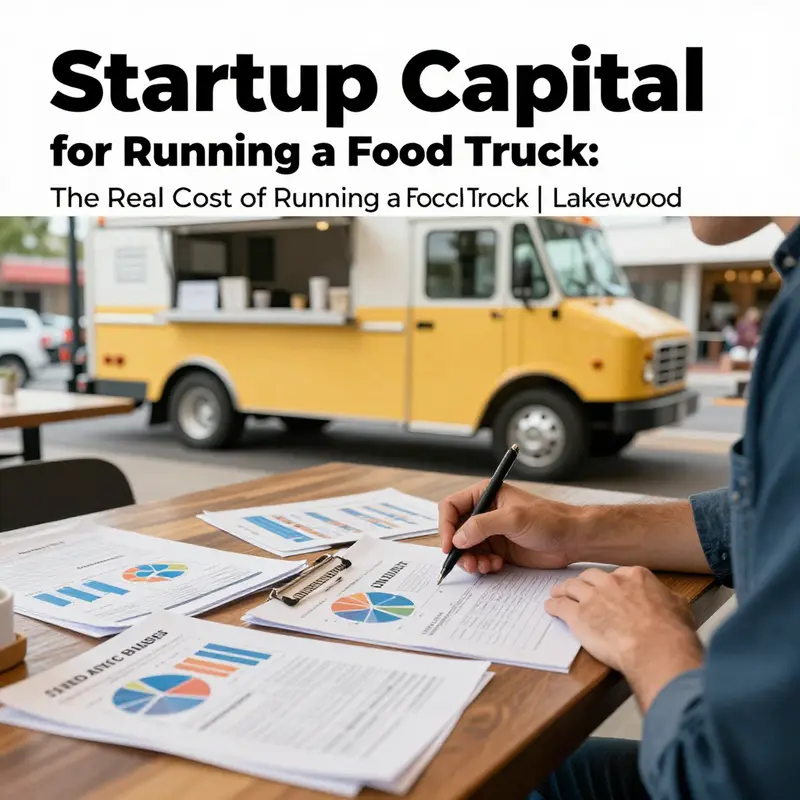
Starting a food truck often hooks people with the vehicle’s allure—the rolling kitchen, the sizzle, the chance to chase events on a flexible timetable. But the real challenge isn’t just the truck itself. It’s building startup capital that covers everything the operation needs—during the crucial first months and well into the steady routine that follows. The sticker price of the vehicle is only part of the story. A new truck can sit somewhere between seventy-five thousand and two hundred thousand dollars, depending on size, location, customization, and the quality of kitchen equipment and branding. Yet even this range hides the broader cash flow reality. A thriving truck depends on funds set aside for equipment upgrades and maintenance, licenses and permits, comprehensive insurance, branding and signage, initial inventory, and a concerted marketing push that turns curiosity into customers. When you count these areas as a single, interconnected budget, the idea of “startup capital” stops feeling like a one-time expense and starts to resemble a planning horizon that shapes every decision from day one to year one.
The heart of a food truck budget is not merely the sum of line items but the way those items interact. Equipment lists, for instance, determine not just what you can cook but how efficiently you work. Commercial-grade cooking appliances, refrigeration units, storage systems, and serving counters all have a place in the budget, and each category carries its own set of installation costs, electrical and venting requirements, and ongoing upkeep. A plan that neglects any one of these pieces risks bottlenecks that slow service, raise wait times, or force expensive improvisations at the last minute. The prudent approach is to map out a realistic flow—from the moment you unlock the truck to the point where a typical Saturday rush stabilizes—and price each step along the way. In practice, this means budgeting for sturdy equipment that can endure the tempo of back-to-back orders and the wear-and-tear associated with mobile service.
For those who want a tangible frame of reference, the cost of the upfront truck is only part of the equation. The broader budget should factor in the cost of permits and licenses, which vary by city and state but share a common theme: compliance. Health department permits, business licenses, and local vendor permissions establish the legal runway for operation. These fees may seem straightforward at first glance, yet they can carry renewal cycles, inspection fees, and occasional re-permitting if you relocate to new events or markets. The budgeting mindset, therefore, embraces flexibility alongside compliance. A disciplined forecast anticipates both the regular renewal costs and the unpredictable one-off charges that sometimes appear as regulatory updates or new event requirements.
Insurance is another cornerstone—the buffer that keeps a small business from becoming a casualty of a single mishap. Liability coverage protects against claims arising from injuries or damages, while property insurance guards the truck and its equipment against theft, fire, or weather-related damage. If you expand to hire staff, workers’ compensation becomes mandatory in many jurisdictions, adding another line item to the annual premium. The numbers vary, but a common pattern is that insurance sits in the mid-to-upper range of annual costs for a new operation. Planning for this annually ensures that a cash kitty exists not just to acquire coverage but to renew it without compromising day-to-day operations.
Branding and the customer-facing face of the business are more than cosmetic choices; they are investment in year-round visibility and trust. A well-equipped truck deserves a design package that communicates your concept clearly—from a cohesive color palette to legible signage and a simple, memorable font for your menu. Even modest branding elements—custom paint touches, signage that highlights daily specials, and staff uniforms that project professionalism—contribute to a perception of reliability and quality. When budgeting branding, think of it as an investment that returns value through higher pull at events and faster recognition in markets that see frequent turnover. This is where a thoughtful allocation can pay dividends in the long run, especially as you scale to multiple events or even expand to a second trailer in the future.
The kitchen’s lifeblood, of course, is inventory. The initial stock of ingredients and serving supplies must be adequate to launch without starving the business of cash flow, yet lean enough to protect against waste, spoilage, and overstocking. The cost of goods sold will ebb and flow with the menu, the season, and the local appetite. A cautious plan reserves cash for an initial inventory that covers the expected demand for the first week or two, plus a buffer for contingency orders, delivery delays, or last-minute event additions. The discipline here is to forecast with enough conservatism to avoid a mid-week stockout while refraining from tying up too much capital in perishables that could spoil.
Marketing is not optional, even in a market crowded with options. A launch plan that allocates a dedicated budget for social media promotion, weatherproof flyers for local markets, and light but targeted sponsorship at events can convert curiosity into customers. The goal is to create a predictable cadence of visibility that aligns with your food concept and weekly schedule. A well-timed push—such as highlighting a signature item, offering a limited-time special, or partnering with a community event—can extend the effective life of your initial inventory by driving faster turnover. In practice, marketing budgets should be designed to kick-start momentum in the first two to three months and then transition to a steady, sustainable level that supports ongoing events and promotions.
Hidden or variable costs deserve explicit attention. Parking fees at high-traffic events, particularly in busy urban markets, can add up quickly. Seasonal fluctuations in ingredient prices, if your menu relies on a relatively short list of core items, can force you to adjust pricing or tweak your recipe slightly to maintain margins. Maintenance and repairs—ranging from routine preventative work to the possibility of a major repair—also ride in on the back of the calendar. These costs are less predictable than rent and utilities and therefore require an allocated contingency. A prudent startup plan includes a reserve for unexpected repairs, a small but reliable fund to cover unplanned maintenance, and a mechanism to adjust operations if a single event reveals a recurrent issue.
All of these strands come together in a budgeting framework that makes startup capital meaningful, not mystifying. The simplest way to start is to separate the journey into three scales of ambition: a tight budget, a balanced budget, and an aspirational budget. In the tight scenario, the focus is on essential equipment, lean branding, minimal marketing, and a cautious inventory. The balanced plan expands the kitchen layout, adds a broader branding package, and introduces a modest marketing budget to drive early traction. The aspirational scenario anticipates a more robust equipment lineup, a stronger branding engine, and an aggressive marketing plan that aims to secure frequent, high-visibility events. Across all three paths, the core principle remains constant: do not treat startup capital as a single mountain to climb, but as a sequence of connected decisions that influence cash flow, pricing, and service quality.
A practical recommendation that echoes industry thinking is to budget for at least ten to twenty thousand dollars beyond the truck purchase to cover initial inventory, staffing, and marketing efforts. This buffer is not a guarantee of profit, but it does create a cushion that reduces the risk of cash crunch during early growth. It’s worth noting that the exact figure depends on local costs, the scale of the menu, and the pace at which events come online. If a truck sits at the higher end of the purchase range, the startup buffer may be correspondingly larger; if the vehicle is closer to the lower end, the buffer can still be substantial by prioritizing inventory and marketing in the right places. The underlying truth remains: startup capital matters most when it aligns with a realistic plan for operations, compliance, and growth rather than simply covering the truck’s price tag.
The process of budgeting is also a process of learning, and a clear, documented plan helps you communicate with lenders, investors, and partners. It’s useful to forecast cash flow month by month for the first six to twelve months, incorporating expected events, seasonal demand, and supplier payment terms. A well-structured forecast shows when cash will be tight and when it will loosen, enabling preemptive action such as negotiating better payment terms with suppliers, staging marketing pushes around high-traffic weekends, or adjusting staffing levels to match demand. It also makes it easier to justify financing decisions, whether you’re exploring a traditional loan, a line of credit, or a structured equipment financing arrangement. The financial discipline you establish in these early stages often becomes the most valuable asset you carry forward—the clarity that keeps you from wandering into solvent trouble on a sparse week, and the confidence to seize opportunities when the market invites them.
Choosing the right truck model can have downstream effects on costs and budgeting discipline. The design of the kitchen, the layout of the prep area, and the space allocated for cold storage all influence purchasing decisions, insurance premiums, and even the speed with which you can serve a crowd. For a guide to models that balance price and practicality for startups, see best food truck models for Lakewood startups. The choice of model affects not only the upfront rate but also ongoing operational costs, including maintenance, fuel efficiency, and the capacity to scale to more events in the future. A careful selection helps ensure that the initial capital you commit translates into durable assets and sustainable performance rather than roadside limbo.
If this sounds procedural, remember that the aim is to fuse strategy with daily discipline. A delicious menu and a charismatic staff can win attention, but a solid budget—anchored in real-world numbers and conservative planning—wins long runs. The numbers you run in your spreadsheet, the assumptions you rest on about event frequency, customer turnout, and supplier terms, all shape the reality you’ll face on the curb. In the end, startup capital is less about padding the gown for a single gala and more about financing the ongoing show—the daily grind of shopping, prep, service, and turnover that makes a food truck not a risky dream but a repeatable business.
To ground the discussion in tangible planning, start with a clean set of assumptions: your truck purchase falls in a target range you’re comfortable with, a realistic first-quarter event calendar is in place, and a modest marketing cadence is scheduled to run through the first season. Then add a 15–20 percent contingency that covers the unknowns—price swings, event cancellations, regulatory shifts, or a portion of a failed marketing effort. The result is a practical, living document you can adjust as you gain experience and as conditions in your market evolve. This is how startup capital becomes a steering wheel rather than a passive error margin—an ongoing guide to decisions about staffing, location choices, and how aggressively you pursue new markets.
In sum, budgeting beyond the truck purchase is about recognizing the interdependence of every cost center and every revenue opportunity. It’s about building a runway that gives your food concept space to mature—from the first sizzling plate to a recognizable brand that local customers seek out week after week. By treating startup capital as a dynamic, multi-faceted plan, you give your venture the best chance to survive the uncertain first season and to flourish as the calendar turns toward a more predictable rhythm. The purchase price of the vehicle is the gateway, not the destination, and the real work of budgeting starts where the wheels meet the road, with licenses secured, insurance in place, branding ready, inventory set, and marketing primed to begin driving customers to the window.
External resource: https://www.shopify.com/indonesia/blog/food-truck-startup-costs-2025
Final thoughts
Understanding the costs involved in running a food truck is vital for both aspiring operators and food enthusiasts visiting Lakewood. From the hefty initial investment to the ongoing operational and hidden costs that can emerge, each aspect contributes to the overall picture of the food truck business. With thorough budgeting and an awareness of potential hidden fees, you’ll be better equipped to succeed in this thriving industry. Whether you’re planning to launch your truck or simply exploring Lakewood’s vibrant food scene, being financially prepared will enhance your experience. Enjoy the flavors, and remember that a little planning goes a long way!