
For aspiring food truck operators in Lakewood and curious tourists looking to enjoy the local culinary scene, understanding the permitting process in Houston is essential. This guide walks you through the steps necessary to check a food truck permit, ensuring that vendors are compliant and that you’re enjoying your meals safely. Each chapter delves into the online searching process, how to interpret permit statuses, direct communication with regulatory authorities, and the important compliance and renewal requirements that keep the food truck community thriving. So, let’s embark on this delicious journey and make sure you’re all set to taste the flavors of Lakewood’s finest food trucks!
Verifying Houston’s Mobile Food Permit: An Online Check That Keeps Your Truck on the Road
Verifying a City of Houston food truck permit is less a ritual and more a steady practice of diligence. For operators who want to stay compliant, avoid surprises on busy service days, and protect customers, the online check is the first line of defense. The city maintains both an official permitting portal and a health-specific licensing system, and understanding how to use each one can save time, prevent miscommunications, and provide a clear record when audits or inspections occur. The aim here is not just to locate a permit but to understand what the status means, what documentation is required, and how to act quickly when a renewal or inspection is due. The process centers on accessibility and accuracy, allowing a truck owner or a prospective operator to confirm that the vehicle you plan to operate, or already operate, is properly registered and meets the city’s standards for health, safety, and sanitation.
To begin, you should visit the official health and licensing portals that Houston uses to manage mobile food operations. The City of Houston directs users to the Houston Health Department’s Health and Human Services portal for food service licensing and to the Houston Permitting Center for broad permit management. The distinction matters: health licensing covers the sanitary and compliance aspects of operating food service from a mobile unit, while the permitting center handles broader administrative tasks tied to location, business operations, and code compliance. A practical approach is to start with the health-focused portal, then cross-check against the general permits database if you need a broader view of a business’s standing with the city. The official health-focused entry point you’ll want to use is the Houston Health Department’s Food Service Licensing & Permits page, which hosts the permit lookup tools you need. This portal is meticulously maintained to reflect current conditions—active licenses, expirations, and any active health or compliance notes tied to a specific mobile vendor.
The search experience is designed to be straightforward yet informative. The main entry is the Permit Lookup or Check Permit Status section within the Houston HHS food service licensing area. You can search by several identifiers to locate the correct record, which is essential because the city’s database can contain multiple entries for a single operator if there are several trucks, different business names under one owner, or related but distinct licenses for a single physical unit. In practice, you will be prompted to enter one of the following: the business name of the food truck, the permit number if you have it, or the licensee’s name. The system accepts these fields because it recognizes that operators often track their permits in different ways, depending on when the business started, whether it has changed ownership, or if a new vehicle has joined an existing fleet. After you submit the search, the results page provides a crisp snapshot of the permit at a single glance. You will see the current status—whether it is active, expired, or pending—as well as the expiration date and any notes that indicate required inspections or outstanding compliance issues. This clarity is what makes the online check so valuable: it gives you a quick read on the health of a permit without digging through paper files or making a phone call.
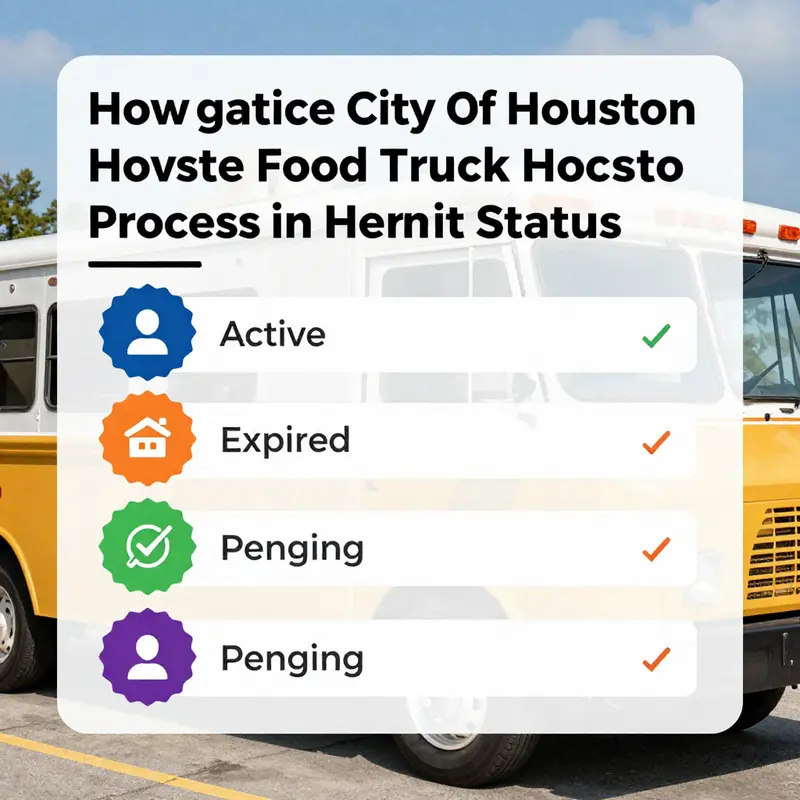
The status categories you encounter are more than labels; they signal the next steps you must take to stay in good standing. An active permit means the vehicle is legally authorized to operate, provided that all required inspections have been completed and documented. An expired permit signals that renewal is due or overdue, and it may come with conditions such as completing a current health inspection, updating insurance documentation, or submitting updated equipment manifests. A pending status often means an application is under review, perhaps for renewal, name change, or a modification to the permit type. In any of these cases, the permit lookup results will usually display the expiration date and any conditions or violations associated with the record. This is not just a bureaucratic formality; it is a practical barometer for daily operations. A licensee who keeps a close eye on expiration dates and inspection results can plan service stops more reliably, avoid last‑minute permit holds, and align maintenance schedules with regulatory expectations.
If the lookup does not locate your permit or you have questions about a result, the system explicitly recommends contacting the Houston Health Department—Food Service Inspection Division. The contact details are straightforward and designed for quick follow-up: a phone line and an email address that connect you with staff who handle licensure, inspections, and compliance inquiries. Reaching out is especially prudent when you have unusual circumstances, such as a recent change of ownership, a shift to a new location, or discrepancies between what you believe to be true about a permit and what the portal shows. The city’s process is built to be transparent, but it does rely on accurate inputs and timely updates. If you suspect an error in the data, you should provide clear identifiers—your permit number if you have it, the exact business name as it appears on the license, and the licensee’s name as registered with the city. This helps the staff locate the record quickly and verify the information against their internal systems.
Another layer of practical wisdom is to understand the documentation that commonly accompanies a mobile food vendor permit. The portal itself often references required attachments and the steps for renewal. Among the core documents the city typically requires are proof of liability insurance, evidence of compliance with kitchen equipment standards, and confirmation that the truck meets health and sanitation requirements. These elements are not mere formalities; they are the city’s way of ensuring that the food truck, as a mobile operation, maintains a consistent standard of safety wherever it sets up. The renewal cycle, often annual, reflects ongoing obligations that protect both the public and the operator. Keeping these documents up to date and readily accessible makes the renewal process smoother and reduces the risk that a renewal is delayed because a key document is missing or out of date.
It is worth noting that the lookup tools aren’t a substitute for the broader knowledge one accumulates over time. While they grant visibility into the permit’s status, they don’t replace the need to stay current with health inspections and compliance notes. If the status indicates an upcoming or overdue inspection, you should schedule the inspection as soon as possible and verify that the vehicle’s sanitation practices align with the department’s expectations. This alignment is not only about passing an inspection; it is about fostering a consistent, safe operation that earns customer trust and minimizes disruptions to service. The city’s emphasis on inspections also helps operators identify and address issues before they become costly or reputational problems. When you approach the process with a proactive mindset, the online lookup becomes a powerful planning tool rather than a reactive check after a problem arises.
For operators who want to situate the permit process within a broader view of city requirements, the permitting portal offers a parallel track. While the health department clearly anchors the food safety standards, the Houston Permitting Center provides access to the broader permit landscape—business licenses, location-based approvals, and other regulatory requirements that interact with mobile food operations. A holistic perspective helps a vendor anticipate not just health inspections, but also zoning, fire safety, and permits related to temporary or recurring street locations. In practice, this means using both portals in a coordinated way. The health portal confirms that the food service license is current and compliant with sanitation standards, while the permitting portal confirms the truck’s business and location statuses in the city’s regulatory ecosystem. The combined view is especially useful when planning new markets, expanding to new districts, or coordinating with event organizers who require up-to-date regulatory documentation.
One practical practice to embed in routine operations is to bookmark the health portal’s permit lookup page and set reminders for renewal dates a few weeks before expiration. Because permits are typically renewed annually, a calendar alert tied to the expiration date ensures you don’t miss a renewal window. It also creates a buffer period during which you can gather any supplemental documents that may be needed—insurance certificates, updated menu items requiring new notes on sanitation, or revised equipment compliance forms. Keeping a well-organized digital folder with current licenses, inspections, and insurance avoids last‑minute scrambling and reduces the risk of service interruptions. In the modern mobility model, where a truck might serve several neighborhoods and events each week, the difference between a smooth renewal and a delayed one often comes down to disciplined record-keeping and timely checks.
The value of the online check extends beyond the present moment. When potential clients or event coordinators ask for proof of compliance, having a current, verifiable permit status can accelerate negotiations and build credibility. The city’s portal is designed to provide that clarity in an auditable format, which can be shared with partners, landlords, or municipal organizers as needed. As a practical matter, you can print or export the search results as a quick reference, but always verify that any shared document reflects the most up-to-date information at the time of the request. If you have recently renewed or updated a permit, rechecking the portal a few days after the update reduces the risk of circulating outdated information.
For readers seeking additional context on how local communities support mobile eateries, a broader view of the industry’s vibrancy can be helpful. Community-focused coverage and event guides often highlight how permit readiness intersects with local markets, festivals, and pop-up venues. If you’re exploring partnerships or expansion ideas, a helpful item to review is a guide to coordinated events and rallies that showcases the practical side of operating within a city’s regulatory framework. To illustrate how related content can enrich your planning, consider exploring a resource that chronicles the 2026 best food truck rallies in Lakewood, which, while not Houston, demonstrates the kind of public-interest coverage and logistical planning that overlaps with Houston’s own showcase opportunities. You can read that overview here: 2026’s best food truck rallies in Lakewood.
In closing, the core takeaway is simple: the online permit lookup is a practical, reliable tool for verifying a Houston mobile food operation’s legality and readiness. By understanding what the portal shows, you can act decisively to renew, rectify, or verify the license status, align with required inspections, and maintain up-to-date documentation that proves your commitment to public health and city regulations. The cycle of verification—check, verify, renew, and recheck—becomes part of the daily rhythm of operating a food truck in Houston. The more consistently you apply that rhythm, the smoother your routes, the steadier your inspections, and the longer you can keep your business on the road without unnecessary delays. For further official guidance and direct access to the licensing and permit resources, consult the Houston HHS – Food Service Licensing & Permits page, which provides the authoritative basis for these checks and renewals. External resource: Houston HHS – Food Service Licensing & Permits.
Tracking the Pulse of Houston’s Mobile Kitchens: A Practical Guide to Checking City Food Truck Permits
The city of Houston treats the food truck as a mobile workspace that must meet the same standards as a brick-and-mortar restaurant, only on wheels. For operators, customers, and event coordinators, knowing the status of a food truck permit is not a convenience—it is a safeguard. The permit status tells a story about who is allowed to serve food in public spaces, whether the operation has passed required health inspections, and when that authority must be renewed. In Houston, the mechanism for reading that story is a digital-first interface designed to keep information current and accessible to anyone who needs it. This is not a hidden registry tucked away in a corner of city hall. It is a live, online portal that reflects the city’s commitment to transparency and public safety while reducing the friction that once came with paper forms and in-person verification. As you approach the task of checking a permit, think of it as a quick, good-faith check that empowers responsible operation and informed choice, rather than a bureaucratic hurdle to be endured. The steps are straightforward, and the system is built to reward operators who stay engaged with their own compliance, even long after the initial permit has been issued.
The starting point is the city’s health and permitting ecosystem, a framework that aligns health oversight with the permitting workflow. In practical terms, this means two linked portals—the one hosted by the Houston Health Department and the broader permitting portal that governs many types of licenses and certificates. For a food truck, the most immediate and relevant information lives in the health division’s domain, specifically under the sections that handle food service permits and mobile food vendors. While the exact navigation paths may evolve with software updates, the core logic remains stable: search, verify, and interpret the status, then take any recommended next steps if required. It helps to approach the process as a simple three-part conversation with the city’s records: who is operating, what permit covers that operation, and what the current status says about its legitimacy and activity.
To begin, open the official Houston health portal dedicated to food safety and permitting. The city’s health documentation emphasizes the online presence as the primary channel for establishing and maintaining permit status. Within this digital space, operators can search for permits using information they already know about the business. Entering the search field with a business name, a permit number, or a license ID will typically yield a concise results list. The system is designed to recognize variants of the business name and to return all relevant records associated with that entity. If you are a manager, a partner, or a curious customer, you may already know the exact permit number; if not, a name-based search often suffices to locate the correct record. The search tool is not just a finder; it is a reader of the permit’s lifecycle, and the results are meant to be read in plain language rather than in legal shorthand. Each line of the results usually lists the permit type—such as Mobile Food Vendor or Food Truck Permit—so there is no ambiguity about what document you are viewing. In the case of a mobile operation, the permit type panel may be labeled in a way that reflects the mobile or temporary nature of the enterprise, distinguishing it from a stationary restaurant’s permit.
Once the search results appear, the current status is the central piece of information. The city communicates status in clear terms: Pending, Approved, Active, Expired, or Revoked. These labels aren’t cosmetic; they indicate where an operator stands on regulatory expectations at that moment. A status of Pending signals that the application or renewal is still under review. Approved and Active convey that the permit has met the required criteria and is currently in effect, allowing the truck to operate, subject to any stated conditions. Expired means the permit has lapsed and requires renewal processes to resume before the truck can legally operate again. Revoked is the most severe status, signaling that the permit has been withdrawn, often due to non-compliance, failed inspections, or other regulatory actions. Alongside the status, the portal typically displays expiration dates, which act as a reminder of when the operator must re-certify or renew. These dates are crucial for prevention; a simple lapse can trigger fines or enforcement actions if the truck continues to operate without a valid permit.
Beyond status and expiration, the search results commonly present an inspection history. This is where the city’s oversight lines up with practical risk management. Health inspections are the city’s way of verifying that the kitchen setup on the truck—that is, the equipment, the sanitation practices, the storage of potentially hazardous foods, and the general cleanliness—meets established health standards. An operator can review past inspection dates, findings, and any corrective actions that were required. A clean inspection history within the most recent cycle is a strong signal of ongoing compliance; conversely, repeated deficiencies or a recent citation may indicate that more attention is needed before the permit remains active. In this way, the permit status is not a single snapshot but a thread that connects licensing to safety, training, and continuous improvement.
For those who are actively operating a mobile food business, or who are evaluating a potential partner for a festival, market, or concession arrangement, the information you obtain from the portal supports a number of practical decisions. First, you can confirm whether a particular truck is currently authorized to operate in Houston. This is especially important when booking events, planning routes, or coordinating with event organizers who require proof of valid permits. Second, you can anticipate renewal requirements. Permits in Houston typically renew annually, and renewals may require updated documentation, such as proof of liability insurance and confirmation that kitchen equipment remains compliant with safety standards. Knowing the expiration date in advance helps avoid last-minute scrambles and mitigates the risk of operating with an expired permit, which can bring about fines or the temporary shutdown of operations during inspections. Third, by reviewing the inspection history, operators can identify trends in their own compliance performance or address recurring concerns raised by inspectors. In short, a thorough read of the permit record can guide operational adjustments that keep the business in good standing and prevent disruptions that might arise from regulatory gaps.
The digital-first shift that Houston has embraced since 2026 has been a turning point for both clarity and efficiency. Paper applications, once the default for new permits and renewals, are no longer the standard path for mobile food vendors. The online portal is now the primary channel for applying, updating information, and monitoring status. This shift reduces processing delays inherent in manual pipelines and gives vendors real-time visibility into the lifecycle of their permits. For operators, this means a more predictable rhythm of compliance activities, better synchronization with health inspections, and a smoother overall experience when it comes to staying current with licensing. For the public, it means easier access to accurate, up-to-date information about who is operating in the city and under what conditions. This transparency is not merely administrative; it underpins trust between vendors and customers, event organizers, and the broader community that depends on safe street-level food experiences.
If the portal reveals any gaps—such as a status of Pending or Expired—the next steps are usually straightforward but important. For Pending statuses, the operator should review any outstanding items in the application or renewal package. This may include updating business information, submitting proof of insurance, or providing additional documentation related to equipment compliance. The health department’s reviewers look for completeness and adherence to standards, and timely submission often accelerates the decision. For Expired statuses, the operator must initiate renewal, ensuring that all required documents are current and that any inspection holds have been satisfied. It is common for the renewal process to trigger a new round of inspections or equipment verifications, particularly if standards have evolved since the last active permit. For a Revoked status, the path back to legitimacy will usually require engagement with the Food Service Inspection Division, a careful review of the reasons behind the revocation, and a structured plan to meet or correct the deficiencies before permission to operate is restored. In these scenarios, direct contact with the division—via phone or email—becomes essential. The city provides these channels precisely so operators can obtain clarity on the specific steps needed to reconcile issues and progress toward reinstating an active permit.
A practical mindset for navigating this landscape is to treat the permit record as a living document rather than a one-time certificate. The document embodies a contract between the city and the operator: if the operator meets ongoing health and safety expectations, the permit remains active; if not, the city intervenes. From a business perspective, this means building a routine around permit stewardship. The operator can set reminders for renewal dates, schedule annual inspections ahead of time, and keep a centralized file with current liability insurance and equipment certifications. This proactive approach helps avoid the stress of last-minute renewals, which can ripple into staffing challenges, event cancellations, and reputational risk. The best operators integrate permit stewardship into their standard operating procedures, treating compliance as an integral part of food safety, brand integrity, and customer trust.
When seeking additional guidance beyond the live portal, the Houston Health Department’s Food Service Division remains a reliable ally. If you cannot locate a permit record online, or if you encounter ambiguous results, a direct inquiry can resolve most questions quickly. The division’s staff can verify permit numbers, clarify the current status, and provide any missing documentation that might be necessary for ownership or event logistics. Reaching out by phone to the appropriate contact channel or sending a clarifying email with the permit number and business name typically yields a prompt, precise response. The city encourages this level of engagement precisely to prevent miscommunication and to ensure that all parties have an accurate understanding of licensing requirements and compliance expectations.
For operators who are new to Houston or who are managing multiple mobile units, it can be helpful to think of the permit system as a network of linked checks and balances. The permit status you see on the online portal reflects not only the health department’s inspections but also the licensing posture of the city-wide permitting ecosystem. Understanding this broader context can demystify the process and reduce anxiety about regulatory friction. It also illuminates the relationship between the permit and the practical realities of running a food truck in a dense urban environment: the vehicle must comply with parking and fueling requirements, the kitchen equipment must be certified, and the crew must follow sanitation protocols that are consistent with state and city guidelines. The portal stitches these threads together by presenting a consolidated view of the rules that apply to mobile food vendors and the actual state of compliance as measured by inspections and renewals.
For event organizers and those evaluating potential collaborations, the permit status is a quick, reliable filter. A truck with an active permit and a clean inspection record signals readiness to participate in a city-wide event, a farmers’ market, or a pop-up night without creating avoidable regulatory risk. Conversely, a permit showing an overdue renewal or a recent enforcement action may suggest the need for further due diligence before committing resources or including the vendor in a curated line-up. The goal, from an event planning perspective, is to ensure reliability and safety, both of which are anchored in the precision of the city’s permit data. The online status check is the most efficient first step, allowing planners to confirm basic eligibility before requesting documentation or scheduling site visits.
In summary, checking the City of Houston food truck permit status is a straightforward, predictable process, grounded in the city’s commitment to public health and regulatory clarity. The online portal gives you a snapshot of whether a truck is allowed to operate, what its current authorization covers, and how well it has met health inspection standards. It also signals when action is needed—whether that means submitting an updated certificate of insurance, scheduling the next inspection, or initiating the renewal process before the old permit lapses. By embracing this digital-first approach, operators protect their business, cities uphold safety standards, and customers gain confidence in the vibrant, diverse street-food landscape that makes Houston unique. The system rewards proactive management with smoother operations and fewer disruptions, and it invites everyone involved to participate in a transparent process that keeps mobile food service aligned with the city’s health commitments.
If you would like to explore the official guidance directly, you can refer to the Houston Health Department’s food service permits page for the most up-to-date, authoritative information on requirements, processes, and contact options. For broader context about the city’s permitting framework, you may also review the general permitting portal, which governs a wide range of licenses and approvals that mobile vendors may encounter during their business lifecycle. These resources together form a complete map of how Houston ensures that the food on wheels remains safe, compliant, and ready to serve the communities you drive to feed.
External resource: For official guidance and the latest details, visit the Houston Health Department’s Food Service Permits page: https://www.houstontx.gov/health/food-service-permits.html
Tracking Houston’s Mobile Food Permits: A Practical Guide to Checking Status and Navigating Regulatory Contacts
When a city grows into a city of neighbors with a shared craving for vibrant street cuisine, the people who keep those meals safe and properly licensed become invisible in the best way: behind a steady system, efficient meters, and quick online checks. For anyone who operates or plans to operate a food truck in Houston, understanding how to check the status of a city permit is not just a bureaucratic hurdle; it is a practical skill that keeps operations compliant, protects customers, and gives a clear signal about what stage a business is in. The core truth is simple: Houston’s permit framework for mobile food vendors sits at the intersection of the city’s permitting portal and the health department’s regulatory oversight. The two work in tandem to ensure that every truck on the curb has passed the necessary health inspections, carries the correct mobile food vendor permit, and respects local zoning and location requirements. The most reliable way to begin is to orient yourself to the official channels, then use the right tools to pull up current information about a permit or to begin the process of obtaining one if you are starting a new venture.
The first step in the practical checking process is to visit the official permitting portal. The City of Houston maintains a centralized site where you can search for active permits, pending permits, and past permits across different categories. In the search tool, you can filter by several fields to locate a specific permit: the business name, a permit number, the owner’s name, or the physical address of the operation. When you look for a mobile food vendor item, you should see an option to select the permit type as either “Food Truck” or “Mobile Food Vendor” if the system uses those labels. The search results will present a concise snapshot of each permit, including its current status—whether it is active, expired, or pending—the expiration date, and any notes related to inspections or compliance. The value here is not just the current state but the ability to anticipate renewals and to verify whether a truck has met the minimum health and safety expectations.
As you read the results, take note of several details that offer a fuller picture of compliance. An active status indicates the permit is currently recognized by the city as valid for operation, provided that ongoing health inspections and any required location permits remain in good standing. An expired permit is more than a timestamp; it flags a potential lapse in operations and a risk of fines or enforcement actions if the truck continues to operate. A pending status can indicate that an application is under review or that certain conditions must be met before approval. The expiration date is not just administrative trivia; it is a reminder to plan ahead for renewal and to prepare the documents needed for the next cycle. In some cases, the results may also list the required inspections or compliance notes that the operator must address before renewal or approval can be granted. These bits of information are essential for a realistic schedule of inspections, equipment checks, and staff training.
If the online search proves insufficient or a particular permit cannot be found, Houston offers direct avenues for assistance. The city’s health-focused departments maintain lines of communication to help applicants and operators verify records or resolve discrepancies. For permit-specific inquiries, you can contact the Houston Health Department’s Food Service Inspection Division at a dedicated phone number. If you call and the person answering helps you locate a permit or explains what the status means, you gain both clarity and a path forward to compliance. The broader public health authority behind mobile food vendors is the Environmental Health Division, which oversees food safety standards and the permitting processes for mobile vendors. Reaching out through these channels can be especially important if you are verifying a permit for a truck you already operate or if you are preparing to apply and want to confirm the exact documents required before submission.
In Houston, the practical details of checking a permit extend beyond a single portal and into the real-world responsibilities of operators. All mobile food vendors must secure a valid Mobile Food Vendor Permit, and like any health-related permit, this status is tied to routine inspections. The city’s approach recognizes that a permit is not a one-time approval but a living credential that must be maintained through ongoing compliance. Inspections, for example, are a core component of maintaining status. They assess critical elements such as temperature control, safe food handling practices, sanitation, and the proper maintenance of equipment. A truck may pass an initial health inspection, but if any equipment fails or if sanitation practices drift over time, the permit record will reflect those issues and prompt corrective actions. This ongoing relationship between inspection results and permit status is what keeps real-time checks meaningful for vendors, their staff, and customers who rely on safe, regulated street food.
For those who are launching or expanding a mobile food business, the permitting and compliance journey includes application steps as well as ongoing maintenance. The process typically begins with submitting a formal application through the City of Houston’s health and permitting channels. Applicants must provide documentation that demonstrates the vehicle’s readiness and safety to operate in a food service capacity. This documentation often includes proof of liability insurance, evidence of kitchen equipment that meets safety standards, and other equipment conformity attestations. After submitting an application, there are fees to pay and a process to complete, which can involve inspections by the Environmental Health Division. Once the truck passes the health inspection, the city issues the Mobile Food Vendor Permit. Customers, drivers, and business partners can all gain confidence from that permit’s existence and from the fact that it is tied to a schedule of inspections and renewals that must be kept up.
A fundamental element that operators must keep in mind is the renewal cycle. Permits are typically renewed on an annual basis, but the exact timing can vary, and renewal may require updated documentation or proofs of ongoing compliance. The renewal process is designed to ensure that a truck remains in good standing with respect to both health standards and local regulations. If a permit lapses, the operator is at risk of losing the right to operate in the city until the renewal is completed and the truck passes any required inspections. This is why proactive checks of the permit status, even when a truck appears to be operating normally, are essential practices for owners and managers who want to minimize downtime and avoid penalties.
For any operator who is evaluating the path to obtain a permit, a careful review of the official permit guidelines is worth the investment of time. The health department’s mobile food vendor guidelines lay out the exact documents required for the application, the steps for submitting those documents, the schedule for inspections, and the associated fees. These guidelines sit alongside the city’s general permitting information, which may address zoning considerations and location-related requirements. A pivotal distinction to understand is that in Houston, health permits and location-related permissions can intersect. If a truck intends to operate in certain public spaces or on private property in public-facing contexts, a location permit may be necessary in addition to the mobile food vendor permit. A comprehensive approach to compliance reduces the risk of surprises at inspection time or during permit renewal and helps operators avoid the friction that comes with noncompliance.
The practical reality of managing these approvals in Houston is that the authority for mobile food vendors resides within two complementary streams: the city’s online permit search tool and the Houston Health Department’s Food Service Inspection Division. The online search tool provides a quick, public-facing snapshot of permit status, while the health department provides the deeper information about the process, documentation, and inspection procedures. Together, they form a reliable blueprint for staying up to date with current status and for planning the steps required to obtain or maintain compliance for a mobile food operation. When you combine the portal checks with direct outreach to the appropriate department—you can usually verify the status, confirm any outstanding items, and understand what is required next. It’s this combination of digital transparency and human guidance that makes Houston’s system navigable rather than opaque.
An important note for readers who are curious about broader industry perspectives is to consider adjacent insights about the operational side of running a mobile food venture. A practical angle on the business models and layout choices for trucks can be found in industry-focused content that examines how operators design their fleets, choose equipment, and plan for growth. For a broader, grounded view on mobile operation that complements the regulatory material, you can explore perspectives from related articles such as the piece on best-food-truck-models-for-lakewood-startups. This internal reference provides a frame for understanding how equipment decisions and layout considerations interact with permitting and health compliance. It’s a useful reminder that the regulatory process sits inside a larger business ecosystem where design, efficiency, and safety converge on the street. best-food-truck-models-for-lakewood-startups
As you navigate the process, you’ll also want to keep a mental map of the key people who can help you resolve questions quickly. When you cannot locate a permit in the online portal or when you need specific guidance about an inspection item, contacting the right office can save days of back-and-forth. The Houston Health Department’s Environmental Health Division is the lead for food safety and mobile vendor permits. If you need a direct conversation about the permit status or about what documentation you need for a new application, you can call the Environmental Health Division. If you have a broader question about which division handles a particular aspect of mobile food operations, the health department’s main site provides pathways to the right specialists and forms. The city’s online portal also includes contact information and often a helpful FAQ section that clarifies common points of confusion, such as whether a particular piece of equipment qualifies as compliant or whether a certain operation location requires a separate permit.
For anyone who wants to verify a permit outside of the online search, or for those who need more personalized assistance, here are two practical options. First, you can reach the Houston Health Department’s Food Service Inspection Division by phone during business hours to discuss a specific permit record or to request a formal copy of the permit. Second, you can visit the Environmental Health Division in person at their Houston office location, where staff can review records, discuss inspection history, and help prepare you for any upcoming inspections. These in-person interactions can be particularly valuable for new operators who are building a compliance checklist and want to see the physical documents that accompany the permit.
In terms of practical day-to-day compliance, the most dependable approach is to maintain an organized set of records that you can reference during inspections and renewals. Keep your permit number in a visible place on the truck, maintain current proof of liability insurance, and retain documentation of equipment certifications and inspections. Regular self-audits are a smart habit: verify that your health inspection dates align with your operational calendar, confirm that your license and registration are current, and check that your location practices conform to the city’s zoning and public space rules. The city’s systems are designed to reflect this shared responsibility—operators must keep their records accurate and up-to-date, while inspectors verify safety and compliance on a scheduled basis. With both sides aligned, the permit status will consistently reflect the truck’s actual readiness to operate.
The city’s official resource hub emphasizes that the most accurate and up-to-date information comes from the official city website and the health department’s pages. When in doubt, use the online permitting portal as your first stop, then call the appropriate department if you encounter gaps or discrepancies. The portal’s search results will guide you to the relevant permit record and its latest status, and the health department’s guidelines will provide the exact requirements for applications, amendments, and renewals. This two-pronged approach—digital verification supported by direct departmental guidance—offers a reliable path to staying compliant without becoming mired in bureaucratic friction.
Finally, keep in mind the practical, human side of permit checks. A well-managed permit status is not just a checkbox on a list; it’s a signal to customers that your operation adheres to health and safety expectations, to partners that you are a reliable, compliant business, and to the city that your fleet is integrated into the local regulatory ecosystem. In Houston’s environment, where mobile vendors add to the city’s diverse and dynamic food landscape, a disciplined approach to monitoring permits and inspections serves not only the letter of the law but also the trust and safety of the community you feed each day. The process may feel meticulous at times, but it is a foundation for sustainable operation and for the continued vitality of Houston’s thriving mobile food scene.
For official guidance and the most current information, always refer to the official City of Houston resources and the Houston Health Department’s pages. These sources provide the definitive instructions for compliance, the exact steps for applying or renewing, and the contact channels that can help you resolve any ambiguities quickly. If you are new to Houston’s mobile food ecosystem, approaching the process with patience and a clear plan will pay dividends as your business grows and your permit status remains robust. In the end, the permit is less a barrier and more a signal of readiness: a green light that your truck meets city standards and can confidently serve the neighborhoods that rely on its service.
External resource: For official guidance and the most up-to-date information, see the City of Houston Health Department’s mobile food vendors page: https://www.houstontx.gov/health/food-and-beverage/mobile-food-vendors.html
Charting the Permitting Path in Houston: Verifying Food Truck Permits, Compliance, and Renewal
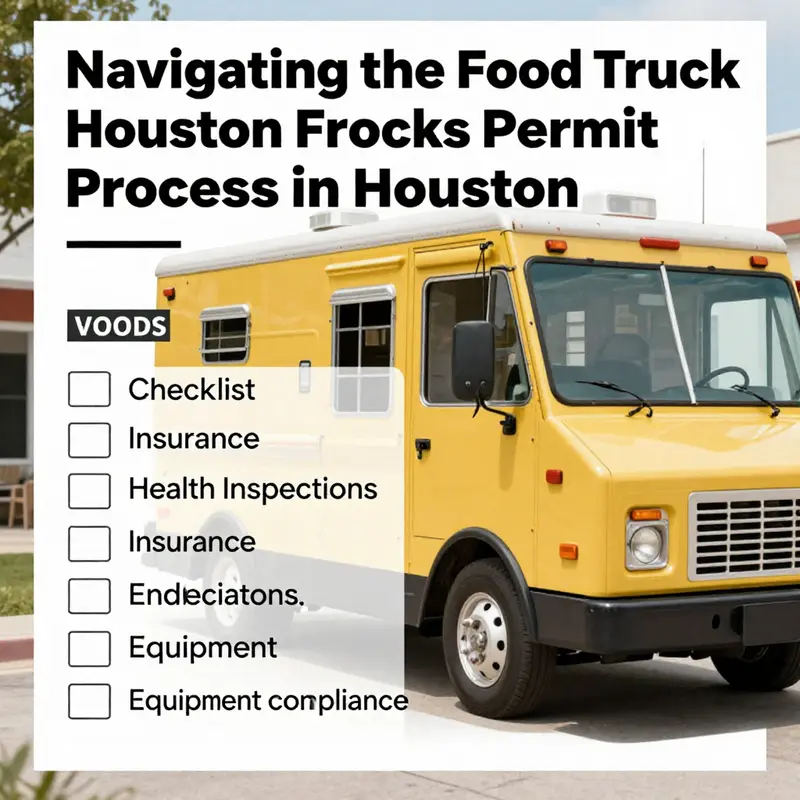
In Houston, a city renowned for its dynamic street-food scene, the permit system is more than a formality. It is a living framework designed to protect diners, empower operators, and ensure that every mobile kitchen meets clear health and safety standards. The process of checking a food truck permit, understanding its status, and planning for renewal is best understood as a continuous cycle rather than a one-off task. A successful operator treats permit verification as a regular part of daily operations, a habit that allows food trucks to run smoothly without interruptions and customers to enjoy consistent quality. The practical steps to check a permit begin with a deliberate visit to the city’s official channels. Houston’s permit landscape is maintained by two closely connected yet distinct entities: the health department responsible for food service oversight and the permitting center that handles administrative and licensing aspects. The most reliable entry point is the city’s official website, where the search tools and guidance are kept up to date. You can start by navigating to the primary permit portal and locating the permit search tool. From there, you will see fields designed to accommodate different search criteria: business name, permit number, owner’s name, and location. The design is intentionally flexible because food-truck operators can approach the search with different known data points. If your goal is to confirm a mobile food vendor permit, the interface typically allows selecting the permit type as either “Food Truck” or “Mobile Food Vendor” if those designations are available. This categorization is not merely bureaucratic; it reflects the city’s recognition that mobile operations require specialized considerations compared to fixed storefronts. A straightforward search yields results that display not only whether a permit is active but also its expiration date and any conditions tied to it. You can expect to see indications such as active, expired, or pending status, along with notes about required inspections or compliance reminders. This is where the check becomes meaningful: a current status is the first signal that a truck is permitted to operate, while the expiration date serves as a built-in reminder to prepare for renewal before the clock runs out. The value of these online tools lies not only in confirming current status but in revealing the concrete steps left for compliance. For example, a result might indicate that a health inspection is due or that a particular piece of equipment must be updated to meet sanitation standards. The clarity of these notes helps operators forecast their maintenance schedule, budgeting for inspection fees, and aligning with any corrective actions requested by inspectors. If a search does not return a result for a truck you know is on the road or planned to begin service, the path forward is to reach out directly to the relevant department. The Houston Health Department’s Food Service Inspection Division is the most appropriate contact when the online portal cannot locate a permit or when you need more nuanced information about a specific case. A straightforward phone call to the division’s main line—accompanied by your pertinent details such as the business name, address, and permit number if available—can clarify whether the permit exists, was issued under a different designation, or is tied to a back-end processing issue. If an issue requires written follow-up, emailing the division can provide a documented trail of correspondence that helps avoid miscommunications later. In practice, the ability to verify a permit online and to obtain prompt guidance from the health department reduces the risk of unknowingly operating without a valid permit, a scenario that can carry fines or temporary suspensions. Maintaining clear records is crucial. Operators should keep a digital and physical folder containing the current permit, the health inspection report, proof of liability insurance, the business license, and any other documentation that the city requires. This repository becomes especially valuable during renewal season, when the city’s processes request a consistent set of documents to demonstrate ongoing compliance. The renewal phase, while straightforward in concept, has its own cadence that operators should respect. In Houston, food truck permits are typically issued on an annual basis, which aligns with the city’s overarching health inspection cycle. Renewal is not a generic renewal; it is a reapplication that reflects the evolving nature of a mobile kitchen’s operations. To ensure uninterrupted service, renewals should be completed before the expiration date. A practical rule of thumb is to begin the renewal process roughly 60 days prior to expiration. This window acknowledges the time needed to compile and verify the required documentation, to submit the renewal electronically, and to address any processing fees that may apply. The renewal process is not simply a formality. The city often requires up-to-date documentation that demonstrates continued compliance with safety and sanitation mandates. Typical documents include proof of liability insurance, a current health inspection report, an updated business license, and valid food handler certification for staff. These elements are not arbitrary; together they establish a verified baseline of operational readiness. Inspections stand as a core pillar of Houston’s approach to food safety. The city’s standards emphasize not only the paperwork but the actual conditions inside and around the mobile kitchen. Regular inspections, usually annual, assess critical components of a mobile operation: the design and cleanliness of the galley, proper handwashing facilities, the structure of cold and hot storage, waste disposal practices, and pest control measures. Sanitation is not a single procedure but a comprehensive system that includes waste management, pest prevention, clean water supply, and proper food storage. A well-prepared operator foresees the need for ongoing compliance by maintaining a schedule of preventive maintenance, equipment calibration, and staff training. This preparation reduces the likelihood of last-minute corrections that could disrupt service. It also supports a favorable inspection outcome, which in turn reinforces public trust and helps sustain a vibrant mobile-food economy in the city. The renewal pathway is designed to be navigated online, reflecting the city’s commitment to convenience and efficiency for responsible operators. When you submit a renewal application through the health department portal, you will encounter standard processing steps, which may include a fee. It is important to acknowledge that delays can arise if required documents are missing or if a renewal is submitted after the grace period has closed. In such cases, violations or lapses in operation may occur, potentially resulting in fines or even suspension of service until compliance is re-established. To minimize risk, operators should maintain an active calendar that flags key dates: permit expiration, inspection due dates, and renewal windows, with reminders set well in advance. The practical rhythm of keeping a food truck compliant in Houston combines vigilance with organization. A successful operator treats the permit as a living document—one that must be nurtured with regular check-ins, updated insurance, and timely responses to any compliance notes that appear on the permit’s status page. The narrative of compliance is not about chasing paperwork; it is about building a reliable foundation that supports steady operation and community trust. Even in a bustling market, a well-managed permit portfolio becomes a competitive advantage. When a truck stands ready to renew, the documents come into sharper focus: a current health inspection report that confirms sanitation standards, updated liability insurance that reflects current coverage, and a valid business license that aligns with the city’s licensing framework. The food handler certification for staff remains a consistent requirement, ensuring that every person involved in food preparation or service has demonstrated essential food-safety knowledge. These components, combined with a clean sanitation record and a properly equipped mobile kitchen, signal to the city that the operator is serious about public health and customer safety. An important nuance to keep in mind is that permits and inspections can be more frequent if violations are found. The city reserves the right to adjust inspection frequency in response to performance indicators. Therefore, while you may begin with an annual cadence, the actual rhythm of inspections can adapt to specific circumstances. This adaptive approach underscores the need for proactive management. A single lapse can ripple through the entire operation, affecting not only permits but also public confidence and revenue streams. For operators new to the city, absorbing what is required can feel daunting. However, the experience of many successful mobile-food teams suggests that a disciplined, methodical approach yields predictable results. Start by confirming the permit’s existence and status through the official search tool, and then align your operating practices with the renewal timetable. Maintain your documentation in a consistent format and location so that when renewal time arrives, you can collate everything with minimal stress. If you ever encounter ambiguity in the process, remember that the city’s portals are designed to support you. The search results themselves are a resource, offering not just status but notes on inspections and compliance, which can help you anticipate what auditors will examine next. The case for proactive communication is strong. If a query cannot be resolved online, do not hesitate to contact the Houston Health Department’s Food Service Inspection Division. Clear, concise information exchanged with the right desk can prevent misunderstandings and expedite a resolution. The online ecosystem is complemented by a human element that remains essential in complex cases. In the broader ecosystem of Houston’s food-truck permitting, the two limbs—the health department and the permitting center—work in concert. The permitting center provides structural and administrative support, while the health department enforces safety and sanitation standards. Together, they create a balanced framework that sustains safe, enjoyable street-food experiences across the city. For operators, internal workflows should mirror this collaboration: a regular audit of permits and inspections, a maintenance log for equipment, and a routine staff training schedule. The more consistently these habits are practiced, the more resilient the business becomes. The practical payoff is tangible. A permit that is current and compliant reduces the risk of unexpected shutdowns, protects against fines, and preserves the ability to operate at peak times, including special events and festivals that rely on mobile vendors. It also signals to partners, sponsors, and property managers that you are a credible operator who respects the rules and values public health. For readers who are exploring entry into Houston’s food-truck ecosystem, it can be helpful to widen the frame of reference beyond the city’s immediate demands. Observing how other communities structure their mobile food permits can illuminate best practices, not as a blueprint to copy, but as a source of ideas about how to streamline processes, anticipate inspections, and maintain robust documentation. If you are curious about equipment choices and logistical considerations that often accompany a healthy permit program, consider resources that discuss practical aspects of operating a mobile kitchen. For example, exploring content about the best food-truck models for Lakewood startups can offer insights into how operators think about space, workflow, and equipment layout. Such resources can be read as general guidance on efficiency and design, not as regulatory guidelines. This cross-pollination of ideas helps operators invest in durable systems that support both compliance and growth. To connect these ideas back to Houston’s framework, always anchor your decisions in the city’s official requirements and latest guidance. The official sources provide step-by-step guidance, downloadable forms, FAQs, and contact details for support, ensuring full alignment with city regulations. In short, the path to staying compliant in Houston’s food truck scene is not a single milestone but a continuous practice. It begins with a confident online check of your permit’s status, proceeds through timely renewals and inspections, and ends with the ongoing cultivation of a compliant, well-documented operation. The more intentional and organized you are, the smoother your journey will be, and the more you can focus on the craft of serving good food to a hungry, diverse city. For the most authoritative instructions and forms, consult the Houston Health Department’s Food Service Permits page and the city’s permit portal, where the current rules are published and updated. External resources can reinforce your understanding, but they should never replace the official sources that govern Houston’s mobile-food operations. External resource: https://www.houstontx.gov/health/permits-food-service.html
Final thoughts
Understanding the food truck permit process in Houston makes a world of difference for both aspiring vendors and enthusiastic food lovers. By following the steps outlined in this guide, you’ll be assured that you’re supporting local businesses that operate within the regulations, enhancing your overall culinary journey in Lakewood. Take the time to check permits, engage with local authorities, and stay updated on compliance to enjoy all that Houston’s vibrant food truck scene has to offer!