

As the scent of gourmet tacos and fresh-baked cookies waft through Lakewood’s vibrant streets, the desire to launch your own food truck kitchen becomes a tantalizing dream. Building the ideal food truck kitchen might seem daunting at first, but fear not! We’re here to guide you through each step, from deciphering local regulations to designing a functional layout that maximizes efficiency. Our passionate community of food lovers thrives on diverse flavors, and with this guide, you’ll have the tools to serve up your culinary creations on wheels. Chapter by chapter, we’ll explore how to establish a safe and stylish mobile kitchen, ensuring your vision becomes a flavorful reality.
Regulatory Compass: Designing a Lawful, Efficient Food Truck Kitchen on Wheels
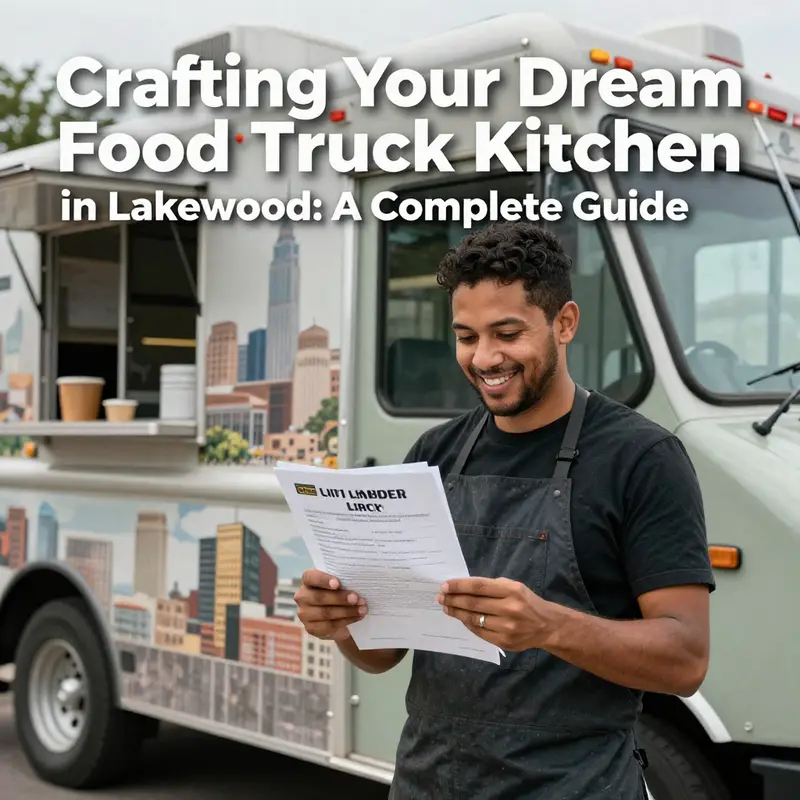
Creating a food truck kitchen begins long before the first panel is cut and the first cabinet is mounted. It starts with a map of rules, a clear sense of risk, and a design that treats compliance as a design constraint rather than an afterthought. In many ways, the regulatory landscape defines the shape of your space more than any aesthetic choice could. Every city or county has its own playbook for mobile food service, touching on kitchen design, equipment standards, waste disposal, ventilation, and safety. The result is a project that must feel coherent and practical, not a patchwork of ad hoc solutions. When you approach the process with a regulatory compass in hand, you align your ambitions with the realities of operating legally, safely, and efficiently from a compact, high-traffic vehicle. In practice, this means starting with licensing, then translating that knowledge into a kitchen layout and a procurement plan that will pass inspection and perform reliably at events and on the street. The path is iterative, not linear, and the payoff is a space you can rely on under pressure, day after day, service after service. The broader regulatory context can be intimidating, but it also offers a steady framework that rewards thoughtful planning and disciplined execution. For many operators, the most practical step is to talk with the local health department and building code office early in the process. Their guidance helps you avoid costly redesigns and last-minute surprises. In some jurisdictions, you will need to balance federal and state requirements with local ordinances, which can mean coordinating multiple permits and inspections. This is where a trusted, design-forward mindset matters: designing with compliance in mind can actually streamline construction, reduce risk, and speed your launch. It also sets a tone for your entire operation, signaling to customers and events that your kitchen is a safe, professional space that treats food, people, and the environment with respect. To illustrate how this unfolds in practice, think of the zoning and zoning-adjacent realities you will encounter during planning. Open flames, for example, may require additional permits in some districts, while other areas restrict or prohibit them altogether in dense urban environments. In such cases, the design team must pivot, selecting alternative heat sources like electric cooking equipment or carefully managed propane systems, and ensuring that every change still satisfies health and fire codes. This is not a bureaucratic hurdle to overcome and forget; it is a system check that keeps you out of trouble and avoids interruptions to service. The practical implication is simple: design choices must be informed by the regulators you will face, and the regulators, in turn, expect you to demonstrate a thoughtful, documented plan. A well-documented production plan, for instance, is often requested during a health department inspection. It should clearly state what you intend to cook, how you will handle each step from prep to service, where each task will occur in the truck, and how you will manage temperatures, cross-contamination risks, and cleaning schedules. This level of clarity is not merely bureaucratic theater; it is the type of operational discipline that reduces risk for staff and customers alike and makes your kitchen more reliable in the field. The licensing landscape adds another layer of complexity, and it varies dramatically from city to city. A mobile food vendor license, a staple in many municipalities, can carry a broad price range depending on location and scope. In some places, the permit fee might be modest, while in others the license caps or quotas can be contentious issues. In cities with capped licenses, there is a clear incentive to proceed with caution and to pursue legitimate avenues—because illegal purchases or shadow licenses carry real penalties and insurance gaps. A prudent operator treats licensing as a core cost of doing business, not a nuisance to work around. To illustrate local variation, imagine two different starting points: one city that requires a distinct mobile vendor license and another that integrates mobile operations into a broader food service registration. The difference isn’t merely administrative; it changes the design and the construction plan you’ll adopt, especially around sealing, ventilation, and waste management. And then there is the broader regulatory ecosystem that governs food safety, sanitation, and worker protections. The health department expects you to be deliberate about how you handle raw ingredients, how you separate ready-to-eat items from potential contaminants, and how you maintain cleanable, non-porous surfaces throughout the workspace. The same holds true for waste handling and drainage, which must align with local stormwater rules and sewer connections. In practice, you will typically register your business, apply for the necessary permits, and then prepare for inspection. The inspector will look for a range of specifics—from proper handwashing facilities and hot-water availability to safe refrigeration and pest control measures. The insistence on a detailed plan and transparent operations is not a barrier; it is a gateway to credible, repeatable service. For operators who want a concise reference to the regulatory landscape across the United States, the National Restaurant Association provides a broad, comparative overview of mobile vending rules and policy considerations. This external resource helps contextualize the common threads that run through many jurisdictions, while reminding readers that local rules govern the day-to-day realities of a mobile kitchen. As you design, consider the practical implication of the risk-based thinking that has begun to shape modern regulation. Shanghai’s 2026 review, for instance, introduces a nuanced approach that differentiates between high-risk and low-risk operations. High-risk items such as cold cuts, raw seafood, or freshly prepared desserts may require dedicated enclosed spaces, while lower-risk activities can often operate from designated areas rather than full rooms. This perspective does not guarantee that your locality will adopt the same framework, but it offers a useful mental model: cost and complexity can be managed by matching the setup to the risk profile of your menu, without compromising safety or compliance. If you are curious about how design choices translate into real-world configurations, consider exploring existing layouts that balance efficiency with compliance. A practical way to explore is by looking at established trucks and trailers that demonstrate efficient workflow, compact storage, and clear separation of zones. The design challenge is to create a flow that minimizes steps, keeps ingredients cold, protects hot foods, and prevents cross-contamination, all within a vehicle that has limited interior space. This is where the idea of a cohesive layout becomes more than a preference; it becomes a regulatory strategy. In cases where you decide to customize rather than buy a pre-built unit, you will want a chassis and insulation strategy that supports not only your current menu but also potential future changes. Insulating walls and roofs helps maintain product quality and reduces the energy load on your power system, which matters when you are balancing generator use, external power hookups at events, or even off-grid ambitions. A robust electrical plan will specify appliance circuits, conductor sizes, and protection devices, while a water system will detail fresh water capacity, wash stations, and the management of graywater and blackwater in compliance with local health and environmental codes. Even the seemingly mundane details—non-slip flooring, smooth sealant joints, and easily cleaned fixtures—become regulatory differentiators once a health department inspector reviews the space. The aim is to avoid gaps that could harbor pests or harbor uncleanable areas, which in turn reduces the likelihood of failed inspections and costly remediations. There is a practical, almost culinary way to think about all of this: you are assembling a kitchen where every decision serves a single purpose—safety, reliability, and speed. The design must enable you to prep cleanly, cook efficiently, wash thoroughly, and store perishables at safe temperatures, all while staying within the limits set by your jurisdiction. With the right plan, you can also design for growth. When you keep the regulatory narrative in mind, you will choose equipment footprints, storage layouts, and electrical capacity that can absorb menu changes without triggering a cascade of compliance issues. If you want a concrete reference point on layout inspiration that also respects regulatory realities, you can explore case studies and guides that discuss why certain configurations work well in real markets. For a practical sense of how layouts translate into real-world choices, see the Best food truck models for Lakewood startups. This resource provides a sense of how operators balance space, equipment, and workflow in a way that is mindful of local realities while still delivering a compelling customer experience. As you close the loop from regulation to design to operation, keep in mind that compliance cannot be an afterthought. It must be integrated into your process from the first sketch, through the procurement, installation, and training phases. Training is particularly critical, because staff must understand not only how to operate the equipment but also how to maintain sanitary practices and respond to an inspection. ServSafe and similar certifications are often expected or required, and they signal to regulators and customers alike that you are serious about safety. Finally, remember that getting inspected and approved is not the end of the journey but a pivotal milestone. Once you have a compliant kitchen, you must still test the system under real-world conditions. Trial runs reveal gaps in workflow, confirm adherence to sanitation schedules, and validate that the ventilation, heat, and power systems hold up under peak demand. Insurance is another layer of protection that should be secured before you launch, covering general liability, property damage, and foodborne illness claims. Beyond the paperwork, the real reward is a kitchen that performs with predictability and resilience when the pressure is on. A well-planned regulatory approach yields a compact, efficient space that can handle the demands of a busy service window, at a market, festival, or street corner. It also contributes to a calmer, safer work environment where staff can focus on quality and speed rather than firefighting bureaucratic puzzles. In this sense, the regulatory compass does not merely point toward compliance; it points toward a kitchen that is ready to serve, scale, and sustain. For operators who want a straightforward bridge between policy and practice, the combination of local guidance, a thoughtfully designed workflow, and a careful equipment strategy creates a durable foundation. And through it all, keep in mind the shared objective: to deliver delicious food safely, consistently, and compliantly, wherever you steer your truck next. External resources can provide a broader lens for policy and practice. For a comprehensive overview of mobile vending regulations across the United States, consult the National Restaurant Association’s Mobile Food Vending policy resource: https://restaurant.org/advocacy/policy-issues/mobile-food-vending.
null

null
Engineered on the Move: Selecting Equipment and Power Systems for Your Food Truck Kitchen

Choosing the right equipment and powering it reliably is the heartbeat of any mobile kitchen. It starts with a clear vision of your menu, the footprint you can fit on a street, and the pace you expect to keep during peak service. In practice, this means sizing your vehicle not just for transport but for the weight and heat of the appliances you plan to install. If you envision a compact operation serving simple beverages or light snacks, a smaller electric unit may suffice. But for hot meals, soups, or a diverse menu, you’ll need a larger, well-structured unit with enough counter space, dedicated zones, and robust power capacity. In dense urban contexts like Beijing, maneuverability matters as much as capacity. A truck or trailer that can weave through narrow streets and crowded pedestrian zones without compromising access to essential service windows is as important as the appliances inside. The vehicle, the layout, and the equipment form a single system, and each choice constrains the others. With energy costs rising and on site power networks sometimes stretched at events, the design must aim for efficiency as a core principle rather than a patchwork fix after the fact. Planning around efficiency means asking practical questions: How much heat and smoke will the space generate? What is the true workflow from storage to prep to service? Where will waste and wash water be managed without creating hazards or delays? And how will you keep the operation running when the grid is stressed or when you are far from a fixed kitchen? These questions guide a cohesive decision making process that aligns equipment choices with power strategy, safety, and the ability to scale as demand grows.
The power system, in particular, deserves early and deliberate attention. Electric food trucks depend on battery power, among other options, so you should prioritize a battery setup that supports a full day of operation under typical loads. Target a realistic range for everyday service—roughly 150 to 200 kilometers on a single charge under normal operating conditions—before you even pull out of the lot. Speed matters, but uptime matters more. Fast charging that can restore a substantial portion of capacity during brief break intervals helps keep service running without lengthy downtime. When evaluating batteries, consider life cycle, warranty, and the availability of service for the specific chemistry you choose. A long life battery with proven cycle stability reduces the time and cost spent on replacements and the risk of mid shift failures. In parallel, examine the charging ecosystem you will encounter at events and at streetside locations. Is there a reliable charging corridor along your route, or will you rely on on board generation as a contingency? If you anticipate frequent off grid operation, you may want to design around a strong battery pack complemented by a compact generator as a backup, while giving priority to charging opportunities at every stop.
Structural integrity and layout are inseparable from the power plan. The truck or trailer must be engineered to handle the weight of heavy equipment, including grills, fryers, ovens, and refrigeration units, while maintaining stable balance during turns and frequent stops. A robust chassis not only ensures safety but also protects the investment in expensive appliances. Inside, the layout should support a smooth, efficient workflow: heat and flame sources kept in proximity to prep and assembly areas only where appropriate, with hot surfaces segregated from cold storage, and a clear line of sight from service window to workstations so staff can move with confidence during rushes. In practice, this means spacing hot equipment from the doorway and from flammable surfaces, placing sinks and handwashing stations where staff can access them without crossing through cooking zones, and installing non slip flooring that can withstand frequent wet cleaning. A well-planned interior reduces fatigue during long service blocks and cuts the chance of accidents that disrupt operations or compromise food safety. The choice of insulation and sealing also matters. Temperature swings inside the unit affect not only comfort but the performance of refrigeration equipment and the longevity of electrical components. Thoughtful insulation minimizes auxiliary cooling loads and helps the system stay within safe operating temperatures, especially when the truck sits in the sun or delivers brief high demand periods.
Power systems and motors lie at the core of the unit’s reliability. A high quality electrical backbone—comprising a dependable motor or set of motors, a capable inverter, and a thoughtfully designed control system—ensures that multiple high power devices can run simultaneously without tripping circuits or overheating. In cities with hilly streets or variable traffic patterns, motor torque and efficient drive systems contribute to consistent performance, even when you are loading heavy pots and pans or cruising through a stop-and-go environment. It is essential to select components with appropriate safety certifications and to plan for clear separation between high power sections and low voltage control circuits. Proper grounding, surge protection, and leak detection are not optional add ons; they are foundational to preventing faults that could cascade into outages or safety incidents. When you design the electrical system, consider the possibility of expansion. Will you add more burners, a larger refrigeration unit, or more elaborate water handling later? A modular power design that accommodates future growth can protect your initial investment and minimize retrofit costs.
Maintenance and aftercare deserve as much attention as initial installation. Batteries, in particular, demand a proactive maintenance regime. Regular checks of battery health, electrolyte levels for certain chemistries, temperature management, and voltage balance across cells help extend life and prevent sudden failures. Insulation integrity, cabling insulation, and the condition of wiring harnesses must be inspected to forestall electrical hazards in a mobile environment that is shaken by vibration and temperature changes. A reputable vendor with strong after sales support becomes a critical partner. On site service options, availability of spare parts, and clear troubleshooting documentation reduce the downtime that can interrupt a busy service window. In a mobile kitchen, remote diagnostics and cloud based monitoring are not merely conveniences; they are practical tools for keeping equipment healthy without dispatching technicians for every minor alarm.
Cost considerations extend beyond the sticker price. Total cost of ownership—covering electricity, maintenance, insurance, and downtime—often reveals that upfront savings on cheaper components can backfire with frequent repairs and unscheduled outages. Electric trucks frequently offer lower ongoing fuel and maintenance costs compared with internal combustion options, but this advantage hinges on battery quality, charging efficiency, and the reliability of the electrical system. A disciplined budgeting approach should compare models using TCO metrics rather than chasing the lowest upfront price. In practice, this means assembling a running tally of expected energy use, maintenance intervals, spare parts, and potential downtime costs, then weighing these against the anticipated throughput of your menu and the expected days of operation per year.
From a regulatory perspective, the Beijing environment emphasizes compliance with hygiene and electrical safety standards that align with national and regional guidelines. Your equipment should meet recognized safety standards and be configured to facilitate inspections and routine checks. Plan for proper drainage, water supply, and waste management within the mobile unit so that sanitation is maintained without creating bottlenecks. The design philosophy should reflect a risk based approach, where high risk operations such as prep and handling of raw ingredients are supported by dedicated enclosed spaces or clearly separated zones to minimize cross contamination and simplify cleaning. This approach parallels broader guidelines that allow flexibility for low risk operations, while still maintaining stringent safeguards for the higher risk tasks. To keep your design grounded in proven practice, it helps to review model layouts and unit configurations that have demonstrated reliability in similar urban contexts. For readers exploring actual vehicle configurations and layouts, this guide on model options provides useful perspectives on how other startups have balanced space, power, and workflow. Best Food Truck Models for Lakewood Startups.
As you finalize the equipment roster and the power plan, the practical next step is to bring these choices into a cohesive, tested design. Work with a certified mobile kitchen fabricator who understands local health codes and the realities of operating in crowded streets. A competent fabricator can translate the schematic into a real space that accommodates your menu, preserves cold chain integrity, ensures safe venting and exhaust, and delivers a robust electrical system with room to grow. Before the first drop off, run the kitchen through a full test sequence: simulate a normal service, run all burners and refrigeration simultaneously, and verify that the power system remains within safe limits as you perform typical tasks in the workflow. This testing discipline is as critical as any recipe test; it verifies that your design acts as a single, reliable organism under the pressures of real world service.
Finally, a word on standards and external references. While on the ground you will be applying local norms, it is wise to consult widely recognized electrical safety standards as you plan and implement. International and national guidance can provide a framework that complements local regulations and helps you future proof your investment. For broader electrical standards and safety practices applicable to commercial kitchens, you can explore resources from the International Electrotechnical Commission, which outlines foundational principles that inform safe and reliable electrical installations across mobile and fixed food service environments. IEC Electrical Safety Standards.
This integrated approach—careful vehicle sizing, battery powered operation with a practical range, a strong structural and ergonomic layout, a robust yet expandable electrical architecture, disciplined maintenance, and a clear awareness of regulatory expectations—builds a mobile kitchen that is not only functional but durable. The aim is to create a system that serves high quality food efficiently while remaining resilient in the face of the unpredictable rhythms of street service. With the right combination of thoughtful design and steadfast execution, your food truck kitchen can become a reliable platform for consistent performance, creative menus, and sustainable growth. The road from concept to operation is paved with precise decisions about power and equipment, and each decision brings you closer to delivering a dependable, scalable, and legally compliant mobile kitchen experience.
Sanitation by Design: Crafting a Safe, Hygienic Food Truck Kitchen on the Move
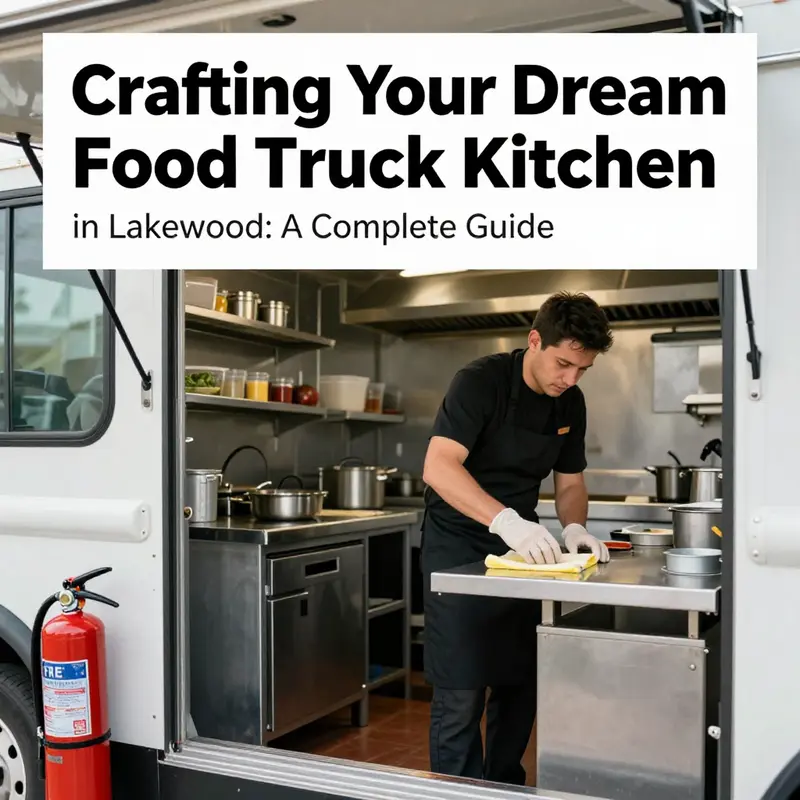
A food truck kitchen is not merely a compact kitchen on wheels; it is a mobile space where health, trust, and reliability are built in as you roll from event to event. Safety and hygiene are design DNA, not afterthoughts, shaping layout, workflows, and habits. In a small, high-traffic space, everything from handwashing stations to waste containment must be integrated with the flow of work so meals are prepared with precision and care every time. This means thinking through how people move, where clean water is available, how surfaces are protected from cross-contamination, and how regulations shape the kitchen. The aim is to deliver consistently safe food in a space that performs fast without compromising standards.
A practical approach starts with handwashing. A clearly visible handwashing station near the prep area, equipped with potable water, soap, and smooth surfaces, signals commitment to hygiene from the first moment staff arrive. The station should be accessible without crossing raw foods or waste zones and should operate with minimal contact. In a moving kitchen, even small delays in washing hands can cascade into bigger risks, so placement and reliability become daily performance metrics. Routine handwashing before handling ingredients, after handling raw foods, after using the restroom, and before returning to service must be woven into the rhythm of the day.
Equally important is a robust cleaning schedule. A mobile kitchen thrives on predictable routines that prevent grease buildup, microbial residue, and pest attractants. Establish a daily task list covering cooking surfaces, prep counters, cutting boards, utensils, sinks, and flooring. A simple log that records what was cleaned, who did it, and when helps teams stay accountable and provides audit-ready data. Surfaces in core work areas should tolerate frequent sanitizing and resist chipping or cracking that could harbor bacteria. Color-coded utensils and dedicated boards for raw and ready-to-eat foods reinforce these habits, but the overarching discipline is a clean-as-you-go mindset that keeps the space calm and safe during peak hours.
Training is the backbone of a kitchen that thrives under mobile pressure. All staff should complete a foundational food safety program and receive ongoing refreshers focused on safe handling, temperature control, and allergen management. Knowledge about cross-contact prevention is essential; a small misunderstanding about where raw chicken, seafood, or dairy has touched a surface can lead to contamination. Temperature control is another pillar: hot foods must stay hot, cold foods cold, and both should be monitored with calibrated thermometers. A simple routine of checking temperatures during batch preparation and before service helps catch problems early. Written procedures for cooling, reheating, and re-serving leftovers support consistency and reduce unsafe practices during a busy shift.
Allergen management deserves special attention. A mobile unit serves diverse crowds, and many guests have sensitivities. Clear labeling of ingredients, proper separation of allergen-containing components, and flexible, written processes for handling accommodations are essential. This is not just about compliance; it is about creating trust with customers who rely on you to protect their health when they choose to eat from your truck. The everyday impact of good allergen practices shows up in customer loyalty and fewer incident reports, which in turn strengthens the business case for rigorous hygiene.
Regulatory compliance remains a constant companion on the road. Mobile vendors operate under health department guidelines that define what constitutes a safe kitchen on wheels. Inspections may hinge on whether you have a validated production plan, proven sanitation routines, and controlled water systems. Documented procedures, a clean facility, and well-maintained equipment all contribute to a favorable outcome. In a world where some jurisdictions cap licenses or tighten permit controls, the emphasis on reliable hygiene becomes even more critical. A well-documented operating system serves both inspectors and staff by providing a clear map of responsibilities and expectations, reducing ambiguity during audits and enabling a smooth launch into new markets.
Sanitation practices extend to how waste and cleaning agents are managed. Use sealed waste containers designed to minimize leaks and odors, and ensure that all waste streams—graywater and any remaining solids—are handled according to local regulations. The cleaning agents should be appropriate for each surface type, and the concentration, contact time, and rinse steps should be defined in the sanitizing protocol. Floors in a moving kitchen must be non-slip, with drains that prevent pooling and facilitate quick cleanup after spills. These details matter not just for compliance but for daily safety: a slick floor or a leaky container can create both a slip hazard and a serious contamination risk.
Pest control, often underestimated in a compact kitchen, must be proactive rather than reactive. Sealed waste, tightly closed ingredient storage, and routine checks for signs of pests reduce the likelihood of contamination that can undermine safety and customer confidence. A clean, tidy footprint is a deterrent in itself; if guests see clutter, it is easy to assume that hygiene standards are slipping elsewhere. Align pest-control efforts with sanitation schedules so that checks for droppings, nesting, or food residues become routine parts of the daily operations rather than afterthoughts.
Safe food storage is the practical hinge between planning and performance. Refrigeration must be reliable and capable of maintaining required temperatures even as the truck moves between sites. Perishable ingredients should be stored to prevent cross-contact and labeled with use-by dates to support first-in, first-out discipline. Dry storage, canned goods, and non-perishables should be kept off the floor and protected from moisture and pests. A thoughtful storage design reduces the likelihood of accidental mixing of ingredients and enhances the speed and accuracy of order fulfillment.
Ventilation and fire safety are the visible guardians of a safe workspace. Proper ventilation removes heat and smoke that accumulate in a compact vehicle, improving air quality for staff and reducing the risk of grease buildup on surfaces. A well-ventilated unit also helps control odors that can affect customers who pass by or dine on the move. Fire safety in a mobile kitchen demands appropriate extinguishers, clear emergency access, and an understanding of how to shut down equipment quickly in an emergency. It is not enough to install safety features; staff must know where they are and how to use them, especially during a busy lunch rush or a crowded event.
Within this safety-first frame, design decisions can be guided by a risk-based mindset that mirrors broader policy shifts in other cities and regions. High-risk items, such as raw meats or seafood, benefit from dedicated enclosed spaces or clearly separated zones to minimize cross-contamination. Lower-risk operations—pre-packaged foods, non-perishables, or beverages—may operate within a designated area that does not require a full room, enabling cost savings without compromising safety. This approach reinforces the value of thoughtful layout when planning a mobile kitchen, emphasizing that compliance and practicality can coexist with efficiency and cost control. In practice, this mindset informs a chain of daily routines that staff can perform almost automatically: wash hands, sanitize surfaces, check temperatures, and segregate tasks to prevent risk. It is the backbone of a business that aims to scale across markets while maintaining health standards as a competitive differentiator.
As you consider the path to a fully compliant unit, remember that the journey involves more than purchasing equipment or selecting a vehicle. It requires integrating safety into the very process of cooking, storing, and serving. That means inviting the team to participate in the development of procedures, training them in hygiene principles, and building a culture that treats every customer as someone worth safeguarding. When you review vehicle options, you can align design choices with practical hygiene needs. For instance, the best food truck models for Lakewood startups offer layouts that balance workflow with sanitation considerations, helping you picture how a truck on the road will support clean, efficient service. Best Food Truck Models for Lakewood Startups. This is more than a shopping guide; it is a blueprint for translating safety requirements into a production-ready, on-the-move kitchen.
Finally, to anchor your safety program in an authoritative framework, consult official guidance from national health authorities. The FDA provides detailed resources on sanitation, pest control, safe storage, and the broader responsibilities of mobile food vendors. Reviewing these guidelines helps ensure your internal practices align with recognized standards and prepares you for successful inspections wherever your truck travels. For comprehensive guidance, see the FDA Guidelines for Mobile Food Vendors: https://www.fda.gov/food/fda-food-safety-education-and-training-resources/mobile-food-vendors
From Frame to Feast: Designing and Customizing Your Food Truck Kitchen Trailer
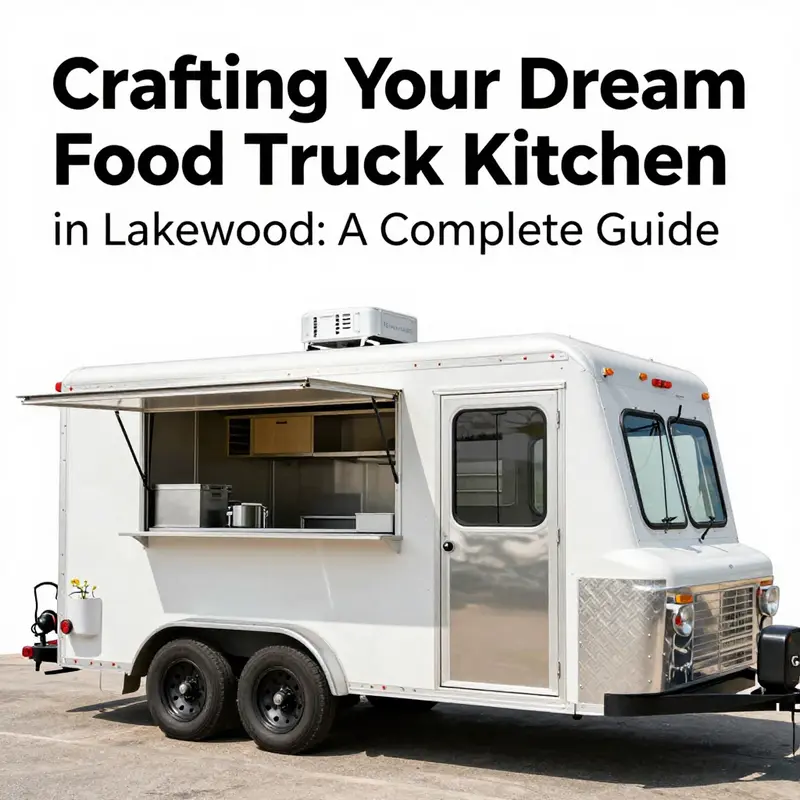
Designing a food truck kitchen trailer is more than a matter of space and appliances. It is a careful choreography of flow, safety, and brand that begins with a clear concept and ends with a kitchen that travels well at speed and in all kinds of weather. A well planned trailer balances compact efficiency with robust safety and reliable operation. It lets you cook quickly, serve consistently, and return to the road with the confidence that every square inch is serving a purpose. The work begins with a single question: what will you cook, how will you move, and who will trust you to feed them on the go? The core idea is to create distinct zones that correspond to the steps of a typical service cycle, yet to do so with minimal waste of space. That means a prep area where ingredients are washed, trimmed, and staged; a cooking zone with the heat sources needed for your menu; a storage area for perishables and dry goods; and a waste and cleaning corner that supports fast turnover and easy sanitation. In a trailer the boundaries between these zones must be defined not only by walls but by practical features such as vertical shelving, sealed counters, and the correct flooring. Non slip aluminum flooring is a common choice because it survives grease, spills, and frequent washing while providing traction for staff in all weather. Stainless steel worktables are essential; they resist corrosion, meet health standards, and stand up to heavy daily use. The surface choice matters as much as the layout because you will be wiping and chopping on those surfaces for hours each day. Thoughtful ergonomics matter too. Place your most used tools within easy reach of the primary prep and cooking zones to minimize steps and reduce fatigue during a long shift. The frame and the interior walls get insulation as a practical shield against heat and cold, which in turn reduces energy consumption and keeps your equipment within its required temperature ranges. The size and weight of the trailer bear directly on performance and cost. A standard compact trailer often measures around four meters in length, with a width a bit over two meters and a height that suits safe maneuvering. Weight can hover around twelve hundred kilograms for a lean setup but larger models easily push toward two thousand kilograms when you add extra equipment and generous storage. Understanding these numbers helps you plan for tow capacity, highway permits, and daily performance at events. It also influences the choice of routing for vents and plumbing, because every extra kilo can shift how you plan to place electrical lines, water tanks, and waste containers. If you expect a life on rough pavement, you will want durable axles, secure hitch mechanisms, and a suspension setup that keeps the kitchen level when you stop for a service in a busy lot. When you design for compliance you do not simply meet a checklist you imagine how the production process will unfold in real life. A risk based approach helps you decide which areas need to be enclosed and which can function as dedicated zones. High risk items such as raw meat handling or high scent products may require dedicated enclosed spaces or rooms where cross contamination is minimized. Lower risk activities such as simple cooking of pre packaged items or beverage preparation may be managed in designated areas that do not require a full room. This approach not only aligns with evolving regulatory thinking but also helps you manage costs by avoiding overbuilding. You will also want to plan for documentation and traceability. Keeping a production plan, a floor plan, and a set of standard operating procedures inside the trailer or printed for quick reference can save time during inspections and during busy service windows. Utilities are the nervous system of the trailer, and the electrical and water systems deserve deliberate design. A reliable power plan can be built around an onboard generator or a connection to external power at events. In either case the electrical design should be scalable enough to handle heat lamps, refrigeration, and multiple cooking units without overloading circuits. Safety requires correct wire sizing, appropriate fusing, and well planned routes that keep hot surfaces away from where staff move. Where possible, consider energy efficient appliances and lighting, not as a luxury but as a requirement that lowers operating costs in the long run. A well insulated trailer also reduces the load on your power system by reducing heat gain and keeping refrigeration efficient. For water management you should have a potable fresh water tank with easy access for refills, a clean graywater hold tank, and a capable waste management plan that includes proper drainage and sealed waste containers. The goal is to avoid splash, cross contamination, and leaks that could create hazards during transport or at events. Planning for handwashing and utensil washing in separate ergonomically placed sinks reduces the chance of cross contamination and speeds up service during peak periods. Ventilation is often underestimated in mobile kitchens, but it is the difference between a comfortable crew and a stressful shift. Exhaust hoods or power ventilation with effective ducting not only remove smoke and odors but also help control heat. The design should consider the direction of travel and typical event layouts so that vents do not impede loading or create windblown steam. In addition to ventilation, you should plan for pest prevention and easy cleaning. All surfaces should be washable and seams sealed to prevent grime accumulation. A simple but critical detail is the placement of a handwashing station within reach of the preparation area and sink. Health department expectations will typically require a dedicated handwashing setup, with hot water, soap, and clean towels, to reinforce good hygiene practices among staff. Leave enough space near the door for gloves, aprons, and cleaning gear so that the crew can transition from shop mode to service mode without interrupting the line. The interior is not just a set of tubed utilities and cooking gear; it is an opportunity to express the concept behind your cuisine while staying practical. The color scheme, the finish on the walls, and even the branding elements such as stickers or logos can be integrated with the layout. A coherent look helps customers, even from a distance, connect taste with the story you are telling. The materials you choose should support this story and the realities of mobile service. Composite boards and steel framing offer durability in a compact footprint while resisting weather and road vibration. When you plan your equipment list, you want to avoid over investment in appliances that do not travel well or that require constant maintenance. Instead, look for compact, durable, easy to clean units that can be serviced roadside if needed. A trained fabricator can help translate your concept into a set of drawings that show how the trailer will look in action, how the vents will align with the cooking zones, and how the power and water lines will be routed through the chassis. You will also want to think about maintenance, cleaning schedules, and easy access to critical components for quick fixes during a busy season. Choosing how to relate the trailer to service events matters as much as the build itself. A trailer that travels well between locations is more valuable than one with a flashy concept but uncertain logistics. You can measure this by the flow you want in your kitchen, the ease with which staff can move between stations, and the speed with which orders move from prep to plate. Your design should anticipate seasonal menus and promotional events, which means flexible storage and adaptable work surfaces. It should also accommodate the possibility of adding a small dessert area or beverage station if you decide to scale later. This flexibility is the core advantage of a trailer over a fixed location: you can test flavors and adjust concepts with far less risk and investment. The process of finalizing a design should include a careful review of health and safety requirements, a walkthrough with a qualified builder, and a trial run before the first sale. In practice that means designing the trailer so that a health inspector can follow a clear production plan, that the sink and handwashing stations meet required temperatures, and that there is enough room for staff to move without crowding around hot surfaces. It also means building in redundancies such as extra lighting, extra counter space, and spare power outlets so you can handle unexpected events or equipment failures. The value of a good builder cannot be overstated. A certified mobile kitchen fabricator who understands local health codes can save you weeks of frustration and avoid expensive retrofit work after the launch. The right partner will help you translate a concept into a practical, code compliant blueprint, select materials that endure long hours on the road and in busy kitchens, and coordinate the installation of electrical, plumbing, and ventilation systems so they work as a single, reliable system. This partnership should also include a focus on maintenance and future upgrades, because a trailer is not a fixed object but a mobile business tool that will evolve as your menu changes and your brand grows. In that sense, the trailer is a living component of your business, deserving ongoing attention, not a one off purchase. The conversation with the builder should cover timelines, warranties, and a plan for commissioning the trailer with a performance test that mimics a busy service. For those who want to explore ready to roll options, it is possible to pursue turnkey or semi turnkey solutions that provide a tested space with seals, fixtures, and wiring already completed. A thorough evaluation should weigh the benefits of speed and consistency against the cost and potential limitations in customization. You may decide to start with a more basic, modular layout that can be expanded later rather than a fully custom build from the outset. In the end the decision comes down to your concept, your budget, and how much risk you are willing to tolerate. If you foresee a need to adapt quickly to different events or you want a design that can evolve with your menu, prioritize flexibility and modularity. If on the other hand you have a strong and stable concept that you know will translate across venues, a highly tailored build could offer greater efficiency and branding impact. Either way, plan for a testing phase, a site inspection, and a staged launch. To close this chapter, consider the practical steps that follow your design decisions. You will need a reliable plan for testing the kitchen at different environments and under different loads. You will need permits, registrations, and insurance that cover the mission of your mobile kitchen. You will need a detailed schedule for ordering, delivery, installation, and commissioning. You will need a training program for staff that reinforces safe handling of food and safe operation of equipment. You will need to build a maintenance plan that includes routine checks on ventilation, wiring, and plumbing. And you will need to weave a story through your trailer that makes customers feel invited to taste what you have created. The trailer is a tool for a broader culinary business, not a stand alone showcase. When done well it can travel, scale, and support your ambitions across many markets. It is the leverage that turns a concept into a sustainable mobile enterprise. For a broader understanding of how layouts translate into real world trailer models, consider reading the guide on best food truck models for Lakewood startups. That resource provides practical examples of how different trailer sizes and layouts support various menus and event types while illustrating the constraints and opportunities of life on the road. External resource: https://www.shanghai.gov.cn/nvwa/web/fapublic_detail.html?id=4a5b6c7d8e9f0a1b2c3d4e5f6a7b8c9d
Final thoughts
As you embark on your journey to create a standout food truck kitchen in Lakewood, remember that careful planning and creativity are your best friends. By understanding the local regulations, designing an efficient layout, selecting appropriate equipment, prioritizing safety, and building your trailer with intention, you’ll be well on your way to turning your culinary dreams into reality. With the perfect mix of passion and preparation, you’ll be ready to serve Lakewood’s residents delicious meals on wheels. Embrace the journey ahead, and let your unique flavor shine!