
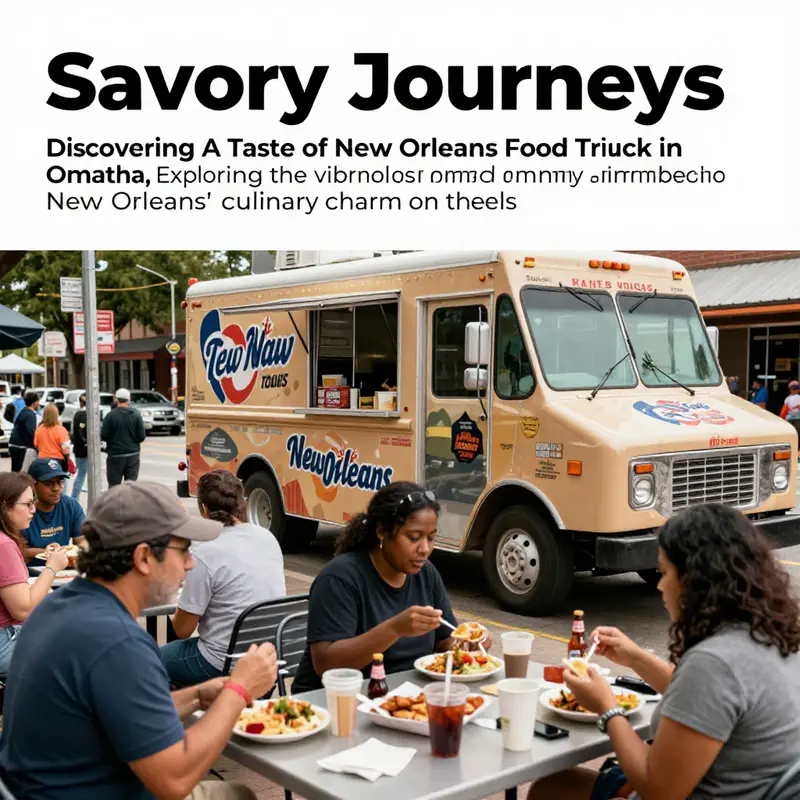
Omaha is a city rich with diverse cuisines and flavors, making it an exciting culinary destination for both locals and visitors. Among the many food venues dotting the Omaha landscape, ‘A Taste of New Orleans’ stands out, offering a delightful taste of Cajun and Creole cuisine. What sets this establishment apart is how it captures the essence of New Orleans culinary traditions and brings them to the heart of Omaha. In this exploration, we will uncover the gastronomic offerings from ‘A Taste of New Orleans’, delve into operational details that shape its success, and conduct a comparative analysis of this beloved restaurant against other food truck options in the area. Furthermore, we will touch on the importance of community engagement and events surrounding the food truck scene, truly showcasing how food can bring people together, especially in a city that loves good eats.
Cajun Caravan in the Heartland: Tracing New Orleans Flavor on Omaha’s Streets
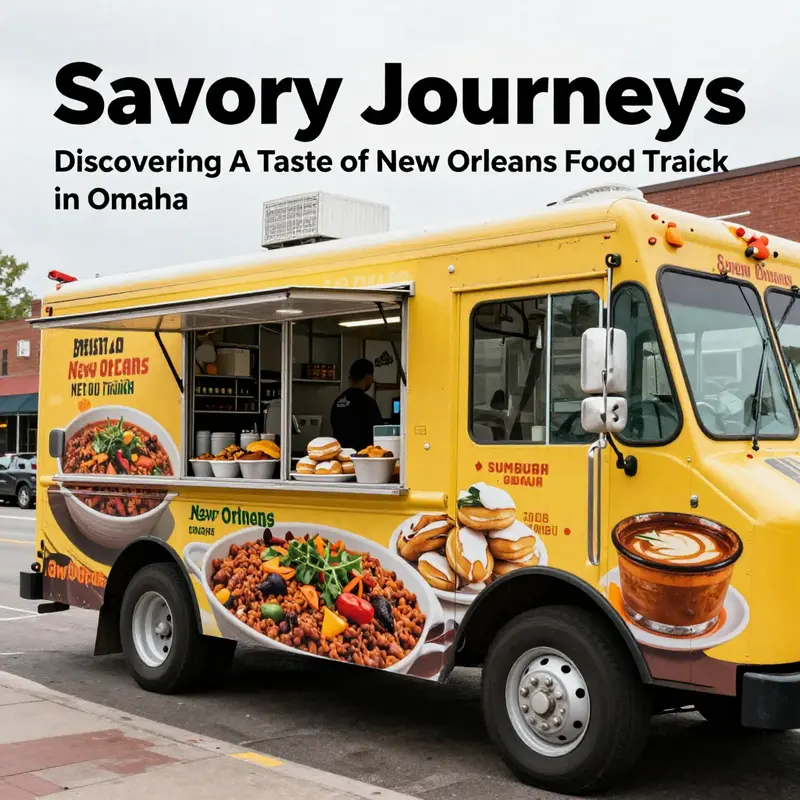
A smell of warm spices and simmering stock drifts through the late-afternoon air as a compact kitchen on wheels slides into a sunlit corner of Omaha. The concept is simple in theory yet ambitious in reach: carry the bold, soulful flavors of a Southern Louisiana kitchen into the heartland, where the weather changes with the seasons and mouthfuls of creole comfort are often found in a different shape. In Omaha, this fusion doesn’t come from a single downtown restaurant or a weekend pop-up; it travels. A mobile kitchen operates out of a brick-and-mortar hub at 6023 Maple St, a place that sustains a core menu while lifting that same lineup onto four wheels for the city’s lunch crowds and event calendars. The arrangement reflects a broader curiosity in midwestern culinary life—how to balance authenticity with portability, and how to convert a love of a particular regional cuisine into a serviceable, day-to-day dining option across a flat and often windy landscape. The truck’s schedule is precise: a regular presence from noon to eight in the Tuesdays’ window, a rhythm that gives locals a predictable bite when they need it most. This cadence also reveals a larger reality of food truck culture in a mid-sized city—consistency matters as much as novelty, and a single weekly slot can become a reliable culinary anchor for a neighborhood that might otherwise trek to more distant metropolises for a taste of New Orleans-seasoned comfort.
What diners encounter when they step up to the window is a carefully drawn line between tradition and mobility. The menu is short but bold, designed to travel well and to carry the essence of Southern Louisiana cooking in a way that translates across miles and climates. At the heart of the offerings is gumbo, that dark, deep-stewed cousin of soup that relies on a sturdy stock and a roux that blooms with color and depth. In a well-executed version, the roux is not merely a thickener but a character in its own right—nutty and full-bodied, having spent time in a pan until it gains a sheen and a roasted note that speaks of blackening pans and patient stirring. The gumbo served here is a comforting pot in a bowl, with meat or shellfish contributing texture and a briny lift, all spooned over white rice. It’s not just a dish but a ritual of taste: the slow, patient layering of flavors that rewards a careful palate’s attention on a chilly afternoon or a warm evening when the sun lowers behind treetops and streetlights glow to life.
Next to the gumbo sits jambalaya, that quintessential one-pot emblem of Cajun and Creole cooking. What makes a good jambalaya rise above its rice and its meat is the way the seasoning builds from the bottom up. Here, cooks balance spice and perfume with the savory smoke of peppers, onions, and celery, all mingled with a savory stock that keeps the grains tender yet distinct. The dish invites curiosity—the kind that makes you lean in to sniff the steam and then scoop a generous portion onto your fork. The meat or seafood you choose adds additional waves of flavor, but the backbone remains the aromatic triad and the smoky, almost caramelly note that a well-prepared stock can deliver. The result is a dish that tastes like a meal made for a family table, even when the setting is a bright truck parked in a lot or alongside a festival route. It’s the kind of food that makes you slow down just enough to appreciate the way spice can travel across miles yet still feel intimately familiar.
Beignets, the small acts of pastry theater, offer a counterpoint to the heavier, heartier dishes and signal the presence of a broader New Orleans influence that is sometimes missing from truck menus. These are light, airy squares that puff up in hot oil, emerging with a crisp exterior and a soft, almost cloudlike interior. The dusting of powdered sugar completes the moment, a simple flourish that makes a bite feel festive without being fussy. Beignets at the truck are a reminder that comfort food can arrive in a compact, portable form that still preserves the texture and sweetness of tradition. They pair beautifully with a late-afternoon stroll or with the lingering scent of spices that clings to a warm breeze when a crowd gathers for a city block event.
Po’boys provide the third act in the truck’s concise homage to New Orleans’ culinary vocabulary. A well-made po’boy on crusty bread carries the crisp, resonant bite you want from a sandwich that travels well and resists sogginess. Fillings range from fried seafood to seasoned meats, each within a crust that remains sturdy as it carries its payload. The bread’s role is crucial: it must be sturdy enough to hold up against sauces and steam yet tender enough to bite through without resistance. The result is a sandwich that feels both familiar and exciting, a reminder of a city’s street-side rituals where vendors assemble meals in minutes and people eat on the go, often while navigating the hum of evening traffic or the hush of weekend markets.
The preparation behind these dishes is described as traditional, but in practice, it is a careful synthesis of time-honored recipes and the realities of the mobile kitchen. The crew emphasizes bold spices that define Southern Louisiana cooking, yet they temper them with a sense of restraint that keeps each dish accessible to a variety of palates. The emphasis on quality ingredients is not merely a slogan but a working standard: bones of the stock, the freshness of shellfish or meats, and the integrity of vegetables all matter, especially when the kitchen operates on a tight schedule and under the pressure of a crowd. In a food truck, every decision—whether to pre-cook certain components, how to stage plating, or how to keep the steam from fogging up the service window—has a direct effect on flavor and texture. The result is not a re-creation of New Orleans cooking so much as a respectful conveyance of its spirit. The spice notes may travel well, but the heart of the dishes—the story of a region where cultures collide and mingle—remains intact in every simmering pot, every sautéed soffritto, and every plate that leaves the window.
What stands out in the way this operation presents itself is the generosity of portions and the emphasis on accessible luxury. The truck doesn’t aim for novelty at the expense of satisfaction. Rather, it seeks to strike a balance between authentic technique and the practical realities of street-level dining. The disciplined portioning, the careful layering of flavors, and the consistent execution across a Tuesday-only schedule anchor the experience in reliability. Diners can count on a certain standard of taste and portion size, which matters in a city where lunchtime hours are finite and the choice set is abundant. This reliability—combined with a genuine affection for the cuisine—builds trust. People return not only because the flavors evoke a sense of place but because the meals deliver on hunger, mood, and the memory of a dish eaten in a favorable moment.
In a broader sense, the truck sits at an intersection of culture, mobility, and culinary adaptation. It is part of a local ecosystem that includes a directory-driven network of mobile vendors and community events where chefs test ideas and refine techniques in real time. The Omaha Food Truck Association and other local listings provide a practical map for anyone who wants to explore similar flavors on the move, whether they’re chasing a busy workday lunch or a weekend festival. For readers who are curious about how a regional cuisine travels from a fixed venue to a street-front kitchen, these directories offer a tangible sense of the logistics, from permits to routes to daily updates. And for those who prefer to map a taste across screens rather than streets, widely used review platforms can provide snapshots of operation hours, crowd sentiment, and dish notes that illuminate how a single concept performs in a dynamic urban setting. The interplay between a fixed home base and the roaming kitchen is a reminder that cuisine travels, but it also returns—into the hands, mouths, and conversations of a city that sometimes forgets how much it loves a well-timed plate of something familiar, yet newly imagined.
For readers seeking a broader sense of how mobile dining adapts to local demand and design challenges, one can look to a resource that discusses the practicalities of truck models and layouts in other communities. This external perspective is useful to understand how cooks balance space, equipment, and service flow when the road becomes the main dining room. It’s not about copying a blueprint but about absorbing the core idea that a well-planned truck can be a confident vehicle for regional flavors, much as the current Omaha operation demonstrates with its careful menu and steady schedule. As the city continues to grow its own food-arts culture, the story of this truck offers a concrete example of how a traditional cuisine can become a mobile, shareable experience—one that invites people to revisit the idea of home on a plate even when they’re miles away from the river cities and bayous that inspired it.
If you’re tracing these flavors through the city’s current landscape, keep an ear to the ground for updates, as the weekly Tuesday window can become a launchpad for pop-ups or event appearances. The phone line remains the most direct way to confirm availability, and social feeds can offer a pulse on daily specials or special appearances that deviate from the routine. The address remains the anchor—a brick-and-mortar home base that nourishes the truck when it rests and primes it for its next departure. This dynamic between a permanent space and a traveling kitchen is where the story of New Orleans cuisine in Omaha finds its most resonant expression: a sense of continuity that travels with the cooks, even as the city’s streets continuously redefine their own rhythm and flavor.
For readers curious about where to learn more or to see how similar mobile concepts operate elsewhere, consider this internal resource that examines how trucks adapt their design and business model in different communities: best food truck models for Lakewood startups. This reference is not a literal blueprint for Omaha, but it offers a practical lens on how mobile kitchens balance function and flavor in real-world settings, a lens that makes the Omaha story feel both specific and part of a broader national conversation about street-level cuisine. The city’s current chapter of New Orleans-inspired cooking on wheels is not an isolated note; it resonates with a growing chorus of cooks who see the value of taking a beloved regional palate and presenting it where people work, play, and gather.
External resource: https://www.google.com/maps/place/A+Taste+of+New+Orleans/@41.254745,-95.952856,15z/data=!3m1!1e3!4m6!3m5!1s0x878b2a9f1c7d3b8b:0x31c6f52819995a8e!2sA+Taste+of+New+Orleans!3m2!1d41.254745!2d-95.952856!4m6!3m5!1s0x878b2a9f1c7d3b8b:0x31c6f52819995a8e!2sA+Taste+of+New+Orleans!3m2!1d41.254745!2d-95.952856!4m6!3m5!1s0x878b2a9f1c7d3b8b:0x31c6f52819995a8e!2sA+Taste+of+New+Orleans!3m2!1d41.254745!2d-95.952856)
When Wheels Carry Cajun Flame: Tracing a New Orleans Flavor Across Omaha’s Streets
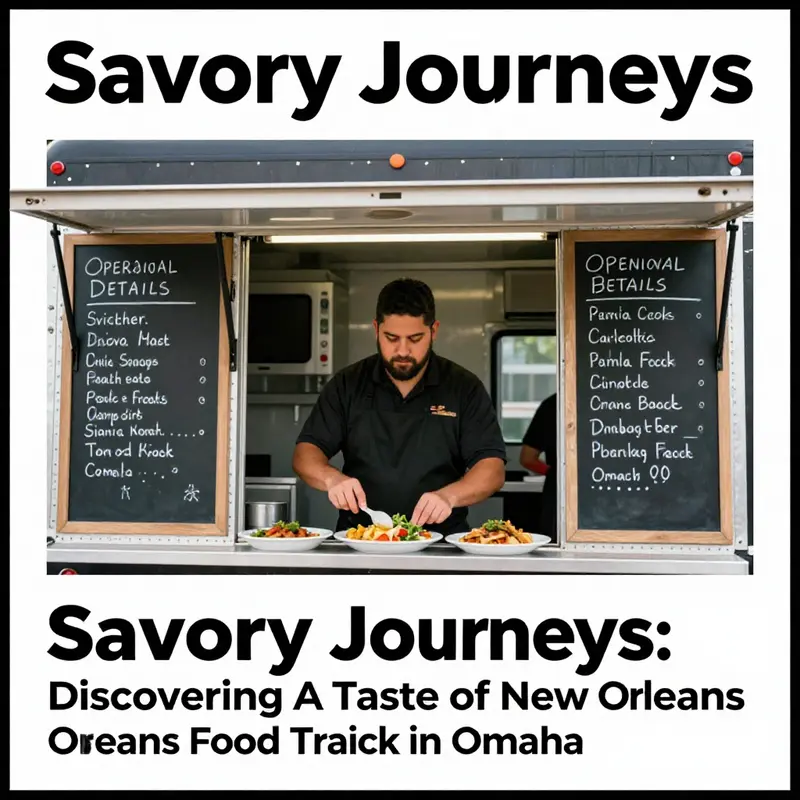
The appetite for New Orleans flavor in Omaha unfolds not only in brick-and-m mortar kitchens but also in the restless, wheeled poetry of the city’s food trucks. In the heart of midtown Omaha, at 6023 Maple Street, a familiar name sits in the memory of those who crave the spice, soul, and rhythm of Cajun and Creole cooking. A Taste of New Orleans is a reference point here—a restaurant that has built its identity around deep, comforting flavors and a careful balance of heat, brightness, and sophistication. Yet the research landscape around this brand reveals a clear distinction: there is currently no public evidence of a mobile arm operating in Omaha as a food truck. The chapter that follows treats this distinction not as a roadblock but as a doorway into a broader conversation about how communities in the central plains encounter, interpret, and adapt the bustling textures of New Orleans cuisine on the go.
The Omaha food-scene map is a living document. It charts not only standstill eateries but also the roaming, pop-up, and seasonal vendors that populate farmers’ markets, street corners, and event grounds. In practical terms, what a resident or visitor seeking the vibrancy of Cajun and Creole flavors would do is consult a constellation of sources: local directories that spotlight mobile vendors, community associations that curate schedules, and digital maps that update in real time. The Omaha Food Truck Association, for instance, acts as a hub of information for mobile vendors across the metro. It provides a sense of where and when tastes travel, which is essential for anyone hoping to chase the spice of New Orleans without crossing the river into the city’s classic brick-and-mortar lines. Yelp and Google Maps function as modern town criers, offering tales from patrons and snapshots of menus that sometimes hint at the presence of a truck serving similar flavors. The absence of a truck tied to a specific New Orleans restaurant in Omaha does not erase the possibility of a parallel experience. It simply foregrounds another truth: in cities like Omaha, flavor travels through a mosaic of sources, each offering a version of the same origin story.
To understand how a conversation about New Orleans cuisine travels to a place as far from the Mississippi as Omaha, it helps to lean into the distinctions that matter on the plate. Cajun and Creole cuisines share a common coastline of memory—the sea-salt breeze, the bayou murk, the bustling kitchens of port towns—but they diverge in technique, spice logic, and culinary philosophy. Cajun cooking leans into heartiness, with robust stock bases, smoky heat, and generous use of meat or seafood that can stand up to long simmering. Creole cooking, by contrast, reveals a cosmopolitan polish: roux that darkens to a chocolate-brown, a liberal use of tomatoes, and a style that invites refined sauces and bright, citrus-led accents. In Omaha, where farmers’ markets and contemporary grocers cross-pollinate with immigrant and regional cooking traditions, the flavors find new soil. The cargo transported by a food truck—whether it be a simmering pot, a stack of fried specialties, or a crisp, seasoned sandwich—must contend with a city’s weather, street layout, and the practicalities of where customers can park and wait. In this sense, a food truck becomes a mobile stage for cultural exchange. Its menu, altered by what’s affordable, what travels well, and what the neighborhood is craving on a given afternoon, becomes a curated experience rather than a fixed stretch of taste.
What does this mean for the idea of a taste of New Orleans on Omaha’s streets? It means that the core of the experience—layers of spice, the comfort of slow-cooked technique, the interplay of fat and acid, the happiness of a crusty bread or a pillowy dumpling—can arrive through a food truck even if a particular restaurant brand does not operate one locally. A Tuesday lunch-hour ritual can become a doorway to Cajun and Creole perceptions, as cooks bring the sizzle of the skillet, the aroma of onions and bell peppers sautéed with garlic, and the heat of peppers and stock into a portable, shareable format. The logistics of a food truck rhythm—the clockwork of a daily route, the choreography of prep before the wheels roll, the careful balance between keeping food hot and delivering it quickly—demand a different creativity than the steady, seat-focused cadence of a brick-and-mortar restaurant. It is, in many ways, a study in how a city negotiates tempo and appetite.
In the specific case of A Taste of New Orleans and its Omaha footprint, the documented details anchor the discussion in fact. The location is precise, at 6023 Maple St in Omaha, a city block that serves as a cultural crossroad for neighborhoods seeking familiar, comforting flavors that hint at Louisiana roots. The hours on record show a pragmatic rhythm: open on Tuesday from noon to eight, and closed on Mondays. This schedule nods to a customer base that seeks midday lunches flavored with a sense of home, followed by dinners that stretch into the evening. The rest of the week’s dining is likely shaped by the same constraints that govern many family-run or small-operations venues: supply, staff, and the realities of brick-and-mortar overhead. The contact number—(402) 709-1012—offers a direct link to real-time updates, whether the team is testing a new dish, adjusting hours for a holiday, or confirming a special event. Those who want to know whether a new menu option is being rolled out can reach out for the freshest information, a reminder of how modern hospitality blends traditional craft with contemporary communication channels.
The menu, meanwhile, acts as a map to the flavors that populate New Orleans menus without necessarily traveling through a truck’s narrow window. Cajun dishes tend to center on the punch of seasoning and the generosity of roux-rich sauces, while Creole cooking invites a more nuanced brightness—tomato-forward recipes, peppery undertones, and a balanced, refined finish. In Omaha’s context, a brick-and-mortar venue with a dedicated kitchen and a defined schedule offers a stable platform for creative exploration. The existence of a new menu option signals the chef’s ongoing dialogue with the city’s palate: perhaps a dish that riffs on a classic, perhaps an invention sparked by seasonal ingredients sourced from nearby farms and markets. The act of introducing a new dish in a fixed location is a different form of culinary risk compared with the risk a truck must manage in motion. Both approaches pursue freshness, but they do so with different calendars and different degrees of mobility.
Still, the appetite for a true taste of New Orleans remains a living thread in Omaha’s food tapestry. For those hungry for the sensation of a bustling street in the French Quarter, the reality is that a truck can bring a portable version of that energy to town, not as a direct brand outpost but as a traveling echo of its city of origin. The city’s residents become connoisseurs of timing, savoring a lunch bite that carries the memory of ketchups with a kick and peppers that sing on a warm bun, or a bowl of stew that arrives hot enough to blister the moment the lid comes off. In this sense, the food truck scene is not a substitute for a steady brick-and-mortar presence; it is a complementary voice, a different instrument in the same orchestra of flavors. And for those curious about how mobility intersects with tradition, a quick detour to a broader food-truck narrative—such as the journey described in RockDog Adventures’ Food Truck Journey—can illuminate the shared dynamics of culinary pursuit on the road. The linked exploration offers a lens into how itinerant kitchens tell stories through wheels, cooking surfaces, and itineraries that prioritize speed, consistency, and a certain nomadic romance that many diners find compelling. See RockDog Adventures’ Food Truck Journey for a broader sense of how movement reshapes flavor, texture, and service style when a kitchen travels beyond its walls.
This interweaving of a fixed address and mobile possibilities creates a layered portrait of what a “taste of New Orleans” can mean in Omaha. The city’s dining culture benefits from both steady establishments that invite lingering conversations and ephemeral mobile vendors that invite serendipitous discoveries. The absence of a dedicated truck tied to a particular Omaha venue does not nullify a direct link to the culture and cuisine of New Orleans; it expands the canvas to include pop-ups at events, collaborations with local chefs who bring Louisiana techniques to their own ingredients, and the everyday practice of home cooks who adapt familiar flavors to the constraints and opportunities of a city built on diversity and innovation. The end result is a city that tastes like many places at once, where the line between regional identity and culinary improvisation remains intentionally blurred.
For travelers, locals, and food lovers who want to stay connected to real-time developments, the practical path remains clear. To confirm whether a truck has appeared or to catch a short-term pop-up, contact the venue directly or consult the local directories that highlight mobile vendors. The experience of chasing a flavor across the streets of Omaha is both a culinary and a civic activity: it invites you to participate in a shared ritual of discovery, planning, and memory building. And while a single roadside stop may not fully recreate the New Orleans streetscape, it offers a valuable chance to feel the city’s appetite for spice, soul, and storytelling in motion. In a landscape where taste travels through both time and terrain, the best encounters are those that remind us that food is a social act, a way of gathering, and a narrative that keeps evolving with every meal on wheels. For those who crave more context about the origins and evolution of these flavors, the official site of the taste being pursued serves as a reference point to understand the roots and philosophy behind the dishes that travelers encounter. https://www.atasteofneworleans.com/
A Taste of New Orleans in Omaha: Where Brick‑and‑Mortar Cajun Meets Mobile Flavor
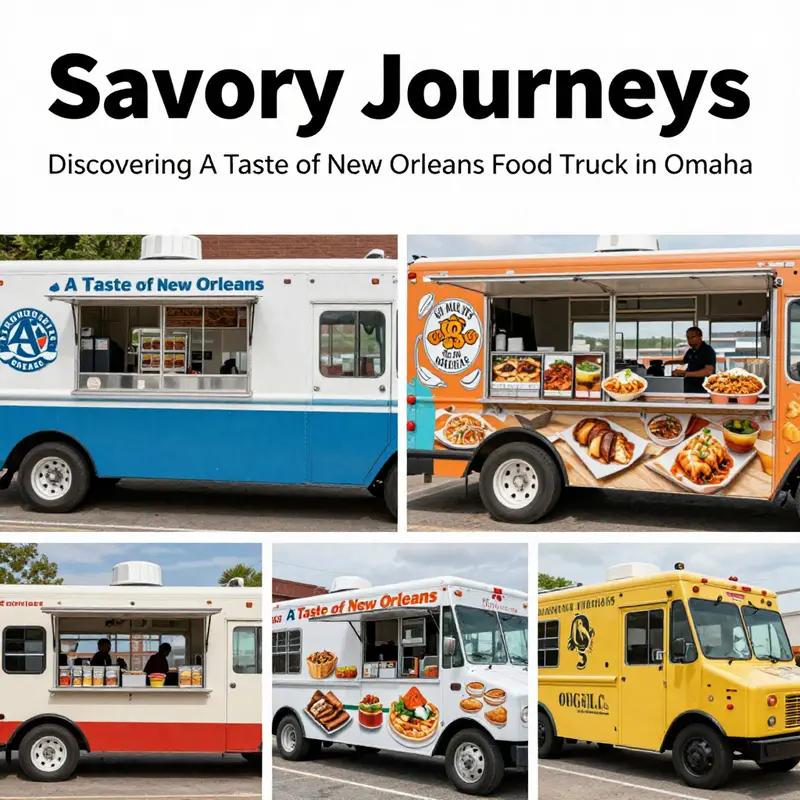
Omaha’s dining map balances tradition and tempo, with brick‑and‑mortar kitchens anchoring neighborhoods and a restless mobile scene turning corners into temporary tasting rooms. At the heart of this mix sits A Taste of New Orleans, a fixed beacon for Cajun and Creole flavors, a place where the dining room follows a daylight rhythm and a warm, brass‑tinged cadence echoes the music of a New Orleans club. The restaurant sits at 6023 Maple Street, a building that invites lingering attention—the doors open to a soft, inviting clatter, and inside a menu curated to invite guests to step into a memory of the South. The hours are deliberate: open Tuesday through Sunday, 12:00 pm to 8:00 pm, with Monday quiet and reserved for prep rather than the bustle of business. This is not a space built for speed; it is a space built for ceremony. The seating, the aromas, and the conversation’s gentle hum create a scene where a guest can slow down enough to hear the echo of distant boats on the Mississippi embedded in the roux and the spice’s quiet, savory talk.
If one stands at the threshold and listens, the room carries a polite energy rather than a loud celebration. The interior becomes a vessel for memory, with colors and textures chosen to evoke a festive street scene without overwhelming the senses. Diners are invited to study the plate as a micro‑culture and to let the familiar textures of roux, rice, and greens—named here in a way that respects local interpretation—do the heavy lifting of nostalgia. The experience aims for reproducibility in technique and flavor while allowing each guest’s encounter to feel deeply personal, as if the city itself has come to Omaha and pulled up a chair at your table.
Across town, the mobile scene offers a different cadence—the mobility of flavor, the way a cart or truck turns a corner and transforms a street into a temporary dining room. In Omaha, food trucks and mobile vendors broaden access to a spectrum of cuisines and textures, often delivering quicker service, seasonal updates, and the flexibility to rotate menus with weather and demand. The advantage of the mobile format is the ability to test ideas in real time: a chef can translate a Gulf Coast memory into a compact, portable kitchen and a tight service model. This quick feedback loop can yield bold blends and surprising cross‑pollinations, allowing a mobile vendor to echo New Orleans flair while reinterpreting it through local ingredients and sensibilities.
The two modes of service—slow, attentive dining and brisk, on‑the‑go cooking—form a broader conversation about what makes a city’s food culture feel whole. A Taste of New Orleans offers fidelity to a culinary lineage, using technique and time to reproduce the textures and depth of Cajun and Creole cooking. The fixed venue privileges ceremony, memory, and technique, inviting a consumer who seeks a planned, sensorily immersive moment. The mobile operators democratize access to a spectrum of flavors, often introducing newcomers to tastes that might otherwise remain misunderstood or underrepresented in a region’s culinary lexicon. Both approaches require craft, logistics, and trust: the restaurant must sustain standards that reward a long‑term visit, while the cart must deliver consistency amid weather, traffic, and the ephemeral nature of a street corner audience.
For those navigating Omaha’s foodscape, a practical map of discovery complements the sensory map. The Omaha Food Truck Association, alongside platforms like Yelp and Google Maps, acts as a directory and community resource, offering up‑to‑date information about where and when mobile vendors are operating. This fluidity is part of what helps New Orleans–inspired flavors take root in a city a short distance from the Missouri River, transforming a regional palate into a shared culinary language that respects heritage and change. The connective tissue between A Taste of New Orleans and Omaha’s mobile scene is not sameness but fidelity—fidelity to flavor storytelling, whether expressed through a disciplined kitchen’s choreography or through the street‑corner hospitality of a quick, welcoming bite.
For readers who crave a sense of trajectory within this evolving map, consider how mobility reshapes flavor itineraries in neighboring communities and beyond. The city’s two forms of access—sit‑down immersion and mobile immediacy—offer complementary pathways into Cajun and Creole sensibilities. In Omaha, the blend is already evident: the careful, practiced craft of the brick‑and‑mortar kitchen paired with the adventurous energy of the street stall. In this blend lies the dynamic heart of a modern culinary city—a place where cuisine travels, stories resonate, and a shared appetite for meaningful flavor remains constant.
Cajun Connectors: Community Engagement and Local Celebrations Around A Taste of New Orleans in Omaha
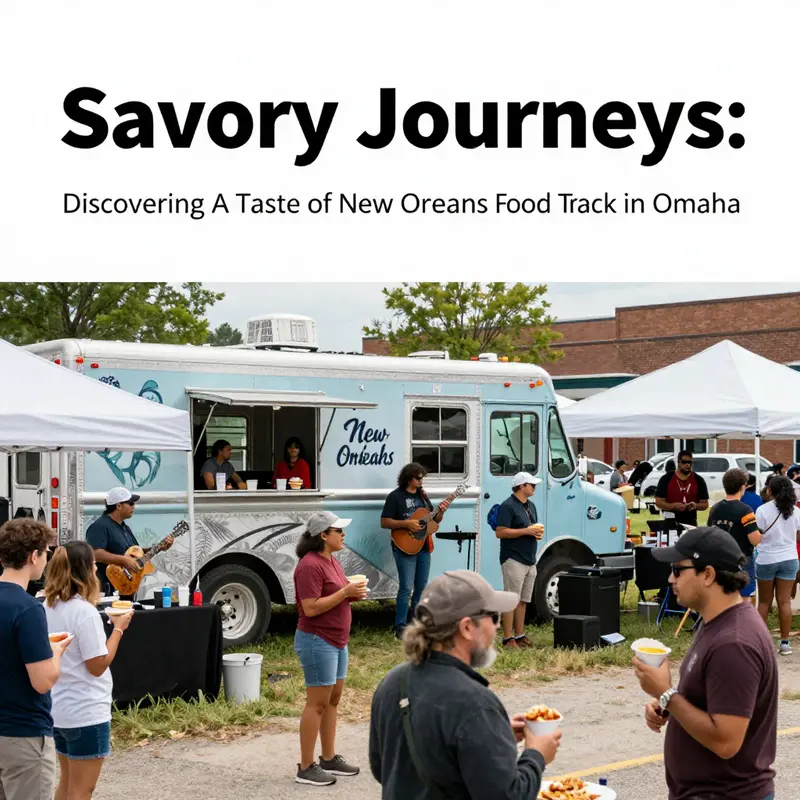
Long before the first bite, a neighborhood meal tells a story. In Omaha, A Taste of New Orleans situates that story at 6023 Maple St, where the aroma of fried chicken and crawfish etouffée threads through the block like a friendly rumor. The restaurant operates on a steady, predictable schedule—open Tuesday through Sunday from noon to 8 p.m., closed on Mondays—yet the energy surrounding its doors often feels anything but routine. It is a space where culinary memory meets local cadence, and where the act of dining becomes a form of community dialogue. The cuisine—Cajun and Creole in its essence—arrives with a sense of hospitality that invites neighbors to linger, share stories, and connect over dishes that one might associate with a distant jazz-filled street in New Orleans even as they are presented in a midwestern city. This dynamic is not about a static menu alone; it is about a restaurant as a meeting ground, a place where flavors from another world become a shared language that helps a diverse urban population discover common ground.
In this city, the distinction between fixed location and mobile appetites matters less as a technical category and more as a cultural one. A Taste of New Orleans embodies the tradition of the brick-and-mortar restaurant while resonating with the mobility of taste—without operating a food truck, it can still participate in the broader conversation about how New Orleans flavors circulate through Omaha. The absence of an official food-truck component does not sever the link between the two culinary spheres; it reframes it. A truck brings speed and street-level accessibility, a stationary venue provides steadiness, memory, and a cultivated ambiance. The interplay between these modes—fixed venue and itinerant cuisine—creates a richer, more varied urban palate. In this light, community engagement unfolds as a continuum rather than a single genre of activity. It includes the ordinary, such as regular family dinners and date nights, and the extraordinary, like festival nights, charity dinners, or chef collaborations that transform a standard menu into a stage for cultural exchange.
Part of what makes a restaurant like this a strong community partner is its responsiveness to local rhythms. The open hours align with the city’s tempo: weekdays are for daytime routines and early dinners, weekends invite longer evenings, and special events can draw crowds who might otherwise skip dinner in favor of a quick encounter with food on the go. When a kitchen identifies itself as a cultural ambassador, it begins to view every interaction as an opportunity to contextualize its dishes. The gumbo’s depth, the heat of a good creole spice, the crispness of fried okra—all of these elements become touchpoints through which Omaha residents can explore a sense of place beyond their everyday experiences. Community engagement, in this sense, is less about promotional push and more about invitation: invitation to taste, to learn, to participate in shared rituals around the table.
A Taste of New Orleans can cultivate a range of engaged experiences that do not depend on mobile vending. Live music nights, for instance, can become weekly rituals that pair the restaurant’s signature plates with melodies that echo the streets of New Orleans—an homage to brass bands, a nod to jazz rhythm, a space where a singer’s phrases become the seasoning for a plate of smoked sausage or dilled corn. The effect is subtle but meaningful: diners depart not only with a fuller stomach but with a memory of an evening that felt like a city-wide celebration, a microcosm of New Orleans’ spirit transplanted into Omaha. Charity dinners and fundraisers offer another avenue for impact, harnessing the power of food to support local causes and strengthen bonds among neighbors who might not share daily routines but share a collective responsibility to uplift one another. In these moments, the brand ceases to be a mere label and becomes a catalyst for civic participation, a vessel through which residents can contribute to something larger than a single plate.
The restaurant’s social footprint, amplified by modest digital presence, helps illuminate the form that community engagement may take. Photos and posts that capture the warmth of a crowd gathered around a pot of étouffée or the gleam of a dessert plate can communicate more than menu items alone. They broadcast the idea that dining is a social act, a reason to come together. Within this frame, partnerships with local suppliers and artists become natural extensions of hospitality. Seasonal menus can reflect a shared geography, featuring ingredients sourced from nearby farms and markets, thereby reinforcing a local food economy that values transparency and reciprocity. In turn, guests develop a sense of stewardship—appreciating the labor that goes into sourcing, preparing, and presenting each dish—and they become more likely to support the restaurant during lean times, recommend it to friends, and participate in future events that may arise from collaboration rather than competition.
In addition to traditional dine-in experiences, the restaurant can leverage Omaha’s thriving ecosystem of community events to extend its reach while honoring its core identity. A Taste of New Orleans might join neighborhood block parties, sponsor screening events for cultural celebrations, or participate in festivals that showcase local talent alongside culinary offerings. The aim is not to overshadow the neighborhood or to sacrifice the intimate dining atmosphere but to weave the restaurant into the fabric of community life. When a local eatery hosts a Louisiana-inspired cooking demonstration, for example, it provides a learning experience that complements the meal, enabling guests to take home techniques such as roux creation or seafood preparation. These demonstrations can be scaled appropriately to maintain the comfort and intimacy of a seated dinner while still offering a sense of discovery that encourages repeat visits. The chef’s hands on the pot, the careful plating, the stories about family traditions—all of these become a living curriculum in which appetite and heritage move together.
It is also essential to recognize the existing infrastructure that supports Omaha’s mobile-vendor culture. For those who crave the convenience of a street-side vibe, the city’s network of mobile-partner events and vendor associations offers a complementary avenue to the brick-and-mortar experience. While there is no documented official food truck under the A Taste of New Orleans banner in Omaha, diners can still explore a spectrum of mobile experiences through local directories and event listings. The Omaha Food Truck Association, for instance, can be a gateway to scheduled appearances, seasonal markets, and pop-up collaborations where guests might encounter Cajun and Creole flavors on wheels alongside the fixed dining room menu. Such collaborations broaden the palate without compromising the integrity of the brick-and-mortar venue, creating a dialogue between mobility and steadiness that mirrors the city’s own adaptability. For patrons who want a broader sense of what a New Orleans-inspired dining scene can feel like in Omaha, these opportunities offer an expanded sense of possibility—an itinerant complement to the hearth of a dedicated, dedicated kitchen.
To connect these possibilities to practical steps, it helps to maintain open channels of communication with the restaurant’s management. People interested in private tastings, themed dinners, or charity partnerships can reach out by phone at the listed number or through the restaurant’s online profiles. The direct line keeps conversations personal and flexible, enabling the restaurant’s team to tailor events to the community’s needs and preferences. In this sense, community engagement is a collaborative effort—between cooks and guests, between the kitchen and the neighborhood, and between the fixed location and the wider city’s vibrant mobile food culture. The city’s neighborhoods deserve a dining culture that honors diversity, generosity, and craft. A Taste of New Orleans has the potential to contribute a distinctive voice to that chorus by turning meals into moments of shared experience, memory, and meaning. Its role, then, is less about spectacle and more about habit—habitual hospitality that invites people to linger, listen, learn, and come back for more.
This chapter’s reflections are not a set of fixed prescriptions but a map of how a single brick-and-mortar restaurant can become a dynamic hub within Omaha’s evolving culinary landscape. The goal is to acknowledge the real constraints—hours, location, and brand identity—while imagining a network of opportunities that amplify the restaurant’s role in community life. The city’s food ecosystem thrives when venues lean into collaboration, invite participation, and respect the boundaries that customers value: consistent quality, genuine hospitality, and spaces that feel like a welcome home rather than a temporary stop on a crowded street. In this light, A Taste of New Orleans stands as a case study in how to translate the spirit of New Orleans dining into a local, place-based experience that resonates with Omaha’s residents. It demonstrates that cultural flavor travels not only on the back of a cart but also through the conversations that unfold at the table, the partnerships formed over shared meals, and the celebrations that occur when a community gathers to honor tradition and innovation in equal measure.
For readers who want to explore the broader mobile scene that complements this fixed-location experience, one can look to resources that capture the energy of Lakewood’s mobile dining landscape. See 2026’s Best Food Truck Rallies in Lakewood for a sense of how festivals and rallies shape a city’s appetite for variety and community connection. 2026’s Best Food Truck Rallies in Lakewood
External reference: For precise location and hours, see Google Maps listing: https://www.google.com/maps/place/A+Taste+of+New+Orleans/@41.257569,-96.024659,15z/data=!3m1!4b1!4m6!3m5!1s0x878a4d3c9a3e3f55:0x7c4a8b3b9b9d7b5e!2s6023+Maple+St,+Omaha,+NE+68104!3m2!1d41.257569!2d-96.024659!4m2!1d1453824000000!2d1453824000000
Final thoughts
A Taste of New Orleans offers a unique culinary experience that not only delights the palates but also fosters community spirit through food. Whether it’s the rich, bold flavors of regional dishes or the vibrancy of local events, the food truck scene in Omaha, especially with A Taste of New Orleans, is a pointer towards the bustling food culture that thrives within the city. So, whether you’re a resident or just visiting, stopping by to experience the tastes of New Orleans could become one of the highlights of your culinary journey in Omaha. Do not miss the opportunity to engage with this fantastic food scene!