
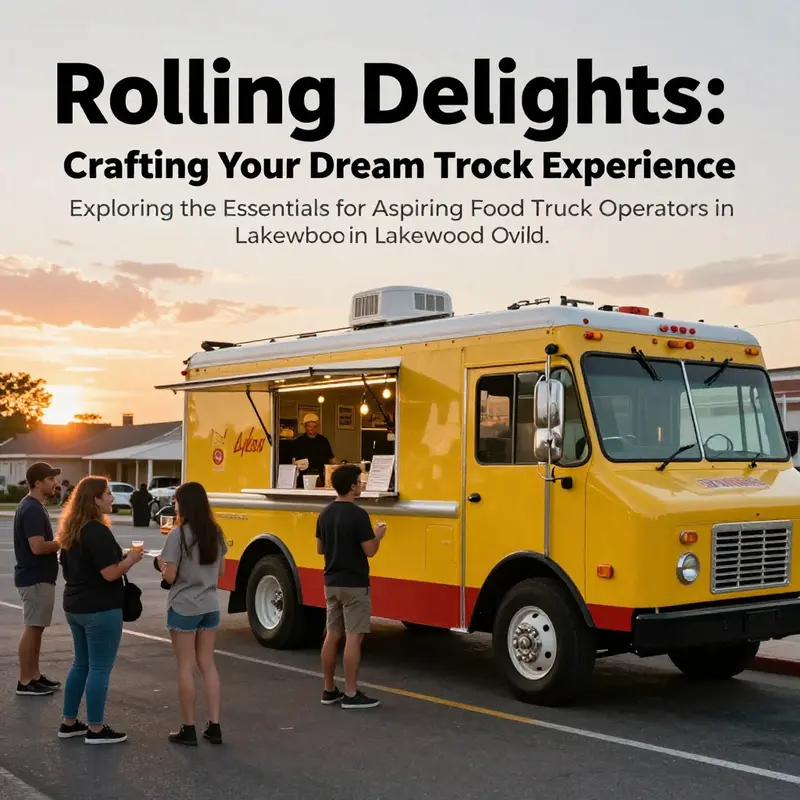
Have you ever imagined cruising through Lakewood, serving up delicious meals from the comfort of your own food truck? With the surge of culinary entrepreneurs and the charm of street food culture, launching a food truck can be an exciting venture. But what does it really take to get started? From essential equipment to mastering menu development, you’ll find valuable insights into building a thriving mobile kitchen. In this journey, we’ll dive into the core elements that contribute to a successful food truck, ensuring you’re prepared for every twist and turn. Buckle up as we explore everything from permits and compliance to branding strategies and operational logistics!
Gear on Wheels: The Essential Equipment That Powers a Food Truck
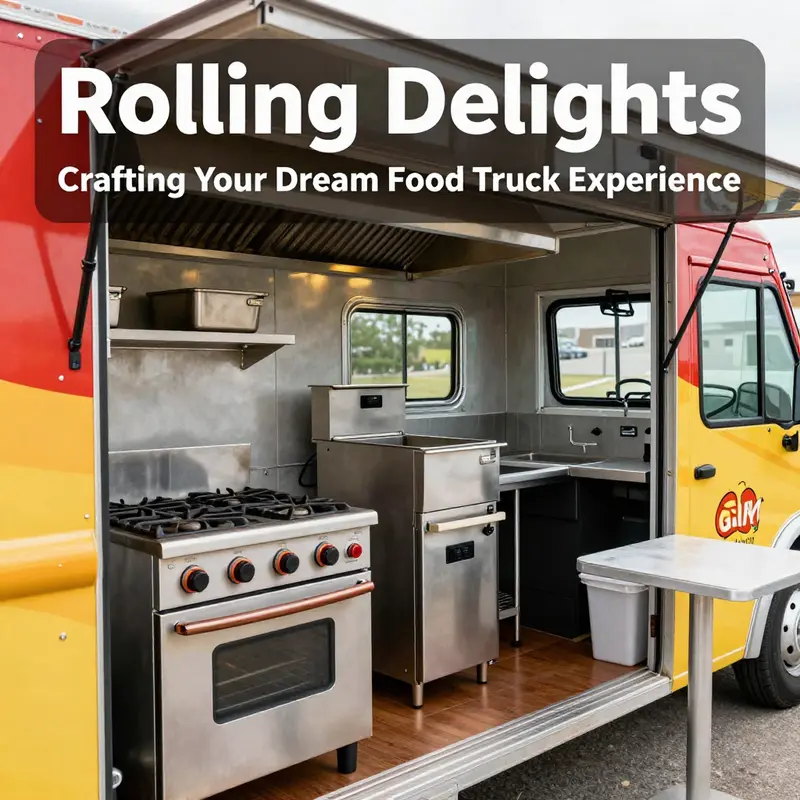
A food truck is more than a clever idea and a brightly painted shell. It is a compact, purpose-built kitchen that travels to meet customers where they are, and its success rests as much on what’s installed inside as on where it parks. The equipment inside a mobile kitchen has to perform under pressure, maximize every precious inch of space, and adhere to strict health and safety standards. It must be reliable, efficient, and adaptable to shifting menus, fluctuating crowds, and the inevitable weather that accompanies outdoor service. The most enduring food trucks blend culinary ambition with hard-nosed logistics, and that balance starts with the core equipment that turns a chassis into a capable kitchen on wheels. From refrigeration to power, each component must earn its keep by protecting quality, supporting speed, and sustaining consistency from dawn to dusk, festival weekend to weekday lunch rush.
Refrigeration is where food safety begins and, in a mobile setting, where quality is preserved against the challenges of space and ambient heat. Commercial refrigerators and freezers are not mere larger versions of home appliances. They are built for constant use, precise temperature control, and durable construction that stands up to movement, vibrations, and the occasional rough road. A well-chosen refrigeration setup keeps perishable ingredients—meats, dairy, vegetables, sauces—at safe temperatures, minimizes temperature swings during transit, and provides enough space to stage prepped items for service without crowding the work area. In a truck, cold storage also dictates the cadence of prep. When space is tight, you learn to maximize cold storage by design—placing the most frequently used perishables closest to the prep station and rotating stock so nothing hangs around past its prime. Freezers, by contrast, become the long game players, storing items that must be kept longer and offering the capacity to pre-provision for busy weekends. The synergy between refrigerated storage and the on-board workflow is critical: you don’t want to run out of onions or reach the point where you must thaw proteins in a cramped, warm space. A practical approach is to size both units not only for peak service hours but also for the typical daily cycle you expect to encounter, recognizing that a truck’s cooling load can spike as doors open and close repeatedly.
The heart of the cooking area is the set of appliances that transform raw ingredients into menu items. A compact food truck often employs a combination of grills, griddles, fryers, and sometimes an oven, each chosen for its ability to deliver consistent results in a small footprint. Grills and griddles are the workhorses for seared proteins, eggs, breakfast items, and sandwiches, delivering the kind of surface contact that builds flavor through caramelization and crust. Fryers expand the menu with crisp fries, chicken bites, and battered specialties, but they also demand greater ventilation and more vigilant cleanliness practices. An oven, when space allows, opens the door to baking and roasting tasks that can broaden a truck’s repertoire without requiring a second station. The key in choosing cooking equipment is not merely the number of units, but how they fit together vertically and horizontally, how heat is managed, and how the equipment’s footprint aligns with prep and service tempos. Surfaces for prep and assembly must be robust, easy to clean, and positioned to minimize movement. A well-considered layout reduces the risk of cross-contamination, speeds up line flow, and preserves the integrity of every dish from the first order to the last.
A reliable water system sits at the core of every mobile kitchen’s hygiene and operational discipline. Sinks for handwashing, utensil cleaning, and food prep are non-negotiable. The sink arrangement and access to running water are not just about comfort; they are a regulatory requirement that keeps the operation compliant and safe. In addition to sinks, storage tanks for fresh water and wastewater are essential. The tanks must be sized to support the anticipated daily volume of handwashing and cleaning tasks while staying within local health code limits. The way water is routed through the truck—where it enters the prep area, where waste water exits, and how the drainage is managed—becomes a major design constraint. Cleanliness and sanitation routines, when built into the flow of work, protect food quality and customer safety. The efficiency of the water system also intersects with the choice of equipment: a powerful dishwasher or sanitizer, if included, can change how often you can clean during a rush; a generous handwash station can cut down on cross-contact risks; and the ease of cleaning the floors and work surfaces reduces downtime between orders.
Power availability dictates what is possible, and it often determines the entire layout. Most food trucks rely on generators, though some operators pair a generator with access to external power at certain locations. Inverter generators are valued for their stability and quiet operation, which matters in crowded urban spaces and quiet neighborhoods alike. But beyond choosing a generator, crews must plan the electrical load with care. Every appliance has a rated wattage and startup surge; the combined demand has to be compatible with the generator’s output and the truck’s electrical distribution system. This means thoughtful load planning: which outlets feed which appliances, where dedicated circuits are required, and how to organize power for hot cooking while simultaneously running refrigeration, water pumps, and lighting. The result is a reliable rhythm of service where you are not chasing voltage drops or tripping breakers mid-peak. In some setups, technicians map power needs to zones—one zone for cold storage, another for cooking appliances, a third for the prep and service area—so that performance remains steady even as you scale up during a lunch rush or a weekend festival.
All of these components—refrigeration, cooking hardware, water systems, and power—must be integrated with an eye toward space efficiency and sanitation. The geometry of a truck’s interior matters as much as the individual units. Equipment must be arranged to minimize steps, reduce backtracking, and protect staff from heat buildup and fumes. The easiest way to achieve this is through careful planning before the truck ever leaves the shop. This planning extends to material choice as well: stainless steel surfaces that resist corrosion and heat, seamless joints that simplify cleaning, and compact models that still offer robust performance. In practice, this means weighing menu ambitions against the realities of the chassis. It means imagining a typical service, then back-calculating the necessary capacity, footprint, and maintenance routines to keep it running smoothly. A truly successful mobile kitchen is a living system that tolerates the ebb and flow of demand while maintaining a high standard of taste, safety, and reliability.
The decision-making process around equipment also touches the business’s broader strategy. Should you invest in a larger, more capable truck and outfit it with a broader array of appliances to support a wide menu? Or is a leaner setup with specialized equipment enough to sustain a focused concept and tighter margins? The answer hinges on how many meals you plan to serve, where you will operate, and how much you value speed versus versatility. The design choice informs staffing—how many hands are needed at peak times, how tasks are divided, and how much training is required to keep everyone aligned with health codes and service standards. In this sense, equipment is as much a strategic decision as a physical one. It is the backbone of reliability, the canvas on which culinary creativity can flourish, and the scaffolding that holds all other business decisions in place.
For readers exploring the practical path forward, consider how the right truck model and layout can unlock the full potential of your equipment. A well-chosen chassis and floor plan can transform a crowded kitchen into a smooth machine, enabling smoother prep, faster service, and happier customers. You can learn more about models that serve as strong foundations for diverse concepts by looking into resources such as best-food-truck-models-for-lakewood-startups. The idea is to match your equipment needs with a layout that makes sense for the menu you intend to serve, the neighborhoods you plan to visit, and the scale of your ambitions. In the end, equipment is not just what you install; it is how you design around it, how you train your team to use it with discipline, and how you balance ambition with practicality to deliver consistent food-ahead quality wherever your wheels take you.
As service routines settle into rhythm, and as permits, inspections, and insurance requirements become routine checks rather than hurdles, the equipment ceases to be merely functional and becomes a dependable partner in daily operation. A well-equipped truck can adapt to sudden changes—unexpected weather, last-minute event bookings, or shifts in customer preference—without sacrificing safety or speed. The most successful food trucks don’t chase novelty for novelty’s sake. They curate a dependable, high-performing kitchen on wheels that allows chefs to focus on craft, not logistics. The result is a mobile business where creativity, reliability, and customer experience ride together, day after day, mile after mile. And that is what turns a simple vehicle into a thriving kitchen that serves communities with every stop it makes.
External reference for further technical grounding: https://www.sciencedirect.com/science/article/pii/S235214652500087X
Menu Alchemy on Wheels: Designing a Food Truck Menu That Sells Fast, Travels Light, and Delights Diners
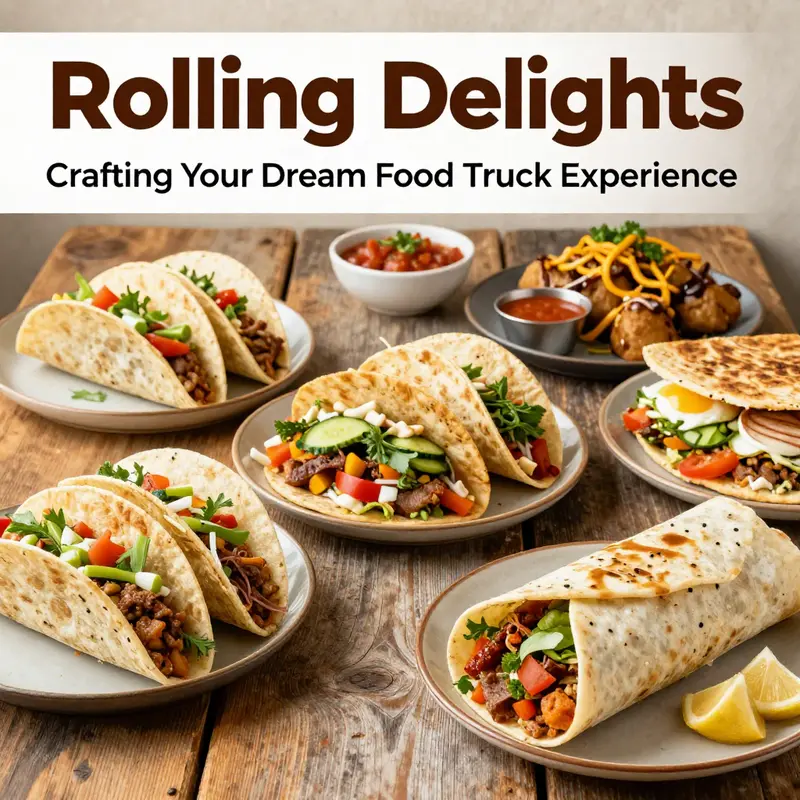
A food truck is more than a rolling kitchen; it is a carefully tuned system where the menu determines motion, pace, and personality. The menu becomes the compass that guides every practical choice—from the layout of the cooking line to the rhythm of the Service window, from the choice of equipment to the sourcing of ingredients. In a mobile setting, each plate must perform on multiple fronts: it should be craveable, portable, quick to assemble, and repeatable in flavor and portion. The art of menu development, then, is a disciplined balance of creativity and constraint, where culinary imagination is married to the realities of space, time, and expense. When you design a menu with that balance in mind, the rest of the truck—its burners, its cold storage, its prep stations, its branding—falls into place with a cleaner, more reliable flow.
At the heart of menu strategy are signature items. These are the dishes that carry the brand’s identity in a single bite or a single bite-sized moment. They anchor a menu that could otherwise drift into sameness, and they offer customers a reason to seek you out again. Signature items should reflect the brand’s story, whether that story leans toward global flavors, comfort foods, or health-forward options. In practice, this means choosing a handful of standout offerings that can be assembled with speed and built around a core set of ingredients. For many operators, this translates into a compact menu built around three or four main proteins, complemented by a couple of portable, high-impact sides and a few dessert or beverage options that travel well. The key is not abundance but a distinct point of view: bold flavors, recognizable textures, and a coherent lineup that makes sense when seen from a distance or at a crowded window.
Alongside signature items, ingredient availability governs every choice. A truck cannot chase trendy items if those items are unreliable to source or prohibitively expensive in small lots. Menu planning benefits from a blend of reliable staples and occasional seasonal additions. Seasonal ingredients keep the menu fresh for regular customers and allow trucks to support local growers and producers, which resonates with diners who care about sustainability and locality. When seasons shift, a small rotation of menu items can refresh interest without overhauling the entire offering. Planning around availability also helps with pricing and margin. If a particular ingredient spikes in price, the menu can pivot toward other proteins or contrasts that preserve flavor appeal without inflating the cost per plate. The goal is a menu that remains consistently delicious while staying financially viable, even as the market ebbs and flows.
Dietary flexibility is no longer an optional add-on; it is a requirement for broad appeal. The modern street-food customer often seeks vegan, gluten-free, or low-carb options that feel indulgent rather than compromised. A well-designed truck menu accommodates these needs without fragmenting the kitchen. This can be achieved by building cross-over dishes that can be prepared in multiple ways. For example, a room-temperature grain bowl can be served with a plant-based protein or a traditional animal protein; a wrap might offer a falafel option or a grilled chicken alternative; toppings can be chosen to customize while the base remains the same. The challenge is to preserve speed and consistency while offering choices. When executed well, dietary variety becomes a driver of volume rather than a potential bottleneck at the pass.
From a technical perspective, menu development is inseparable from the truck’s physical realities. Space is at a premium, so the menu must be engineered around a compact set of kitchen tools. Complex, multi-step recipes do not bode well in a tight footprint where prep occurs at a single or two small stations. The emphasis shifts to dishes that can be prepped in advance—marinating proteins, chopping vegetables, portioning sauces—and then finished quickly during service. Equipment choices follow. A commercial-grade stove or griddle, a fryer, a properly sized refrigerator, and a dependable hand sink are the backbone. These components dictate what can be cooked to order and how fast it can travel from bench to bin to customer. High turnover thrives on items that are quick to cook, easy to portion, and forgiving of minor variations in execution. The menu must anticipate the line speed, the order mix, and the window where customers converge in the busiest moments.
Another practical thread is the relationship between the menu and the order flow. A well-structured menu reduces confusion at the window and minimizes the chance of mistakes. It supports a logical prep sequence and a clean, repeatable assembly line. When a truck salesperson asks, “What’s your best seller?” the right answer is not a single dish but a configuration: a core set of items that share components and a pre-decided ratio of protein, grain, and greens. This reduces waste and simplifies inventory management, because common ingredients can be used across multiple dishes, increasing utilization and lowering carry costs. The result is a menu that travels well—literally and figuratively—because its components engineer speed, consistency, and predictability.
The brand story should radiate through the menu, from the naming of the dishes to the way the items are described on the menu card or digital screen. Simple, evocative names that hint at the origin or the character of the dish help customers make quick decisions under pressure. The descriptions should be concise, emphasizing texture, aroma, and a few key ingredients rather than exhaustive culinary biographies. A strong menu supports social media storytelling as well: bold, photographable items, clear color contrasts, and a memorable mix of colors and textures that look compelling in a mobile kitchen setting and in photos that customers share online.
Testing and iteration are essential to refining a menu that works in the real world. A kitchen that never revisits its lineup risks stagnation, waste, and missed opportunities. Data from daily sales, customer feedback, and even the quiet moments between peak hours can illuminate which items should be promoted, which should be tweaked, and which should be retired. In practice, many operators cultivate a core “stable” of reliable options while reserving permission to experiment with seasonal specials or location-specific offerings. The ability to adapt quickly while maintaining speed and quality is what separates high-performing mobile kitchens from one-off concepts that struggle to scale.
To illustrate the learning process in a tangible way, consider the mind-set of a mobile kitchen that continually balances novelty with reliability. The chef dons two hats: artist and analyst. The artist dreams of new flavor pairings and textures; the analyst weighs the cost, the prep time, the equipment duties, and the guest appeal. The menu becomes a living document, updated with a sense of purpose rather than chance. The most successful trucks keep the identity intact while gradually expanding the repertoire in a way that feels natural to the brand and feasible in the kitchen. They test new ideas during slower shifts or at events, measure impact, and fold the lessons into a refined, repeatable system. The result is a menu that feels both adventurous and trustworthy, the kind of lineup that attracts curious eaters while delivering dependable execution every service.
All of this matters because the menu is the most visible expression of the truck’s soul. It is the first thing customers notice, the framework for their decision to order, and, ultimately, the basis for how they experience the business over time. When the menu aligns with the kitchen setup, the procurement plan, and the branding, everything else falls into place with surprising ease. A well-crafted menu supports staffing decisions, informs packaging design, and guides the daily rhythm of prep, service, and turnover. It also shapes partnerships with suppliers and influences the bank of data you collect, which in turn informs future adjustments. In short, a thoughtfully designed menu is not merely a list of offerings; it is a operating thesis for a mobile business—one that links flavor, speed, and sustainability in a single, rolling package.
As you think through the practicalities, you can consult resources on how the menu concept translates into the rest of the truck’s ecosystem. For those exploring how to pair kitchen layout with menu strategy, examining the best food truck models for Lakewood startups can offer useful perspectives on space planning, equipment selection, and workflow. This kind of holistic view helps ensure that every menu decision reinforces a coherent, scalable mobile operation. See the discussion available at the Lakewood resource linked here: best food truck models for Lakewood startups. The interplay between design choices, menu architecture, and customer experience is a continuous conversation, one that you’ll revisit as markets shift and customer preferences evolve.
For a broader, interactive lens on how menu design translates into operational realities in a mobile kitchen world, many readers also find value in immersive simulations that model decision-making, inventory, and service scenarios. An illustrative example is the culinary adventure game that mirrors the challenges of running a mobile kitchen across diverse locations, teaching players to manage menus, inventory, and customer service in a time-efficient, resourceful way. External readers can explore this experiential resource here: https://www.foodtruckchef.com/ .
In sum, the most successful food trucks treat the menu as a strategic instrument rather than a fixed afterthought. It is the DNA of the business expressed in edible form, the mechanism by which brand promise becomes practical service, and the anchor for every operational choice. A menu that is clear, adaptable, and compelling gives a truck its best chance to travel far and fast, delivering consistent quality, delightful surprises, and enduring customer loyalty across a life on the road.
null
null
Brand on the Move: Crafting a Cohesive Brand and Marketing Playbook for a Food Truck
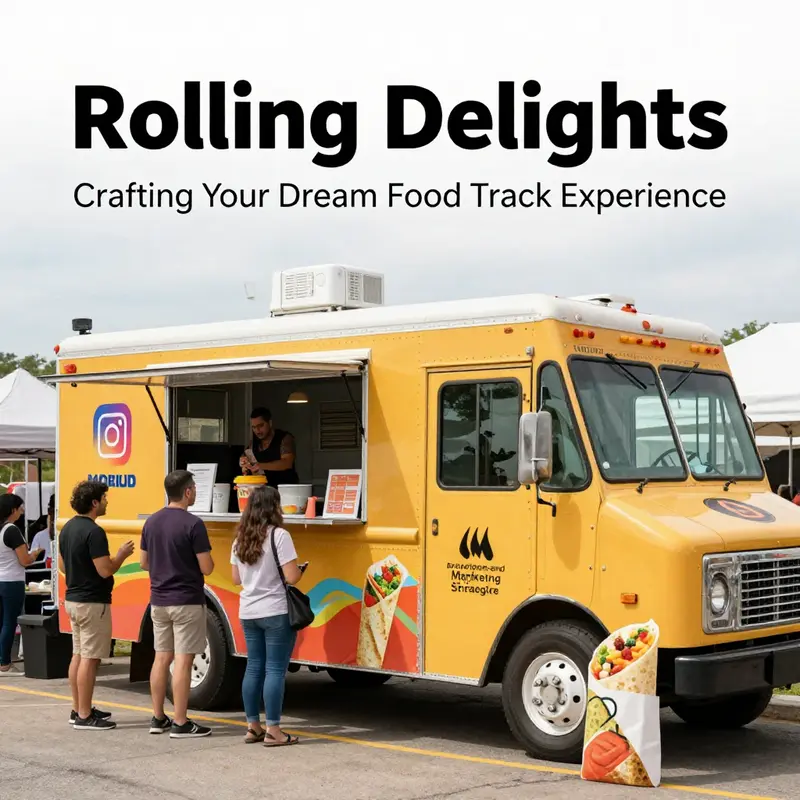
A food truck lives or dies by the story it tells as much as by the meals it serves. Branding, in this sense, is not a separate department but a compass that guides every gesture, from the gleam of the chrome to the aroma wafting from the window, from the way a cashier greets a line to the cadence of your posts on a schedule. When the truck is a mobile kitchen rather than a stationary storefront, branding becomes a living, breathing experience. The goal is consistency across moments and places so that a customer who finds you at a park, at an office complex, or at a festival feels the same familiar confidence in taste, service, and personality. In that sense, branding is not a logo; it is a promise carried on four wheels and a message that travels with your crew when the sun rises and when the crowd disperses at dusk. The food truck, more than any fixed eatery, demands a cohesive marketing frame that follows the traveler’s path and builds a loyal audience, one repeat visit at a time.
A strong visual identity forms the most immediate link between a customer and your brand. The exterior wrap, the color palette, the typography on the menu board, and even the texture of the packaging communicate a mood before a single bite is tasted. A deliberate, local-infused visual approach resonates deeply. One of the most effective methods is to collaborate with a local graffiti artist to craft a distinctive aesthetic that reflects the neighborhood’s energy while preserving legibility and practicality. The art does not merely decorate the truck; it becomes a narrative landmark that neighbors recognize, talk about, and remember. This kind of collaboration also signals a commitment to the community, turning the truck into something more than a food source. It becomes a gathering point, a source of pride, a cue that the operator is invested in the area’s cultural texture. The result is positive word-of-mouth that travels visually as well as verbally, a form of brand equity that costs less per impression than many paid campaigns.
Yet branding is not solely about eye-catching surfaces. The story your menu tells matters as much as the colors that sparked curiosity. A truck’s menu must be portable, quick to assemble, and easy to explain in a single glance. The narrative around your offerings—where the ingredients come from, how they’re prepared, and what makes each item unique—forms the backbone of the brand’s voice. That voice should be consistent across the entire customer journey: the tone of your staff’s greetings, the language on the boards, the way you describe flavors in photos, and even the pace at which you deliver orders. When a customer hears a brand voice that feels trustworthy and warm, they are more likely to place a recurring order, to form a habit around your schedule, and to defend your space in a crowded market. The packaging and presentation carry this narrative beyond the window. Durable, thoughtfully designed wrappers, napkins, and cups carry your aesthetic into customers’ hands and into photographs they share online, amplifying reach without demanding extra spend on media.
The social front is where a food truck can perform with agility that fixed venues envy. A well-executed social strategy leverages the truck’s mobility as a selling point and a storytelling platform. Platforms like Instagram, Facebook, and short-form video channels offer windows into the daily rhythm of the truck: the hustle of prep, the choreography of service, the improvisation when a line bends toward a longer wait, and the small gestures that create a loyal following. A consistent posting schedule helps your audience know when to expect you and where you might be found next. Strategic use of hashtags, such as a city’s name paired with the phrase food truck life, helps to connect with locals who will be more inclined to seek you out when your schedule aligns with their patterns. Behind-the-scenes content—shots of sliced vegetables still glistening with fresh steam, the sizzle of the grill, a staff member juggling orders with a friendly quip—cements the brand’s personality and invites engagement. Social media becomes a two-way street: comments, polls, and limited-time promotions can inform a daily decision about where to park and what off-menu items to test. The key is to remain authentic, avoiding the trap of chasing trends at the expense of your identity.
Partnerships and local engagement provide another axis to amplify a food truck’s branding and reach. The street is crowded, but it also hums with opportunities. Farmers’ markets, community events, neighborhood festivals, and corporate gatherings provide consistent stages where a strong brand can shine. In these contexts, a brand that demonstrates reliability—consistent portion sizes, predictable service, and a visible dedication to quality—becomes a preferred option. Strategic partnerships with nearby businesses and event organizers can unlock recurring slots, giving your truck a predictable anchor in the week or month. In return, you gain access to audiences that are already predisposed to supporting local ventures. Creative event menus or exclusive items for specific partnerships can generate excitement and drive repeat visits, while loyalty mechanisms such as punch cards, a simple loyalty app, or referral incentives can reinforce the relationship over time. The best brands treat every interaction as a chance to reinforce their value proposition: speed without sacrificing quality, a friendly face in a bustling line, and a sense that the truck belongs in the neighborhood, not just passing through.
A cohesive branding effort must radiate through every touchpoint: the truck’s exterior, the packaging, the online presence, and the staff’s behavior. Brand consistency is not rigidity; it is reliability. Customers should feel a familiar rhythm whether they encounter you in broad daylight under a festival banner or in a quiet lunchtime pocket near a neighborhood park. That sense of reliability grows into trust, and trust births loyalty. The tone of your communications should be unmistakably yours—clear, approachable, and confident—so that customers feel seen and valued in every exchange. Even nonverbal cues, such as the speed of service, the way a team member explains a menu item, and the attentiveness of the cashier, contribute to the brand’s overall aura. There is a practical upside as well: a cohesive identity reduces decision fatigue for customers, who can rely on a consistent standard of quality and service across multiple visits and locations. For operators, it simplifies training and reduces the risk of miscommunication during busy periods, helping to keep the experience uniform as the business scales.
As you consider how to position your truck in the market, it can be instructive to study established models for local startups and how they translate a brick-and-mortar brand into a mobile canvas. The approach to branding should bleed into product design and operational choices. A visually striking wrap needs a menu that aligns with the promise of the visuals. A bold identity should be matched by equally bold but practical kitchen workflows that ensure the food is produced swiftly, consistently, and safely. In practice, this means choosing equipment, ingredients, and workflows that reinforce the narrative you are selling. It also means building a marketing plan that leverages the reach of your community. Local partnerships can provide a steady cadence of appearances, while a well-timed social post can turn a regular stop into a destination moment. The interplay between the tangible and the digital is where a food truck’s branding gains traction; good branding nurtures a sense of belonging that makes people seek you out, not just contentedly accept you as part of the lineup.
For readers curious about concrete precedents, one useful lens is to examine how other operators in similar markets have designed and deployed their branding. A practical way to explore this is to look at successful, scalable models that can be adapted to your own context. There is value in recognizing what works across different neighborhoods and climates, then translating it into a design and a communications plan that fits your food and your location. If you want to skim through a selection of model designs and layouts that have resonated with audiences in nearby communities, consider exploring the resource on best food truck models for Lakewood startups. This reference can offer insight into how layout decisions, branding choices, and location strategies intersect to create a coherent mobile business. Best Food Truck Models for Lakewood Startups.
In the end, branding a food truck is an exercise in storytelling, design, and logistics working in harmony. It asks you to define a promise—something you can deliver reliably in every park, every office complex, every festival—and then to walk that promise with every encounter. The truck becomes a theater on wheels, where the menu is the script, the staff are actors embodying the brand voice, and the line of customers is a living audience responding to the performance. A memorable brand does more than attract attention; it creates a sense of expectation and belonging that keeps people coming back, season after season, location after location. The success of a food truck hinges on this blend of culinary craft and brand-soul, a responsiveness to the market that never sacrifices the core narrative that drew customers in the first place. As operators plan, purchase, and position their mobile kitchens, the most resilient brands are those that treat branding and marketing as ongoing commitments rather than afterthoughts—continuous, adaptive, and deeply human. For further field-tested guidance on branding tactics within this space, see the external resource on branding a food truck and five practical tips for success.
Rolling with Precision: Mastering Operational Logistics for a Successful Food Truck
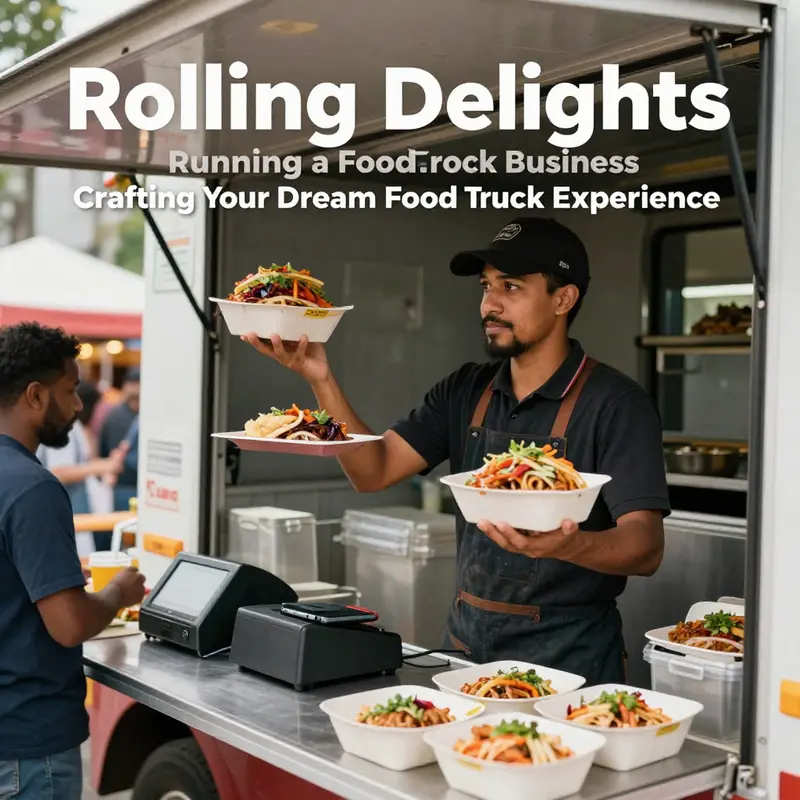
A food truck thrives not just on what it cooks, but on how well its daily life is choreographed. The heart of a mobile kitchen beats in rhythm with the road it travels, the crowds it meets, and the back-end systems that keep it clean, compliant, and consistently delicious. When you map out a food truck’s success, you begin with a simple truth: great cooking is a byproduct of efficient logistics. Mobility, inventory, staffing, and regulatory compliance must move in harmony if the business is to deliver reliable food, steady service, and a memorable experience from a single origin to dozens of locations over a single shift or a season. Each day presents a new combination of locations, weather, and demand, but the underlying framework remains the same: a well-chosen vehicle, a carefully assembled menu, and a robust operational backbone that keeps the wheels turning while ensuring quality stays high and waste stays low.
First comes the vehicle and the workflow it enables. The truck you choose sets the ceiling for what you can cook and how quickly you can turn hungry lines into satisfied customers. Small, agile vans are attractive to startups because they require less upfront investment, use less fuel, and fit neatly into urban streets where space is at a premium. They are excellent for simple menus, brisk service, and a quick-start presence. On the other end of the spectrum, larger motorized units expand kitchen real estate, allowing more burners, more refrigeration, and a broader menu that can sustain higher volumes. There’s also a middle path: portable concession trailers, which can be towed or hauled to events and markets without the daily burden of a fully built-out vehicle. Each configuration brings trade-offs in cost, maintenance, and flexibility, and the right choice often hinges on anticipated location patterns, peak times, and the ability to adapt as the business scales. When deciding, it helps to consult a practical guide on models tailored for startup needs, such as the best food truck models for Lakewood startups, which walks through the space, power, and workflow implications of different formats. The guidance there can inform everything from kitchen layout to generator sizing and electrical demands, ensuring the line between “will it work here?” and “how fast can we serve?” stays narrow.
Once the vehicle is settled, the operational choreography begins to matter as much as the recipes themselves. Food safety, for instance, depends on a reliable supply of cold storage, clean water, and a sink that can handle regular handwashing and utensil sanitation. A large, properly organized refrigerator or freezer isn’t just a convenience; it’s a safeguard that keeps perishable ingredients at safe temperatures and reduces the risk of waste from spoilage. A commercial-grade stove or griddle should be paired with a well-thought-out prep station that minimizes movement and bottlenecks. The space must support a logical sequence: mise en place at the back, cooking in the center, and assembly toward the front where customers are served. And because the truck runs on power, the electrical system—whether powered by a generator or an outside source—needs to be sized to handle peak loads without tripping breakers in the middle of a lunch rush. In practice, this means designing a kitchen flow that reduces step count, simplifies cleaning, and keeps the cooks focused on consistency rather than scrambling for tools.
The operational backbone extends well beyond the kitchen walls. Inventory management sits at the intersection of cost control and quality assurance. Short shelf lives for baked goods and produce demand a disciplined approach to ordering, storage, and rotation. The most successful trucks cultivate a routine: forecast demand by season, course the supply chain to arrive just in time, and establish a buffer for unexpected spikes without creating waste. This discipline also feeds customer experience. When a line forms at lunch, speed matters as much as flavor. Efficient service hinges on clear roles, pre-assembled components, and a station layout that supports quick turns. Training becomes a daily necessity, not a one-time event. Staff must know where every item is, how long it takes to chill or reheat, and the steps to re-check quality during high-volume periods. The aim is a clean, fast workflow where a single shift can accommodate variability in orders, crowd sizes, and even weather forecasts.
A food truck also lives or dies by its capacity to stay compliant while moving through a landscape of permits, inspections, and local health codes. Each city has its own rules about where trucks can park, for how long, and during which hours. Regular inspections, proper licensing, and proof of insurance are not mere formalities; they shape the daily routine. Scheduling becomes a logistical art: coordinating parking spots, permit windows, and event calendars so the truck can be in the right place at the right time without conflicts. A robust record-keeping system helps track temperatures, cleaning schedules, and sanitation logs, reducing the risk of violations and building trust with regulators and customers alike. As much as any recipe, the routine of compliance becomes a competitive differentiator because it underpins reliability and peace of mind for customers who return on the basis of consistent quality and predictable service.
The seasonal nature of demand adds another layer of complexity. Summer festivals, office lunch crowds, and weekend markets each pose different peak times and foot traffic patterns. The simplest path to resilience is flexibility—flexible staffing that scales with demand, flexible menus that can lean on core items during slow periods and pivot to high-margin specials during busy ones, and flexible location strategies that keep the truck accessible where crowds gather. Preparing for seasonality means more than stocking up; it means building a supply chain that can respond quickly to weather, event calendars, and citywide trends. It also means planning for downtime and maintenance in off-peak periods so the truck remains reliable during peak moments. A well-tuned forecast feeds every decision, from how many staff to schedule to the number of pounds of onions to order and even how many cases of napkins to load for a particular market. In this sense, inventory, staffing, and location strategy form a triumvirate that determines turnover speed, customer satisfaction, and ultimately profitability.
In practice, the best operators encode this wisdom into a living system that travels with the truck. The layout, the menu, the ordering cadence, and the staffing plan are not static documents; they evolve with lessons learned on the road. Front-of-house decisions—how long a customer waits, how clearly the menu communicates in a noisy street environment, and how friendly the crew is—are inseparable from back-end decisions about when to order fresh goods, how to schedule shifts, and where to station the truck during a festival. Every successful shift reads like a script: the team knows where to start, how to cycle through tasks, and when to pivot if a storm turns a busy park into a ghost town. In this sense, operational logistics become a narrative of reliability: a story customers can trust, week after week, mile after mile.
The discipline of good logistics also feeds branding and growth. A brand that promises speed, freshness, and approachable flavor must deliver on those promises every time the truck hits a new neighborhood. That means a consistent look, a consistent flow, and a consistent standard for food quality, all of which are anchored in the systems that govern inventory, workflow, and compliance. It also means knowing when expansion makes sense. If a truck can sail through a peak hour at one market with a lean, repeatable process, that same blueprint can scale to multiple locations, seasonal events, or even a second unit. Growth here is less about adding more recipes and more about multiplying the reliable mechanism that makes those recipes sing in transit.
For readers curious about the practical angle of vehicle selection and setup, a look at the guide on vehicle models can be helpful. It outlines how different configurations affect storage capacity, power needs, and kitchen flow, helping aspiring operators align their dreams with real-world constraints. Within that context, consider how your own operating rhythms—your peak hours, your menu complexity, and your preferred pace of growth—fit with the right chassis. There’s value in grounding ambition in architecture, not just appetite. And when you’re ready to explore concrete options, the internal resource on best food truck models for Lakewood startups offers a grounded starting point that translates kitchen passion into street-ready practicality: Best food truck models for Lakewood startups.
As operations become a core competence, the focus naturally expands to cultivating a resilient, customer-centered culture. The mobile kitchen is a service engine as much as a kitchen, and every touchpoint—from the ice in the glass to the speed of the line—contributes to loyalty. Keeping the wheels turning with high quality, low waste, and lawful compliance is not a one-time effort but a continuous cycle of planning, executing, reviewing, and refining. The most successful food trucks treat logistics as an ongoing craft, a discipline that blends culinary creativity with disciplined execution, and a readiness to adapt to whatever the road throws at it. This integrated approach—where menu design, kitchen layout, inventory discipline, staff training, and regulatory readiness reinforce one another—creates a mobile business that not only serves meals but also sustains momentum, season after season, festival after festival, curbside after curbside.
External resource for broader context on standards and applications can be found here: https://www.foodtrucks.com/usa-food-truck-types-standards-properties-applications
Final thoughts
As you cruise towards your food truck venture, keep in mind that success is built on a foundation of creativity, compliance, and public engagement. Each facet we covered—from equipment and menu planning to branding and logistics—serves a critical role in the delicious journey ahead. Remember, every gourmet taco or artisan sandwich you create is more than just food; it’s about gathering the community, sharing experiences, and saving a seat for everyone at the table. So roll out that banner, fire up that grill, and bring your unique flavors to the streets of Lakewood!