
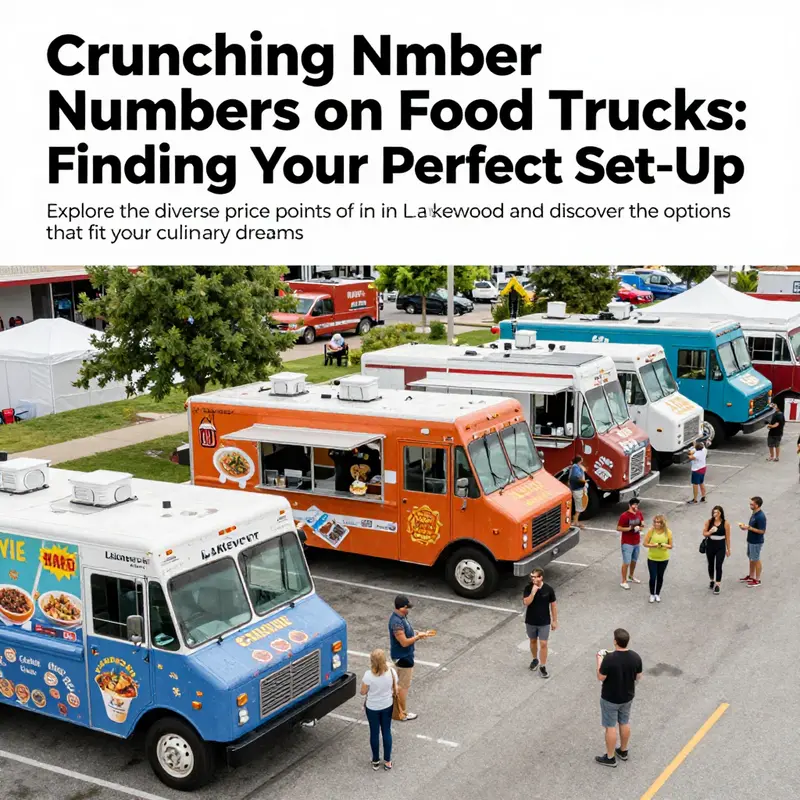
Whether you’re an aspiring food truck operator dreaming of serving scrumptious treats or a tourist eager to explore Lakewood’s vibrant food scene, understanding the costs associated with food trucks is crucial. Prices can vary widely based on what type of truck suits your needs, from simple mobile food carts to high-end custom builds. In the chapters that follow, we’ll delve into the various pricing tiers, giving you a comprehensive understanding of the investments required as you embark on your food truck journey.
Affordable Starts: What a Basic Mobile Food Cart or Trailer Will Cost You
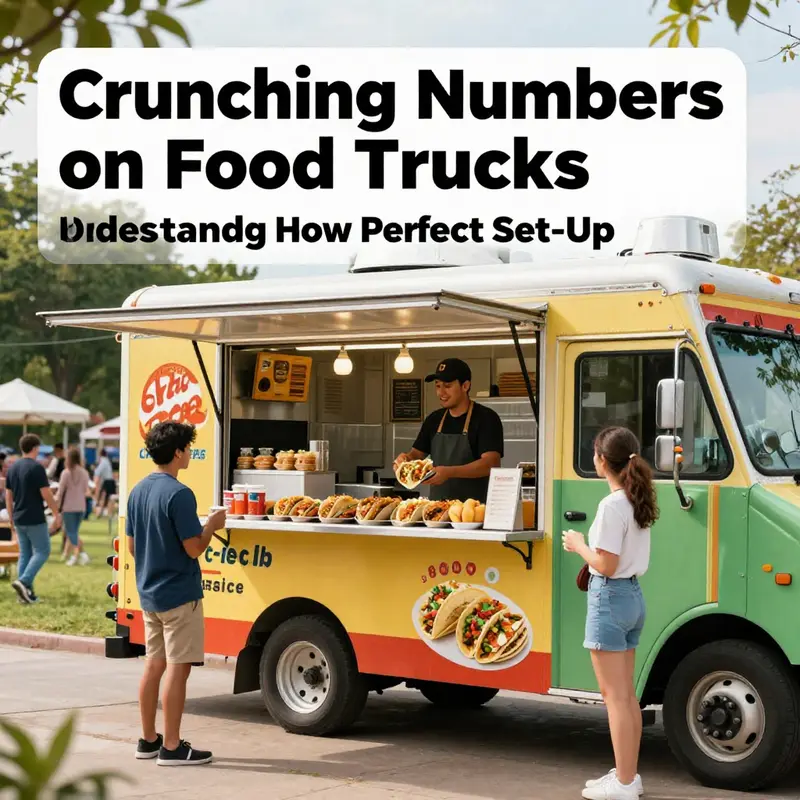
Entering the mobile food world often begins with one practical question: how much is the food truck I can actually afford? For many entrepreneurs the realistic starting point isn’t a fully kitted custom truck but a basic mobile food cart or a simple trailer. These lower-cost options let you test menus, understand customer patterns, and build a brand without the heavy upfront debt of a large custom build. This chapter follows a single thread: the true costs you’ll encounter when choosing an entry-level cart or trailer, why those costs vary, and how to weigh price against operational needs so the number you pay lines up with the business you want to run.
A basic mobile food cart is designed to be lean and focused. These units are compact, typically manual or towed, and configured for narrow menus such as coffee, crepes, tacos, or hot dogs. Their compact footprint makes them easy to position at high-foot-traffic spots or events. Price tags for used carts often start around three thousand dollars, depending on condition and basic equipment. That figure can look very attractive, but it’s essential to understand what that dollar covers and what it doesn’t. A USD 3,000 cart might include the shell, a few counters, and minimal fixtures. It may lack a full working refrigeration system, proper ventilation, or a certified fire suppression setup. In practice, many buyers add a few hundred to a few thousand dollars in upgrades to reach compliance and reliable operation.
Trailers represent the next step up. A trailer gives you more working space and the option to install more robust equipment such as larger burners, a convection oven, or better refrigeration. Pre-owned trailers with basic equipment frequently sell for under USD 15,000. Within that range, it’s common to find well-maintained units listed around USD 6,000 to USD 10,000 that include prep counters, a small fridge, and a couple of cooking appliances. The key with trailers is the balance between physical size and equipment. A smaller trailer keeps costs down and reduces towing requirements. A larger one expands your menu possibilities but raises the price and operational complexity.
When comparing carts and trailers, focus on the business you plan to run rather than the lowest price available. Carts are great for single-item, high-volume concepts where speed and mobility matter. Trailers fit multi-item menus and allow one or two staff to operate comfortably for longer shifts. Both options require attention to local regulations. Health department approvals, food safety certifications, and municipal vending permits can add several hundred to a few thousand dollars to the overall cost before you begin selling. Factor permit timelines and inspection requirements into your launch plan: a cheap unit that sits idle while you await approvals does not save you money.
Another consideration is the condition of the equipment. Many used carts and trailers are sold by owners who upgraded or changed concepts. Those units may appear inexpensive but often need work. Common areas that drive additional cost include refrigeration repairs, replacement of worn burners, electrical rewiring to meet code, and cosmetic fixes like stainless steel polishing or sealing. If the unit lacks proper ventilation or fire suppression, retrofitting those systems can be expensive and sometimes triggers additional electrical or structural upgrades. A buyer inspection checklist for used units should include refrigeration performance, gas line integrity, surface condition of food-contact areas, and any visible signs of water intrusion or rust.
Customization is another budget pivot. Even a basic cart can be customized to reflect your brand—paint, signage, awnings, and menu boards add visibility and help draw customers. These aesthetic upgrades, while not strictly necessary to operate, often yield a faster return in customer interest. Functional customizations—adding a small hand-wash station, installing a POS mount, or creating a secure storage area—improve efficiency but increase upfront cost. Plan which customizations are essential for food safety and efficient service, and which can wait until the business is generating steady revenue.
Operational costs that accompany purchase are easy to overlook in sticker-price comparisons. Insurance, fuel (for towed trailers), propane or electricity for cooking, routine maintenance, and storage all affect monthly burn. Insurance for a mobile food operation varies widely by region and by the value and usage of the unit; expect to pay more if you serve alcohol, work large events, or travel frequently across jurisdictions. Storage fees for a trailer, when not in use, are another recurring cost that can match or exceed a single monthly marketing expense.
Sourcing options matter. Buying locally lets you inspect a used unit and often simplifies paperwork for registration and permits. Online marketplaces and manufacturers offer broad choices and sometimes lower prices for bulk orders or small production runs. If you’re new to food vehicles, leaning on a reputable local seller may reduce risk because they often provide a service history or offer minor refurbishments. For inspiration and model comparisons tailored to startups, resources listing recommended models and build types for new operators can be valuable; one useful guide for beginners compares popular models and their fit for startup needs.
Financing plays a role for many buyers. Some sellers accept installment payments or lease-to-own arrangements. Small business loans and equipment financing are common ways to bridge the gap between the ideal unit and the cash on hand. If you borrow, build a conservative revenue forecast that accounts for slower-than-expected ramp-up and the seasonality of street vending in your area. Remember also that cheaper equipment may carry higher maintenance costs. A slightly higher purchase price for a well-maintained used trailer often delivers better reliability and lower downtime than the absolute cheapest option.
Finally, think in terms of a phased investment. Start with a minimal viable unit that meets health and safety codes and supports your core menu. Use early revenue to fund incremental upgrades that expand capacity or comfort. This approach reduces initial financial strain and lets you learn menu engineering, peak-hour patterns, and profitable offerings before committing to a larger or custom build. Many operators follow a lifecycle: begin with a cart or small trailer, build a loyal following, then reinvest profits toward a larger trailer or a custom truck when the concept has proven itself.
A simple budget outline helps crystallize decisions: list purchase price, immediate repairs, health and safety upgrades, permits and inspections, branding and signage, insurance for the first year, basic inventory and supplies, and estimated storage or fuel costs for twelve months. Compare this total against a conservative revenue projection for the same period. If the numbers are realistic and leave room for reinvestment, the cart or trailer is likely a sound entry point.
In short, a basic food cart can be acquired for roughly USD 3,000 on the low end, while modestly equipped used trailers commonly fall under USD 15,000. Those figures provide a practical, achievable route into mobile food service. Prioritize safety, code compliance, and the equipment that supports your menu. Pay attention to recurring operational costs and build a phased plan to upgrade as revenue allows. Starting small does not mean thinking small—measured, informed investments in a cart or trailer can lay a stable foundation for long-term growth and, eventually, move you toward higher-capacity custom builds.
For a practical next step, research local unit listings and compare total out-the-door costs, not just the asking price. For sourcing and comparison across manufacturers and suppliers, a leading global B2B marketplace can be a useful place to check availability and get quotes: https://www.alibaba.com
Note: For beginners choosing a model suited to startups, see this guide on recommended models for startup operators for targeted suggestions and model comparisons.
What a Fully Equipped Food Truck Really Costs: A Practical Guide to Standard Builds
What a Fully Equipped Food Truck Really Costs: A Practical Guide to Standard Builds
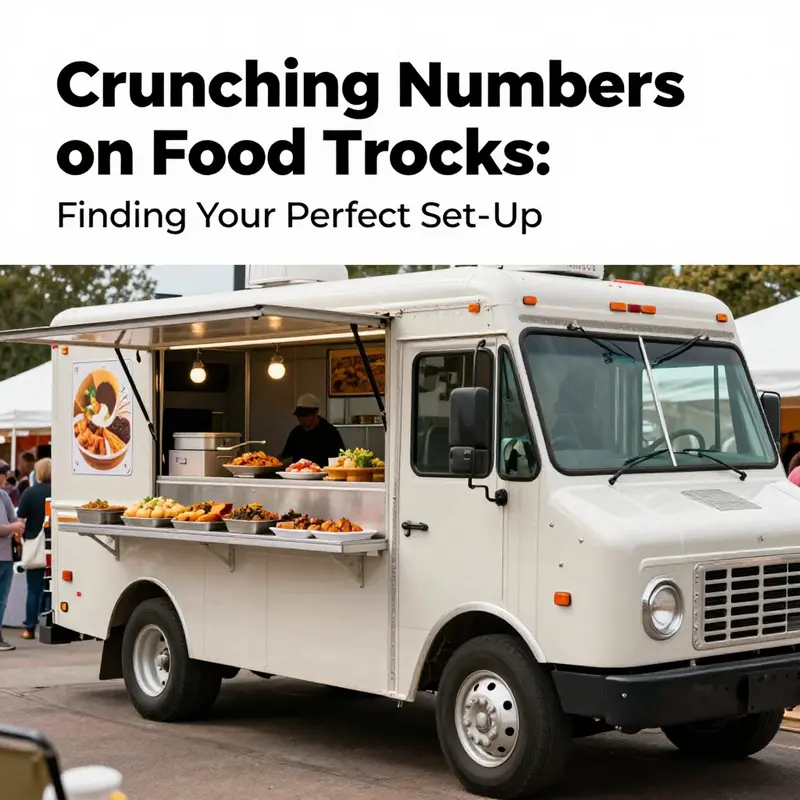
A standard fully equipped food truck sits between a bare-bones cart and a bespoke, high-end mobile kitchen. Understanding its cost means looking past headline prices to the equipment, layout, and customization that determine whether a truck can run a smooth service from day one. Prices for these standard builds generally fall into a clear band: entry-level full setups often begin around $4,099, mid-range trucks typically land between $5,500 and $7,600, and well-appointed or specialized units push into the $7,500–$9,500 range. That range reflects not just size, but what the truck will actually do, how reliably it will perform, and how quickly it can be put into service.
Most buyers start by matching the truck’s footprint to the intended menu. Compact, basic models in the lower price band are designed for simple concepts: ice cream, coffee, or snack-focused units. They usually include a sink, a small refrigerator, a basic cooking surface, and stainless-steel worktops. These trucks are efficient because the menu is compact and equipment needs are minimal. For a buyer who plans to serve a narrow menu with limited cooking during service, this is a cost-effective entry point. The lower price reflects fewer built-in systems, smaller power and ventilation needs, and lighter customization.
Stepping up to the mid-range brings several functional upgrades. Trucks in the $5,500–$7,600 bracket are aimed at operators who need multiple cooking zones, larger refrigeration, and more durable, commercial-grade appliances. Expect larger grills, combo ovens, or fryers, bigger prep and storage capacity, improved insulation, and more substantial HVAC or exhaust systems. This tier is where most food trucks land when they plan to serve burgers, tacos, pizza, or full breakfast menus. The mid-range strikes a balance between initial investment and operational flexibility: the equipment is capable of sustained daily service and can handle a wider menu without constant improvisation.
High-end standard units, priced from about $7,500 to $9,500, are for operators who want near-commercial-kitchen capabilities in a mobile package. These trucks often include multiple cooking stations, commercial-grade ventilation hoods, built-in refrigeration systems sized for volume service, and bespoke interior layouts for efficient flow. Specialized configurations—like integrated pizza ovens, large smoker setups, or multi-station catering rigs—raise both the build complexity and the price. At this level, buyers often specify custom storage solutions, upgraded finishes, and additional safety or monitoring equipment, which improve long-term reliability and resale value.
A few factors push a standard build toward the higher end of the range even if the menu remains simple. First, certification and compliance: trucks built to recognized safety standards and with proper electrical, gas, and waste systems require certified components and inspections, which add cost. Second, material quality: stainless steel, insulated panels, and commercial fixtures are more expensive but age better and resist damage from daily use. Third, integration of utilities—hard-wired electrical systems, generator mounts, solar-ready wiring, and on-board water systems—adds both convenience and upfront expense. Buyers who value uptime and minimal mid-season modifications tend to invest more at purchase.
When comparing specific price points, it helps to think of the build as a set of layers: the base vehicle or trailer, the kitchen fit-out, and the systems that support service. The base vehicle can be a repurposed step van or a new trailer shell. The kitchen fit-out includes worktops, cooking appliances, refrigeration, sinks, and shelving. Support systems cover ventilation, electrical distribution, lighting, water tanks and pumps, waste tanks, and often a generator or shore-power connection. Each layer offers choices: a smaller or used base vehicle lowers cost but may need more work to meet service needs; a higher-grade generator and full ventilation increase reliability but add significantly to price. The broad price ranges seen in the market map to these choices.
Real-world examples show how these choices add up. A compact, CE-certified mobile food cart with stainless steel construction and basic kitchen components can reach the lower end of the standard-build range at about $4,099. These units are intentionally minimal but usable for targeted operations. A fully equipped coffee trailer with commercial equipment and a well-considered service window will sit slightly higher, in the $5,400–$5,500 area, because coffee service demands reliable brewing equipment, grinders, and more thoughtful water and power arrangements. Standard BBQ or taco trucks with mid-sized grills, refrigeration, and prep space often land in the $5,099–$6,840 bracket. Custom pizza or taco oven trailers with integrated ovens or smokers, where heat management and ventilation are critical, commonly start near $7,699 and can move into the high-end slot depending on materials and layout.
Beyond the build itself, buyers must budget for fit-out details and startup items that aren’t always included in a base price. Permits and inspections, local health department requirements, insurance, and branding materials add up. Training on new equipment, stocking initial inventory, and a reserve for early maintenance should also be factored in. Even with a trusted supplier and clear specifications, it’s wise to hold contingency funds to handle modifications required by local code or to adapt the kitchen to the operator’s actual workflow once service begins.
Sourcing plays a role in both cost and confidence. Established B2B platforms and suppliers that publish clear specifications, minimum order quantities, and certification information can speed decision-making. They make it easier to compare verified product lists and warranty options. For many buyers, that transparency is worth a small premium because it reduces surprises during shipping, installation, or inspection. If you plan to buy from a cross-border supplier, plan for shipping, import fees, and any local conversion work needed to meet electrical or gas codes.
Resale potential should influence how much you invest in a standard build. Trucks built with commercial-grade equipment and proper certifications tend to hold value better than custom, one-off conversions that are highly tailored to a single menu. Investing in durable surfaces, modular equipment, and industry-standard appliances makes it easier to repurpose the truck or sell it when the time comes. Think of the purchase as buying a platform: the more adaptable that platform is, the higher its resale value.
Operational readiness is another angle: a truck that arrives ready to operate can start generating revenue faster. Mid-range and higher-end standard builds often include complete electrical and water systems, professionally installed ventilation, and certified gas hookups, which reduce the time between delivery and first service. That speed-to-revenue can justify spending more up front, particularly if you have a tight timeline for launching events or scheduled catering.
Choosing the right level of investment requires clarity about menu complexity, expected volume, mobility needs, and local regulatory requirements. If you need a reliable, versatile platform that can support a full-service menu and regular daily operations, expect to budget into the mid-range or higher end of the standard category. If your concept is compact and targeted, the lower end will serve well and minimize initial outlay. Either way, building in a buffer for permits, branding, and contingency will prevent unwelcome surprises.
For real-time product listings and verified specifications that reflect current market prices, you can consult supplier pages that detail standard fully equipped food truck offerings. One such listing provides a helpful example of what is included at various price points and can serve as a reference for comparison: https://www.alibaba.com/product-detail/Standard-Fully-Equipped-Food-Truck-Commercial_1600283813704.html
If you want to explore events and markets where a standard fully equipped truck will perform best, consider researching local rally and festival schedules to match your build to demand; a useful local resource is the overview of 2026’s best food truck rallies that outlines where high-traffic opportunities exist. This can inform whether a mid-range or high-spec truck is necessary to meet peak event demands: https://lakewoodfoodtrucks.com/2026s-best-food-truck-rallies-what-lakewood-has-in-store/
Understanding the real cost of a standard fully equipped food truck means balancing immediate needs with long-term adaptability. The right choice depends on menu, volume, compliance, and resale strategy. The price bands—roughly $4,099–$4,500 for compact models, $5,500–$7,600 for versatile mid-range trucks, and $7,500–$9,500 for specialized or near-commercial builds—provide a practical framework to plan your investment and move from concept to service with confidence.
Beyond the Basics: Estimating the Cost of High-End, Feature-Rich Food Trucks
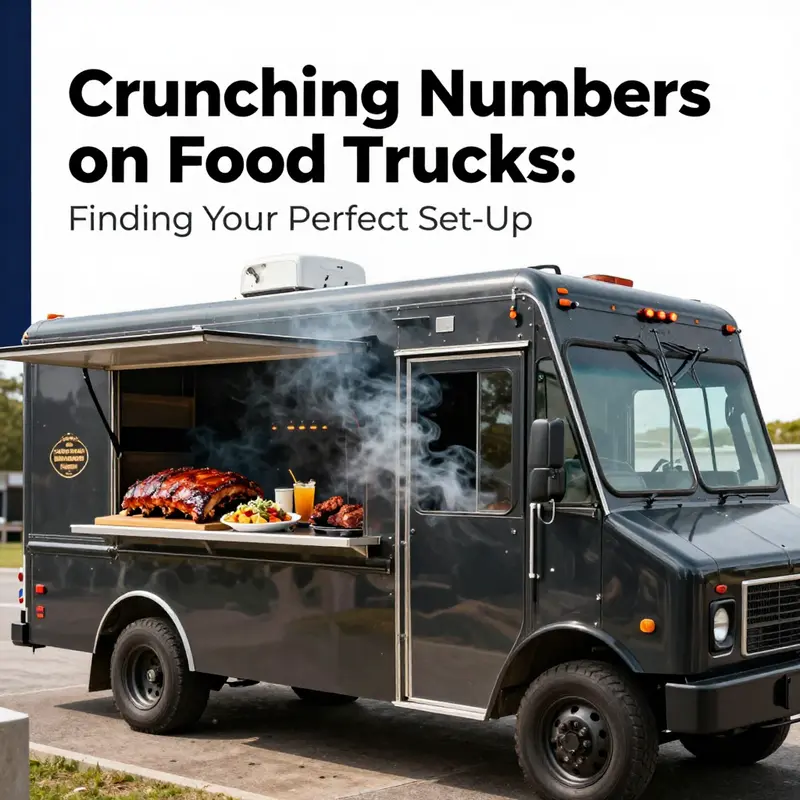
High-end, feature-rich food trucks sit at a curious intersection of culinary ambition and manufacturing craftsmanship. They are not merely mobile ovens on wheels; they are compact, climate-controlled kitchens designed to deliver consistent results in varying locations, all while projecting a brand personality through interiors, lighting, and layout. For operators who want the flexibility to serve complex menus, maintain cold chains in transit, and perform reliably under demanding service hours, the price tag moves well beyond the basic chassis and a few shelves. What begins as a quest for mobility quickly evolves into a serious investment in equipment, power, and design, with each added feature nudging the total upward in meaningful ways. In markets around the world, the appetite for advanced configurations is growing, driven by consumer expectations, competitive differentiation, and the practicalities of running a professional kitchen on four wheels.
Understanding the economics of these models begins with recognizing the primary cost drivers. At the most elemental level, a truly advanced food truck is not just a vehicle with a grill; it is a mobile, engineered workspace. The high-end builds bring together full stainless steel kitchens, multi-zone cooking setups, robust refrigeration, precise ventilation, and sophisticated energy management systems. They often feature modular interiors, high-end insulation, and tailored aesthetic finishes that must withstand daily wear while reflecting a strong brand identity. The result is a cost structure that is several steps above a simple, basic cart or a standard, in-till trailer. In practical terms, the cost conversation for advanced models starts with two broad price bands that capture the essence of the market: a Chinese-market style of high-configuration builds and the more globally familiar range for premium, fully equipped units.
On the premium end, truly advanced, multi-feature mobile kitchens are typically priced in a broad RMB range of roughly 75,000 to 200,000. When converted to U.S. dollars, that translates to about 10,500 to 28,000 dollars. This is not a small delta; it represents a genuinely full package: a brand-new chassis paired with a complete stainless steel kitchen, dedicated cold storage, energy-efficient cooking equipment, and interior finishes that prioritize durability and ease of cleaning. The initial outlay reflects not only the cost of the materials but also the design work, the integration of multiple systems (cooking, cooling, ventilation, and power), and the lead time required to align a custom layout with health, safety, and local permitting standards. For many operators, this price band is the practical ceiling for a truly turnkey, high-end mobile kitchen that arrives as a ready-to-operate unit with all major systems already in place.
Within that same advanced category, there are specialized configurations that emphasize particular capabilities. For an operation centered on ice cream and frozen treats, a fully equipped ice cream unit can run from roughly 2,600 to 4,500 USD, equivalent to about 18,500 to 32,000 RMB. This range reflects equipment selections tailored to frozen dessert production and service, such as display freezers, mix machines, and cooling systems designed for high throughput, while still living in a compact footprint. For operators seeking a more eclectic or luxury mobile kitchen, there are bundles that merge multiple functions—outdoor cocktail service, donut production, and Italian ice cream—where the price can scale from about 3,980 to 7,960 USD (roughly 28,000 to 57,000 RMB). These configurations fuse specialized equipment with creative interior design and robust storage, enabling a single vehicle to host diverse capabilities without compromising speed or sanitation.
Another distinct but related track is the fully integrated, electric or hybrid capable mobile kitchen. In this space, electric-driven or energy-efficient setups command a premium not only for the fuel savings and reduced emissions but also for the advanced power management hardware that supports refrigeration, hot holding, and precise temperature control during long shifts. The cost for these electric-powered advanced configurations typically sits in a range that reflects the added electronics, battery storage, and charging infrastructure required for dependable operation on-site. While the exact figures vary by builder and market, the emphasis remains clear: the integration of electric power and high-efficiency cooling and cooking systems adds a meaningful premium to the base vehicle and interior outfitting.
The price narrative for advanced features is not confined to isolated line items. It is shaped by the total system you are purchasing—the kitchen’s footprint, the layout’s ergonomics, and the reliability of the integrated controls. A fully customized, high-config truck represents a total package that goes beyond the vehicle itself. It includes the design phase, the fabrication and installation of heavy-duty stainless work surfaces, professional-grade appliances, zoning for different cooking processes, and the long-term performance expectations that come with frequent duty cycles in varied environments. In markets where demand for such capabilities is rising, operators are often drawn toward bespoke builds that optimize space, workflow, and customer experience, justifying the higher upfront investment with potential gains in efficiency, throughput, and brand differentiation.
To put scale into perspective without losing nuance, consider the broader market forces at play. The global market for food trucks and trailers is forecast to grow at a steady pace over several years, with a notable share of the demand directed toward mobile units that combine advanced features with practical reliability. Trailers, in particular, remain a prominent segment because they can provide generous interior room and modular configurations that are easier to retool than a fixed, self-contained unit. Yet even when opting for a trailer, the push toward “advanced functionality” means many buyers invest in high-performance refrigeration, modular kitchens, and digital payment and ordering systems. These features, while they add to the upfront cost, also lay the groundwork for smoother operations, better consistency, and a stronger brand promise for customers who expect a high-quality experience on every visit.
The strategic takeaway for someone pricing out a future mobile kitchen is straightforward: the most meaningful price increases come from the kitchen’s capability set and the systems that support it. If you are aiming for a truck that can handle complex recipes, maintain strict safety temperatures, and deliver a premium customer experience across multiple service streams, you should plan for a budget in the upper ranges described above. If your vision centers on specialized offerings—ice cream, coffee, or a small but dazzling cocktail menu—you can still reach a high-performance unit, but with a leaner core and selective add-ons. The cost guidance from market data continually emphasizes the same point: advanced features add substantial value and correspondingly higher price, and the total investment should be considered in light of future growth, not just immediate startup needs.
For readers seeking a practical point of comparison rooted in real-world configurations, a useful starting place is the collection of model options and layouts explored in guides focused on starting up in your region. These resources distill the essence of what a high-end, feature-rich unit looks like and how it performs in day-to-day service. For example, you can explore a representative set of layouts and configurations through a curated overview that highlights the strongest trade-offs between capacity, speed, and cost. This kind of resource helps bridge the gap between abstract pricing and concrete kitchen design. Best food truck models for Lakewood startups provides a practical lens on how operators balance space, equipment, and price when targeting premium service capabilities while maintaining a manageable footprint.
In parallel, broader market insights illuminate why the premium features are priced as they are. The global trajectory for mobile food operations points to continued demand for advanced, modular kitchens that can be scaled up or down as business grows. The trend toward modular, high-performance trailers supports the idea that many operators value flexibility and upgradeability. The ability to swap or upgrade equipment without a full rebuild can be a decisive factor when evaluating the overall cost of ownership. At the same time, the market recognizes that such configurations demand meticulous planning, higher initial capital, and careful budgeting for ongoing maintenance, upgrades, and compliance with health and safety standards. The takeaway is not to shun complexity but to approach it with a phased, strategic plan that aligns with your business model, location, and service ambitions.
For readers who want to place these numbers in a broader market context, several external resources offer extended data and analysis. One external resource that surveys the mobile food sector and tracks how consumer demand, technological integration, and regional regulations shape costs over time can be consulted for a more global view. External resource: https://www.statista.com/topics/6715/mobile-food-trucks/; this source provides a high-level lens on the size and dynamics of the mobile food industry, including shifts toward more feature-rich configurations and the economic implications of those choices.
As you weigh your options, remember that the numbers represent a spectrum rather than a single verdict. The high-end, feature-rich end of the market rewards operators with the capacity to deliver complex menus, maintain precise temperature control, and provide a premium brand experience under varied service conditions. The exact price you attach to a future unit will depend on choices around interior layout, appliance quality, safety features, and the degree of customization. The prudent path combines clear requirements with a staged investment plan. Start with the essential workflow—how food moves from storage to staging to service—and then layer in advanced capabilities as volume and brand demand justify them. This approach helps avert the risk of over-investing in capabilities that you may not utilize to their full potential during the early stages of operation.
If you are contemplating a future that includes multi-function capability, a strong recommendation is to study the configurations that other startups have successfully deployed. The field tests and real-world results reported by operators who have tethered advanced features to steady demand can provide valuable guidance. The decision to invest in additional features should weigh not only the immediate impact on price but also the long-run effects on efficiency, consistency, and customer perception. Outcomes like faster service, tighter temperature management, and a polished customer experience often translate into higher average ticket size and improved repeat business, which can help justify the premium price of a high-end mobile kitchen.
In sum, newer or specialized models that push for advanced features carry a significant premium, rooted in the integrated systems, durable construction, and meticulous design that distinguish them from basic setups. The numbers cited—from RMB ranges of 75,000 to 200,000 (about $10,500 to $28,000 USD) for full custom builds to lower-cost specialized units in the few-thousand-dollar range—illustrate the spectrum. The overarching lesson is clear: if your business plan relies on executing complex menus with high reliability and branding on the move, it is worth treating the higher end of the price curve as an expected part of the investment. This is not merely about buying a vehicle; it is about acquiring a mobile kitchen that can perform like a compact, fully equipped restaurant day after day. And that requires thoughtful budgeting, a clear sense of purpose, and a readiness to scale as your customer base and menu evolve.
External resource: https://www.statista.com/topics/6715/mobile-food-trucks/.
Luxury on Wheels: Pricing the High-End Custom Food Truck Experience
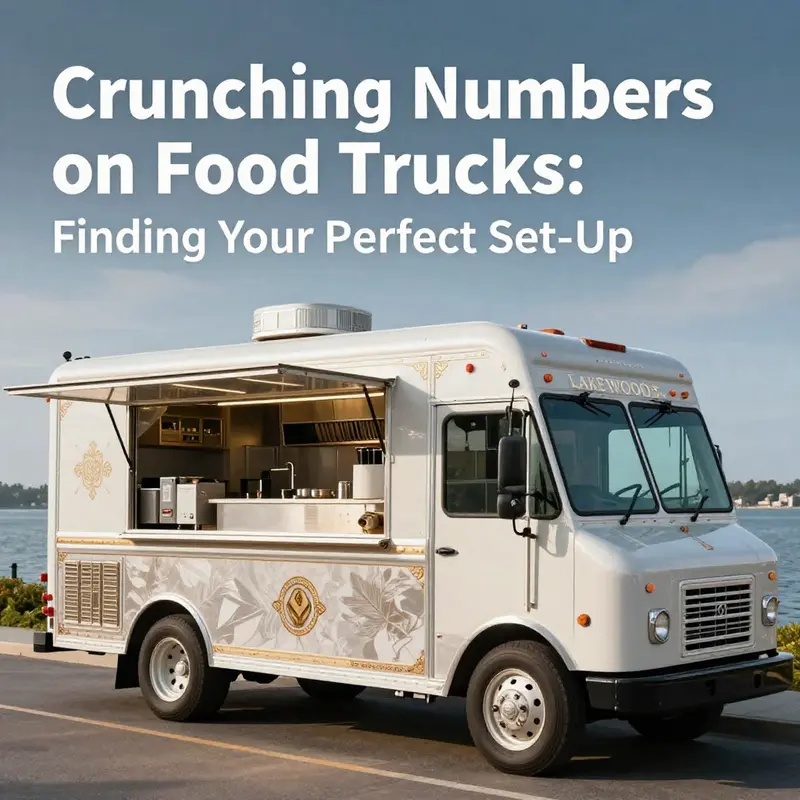
The high-end corner of the food truck market is less a simple price tag and more a narrative about engineering, artistry, and the way a mobile kitchen becomes a brand’s stage. When we talk about luxury-tier food trucks, we’re not just discussing a well-equipped van with nicer finishes. We’re describing a vehicle that functions as a working showroom, a controlled environment for gourmet execution, and a portable flagship that can turn head millions of times over during a single event or a single hour on a bustling urban street. In that sense, price becomes a function of intent: how much the operator wants to invest in performance, durability, and experience, and how far the dream will travel before it is monetized through a steady stream of high-end service, private events, and premium partnerships.
The pricing landscape for these elite builds is shaped by several interlocking factors. Design complexity is a major driver, because luxury vehicles demand bespoke layouts that optimize workflow as well as aesthetics. Every inch of space is scrutinized for efficiency: work zones must be zoned for different stations, electrical draws must be balanced with gas or induction cooking plans, and climate control systems must keep both staff and products at precise temperatures under varying weather conditions. This is not merely about adding flashy finishes; it’s about engineering a reliable platform that can withstand the rigors of long service hours, heavy usage, and the unpredictability of outdoor environments.
Materials and finishes also set the ceiling for luxury pricing. High-grade stainless steel, custom-crafted interiors, and branded touches add both resilience and visual impact. Operators often specify panels, counters, and storage that reflect a brand’s personality—sometimes fused with archival references, sometimes sleek and futuristic. The choice of materials influences not only beauty but sanitation, durability, and long-term maintenance costs. In a kitchen that runs at full tilt, every surface must withstand heat, moisture, and the daily scraping of culinary activity; this pushes up the price but also the reliability and speed of service.
Then there is the question of industrial and culinary equipment. A luxury build goes beyond standard commercial griddles and refrigeration. It may incorporate multiple cooking modes, precision steam ovens, convection units, blast chillers, climate-controlled dry storage, and advanced ventilation and filtration systems. The result is a kitchen that can execute complex menus requiring consistent temperatures, precise humidity, and rapid prep cycles, all while staying compliant with safety standards and food safety codes. The cost of equipment in a premium installation isn’t merely the sum of parts; it’s the guarantee of repeatable performance during the peak hours of a festival or the high-volume cadence of a busy urban district.
Another integral factor is climate control and comfort. Luxury operators insist on stable temperatures inside the cab, proper airflow for staff comfort, and even ambient conditions that reduce fatigue and error during long shifts. This means robust HVAC systems or heat exchange solutions, insulated bodies, and sometimes independent power sources to preserve cold chains when city power is interrupted or unavailable. The price premium here is not optional luxury; it’s the baseline that makes a high-pressure kitchen viable in outdoor environments across seasons and climate zones.
Bespoke interiors and branding are the final layer of the luxury equation. The objective is not merely to cook well but to signal the brand’s story, elevate the customer experience, and entice repeat business. Custom lighting, soundproofing for a more comfortable service, privacy screens for private events, and branded cabinetry that communicates the operator’s narrative are common features. The interior design is where the concept becomes marketable. A well-executed design can shorten line times and boost perceived value, translating into higher ticket averages. This is why luxury builds often appear as rolling art pieces—mobile experiences that attract media attention, flyers, and social shares, as much as they attract paying customers.
In this context, the cost landscape for luxury builds broadens beyond a single figure. The research data from early 2026 places a global advanced market trajectory for food trucks rising from about $2.88 billion to $4.17 billion by 2034, signaling growing appetite for premium experiences on wheels. It’s a market where the glamour of the concept competes with the realities of return on investment, maintenance, and the need for consistent performance. For the luxury tier, specific price bands emerge from region to region, but several truths hold across borders. First, you can expect base premium models to start at a level that covers a lean, specialty-focused kitchen with high-end finishes and efficient space planning. Second, any attempt to push into the luxury realm will likely push the total price well into six figures when you consider all integrated systems, long-term warranties, and bespoke components.
The numbers in the available data for high-end builds, expressed in a global context, hint at a spectrum rather than a rigid ladder. Some markets list luxury configurations in the tens of thousands of USD, especially when converted from local currencies and when the design emphasizes lean, efficient layouts rather than expansive floor plans. In the source material you provided, luxury and high-end builds are described with RMB-denominated brackets that translate to roughly ten thousand to twenty-eight thousand USD in certain markets. That framing reveals a crucial nuance: the posted figures often reflect introductory fully custom elements, export considerations, or regional pricing norms rather than universal prices. In many contexts, true premium, brand-new, fully bespoke trucks can easily surpass those figures when the aim is an all-encompassing, turn-key operation that includes custom branding, premium appliances, and advanced climate and automation features. The broader takeaway remains clear: this is where prices begin to escalate quickly as design sophistication, material quality, and operation readiness compound.
Even with price variability, there is a practical way to think about budgeting for luxury on wheels. Start with a solid baseline for the vehicle chassis and cab with the core kitchen layout. From there, treat the design and interior as an investment in brand equity and workforce efficiency. The more you tailor the vehicle to your culinary niche, the more you incur in terms of cabinetry, finishes, and equipment configurability. If the business case calls for a showpiece that doubles as a marketing platform, you will likely allocate a larger portion of the budget to interior ambiance, lighting, and display capabilities, all designed to heighten customer engagement and perceived value. For operators who view the truck as a production engine rather than a storefront, the emphasis shifts toward reliability, energy efficiency, and serviceability, even if that means compromising a few cosmetic touches.
It’s worth noting the broader market implications for these premium builds. The luxury segment tends to ride the currents of hospitality and experiential dining. As more cities embrace street-food ecosystems and food halls, there’s a premium placed on consistency of service and the ability to scale operations to larger events. A luxury food truck, then, is not merely a mobile kitchen; it is an adaptable platform that can transform from a mobile kitchen to a temporary boutique kitchen for a pop-up, a private event space, or a culinary showcase. The architecture of that versatility—versus a more standard, single-purpose trailer—adds layers of engineering and interior design complexity, which naturally elevates price. And when this platform becomes a brand’s primary image in a crowded market, the investment is at least partly measured in the experiential value delivered to customers—an intangible but highly influential factor in revenue growth.
For readers navigating this landscape, a practical signal emerges: luxury pricing, while high, is an investment in uptime, quality, and brand resonance. It is not only about what the truck can do today, but how it enables growth over time. A well-executed luxury build can shorten ramp-up times for new menus, support more ambitious catering calendars, and sustain healthy margins through premium pricing and heightened demand. In that sense, the true question is not only what the sticker price is, but how well the truck serves as a long-term asset: a scalable kitchen, a compelling platform for storytelling, and a reliable flagship that travels with a chef’s reputation and a team’s confidence.
For those curious about specific model and layout choices, further context on chassis and layout options can be found through one of the industry resources discussing diverse configurations for urban-startup ventures, such as the article on Best Food Truck Models for Lakewood Startups. It offers a window into how operators balance footprint, weight, and workflow when tailoring a luxury-grade kitchen to a demanding city environment. Best Food Truck Models for Lakewood Startups.
As this chapter moves toward closing the loop on what “how much is the food truck” can mean at the luxury tier, it is essential to recognize that pricing is never static. Materials, labor rates, and regulatory requirements shift, and regional incentives or subsidies for small businesses can alter the final tally. Yet the underlying logic remains constant: premium, bespoke builds demand premium investment, justified by durability, operational excellence, and the ability to deliver consistently remarkable culinary experiences on wheels.
For readers who want to deepen their understanding of the technical and material science behind luxury kitchen carts and mobile gourmet carts, there is value in consulting the broader research landscape on this topic. The Science Behind Luxury Food Cart: Properties, Production, and Applications provides a rigorous examination of how the properties of materials, production methods, and application contexts influence final costs and performance. While the URL here is illustrative, the study points to a trend: the more precise the engineering—from thermal performance to structural integrity—the more the project budgets reflect specialized expertise and higher-grade components. External researchers and practitioners alike emphasize that these systems must not only meet current culinary standards but anticipate future service demands as cuisine evolves and consumer expectations rise. https://example.com/luxury-food-cart-science
Final thoughts
Navigating the world of food truck pricing offers both exciting opportunities and challenges. Whether you’re starting with a basic mobile food cart or investing in a high-end custom build, understanding the costs will equip you to make informed decisions. As Lakewood welcomes a variety of food trucks, both tourists and aspiring operators alike can find their niche in this dynamic and fulfilling industry. Ultimately, knowing how much is the food truck will help you embark on a satisfying culinary journey.