
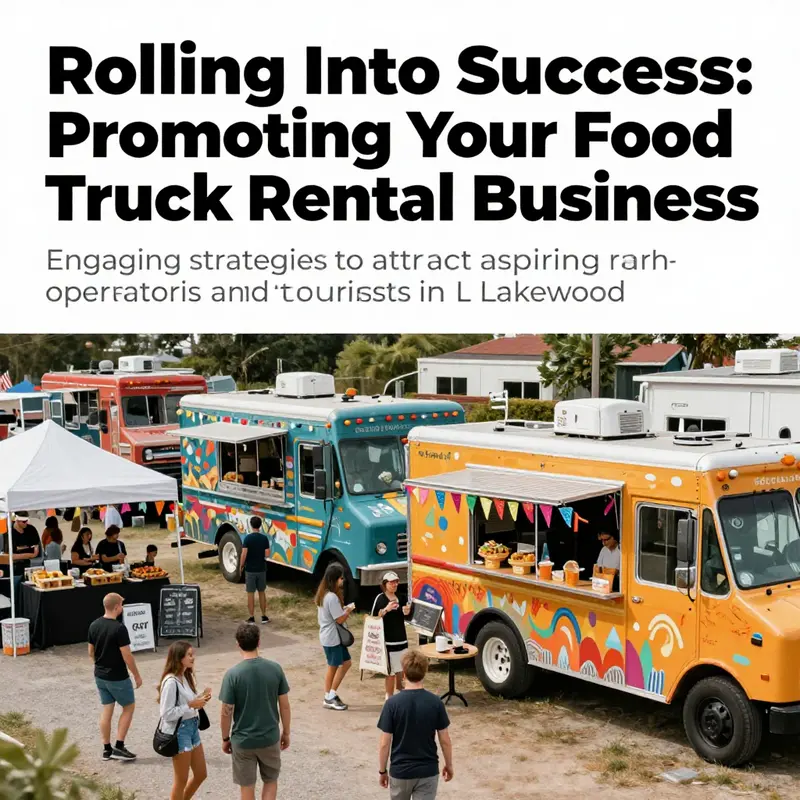
In the vibrant landscape of food trucks, promoting a food truck rental business effectively can set the stage for local culinary adventures. Whether you’re an aspiring food truck operator dreaming of hitting the road or a tourist seeking delicious eats in Lakewood, this guide is your go-to resource for understanding promotional strategies. With the right digital marketing techniques, local partnerships, engaging content, social media usage, and customer testimonials, you’ll build a reputation and establish credibility in this thriving market. Let’s jump into these essential strategies that can help you stand out and succeed!
Chapter 4: Digital Marketing Playbook for a Food Truck Rental Business
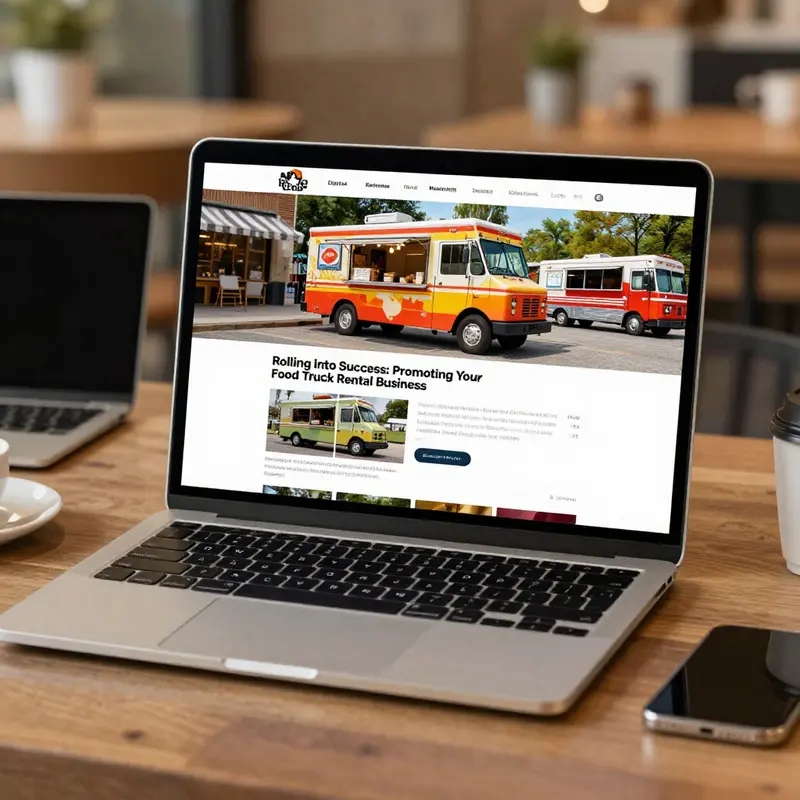
A robust digital marketing approach for a food truck rental business starts with a clear, mobile-friendly website, an easy booking path, and transparent terms that reassure planners from the first click. Make it easy for a planner to understand fleet options, pricing, and availability within seconds.
Visuals matter: invest in high-quality images and short clips that show trucks in action, on-site setup, and sanitation practices. Pair these visuals with authentic client testimonials to demonstrate reliability and professionalism.
SEO and content should educate as well as attract. Publish landing pages for typical events, FAQ sections, and blog posts that answer common questions. Use natural keywords without keyword stuffing, optimize page speed for mobile users, and include a clear call to action on every page.
Active marketing and partnerships can extend reach. Build relationships with local event planners, venues, and caterers, and consider referral packages or co-branded content that adds mutual value. Ensure terms pages and booking workflows are consistent across channels to reduce confusion and build trust.
Measurement matters. Track inquiries, bookings, and cost per acquisition, and use data to refine targeting and creative. A steady rhythm of testing and iteration helps you scale while preserving customer focus and a reliable rental experience.
Partnered Roads to Promotion: Building Local Alliances to Grow Your Food Truck Rental Business
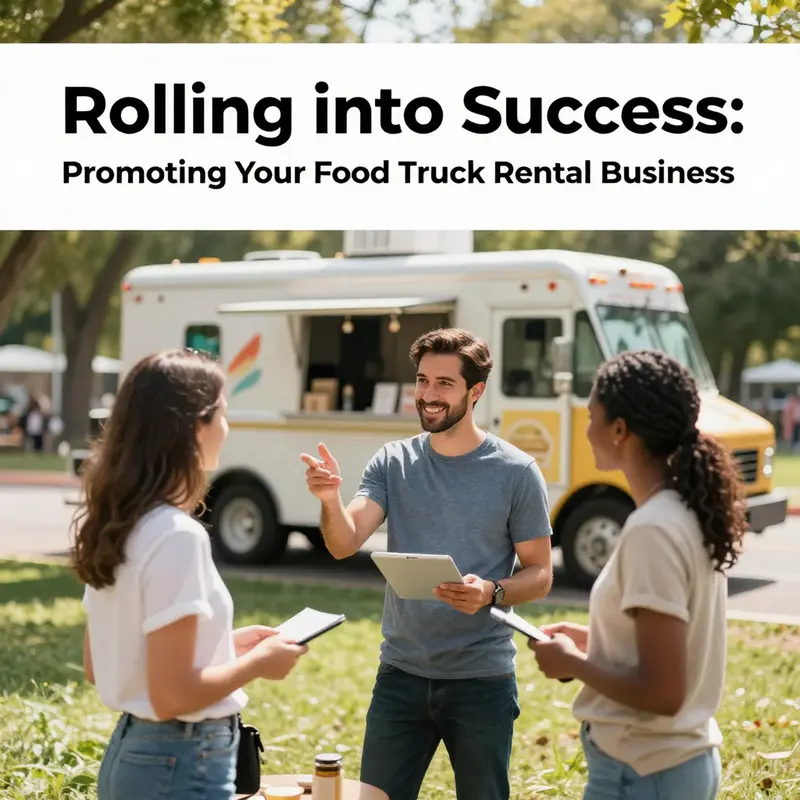
Every successful food truck rental operation grows not only by what it serves, but by whom it serves with. Local partnerships turn a wandering fleet into a recognizable part of the community’s daily rhythm. When you plant relationships with nearby businesses, organizers, and venues, you gain access to audiences you might never reach with ads alone. The most durable promotions arise from collaborations that feel natural, useful, and mutually rewarding. This is not about a one-off advertisement; it is about co-creating value that endures through season after season.
Think of partnerships as a network you nurture rather than a pile of one-off deals. Start by mapping your local ecosystem: coffee shops that wake early, gyms and coworking spaces with frequent catering needs, schools and civic groups that host fairs, and event planners who coordinate weddings, concerts, and community gatherings. Your fleet can become an extension of these partners’ services, a reliable option that enhances their offerings rather than competing with them. The pitch is simple: together, you offer something bigger than the sum of two parts. A single joint promotion can bring in new renters, but a steady stream of collaboration can stabilize your pipeline and raise your profile in the local market.
A practical way to begin is to experiment with small, value-driven collaborations that showcase how well your services complement a partner’s business. For example, imagine a local coffee shop that wants to offer a distinct morning experience for regulars. A joint “breakfast drop” pairing — coffee from the shop with a high-quality, ready-to-serve menu from your fleet — creates a destination rather than a mere display. The key is to design this so that both sides benefit: the cafe receives foot traffic and enhanced average order value, while you gain visibility among the cafe’s customers and a ready-made platform for showcasing your trucks and services. Partnerships like this also give you fresh content for your channels—photos of the two brands side by side, short videos of the setup process, and client testimonials from the coffee shop team.
Local festivals and community events provide perhaps the most powerful amplification for your fleet. Festivals are built for memorable food experiences, and a reliable mobile partner that can scale with demand is a treasure. Instead of merely offering catering, think about extending your role to include event logistics, on-site setup, and even post-event wrap-up. When you position yourself as a problem solver who can handle the heavy lifting, planners start seeing you as an essential asset rather than a rental option. This shift reduces friction in the decision process for hosts and creates opportunities for repeat engagements year after year. The better you perform at a high-stakes event, the more likely organizers are to return with a larger footprint, or to recommend you to other events in their network.
A deliberate approach to partnerships also means choosing the right partners. It’s not enough to chase high-profile names; you want relationships that align with your brand values and customer promise. For instance, a collaboration with a local business hub or coworking space can transform your truck into a revolving feature of the workday. Members might access exclusive booking windows or discounted packages, while the space benefits from a vibrant, on-site amenity that elevates their offerings. Such alignments reinforce your professionalism, and they give you a steady channel to showcase your fleet through a trusted community venue rather than through paid advertisements alone.
To maximize impact, structure collaborations around value you can deliver consistently. Exclusive promotions are a central tactic. Offer limited-time menu items or seasonal themes that are only available when your truck is stationed at a partner location or when a partner’s members book through a specified channel. The exclusivity signals quality and urgency, and it creates a clear reason for customers to act now rather than later. Partnerships can also extend your service lines. For example, you can offer bundled packages that combine a rental with on-site staffing, basic catering equipment, or a coordinated cleanup service. When a partner can advertise a turnkey solution, they see you as a one-stop answer rather than a vendor that only drops off a truck.
Cross-promotion is another essential lever. Co-branded social posts, joint email campaigns, and shared signage blur the lines between brands in a way that builds trust. If a partner venue or shop has a robust audience, your messages benefit from their credibility. The content cadence should feel organic rather than forced: a behind-the-scenes look at the truck preparation, a short interview with the partner staff about how they integrate with your service, and a simple how-to guide for hosts on selecting the best rental options for their event size and style. When your branding is consistent across partners, your fleet becomes a familiar, dependable feature of the local landscape.
Referral incentives can sweeten the deal for everyone involved. A straightforward arrangement might offer a tiered reward for every renter who comes through a partner’s referral link or for a certain number of confirmed bookings in a season. The key is to keep incentives simple and tied directly to measurable outcomes, such as bookings or event referrals, rather than abstract impressions. You’ll want a simple tracking method, a clear payout timeline, and a shared understanding of what counts as a qualified lead. In time, a handful of dependable partners can produce a steady stream of inquiries with far less spend than traditional marketing would require.
Documentation and a clean, professional presentation are essential. Create a concise partnership kit that explains what you offer, how it benefits the partner, and the terms of collaboration. Include high-quality photos of your trucks, testimonials from past clients, and a few case studies that demonstrate successful events. Visual evidence matters when you’re asking busy local businesses to consider a new relationship. A one-page overview that partners can forward or pin in their own marketing materials helps you scale outreach without becoming a time sink.
As you develop these relationships, keep your marketing channels aligned with the spirit of collaboration. Your website should highlight partner-friendly programs, and your social feeds should feature partner content alongside client showcases. A unified approach reinforces your professionalism and makes potential renters feel they are choosing a proven, community-backed option. It also reduces the friction that often accompanies vendor selection; renters trust a network, not a single seller, and they appreciate a ecosystem that feels stable and responsive.
A practical example of how to weave these threads together can be found in planning resources that discuss fleet design and operation strategies. For instance, consider exploring Best Food Truck Models for Lakewood Startups to align your vehicle selection and branding with partner expectations. While the article focuses on fleet design, the underlying takeaway is about presenting a reliable, scalable asset to partners who want predictability and consistency. When you can show that your trucks are not only attractive but dependable and easy to integrate into a partner’s service flow, you open doors to invitations you wouldn’t receive from a cold outreach alone.
Finally, keep the long view in mind. Local partnerships aren’t built overnight; they’re earned through steady, value-driven interactions. Schedule regular check-ins, share performance metrics with your partners, and celebrate joint successes publicly. If a festival wraps up a successful year, feature the organizers and your fleet in a recap post; invite the partner to be part of the narrative you tell about community vitality and culinary mobility. When both sides see tangible benefits and consistent execution, the relationship matures into a pillar of your growth strategy. In that sense, partnerships become more than a marketing tactic. They become proof that your food truck rental business is embedded in the local ecosystem, trusted by the people who plan events, host gatherings, and feed communities.
External resource to broaden these ideas and provide a framework for promotional strategies can be found here: https://www.strikingly.com/blog/how-to-promote-your-food-truck-business
Visual Storytelling on Wheels: Engaging Content That Converts Viewers Into Food Truck Rentals
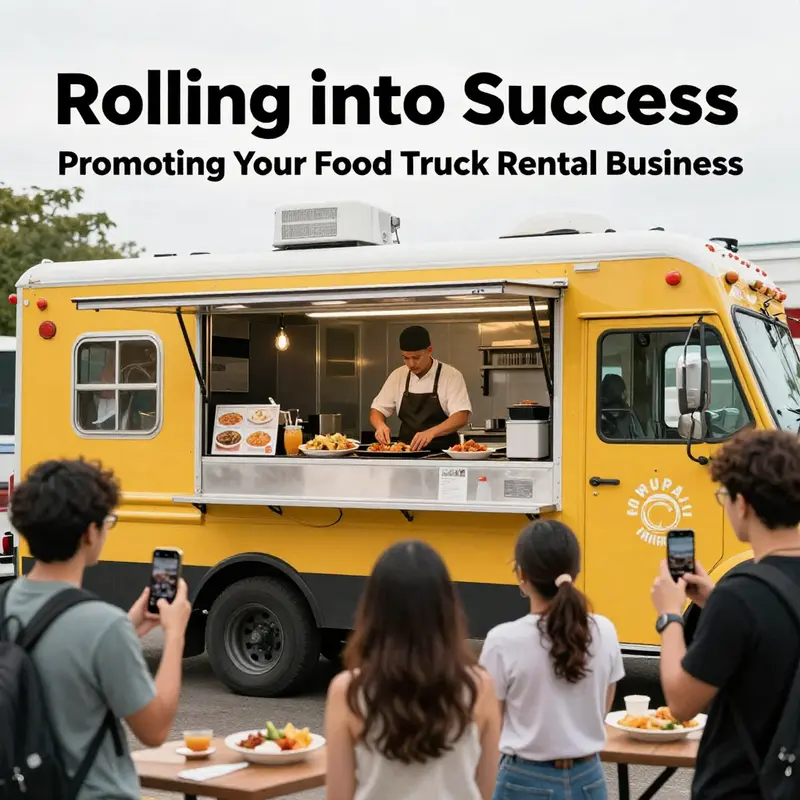
Visual storytelling on wheels can turn curiosity into bookings. Your fleet is more than vehicles; it is a mobile stage for flavor, hospitality, and collaboration. When you translate that stage into visuals, you invite renters to picture their own event on the back of your trucks. The core idea is simple: show, do not tell. Let viewers ride along as your trucks roll into a wedding, a corporate gala, or a street festival. Let them hear the sizzle, feel the warmth of service, and see the smiles of guests enjoying a moment you helped create.
In practice this means a steady stream of content that blends clear visuals with authentic narratives, anchored by a consistent brand voice and a simple promise: the fleet is ready, reliable, and capable of elevating any event. Start with the trucks themselves, the equipment inside, and the people who operate them. Close-ups of chrome, clean prep surfaces, and organized kitchen bays convey reliability. Wide shots of a truck arriving, the setup taking shape, and the first trays leaving the window create momentum. Trust grows when prospective renters see a truck that looks polished and practical.
Rhythm matters. Short videos perform best on platforms like Instagram and TikTok, where first frames must grab attention quickly. A 15- or 30-second reel featuring a chef plating a dish on wheels, followed by quick cuts of the setup, can captivate a viewer long enough to prompt a tap for more. If longer formats fit your strategy, a 60-second walkthrough that narrates the setup timeline gives viewers a realistic sense of what renting entails. The key is consistency: the same lighting, color balance, and on screen personality.
Behind the scenes, testimonials, and user generated content amplify authenticity. Invite renters and attendees to share photos and short clips from events, and encourage them to tag your brand. A few quotes from past clients paired with event visuals can become a cornerstone of your content library. People trust people, and a real testimonial grounded in a concrete event adds social proof that your service is dependable and loved.
Brand personality is the throughline that makes your content memorable. If your business is playful, let colors pop and captions wink. If you project sophistication, lean into clean lines and deliberate pacing. A distinct voice helps your audience feel like they know you before they pick up the phone. The visuals should align with that voice across banners, videos, captions, and music choices to reinforce a single impression of your fleet.
A practical element of engaging content is presenting your fleet as a versatile partner for a range of events. Weddings, corporate gatherings, festivals, and seasonal markets each have different rhythms. Highlight a few signature scenarios: a wedding reception dining setup, a corporate outdoor mixer with quick service, and a festival takeover where your truck becomes a focal point. The goal is to demonstrate range without sacrificing clarity. Viewers should leave with a simple checklist: is this the right truck for my event type, can this service fit within my timeline and budget, do I sense a collaborative partner rather than a one off vendor?
Beyond imagery, content strategy should align with seasonal trends and local events. Promote themed menus for holidays or regional specialties, and show how your kitchen can pivot from one concept to another while maintaining service quality. This approach keeps your feed fresh and positions your business as a reliable partner for many occasions.
Finally, ensure a professional online home that aggregates your best work, service options, and booking capability. Content should lead people to a central hub where they can see your fleet in action, read real client experiences, and initiate a rental inquiry. Invest in a site that is mobile friendly, easy to navigate, and visually aligned with the quality of your fleet. When content and a smooth booking path work together, you build a funnel that starts with curiosity and ends in bookings. External resources can anchor your strategy, but the core value comes from credible storytelling that invites action.
Stories on Wheels: Building Trust and Demand for a Food Truck Rental Fleet Through Strategic Social Media
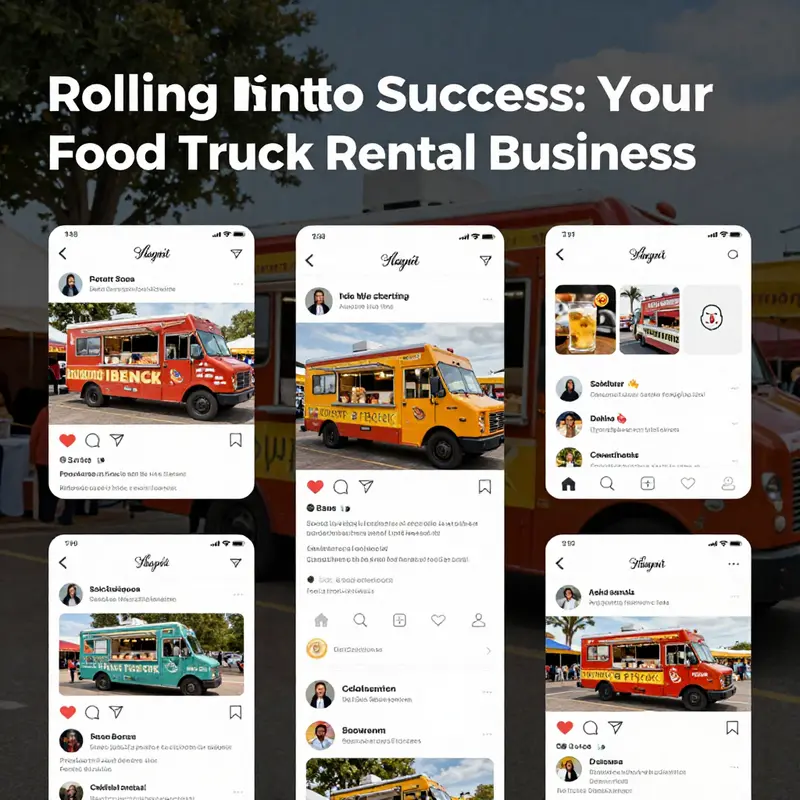
Social media has evolved from a convenient channel for promotion to the primary arena where a service brand earns trust, demonstrates capability, and invites action. For a food truck rental business, the shift is even more pronounced. You are selling not a single dish but a flexible platform: a fleet that can become the centerpiece of weddings, festivals, pop-up markets, and corporate events. The challenge is not merely to attract attention; it is to convey reliability, variety, and ease of use in a way that makes event planners, caterers, and operators reach out with confidence. The most effective campaigns treat your fleet as a dynamic asset, not just a set of vehicles. They build a storyline where each truck represents a hosting possibility, a different cuisine theme, or a distinct visual identity that clients can imagine in their own events. In this approach, social media becomes a public relations and inventory tool at once, a canvas for showcasing what your rental service can enable rather than what it costs.
Storytelling and visual content are the core engines here. High-quality photographs and well-produced videos do more than make your page look polished; they create rapid recognition and memory. Feature diverse trucks with different livery, signage, and branding, and show how one client used the same vehicle for a beach festival while another staged a formal wedding. Behind-the-scenes footage—time-lapses of truck setup, moments when staff prepare the service area, or a friendly chef guiding guests through the space—helps prospective renters understand the tempo and energy of an event with your fleet. A short clip showing a rented truck in action, framed by lighting and sound that match the setting, can communicate mood as effectively as a long testimonial. This kind of content answers the practical question: can a certain truck deliver the look, the pace, and the hospitality the client envisions? The answer becomes visible through seconds of motion and carefully composed stills that tell a narrative about possibility.
Partnerships amplify reach and credibility. Build relationships with local event planners, wedding coordinators, and venues that regularly need portable catering. When you feature their success stories on your channels, you nail two birds with one stone: you highlight proven outcomes and you embed yourself in a trusted network. A post that follows the journey from inquiry to delivery—how a planner selected your fleet, how a team set up on site, and how guests reacted—adds social proof that is often more persuasive than a brochure or a price list. In practice, these collaborations can extend your content calendar, producing case studies, day-in-the-life episodes, and seasonal campaigns that stay fresh without you having to shoot new material every week. The key is to keep a respectful, reciprocal rhythm with partners, ensuring that their contributions feel like a shared win rather than a one-sided promotion.
User-generated content is another major driver of organic growth. Encourage clients to post their own photos and videos with a branded hashtag, and consider running a contest for the most imaginative event setup, the most photogenic platter display, or the most seamless load-in. Branded hashtags help you aggregate content, while friendly incentives convert renters into ambassadors who add to your story long after the event is over. When customers see real experiences from real events, the impression becomes authentic rather than manufactured. This is especially potent in the rental market, where trust and predictability are the currency. You want a stream of genuine content that demonstrates the ease of booking, the clarity of the agreement, and the polish of the on-site experience, all of which reduce perceived risk for future renters.
Real-time updates are often overlooked but can be decisive. Use your social channels to announce upcoming availability windows, seasonal promotions, or new additions to the fleet. A live post about a last-minute opening for weekend dates can convert an inquiry into a booked reservation, especially when combined with a clear call to action. You can also publish quick posts that answer common questions about capacity, power requirements, and service options. The immediacy of these updates helps you stay top of mind for planners who schedule far in advance yet make last-minute changes. Pair real-time messages with strategic ads that target event planners, wedding coordinators, and owner-operators who are actively seeking mobile catering solutions. A well-timed pulse of information can tip the balance toward choosing your fleet over a generic catering option.
Brand consistency across platforms matters as much as the visuals themselves. A cohesive color palette, typography, and tone create recognition that travels across profiles, captions, and responses. When a prospective renter sees a familiar look on your website, your gallery, and your event coverage posts, they are more likely to trust your service as reliable and professional. The narrative should emphasize not just what the fleet can do, but the experience of working with your team: transparent pricing, clear timelines, and proactive communication from the first inquiry to the post-event follow-up. This approach turns social media from a showcase into a reputation-building engine that yields inquiries, site visits, and repeat rentals.
Beyond aesthetics, there is substance behind the imagery. Turn feedback into evergreen content by transforming client testimonials into short video quotes that demonstrate satisfaction with logistics, cleanliness, and on-site coordination. Invite renters to describe their favorite moments, whether it was a surprise dessert station or a smooth load-in during a windy summer night. Listening to customers and amplifying their stories shows you value partnerships and client success. It also seeds ideas for future content: a tour of a popular venue with your truck as the host, a spotlight on a trusted partner who provides complementary services, or a walkthrough of the rental process that educates potential clients about booking steps, insurance considerations, and contingency plans. The result is a living library of experiences that new renters can sample before they commit.
An effective content strategy for a rental fleet requires practical integration. This means planning shoots that pair the trucks with event themes and using captions that speak to planners’ concerns—timeline certainty, reliability, and the ability to scale. It also means prepared responses for inquiries, so you reinforce trust with timely, consistent information. When you demonstrate how easily a client can go from inquiry to event day, the value of your service becomes obvious. For instance, a post that outlines a typical rental package—truck choice, staffing, power solutions, and cleanup—gives prospective renters a clear mental model of what to expect. And when the audience sees that the same fleet can support weddings one week and charity galas the next, the versatility becomes a selling point rather than a risk. The narrative is not a sales pitch; it is a map of possibilities.
To ground this approach in practical, real-world thinking, consider the broader research that frames social media as a core driver of brand development in the mobile catering sector. The literature shows that audiences respond to authentic stories, consistent branding, and credible demonstrations of capability. By aligning your content with this research, you transform your social channels into a pipeline for leads and partnerships rather than a gallery of pretty pictures. The goal is to turn engagement into action: inquiries, tours, and confirmed bookings. In this sense, social media is not merely an advertising channel but a dynamic asset that travels with your fleet—an extension of your service proposition that can be activated whenever you have a new event or a new case study to share. The emphasis on showcasing a range of truck designs is echoed in the reference that highlights the value of equipment design and presentation in promoting rental experiences. For further reading on the theoretical underpinnings of social media in this industry, see the external resource linked below.
While measured, disciplined execution matters, you should also allow room for experimentation. Try new formats, whether they are condensed walkthroughs, client shout-outs, or collaborative videos with planners and venues. Track what resonates—whether a certain showpiece truck, a particular storytelling angle, or a behind-the-scenes theme. Use this feedback to refine your content calendar and to ensure you are always presenting the fleet in fresh, credible ways. The most successful social media programs for rental businesses are not static portfolios; they are evolving narratives that invite clients to picture themselves inside the next event, with your fleet at the center. When that picture becomes vivid enough, inquiries morph into contracts, and a steady stream of rentals helps sustain growth.
Ultimately, the power of social media lies in building a brand narrative that positions your fleet as an indispensable partner for events. It is about inviting clients to imagine the logistics, the ambiance, and the hospitality that your vehicles can enable, and then delivering with consistency. The content you publish should be a promise kept: professional, reliable, and creative, with a clear path from inquiry to delivery. With a disciplined approach that blends high-quality visuals, authentic partnerships, user-generated storytelling, and timely updates, your rental business can transform a set of trucks into a trusted, sought-after solution for events of all kinds.
For a deeper theoretical framing of these dynamics and how social media drives brand development in mobile catering, refer to the external study here: https://www.tandfonline.com/doi/full/10.1080/15228940.2026.2134567. In the spirit of practical application, consider also exploring linked resources that discuss fleet design and education for operators, such as the article focused on best practices for model selection and planning for startup fleets. A relevant internal reference can be found here: Best Food Truck Models for Lakewood Startups.
Echoes That Convert: Turning Customer Testimonials into Revenue for Your Food Truck Rentals
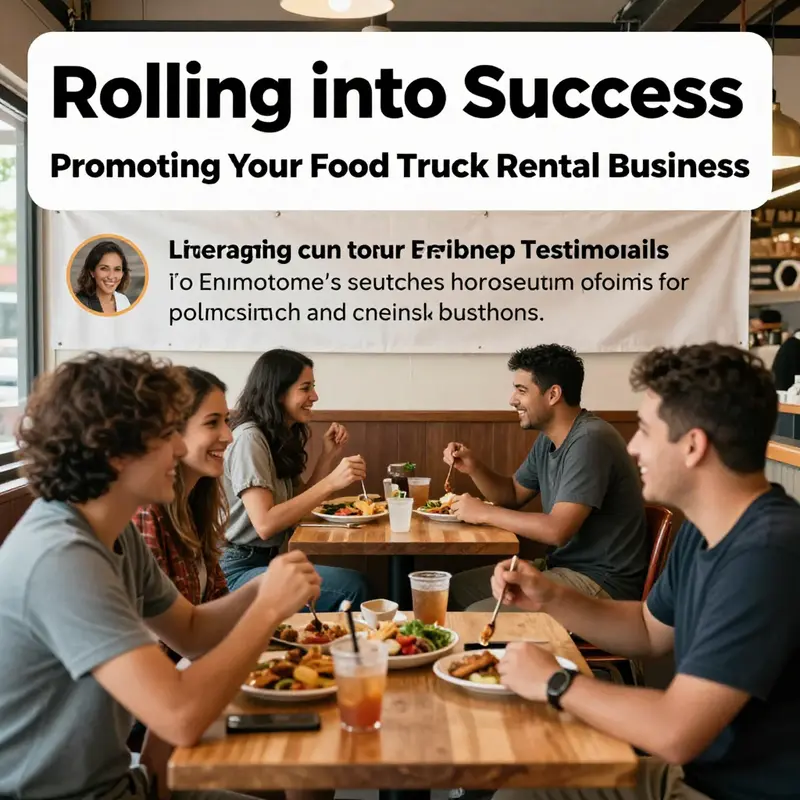
Every rental is more than a transaction; it is a moment when a host envisions food, atmosphere, and memories coming together in one portable kitchen. When those moments land well, guests leave with stories, photos, and expressions of satisfaction that travel faster than any brochure. In a business built on visible reliability and proven capability, testimonials do more than praise your trucks. They function as living, persuasive evidence that your fleet is ready, spotless, punctual, and adaptable to a wide range of events. The most effective testimonials work not just as endorsements but as concrete narratives that potential renters can see themselves in. They answer questions before a client even asks them: Will the truck be on time? Will the crew handle setup smoothly? Will the vehicle look professional in photos and live shoots? Testimonials translate those assurances into trust, and trust is what moves a decision from consideration to booking.
To harness this, it helps to treat feedback as a strategic asset. Start by recognizing that the moment a rental completes is not the end of the relationship but the point of maximum relevance for social proof. A courteous follow-up within 24 to 72 hours after a successful event can capture fresh impressions while details are vivid. A brief email or a quick survey invites clients to share what stood out, whether it was the ease of coordinating pick-up, the quality of the equipment, or the responsiveness of the support team. When you frame the request with appreciation for their event and a promise to feature authentic stories, clients feel valued rather than polled. This mindset is not about extracting only the gloss but about surfacing experiences that future renters can relate to. In a marketplace where couples planning weddings, festival organizers, and corporate event teams weigh dozens of options, the specificity of a story matters as much as the sentiment of a praise.
Specificity is a force multiplier. A testimonial that says, “The setup was seamless, and guests loved the look of the truck in the venue lighting,” tells a prospective renter more than a generic compliment. Ask for scenes that reveal the practical benefits: how the rental simplified logistics on a busy day, how the crew handled last-minute changes, or how the truck’s capacity matched the guest count. Prompt clients to describe the event context—size, location, and service demands—so readers can map those conditions onto their own plans. When a testimonial includes numbers, such as “served 400 guests in four hours with zero delays,” the narrative becomes almost Netflix-sized in its credibility: specific, cinematic, and memorable. To encourage this level of detail without pressing, provide a short outline or a few example prompts. A well-crafted prompt can reduce the friction of writing while elevating the quality of the response.
In practice, you’ll want a mix of text and video testimonials. Text testimonials can be displayed boldly on your website, in your online profiles, and within email campaigns. They are quick to consume and easy to reference when you are optimizing search for your rental listings or planning a targeted ad. Video testimonials, however, offer a different resonance. A speaker who speaks with genuine enthusiasm, combined with footage of your truck in action and a glimpse of the coordination process, can convey readiness and professionalism in a way text alone cannot. If you’re inviting clients to record a video, suggest simple formats: a 60- to 90-second clip where the host introduces themselves, describes the event, and highlights one or two standout moments. Encourage natural storytelling—moments of relief during setup, a workaround that saved time, or a plate presentation that impressed guests. The authenticity of unscripted moments often lands with greater impact than a polished monologue, especially when the vehicle’s condition, cleanliness, and branding are visible in the frame.
As you collect testimonials, you begin to shape a library that feeds a broader marketing engine. Text testimonials can be woven into landing pages dedicated to different customer archetypes—wedding planners seeking elegance, festival organizers prioritizing throughput, corporate event planners needing reliability. Each page can feature a few choice quotes aligned with the audience’s priorities, complemented by a couple of concrete details that demonstrate the value you deliver. Video testimonials can be embedded into product pages, social posts, and even paid campaigns. The combination of written and visual social proof expands your reach, because different channels reward different formats. For instance, text quotes perform well in search-optimized blog sections and responsive emails, while videos tend to spark engagement on social feeds and landing pages that aim to convey mood and capability in a single glance.
The integration of testimonials into your digital marketing should be deliberate. Use them in your email newsletters to reinforce the credibility of new offers and bundled packages. A narrative that combines a client’s experience with a timely promotional message can elevate open rates and click-throughs. In social advertising, testimonials can be used as creative capsules that accompany photos of your fleet at work. The strategy is not simply to show a happy customer but to illustrate how your rental service alleviates common pain points—timeliness, professionalism, equipment quality, and ease of coordination. A/B testing different testimonial formats and placements helps you discover the most persuasive combinations for your audience, whether that means a video thumbnail that centers on the truck’s sleek exterior or a text snippet that highlights exceptional service during peak hours.
For business-to-business outreach, testimonials acquire a new dimension. Event planners and venues frequently rely on their networks to source dependable partners for mobile catering. LinkedIn, as a platform that prioritizes professional endorsements and case stories, becomes a powerful channel to disseminate success stories to decision-makers who shape rental calendars. A concise success narrative that links a planner’s organization to a smooth, scalable service can travel through a network of committees, increasing the likelihood of referrals and formal endorsements. In this context, consider curating a small portfolio of “case stories” that can be shared with prospective planners and corporate clients. These stories should spotlight the problem, the solution your fleet provided, and the measurable impact on the event timeline and attendee experience.
To anchor this approach in practical steps, begin by mapping your existing clients to patterns of need. Identify the weddings with elaborate guest lists, the corporate functions with tight scheduling, and the festivals that require rapid turnover. For each segment, collect at least two strong testimonials that reflect the segment’s priorities. Then craft targeted pages and posts that address those priorities directly. If you imagine your future renters, you want them to see themselves in those testimonials and feel that the fleet you offer is the missing piece to their success. When you do this with care, testimonials become not only proof but also a persuasive language that powers your outreach across channels.
An important subtlety often overlooked is the power of branding consistency. Testimonial content should align with your overall brand voice—professional, friendly, and capable. The tone of the quotes, the backdrop of the videos, and the presentation of the quotes on your site should reflect the same standards you apply to truck maintenance, client communications, and on-site support. Consistency reduces cognitive load for potential renters. It signals that you are a mature, reliable partner rather than a novelty. If you decide to link to a resource that discusses fleet considerations for new entrants in your market, consider the collection of models suitable for different types of events; this can guide renters who are evaluating what kind of truck or setup best suits their needs. See the discussion on the best food truck models for Lakewood startups for a practical reference that resonates with the same intent you’re fostering in testimonials. best food truck models for Lakewood startups.
As you continue to grow your testimonials library, keep an eye on feedback loops that connect back to your service quality. If a host mentions a difficulty with coordination, use that as a prompt to refine processes, training, or documentation. A transparent approach to addressing negative feedback builds trust with future customers who may have concerns of their own. When a complaint is acknowledged and resolved publicly, the resolution itself becomes a case study in reliability. The next renter reads it and feels a sense of assurance about how you handle challenges, which is just as meaningful as a celebratory success story.
In the broader ecosystem of content marketing, testimonials can support paid campaigns, organic search growth, and partnerships. A well-timed testimonial can reinforce a limited-time package, turning a reader’s curiosity into a booking when they see someone like them succeeding with your fleet. The combination of credibility and relevance creates a durable advantage that is hard for competitors to mirror quickly. The strongest testimonials aren’t performative; they are embedded experiences that translate into tangible outcomes—on-time arrivals, smooth coordination, spotless trucks, and satisfied guests who become advocates themselves. When you cultivate this reputation, your rental business is less dependent on one-off inquiries and more grounded in a continuous stream of social proof that accelerates growth.
External resource for further context and strategies on client feedback and retention: https://www.linkedin.com/pulse/strategies-retaining-food-truck-customers-0w5xv
Final thoughts
By integrating digital marketing tactics, establishing local partnerships, crafting engaging content, leveraging social media, and utilizing customer testimonials, your food truck rental business can flourish in the bustling culinary scene of Lakewood. Each strategy works hand in hand to not just attract aspiring food truck operators and curious tourists but also to build lasting relationships and a strong community presence. Keep your eyes open for opportunities, engage with your audience, and let your food truck business roll towards success!