
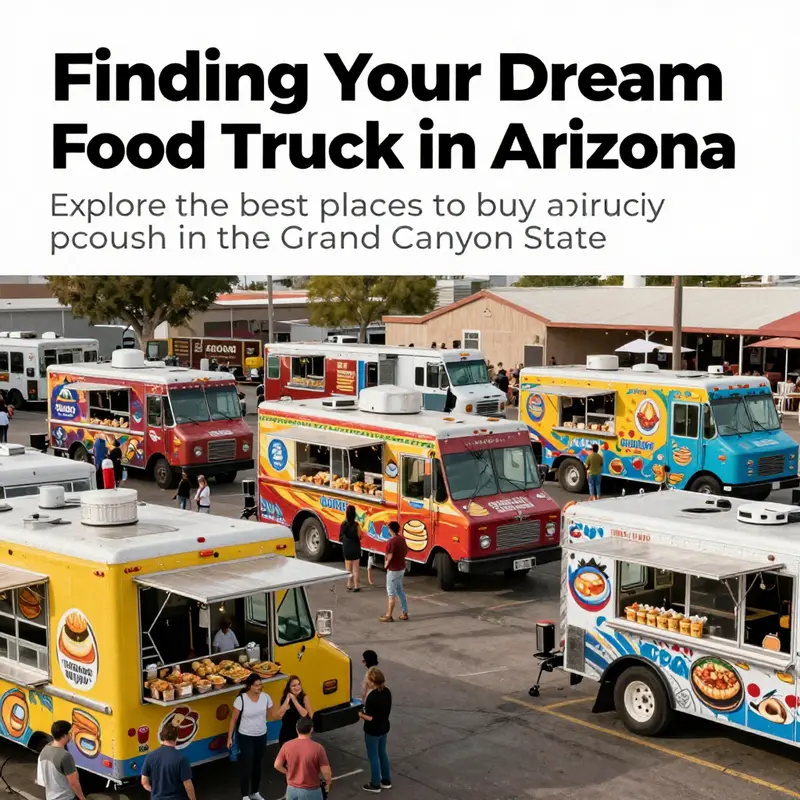
Arizona is a haven for food truck enthusiasts and aspiring operators alike. With the warm weather, diverse culinary culture, and vibrant festivals, it’s no wonder that many dream of hitting the open road with their unique mobile dining concept. But where do you start? In this guide, we’ll explore various avenues to purchase a food truck in Arizona, from online marketplaces bustling with options to local dealerships and customization choices. Whether you’re aiming to serve the best tacos at local events or craving to establish a popular dining spot at Lakewood, this guide has the insights you need to make the right choice.
Arizona on Wheels: A Comprehensive Guide to Buying a Food Truck Across Marketplaces, Dealers, and Custom Builds
Arizona’s food scene thrives on mobility. Festivals, street corners, and urban districts pulse with the kind of culinary energy that thrives on speed, flavor, and accessibility. If you’re eyeing a food truck as the platform for your next business, you’re already thinking about two big questions: what kind of rig will serve your concept best, and where you’ll get it in Arizona. The answer isn’t a single doorway. It’s a corridor of options that runs from national online marketplaces to local Arizona builders, each with its own pace, risks, and rewards. The journey is as much about understanding your kitchen on wheels as it is about navigating the process of acquiring one, and in a state known for sunshine, strong accents of regulations, and a vibrant street-food culture, the path to ownership rewards preparation with plain-spoken clarity and patience.
To begin, many aspiring food-entrepreneurs start with online marketplaces that aggregate both used and new mobile kitchens. These platforms can cast a wide net, presenting listings that range from compact units suitable for a booth-in-a-park footprint to full-fledged, street-ready trucks with professional-grade equipment. The upside is obvious: you can compare layouts, equipment packages, and price points without leaving your desk. The challenge is that you’ll encounter a spectrum of conditions, from spotless turnkey units to fixer-uppers that require structural work, electrical rewiring, or health-department-ready certifications before they can operate locally. In Arizona, where weather, road conditions, and municipal codes interact with kitchen design in unique ways, due diligence becomes especially important. A thorough inspection plan—checking kitchen workflows, ventilation, boiler and gas systems, electrical panels, and water supply—helps separate potential miracles from maintenance headaches.
Alongside broad online marketplaces, you’ll also find Arizona-centric paths that keep the process closer to home. Local classifieds and regional marketplaces often yield listings that are more geographically convenient for viewing, testing, and transporting the unit to your preferred site. In Phoenix, Tucson, and the surrounding communities, private sellers and small dealerships regularly post trucks and trailers that meet a range of budgets and business concepts. The advantage here is practical familiarity: proximity means easier logistics, quicker negotiations, and the possibility of arranging a test run or a trial service window before committing. It’s also common to encounter units that have been specialized for specific cuisines or events, which can be a good starting point if your concept aligns with a city market’s tempo.
If you’re leaning toward getting a brand-new or customized build, Arizona-based builders and mobile-kitchen specialists offer a different kind of pathway. These builders come with the advantage of translating your concept into a tailored kitchen layout, precisely sized to your state and county requirements, and outfitted with the equipment you want from the outset. In a market that prizes reliability in busy districts and at events, a custom build can deliver operational efficiency, long-term support, and a kitchen that’s designed for your menu and service model. Financing options are often available for new builds or fully equipped units, helping to spread the upfront investment over a practical timeline while you ramp up sales. The trade-off is time and cost: a custom build can take longer and may require a larger initial outlay, but the fit and serviceability may pay off in the long run by reducing maintenance headaches and downtime.
Whichever route you choose, it’s essential to anchor your search in a clear assessment of your business model. Start with a realistic budget that includes not just the purchase price, but also transportation, licensing, insurance, a first round of necessary equipment, and a buffer for immediate maintenance or upgrades. In Arizona, price tends to reflect several levers: the age and condition of a used unit, the quality and configuration of built-in equipment (refrigeration, ovens, grills, fryers, exhaust systems), and the complexity of the electrical and plumbing systems. If you’re evaluating a used unit, request the full service history, a recent inspection report, and documentation of any recalls or unsafe components. If a new build is your path, work with the builder to map out a phased plan: take the concept from blueprint to a functional kitchen, align through a set of milestones, and set a contingency for permitting delays that can crop up when you’re scaling a mobile operation in a new jurisdiction.
Arizona’s regulatory landscape adds another layer to consider. The health department, city zoning, and fire marshal approvals shape what you can cook on the vehicle and where you can operate it. It matters whether you plan to park in a fixed location, rotate through a few sites, or travel to events. Health-code compliance typically touches the structure of the kitchen, the type of ventilation, the disposal of waste and grease, and the water-handling systems. Planning ahead can save you costly retrofits after purchase. It’s prudent to identify the permits you’ll need—business license, food-service permit, mobile-vendor permit, and any location-specific permissions—before you finalize a deal. A good practice is to talk to a local inspector or a commercial-kitchen consultant who understands the Arizona landscape. They can translate your concept into a practical equipment list and a layout that passes health inspections and supports smooth service operations.
The practical path to a purchase is a blend of market scouting, vendor conversations, and site visits. If you’re exploring online options, you’ll want to understand the layout benefits of different configurations. For some concepts, a compact, trailer-style unit with a portable hand-wash station and a compact refrigeration rail is ideal for tight urban blocks or street corners. For others, a full-service, built-out truck with multiple cooking zones, a robust exhaust system, and a generator package supports high-volume operations at festivals or in dense residential neighborhoods. In all cases, pay attention to the electrical load and the generator’s capacity, as these determine what you can run simultaneously during peak service periods, and they influence ongoing operating costs. Lighting, heat control, and energy efficiency also matter in hot Arizona summers, where equipment heat loads can be substantial and reliability matters when you’re serving long hours under sun and streetlights alike.
As you filter listings, the quality of information becomes a deciding factor. Listings that include detailed specifications—dimensions, power requirements, equipment lists, and a clear condition rating—are easier to evaluate remotely. Photos that show the kitchen workflow, cargo space, and the state of the exterior can reveal issues that a basic description might obscure. When you identify a few promising units, arrange timely in-person inspections. Bring along a knowledgeable technician or an experienced food-truck operator if possible. They can assess the integrity of the equipment, verify the operation of the refrigeration and gas systems, and spot concerns that could become expensive repairs after purchase. If you’re new to the process, consider using a staggered approach: select a target range of units, schedule back-to-back visits, and compare notes to identify which unit best aligns with your menu, service style, and location strategy.
Beyond the mechanics of acquisition, think about how a given truck fits your brand and your daily workflow. The kitchen’s layout should support your service model—whether you’re chasing a quick-serve format, a full-service kitchen at events, or a hybrid that can switch between street-side windows and festivals. The presence of features like LED lighting, efficient storage, proper ventilation, and robust safety systems can influence both customer perception and staff efficiency. And while it’s tempting to chase the latest gadgetry, a pragmatic balance between functionality, reliability, and cost is crucial. It’s easy to become enamored with a shiny unit, but a well-planned layout that minimizes steps between prep and service often yields better daily performance than a high-end, underutilized equipment collection.
Where do you begin your search? In Arizona, you’ll find three broad avenues that work well in combination. First, reputable online marketplaces that curate a wide spectrum of mobile-kitchen listings can offer a useful starting point for price benchmarks and feature comparisons. Second, local Arizona dealers and builders provide a more hands-on route: you can inspect, customize, and arrange delivery with a local point of contact who understands state and county requirements. Third, a portfolio approach that blends existing units with custom builds can yield the best long-term fit, especially if you plan to scale or adapt as your concept evolves. It’s not uncommon for buyers to visit a few display units, ask about warranties and after-sales service, and request a pilot period in which the unit can be tested in a permitted location before finalizing financing.
For those who want a feel for existing models and how layouts translate into real-world service, a resource that presents a spectrum of design options can be enlightening. It can guide your mental map of what a successful kitchen on wheels looks like in practice, even if the exact models aren’t identical to what you’ll buy. If you’re curious about layout considerations and model options from a designer’s perspective, see this resource: Best Food Truck Models for Lakewood Startups. It offers a sense of how different configurations support various menus and service rhythms, which can help you calibrate your expectations as you explore Arizona’s market. While the Lakewood context is not identical to Arizona, the principles of functional layout, equipment placement, and service flow translate across markets, and the anchor that matters most is your ability to run a smooth operation day after day.
As you compile your shortlist, make a plan for next steps once you’ve identified a unit you’re serious about. Schedule an on-site inspection, request maintenance histories, and verify any liens or encumbrances that could complicate ownership. Confirm the transfer of registrations and the readiness of the vehicle for license and inspection, and work with a lender who understands mobile-kitchen financing, if needed. If you’re contemplating international suppliers or units that were built abroad, remember that shipping, import duties, and compliance with U.S. electrical and gas codes can add layers of complexity. The market does respond with a variety of configurations and pricing possibilities, which is why a disciplined approach—clear requirements, a defined budget, and local regulatory awareness—will serve you well. For those who want to broaden their search beyond domestic listings, international platforms do exist and list mobile-food trucks. They can be a source of interesting shells and equipment configurations, though careful due diligence is essential to ensure safety, reliability, and compliance with U.S. standards. A widely cited portal in this space aggregates listings and can be a starting point for understanding what global manufacturers offer in terms of build quality and customization potential. External resource: https://www.alibaba.com/showroom/mobile-food-truck.html
In the end, your purchase is a doorway to a larger business journey. It’s a vehicle to feed a community, to test a concept, and to grow a brand that resonates with customers who want good food served with speed and personality. The process demands patient research, careful budgeting, and a relentless eye for practical detail. Arizona’s market rewards buyers who blend market awareness with hands-on checks, who treat each listing as a potential partner in the business, and who approach licensing, insurance, and ongoing maintenance as investments in the road ahead. Whether you start with a broad online search, a visit to a local dealer, or a tailored build with a design-focused kitchen, the key is to stay anchored to your menu and your service model, and to let the realities of the Arizona climate and the state’s regulatory environment guide your decisions. When the truck finally rolls toward a street corner or a festival gate, you’ll know that the purchase was not just a transaction, but a carefully choreographed step toward delivering consistent, delicious experiences for customers who crave your food on the move.
Roadmap to Ownership: Navigating Where to Buy a Food Truck in Arizona
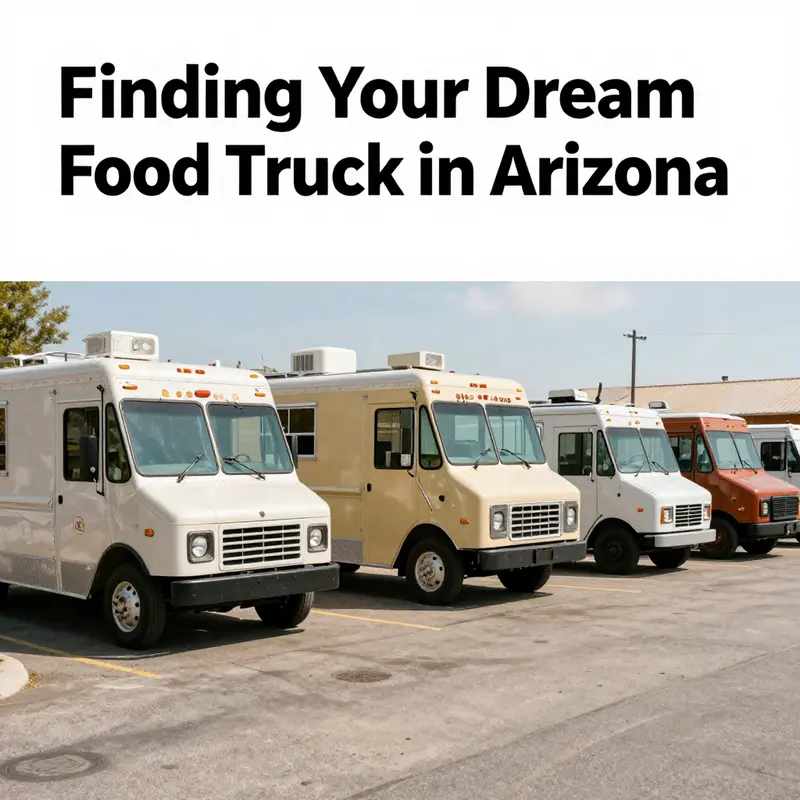
Choosing to enter the world of mobile food service in Arizona means more than picking a kitchen on wheels. It means mapping a journey that begins with where to buy and ends with a truck ready to hit the street, fully compliant with local rules and ready to serve a dependable stream of customers. The search area is broad by design, stretching from quiet corners of online marketplaces to purpose-built dealerships that specialize in turning raw ideas into fully equipped, road-ready kitchens. In Arizona, the landscape is shaped by a mix of private sellers, small operators upgrading their fleets, and dedicated shops that offer everything from design to turnkey builds. The practical path usually starts with a careful inventory of your ambitions: budget, preferred city or neighborhood footprint, the types of menus you want to run, and how much customization you’re prepared to invest in. As you begin to cast a wide net, you’ll encounter three broad avenues that many aspiring operators weave together: informal online listings, specialized dealerships, and purpose-built turnkey programs. Each avenue has strengths and tradeoffs, and the most resilient buyers often blend them into a single, flexible plan rather than treating them as isolated options. In informal online listings, you’ll find a spectrum of vehicles, from lightly used fleets to idle chassis waiting for a future kitchen fit. Listings in these spaces commonly come from private sellers who have introspective budgets and urgent timelines, or from small operators who are upgrading their setup and want to liquidate quickly. The upside is immediacy and a wide range of prices, which can be a helpful way to test the market or secure a steam of inventory that fits a lean startup. The caveat is that you may be wading through inconsistent maintenance histories, ambiguous equipment lists, and the absence of formal warranties or financing options. Those realities push responsible buyers to perform thorough due diligence: asking for maintenance records, confirming propane and electrical configurations, verifying health department compliance, and arranging independent inspections before any commitment augments the risk of a leaky deal. When you cast a wider, more formal net, however, the landscape shifts toward trust and transparency, with a framework that can help you move quickly when you’ve found a vehicle that matches your goals. Specialized dealerships in Arizona play a central role in this space. They can range from builders who sculpt custom food trucks from the ground up to mid-range operations that assemble a kitchen shell, then add branding and equipment to fit a specific concept. For many buyers, a dealership represents a safer path to ownership because the vehicles come with a more predictable history, clearer specifications, and the possibility of financing. The design-to-delivery arc these shops offer can be a powerful asset for anyone who needs a plan with milestones rather than a vague, hands-on scavenger hunt. A turnkey approach—where a business buys a truck with branding, equipment installation, and sometimes even a post-purchase support package—appeals to entrepreneurs who want to minimize project management time and focus on launch momentum. In this model, the vendor helps align the vehicle’s capabilities with the envisioned menu, the service model, and the regulatory steps, from fire safety to health department approvals. The Arizona market recognizes the value of both customization and efficiency, and many buyers succeed by pairing a solid chassis with a thoughtful interior layout, a robust electrical system, and a reliable refrigeration plan that can support peak traffic during Arizona summers. Yet no matter which route you pursue, a consistent thread runs through the process: compliance. Arizona’s permitting and zoning requirements can vary block by block and city by city, so it’s essential to research the rules that govern the exact locations you plan to operate in. Some municipalities require separate permits for the vehicle itself, others demand operator licenses and food handler credentials, and there are often water, waste, and venting standards to meet. A thoughtful buyer invests time early to map out these regulatory milestones, ensuring the purchase aligns with a practical launch plan rather than a costly afterthought. This is where the value of local networks becomes clear. Engaging with current food truck operators in Arizona—attending pop-up events, joining community groups, or participating in food service meetups—can yield pragmatic insights about which dealerships deliver on promises and which online listings tend to contain the best-aligned options for your concept. Stories from peers help you calibrate expectations around equipment lists, maintenance cycles, and the kind of branding package that can move quickly from the inventory to the street. If you are seeking a model that balances reliability with adaptability, you may find it instructive to consider resources that discuss model choices in depth. For example, there are guides that explore the advantages of flexible layouts, robust electrical and refrigeration capabilities, and the way certain designs lend themselves to branding and seasonality. These conversations can help you articulate a preference for a configuration that supports your menu, your operating hours, and your target neighborhoods in Arizona’s climate. When you’re ready to compare options, it’s helpful to view a spectrum of listings and then narrow to a shortlist that reflects your priorities—price, location, equipment level, and the degree of customization offered by the seller or builder. A practical tactic is to draft a short list of essential features that your kitchen must have, and then test whether a given vehicle can be upgraded to meet those specifications without excessive downtime. For many buyers, the ideal starting point is a solid, well-proportioned kitchen module with dependable cooking capabilities, durable fabrication, and room to grow, rather than chasing the most glamorous or feature-heavy configuration. This approach reduces early risk while keeping future expansion within reach. To facilitate a focused search, you’ll want to tap into the most relevant resources that synthesize Arizona listings with broader industry knowledge. One useful reference is a comprehensive guide to selecting and comparing truck models—an external resource that outlines the practical considerations of choosing layouts and equipment that stand up to daily use. In addition, a practical internal resource that may help you think through model decisions—quickly and with a local flavor—exists in one of the site’s articles that discusses the best food truck models for Lakewood startups. While the geographic focus differs, the core questions remain the same: What size footprint will work in your market? How will the layout affect service speed and hygiene? Which equipment categories yield the best return on investment given your target menu and peak-customer times? As you weigh options, remember that the purchase is not only a financial decision but a strategic move that will shape your early operations, staffing needs, and even the tone of your brand. A well-chosen truck can become a moving advertisement for your concept, a reliable kitchen on wheels that handles the constant demands of Arizona heat, long service days, and the logistics of a city that prizes speed and flavor. The process is iterative and iterative in the sense that your understanding of what works evolves as you meet suppliers, tour vehicles, and refine your business plan. The key is to keep your criteria grounded in real-world needs: a feasible price range, a configuration that matches your menu’s cooking workflow, a layout that aligns with your planned service style, and scalable upgrades that won’t force you to rebuild prematurely. If you’re new to this world, it can be tempting to chase a turnkey dream where everything is ready the moment you sign. In practice, a successful Arizona purchase often looks more like a staged progression: secure a solid base vehicle, complete the essential builds with a trusted partner, and then layer in branding, permitting, and training as you approach launch. This approach reduces risk and helps you stay agile as you navigate seasonal demand, permit timelines, and the realities of a competitive market. If you want a concise compass to guide model choice and layout decisions, consider a resource that places emphasis on practical fit over prestige. And as you move from research to decision, keep in mind that the most resilient operators build relationships with trusted builders and brokers, not just through the price of a single unit but through ongoing support, maintenance options, and access to upgrades that fit your evolving concept. In the end, the question of where to buy a food truck in Arizona is less about constellation-level options and more about a measured balance of location, price, and performance. A thoughtful buyer blends several channels, leverages community knowledge, and aligns every choice with the realities of operating in a warm, demanding market. With diligence, you can secure a vehicle that delivers dependable service, a compelling platform for your menu, and the peace of mind that comes from a partner who understands the difference between a great idea and a thriving business on wheels. For further, practical exploration of current listings and verified sellers, you can explore a curated Arizona directory of mobile kitchens that aggregates available inventory in real time. This resource helps you compare offerings by price, age, and equipment, keeping you focused on what matters most: readiness to serve and the potential to grow. Best food truck models for Lakewood startups provides a model-focused lens that, while centered elsewhere, can sharpen your eye for layout efficiency, equipment reliability, and future scalability as you engage with Arizona dealers and sellers. And for a broader view that complements on-the-ground searching, the following external resource offers current listings and a helpful framework for evaluating options in the Arizona market: https://www.foodtruckfinds.com/vehicles-for-sale/az
Desert Roads to Kitchen on Wheels: Finding Your Food Truck in Arizona
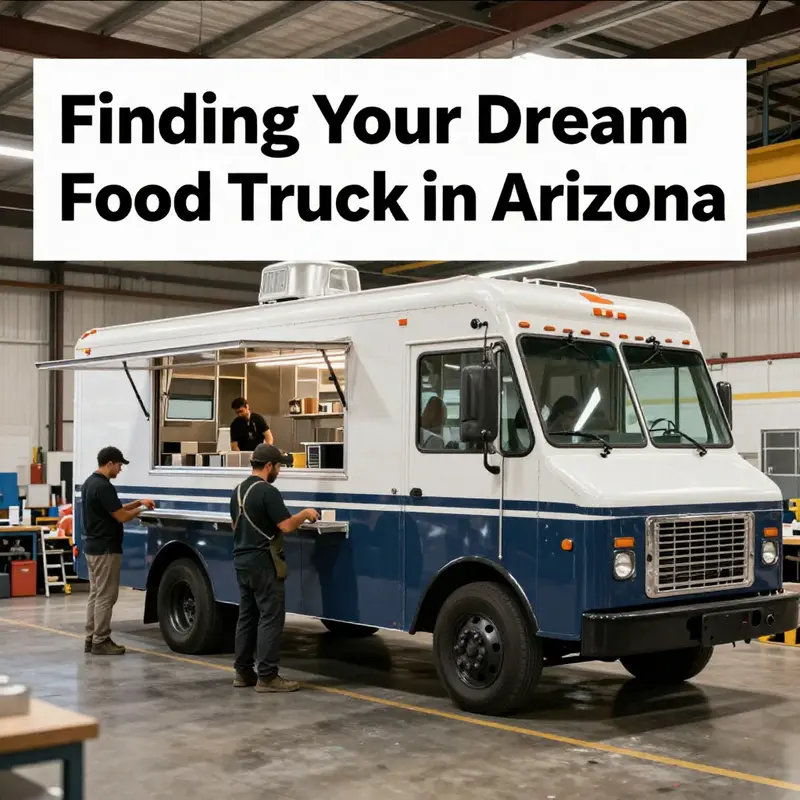
Whether you’re chasing the sizzle of a new business or converting a lifelong dream into a mobile kitchen, Arizona offers a wide and winding road to a food truck. The desert climate, growing food culture, and local permitting landscape all shape how you approach the hunt. The journey begins with a clear concept and a practical map of where you can buy. In Arizona, you’ll encounter a mix of local manufacturers who build and customize units to the state’s health and safety standards, regional dealers with inventory that can be tailored to your menu, and a broader global marketplace that connects buyers with builders who ship to the United States. Each route has its own rhythm, costs, and timing, but they all share a common pulse: the need for compliance, quality, and a plan that fits your financial horizon.
A practical starting point is to look for reputable local builders and shops that work directly in Arizona. Local availability matters in this line of business because mobile food units must meet specific health department rules, fire codes, and electrical and gas standards. A Phoenix-area builder, or a similar regional shop, can offer hands-on design, on-site inspections, and after-sale support. The advantage is not just customization but the ease of coordinating permits, commissioning the equipment, and arranging service after delivery. With a local player, you often get a more predictable timeline for inspections and a clearer path to obtaining the necessary licenses to operate in city corridors or county fairs.
If you’re drawn to a faster route or a tighter initial budget, the used truck market presents another viable path. Classifieds, online marketplaces, and industry networks frequently list food trucks and trailers that have already earned their stripes in public kitchens. Buying used can dramatically reduce upfront costs, but it requires careful due diligence. You’ll want to verify the condition of essential systems—gas, electrical, refrigeration, and plumbing—along with the unit’s power sources, water capacity, and waste management solutions. Physical inspection is crucial. If you’re not able to inspect in person, arrange a trusted third party to review the vehicle and provide a detailed condition report. A key precaution is to confirm that sanitary equipment, exhaust systems, and grease containment meet current health department requirements, and to request service history for critical components.
Beyond local builders and the used market, many buyers consider national or international routes that connect buyers with a broader pool of configurations and price points. Global marketplaces can offer a wider array of layouts, finishes, and equipment packages, including units that are pre-built with features you may want for a specialized cuisine. The trade-off is longer lead times, potential import logistics, and the need to ensure the unit will adapt to U.S. electrical standards, gas configurations, and local health codes. When exploring this avenue, it’s prudent to work with a broker or advisor who understands U.S. compliance processes and can help you translate a foreign build into a California or Arizona operation with the correct venting, fire suppression, and utility hookups. Importantly, you should budget for shipping, duty fees, and risk management around warranty coverage that may not transfer across borders.
The topic of models and layouts is another mark of how you’ll decide what to buy. In the world of food trucks, design matters almost as much as the equipment lineup. A compact setup might work for a lunchtime pop-up, while a larger, fully equipped trailer could support a regional tour with a rotating menu. Some builds prioritize front-of-house aesthetics to attract customers, while others emphasize back-of-house efficiency, with logical work-flow between the grill, fry, steam, refrigeration, and workspace. When you compare layouts, think about your menu, peak service times, and the location types you plan to serve—downtown food courts, farmers markets, university campuses, or event venues. A well-planned kitchen layout can shave minutes off service time, reduce labor, and improve food safety by keeping cold and hot zones clearly separated.
Financing your purchase is another crucial thread in the fabric of this journey. The economics of a food truck project hinge on whether you buy new or used, the terms of a loan or lease, and the ongoing operating costs you’ll incur once you’re rolling. New units carry the benefit of recent compliance features, longer warranties, and predictable maintenance, but they demand a larger upfront investment. Used units can lower initial costs but require a conservative assessment of remaining life, potential retrofits, and a plan for upgrades to meet current health codes and customer expectations. Some buyers structure a phased approach: acquire a smaller, efficient unit to start, then scale up with a larger truck or trailer as revenue grows. This strategy can be paired with a tailored maintenance and parts plan that minimizes downtime and keeps your operation running smoothly during the early growth phase.
As you lay out the financial framework, remember that there are several practical steps that keep the process anchored in reality. Start with a clear concept and a realistic service model, then secure a provisional budget that includes a cushion for retrofits, compliance costs, and basic equipment. Health department permits, fire suppression systems, ventilation, electrical load calculations, and propane or alternative fuel configurations all carry mandatory considerations. You’ll also want to map out your water system—water supply, waste water, and grease disposal—and ensure that you can connect to municipal services or have a compliant off-grid plan for events and markets. These factors influence the size and type of unit you buy. A thoughtful buyer will gather quotes that cover not just the base unit but the installation, commissioning, and any required inspections before you can apply for a permit to operate.
In addition to the local and regional channels, you may encounter a broader ecosystem of suppliers and builders who operate through international or nationwide platforms. This broader ecosystem can broaden your options but demands extra due diligence. Request detailed specifications, verify electrical voltages and gas configurations compatible with U.S. standards, and insist on a comprehensive warranty and service plan that covers critical components such as refrigeration systems, cooking appliances, and water systems. It’s wise to ask for reference sites or recent installations in climates similar to Arizona’s—hot days and variable humidity can stress equipment in ways that differ from cooler markets. If you choose this path, keep a tight timeline for contract review, design sign-off, and site visits to confirm that the final build will integrate with the permits you intend to secure.
Throughout this journey, it helps to balance the dream of a perfectly designed kitchen on wheels with the practical realities of operating in Arizona. You’ll want to align your truck’s size and layout with the service area you intend to cover. A compact model can be a nimble entry point, letting you test your concept with lower risk, while a larger trailer may serve as a more resilient platform for a growing brand and a broader menu. In either case, expect to adjust footprints to meet parking, access, and utility constraints at your typical service sites. As you refine your choices, talk through your concept with local operators if possible. A few hours of dialogue can reveal operational pitfalls or reveal creative workarounds, such as power-sharing arrangements at timed events or a compact water management solution for markets without easy hookups.
To keep this decision grounded, consider a two-step approach to model selection. First, identify several layouts that fit your menu and service style. Then, compare the total cost of ownership for each option, including purchase price, transport, installation, permits, inspection fees, insurance, and ongoing maintenance. This framework helps you avoid becoming enamored with a single feature that may not translate into a defensible business case once you’re on the street. And as you narrow the field, you’ll appreciate the value of seeing a working example in person. A showroom or a live demonstration can illuminate how a kitchen’s flow feels in operation, where shortages may occur, and how staff navigate peak-service moments.
If you’re curious about model configurations beyond Arizona, a useful resource for understanding different layouts and their implications can be found in adjacent industry guides. For a broader sense of truck models and startup considerations, explore this resource: Best food truck models for Lakewood startups.
As you finalize your plan and begin reaching out to builders, keep a checklist close at hand. Verify that the unit’s electrical system accommodates your equipment with headroom for future expansion. Confirm that your water heater, sinks, and gray water tank meet health code requirements for your target markets. Ensure your ventilation and fire suppression installations meet local fire marshal standards. And insist on a warranty that’s meaningful for the long haul, with a clear process for service calls and parts delivery. The aim is not only to start in the market but to stay in it, with a truck that performs reliably in the months after you light your first burner and greet your first customers.
In the end, the path you choose—local builder, used unit, or global build—will reflect your appetite for risk, your timeline, and the scale you hope to reach. Arizona’s diverse landscapes—from downtown corridors to desert festival grounds—welcome a wide range of concepts and configurations. The decision should feel less like a leap and more like a well-planned journey: a route mapped with a clear starting point, checkpoints along the way, and a support network that helps you navigate inspections, permits, and operations across the state. This approach not only gives you a vehicle but also a platform for your culinary vision to travel with reliability, efficiency, and a brand that resonates with diners who crave great food on the go.
External resource: https://www.alibaba.com/showroom/mobile-food-truck.html
Arizona Bound: Navigating the Food Truck Purchase, Custom Kitchen Build, and Compliance
Choosing a food truck in Arizona is about turning a concept into a mobile kitchen that can withstand desert heat, pass health inspections, and present a clear brand at every stop. Start by defining your menu, service pace, and where you plan to operate, then map those needs to a practical budget and a realistic timeline for completion. The path in Arizona is built from three threads: access to reliable platforms or dealers, the ability to customize the interior and equipment, and a solid understanding of local and state health, safety, and vehicle requirements. When aligned, they become a process rather than a single purchase.\n\nMarkets and sources for a purchase extend beyond a single vendor. Many buyers begin with online marketplaces that connect buyers to mobile kitchens and to builders who can tailor a unit for a given cuisine. Local expos and food truck events are helpful for evaluating build quality and testing layouts in person. In addition, regional suppliers and international manufacturers can offer turnkey kitchens that meet U.S. standards. The advantage of this mix is choice: you can compare layouts, equipment quality, warranties, and after-sales support. The practical reality is to verify features online and to confirm parts availability, service networks, and the ease of scheduling visits after launch.\n\nCustomization sits at the core of turning a chassis into a kitchen that fits your concept. In Arizona’s heat, robust cooling, efficient ventilation, reliable power, and a layout that minimizes bottlenecks matter. The interior design should match your menu and service model, with appropriate prep space, cooking zones, refrigeration, and a compliant fire-suppression system. Exterior branding—color, signage, and window design—also influences curb appeal and customer engagement. A well-designed truck blends kitchen workflow with storefront branding and can be adapted to different cuisines while maintaining compliance and ease of maintenance.\n\nCompliance is the quiet driver of success. A mobile kitchen must meet safety and health requirements, vehicle standards, and local permitting rules. In practice, ensure the vehicle or trailer meets general safety guidelines, that plumbing, electrical, and gas systems are correctly installed, and that cold storage, handwashing, waste disposal, and permits are in place for mobile operations. Planning for seasonal heat, power stability, water use, and waste management helps keep operations compliant across venues. When evaluating vendors, look for clear schematics, documented inspections, and offered assistance with permitting and ongoing service.\n\nCost and financing vary with customization level, brand choices, and branding and interior finishes. Start with a clear budget and a plan to phase in a base unit before expanding. Map your menu and service model to a kitchen layout that fits your footprint and climate. Seeing units in person is valuable for assessing workflow, maintenance schedules, spare parts, and service intervals. Local expos and in-person trials can be decisive in selecting a model that travels well through Arizona’s active events calendar.\n\nTo close, build a decision framework that ties layout choices to your service model, menu, and the realities of street commerce in Arizona. Evaluate layout efficiency, ventilation, safety, and branding, and plan for a staged investment that allows you to launch confidently and grow over time.
Finding the Right Wheel Donut: Navigating Arizona’s Market for Mobile Kitchens
Arizona’s food culture has grown into a diverse, sunlit landscape where street hawkers, taco stands, and inventive pop-ups shape daily dining for locals and visitors alike. In this climate, a well‑designed food truck can be more than a business; it can be a moving hub of community and flavor. Yet buying a food truck in Arizona isn’t a simple online impulse purchase. It’s a careful blend of market awareness, regulatory understanding, and practical logistics that starts with sizing up both the vehicle and the environment in which it will operate. Across cities like Phoenix, Tucson, and Scottsdale, the routes you’ll explore to acquire a mobile kitchen often lead through a mix of dealerships, online marketplaces, and specialty vendors. You’ll encounter everything from turnkey, ready‑to‑operate units to frame‑and‑equip packages that require your own branding and fit‑out. The broad idea is clear: the truck you choose should align with how you plan to cook, serve, and connect with customers, all while meeting Arizona health and safety standards and local zoning rules. In practice, this means stepping beyond the flashy photos and into a structured evaluation of capability, cost, and compliance.
The route to purchase usually begins with a sense of your concept. Will you focus on street‑side snacks in high‑footfall corridors, or will you deploy in events, markets, and pop‑ups where space is negotiated on a case-by-case basis? Your concept will drive the basic specifications: kitchen layout, energy source, and the type of equipment that best matches your menu. Arizona’s weather, with blazing summers and mild winters, also nudges decisions toward equipment that performs reliably under heat and dust. You’ll want a system that keeps food safe and temperatures steady, without demanding heroic energy consumption or excessive maintenance. In practice, this means evaluating the plumbing, ventilation, electrical panels, and cold storage in any prospective unit, and imagining how those features translate to your daily workflow, menu, and service pace. The good news is that the market has grown to accommodate a wide range of needs. There are options designed for rapid deployment, as well as more elaborate builds that invite sophisticated branding, deep customization, and higher throughput. The challenge is to separate the essential from the optional, to ensure you don’t overinvest before your concept proves traction in a competitive market. And with Arizona’s permitting landscape varying by city, you’ll need to align your truck choice with the local requirements you anticipate facing.
When you widen the search beyond local lots, you’ll encounter an ecosystem of options. Dealers often aggregate inventory from multiple manufacturers, providing a spectrum of sizes, layouts, and energy configurations. Online marketplaces expand the field further, with listings that range from basic used trucks to more elaborate, custom conversions. The upside of this broader market is speed and visibility: you can assess a wider pool of configurations, compare equipment packages, and gauge price bands without traveling from city to city. The downside is the potential for misalignment between what is pictured and what is deliverable, especially when shipping and cross‑border sourcing come into play. In Arizona, where many operators value quick start times, the balance often tilts toward units that combine practicality with regulatory readiness. A compact, well‑built unit can slot into a city market quickly, facilitate prompt permitting, and deliver dependable service as you build your brand.
As you begin to sketch a path to ownership, the price spectrum becomes a central compass. A basic used food truck can start around modest six figures in dollars, while a fully customized, new‑build model with premium equipment and a branded exterior can push well beyond the six‑figure mark. It’s essential to separate purchase price from the full cost of ownership. Permits and health department inspections are not occasional add‑ons; they are part of the infrastructure that makes your truck legitimate and operable in Phoenix, Tucson, and Scottsdale. Licenses and inspections are city specific, and some regions require compliance steps that go beyond the vehicle itself. You’ll also face ongoing costs that can shape cash flow: insurance coverage, fuel or electricity, routine maintenance, and regular restocking of ingredients and disposables. In the Phoenix metro area, for example, many operators end up negotiating storage or commissary agreements in addition to their mobile unit, ensuring a compliant space for cleaning, prep, and storage when a dedicated kitchen isn’t on site. These are not merely compliance steps; they are practical anchors that keep your operation steady through the busy season and the inevitable slow periods.
Financing is the other pillar that sustains a serious purchase. Banks and credit unions increasingly offer small‑business loans tailored to mobile food vendors, recognizing the stability that a proven concept can bring to a lender’s portfolio. If traditional debt isn’t a fit, online lenders and alternative financing avenues provide flexibility around terms and down payments. Some manufacturers and suppliers partner with third‑party finance companies to offer lease‑to‑own or deferred payment arrangements. The key is to compare interest rates, repayment schedules, and the total cost of financing against your business plan and timeline for profitability. A well‑structured plan can make a seemingly large upfront investment manageable, especially if you align purchasing with a predictable path to revenue. While the exact numbers will vary by lender and by the scope of your build, the underlying principle remains: finance should complement your expected cash flow, not overwhelm it.
The practical act of buying also requires a methodical evaluation of inventory, energy strategy, and branding, all of which directly influence how you’ll serve customers, how you’ll travel between events, and how quickly you can scale. To ground your journey, it’s useful to think through a few experiential touchstones. First, consider the flow of your kitchen: do you want a single pass for simple items or a multi‑station setup that can handle a higher volume? Second, energy strategy matters as well. In hot climates, a truck that relies heavily on electricity will demand reliable power sources, cooling, and backup plans for peak times. If you pursue gas or propane, you’ll need secure storage and ventilation, plus compliance with gas safety standards. Third, branding and exterior presentation are not cosmetic—these are the first expressions of your restaurant’s concept. A strong, clean exterior and a consistent interior workflow help front‑of‑house staff deliver a quick, confident service. Although these considerations add to the cost, they also multiply the opportunities to attract and retain customers.
To illustrate how a prospective buyer might navigate within the vendor ecosystem, imagine contrasting two typical acquisition paths. One path prioritizes speed and simplicity: a compact, electric‑powered cart that can be deployed quickly in urban areas with high pedestrian traffic. The other path seeks customization from a start, aiming to craft a distinctive brand experience with a larger footprint and high‑end equipment. Both paths are valid; the choice depends on the menu, the target market, and your financial plan. In either case, you’ll want to build a clear timeline—from initial research through site visits, permitting, financing, and the final retrofit—so you can minimize downtime and begin drawing customers as soon as the truck hits the street.
As you weigh these considerations, a resource you may find helpful is the broader community of operators and builders who share their learnings about configurations, menus, and go‑to markets. For a sense of current configurations and what models teams in similar markets weigh, consider the resource on best food truck models for Lakewood startups. This material can offer practical language for evaluating layout efficiency, equipment choices, and branding ideas that translate well to Arizona’s climate and regulatory environment. The heart of the matter is to connect the idea of ownership to a concrete plan: how your truck will move through different neighborhoods, how it will adapt to seasonal demand, and how it will sustain a dependable income stream even when foot traffic dips.
An important practical note is to begin gathering the regulatory checklist early. Contact the city or county health department and planning office where you intend to operate. Ask about required permits, inspection schedules, commissary requirements, and any zoning limitations that could affect where you park and serve. In Arizona, these steps are not mere formalities; they shape your day‑to‑day operations and your ability to respond to events, markets, and partnerships. While the permit process can be intricate, the payoff is a legally compliant platform that protects customers and operators alike and helps your business weather the complexities of seasonal demand and evolving street regulations. It’s easy to underestimate how much time a permitting cycle can consume, but the time invested upfront typically translates into fewer headaches and more predictable service in the long run.
If you decide to explore external inventories or vendor listings to broaden your options, you will encounter platforms and marketplaces that host a wide array of mobile kitchens. These inventories can help you gauge typical configurations and price bands, and they can serve as a reality check against your expectations. While shopping, keep your eye on how each option aligns with your concept, the work you want to perform, and your planned geographic footprint. The right truck should feel like a natural extension of your business plan, not merely a vehicle with a kitchen inside. When you are ready to move from research to purchase, you’ll have a framework that helps you compare, negotiate, and close with confidence.
For broader, international inventories that can complement local options, explore listings at https://www.alibaba.com/showroom/mobile-food-truck.html. This external resource can broaden your sense of scale and the variety of configurations in the global market, while your primary due diligence remains focused on Arizona’s state and city requirements. In the end, the question isn’t only where you buy a truck; it’s how you buy it in a way that unlocks a reliable platform for your culinary dreams. The chapter you are composing will, in time, be joined by the stories of operators who learned to navigate permitting, finance, and supply chains to turn a vehicle into a thriving, mobile kitchen that contributes to Arizona’s vibrant food landscape. The journey is as much about disciplined planning as it is about appetite for risk, energy, and ambition. And with the right approach, the road to selling great food starts long before you flip the ignition, when you map out a business that can endure the seasons, the permits, and the miles ahead—and then drive confidently toward a successful opening day and beyond.
Internal link for further concept exploration: best food truck models for Lakewood startups
Final thoughts
Embarking on the journey of buying a food truck in Arizona can be an exciting venture filled with opportunities to share your culinary creations. With the insights provided throughout this guide—from exploring online marketplaces to visiting local dealerships, considering customization options, and navigating financing—you should feel equipped to make informed decisions. Whether you’re trying to establish a trendy food spot in Lakewood or passionately offering local favorites at events, Arizona’s vibrant food truck scene awaits your unique contribution. So take that first step towards your dream today!