
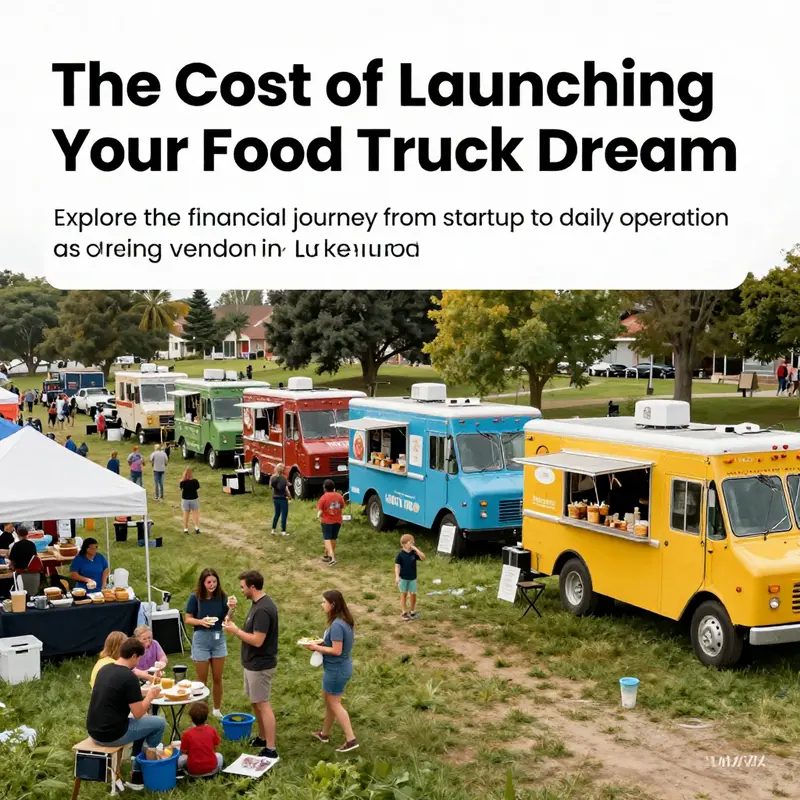
Thinking of hitting the streets with your very own food truck? Whether you’re a culinary wiz or just love to serve delicious eats, entering the food truck business can be an exciting adventure! But before you paint that truck and fill it with all your favorite kitchen gadgets, it’s essential to understand the costs involved. In this friendly guide, we’ll break down the financial essentials into three key chapters. From initial investment requirements to ongoing operational expenses, and even a comparative analysis of vendor costs in various regions, we’re here to equip you with all the knowledge you need to embark on your food truck journey successfully.
The Real Price Tag: Navigating the Startup Costs of a Food Truck Venture
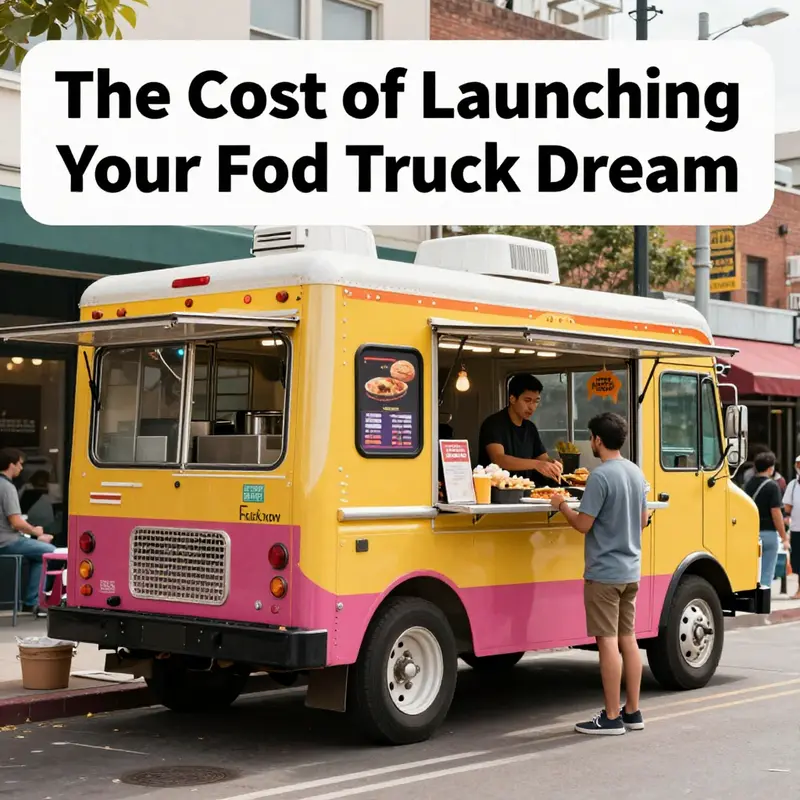
Launching a food truck business sits at the intersection of opportunity and cash flow. For many aspiring operators, the biggest obstacle is not the taste of the menu but the price tag that turns a dream into a street-front storefront. The costs can vary widely from city to city, depending on local rules, the condition of the truck, and the scope of the operation. With careful planning, however, entrepreneurs can map a realistic budget that preserves liquidity for the critical first months. This chapter outlines the core price drivers—what you pay up front and what you must cover shortly after you roll out—so readers can forecast a practical budget instead of relying on a distant, uncertain projection.
The largest single line item in most startup budgets is the vehicle itself. A brand-new food truck can cost roughly 75,000 to 200,000 RMB, which translates to about 10,000 to 27,000 USD depending on region and configuration. A newer, fully optimized truck with a larger kitchen footprint and high-end appliances commands the higher end of that spectrum. By contrast, used trucks can dramatically reduce the sticker price, often by tens of thousands of yuan, but they come with higher maintenance risk and potentially greater retrofit needs to meet health standards or desired menu concepts. The size and layout of the vehicle matter as much as its age. If the plan calls for a broad, breakfast-and-lunch lineup, you may prefer a longer chassis with two or more burners, a robust refrigeration system, and a generous hand-wash area. If your concept is compact or specialized, there is value in a lean footprint that minimizes upfront depreciation while preserving agility for events or neighborhood markets. The balance between capacity and upfront cost shapes every subsequent budgeting decision.
Beyond the truck frame, the kitchen itself is a separate mountain to climb. Full kitchen modules—grills, refrigerators, sinks, and durable storage—are essential to pass health checks and to sustain a daily menu. The range is wide. Some suppliers offer turnkey, ready-to-run kitchen packages starting around 30,000 RMB, which can be attractive for vendors who want to minimize setup time. However, more robust configurations that handle larger menus or higher service volumes can exceed 100,000 RMB. The temptation to skimp on equipment is strong when cash is tight, but a well-equipped kitchen often pays for itself in better yield per service and fewer downtime days. Each appliance has a life cycle and a maintenance cost attached to it. A tempered glass display or a high-efficiency refrigeration system might produce subtle, compounding savings through energy efficiency and reduced spoilage, but they also raise the initial capitalization.
Permits and licenses are the quiet, persistent costs that keep a truck on the road. They include health department approvals, business registrations, and mobile vendor permits. The paperwork can feel mundane, yet it is the line that separates compliant operations from costly shutdowns. Local health codes dictate how ingredients are handled, how waste is disposed of, and how the vehicle is inspected. The price tag for these approvals varies by city and province and often depends on menu complexity and operating hours. It is not unusual for new vendors to encounter staggered permit timelines, where one approval clears before another, delaying launch but not necessarily adding permanent cost. A steady budgeting approach is to set aside a dedicated startup allowance for regulatory steps that can take several weeks or months to finalize, rather than treating permits as a single, one-off expense.
Insurance is another family of costs that might not grab headlines but is indispensable for any mobile business. Expect premiums for general liability, vehicle insurance, and, if applicable, workers’ compensation. Insurance costs reflect the risk profile of your operation—the food you serve, your labor model, driving routes, and your incident history. In some regions, insurers may offer bundled packages for food trucks that reduce the total premium versus buying each policy separately. Because coverage protects both your assets and the people who work with you, it is worth shopping aggressively for terms that balance cost with protection. In the early months, insurers often require documentation of equipment inventories and a clear safety plan, which may themselves come with small administrative costs, such as appraisals or inspections.
Branding and marketing set the stage for customer recall and repeat visits. The upfront price of signage, wrap design, a website, and promotional materials can range from a few thousand to tens of thousands of yuan, depending on whether you prioritize a bold, full-vehicle wrap or a simpler, more cost-conscious aesthetic. A cohesive brand not only helps attract customers but also makes inventory planning more efficient. If the budget allows, a basic but polished digital presence—photos, a simple menu, contact details, and a schedule of where you’ll be—can produce outsized returns by improving perceived value and trust. For many operators, the website design and maintenance are ongoing costs as well, but the initial outlay sets the first impression.
The initial inventory of ingredients is not merely a shopping list; it is a bridge from concept to service. You will need enough stock to launch with confidence, plus a small reserve to adjust to actual demand patterns observed in the first weeks. The size of this reserve will depend on your suppliers’ lead times and menu complexity. Practically, you must balance cost controls with the ability to rotate recipes and maintain quality across a variety of dishes. If you plan frequent changes or specials, you’ll want the flexibility to reorder specialty ingredients without incurring urgent-expense penalties.
Staffing expenses also enter the early financial picture, even if you intend to operate with a compact crew. If the business model relies on one or two cooks and a front-of-house helper or driver, you will still need to budget for wages, payroll taxes, and onboarding costs. Health and safety training, as well as uniform provisioning, are legitimate startup costs that appear before your first profitable service. Model labor hours against expected volumes, because a shortage of staff during peak hours can reduce throughput just as easily as excess staffing can erode margins. For some operators, the option to operate solo or with a lean crew in the initial months offers a way to conserve cash while learning the rhythm of the business. As the operation grows, this decision may need to be revisited to meet demand and maintain food quality.
Not all markets pursue the same route to market. In some major urban centers, franchise or fleet models present an alternative pathway to scale. In Shanghai, for example, franchising typically entails upfront fees around 20,000 RMB and a total investment range of roughly 50,000 to 100,000 RMB. Such an arrangement can reduce some risks of market entry and provide a turnkey customer base, but it also imposes ongoing royalty streams and brand obligations. Choosing between a franchise and an independent operation hinges on appetite for support, brand equity, and control over menu and pricing. In other words, the cost structure is not just about how much you spend at startup; it is also about how much you are willing to trade in return for guidance, network access, and speed of market entry.
A broader lens reveals the geographic variability of these costs. In the United States, where many aspiring operators look to food trucks as a viable alternative to brick-and-mortar restaurants, startup costs typically run from 50,000 to 60,000 USD, a range that generally includes the vehicle, equipment, and initial inventory. That spectrum reflects a wide variance in truck types—from refurbished, smaller units to newer, larger configurations—and regulatory environments that shape permit fees and insurance. When translated into RMB, these costs shift with exchange rates and local living costs, but the principle remains: the initial investment is a function of the vehicle’s age, the kitchen’s sophistication, and the breadth of your business plan.
What this means in practical terms is clear. The lowest possible price tag is not simply the sum of the truck and a bare bones kitchen. It is the product of several discrete decisions that accumulate into a launch budget. If you choose a lean truck with a modest kitchen, a conservative permit plan, a minimal marketing push, and a compact inventory, you may approach the lower end of the spectrum. If you pursue a larger footprint, a more elaborate menu, a robust brand, and a more aggressive permit and insurance plan, your startup cost increases quickly. Each of these choices changes the break-even horizon, the amount of working capital you need before receipts start to cover outflows, and the time it takes to reach a sustainable profit margin. It is common for new vendors to underestimate working capital needs, especially the period before food traffic stabilizes and online orders or event bookings fill the schedule.
To bring budgeting into a practical frame, a disciplined approach is to itemize major buckets and assign conservative estimates for the first quarter of operations. Start with the vehicle: fix whether you are buying new or used and determine the desired kitchen footprint, then allocate a sum that reflects the headline cost plus a cushion for minor retrofits. Add equipment costs for core appliances and ensure you budget for dependable plumbing and electrical work. Then account for permits and licenses, modeled as fixed costs with a small contingency. Insurance should reflect your risk posture, with a buffer for policy adjustments. Brand development and initial marketing—signage, a simple website, and some promotional materials—should be treated as a one-time investment that yields traction, not recurring expense. Inventory and initial staffing are ongoing but can be front-loaded to avoid stalls during opening weeks. Finally, keep a line item for contingencies—a percentage of the total budget—to cover price swings or delays common in the pre-launch phase.
This budgeting discipline matters not only for the bottom line but also for decision-making during the early days of operation. Vendors who forecast a tight runway—three to four months of burn—are more likely to tilt decisions toward cost control and efficiency, rather than chasing ambitious menu expansions or premium equipment upgrades before cash flow stabilizes. Others may prefer to invest more upfront to accelerate growth, aiming for a faster path to cash-flow-positive operations. Either approach can work, but the critical ingredient is clarity: know your numbers, recognize which line items can be adjusted without compromising safety or service quality, and set conservative revenue expectations for the first season. The more transparent your forecast, the easier it is to spot a cash pinch before it becomes a crisis.
For readers who want a practical anchor, consider this: anchor the initial budget to a minimum viable operation and then build a staged plan for expansion. That means setting aside funds not just for the truck and kitchen, but for regulatory steps, insurance, branding, inventory, and labor. It also means selecting a model that gives you the most leverage in your market—one that aligns with local customer preferences, permits, and competition. Some readers may start with a compact, cost-conscious build and a modest itinerary, using early profits to fund upgrades as demand grows. Others may commit to a higher upfront investment to capture a high-volume niche right away. Either path reinforces the same lesson: the price tag is real, but a thoughtful plan that respects risk and opportunity can turn a mobile kitchen into a sustainable business.
External context helps ground the discussion. For a broader view of pricing and regulatory considerations that shape food-truck economics, see industry reports and local guidance from health departments and business agencies as you finalize budgets. The goal is to build a robust forecast that remains resilient to shifts in fuel, ingredients, and regulation, and to pursue a staged approach that balances speed to market with financial prudence.
The Steady Ledger of the Road: Mastering Ongoing Costs for a Food Truck Venture
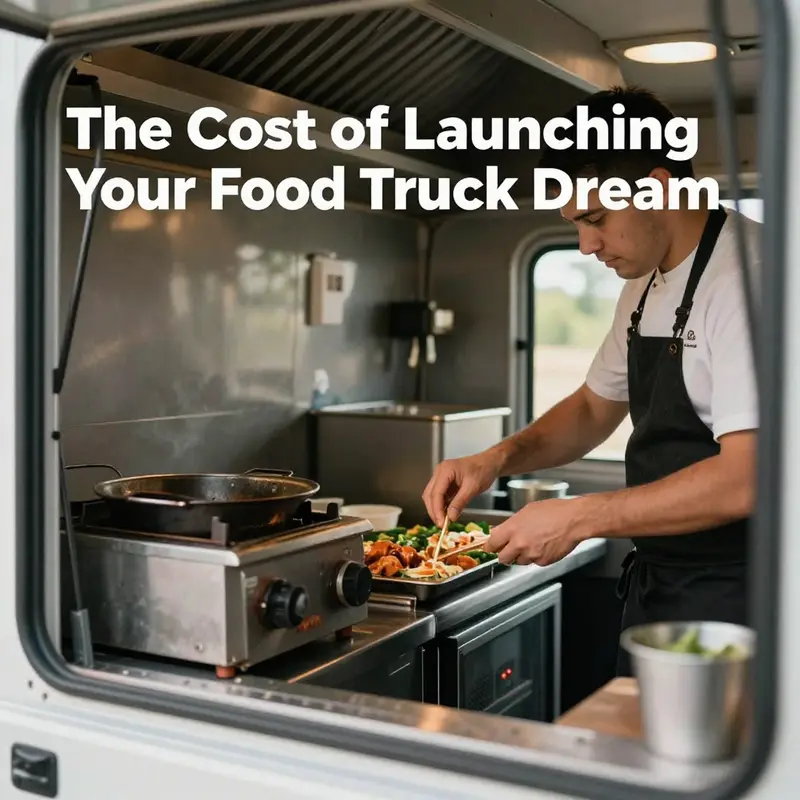
The dream of rolling through neighborhoods with a kitchen on wheels often comes with a clear allure: the freedom to set your own hours, the freshness of a cooking space that moves with demand, and the potential to build a loyal following in a short span of time. But behind every flavorful menu and every well-timed pop-up is a set of ongoing costs that can quietly eat into profits if left unmanaged. This chapter examines the persistent financial obligations that accompany operating a mobile food business and why understanding them is essential to turning a culinary concept into a sustainable enterprise. It is not merely a matter of chasing peak foot traffic or crafting a clever menu. It is a careful, disciplined practice of budgeting, forecasting, and adapting to a shifting landscape of fuel prices, maintenance needs, ingredient costs, labor demands, regulatory requirements, and ongoing marketing investments. In short, the road to profitability is paved with attention to the steady ledger rather than the splashy moments of peak sales. The way these costs unfold varies with geography, with how the truck is built, and with the business model chosen. Some markets reward efficiency and volume; others reward flexibility and niche appeal. Across the spectrum, the experience of a food truck operator is shaped by the same fundamental forces: capital discipline, predictable expense management, and a responsive pricing strategy that mirrors true cost of delivery. To illustrate how these forces interact, consider the practical implications of each cost center, and the ways operators can safeguard margins without sacrificing quality or customer experience. A useful starting point for understanding how truck design choices influence ongoing expenses is to recognize that the vehicle itself is not a single upfront investment but a dynamic platform that evolves with the business. The same chassis that carries your kitchen also governs fuel economy, maintenance frequency, and reliability. A configuration that prioritizes efficient propulsion, compact yet functional kitchen modules, and smart power management tends to reduce long-run expenditures in several ways. It lowers daily fuel use, reduces maintenance complexity, and minimizes downtime due to avoidable breakdowns. That is one reason many operators look closely at the long-term financial implications of their truck selection, even when initial capital costs are a primary concern. The idea is simple: the more efficient and reliable the platform, the smaller the drag on profit from ongoing costs, and the less time and revenue lost to repairs or fueling gaps. The practical impact of this logic appears in the daily routine of managing fuel consumption and maintenance cycles. Fuel is a recurring expense that can swing with route intensity and the weather, but it is also a controllable cost with thoughtful planning. When a truck’s engine and drivetrain are optimized for fuel efficiency, operators can cover more mileage at a lower price per mile. This translates into the ability to serve more customers within the same budget, or to allocate savings toward better ingredients or enhanced service. Equally important is the maintenance schedule. Routine checks on refrigeration units, cooking gear, electrical systems, and water supply prevent failures that would disrupt service and force costly emergency repairs. A well-tuned system reduces the risk of spoilage, a crucial factor for any operation focused on delivering fresh meals. Preventive maintenance also helps maintain compliance with health and safety standards, which in turn protects both reputation and the ability to renew permits and licenses without interruptions. The ongoing costs tied to ingredient and supply procurement reflect the core tension of the food business: prices fluctuate with seasonality, market trends, and supplier dynamics, yet customers expect consistent quality and menu reliability. A savvy operator builds relationships with multiple suppliers, forecasts demand with some conservatism, and leverages seasonality to plan menus that align with cost-effective ingredients while preserving flavor and appeal. In practical terms, this means accounting for price volatility in budgeting cycles, negotiating favorable terms where possible, and incorporating flexible menu items that can pivot as costs shift. When a vendor’s cost of staples rises, the ability to adjust portion sizes, switch to alternative components, or time promotions to move inventory helps preserve margins without sacrificing guest experience. Labor costs, too, form a significant portion of ongoing expenditures. The food truck model is labor-intensive, and the cost of cooks, servers, drivers, and support staff can set the ceiling for profitability. Efficient scheduling, cross-training to cover multiple roles, and a clear understanding of peak vs. off-peak demand help manage these expenses. In practice, operators often find it worthwhile to invest in training and process improvements that increase throughput without a proportional rise in headcount. For example, multi-use workflows—where the same staff handles cooking, assembly, and customer interaction during busy spells—can elevate efficiency and reduce overtime or idle labor. The world of permits and licensing compounds the picture. Ongoing regulatory fees are not a one-off hurdle but a recurring obligation that operators must budget for. Local health department licenses, business operation permits, parking or event permits, and periodic inspections can all require annual renewal or periodic revalidation. The administrative burden carries a cost, not just in dollars but in time as well. Waste, compliance, and safety obligations add layers of potential expense if processes are not consistently followed. Insurance, one of the few protections that directly mitigates catastrophic financial risk, adds another steady line in the budget. General liability, vehicle coverage, and property or equipment insurance are standard elements that protect against a broad spectrum of incidents. While these premiums can feel like a fixed cost, the level of coverage and the insurer’s risk assessment respond to claims history, route exposure, and operational practices. Maintaining a clean safety record and implementing robust loss-prevention strategies can help hold premiums in check over the long term. Marketing and branding should not be treated as a sporadic expense but as an ongoing investment in awareness, customer loyalty, and repeat business. In a mobile setting where customers encounter you for fleeting moments, a consistent message, recognizable visuals, and a reliable presence at events or in neighborhoods can translate into sustained revenue. Digital marketing, social engagement, and participation in local happenings all require budget and planning. The balance between these elements often determines whether a truck remains a short-lived novelty or becomes a durable local staple. It is here that operational discipline converges with creative strategy. A well-run food truck builds rhythm into the cost equation: fuel is monitored and consumed with awareness, maintenance is scheduled preemptively, ingredients are sourced with currency hedges in mind, labor is aligned with demand, permits are renewed on schedule, insurance is kept proportionate to risk, and marketing keeps the brand visible in the markets that matter. The interplay of these factors shapes the actual profitability more than any single line item. Location matters as much as menu. A truck operating in a dense urban core may incur higher insurance and permit costs, yet reap greater sales density that compensates for those expenses. Conversely, a smaller market or a festival-focused pattern may reduce certain fixed costs but requires a sharper eye on inventory and perishables, since demand can be episodic. An operator who understands this interplay will design a flexible model that adapts to both the seasonal cadence and the shifting appetite of customers. In such a model, the cost framework is not a static burden but a living system tuned to the realities of daily operations. The appendix of practical strategies for managing ongoing costs is rich with options, yet it remains essential to anchor these strategies to a straightforward planning discipline. Regularly reviewing fuel efficiency against mileage, tracking maintenance expenditures against downtime, and refreshing supplier negotiations against price signals are all part of a credible, ongoing financial discipline. A useful tactic involves building a lightweight, rolling forecast that captures expected fuel usage, maintenance intervals, and ingredient costs over a quarter, then adjusting as new data arrives. This approach is complemented by a simple pricing model that reflects the real cost of delivering each dish, including labor, fuel, and overhead. It is not about price gouging but about transparency and viability. People value consistent quality, and consistency requires investment. When a menu item regularly commands a premium, the operator can justify a higher margin, whereas items with tight margins demand tighter control over the associated costs. In the end, the question of whether it costs to be a food truck vendor should be answered with a clear, practical calculation, not a gut feeling. The costs described here are not exotic or mysterious; they are the everyday mechanics that keep a moving kitchen on the road and a business financially healthy. The ability to manage these costs effectively often distinguishes a thriving mobile operation from one that struggles to survive. For operators who want to ground these concepts in concrete examples, consider a comparative look at model choices for startup fleets. A practical look at model choices for startups in a specific market highlights how truck selection can influence ongoing costs and reliability. See Best Food Truck Models for Lakewood Startups for insights on how different configurations affect fuel efficiency, maintenance access, and overall lifecycle costs. As you weigh options, remember that the goal is not to minimize every expense at the expense of quality, but to optimize the cost structure so that each dollar spent yields meaningful value in customer experience and business resilience. The long road of profitability is paved with disciplined choices, proactive maintenance, and a willingness to adapt to the market’s demands. When operators align their truck design, supply chain practices, labor strategy, regulatory planning, insurance posture, and marketing cadence with a coherent cost framework, they are not merely paying bills—they are building a durable platform for growth. For those seeking deeper technical guidance on how to design and optimize a mobile kitchen from the chassis up, there is a resource that covers practical specifications and industry practices in detail. This external guide offers structured insights into how the technical aspects of a food truck influence ongoing costs, from power management to refrigeration and workflow efficiency. It can serve as a valuable supplement to the cost-focused perspective outlined here, helping operators translate budget decisions into concrete, measurable outcomes. As with any planning exercise in a dynamic industry, the most reliable path forward is informed experimentation paired with disciplined budgeting. Track costs, test assumptions, and scale thoughtfully. The road may be variable, but with a clear understanding of ongoing expenses and a robust approach to managing them, the food truck venture becomes not only possible but sustainably prosperous over time.
Cost Without Borders: How Regional Forces Shape the Price Tag for Food Truck Ventures
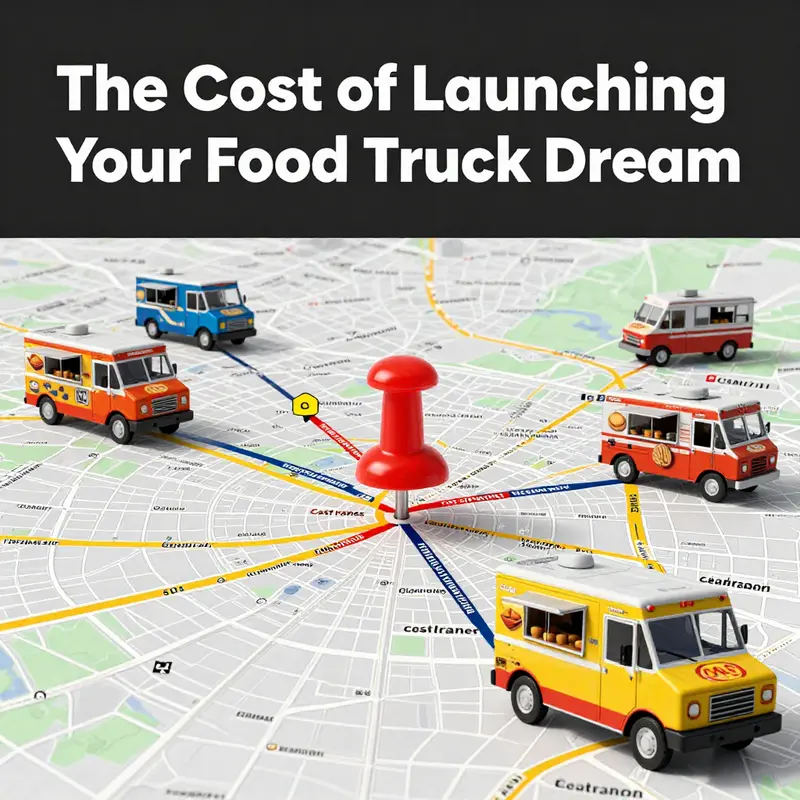
When a chef or caterer considers moving from a fleeting pop-up to a full-fledged food truck operation, the obvious question is not just how much the truck costs, but how region, supply chains, and local economics mold the entire price tag. Costs cascade in ways that are easy to overlook at first glance. The sticker price on a vehicle is only the beginning. A region’s manufacturing ecosystem, the availability of components, the pace of delivery, and the price of fuel, insurance, and permits all combine to determine what it finally takes to enter the market and stay profitable over time. A holistic view is essential because two operations with the same menu and the same target customers can diverge dramatically in cost structure simply because one is rooted in a region with a deep, integrated manufacturing hub and the other in a place where every spare part travels a longer route to the door.
Regional disparities in capital requirements begin with the core asset itself: the truck. In some corridors of the world, brand-new rigs can be acquired at a price that reflects scale and supply chain efficiency, while elsewhere the same chassis or kitchen module must travel across borders and be imported through multiple intermediaries. When price is expressed in RMB, as is common in several large vendor markets, a brand-new food truck can sit in a wide range, from roughly 75,000 to 200,000 RMB, depending on the configuration and where it is built. In USD terms, those figures translate to sizable differences for early-stage operators who might still be testing menus, locations, and service models. Used trucks, of course, offer a lower entry point, but they also come with higher maintenance needs and tighter margins if reliability becomes an ongoing concern. The math is never just about the down payment; it’s about the total cost of ownership over several years of operation.
The equipment and kitchen setup that sits inside the truck is another gatekeeper of cost. Fully equipped kitchen modules—grills, cold storage, sinks, ventilation, and ample storage—are essential for consistent quality and compliance with health codes. Suppliers can deliver turnkey packages at different price points. Some markets offer more affordable entry kits around 30,000 RMB, while higher-end configurations for demanding catering operations can push well beyond 100,000 RMB. The choice here often reflects not only current demand but anticipated capacity. A business planning to run high-volume events or multiple shifts may justify a more robust build that pays dividends in speed, reliability, and service consistency. Conversely, a smaller, mobile snack vendor might maximize cash flow by starting lean and upgrading later as revenue scales.
Operating costs extend beyond the initial hardware. Fuel, ongoing vehicle maintenance, insurance, permits, licenses, and the daily costs of food ingredients can compress margins, especially in markets where inflation and fuel prices are on the rise. In regions where fuel costs remain comparatively low, fleets can afford to run longer routes with less concern for profitability per mile. In places where fuel or insurance is expensive, the calculus shifts toward efficiency and route optimization, encouraging operators to weigh electric or hybrid configurations where charging infrastructure exists. The chapter’s research results underscore a broader truth: the long arc of a food truck’s profitability is shaped as much by ongoing costs as by the upfront purchase price. A clever initial buy can be undermined by stubborn maintenance bills, while a more conservative start can prosper if it yields greater resilience against price swings.
Franchise fees and other business-model costs illustrate another layer of regional variation. In some markets, notably large metropolitan hubs, franchising may offer risk-sharing frameworks and brand-driven customer draw, but it comes with upfront fees that can tighten early liquidity. The data point from Shanghai—an upfront fee around 20,000 RMB with total investments in a 50,000 to 100,000 RMB range—highlights how some regions monetize the brand and network access, while still requiring operators to fund equipment, permits, and initial inventories. These fees should be weighed against the potential speed to market, marketing leverage, and the collective buying power of a franchise or a network. For many would-be operators, a hybrid approach—starting with a smaller, lean operation and exploring franchising later—can balance risk and growth potential.
A useful frame for understanding regional cost dynamics is to contrast the North American market with other regions. In the United States, startup costs commonly fall in the range of $50,000 to $60,000 USD when you factor in the truck, kitchen equipment, and initial inventory. That benchmark tends to reflect higher labor costs, stricter regulatory compliance, and more expensive insurance and financing. However, it also corresponds with well-developed support ecosystems for food trucks, including local permits, health inspections, and a network of suppliers that can deliver quickly and reliably. In many other regions, the same package can be achieved for substantially less upfront, but with trade-offs in lead times, after-sales support, and the ability to scale to larger fleets. The comparison reveals a practical truth: the same business model can arrive at different profitability thresholds depending on where you land, because the economics of acquisition, operation, and growth are anchored in local realities.
The sustainability dimension adds another layer of regional nuance. Fuel-based models often carry lower upfront costs and a broad support network, making them appealing for operators who need quick entry into varied climates and street environments. Electric trucks, by contrast, offer environmental benefits and lower running costs. Yet their higher upfront price requires a solid charging strategy and access to reliable energy infrastructure. In markets where charging networks and electricity prices are favorable, electric configurations can yield a stronger total-cost-of-ownership equation over time; in others, the economics may be less favorable, at least in the early years of market development. The regional mix of electricity prices, maintenance expertise for electric systems, and the availability of spare batteries or parts will influence all but the most optimistic projections.
Formulating a sound budget therefore requires moving beyond the sticker price and toward a total-cost-of-ownership framework that accounts for manufacturing choices, operational realities, and regulatory environments. For a region with a deeply embedded manufacturing base, the allure often lies in reduced per-unit costs and shorter lead times. The vertical integration seen in some production corridors can secure steady access to stainless steel, insulated panels, and commercial-grade kitchen equipment, delivering economy of scale that translates into lower unit costs when orders are large. In regions where domestic production dominates, the speed of delivery and closer collaboration with builders can translate into a higher level of customization and faster iteration. In exchange, operators contend with higher labor costs and potentially less favorable currency movements, which can push the final price higher than expected. The practical implication for prospective vendors is clear: the best choice is not the cheapest option on the shelf but the most resilient one that aligns with the business’s scale, cadence, and location-specific costs.
A practical path to clarity begins with a clear picture of the business model and the expected operating footprint. If the plan calls for high-volume events, large city deployments, and frequent fleet rotation, a robust, regionally optimized platform may justify a higher initial outlay in exchange for durability and predictable maintenance costs. If the goal is to test markets and minimize risk, a leaner setup with potential upgrades later may offer more breathing room while you learn the ropes of customer demand, pricing, and service speed. Even in markets where competition is intense and rents or permits weigh on margins, there are creative routes to profitability. Some operators pick compact trolley-style food trucks that fit urban regulations with smaller footprints, enabling entry into dense corridors where space is at a premium and competition is fierce. These smaller platforms often carry a lower sticker price and can be scaled into more ambitious operations as revenue grows. In such cases, the decision is not simply about today’s cash outflow but about how quickly the business can reach breakeven and begin to amortize the investment across a growing menu and customer segment.
To the would-be operator evaluating a specific region, a few actionable steps help translate abstract costs into a realistic plan. Start with a baseline: what is the target daily or weekly throughput, and what margins do you expect on core offerings? Then map out the full cost of ownership for the chosen path. Itemize the vehicle price, kitchen equipment package, and customization needs, along with estimated monthly fuel, insurance, permits, and maintenance. Add inventory costs, which can fluctuate with supplier dynamics and seasonality. Finally, forecast contingencies for regulatory changes, price shocks, or supply-chain disruptions. This holistic budgeting approach makes it possible to compare a hypothetical operation in one region with another in a different landscape where the cost of capital, labor, and utilities diverge dramatically.
For readers exploring a specific city or aiming to refine a novice-friendly model, a nearby resource can provide a tangible sense of local options without sacrificing the broader context. For instance, a compact, budget-conscious option tailored for urban snack vendors can be found in the post detailing Best Food Truck Models for Lakewood Startups. This resource illustrates how a lean setup can deliver reliability and speed in a dense market, while keeping capital outlays within a comfortable range. The linked guide also underscores the importance of modularity: starting with a core kitchen module and adding capabilities as demand grows, rather than overbuilding from the outset. The lesson is not to chase the cheapest unit, but to chase the configuration that maximizes uptime and minimizes friction in daily operations.
The roadmap toward regional cost clarity also invites reflection on the broader manufacturing and market dynamics described in the literature. The comparative study emphasizes the persistent tension between cost efficiency and speed to market, a balancing act that shows up in every region through different levers. In China, the advantage is scale, integrated supply chains, and shorter lead times that keep per-unit costs low as orders grow. In the U.S., the advantage manifests as robust service networks and rapid customization, albeit at a price that reflects higher labor and material costs. Across the board, the choice of drive system—fuel or electric—depends not only on environmental goals but on the infrastructure and capital available to support maintenance and charging. Those choices inevitably cascade into the day-to-day experience of serving customers, the reliability of service during peak hours, and the ability to respond to regulatory demands with agility.
The chapter’s synthesis is not a call to imitate a single regional model but a framework for evaluating trade-offs through the lens of locality. In any region, a successful entrant understands that the cost of entry is a finite, manageable number when paired with a robust plan for cash flow and risk mitigation. The smartest operators forecast a span of scenarios, from best-case rollout to slow-burn growth, and structure contracts, leases, or financing to accommodate those trajectories. They also recognize the value of modularity: starting with a compact footprint that can be expanded as markets respond, while preserving the core competence of delivering consistent, safe, and high-quality food in a mobile format.
As the body of evidence accumulates, it becomes clear that the cost to become a food truck vendor is not a single line item but an ecosystem of decisions influenced by geography, suppliers, and the type of customer you intend to serve. The regional manufacturing hubs, the availability of reliable midstream support, and the economic fabric surrounding labor, fuel, and insurance determine whether a first-year loss becomes a sustainable, long-term business. The insights from the comparative analysis, anchored by regional data points and practical budgeting heuristics, provide a compass for operators choosing where to launch and how to scale. They remind us that a prudent operator will not chase the most attractive price alone but will align the cost structure with the anticipated tempo of growth, the reliability of supply, and the regulator’s expectations—the trio that ultimately determines whether a food truck venture can thrive or merely survive in a competitive market.
For readers seeking concrete sovereignty over their budgeting process, the path forward is to tailor the global insights to local realities. Begin with a clear business model and a disciplined cost model, then test assumptions against real-world quotes, permits, and insurance costs in your target city. If possible, engage with a few suppliers early to compare lead times, warranty terms, and service commitments. The goal is not to find a universal number but to derive a region-aware forecast that yields a reliable path to profitability. In the end, the cost of becoming a food truck vendor is a function of how well the operator matches a scalable, sustainable plan to the region’s unique economic rhythm. A well-chosen starting point can translate into a strong, defendable competitive position that endures beyond a single season of market turmoil.
External reference: For a deeper dive into how regional manufacturing dynamics shape vendor pricing on a global scale, see the Guardian’s analysis of global vs. domestic food truck manufacturing hubs. https://www.theguardian.com/business/2026/jan/28/global-vs-domestic-food-truck-manufacturing-hubs
Internal link: For a concrete example of a lean, scalable model that can work in urban markets, readers can explore the Best Food Truck Models for Lakewood Startups.
Final thoughts
Starting a food truck can be a thrilling venture, especially in a vibrant community like Lakewood! By understanding and navigating through your initial and ongoing costs, you can better prepare yourself for the journey ahead. While the investment might seem daunting at first, remember that the potential for growth in the food truck industry is substantial. Whether you want to serve gourmet dishes or tasty street food staples, each element of planning helps bring your dream closer to reality. So, consider your budget wisely, and prepare to create some mouthwatering memories on wheels!