
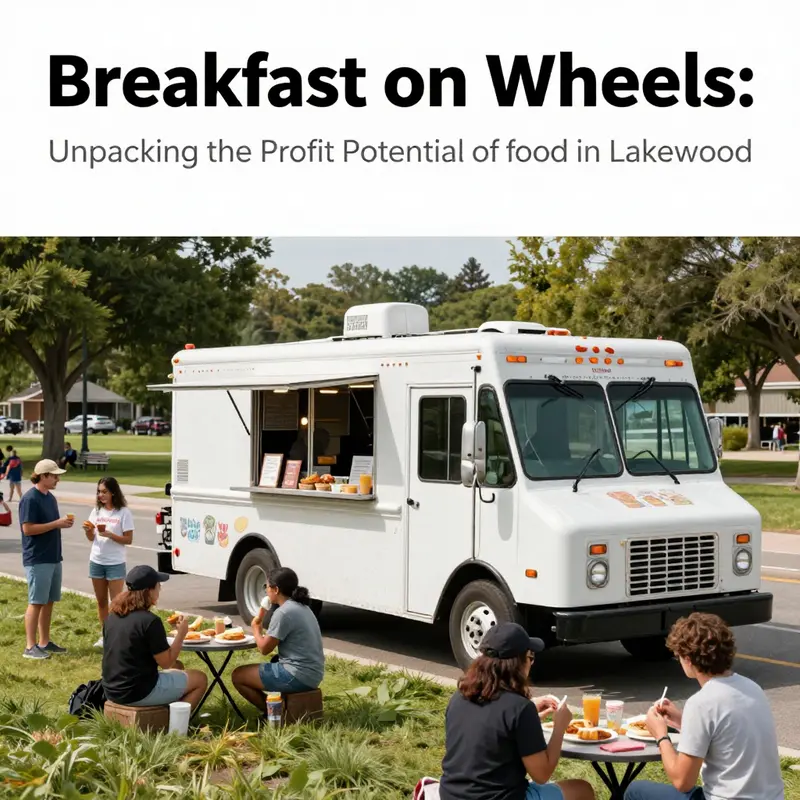
In the heart of Lakewood, a delectable trend is stirring: breakfast food trucks. Catering to morning commuters, students, and busy families, these mobile kitchens are redefining how we enjoy breakfast on the go. In this exploration, we will delve deep into the factors that drive the profitability of these ventures, from understanding consumer demand to navigating regulations, overcoming seasonal challenges, and implementing winning strategies. Each chapter will present essential insights for aspiring food truck operators eager to capitalize on this flavorful opportunity.
Riding the Morning Wave: Demand as the Driver of Breakfast Truck Profitability
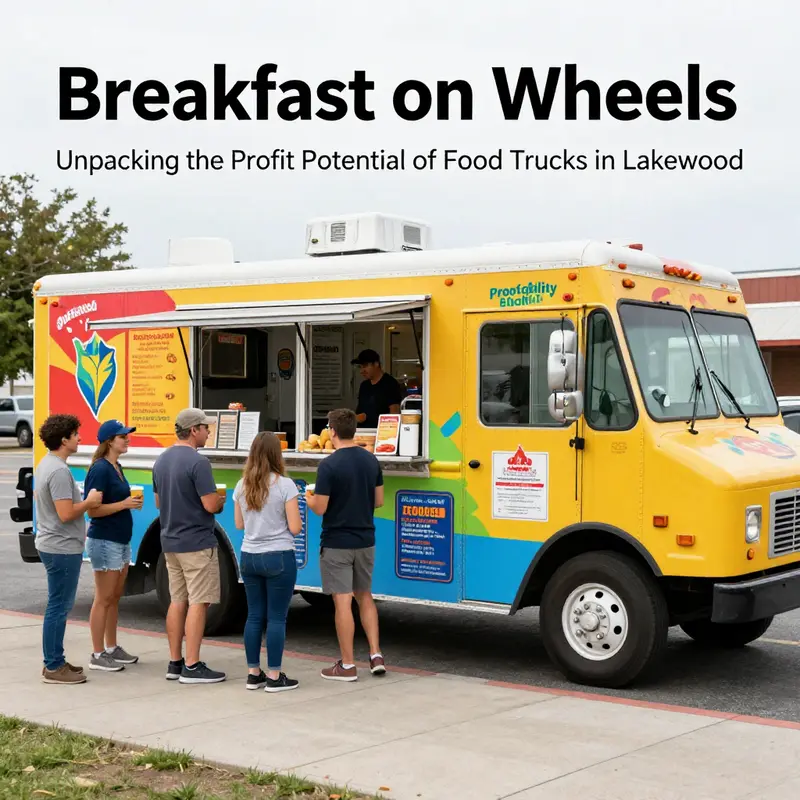
In the bustling mornings of cities and campuses, breakfast food trucks win where speed, convenience, and consistent quality meet demand. This chapter explains how market demand shapes profitability: by aligning menu, location, and timing with the moments when customers need a quick, reliable bite. The on-the-go breakfast market has shown steady growth, with data suggesting rising value and expanding consumer willingness to pay for fast, tasty options. But success hinges on capturing the right demand signals and managing costs so revenue from peak windows translates into steady cash flow. Understanding who buys breakfast on the go—commuters, students, and neighborhood shoppers—helps operators choose locations and adjust offerings for speed and margin. Mobility becomes a core profitability lever as trucks reposition between business districts, campuses, and events to ride foot-traffic waves. Menu design favors items that are quick to prepare, minimize waste, and maintain high margins: breakfast sandwiches, wraps, pastries, and coffee-based drinks that can be assembled rapidly. Differentiation through simple twists, seasonal rotations, or local sourcing can justify modest price premiums without sacrificing speed. Location strategy matters most during morning peaks, with predictable spots near transit hubs or workplaces building a loyal following. Weather also shapes demand, prompting menu adjustments and promotions to sustain volume across seasons. A disciplined approach to pricing, pre-orders, loyalty programs, and location-based promotions can extend reach beyond a single stop and stabilize revenue as the footprint shifts. Strategic partnerships with offices, campuses, and events add predictable daily volumes and reduce reliance on walk-up traffic. Finally, tight cost control—through batching, efficient equipment, and standardized components—helps convert demand into reliable profits, even when volumes fluctuate. This demand-driven lens guides practical decisions about truck layout, staffing, and supplier relationships to build a resilient, scalable breakfast operation.
The Sunrise Equation: Balancing Investment Costs with Profit Potential for Breakfast Food Trucks
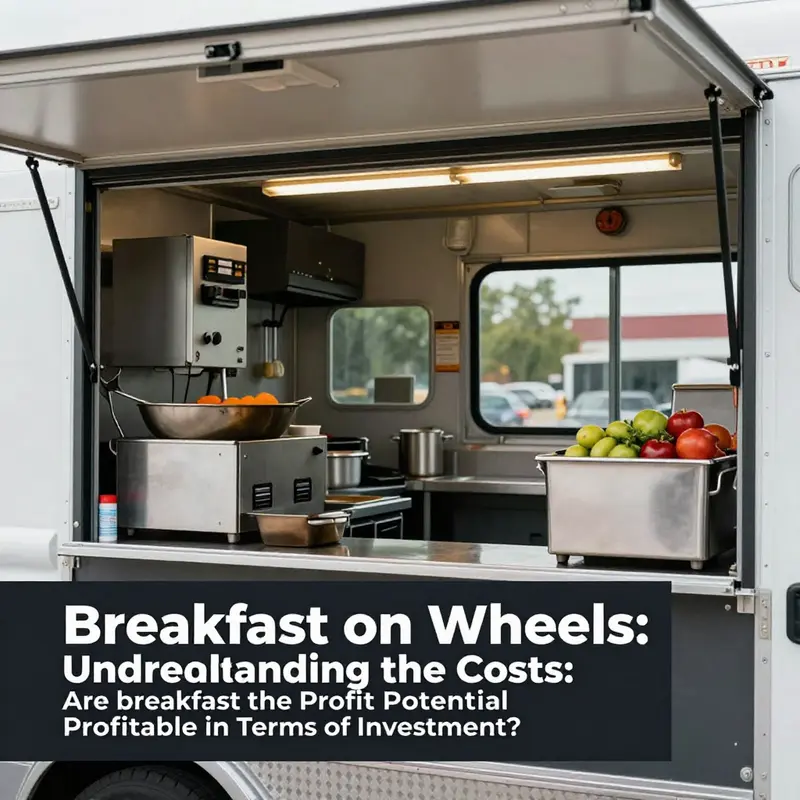
Investing in a breakfast food truck is a bet on momentum—on the moment when a city wakes, commuters spill into the streets, and the scent of coffee and freshly fried bread threads through the morning air. Like any financial decision in a consumer business, the profitability of a breakfast truck hinges on balancing upfront costs with ongoing revenue. The math is not a single equation but a set of connected choices that determine whether a truck that starts the day bright and hopeful ends it with a healthier bottom line. The starting figure is never abstract: it is the reality of what you pay to enter the market, and it then folds into how you manage every mile of your daily operation. In practical terms, profitability rests on tangible items that demand careful planning: the initial investment, the ongoing operating costs, and the way demand and efficiency intersect in real time across a busy weekday schedule. The logic is straightforward, but the execution requires disciplined attention to detail and a willingness to adapt location, menu, and tempo as the market evolves. For operators beginning this journey, the task is to see the whole arc at once—the truck, the kitchen, the route, and the customers—and to measure the promise of sunrise against the cost of chasing it. When viewed through that lens, profitability becomes less a lottery ticket and more a managed process of asset utilization, service speed, and recurring demand. The most critical decisions arrive early: what kind of vehicle to buy or lease, how to outfit it, what permits are required, and how to structure costs so that a crowded morning clears enough margin to sustain growth through lean days and seasonal shifts. The cost envelope is revealing. The vehicle itself can range from a refurbished cargo van to a purpose-built food truck, and the price tag reflects that choice. In many markets, the all-in cost of the vehicle plus kitchen modifications—griddles, ovens, refrigeration, storage, exhaust and ventilation—ranges from roughly twenty thousand to sixty thousand euros, depending on size, equipment, and condition. That range captures the reality that the opportunity to produce a broad breakfast menu with hot items like eggs, breakfast burritos, or pastries often comes with a heavier build-out than a basic coffee wagon. Permits, licenses, and health inspections compound the upfront outlay, followed by insurance expenses that protect the business against liabilities inherent to food service on the move. Ingredient inventories and initial stock add another layer at the outset, as does the knowledge that higher quality inputs can lift customer satisfaction and repeat business, even if they tighten the initial cash outlay. The research landscape notes a related dynamic: more complex prep and longer throughput times can push daily revenue ceilings higher, but only if the truck is designed and staffed to sustain those durations without sacrificing service speed or reliability. It is here that the concept of a lean yet capable mobile kitchen comes into focus. Vans converted from cargo layouts, for example, can offer a more affordable and agile entry point for startups testing the breakfast market, while still allowing room to upgrade equipment as demand solidifies. In practice, this means a front-line decision about which truck model to choose can influence the pace at which a business reaches profitability. For operators exploring options, it helps to study proven configurations and, when possible, to see models in operation. One useful starting point is to review the best food-truck models for Lakewood startups, which highlights practical layouts and balance between throughput and maintenance. That exploration can guide you toward choices that optimize space, fuel efficiency, and ease of cleaning—factors that often ripple through every service hour and every shift in the vendor lineup. The consideration of location follows closely behind the vehicle decision. Morning demand is the most reliable driver of profitability for breakfast trucks, and the logic is clear: near office districts, universities, transit hubs, and outdoor markets, a well-timed stop can capture the bulk of a city’s early risers. In these zones, a steady stream of customers arrives with predictable frequency, and the kitchen philosophy can emphasize speed and consistency over complexity. The menu then becomes the second pillar in the sunrise equation. High-margin items that still satisfy a quick-handling workflow tend to perform best. Simple, portable offerings such as robust breakfast burritos, well-prepared avocados on toast, artisanal coffee, and grab-and-go pastries tend to resonate with busy professionals and students alike. The beauty of a strong breakfast concept is that it translates across seasons if you keep the core routine consistent while offering gentle seasonal adjustments—spiced lattes in fall, heartier baked goods in winter, lighter fruit-based options in spring. The ability to pre-order and pre-pack items for pickup or pre-arranged office stops is another practical lever. Digital promotion, including social media updates on daily locations and limited-time deals, can turn casual passersby into habitual customers. A credible strategy for building a local following is to partner with nearby offices and schools for regular morning stops, ensuring the truck becomes a known, reliable fixture rather than a wandering novelty. These moves help stabilize revenue and smooth the volatility that often accompanies early-stage ventures. The financial texture of breakfast truck profitability can be illuminated by thinking in terms of margins and throughput. Margins are not only a function of the price charged but also of the cost of goods sold, labor, fuel, and maintenance. A streamlined operation reduces waste, prevents shortages, and keeps staff focused on fast, accurate service. Throughput—the number of customers served in a given window—depends on how quickly items can be prepared and served without compromising quality. The combination of efficient workflow, well-tuned equipment, and disciplined inventory control often translates into shorter service times and more turns per day. In this sense, the initial cost of a more capable kitchen may be amortized across higher daily revenue, provided the system is designed to sustain it. To illustrate the practical arc, consider that profitability stories in this sector frequently emerge after the first year or so if branding is solid, service is efficient, and a loyal customer base forms around consistent locations and reliable hours. The 12–18 month horizon common in industry discussions reflects how quickly dynamics can shift from a cautious startup to a resilient routine. Yet this is not a guaranteed path; the same factors that attract steady demand—visibility, proximity to high-traffic campuses, and predictable schedules—can be undermined by weather, seasonal demand, or new competition. Weather can particularly dent morning traffic, turning an otherwise profitable daily operation into a fight against cold and rain. Flexible hours and adaptable offerings help mitigate this risk by presenting warm, comforting choices during colder months and lighter options during milder periods. Regulatory environments further shape the cost-benefit equation. In some cities, licensing and health requirements are straightforward, while in others they demand more time, paperwork, and ongoing compliance costs. In certain European contexts, vans may be easier to license under standard regulations, but crew comfort and long shifts remain crucial considerations for planning. Competition is another constant that influences profitability. A crowded street with multiple vendors in a morning wave can amplify consumer choice but also reduce individual demand. The savvy operator sets apart by focusing on a niche—whether it is vegan options, locally sourced components, or fusion twists that allow faster assembly and distinct value propositions. The combination of a clear niche and an efficient operation supports sustainable margins even in a crowded market. The frontline of profitability is thus built on a disciplined approach to costs and a strategic stance toward demand. An operator’s toolkit should include attention to fuel and oil costs, which can creep up quickly when using heavy equipment, as well as careful management of ingredient costs to avoid waste. It is essential to monitor these variances, especially if the truck relies on high-volume fryers or energy-intensive appliances. The narrative of a profitable breakfast truck is not simply a tale of higher prices or bigger crowds. It is a story of disciplined investment, efficient execution, and a steady rhythm that makes every morning count. The pathway from initial outlay to sustained earnings hinges on a coherent plan: choose a vehicle and layout that align with your menu and location, secure the permits and insurance you need, and design a menu that pairs high demand with high margin. It also hinges on how well you leverage technology and local partnerships to stabilize demand, while maintaining flexibility to shift spots when crowds move or when weather forces a change of plan. In that sense, the chapter on costs is the chapter on strategy as well, because the investment decisions you make at the outset ripple through every shift, every delivery, and every satisfied customer who returns for a second cup and a second chance at a reliable morning ritual. For operators seeking a deeper dive into the equipment and standards that support mobile food operations, a broader resource on material standards, technical specifications, and applications across industries provides useful context and guidelines worth reviewing as you scale. External resource: https://www.foodtrucksalesny.com/industry-guides/material-standards-technical-specs-applications. To bridge practical exploration with local opportunities, consider exploring the options highlighted in the regional guide to truck models and configurations, which can offer concrete ideas for anchoring a new venture in a specific market like Lakewood. best food-truck models for Lakewood startups. The early focus on a solid foundation can help ensure that the sunrise you chase translates into sustainable daytime earnings, repeat customers, and a business that grows with experience rather than simply surviving the first season.
Sunrise, Permits, and Profit: Navigating Regulatory Currents in Breakfast Food Truck Ventures
The early hours are a proving ground for breakfast food trucks, a time when the scent of coffee and warm pastries can lure a rush of commuters before the city fully wakes. But beneath the aroma of fresh-brewed espresso lies a regulatory landscape that can either clear the way to brisk morning sales or tighten the choke points that sap the day earnings. Profitability in this space hinges not only on a clever menu or prime locations but on how deftly operators navigate licensing labyrinths, zoning boundaries, and the exacting demands of health and safety regimes. When a truck moves between neighborhoods or even between districts within a city, it carries with it a bundle of compliance responsibilities that can shape every hour of operation and, ultimately, every dollar of net income. In other words, sunrise profits rise and fall with the ease or difficulty of turning regulatory requirements into routine practice rather than into costly friction.\n\nLicensing is often the first and most persistent gatekeeper. A breakfast vendor must acquire a valid permit to operate, and the path to that permit is rarely a one-size-fits-all process. Applications can thread through multiple offices, each imposing its own specific forms, timelines, and fees. In some markets, the permit itself may be straightforward, while in others it becomes a quagmire of background checks, vehicle inspections, and seasonal renewals. Delays during the approval phase can erase the peak-morning window that breakfast buyers expect. A missed commute-time run translates into a missed sale and, when repeated, a dent in average daily revenue that compounds week after week. The cost side of licensing is also real. Even before daily sales begin, operators must account for the initial and ongoing fees that attach to keeping a mobile vendor compliant. In practice, these costs become a predictable line item in the operating budget only after a few cycles of trial and adjustment, as operators learn which offices demand what forms and how long the approval process tends to take during different times of the year.\n\nZoning restrictions exert a complementary, sometimes more stubborn influence. The physical footprint of a breakfast truck is inherently ephemeral; its location must be earned anew every morning. Zoning laws often specify where food trucks may park, and those rules are frequently stricter in high-traffic zones associated with offices, campuses, or transit hubs. The same morning rush that creates demand can also constrain supply if the route blocks or permits are limited to specific streets or grids. The result is a constant balancing act: how to secure a prime spot for peak demand while staying within the boundaries set by local planning authorities. This is not merely a matter of geography; it is a strategic consideration about schedule, mobility, and the ability to establish a predictable customer stream. A truck that can park near a main commuter artery for two hours, then relocate to a university perimeter after lunch, may outperform a fixed routine that collides with regulatory bottlenecks. The goal is to design a route that respects the letter of the law while still delivering reliable, repeatable service that signs up loyal customers who plan their mornings around your calendar.\n\nHealth and safety regulations form the third pillar of the regulatory framework and a substantial ongoing cost to profitability. Regular inspections, proper storage, temperature control, sanitation protocols, and staff training are non-negotiables in most jurisdictions. The price of compliance goes beyond fees; it extends to daily rituals of food preparation. A single inspection that flags a minor issue can trigger temporary shutdowns, unplanned downtime, or the need to retrofit equipment to meet standards. For a breakfast menu that hinges on speed–think burritos, avocado toast, or fast-brewed coffee–any downtime is a direct drag on throughput and revenue. Moreover, new health and safety requirements can emerge with changes in local law, state guidelines, or updates to national food safety practices. Each update necessitates training, record-keeping, and sometimes additional equipment, all of which eat into margins if not anticipated and priced into the business model.\n\nThe financial footprint of regulatory compliance has become more visible in recent years. A 2024 study of street vendors highlighted how the cumulative burden of licensing, zoning, and health inspections translates into tighter daily earnings and, in some cases, heightened risk of discontinuing operations. When margins are already slender–the nature of low-overhead mobile food service is partly what makes the model appealing–these regulatory costs can become the difference between a thriving pilot program and a shuttered business. The lesson here is not that regulation is inherently ruinous, but that profitability requires careful scoping of regulatory exposure and a disciplined approach to cost control. Each permit, each inspection, and each location restriction must be accounted for in the forecast of daily sales and monthly profit.\n\nThe regulatory reality is not uniform across all cities or regions. Some jurisdictions offer cleaner, faster paths to licensing and more flexible zoning for mobile food vendors, recognizing the value these trucks bring to pre-work crowds and to urban energy. Others maintain rigid caps on permitted locations or require lengthy pre-approval for every new street or park where a truck might operate. The contrast is instructive. A truck operator who treats permits and location rights as a core asset–monitored, renegotiated, and scheduled with precision–can convert regulatory constraints into a framework that supports steady revenue rather than a perpetual struggle to comply. In certain markets, operators can negotiate with property owners or campus administrators to establish regular morning routes, which may circumvent some zoning friction and create a reliable demand funnel that offsets compliance costs. The trade-off, of course, is that securing those partnerships requires time, credibility, and often a track record of consistent service.\n\nFrom a practical standpoint, profitability depends on integrating regulatory discipline into the operating model rather than letting it sit as a separate, costly burden. This begins with upfront planning: researching the licensing landscape in target neighborhoods, mapping the likely routes and peak hours, and forecasting the related permit and inspection costs alongside expected sales. It also means designing the operation around compliance rather than retrofitting to meet it. A compact, compliant setup can minimize the frequency and duration of inspections; modular equipment that is easy to clean and maintain can streamline sanitation checks; staff training can be standardized to ensure uniform compliance across shifts. The menu itself can reflect regulatory realities as well. Simpler, high-margin items that require consistent temperatures, straightforward handling, and quick turnover reduce the risk of errors that trigger health and safety issues. The goal is not to cut corners but to lean into a lean process that keeps the line moving and the paper trail tidy.\n\nAs operators navigate these currents, they often grow more selective about where to operate and when. The prospect of steady, repeat customers in a business district during morning hours can be compelling, but it must be weighed against the likelihood of license renewals, zone changes, and the stability of supply chains for compliant equipment and maintenance. In practice, many successful ventures combine a tight compliance program with a disciplined expansion strategy: replicate a tested route, secure multi-location permits where possible, and maintain a portable, easily audit-ready system that travels with the truck. In this sense, the regulatory environment becomes a mechanism to shape rather than obstruct growth. An operator who understands the cadence of permit cycles, who plans for the worst and prices it into the plan, and who maintains a high level of cleanliness and consistency can turn regulatory risk into a manageable cost of doing business.\n\nFor readers curious about how to approach the mechanics of getting the right set-up, one practical path is to study the equipment and operational configurations that align with local rules and still support speed and flavor. This is where choosing the right truck and the right layout matters as much as securing the permit. A well-matched platform reduces the likelihood of inspection issues and makes compliance tasks less burdensome. If you want a grounded view of how equipment choices intersect with market realities and regulatory expectations, consider exploring the discussions on Best Food Truck Models for Lakewood Startups, which can offer insights into scalable configurations and practical considerations for early-stage operators. Best Food Truck Models for Lakewood Startups\n\nUltimately, profitability in a regulated breakfast market comes down to how well operators anticipate friction points and weave compliance into the daily rhythm of service. The very nature of breakfast, short, intense bursts of demand in the morning, makes it especially sensitive to any interruption in city processes. A well-run operation that treats permits, zoning, and inspections as steady, predictable elements rather than as surprises will likely sustain higher throughput and healthier margins. In contrast, a business that encounters frequent permit delays, location rejections, or unplanned health-code corrections risks irregular cash flow and eroded margins. Operators who keep a vigilant eye on regulatory changes, invest in staff training, and maintain meticulous compliance records will find that the dawn of profitability is less a moment of luck and more the fruit of disciplined, anticipatory management.\n\nFor readers seeking a broader macro view, it helps to consider the risk landscape beyond local rules. Market analyses emphasize that regulatory volatility can shapeshift the profitability profile of mobile breakfast ventures, particularly as cities experiment with new vendor programs, health-code expectations, or parking policies. This broader context underscores a simple truth: success depends not only on the recipe or the location but on the willingness and ability to turn regulatory obligations into a stable operating routine. When that alignment exists, a breakfast food truck can transform the morning commute into a reliable, repeatable business–even in the face of permit queues and inspection checklists. For those exploring the bigger picture, a careful reading of industry risk factors and investor considerations reveals how critical regulatory discipline is to the viability and resilience of mobile food enterprises.\n\nExternal resource for further reading: https://www.foodserviceandhospitality.com/news/restaurant-food-truck-market-risk-factors-investors-need-to-know
Seasonal Winds and Morning Rush: Weather as a Profit Lever for Breakfast Food Trucks
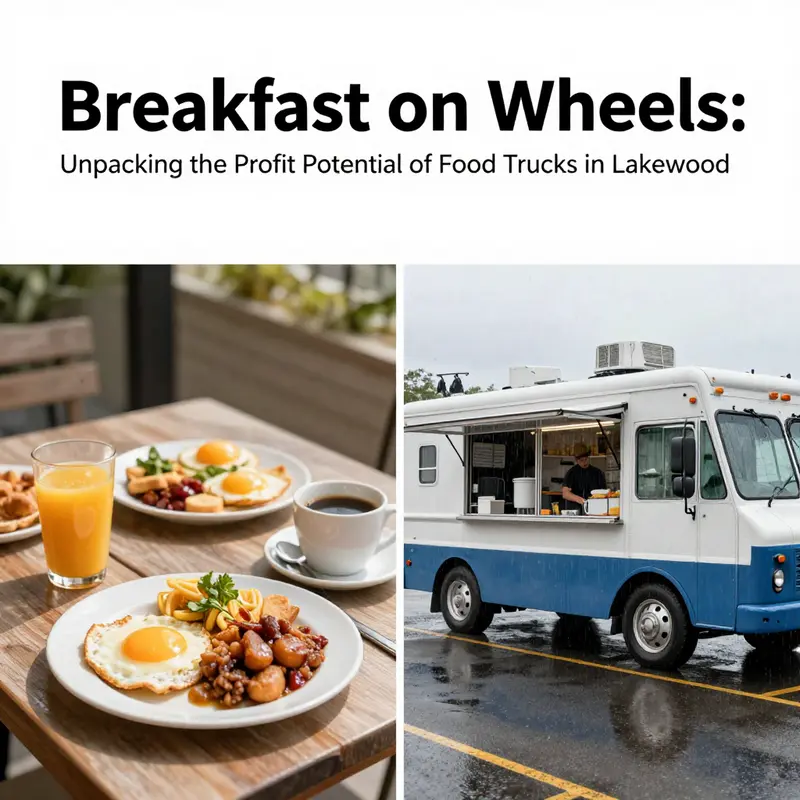
Seasonality shapes demand, costs, and the timing of a successful breakfast truck. Weather drives when people travel, what they crave, and how fast they move through morning routines. Winter emphasizes hot, fast items and efficient heating while summer leans toward cooling, lighter offerings, and careful cold chain management. Operators who align menus and locations with seasonal patterns can convert weather into steady revenue by tailoring menu mix, service speed, and route planning. In cold months energy costs rise but high margin hot beverages and hearty porridge can sustain throughput if priced and paced effectively. In hot months refrigeration costs and spoilage risk demand disciplined inventory and smart packaging to preserve quality. Across seasons the key is flexibility: develop a lean winter core with rapid hot items and a summer extension of refreshing options, maintain efficient equipment, and choose locations near transit and high foot traffic moments. Pair weather data with real time promotions and dependable supply chains to lock in predictable demand. The path to profitability lies in treating seasonality as a cooperative partner rather than a hurdle, adjusting menus, operations, and routes in response to climate and city rhythms.
Dawn to Dollars: Strategic Pathways to Profit in Breakfast Food Truck Ventures
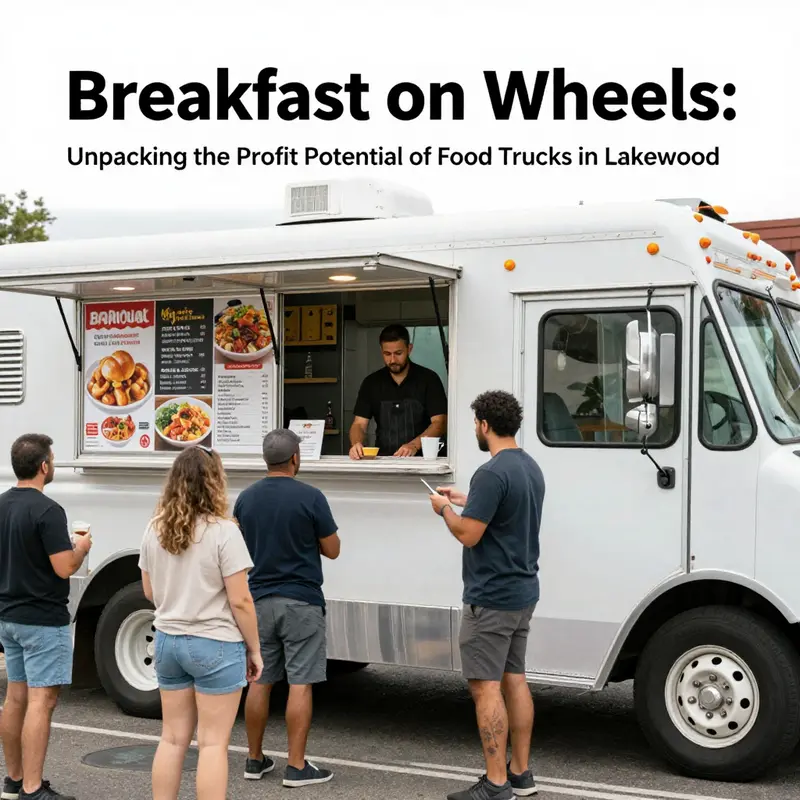
Dawn breaks over the city with a rhythm all its own, and in that rhythm lies the core of profitability for breakfast food trucks. The market for quick, reliable morning nourishment is not a passing trend but a daily demand—students hustling to early classes, office workers sprinting toward meetings, and commuters weaving through transit hubs before the first meetings of the day. A breakfast truck that can answer that demand with speed, consistency, and a touch of personality can carve out a sustainable niche, but profitability does not arrive by luck. It arrives through disciplined planning, careful capital pacing, and an operating model that translates high demand into steady sales and controlled costs. The journey from concept to cash flow begins with a simple recognition: the money is not just in the menu, but in the movement of people and the efficiency with which the truck meets them where they are.
Profitability tends to ride on a few clear levers. The first is location, or more precisely, the ability to access high-traffic corridors during the critical hours when options for breakfast are both limited and urgent. A truck parked near office towers during the morning rush, near a university campus, or at a transit hub can capture a steady stream of repeat customers who value speed and predictability. Yet location alone does not guarantee profit. A truck must also manage overhead in a way that preserves margins. Compared with a brick-and-mortar restaurant, the linear cost of space is dramatically lower, but fuel, maintenance, and the tempers of a busy morning shift still accumulate. The operator who tracks these costs with a disciplined eye—monitoring fuel efficiency on routes, measuring ingredient waste, and negotiating favorable supplier terms—can translate relative savings into real margins that compound over a season.
The menu acts as both compass and engine. High-margin items that still satisfy the quick, on-the-go expectation of breakfast are the bedrock. Thinks of it as balancing value with velocity: gourmet breakfast sandwiches that can be assembled in seconds, avocado toast with sharable toppings, and coffee drinks that travel well from the steam to the cup. These are items with relatively straightforward prep, a reasonable shelf life, and a selling price that elevates margins above basic staples. The trick is not to load the board with dozens of choices but to curate a small, compelling set that travels well in a compact kitchen on wheels. A tight menu reduces waste, simplifies training, and creates consistency—factors that convert a busy morning into repeat business rather than a daily gamble.
Preparation in bulk is another practical habit that directly amplifies profitability. The window between midnight and the morning rush is prime for bulk prep: ingredients portioned, sauces measured, and components prepped so that the moment the order is placed, the assembly is rapid. This approach lowers labor time per order, increases throughput, and reduces the chance of bottlenecks that spill into the line of waiting customers. When bulk prep is paired with smart mise en place, even a single crew can service the early-morning crowd with clockwork reliability. It is not about working harder, but about working smarter—designing workflows that keep the line moving and the cups full without sacrificing quality or consistency.
A limited but well-curated menu is more than a cost-control tactic; it is a pillar of brand consistency. Focusing on 4–6 core items that can be executed with high quality, day after day, helps the crew maintain speed and the customers to know what to expect. Consistency fosters trust, and trust becomes a driver of repeat business. In a market crowded with options, a simple, dependable experience can differentiate a truck from the rest. It also makes pricing decisions more predictable. When the recipe is tight and the production steps are repeatable, margins stabilize because waste diminishes and forecasting becomes more accurate. The ability to project daily revenue against a compact menu marketing a clear value proposition is, in itself, a profit lever.
Local demand is the North Star for any breakfast operation. Urban commuters in a dense corridor may gravitate toward grab-and-go options—protein-packed bowls, egg muffins, or compact breakfast plates that satisfy hunger without slowing the pace of a busy morning. In suburban or family-oriented zones, larger formats and shareable items—burritos that feed two or more, pancake platters for weekend mornings—may tell a different profitability story. A truck that treats demand as data rather than flavor-only inspiration can tailor its offerings to the exact rhythms of each site. That adaptability, more than any single dish, is what keeps a truck both relevant and profitable as seasons change and neighborhoods evolve.
Pricing strategy is a delicate balance between value and velocity. Dynamic pricing, when used thoughtfully, can help smooth demand waves and protect margins during slower periods. For example, mid-morning combos or paired beverages with a slight discount can clear inventory that would otherwise sit and spoil, especially in trucks with short shelf lives on certain ingredients. The key is to avoid eroding perceived value while creating incentives that move customers through the queue efficiently. A well-timed promotion can also generate word-of-mouth buzz that compounds sales in the following days. The best operators test pricing changes on a small scale, measure the impact with clear metrics, and scale what works while discarding what doesn’t.
Branding and loyalty emerge as invisible but powerful profit accelerants. A consistent visual identity—packaging, signage, and a signature scent of cinnamon or roasted coffee—helps customers recognize the truck in a crowded row of options. Equally important is a simple loyalty mechanism that rewards repeat visits. A stamped card, a mobile-stamped app, or even a text-based loyalty prompt can turn first-time customers into regulars. In a morning economy where many buyers are followers of routine, turning niche encounters into daily rituals pays dividends over time. Social media, when used to announce daily locations and special items, extends that daily ritual beyond the curbside. It invites anticipation, which sustains demand and, in turn, supports steadier revenue throughout the week.
Cost structure is the quiet engine behind profit, and it deserves constant attention. Ingredient costs need to be tracked with the same seriousness as labor and fuel. Small shifts in price or waste can erode margins quickly if not monitored. Labor costs must be tuned to peak demand while avoiding overstaffing in slow windows. Fuel usage, especially for a truck that travels between morning stops or markets, should be analyzed against route efficiency. The strongest operators combine real-time sales data with routine reviews to refine menus, adjust workflows, and optimize routes. In practice, that means checking constantly which items fly off the window and which carts require refinement, and then adjusting procurement, prep, and pitching accordingly.
Seasonality and weather present unavoidable headwinds, yet they can be managed with foresight. Cold mornings can boost demand for warm beverages and hearty, comforting items, while summer heat might favor lighter, grab-and-go options and oversized coffee drinks served iced. When weather threatens turnout, a truck can offset some of the dip by offering a small, well-marked seasonal rotation or by coordinating with nearby offices to schedule regular morning stops during clear days. The trick is not to pretend the season won’t impact sales but to build resilience into the model—buffer budgets, flexible staffing, and a menu that can pivot within the same kitchen footprint without sacrificing quality.
There is a practical path to profitability that many operators follow successfully. Start with a solid capital plan that aligns the truck’s purchase or lease with a realistic build-out and initial working capital. Even though the upfront cost can be significant, the operating phase should be engineered for ROI through a combination of above-market speed, disciplined cost control, and location leverage. Industry observers note that profitability is often achieved within the first 12–18 months for operators who blend branding, efficient service, and a loyal customer base. The numbers get easier as the business learns its true demand patterns and as the owner develops a reliable routine for scouting locations and maintaining equipment without downtime.
To make this journey concrete, think of the truck as a mobile kitchen designed for speed, reliability, and a touch of local flavor. The operator who studies routings, prepares for peak times, and treats customer experience as a strategic asset will find profit grows not only from sales but from the quiet accumulation of efficiencies. A practical starting point when planning is to study the guide on best food truck models for Lakewood startups, which offers a grounded look at vehicle layouts, equipment considerations, and crew comfort that affect both productivity and margins. This reference can help shape an initial capex plan and a long-term path toward profitability without overinvesting in features that do not move the needle in the first year.
As you refine your concept, a larger, more systemic frame emerges: profitability is a function of how skillfully you translate morning demand into a dependable rhythm of sales, while keeping costs tethered to that rhythm. The most successful operators build a feedback loop from daily results to ongoing menus, promotions, and routing decisions. They set targets, measure short-term performance, and test adjustments in a disciplined, repeatable way. They also invest in customer experience—consistent packaging, quick, cheerful service, and a visible commitment to quality—that makes each morning feel like a reliable appointment rather than a gamble. When a truck earns a reputation for dependable service and fair value, the rest follows: higher average order value, repeat visits, and a community sense of anticipation that brings people back day after day.
For those who want a succinct external frame of reference while plotting their own growth, industry insights on breakfast menu innovations and truck trends provide a broader context. See this external resource for a deeper read on how breakfast menus are evolving in mobile formats: https://www.foodbusinessnews.net/articles/2025-08-14-food-truck-trends-breakfast-menu-innovations.
Final thoughts
Breakfast food trucks hold significant potential for profitability, especially in community-centric spots like Lakewood. By understanding market demand, managing costs, navigating regulations, responding to seasonality, and employing strategic marketing, aspiring food truck operators can carve a niche in this vibrant industry. The journey may have its challenges, but with passion and smart planning, serving delicious breakfasts on wheels can indeed pave the way to a successful venture.