
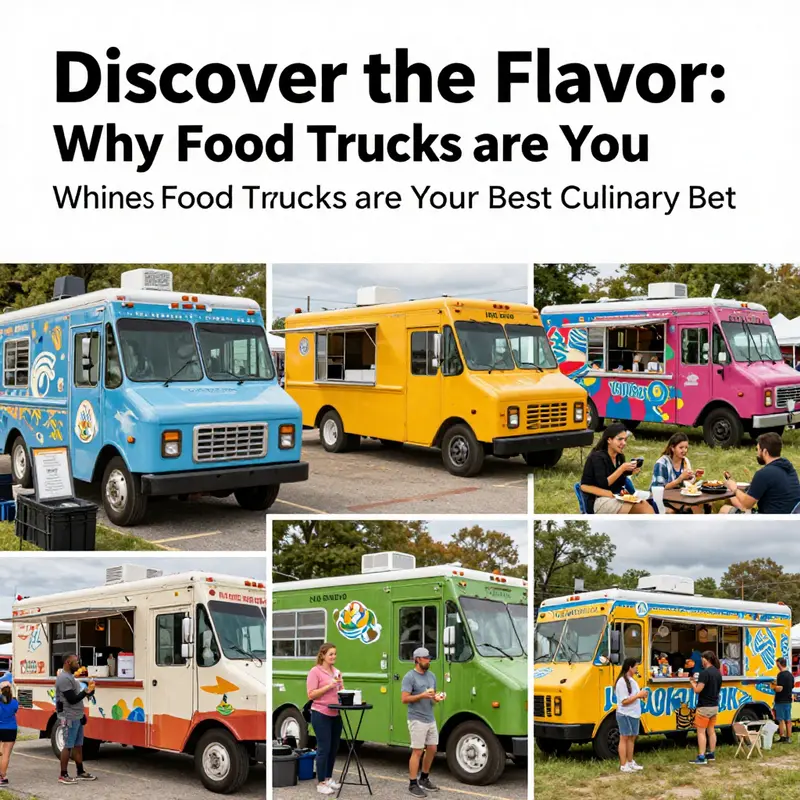
Lakewood’s vibrant food truck scene is not just a convenient dining option; it’s a culinary adventure waiting to be explored. The charm of food trucks lies in their ability to serve delicious meals that cater to a variety of tastes while also being easily accessible. These mobile kitchens have brought a world of flavors right to our city, making it easier than ever to savor global cuisines without breaking the bank. In this guide, we’ll dive into what makes food trucks a perfect dining solution, examining how they meet urban needs through convenience and accessibility, offer diverse and innovative cuisine, and present cost-effective alternatives. Join us on this delicious journey through Lakewood’s food truck landscape!
Rolling Through the City: How Convenience and Accessibility Make Food Trucks an Urban Necessity
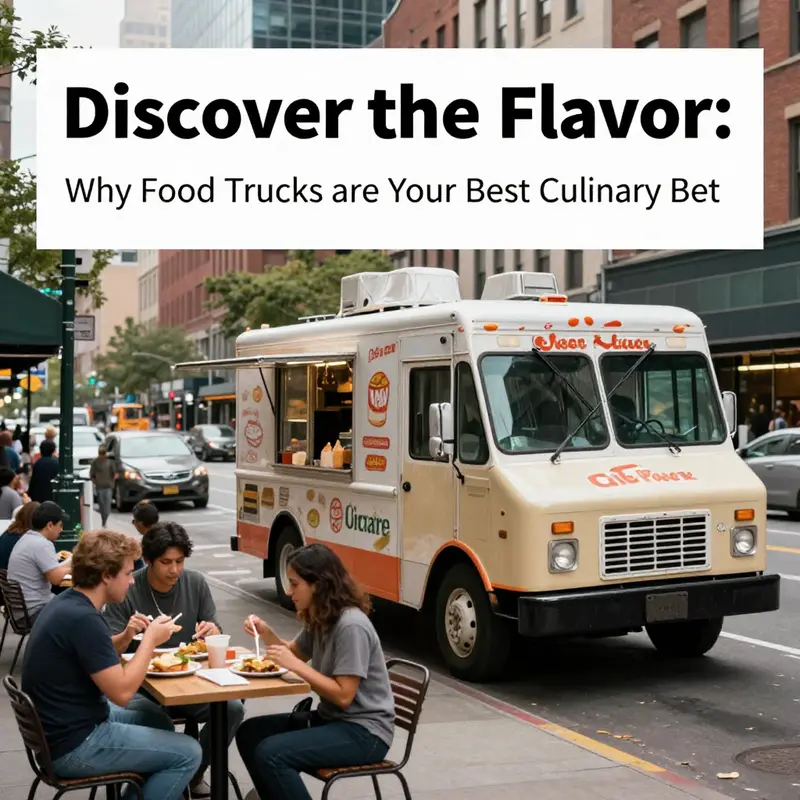
In the city, every minute carries weight, and meals must arrive with the same economy of motion that characterizes urban life. The food truck, with its lean footprint and ephemeral presence, answers a uniquely metropolitan hunger for speed without sacrificing variety. It is not merely a convenience; it is a response to the way people live, work, and move through complex urban geographies. When a rider glances at a map or a passerby checks a phone, a truck can be there in moments, offering nourishment precisely where a busy day asks for it. This immediacy is not happenstance but a deliberate design that aligns with the rhythms of the city. The appeal lies not only in the food but in the timing, the location, and the sense that a meal can arrive as if by instinct, without the fanfare or wait that often accompanies a traditional restaurant visit. In that sense, food trucks crystallize a core urban need: to minimize friction in daily life while maximizing the opportunities to discover something fresh and satisfying along the way.
Mobility is the defining feature that makes this model robust in ever-changing cityscapes. Unlike fixed eateries, food trucks can recalibrate their locations based on foot traffic, seasonal events, and shifting crowd patterns. One afternoon they stand near a corporate complex where noon crowds surge; by evening they migrate toward a waterfront park or a neighborhood festival where new audiences gather. The ability to move is more than a logistical trick; it is a strategic response to how people choose to spend their time in urban spaces. This fluid positioning creates an informal network of micro-dining hubs that weave through the city’s fabric, turning streets into flexible dining rooms and sidewalks into open-air marketplaces. In this sense, the truck is a mobile pavilion—compact, efficient, and reactive to the pulse of urban life.
That mobility also democratizes access to food in neighborhoods that might otherwise be overlooked by more traditional dining options. In many cities, residents in underserved districts crave variety and affordability as much as those in more affluent neighborhoods. Food trucks bring a curated, rotating menu to places that do not justify a brick-and-mortar investment for every culinary whim. The street-level presence of a truck lowers the barrier to trying something new, from quick-fix staples to inventive takes on familiar favorites. The result is an inclusive culinary ecosystem where community members encounter flavors they might not have sought out in a fixed restaurant setting. Accessibility here means more than proximity; it means exposure to a broader range of cuisines, ingredients, and cooking techniques that might otherwise remain confined to distant kitchens or international travel.
The on-demand nature of food trucks is intimately tied to modern work patterns and leisure habits. Lunchtime in a dense business district, after-school activities, and late-night cravings in entertainment districts all create distinct windows of demand. A truck positioned near a transit hub during rush hour can transform a crowded, time-pressed commute into a brief, satisfying interlude. And since trucks often operate with simpler supply chains and smaller footprint kitchens, they can respond quickly to what the neighborhood seems to crave on any given day. This responsiveness is a form of urban intelligence that translates customer desire into rapid, tangible outcomes: hot meals delivered where, when, and in quantities that fit the moment. The result is not merely convenience; it is a flexible food system that supports the tempo of contemporary city life.
Another facet of convenience lies in the breadth of options a single mobile unit can offer. Because a truck does not carry the constraints of a fixed location or a rigid menu, it can experiment with diverse cuisines and presentation styles. This experimental capability broadens access to flavors that may be absent in nearby storefronts, especially in neighborhoods with limited ethnic or regional options. For residents and visitors alike, the city becomes a tasting room where the route of a lunch break can become a passport to global flavors. The quick service model makes it feasible to try something unfamiliar without a long-term commitment, which in turn lowers the risk associated with exploring a new palate. In this way, the truck contributes not only to personal convenience but to cultural curiosity, inviting urban diners to venture beyond the typical and discover what lies just around the corner.
The affordability edge of food trucks further reinforces accessibility. With lower overhead than brick-and-mortar operations, trucks can price meals competitively without compromising on quality. This affordability is especially meaningful for workers with limited lunch budgets, students, and families seeking quick meals on tight schedules. The economics also nurture entrepreneurship and local energy. Individuals with culinary skills and a passion for service can test ideas with relatively modest capital, iterating quickly based on feedback from the street. Over time, this model enables a dynamic ecosystem where the most compelling offerings gain visibility through word of mouth, repeat customers, and the social currency of a good, reliable bite found in a familiar neighborhood. The city, in turn, reaps the benefits of a diverse, affordable, and accessible food culture that adapts to the changing needs of its residents.
Beyond sheer practicality, the food truck experience carries a personal, almost artisanal aura that enhances accessibility in a different sense. The best trucks often emerge from chefs or home cooks who bring a personal narrative to their offerings. The interaction between cook and customer—seeing the flames, watching the assembly, and hearing the sizzle—creates a sense of immediacy and trust. This tactile, transparent approach stands in contrast to the often opaque, scripted experiences of large-scale dining. It invites urban diners to connect with the craft behind their meals, to appreciate the skill that goes into a well-balanced taco, a carefully constructed bao, or a small-batch, slow-simmered sauce. The experience becomes a social ritual as much as a meal, a short encounter that enhances the sense of community by connecting people with food and with each other in public space.
In this sense, convenience and accessibility in the food truck model are not merely functional attributes; they are cultural instruments. They shape how people move, where they socialize, and how they think about food as a shared, accessible resource. The street becomes a kind of culinary commons where people can explore, linger briefly, and then continue on their way, nourished and inspired by fresh possibilities. This flow is reinforced by the urban environment itself—the grid, the pedestrian corridors, parks, and transit nodes that invite spontaneous meals as part of daily life. When policymakers and planners consider how cities should feed their growing populations, the food truck paradigm offers a compelling case study in how mobility, affordability, and immediacy can cohere into a sustainable, inclusive food system. It is a living example of how urban design and culinary entrepreneurship can align to meet the real, daily needs of people who live in, work in, and move through cities.
In practice, the nimble nature of food trucks is increasingly recognized as a feature rather than a loophole in urban food provision. The flexibility to adapt to changing foot traffic, weather, and cultural moments enables trucks to stay relevant in a crowded market. Operators can adjust menus to reflect seasonal produce, local preferences, or special events, creating a dynamic shopping experience that resonates with city dwellers who crave novelty as much as nurture. This capacity to tune offerings to the moment is part of a broader shift toward experiential dining, where speed, variety, and storytelling converge to deliver not just a meal but a small, memorable experience. The urban consumer, saturated with choices, rewards experiences that are fast, friendly, and infused with personality. Food trucks meet these criteria by design, because their core strengths—movement, immediacy, and adaptability—are precisely what modern city life requires.
The research on this topic supports what many city observers have long intuited: food trucks are not fleeting curiosities but durable contributors to urban food ecosystems. They fill gaps where fixed establishments struggle to maintain a broad schedule of service or to reach certain neighborhoods with limited dining options. They enable social micro-hubs that shift with the day, turning underused corners into temporary gathering spaces that host conversations, collaborations, and casual celebrations around shared meals. In this way, convenience and accessibility become social infrastructure, connecting people not only to food but to each other. The city’s appetite for movement, immediacy, and diversity aligns with the street-anchored logic of food trucks, making them a natural complement to traditional dining while expanding the range of choices available to residents and visitors alike.
As urban markets evolve, the value of mobility and on-demand access remains central to why food in trucks continues to thrive. Analysts emphasize that the sector’s growth hinges on the balance of speed, price, and variety, all of which trucks can deliver in a compact, portable form. This balance is particularly resonant in dense, fast-paced environments where restaurants struggle with reservation backlogs, long waits, and rigid hours. The street-level agility of a food truck offers a practical antidote to these frictions, enabling people to eat well without disruption to their routines. It is a model that recognizes the reality of urban life: people want to eat where they are, when they want, with minimal detours or delays. In this sense, the urban need that trucks meet is not simply a matter of eating on the go, but of making healthy, diverse, and comforting food more accessible in a city that never stops moving.
Within this framework, the idea of following a single, static culinary map becomes less appealing. Instead, the city becomes a dynamic tasting itinerary, with trucks punctuating streets at intervals that reflect real-time demand. The result is a food landscape that is as responsive as a good service app, yet grounded in the tactile, human experience of food preparation and sharing. Operators learn to read a corner’s tempo, adjust a plan for weather or crowds, and cultivate relationships with local communities that sustain repeat business. It is a cooperative model, where the food, the vendor, and the neighborhood mutually reinforce one another, reinforcing a shared sense of place while keeping the experience fresh and surprising for those who wander through the day’s routes.
For readers who want a practical touchstone on how this mobility translates into everyday strategy, consider the value of studying industry guides that map how trucks select and optimize locations. In practice, this means examining how operators choose rigs, fuel and maintenance regimes, and neighborhood scouting routines that ensure reliability and quality even as places shift. A useful reference is the guide titled Best Food Truck Models for Lakewood Startups, which distills lessons about adapting rigs to different urban geographies, demand patterns, and startup constraints. It highlights that the simplest, most portable configurations often yield the most reliable performance in fluctuating city landscapes, reinforcing the idea that size and flexibility can trump fixed presence when aim is to serve a moving urban population. Best Food Truck Models for Lakewood Startups
The urban context also invites reflection on how policy and public space shape the viability of mobile dining. When cities reimagine sidewalks, curb spaces, and public plazas as active, revenue-generating zones, food trucks gain legal clarity and operational confidence. Accessible permitting, predictable scheduling, and safe locations near transit routes can transform a sporadic, street-food vibe into a reliable, civic-minded food-assembly line. In return, residents receive more predictable exposure to a spectrum of flavors, and local economies gain from increased foot traffic, micro-entrepreneurship, and job creation. The symbiosis between mobility and policy highlights why convenience is not a peripheral value but a central ingredient in sustainable urban food systems. It is this synergy—between moving, eating, and planning—that makes the urban food truck model not just practical but deeply resonant with the needs of a city that prizes time, accessibility, and a sense of shared appetite.
The external landscape of market research reinforces the enduring relevance of these dynamics. Market analyses project continued growth in the sector, driven by demand for quick-service dining that does not sacrifice variety or cultural relevance. These projections underscore a broader trend: as cities become more densely populated and transit-oriented, mobile food offerings can adapt faster and reach more people with less cost and risk than traditional restaurants. The numbers reflect a lived experience: a city’s appetite is not only for meals but for opportunities to eat well, affordably, and in spaces that encourage spontaneous social moments. This understanding helps explain why food trucks endure as a staple of urban dining, weaving together movement, price discipline, and culinary experimentation into a coherent model that serves a diverse, dynamic metropolis.
External resource: MarketsandMarkets, Food Truck Market Size, Share & Industry Report 2026-2034. https://www.marketsandmarkets.com/Market-Reports/food-truck-market-15879.html
Rolling Global Palates: How Food Trucks Turn Diversity and Innovation into a World-Tasting Experience
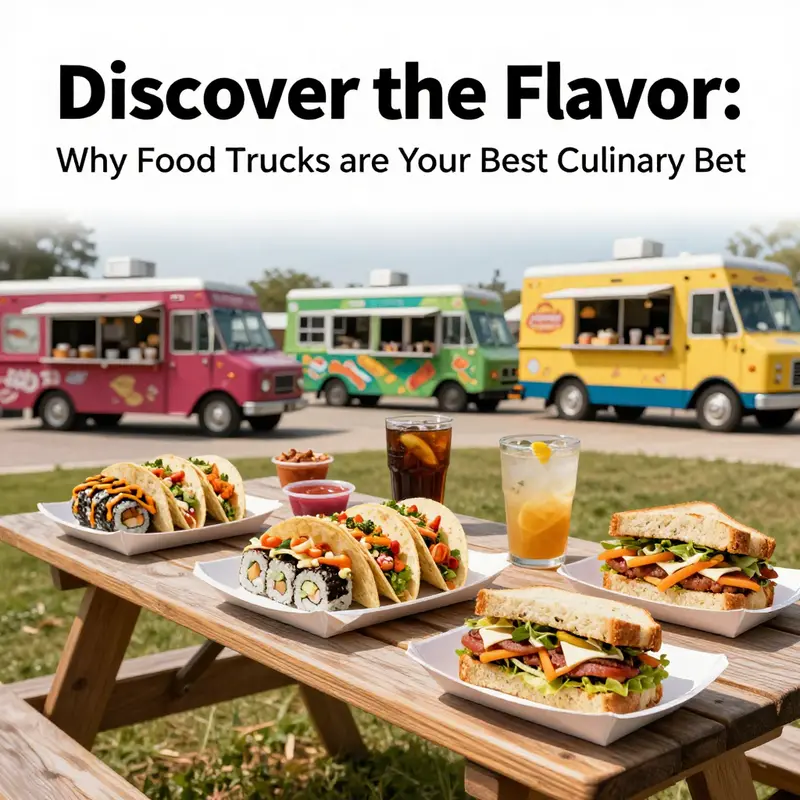
The city at noon crowds the curb with a spectrum of scents, a mosaic of lines and laughter, and a single shared ritual: the moment a person steps toward a gleaming truck and decides to trade time for a plate. The food truck, in this sense, is less a business than a rolling invitation to explore. It moves through neighborhoods, parks, night markets, and festival grounds with a confidence that feels almost conspiratorial—the sense that your next bite could transport you to another street, another season, another memory. The appeal rests not merely in convenience or price, though those elements are undeniable. It rests in the way a truck can compress globality into a few square feet, offering access to cuisines that once required air travel, cross-border planning, or a calendar of reservations. In cities known for their culinary swagger, the mobile kitchen has become a dynamic laboratory where tradition and novelty meet, where a chef’s childhood memories can become a modern taco, a grandmother’s simmered broth can become a pho-inspired noodle bowl, and where a single cart can tell a longer story about culture, migration, and taste than a restaurant’s formal menu might reveal over years of operation.
To understand why food trucks matter in the broader food culture is to recognize a few fundamental forces at work. One is speed, another is adaptability, and a third is storytelling. The on-demand model—no reservation, no dining room, just a window into a cooking process that unfolds in front of the customer—transforms the dining experience from a passive consumption into an active, sensory encounter. People watch the sizzle, hear the crackle of spices, and inhale aromas that promise comfort, novelty, or both. This immediacy builds trust in a way that glossy menus at traditional restaurants cannot replicate. The open kitchen becomes a stage where the chef’s competence is visible and verifiable, strengthening the sense of authenticity that modern diners increasingly seek. The act of seeing ingredients laid out, watching a flame kiss the pan, and smelling fresh herbs being tossed at the final moment is a powerful form of transparency. And in an era where supply chains, labeling, and sourcing are under constant scrutiny, the visual honesty of street-level cooking is a compelling credential in its own right.
Another force is the distribution of cuisines. Food trucks can pursue breadth by curating a GPS-friendly array of flavors, or they can pursue depth by specializing in a single international dish and executing it with extraordinary precision. A night market might host a fleet of trucks each offering a different national street dish—Korean barbecue stuffed into a tortilla one moment, a Jamaican jerk chicken sandwich the next, then a Mexican tamale with a subtle nod to a regional spice blend. The result is a portable passport of tastes, a living catalog of the world’s edible traditions that travels with the city’s foot traffic instead of requiring customers to roam from one neighborhood to another. This portability matters; it brings the world within reach for people who do not have time or means to travel, and it invites curious eaters to sample, compare, and return for repeats. In this sense, the global tasting experience offered by food trucks is not a gimmick but a genuine expansion of culinary accessibility.
The third force is affordability. The smaller footprint, lower overhead, and lean staffing that define most mobile kitchens translate into competitive pricing without sacrificing quality. In many cases, operators reinvest savings from rent and labor into better ingredients, more kitchen time, or more ambitious flavor experiments. The result is a virtuous circle: customers gain access to high-quality dishes at prices that fit into a lunch break budget or a casual evening out, while cooks retain enough margin to sustain a living doing what they love. The economics of the truck thus align with the broader cultural shift toward value without compromise. People may be willing to pay a modest premium for a dish that feels authentic and thoughtfully prepared, but the trucks’ ability to deliver that experience at an accessible price point makes the culinary journey inviting rather than exclusive. This balance between cost, flavor, and speed is a key driver behind the sustained popularity of mobile cuisine in busy urban cores.
The ability to rapidly adapt is where much of the magic happens. A truck can pivot its menu in response to what’s fresh in the market, what seasonal produce is available, or which flavors are trending among diners. The same kitchen that roasts a humble carrot and chickpea blend can, within a week, feature a dish that borrows from a distant culinary lineage, reimagined with local ingredients. This capacity for experimentation is not a casual add-on; it’s a central operating principle. It invites chefs to borrow from global pantry traditions—tamarind, miso, sumac, za’atar, chili oil, sesame, lemongrass—and reframe them through the lens of a city’s own palate and energy. In practice, this means menus often showcase a sequence of small, bold plate ideas rather than a single showpiece item. The philosophy is to offer a tasting menu on wheels, a micro-ecosystem of flavors that can be updated with the seasons, the crowd, or the chef’s latest inspiration.
The most compelling aspect of this approach, however, is the way it creates cultural intimacy. Food trucks function as cultural ambassadors in a practical sense: they introduce strangers to the foodways of distant places through a direct, intimate exchange. The dialogue is one-sided only in the sense that the customer savors a plate and learns a story; in truth, the truck operator is constantly translating tradition for a new audience. The chef may have grown up with a dish’s traditions, or may have encountered a grandmother’s recipe on a neighboring continent, but the moment the skillet hits the heat and a platter emerges, culture is made tangible. Social media amplifies this effect. A single photograph of a vividly plated dish can ignite a conversation across continents, inviting comments about origin, technique, and memory. People want not just to eat but to understand why a dish exists, how it tastes, and what it represents. In this sense, the open kitchen and the portable platform together create an experience that feels like a dialogue with the world rather than a consumption of it.
The global tasting experience that food trucks offer is not simply a series of international flavors presented in quick succession. It is a mosaic of authenticity, transparency, and narrative on wheels. Authenticity, in this context, is not about rigid adherence to tradition alone; it is about an honest representation of a place’s flavors, a willingness to show the process that creates them, and a depth of knowledge that can combine respect for heritage with contemporary technique. Customers respond to that honesty with trust, and trust is the foundation of a longer relationship with a vendor, a city, and a community. The transparency of a live-fire grill, the careful chopping of herbs, the moment a sauce reduces to its glossy finish—all of these details invite customers to become co-impresionists, sharing the moment, the aroma, and the memory with others who may be thousands of miles away. This immediacy also nurtures a sense of belonging. When a city’s streets become a gallery of aromas and textures, residents and visitors feel less like outsiders and more like participants in a shared culinary adventure.
Authenticity feeds into how trucks act as cultural ambassadors. A truck can spotlight a regional specialty that has earned a place on the global map, or it can reinterpret a familiar dish through a diaspora’s lens. The effect is both educational and inspirational: diners encounter dishes they may have seen in unfamiliar contexts, but they experience them in a format that is accessible, personable, and portable. In bustling metropolises around the world, vendors celebrate heritage while also inviting experimentation. They prove that high-quality street food is not a temporary fad but a legitimate, evolving craft that can compete with more formal dining in terms of technique, presentation, and concept. In this light, the food truck scene becomes a form of cultural preservation and innovation at once, a rolling archive of how people live, eat, and imagine together.
The idea of culinary storytelling extends beyond the ingredients and technique. It encompasses the space the vendor creates, the rhythms of service, the way the line forms, and the rhythm of the crowd’s chatter. Diners often speak of discovering a new favorite dish as a social event, part of a larger moment in a city’s life—an evening stroll that leads to a plate that seems to capture that city’s mood for the night. The truck’s portable stage enables a kind of theater where food acts as both performance and memory. The chef’s backstory, the neighborhood’s history, and the city’s present energy all weave into a single bite. In this sense, the global tasting experience is less about sampling a hundred countries in quick succession than about inviting someone to taste the complexity of a locale’s daily life, its environment, its people, and its evolving palate.
This dynamic is also connected to broader economic and cultural ecosystems that shape urban dining. Food trucks rise where markets, transit hubs, and public spaces converge. They thrive in cities that encourage small-scale entrepreneurship, where a single cart can become a stepping stone for a chef’s career, a way to test ideas before investing in a brick-and-mortar space, or a flexible platform for seasonal or experimental menus. The lower barrier to entry invites cooks who might not have access to traditional restaurant financing, while the mobility of the platform offers a chance to reach diverse neighborhoods and audiences without committing to a single fixed location. Over time, a handful of trucks can become anchors in food districts, driving foot traffic to surrounding businesses, supporting a vibrant street economy, and contributing to the city’s cultural capital. The broad appeal of this model rests in its ability to combine affordability with aspiration: it invites people to dream, to practice, and to share something personal and communal at the same time.
The global tasting experience on wheels also resonates with the way people learn about food today. The internet and the social web have transformed how we discover flavor. A post about a Caribbean-inspired jerk twist on a classic sandwich can generate conversation, while a video showing how a spice blend is built from scratch can demystify techniques that once seemed inaccessible. In this environment, food trucks function as micro-educational platforms, offering not just meals but snippets of culinary knowledge, tips, and curiosity to a broad audience. It is a model that aligns with a growing appetite for transparency, for stories that accompany dishes, for a sense that food is not merely the end product but the result of a process that readers, viewers, and diners can observe and question.
The Shanghai example referenced in recent food policy and festival announcements illustrates how municipalities are recognizing the power of mobile food cultures to connect residents with global flavors in a highly accessible form. Initiatives like the city’s festival create curated spaces where diverse cuisines can be celebrated in a structured, safe, and celebratory environment. They provide a blueprint for how a city can leverage mobile kitchens to promote cultural exchange, encourage small business growth, and engage residents in a shared culinary conversation. The festival format complements the day-to-day reality of street vendors by offering a stage where experimentation is encouraged, where new partnerships can be formed, and where the public can participate in the ongoing evolution of urban food culture. The existence of such programs signals a broader shift toward recognizing street food as a legitimate and dynamic aspect of a city’s gastronomic identity, one that can coexist with more formal dining while enriching the entire ecosystem with speed, variety, and storytelling.
As the city continues to evolve, the food truck remains a flexible instrument in the repertoire of urban cuisine. It does not claim to replace traditional restaurants, but it does redefine what a dining experience can be. It invites collaboration with farmers, fishers, and producers who might otherwise never intersect with the urban consumer. It encourages cooks to experiment and to fail, learn, and try again in days rather than years. It rewards curiosity and valorizes craft, even in a single pan and a single night’s menu. And it does so in a format that speaks to a contemporary appetite for quick, affordable, and meaningful meals that still carry a sense of place and personality.
For readers exploring why food in food trucks matters, the answer lies in this convergence of accessibility, diversity, innovation, and storytelling. Trucks bring the world to the block, not as a tourism detour but as a daily possibility. They create spaces where a person can take a lunch break and return to the office with a new memory. They give travelers a taste of a city’s identity without the risk and expense of dining in a formal restaurant hall. They empower cooks to pursue ambitious ideas without the weight of a fixed storefront. And they knit together neighborhoods through shared meals that carry with them the weight of culture, history, and personal experience. In the end, the global tasting experience offered by food trucks is the city’s invitation to explore, to connect, and to imagine. It is cuisine that moves, stories that travel, and taste that remains long after the plate is empty.
For practitioners and enthusiasts seeking a pragmatic path through this landscape, a central question remains: how does one balance breadth and focus, speed and quality, heritage and invention, within the constraints of a mobile service? The answer lies in a continuous loop of learning and adaptation. The truck thrives when the kitchen is both flexible and disciplined, when the chef treats the menu as a living document that can evolve with the seasons without sacrificing core competencies, and when the business model remains lean enough to weather the inevitable ebbs and surges of city life. It is not about chasing every trend, but about listening to the city’s pulse and translating it into plates that feel both urgent and honest. In that sense, the food truck is less a fashion statement and more a perpetual invitation to taste, reflect, and return.
If readers want a concrete point of reference on strategy and execution in the current landscape, consider how some operators combine rigorous menu testing with rapid iteration, ensuring that each new dish honors a cultural idea while aligning with local flavors and available ingredients. The best operators cultivate relationships with suppliers who can deliver quality at speed, build kitchen workflows that minimize waste, and maintain a front-of-house approach that welcomes questions and curiosity. The charm of the truck lies in how easily it can introduce a visitor to a culture through a single bite, yet how deeply it can foster a lasting appreciation for the craft behind that bite. This is the heart of why food in food trucks persists as a compelling phenomenon: it makes world-class cooking feel personal, accessible, and perpetually in motion.
For those who want to dive deeper into the entrepreneurial dimension, one resource worth a close look is the exploration of scalable truck models that balance breadth and specialization, a topic explored under the banner of best practices for startup fleets here: Best Food Truck Models for Lakewood Startups. This resource offers perspective on how a single concept can be expanded without losing the intimate, craft-driven essence that makes street food resonate. It points toward a philosophy of growth that begins with listening—to crowds, to markets, to neighbors—and ends with a menu that remains a coherent narrative rather than a shifting patchwork of trends. The point is not to chase every flavor but to understand how to tell a story through cooking that audiences want to hear again and again, in a setting that feels intimate and exciting at the same time.
In sum, the global tasting experience embedded in food trucks arises from an ecosystem of speed, diversity, and authenticity. It is a mode of culinary life that travels with the city, meeting people where they live, work, and gather. It invites a conversation across cultures without requiring a passport. It rewards creativity when it remains anchored in craft and transparency. And it persists because it addresses a fundamental human hunger: the desire to share in the act of tasting, to learn through flavor, and to feel connected to a broader human story that arrives, quite literally, by wheel and flame. The street becomes a stage for a permanent, evolving dialogue about what food can be, where it comes from, and how it can bring strangers into the circle of a shared table.
External resource: https://www.shanghai.gov.cn/shanghai/2026-shanghai-global-food-festival.html
Moving Costs, Rich Flavors: The Affordability Engine Behind Food Trucks and Their Allure
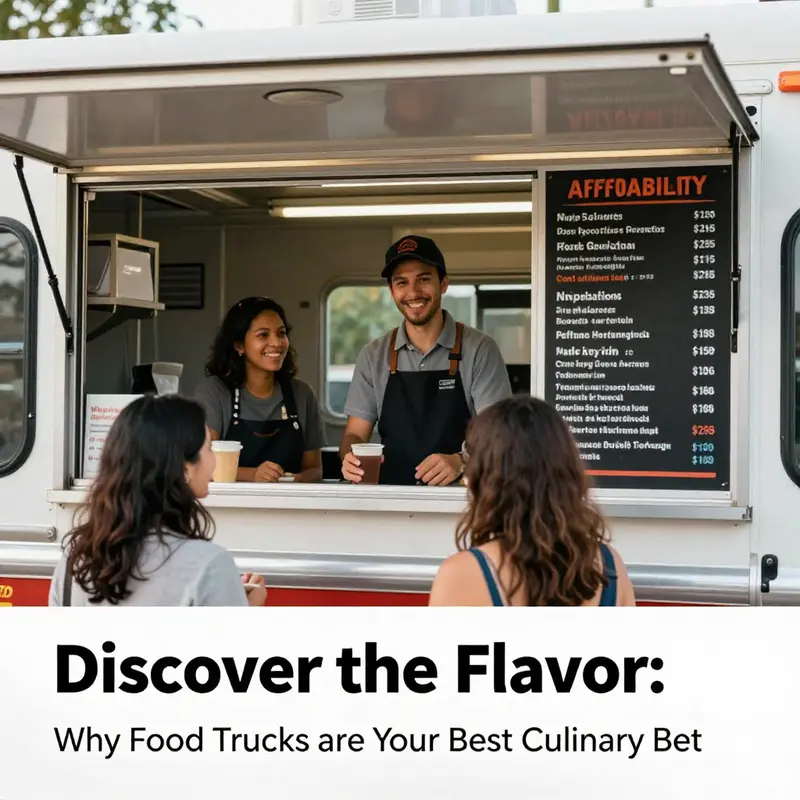
Affordability lies at the heart of the food truck equation, quietly shaping why people choose these mobile kitchens over brick-and-mortar options. In cities that prize culinary exploration, like Portland, the allure is not just about taste. It is about access, speed, and the sense that a meal can be part of a spontaneous moment rather than a planned, formal outing. When we examine why people end up choosing food trucks, affordability emerges as a central thread weaving together convenience, variety, and perceived value. The perception of value is not simply a matter of the lowest price. It is the result of a careful balance between cost, quality, speed, and the personal touch that a mobile kitchen can offer. Food trucks deliver a package that feels both efficient and intimate, a combination that resonates with busy workers, curious students, travelers, and neighborhoods hungry for something new without breaking the budget. The economic logic behind this appeal can be traced through the mechanics of operations, the realities of market placement, and the evolving expectations of customers who want good food fast and at a fair price.
One of the most striking elements of the affordability story is the way a food truck sidesteps a major fixed cost that weighs heavily on traditional restaurants: a costly real estate lease. Commercial leases bring not only the monthly rent but also utilities, property taxes, insurance, and the long-term commitment that can limit a chef’s freedom to adapt. A truck can move from one high-traffic zone to another with relative ease, avoiding the stagnation that can accompany a single storefront. This mobility translates into price flexibility, not in a reckless sense, but in a pragmatic one. Operators can adjust their location to align with peak foot traffic, festival calendars, or corporate lunch hour clusters. When the crowd shifts, so does the opportunity to present a meal that is both desirable and affordable. For the consumer, this translates into shorter wait times and less time spent in line, which in turn reduces the perceived price of the meal because the total experience feels efficient and uncomplicated.
The labor equation further reinforces affordability. A lean operation requires fewer staff and less space to support a kitchen that still turns out consistent, high-quality food. A food truck can run with a compact crew that handles cooking, assembly, and service in a tightly choreographed dance. This efficiency is not about cutting corners; it is about optimizing throughput and reducing idle labor. By cross-training team members to handle multiple tasks—from grilling to cashier duties—operators can respond to busy periods without inflating payroll costs. The result is a menu priced to reflect the real, ongoing efficiency of the operation rather than a premium designed to cover the overhead of a larger footprint. Consumers feel the benefit in the form of more accessible options and shorter transactions, all while the plate in front of them remains generous in flavor and portion.
Startup costs also illuminate why affordability can feel so attainable in the mobile dining world. Industry estimates place the initial investment for a basic food truck in the low five figures to the mid five figures, depending on equipment and customization. By contrast, opening a full-service, fixed-location restaurant often requires a far larger capital outlay to cover build-outs, complex ventilation, and extensive permits. The difference is not merely a line in a balance sheet; it translates into a faster path to market for aspiring cooks and entrepreneurs. With the barrier to entry lower, more hopeful chefs can experiment with ideas, test menus, and learn what their neighborhoods crave with a risk profile that feels manageable. This accessibility matters not only for the business owner but for the culinary ecosystem at large. More players in the space generate more experimentation, more cultural exchange, and more options for diners who want to sample a spectrum of flavors without a large financial commitment.
The mobility of a food truck also enables a flexible approach to pricing. A truck can harness micro-location dynamics—shifting to capture different crowds across lunch breaks, weekend markets, or after-work gatherings. The price point that works in a business district at noon may differ from what fits a festival’s familial budget in the evening. Operators who monitor demand with discipline can adjust portion sizes, ingredient choices, and meal combos to maintain value without compromising quality. The practical implication is that value is not a fixed number but a moving target shaped by where the truck is, who it serves, and how quickly the kitchen can turn orders into hot, flavorful meals. Diners come to understand that affordability here is not about sacrificing taste, but about aligning the speed, variety, and personal touch with a price that fits everyday budgets.
A critical piece of the affordability tapestry is the way a food truck balances menu design with waste control. Smaller spaces demand careful planning around ingredients and preparation methods. Standardized recipes, pre-portioned components, and streamlined assembly lines help limit waste, which in turn protects margins and preserves the ability to offer fair prices. When waste is reduced, the cost per plate falls, and the savings can be translated into more accessible pricing for the customer. The model rewards operators who view inventory as a dynamic resource rather than a static expense. In practice, this means constant renegotiation with suppliers, thoughtful menu rotations that highlight ingredients in multiple dishes, and a willingness to update the menu in response to what a given neighborhood enjoys. The result is a dining experience that remains fresh and exciting while staying anchored in value.
The personal element cannot be underestimated in this affordability narrative. Food trucks are often run by chefs and home cooks who bring a direct line of sight into the costs behind every dish. The absence of an elaborate marketing machine or corporate overhead means that a significant portion of the price is tied to the actual craft and the real-time choices made in the kitchen. This transparency can enhance perceived value. Diners know when they are paying for a meal that reflects careful sourcing, thoughtful technique, and a commitment to quality that does not come with a premium tag for a brand name. The sense of discovery—the hidden gem effect—permeates the experience. A highly rated truck offering a well-balanced, satisfying meal at a modest price can feel like a local secret, a treasure found in the midst of urban bustle. The affordability then becomes part of the story, not a separate calculation.
For operators, the affordability advantage is not simply about lowering prices; it is about constructing a sustainable business model that can weather competitive pressure and market fluctuations. The lean overhead and the ability to move toward higher-demand locations create a virtuous cycle: predictable volume supports steady cash flow, which in turn sustains the ability to keep prices reasonable without compromising the quality that drew customers in the first place. This cycle matters in markets with strong food cultures and discerning diners who are accustomed to value without sacrificing flavor. The end result is a dining option that appeals to a broad spectrum of people—from students looking for a satisfying lunch to workers seeking a quick, flavorful dinner, to travelers wanting a quick bite that doesn’t derail their plans.
In practice, affordability becomes a form of accessibility that expands who can participate in urban eating culture. It lowers the barrier to entry for diverse foods, enabling communities to try new flavors without a large financial commitment. It supports culinary experimentation in neighborhoods that might not sustain a high-end restaurant scene but benefit from the energy and diversity a mobile kitchen brings. This accessibility is not a marketing ploy; it is a consequence of operating economics that reward agility, efficiency, and direct linkages between cost control and value delivered to the customer. As a result, the food truck becomes not just a place to eat, but a dynamic platform where price, speed, flavor, and local character meet in ways that feel fair and exciting at the same time.
The chapter would be incomplete without acknowledging that affordability, like any strong economic argument, comes with tradeoffs. The lean model can demand intense attention to schedules, maintenance, and compliance. A truck needs regular upkeep to avoid the hidden costs associated with breakdowns or delays. Permits and insurance remain essential, even as the food itself remains reasonably priced. A well-run operation treats these ongoing costs as part of a living system, continually balancing the need for compliance with the goal of a consistent, affordable guest experience. In markets where competition is fierce, a well-calibrated price—one that reflects real costs, not aspirational branding—becomes a critical differentiator. The strategy is not to chase the cheapest price but to create a price that makes sense for the crew, the kitchen, and the neighborhood, all while delivering the sensory reward that keeps diners coming back for more.
For readers who are exploring entrepreneurship in the mobility kitchen space, the numbers are instructive but not deterministic. The path to affordability hinges on a combination of smart space use, disciplined labor practices, responsive location strategy, and continuous learning about what a community values in its everyday meals. It also invites a broader question about food culture: how can a city sustain vibrant street-level dining that remains affordable yet authentic? The answer lies in maintaining a steady cadence of experimentation and listening—between the kitchen, the customer, and the street where a truck parks for a few hours. If the market rewards efficiency without dulling the sensory experience, affordability becomes a natural consequence of crafting meals that reflect skill, timing, and a respectful understanding of what customers need in the moment.
As operators sharpen their approach, they inevitably confront the practical question of scale. Mobility allows a business to test markets with relative speed. The most successful ventures blend a core menu that travels well with occasional regional riffs that speak to local tastes. The result is a menu that feels intimate and well priced, yet robust enough to justify the travel and effort involved in maintaining a fleet of itinerant kitchens. This is where the affordability story intersects with the broader culinary culture: it is not only about price and speed, but about creating meaningful moments around food that people can access without guilt or strain. In this sense, affordability is a bridge—between the chef’s craft and the city’s appetite, between the individual backstory of the cook and the shared experience of a neighborhood meal. When done well, the food truck becomes a catalyst for continued exploration, enabling both the eater and the operator to participate in a system that values flavor, efficiency, and community.
For readers who want a practical touchstone as they navigate the landscape of mobile food, consider the diverse configurations available to operators. The choice of vehicle, the layout of the kitchen, and the workflow all influence cost, speed, and the ability to keep prices approachable. Creative design choices can unlock more compact spaces without compromising safety or quality. If you are exploring the best configurations, you can explore resources that discuss mobile setup options and startup considerations, such as best-food-truck-models-for-lakewood-startups. This kind of guidance helps future operators plan price points that reflect realistic operational needs while preserving the integrity of the food and the experience.
Ultimately, affordability in the food truck sector is not a simple equation of low cost and low quality. It is a sophisticated balance of operating discipline, strategic mobility, and a deep respect for the craft and the community it serves. The mobile kitchen, in this sense, offers an inclusive form of dining that invites people to try more flavors, more often, without paying a premium that makes everyday meals a luxury. When a truck hits that balance, it becomes more than a business. It becomes a conduit for culinary curiosity and a reliable source of nourishment that fits into the rhythms of urban life. The affordability engine, properly tuned, powers a broader story about food culture—one that celebrates craft, accessibility, and the joy of discovering something delicious in a fleeting, inexpensive moment.
External resource: https://www.kingsresearch.com/restaurant-and-mobile-food-service-market-report-2031
Final thoughts
Food trucks in Lakewood provide an unmatched blend of convenience, diverse culinary offerings, and affordability. Whether you’re a tourist looking to explore local flavors or an aspiring food truck operator wanting to tap into this vibrant market, understanding these key aspects will enrich your experience. Food trucks do more than serve meals; they create connections within the community, making every visit a unique adventure in taste. So next time you’re in Lakewood, consider stopping by a food truck to savor the variety that awaits!