
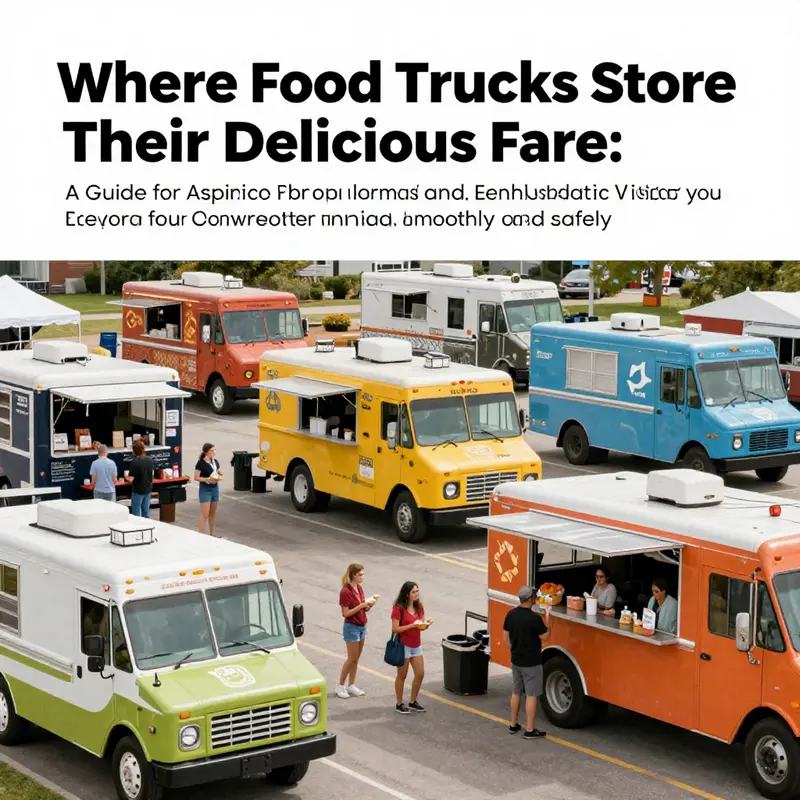
Ever wondered where food trucks store all that incredible food? For aspiring food truck operators and tourists visiting Lakewood alike, understanding the storage solutions is essential. From keeping ingredients fresh in cooling compartments to managing shelf-stable goods effectively, every component plays a vital role in a food truck’s operation. This article will unfold the intricacies of food storage in these mobile kitchens, enlightening you on refrigerated solutions, dry storage practices, integrated designs, and the regulatory compliance that’s key to delivering safe and tasty offerings.
Cold at the Wheel: How Mobile Kitchens Store Perishables with Precision and Purpose
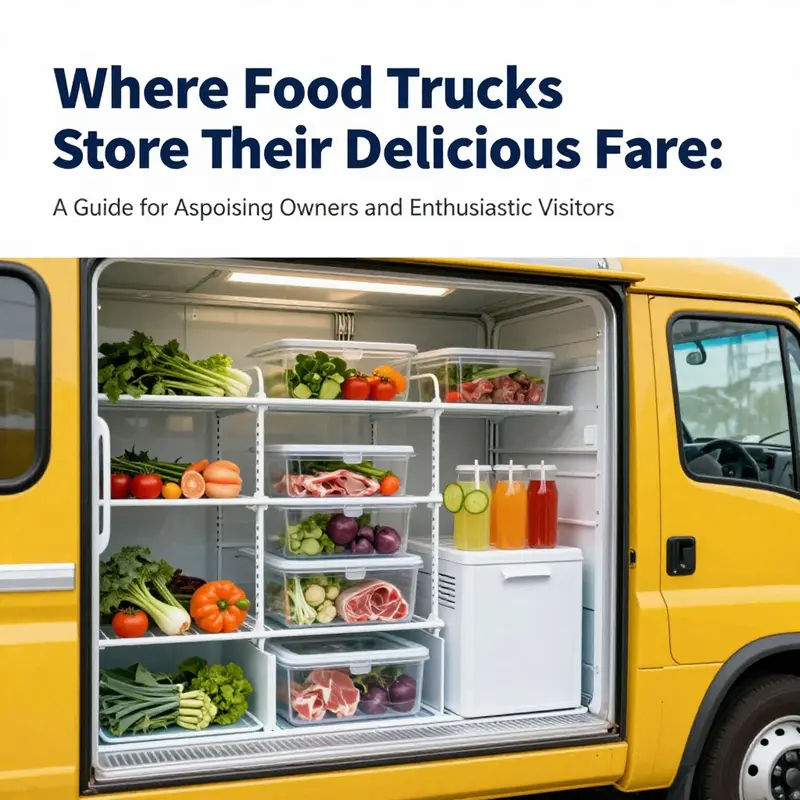
In a food truck, every inch of space is a careful compromise between cooking capacity, customer flow, and food safety. Perishable ingredients—raw meats, dairy, cut produce, and prepared items—must stay out of the danger zone even as the vehicle moves. The core rule is simple: keep potentially hazardous foods at or below 41°F (5°C) during storage and service. To do this, mobile kitchens rely on purpose-built refrigeration compartments with solid insulation and clean airflow. The system blends temperature control with workflow, sanitation, and compliance into a single, reliable spine of the operation. Most trucks feature dedicated refrigerated cabinets or under-counter units that keep items cold while keeping pantry staples in dry storage away from heat and moisture. A dual-zone approach helps: a refrigeration zone around 34–40°F (1–4°C) for produce, dairy, and fresh proteins, and a freezer zone near 0°F (-18°C) for frozen items and pre-portioned ingredients. This separation reduces cross-contamination and supports precise inventory planning. Power options vary: engine-driven units during travel, external power at events, and increasingly electric or hybrid systems to reduce emissions. Modern systems often include modular, easily cleaned interiors and monitoring with alarms that alert staff if temperatures drift. Sanitation and maintenance are built into the routine: shelves and drawers are cleaned, condensate pans kept dry, and door gaskets checked for a tight seal. The layout keeps cold storage near the prep line to minimize time perishables spend at room temperature and to support a smooth service rhythm. In short, refrigerated storage in food trucks is a layered, designed system that travels with the team and protects safety and quality from producer to customer.
Dry Storage on Wheels: Mastering Dry Goods in a Mobile Kitchen
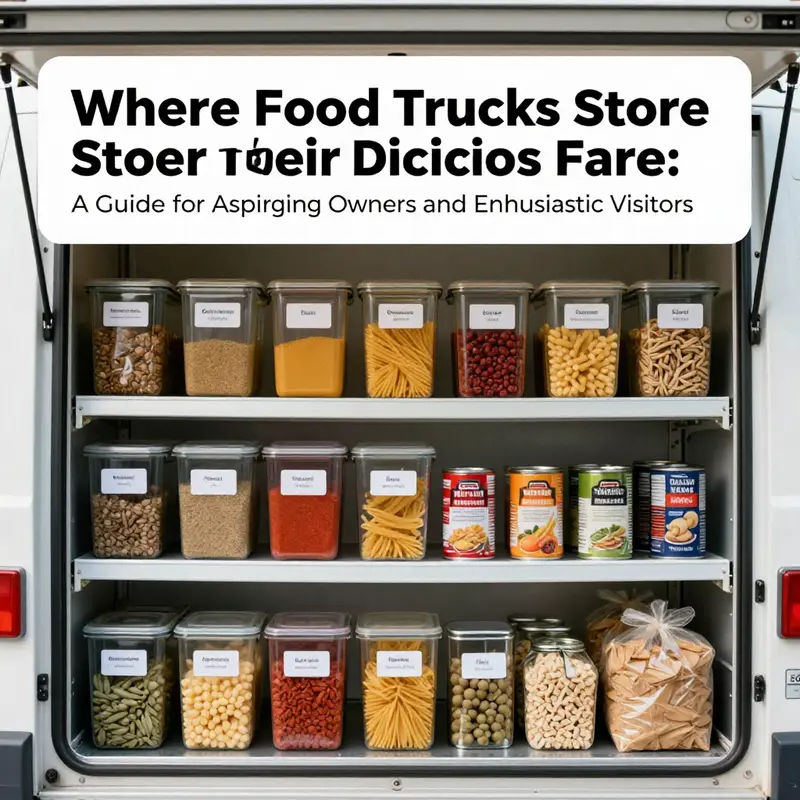
In the compact world of a food truck, dry storage is more than a convenience. It is a carefully engineered layer of protection that keeps flour from clumping, spices from losing their punch, and pasta from absorbing moisture during a run from prep to service. The mobile kitchen challenges operators to think vertically, anchor shelves, and design workflows that prevent waste, contamination, and product loss. When a truck pulls into a busy event, the difference between smooth service and a hasty scramble often comes down to how well the dry goods are stowed, labeled, and rotated. The dry storage space is not an afterthought; it is a central spine that supports every dish that leaves the service window. By examining the practicalities of containers, labeling, elevation, climate, zoning, maintenance, and training, we can glimpse how a well-run truck maintains quality through miles of road and hours of standstill heat or cold.
Containers are the frontline in a mobile dry storage system. Food trucks rely on sealed, pest-resistant containers to protect staples like flour, rice, pasta, sugar, and dried spices from moisture, insects, and cross-contact. Clear plastic or polycarbonate bins allow crews to see contents at a glance, reducing rummaging and the temptation to open several containers in search of an ingredient. Lids should snap shut firmly, and seals should be durable enough to survive vibrations and the occasional jostle during a turn or sudden stop. The choice of container also influences sanitation; smooth, non-porous surfaces scrub clean easily and resist staining. In practice, containers are paired with labeled storage zones along with color-coded or SKU-specific bins so staff can spot correct items at a glance and avoid cross-contamination between grains, powders, and seasonings.
Labeling and rotation come next as the cognitive backbone of dry storage in a mobile setting. Every stored item should bear an expiration date and a rotation date, so the team understands when a product moves from storage to prep and finally to the oven or fryer. FIFO—First In, First Out—is not just a rule; it’s a discipline that keeps inventory fresh and waste to a minimum. In a truck, where the clock can feel tighter than in a stationary kitchen, a simple labeling system becomes a life saver. Labels should be legible from a standing position near the storage shelves, and they should reflect not only best-by dates but also lot numbers when products are batch-tracked for allergy or safety purposes. The result is a steady rhythm: items enter the dry storage in the back, circulate toward the prep area, and depart in the order that preserves quality.
Elevation above the floor is more than a matter of neatness; in a moving vehicle, it is a safety and hygiene issue. Items must be kept off the floor on sturdy shelving or pallets to prevent exposure to spills, dirt, and pests. Shelving should be anchored to the vehicle to avoid shifting during transit, and the shelves themselves should be constructed from materials that can withstand frequent cleaning and occasional dampness. In some configurations, modular bins rest on rack tracks, allowing quick reconfiguration when a new menu demands different inventory. The practice of elevating goods also reduces the risk that a loose container will roll or slide and spill its contents during a sudden maneuver. In tight spaces, vertical storage becomes a strategic advantage, enabling operators to store more without sacrificing access or ventilation around the goods.
Temperature and humidity in a dry storage zone matter, even when the focus is not perishable refrigeration. The ideal dry storage environment is cool and dry, with temperatures ideally below 70°F (21°C). Humidity control helps prevent clumping of powders and the growth of mold on dried goods. The truck’s climate is a dynamic variable: hours under sun, night air, and shifting road conditions can all tilt the internal microclimate. Operators respond with a combination of airflow management, moisture-absorbing desiccants where appropriate, and a careful selection of dry goods with proven stability under typical truck conditions. In hotter climates, good filtration and a modest dehumidification strategy can keep the air around dry ingredients from becoming oppressive, which in turn preserves the texture and performance of flour, sugar, and dried grains.
Designating zones within the storage area is essential for reducing cross-contamination risks and for streamlining service. Dry storage zones should be clearly separated from prep and cooking zones to minimize the chance that raw or damp items mingle with ready-to-use ingredients. This physical separation supports better cleaning practices and makes it easier to enforce sanitation rules during busy service windows. A well-planned layout reduces the need to cross paths with wet or raw ingredients, and it helps the crew move efficiently from stockroom to workstation to window pass-through. In practice, the dry zone might sit adjacent to the back wall, with a short corridor to the prep table and a direct line to the dry ingredients used most often in the current menu cycle.
Maintenance and sanitation are ongoing commitments, not seasonal chores. Regular cleaning of dry storage spaces is a nonnegotiable habit. Shelves should be wiped down, bins washed, and any signs of pests or moisture addressed immediately. A routine audit—checking seals, lids, and gaskets on containers—prevents minor issues from becoming major disruptions. Sanitation extends to the staff who handle the storage: a quick, consistent method of handling, wiping, and labeling should be taught and reinforced across shifts. The human factor matters as much as the hardware; a well-trained team is the first line of defense against spoilage, contamination, and waste.
The topic often intersects with the overall design of the truck and the workflow that the operator envisions for daily service. Integrated design, as seen in well-equipped rigs, places storage systems in harmony with cooking equipment such as grills, fryers, and ovens. The goal is a linear flow: ingredients move from dry storage to prep, to cooking, to finishing, with as few steps as possible in between. In a beverage-focused truck, for instance, you might see compact, predictable storage near the espresso machine and syrups, while a dessert truck would organize dry goods to complement the cold cases that hold frozen options and toppings. The alignment of storage with workflow reduces motion, saves time, and preserves the quality of dry ingredients as they transition through different stages of preparation.
Even with strong on-board storage, operators sometimes need backup capacity. Portable coolers or insulated containers can be deployed during transit or at events when extra storage is required. While these are more closely associated with refrigeration and cold holding, they illustrate a broader principle: flexibility within a fixed space. A well-tuned dry storage strategy anticipates peak hours and busy locations by relying on durable, easily accessible containers and a lean, repeatable setup that can be reconfigured without derailing service.
Choosing the right truck configuration and storage layout is a decision that echoes through every service day. This is where the broader industry insight becomes valuable. Many operators in adjacent markets have learned that the most efficient dry storage isn’t just about crates and labels; it’s about harmonizing the vehicle’s space with a deliberate, repeatable routine. When a truck is designed with dry storage in mind—proper clearances, sturdy shelving, secure anchoring, and accessible aisles—the crew can move with confidence from arrival to service window. For those contemplating how to optimize their own setup, the practical takeaway is clear: invest in a layout that prioritizes durability, accessibility, and cleanliness, then train a team that respects those principles as nonnegotiable standards. If you’re evaluating options for your next venture, consider how the configuration of the truck can improve dry storage and, by extension, the quality and consistency of every dish.
To peek at how a smart model choice can influence storage strategy, many operators reference the practical guidance offered by industry guides that discuss truck design in a broader context. A useful starting point is exploring the best food truck models for lakewood startups, which commonly emphasize efficient space planning and modular storage solutions that accommodate dry goods without compromising service speed. This approach helps translate the abstract principles of dry storage into real-world configurations that behave predictably on crowded streets and at bustling events.
Beyond the hardware, the culture of storage matters. A kitchen crew that treats dry goods with respect—tracking inventory, practicing clean handling, and performing routine checks—builds a resilient operation. The discipline of drying, labeling, sealing, and rotating becomes part of the daily ritual rather than a chore to be checked off at quarter past closing. In time, even a small truck cultivated around these habits can produce big gains in product quality, customer satisfaction, and profitability. In the theater of mobile food service, dry storage is not merely a shelf full of ingredients; it is a carefully choreographed system that keeps flavor consistent, temperatures stable where relevant, and waste minimal as wheels roll from dawn to dusk.
For those who want a grounded next step in applying these practices, consider the link to a broader conversation about truck configurations and startup models: Best Food Truck Models for Lakewood Startups. This resource highlights how a thoughtful truck choice can amplify the effectiveness of a dry storage strategy, ensuring that the storage area remains a reliable foundation for every menu item. And for readers seeking authoritative regulatory context that underpins all these practices, reference the FDA’s guidance on mobile operations, which provides essential standards for safe handling and storage in transit. See the FDA Food Code for more detail: https://www.fda.gov/food/fda-food-code
Built-In Coolers and Clever Cabinets: Where Food Trucks Store Their Food
Integrated storage that keeps a food truck running
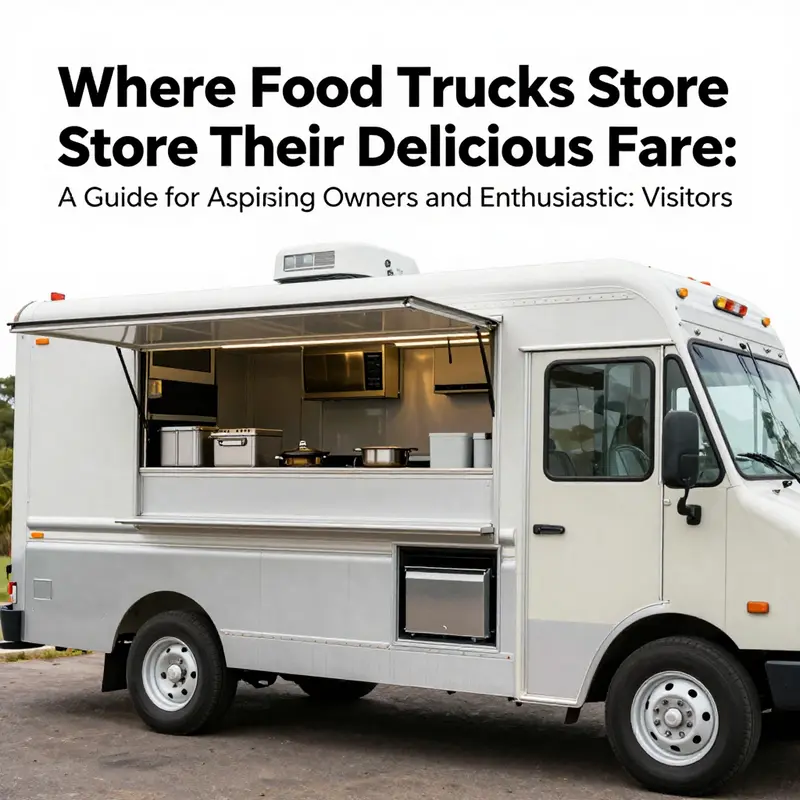
Where do food trucks store their food? The short answer is: inside the truck, in thoughtfully designed compartments built to protect quality, prevent contamination, and streamline service. But that answer only scratches the surface. Integrated storage in a mobile kitchen is an engineered balance of refrigeration, dry shelving, workflow planning, power management, and regulatory compliance. Each decision influences food safety, speed of service, and the bottom line.
Refrigeration sits at the center of most designs. Perishable items such as proteins, dairy, and prepared ingredients require constant temperatures below 40°F (4°C). To achieve that, trucks use under-counter fridges, upright units, or full walk-in coolers when space and power permit. These units are often built into the vehicle’s layout, directly adjacent to prep stations to minimize handling time. Many are powered by the truck’s engine while driving, and by an external generator or shore power when parked. Thoughtful placement reduces the distance between cold storage and the line, which lowers the risk of temperature abuse and speeds service.
Dry storage plays a complementary role. Non-perishables like canned goods, grains, spices, and packaging are stored in sealed cabinets and racks. These cabinets are mounted out of the direct heat of grills and fryers. Shelving sits behind or above prep counters, keeping supplies within reach while protecting them from grease and moisture. Materials matter: cabinets are constructed from stainless steel or food-grade plastics. These surfaces resist staining, repel bacteria, and clean easily during rapid turnover between events.
A key principle guiding all choices is the flow of food. This concept organizes storage so raw, in-process, and ready-to-eat items never cross paths. For example, raw proteins are stored in a dedicated refrigeration zone below or beside the prep area for raw meats. Cooked products sit on warming shelving or in separate refrigerated drawers labeled for ready-to-eat use. This separation reduces cross-contamination and simplifies staff training. Storage placed logically along the preparation line also shortens service times and reduces wasted motion.
Mobile kitchens increasingly use modular storage systems. Pull-out drawers, vertical racks, and overhead bins maximize limited cubic footage. Vertical storage suits bulk dry goods and paper supplies, while shallow refrigerated drawers keep ingredients visible and accessible. Modular units often lock into place, preventing shifting while the vehicle moves. This prevents spills and reduces food loss during transit. For entrepreneurs seeking a turnkey setup, many vendors now offer trucks with pre-integrated modular units. If you are evaluating vehicle models for a startup, resources that compare common layouts can provide useful guidance, such as this overview of best food truck models for Lakewood startups (https://lakewoodfoodtrucks.com/best-food-truck-models-for-lakewood-startups/).
Digital inventory and monitoring tools have become practical even in small operations. Temperature sensors can stream data to a central dashboard. Inventory software tracks stock levels and expiration dates. Together, these systems reduce waste and support compliance. Staff can check cold-box temperatures from a phone. Managers receive alerts if a refrigerator rises above safe thresholds. Tracking also simplifies restocking and ordering by flagging low inventory before it becomes a problem.
Power and ventilation are technical constraints that shape storage decisions. Refrigeration demands consistent power. Trucks use a mix of vehicle-mounted compressors, battery systems, generators, and shore power to meet this need. Ventilation prevents heat buildup near cooking equipment, preserving the cold chain for adjacent refrigeration. Designers locate refrigeration compressors and ventilation intakes to minimize heat transfer into storage zones. When power is limited, operators prioritize the most critical systems, often supplementing with high-quality insulated coolers during busy events.
Portability is another practical consideration. Operators commonly pack insulated containers and portable coolers for transit or for events where access to power is uncertain. These containers are used to stage additional ingredients or to hold overflow during peak service. Portable cold boxes are also useful when replenishing supplies during a multi-day event, or when transferring goods from a commissary to the truck.
Regulatory compliance shapes materials and layout. Local health codes mandate temperature controls, separation of raw and ready-to-eat items, and sanitation protocols. Refrigeration units often meet recognized sanitation standards. Surfaces must be non-porous and easily cleaned. Strategic storage placement supports required handwashing and prevents food from being stored beneath sinks or in unsafe zones. Fire codes impose restrictions, too, requiring safe distances between flammable materials and open flames. Properly designed storage accounts for these restrictions by positioning cleaning supplies and paper goods away from cooking surfaces.
Maintenance and sanitation are ongoing considerations. Regular defrosting, gasket inspection, and coil cleaning maintain refrigeration efficiency. Shelving and drawers should be scheduled for frequent cleaning. Easy access to storage units matters for sanitation crews. Removable trays and liners speed cleaning, and clear labeling reduces mistakes during busy shifts. A maintenance plan that includes daily checks, weekly cleanings, and monthly deep service helps prevent unexpected failures that could compromise stored food.
Design choices also affect waste and consistency. When ingredients are stored and accessed efficiently, portion control is easier. This reduces over-preparation and diminishes waste. Visibility matters, too. Clear or open-front drawers and well-lit cabinets reduce forgotten items at the back of a shelf. Inventory rotation systems—first in, first out—are simpler to execute in a smart layout. When combined with digital tracking, these practices maintain consistent food quality and reduce spoilage.
Operational efficiency, long-term costs, and customer perception all benefit from integrated storage. A well-organized truck maintains consistent temperatures, minimizes service time, and reduces food loss. Customers receive reliable, safe meals. Operators save on food costs and avoid regulatory fines. For new operators, purchasing a vehicle with pre-integrated storage systems can reduce setup time and ensure compliance from day one. Customization remains possible, but starting with compliant, functionally integrated modules reduces trial-and-error on the road.
The human element must not be overlooked. Staff training on where items are stored, how to rotate inventory, and how to respond to temperature alarms is crucial. Clear signage, color-coded bins, and simple checklists reduce error rates. Designing storage with staff ergonomics in mind minimizes lifting and bending. Lower drawers for heavy bags and higher bins for lighter items protect workers from injury while speeding service.
Finally, integrated storage in food trucks is a continuous design challenge. As menus change, storage needs evolve. A beverage-forward operation requires extra refrigerated shelving for milk and syrups. A dessert truck may need insulated cold cases for frozen treats. The most successful trucks adopt adaptable storage strategies that allow quick reconfiguration between events. Modular racks, adjustable shelving, and portable cold boxes let operators pivot without a full retrofit.
Integrated food storage is where engineering, food safety, and practical operations meet. It answers the question of where food trucks store their food by showing how each choice affects safety, speed, and sustainability. The best designs hide complexity behind simple workflows. They keep the cold chain intact, reduce contamination risks, and enable a small team to serve high-quality dishes consistently. For a deeper dive into technical standards and material choices that inform these designs, see the in-depth discussion at Food Truck Design Hub: https://www.foodtruckdesignhub.com/understanding-food-truck-design-material-properties-technical-standards-and-uses-in-engineering/.
Safeguarding the Moveable Kitchen: Regulatory Standards for Onboard Food Storage in Food Trucks
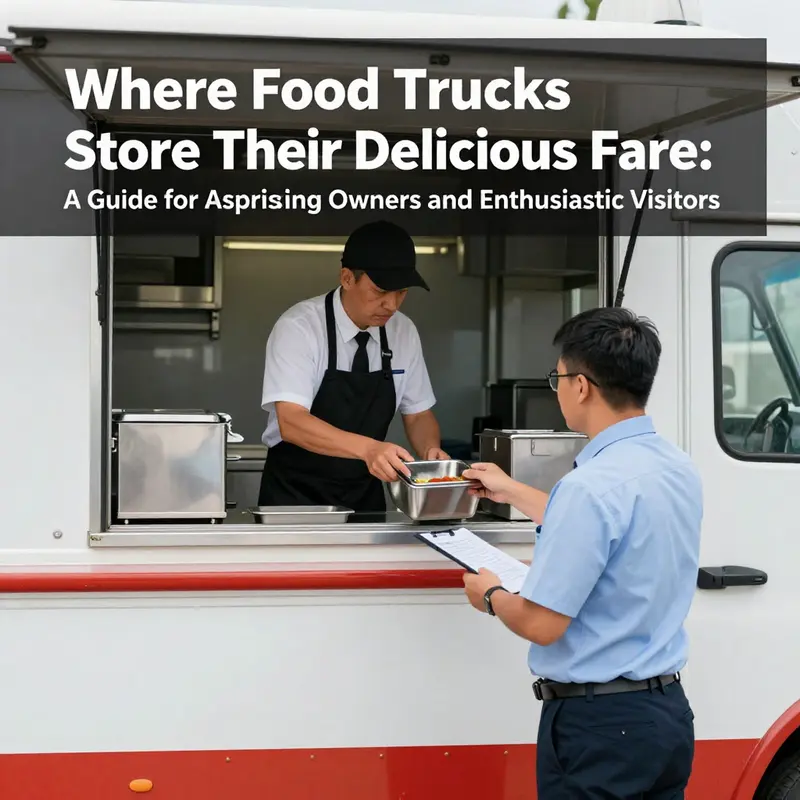
The food truck is a compact, mobile kitchen where every inch of space must perform a purpose. Storage is not merely a matter of space management; it is a frontline defense against foodborne illness and a visible expression of how a business translates health codes into everyday practice. In the push and pull of sales, routes, and event schedules, the storage compartments tucked behind doors and under work counters become the quiet backbone of a safe, efficient operation. This is where regulation and daily kitchen life intersect, shaping not only what can be stored but how it is stored, monitored, and documented. The balance is delicate: preserve quality while maintaining a workflow that keeps cooks moving and customers served quickly. The regulatory framework that governs truck storage is not abstract; it translates into practical design choices, routine checks, and a culture of cleanliness that travels with the truck every mile it covers.
At the heart of compliant storage is temperature control. Perishable items must ride at temperatures that suppress bacterial growth, with refrigerated foods kept below 40°F (4°C) and frozen items kept at or below 0°F (-18°C). In the day-to-day rhythm of service, this means choosing equipment with real insulation, reliable compressors, and the ability to sustain set temps through the rolling loads and idle periods between shifts. The power source becomes a critical decision point: some trucks rely on the engine to run their cooling systems, while others pair the storage with an independent power unit or an external supply when parked. The practical implication is that the truck’s electrical and mechanical system must be sized not only for cooking equipment but also for the continuous demand of refrigerated storage. These choices influence how long a truck can operate between stops and how confidently a manager can promise product quality from first service to last.
The design of the storage units themselves mirrors this regulatory emphasis. Insulation is non-negotiable. Doors must seal tightly and maintain the cold chain during rapid door opens as staff scoop ingredients for sauces, toppings, or wraps. Surfaces are typically non-porous and easy to sanitize—materials that resist staining and deter harboring micro-organisms. Inside, organizers such as clear bins, wired shelves, and dedicated racks keep items in place and visible. The layout should minimize temperature fluctuations caused by frequent door openings, which means the positioning of cold storage relative to heat sources and cooking zones becomes a strategic asset. In longer, more fully equipped trucks, walk-in coolers or high-efficiency reach-ins are integrated into the kitchen’s flow so that grabbing a chilled ingredient feels as natural as reaching for a pan. These integrated designs minimize the amount of time cold items spend outside of their safe environment, a practical commitment to health codes that every operator must honor.
A critical, often underappreciated aspect of compliance is the clear separation of raw and cooked foods. Cross-contamination is one of the fastest routes to a health-code violation and a costly incident. Storage plans call for clearly labeled zones, often with color-coded containers and dedicated utensils to match each zone. Raw proteins stay in their own chilled area; ready-to-eat items occupy different shelves or bins. The labeling is not merely cosmetic; it’s a daily reminder of the safety hierarchy beneath the stainless steel and glass. It is common to see separate scale-weighted compartments for raw poultry, beef, and seafood, each with a dedicated thermometer and a log for temperature checks. Digital loggers and alarms are increasingly common, quietly ticking away in the background and alerting the crew if temperatures drift. When the truck stops and a rush hits, these systems act as a safety net that prevents a minor lapse from becoming a serious health issue.
Dry storage—though it lacks the daily drama of perishables—receives equal attention in compliance conversations. Non-perishable goods such as canned ingredients, dry pastas, flour, spices, and packaged snacks are stored in sealed, easy-to-clean cabinets or on sturdy shelves. The emphasis here is cleanliness, pest control, and elevation off the floor to facilitate air circulation and shelving maintenance. Operators know that moisture intrusion, pests, or damp storage can ruin shelf life and invite regulatory trouble. Dry storage also benefits from predictable, modular organization: consistent rack heights, labeled bins, and a predictable rotation system help ensure that items are used before their best-by dates. The end result is a truck that runs more smoothly, with staff who can locate items quickly without compromising safety or quality.
Ventilation and grease management are sometimes overlooked in discussions about storage, but they play a pivotal role when kitchen and storage areas are tightly integrated. In larger mobile kitchens where storage and cooking zones share space, airflow management reduces heat buildup and prevents condensation that could compromise both storage conditions and equipment longevity. Proper grease capture and filtration protect not only the engine bay and cooling systems but also the integrity of the storage environment. When heat and humidity rise near pantry shelves, insulation works harder and the risk of equipment failure increases. Good ventilation thus supports compliance by preserving the stability of cooled environments and reducing maintenance downtime that could otherwise interrupt safe food handling.
The regulatory landscape requires meticulous documentation. Temperature monitoring is not a one-off check; it is a continuous discipline supported by digital loggers, alarm systems, and routine inspection readiness. Operators must maintain records that demonstrate cold-chain integrity, equipment maintenance, and sanitation practices. In practice, this means keeping service logs, regularly calibrating thermometers, and recording corrective actions if a temperature excursion occurs. The records not only satisfy health inspectors but also provide a trail for internal audits and quality assurance reviews. Compliance becomes less about reacting to inspections and more about daily habits that keep the truck within the safe operating envelope week after week.
Permitting and routine inspections are part of the operating rhythm. Local, state, and federal health codes shape what equipment is required, how facilities are planned, and what kinds of licensing must be secured before a truck can operate in a city or at a festival. The process often involves demonstrating that storage surfaces are non-porous, that cleaning and sanitation procedures exist and are practiced, and that there are backup plans for equipment downtime. For many operators, obtaining the necessary permits feels as essential as securing a vehicle or a cook’s apron. It is a public acknowledgment that the truck meets a defined standard of hygiene and safe food handling, a credential that customers indirectly trust when they order a meal on a busy curb or a crowded plaza.
Beyond the formal standards, there is a pragmatic logic in how a well-run truck approaches storage. The materials chosen for storage areas—stainless steel, coated aluminum, or high-grade polymers—are selected for durability, cleanability, and their resistance to corrosion from acidic or fatty foods. Surfaces are designed to stand up to rigorous cleaning schedules and frequent wipe-downs. The goal is not simply to store food but to create an environment where routine sanitation is efficient and reliable. This efficiency translates into higher throughput during peak service and reduced risk of contamination during sudden changes in weather or demand. In short, compliant storage makes the job easier for staff and safer for customers.
The consequences of non-compliance are real and tangible. Fines, temporary shutdowns, or more severe penalties can follow a health-code violation, especially if a foodborne illness is traced back to improper storage or sanitation. The cost of non-compliance extends beyond money; it damages reputation and may force a business to halt its operation until corrective actions prove effective. This is why the regulatory framework is not seen as a suffocating constraint but as a practical guide for consistent, responsible operations. For operators who want to deepen their understanding, the official FDA Food Code provides a comprehensive baseline of requirements, updates, and guidance on equipment specifications, inspection protocols, and compliance documentation. Close attention to these guidelines, along with routine internal audits, keeps a truck on the right side of the line between thriving business and regulatory trouble.
As these considerations illustrate, storage in a food truck is inseparable from regulation and safety. The best setups embody a lived understanding that food safety travels with the vehicle. A well-designed cold box, clearly labeled zones, clean and elevated dry storage, and a ventilation-aware layout come together to form a kitchen that can move across towns without compromising quality or compliance. The operator’s daily routine—checking temperatures, recording data, rotating stock, and cleaning—becomes the practical expression of a legal framework that protects public health. In this sense, storage is the quiet geographer of the truck’s operation, mapping the path from raw ingredient to plated dish while staying within the lines drawn by health authorities. Operators who master this geography not only pass inspections with confidence but also build trust with customers who expect meals that are safe every time they bite in.
For those curious about how these principles play out in the real world, some operators lean on established truck-design expertise to optimize the storage layout from the ground up. A good way to anchor this approach is to look at how vehicle builders integrate cooling and shelving into the chassis of the truck itself. See how one long-standing partner emphasizes the balance of durability and adaptability in storage systems, a philosophy reflected in the way doors seal, how shelves are spaced, and how power supplies are managed to prevent outages during a busy shift. And for readers seeking broader industry context, consider exploring resources on how design choices in mobile kitchens influence service reliability and regulatory compliance. You can also read more about the broader ecosystem of mobile kitchen operations at one supplier’s detailed overview of truck-center capabilities, which situates storage within the larger framework of mobile culinary businesses. (Kenworth truck centers—45 years of family business: https://lakewoodfoodtrucks.com/kenworth-truck-centres-45-years-family-business/).
Ultimately, the chapter on storage in a food truck is a reminder that public health protection travels with the wheels. It is a discipline of design, routine, and accountability that ensures the food reaching customers is not only tasty but safe. The moveable kitchen is a testament to how regulation, when understood and applied thoughtfully, can elevate everyday practice. It is not about restrictive rules alone; it is about turning those rules into a reliable operating system in which every seasoned cook, every line cook, and every prep assistant contributes to a shared standard of care. The result is a business that can move confidently through a crowded city block at noon, glide through a busy festival afternoon, and end its day knowing that the storage behind its doors kept perishable ingredients at safe temperatures, protected from contamination, and ready to deliver consistent quality to every hungry customer. For anyone crafting a blueprint for a new truck or refining an existing one, the takeaway is steady: design storage with compliance as a first principle, monitor it with reliable technology, and treat sanitation as a continuous rather than a episodic task. In doing so, the moveable kitchen becomes not just a source of meals but a model of responsible, resilient street food.
Final thoughts
Understanding how food trucks store their food is vital for anyone wanting to delve into the food truck business or just wanting to enjoy a meal from one of these mobile kitchens. Each aspect—from refrigeration and dry storage to the thoughtful integration of storage within the vehicle and adherence to health regulations—ensures that culinary delights reach the plate safely and deliciously. Next time you visit a food truck in Lakewood, you’ll appreciate the meticulous planning and care that goes into the food on your plate.