
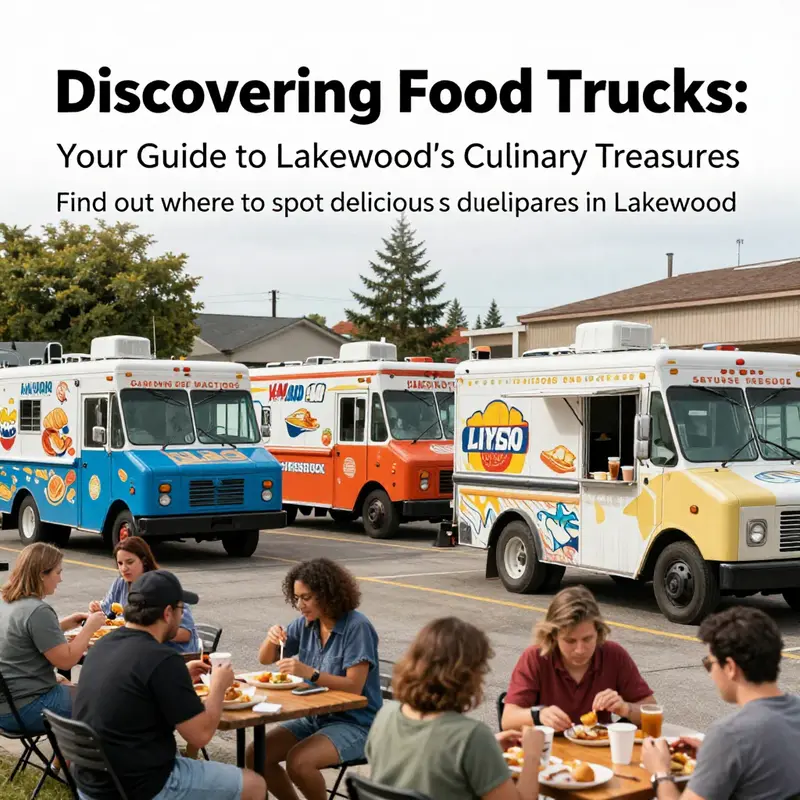
Food trucks are a vibrant part of Lakewood’s culinary scene, serving up an array of mouth-watering dishes that capture the essence of community and mobility. Whether you’re a tourist eager to delve into local flavors or an aspiring food truck operator looking to find inspiration, understanding where to find these mobile kitchens can make all the difference. In our exploration, we’ll uncover the bustling urban spots where food trucks thrive, the energetic events that draw them out, and the innovative technology that helps you find your next meal on wheels. Join us as we navigate the dynamic world of food trucks in Lakewood!
Finding Food Trucks in the City: Where They Park, When They Serve, and How to Track Them Down
Finding Food Trucks in the City: Where They Park, When They Serve, and How to Track Them Down
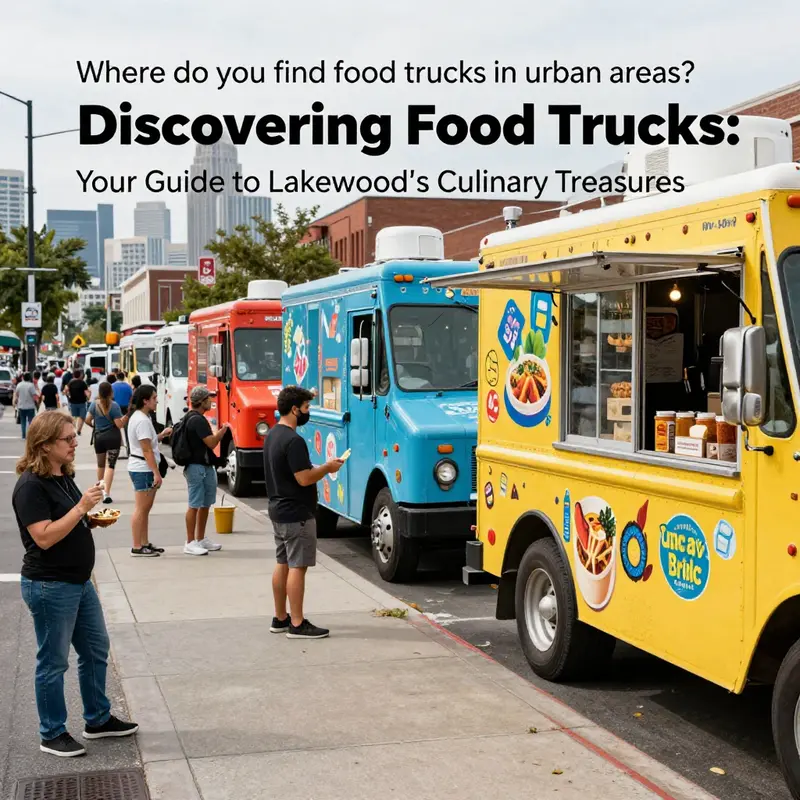
Food trucks in urban areas move at the rhythm of the city. They chase foot traffic, sync with commuter patterns, and anchor themselves where people gather. Knowing where to look means thinking like a mobile vendor: follow the busiest walkways, the places people take breaks, and the events that draw crowds. In downtown business districts, trucks are often predictable fixtures during midday. Office workers need quick, satisfying meals and little time to spare. That makes street corners near public plazas and concentrations of office towers prime lunchtime territory. Trucks cluster along broad sidewalks, beside transit stops, or near corporate campuses with permission to park on adjacent streets. When a truck appears in these pockets, a steady stream forms quickly. The vendors rely on this predictable flow, and customers benefit from a reliable lunchtime option.
Public spaces such as parks and squares are another urban magnet. Parks host families, joggers, and weekend strollers. They are natural sites for trucks to park through the afternoon and into early evening. Food trucks near playgrounds and picnic lawns sell to locals enjoying fresh air and to tourists exploring cityscapes. A food truck at a park acts as a casual anchor for informal gatherings. At the same time, public squares in front of civic buildings or museums become temporary dining rooms for locals and visitors. Those squares often feature seating and shade, which encourages longer stops and more diverse menus.
Farmers markets and outdoor events create predictable opportunities for food trucks. Markets draw shoppers who expect prepared food alongside produce and artisanal goods. Trucks that set up there supply both quick snacks and full meals. Similarly, festivals, art fairs, and street events bring concentrated bursts of demand. Vendors prepare for high volume on festival days and tailor their menus to crowd preferences. If you want variety, visit a market or event day. You will often find unique offerings that you might not see on regular street routes.
Transit hubs and major intersections are worth watching. As passengers transfer between buses, commuter rails, and subways, they look for fast, portable meals. Trucks that position themselves near transit nodes serve people who are time-sensitive. Some vendors park near main stations at peak commute times. This strategy makes them highly visible to daily commuters and to people arriving from out of town. Transit-adjacent spots are also helpful for late-night operations near night-shift workplaces or during special late trains.
Evening and late-night zones—areas clustered with bars, clubs, theaters, and late-shift businesses—create a different pattern. Trucks that focus on the night crowd stay open later and serve menu items designed for post-event appetites. These spots often have rotating schedules that match nightlife peaks. Expect to find these trucks near entertainment districts after shows end or late at night when people leave nightlife venues. The presence of trucks fills a gap left by brick-and-mortar restaurants that close earlier.
Tourist corridors and high-footfall retail streets are consistent hotspots. Cities with major attractions often see food trucks lining streets near landmarks, museums, and large shopping districts. Tourists seeking local flavors find trucks convenient and welcoming. Vendors in these districts often position themselves to serve diverse tastes, from simple snacks to regional specialties. The high visibility of these locations makes them lucrative for trucks that rely on volume.
Neighborhoods with diverse populations support a wide range of mobile offerings. In those areas, trucks adjust menus to reflect the local palate. They might appear near cultural centers, houses of worship after services, or in residential streets on weekends. Community events such as sports games, school fairs, and block parties attract trucks as well. Mobility lets vendors serve at private events like weddings or corporate gatherings when requested. If you are looking for specialty trucks—mobile pizzerias, fusion kitchens, or niche dessert vans—check neighborhood calendars and community boards. These trucks often advertise where they will park for the day.
City policies and designated zones shape where trucks operate. Many cities now create permitted parking spaces or “food truck pods” to support vendors and manage street use. These zones can be permanent or seasonal. City-sponsored locations sometimes appear near tourist districts or in urban renewal areas. In addition, some municipalities allow rotating permits so trucks can serve multiple neighborhoods legally. Understanding local rules helps predict where trucks will be. Municipal websites or community boards often list permitted locations and schedules, which vendors follow to avoid fines.
Weather and seasons influence patterns dramatically. In temperate months, trucks expand operations into plazas and open-air markets. Cold or rainy weather reduces street service and sends vendors to undercover locations, indoor markets, or seasonal events. Many trucks adapt by joining indoor food halls or weekend markets during colder seasons. During festival seasons, you can expect larger clusters and more specialized menus. Certain trucks also travel to warmer regions during winter months, following demand across city climates.
Real-time discovery has become easier, though it still requires some local savvy. Social media and community message boards are a way for vendors to share their routes for the day. However, not all trucks post consistently. Some rely on regulars who know their schedule. Local event calendars and municipal event listings are helpful too. Look for scheduled market days, concert series, and street fairs. These events attract several trucks at once and offer variety.
Street festivals and food truck rallies are worth seeking out. These gatherings often collect dozens of vendors in one place, giving you a concentrated sample of a city’s mobile food scene. They are scheduled events, which means you can plan attendance. If you want to explore many trucks in a single outing, rallies are efficient. For more on seasonal gatherings and local rally lineups, consult city or community pages such as the guide to 2026’s best food truck rallies in Lakewood that lists scheduled meetups and featured vendors.
Consider timing when you look for trucks. Lunch markets often start late morning and run into early afternoon. Evening operations begin before dinner and extend into late night, depending on the crowd. Weekend markets and festivals run for multiple hours, often spanning midday into evening. If you have a specific craving, check the likely time window. Many vendors follow rhythms tied to office hours, shift changes, and event schedules. A truck that serves breakfast regularly may park near transit hubs early. Another truck might rotate through theater districts only after shows conclude.
Practical cues help you spot trucks when you are out and about. Look for lines of people or clusters of folding chairs and tables. Watch for the smell of cooking in the air. Check for visible signage on sidewalks announcing daily menus. Trucks often park where there is space to queue safely. They avoid blocking crosswalks and typically choose spots with nearby trash receptacles and seating. Urban planners and property owners may prefer them near plazas where the flow of pedestrians is manageable.
Local businesses and offices sometimes partner with trucks for regular service. A company might issue permits to a vendor to serve employees on certain days. Those trucks become part of a weekly rhythm for workers. Similarly, office parks and co-working hubs sometimes invite rotating trucks to park outside. If you work in an office, notice where recurring trucks set up. They rarely move far unless their permit or customer base changes.
Safety and accessibility matter. Vendors choose spots that are safe and accessible to a wide range of customers. Trucks avoid steep curbs, heavily congested intersections, and locations with restricted access. They prefer visible, well-lit areas for evening service. Accessibility considerations often include space for wheelchair access and clear routes to seating.
Catering and private bookings expand where trucks appear. Many vendors take private jobs, bringing their setups to parties, corporate events, and weddings. That means trucks can appear in unexpected places like private parking lots or residential venues. If you are planning an event and want a truck, contact local vendors directly. They will let you know their availability and typical travel distances.
Finally, expect variety. Urban food trucks range from simple snack wagons to full kitchen-equipped vans. The types of food reflect a city’s cultural makeup and the vendor’s creativity. A single city block can host tacos, gourmet sandwiches, international fusion, and comfort food in succession. That diversity makes exploring trucks an ongoing discovery.
Finding food trucks in the city is both pattern recognition and exploration. Track predictable hubs like business districts, parks, markets, and transit centers. Watch evening zones for late-night service. Check event schedules and neighborhood calendars for concentrated offerings. Watch municipal postings for designated parking zones that gather vendors. And when you want a concentrated experience, attend a rally or festival to sample many trucks at once. The city is a mosaic of moving kitchens, and once you learn the rhythms, locating a great meal on wheels becomes simple and rewarding.
For further reading on how food trucks shape and respond to urban trends, see this urban trends guide:
https://www.foodtrucks.com/urban-trends
Where Food Trucks Thrive: The Pulse of Events, Gatherings, and Urban Hubs
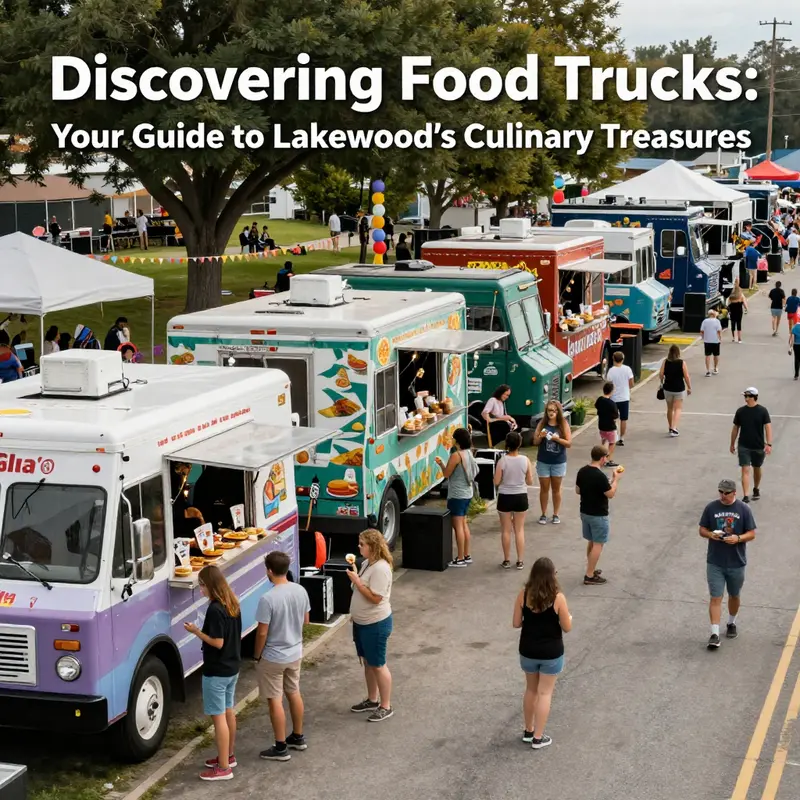
The moment the doors swing open and a crowd begins to surge, a city’s street becomes a living map of flavor, energy, and velocity. Food trucks arrive as part spectacle, part convenience, and part micro-economy, their lines weaving through the gusts of conversation, the rhythm of live music, and the shared scent of sizzling spices. In events and gatherings, these mobile kitchens do more than feed bodies; they knit social threads, offer a quick bite to fuel a longer night, and punctuate the layout of the venue with color, aroma, and choice. The question, “Where do you find food trucks?” becomes a layered answer when you step into the choreography of a festival, a concert, a fair, or a bustling stadium district. You don’t merely encounter them; you move with them, follow them, and learn to read the signals they cast as they unfurl into a plaza of smell and sound.
At the heart of any high-traffic event is a simple but powerful rule: proximity to people equals sales. Food trucks instinctively position themselves where foot traffic gathers, where queues form after the main act or between sets, and where the break in the schedule creates a natural pause for hungry attendees. Concert venues spread a patchwork of vendors along the perimeter, so late-arriving fans can grab a bite without missing a single chorus. Festivals lay out aisles that converge near stages, rest areas, and entry points, turning the entire ground into a taste tour. Fairs festoon their midway with clusters of carts, each one offering a different dialect of street cuisine—from charcoal-grilled favorites to bright bowls laden with herbs and peppers. In sports arenas, every concession line becomes a strategic node of speed and variety, giving fans a quick, comforting pit stop before returning to the roar of the game.
The dynamic of these gatherings goes beyond mere placement. The trucks themselves become the event’s texture: the color of their panels, the brilliance of their signage, the steam and smoke that drift into the air, and the crisp crackle of garnishes as servers assemble meals in front of an audience. These scenes are not incidental; they are an integral part of the sensory experience. Vendors curate menus that can respond to short windows of demand—quick bites during a rushing crowd, or heartier plates during longer intermissions. They train to move with the cadence of the event—arriving early to clean and stage, opening promptly as doors unlock, then closing in step with the last encore or the final horn. The result is a nightly or daily ritual: a street theater of food where the stage is paved with asphalt and the audience is a queue that circulates with anticipation.
If you want a sense of the scale and the ritual of these setups, imagine a cluster of trucks positioned around a central plaza at a large city festival. A rhythm of activity unfolds: one cart sizzles on a grill while another crafts fresh tortillas, a third assembles bowls with bright herbs, and a fourth dispenses warm, sweet-smelling pastries. The line moves as if choreographed by a master conductor, each dancer in the queue offering a different burst of aroma that pulls the next person forward. In these moments, food trucks are more than vendors; they are makers of tempo—providing a cadence to a night that otherwise would be tuned solely to music or performance. Attendees, drawn by the lure of diverse tastes, walk the perimeter with a map in hand or simply a sense of curiosity, sampling a few bites and moving on, savoring the possibility that the next cart might offer something completely unexpected.
In cities where events anchor the calendar, the ecosystem grows more complex and more resilient. Dedicated pods and hubs begin to surface, little neighborhoods in the urban fabric designed to showcase multiple vendors in a single, predictable location. In Denver, for example, the city has nurtured an environment where continuous collaboration between vendors and venues becomes a feature of the city’s cultural life. Permanent or semi-permanent hubs—courtyards and terms used for gathering spaces—bring together a dozen or more trucks, offering a curated walk of flavors, a kind of culinary promenade that locals come to rely on just as much as the concerts themselves. The Source Hotel’s courtyard, RiNo’s evolving food truck culture, and weekend gatherings on South Pearl Street have evolved into recognizable destinations where the crowd knows that a brisk, flavorful interlude can be found in a single block of the urban grid. The value here isn’t just the food; it’s the defined place where people expect to encounter a range of options, a place to linger, chat with friends, and re-energize before returning to the event’s core energy.
Where such clusters exist, partnerships flourish. Food trucks often align with local breweries and music venues to offer a more immersive experience. A beer in hand pairs with a warm, spicy bite; a set from a local artist or a nearby stage proffers a soundtrack that completes the sensory arc of the evening. These collaborations create a full sensory packet—a meal that doesn’t exist in isolation but as part of a larger performance. The arranged pairing of drink, music, and street food makes the experience feel intentional rather than accidental, like a curated street festival rather than a string of separate vendors. For attendees, this means one can wander, sample, and settle into a moment of shared experience—an evening that feels cohesive rather than a series of isolated moments bought from raw queues and bright signs.
The way people discover these trucks at events is itself an art form. Rather than relying on chance, attendees increasingly rely on real-time locating tools that map the ebbs and flows of a vendor network during an event. These tools help guests decide which line to join first, which cart has what special that night, and where fresh batches of a beloved dish are likely to emerge from the stove. The ability to track where a truck is currently operating, and when it will move to a new corner of the venue, can transform an evening from a hurried snack into a planned culinary circuit. In this way, the mobile kitchen becomes both a practical solution for hunger and a strategic component of an event’s social fabric. The more the organizers and vendors coordinate this flow, the more seamless the experience feels, as if the whole night moves with a shared, glowing map of flavor.
Understanding the geography of these gatherings also means recognizing how different kinds of events shape different food cultures. Concerts, with their long multisong arcs, tend to favor quick, shareable bites that maintain energy and pace. A festival might reward a broader palette: tacos, dumplings, bowls, skewers, and comfort foods that travelers and locals alike crave after walking a long distance. Fairs often lean into indulgence and novelty, offering everything from fried treats to regional specialties that tell a story about place and tradition. Sports games create a push-pull dynamic where fans want something familiar and comforting that can be enjoyed en route to the next goal or while catching a breath during a tense moment. Community gatherings and corporate districts introduce a social rhythm: colleagues and neighbors sharing a meal, swapping recommendations, and turning a transit-pump of energy into a short, shared experience. The same trucks can adapt to many contexts if given a venue that supports mobility, a steady lineup of events, and permission to operate within a predictable framework.
In many places, local authorities actively shape where and how food trucks operate, especially during large gatherings. Zoning for food trucks, designated parking spots, and street-food zones are common tools used to manage crowds, ensure safety, and preserve traffic flow. When a city embraces a culture of mobile food, it does so with an eye toward tourism and urban vitality. The idea is not merely to feed a crowd but to position the city as a living restaurant, capable of delivering new flavors, seasonal menus, and the sheer novelty of a rotating cast of chefs and cooks. This approach can be seen globally, with several countries adopting policies that promote mobile kitchens as part of their broader tourism and urban development strategies. It’s a reminder that food trucks are not just food on wheels; they are instruments of city life, shaping how people move, where they gather, and how a neighborhood spaces its evenings.
If you’re exploring a city with an active events calendar, a practical way to locate the trucks is to look for the event’s hub—the place where vendors tend to cluster around entrances, stages, and food courts. Arriving early can yield a broader first round of tastings, while returning after a set can open doors to new flavors emerging from the day’s shifts. The most successful experiences happen when attendees approach with a sense of curiosity, not just hunger. They walk with their friends, compare notes on where they’ve eaten, and follow the cues of smoke, smoke, and steam that hint at the next memorable dish. The social economy of these moments is real: every bite is shared, every exchange is a chance to learn about another neighborhood’s culinary voice, and every line a potential conversation starter about the city’s food culture.
To connect this local texture with a broader picture, consider a city that has committed to curating a steady cadence of vendor gatherings, not just one-off events. In these places, the relationship between the food truck and the city becomes more reciprocal: the trucks rely on predictable schedules and approved routes, while the city benefits from the economic and cultural draw that food brings. People plan visits around these gatherings, travel to neighborhoods specifically for the plates they crave, and, in doing so, add to the urban tapestry. The result is a cycle of activity that sustains the street-food economy—seasonal menus, rotating vendors, and a community that treats the street as a shared dining room. In short, food trucks thrive where events create a stage that is both navigable and inviting, a stage that can be reimagined night after night to reflect the city’s evolving tastes.
For a sense of how a city gathers its culinary performers into a single, destination-like flow, consider a case study of a regional lineup that has become a lure for locals and visitors alike. The roster of trucks, the cadence of openings, and the steady pulse of crowds all point to a larger phenomenon: when events anchor a district, the food trucks become a staple, not an afterthought. They shape the way people move through a space, they color the night with aroma and color, and they offer a bite that supports the music, the art, and the conversation that define the moment. In this way, the question of where to find food trucks at events becomes not a simple locator problem but a doorway into understanding how modern cities design social meals around shared experiences.
If you want a concrete look at how one city has woven these gatherings into its seasonal rhythm, you can explore a representative sequence of rallies and markets that emphasize the communal, the celebratory, and the practical alike. The city’s calendar might include weekend food truck gatherings, seasonal festivals, and occasional cross-over events with breweries and music venues. The pattern is instructive: a dependable schedule, a stable cluster of vendors, and a public that knows where to go for a reliable, flavorful stop between sights. The result is a vibrant food culture that travels with the crowd, turning every event into a potential culinary adventure rather than a single moment of consumption. The joy of it lies in the belief that a city’s streets, in their diversity and complexity, can be tasted, shared, and remembered long after the last song fades.
For those who want a touch of practical guidance while still remaining within the storytelling frame, there’s a simple rule of thumb. Look for the funnels of foot traffic that form near grand entrances and main stages, follow the lines that appear during intermissions, and notice how the vendor logistics align with the event’s schedule. If you’re attending with a group, designate a couple of “flavor scouts” who can hop between carts, compare notes about spice levels, and report back on standout dishes. In this way, the social experience of a night out becomes a collaborative palate journey, a shared map that grows richer as more people contribute their discoveries. The takeaway is clear: food trucks at events and gatherings are not mere stops along the way; they are integral threads in the fabric of modern urban life, offering nourishment, community, and a sense of place in every bite.
To further illustrate the ecosystem that sustains these moments, consider the idea of a regional hub that consistently draws crowds. A city’s urban core might house a rotating cast of trucks that align with a monthly festival, a weekly market, or a seasonally themed event. This rhythm becomes familiar to residents and an inviting lure for travelers. The trucks adapt to the changing weather, the type of crowd, and the evolving demands of the venue, while the organizers refine the experience to maximize flow and minimize wait times. The result is a reliable, repeatable pattern: a street food culture that is both resilient and intimate, capable of transforming a simple stroll through a district into an evening of discovery.
As you move from one event to another, the landscape of food trucks reveals a broader narrative about how cities engage with food, culture, and community. These mobile kitchens are not just vendors; they are ambassadors of local flavors, small businesses that contribute to a sense of place, and partners in a larger program of urban vitality. They teach visitors to look beyond the main stage and notice the details—the smoky glow from a grill, the aroma of fresh herbs, the careful arrangement of toppings, the cheerful banter at the counter, and the shared tables that spring up in the glow of string lights. They remind us that a city’s public spaces can be temporary homes for flavor, that the best nights are often found not only in concerts or stadiums but on the curb, where a cart turns a street into a story worth telling.
For readers curious about how a particular city curates these experiences, a deeper dive into a regional rally circuit can be illuminating. The rhythm of these events—dates, locations, vendor lineups, and the way crowds gather—becomes part of a city’s cultural calendar. It’s a living archive of taste, memory, and social exchange. And because the food truck scene thrives on movement, flexibility, and local partnerships, it also serves as a bellwether for how urban life might continue to evolve: with more open streets, more community spaces, and more opportunities for small businesses to flourish in the shared, edible public realm. The night becomes an invitation to explore, to sample, and to connect—one cart, one bite, and one conversation at a time.
In sum, where do you find food trucks at events and gatherings? The answer is everywhere the crowd gathers: at entrances and breaks between acts, along festival lanes and fair midway routes, near beer tents and outdoor stages, and within carefully designed pods that invite lingering and discovery. They are the moving heartbeat of a city’s social life, a flexible and resilient network that can respond to the energy of a crowd, the weather, and the season. They turn a venue into a shared kitchen, a collective memory, and, for many, a beloved ritual of community and flavor. As markets, festivals, and performance venues continue to design experiences that blend culture, commerce, and cuisine, food trucks will remain a central feature of how we eat, socialize, and celebrate in public spaces.
Internal link example for further context: 2026’s best food truck rallies in Lakewood.
External resource: https://www.alibaba.com/
Mapping the Mobile Kitchen: How Apps, GPS, and Social Media Make Food Trucks Findable in the City
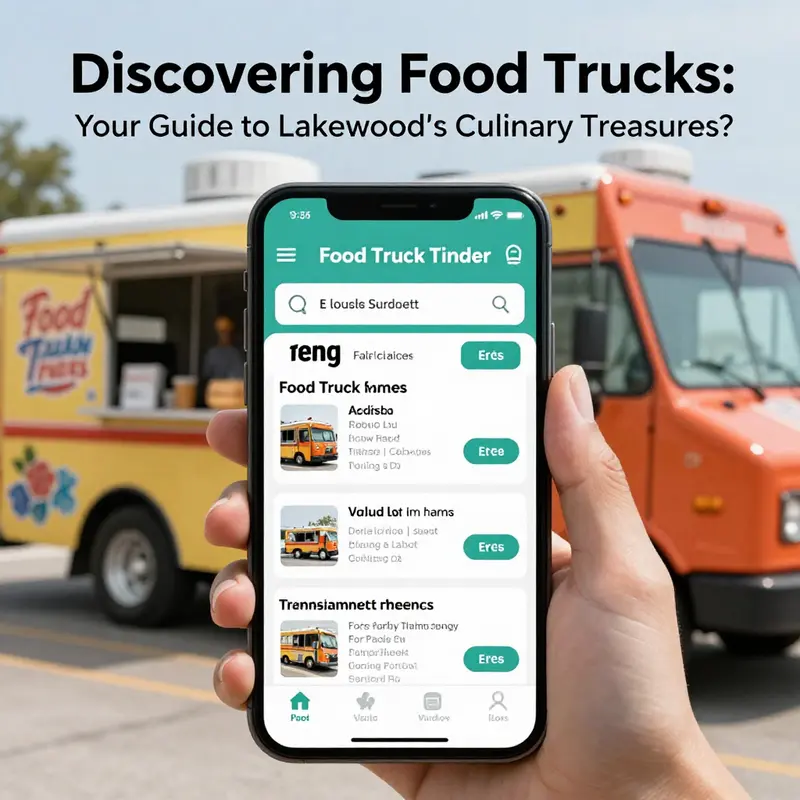
The urban landscape has become a living map for a new kind of commerce—the mobile kitchen that travels with the rhythms of the day. Food trucks no longer rely solely on word of mouth and chance encounters to reach hungry pedestrians; they ride the current of technology, turning streets and sidewalks into dynamic marketplaces. The result is a city that feels both more fluid and more connected. You can jog between moments of anticipation and surprise as a truck slides into view on a public square, near an office cluster, or by a transit hub, and you can know exactly where to go next with a few taps, swipes, or a quick glance at a screen. This shift is not merely about convenience; it is about orchestrating a complex network where kitchens, customers, and places synchronize in real time. The capabilities that fuel this synchronization are threefold: streamlined mobile ordering and payments, a robust social media presence that announces location and menu changes, and precise location data that lets customers track a truck’s journey as if they were following a friend on a map. Together, they transform the hunt for a quick bite into a guided, almost curated experience rather than a gamble.
In many cities, this orchestration begins with the most practical technology among all: mobile ordering and contactless payments. Trucks that adopt dedicated ordering platforms allow customers to browse a current menu, place an order, and pay from their phones. The advantages are tangible at the curb: faster service, shorter lines, and cleaner transactions that minimize the handling of cash. Behind the scenes, these platforms collect data about what people order, when they order, and how they choose pickup windows. The insights can guide the day’s preparation, helping operators plan batches of popular items for the lunch rush and anticipate demand for specials before the line backs up. Even without naming brands, the pattern is clear: digital ordering reduces friction at the point of sale and accelerates turnover, which in turn broadens the window of opportunities to reach more customers in a city that often runs on time-sensitive rhythms.
The second pillar of this technology-enabled geography is the social feed. Food trucks have learned to treat social media like a living inventory. Across platforms—where a truck is today, what menu item is new, what time a curbside window opens—the cadence is constant. Posts serve dual roles: they announce location, and they offer a narrative hook. A photo of a steaming pan, a teaser of a daily special, or a short video clip of the truck rolling into a park can generate a surge of interest long before the truck pulls up. This practice creates a community around a moving business. Followers become the first to know where the truck will be, sometimes even before the crew can set up, and casual observers turn into regulars as they watch for a predictable pattern of appearances. The social approach also invites feedback, enabling operators to adjust menus or timing in near real time. In turn, customers learn to follow the trucks like a season of recurring events, with each location becoming a point on a personal map of recurring favorites. This feedback loop—the way social updates shape expectations and in turn influence where the trucks go—embeds digital behavior into the physical city.
GPS-enabled location services further knit together the physical and digital layers. Some operators share a live location that updates whenever the truck moves, allowing patrons to activate push notifications when the vehicle is within a short distance. For the customer, this creates a sense of a live, on-demand experience—an everyday version of a ride-share alert that invites a spontaneous decision: should I walk a little farther, or should I grab a coffee and wait for the next stop? For operators, the data is a mirror of real-world dynamics: where people are congregating, which routes are popular, and how weather or events shift foot traffic. The geographic intelligence embedded in these tools helps planners decide where and when to park, how to time shifts around stadiums or concert venues, and how to balance the competing demands of residency versus mobility. The result is a city that feels more responsive to the daily pulses of its inhabitants, with food trucks acting as moving nodes of culture rather than fixed stalls constrained by a single corner.
Beyond the live map and the momentary click, a third layer—the digital menu and signage inside and outside the truck—extends the reach of the experience. Digital displays can show the current offerings, spotlight daily specials, and present prices with agility that static boards cannot match. This kind of display is often managed through internal software that keeps prices, items, and availability synchronized with the kitchen’s inventory and prep schedule. The visibility of the menu in real time reduces miscommunication at the curb and allows customers to make informed choices while they wait for their order or while they decide whether to deviate from their route to catch a particular truck. The process exemplifies how technology allows even a mobile kitchen to deliver a consistent, high-quality experience on a shifting stage where weather, crowd size, and timing can all tilt the balance of a busy lunch period.
A modern food truck ecosystem also leans into loyalty and data-driven engagement. When customers opt in to digital receipts or newsletters, trucks collect order histories and preferences. This data supports targeted promotions and personalized follow-ups that feel helpful rather than intrusive. A regular could receive a reminder about a favorite dish on a weekly basis, or a new item could be suggested based on past orders. The effect is subtle but meaningful: customers feel seen, and operators gain the ability to reward repeat visits with targeted incentives, all while learning what resonates with their audience. Of course, with data collection comes the responsibility to protect privacy and to be transparent about how information is used. The most successful operators balance insight with consent, offering opt-in choices and clear explanations of how loyalty benefits are earned and redeemed.
All of these layers—mobile ordering, social updates, live location, digital menus, and loyalty programs—combine into a practical map of where to find food trucks. The map is no longer a mere list of points you memorize; it is a living network that responds to demand, weather, and events. It makes sense that cities outside traditional Western markets would similarly embrace this model as part of urban tourism and revitalization strategies. In many places, municipal planners designate zones or parking spots for food trucks in tourism districts or near cultural sites. The rationale is straightforward: a grid of programmed, visible food options keeps pedestrians moving through an area, extends the life of public spaces after typical business hours, and adds a layer of texture to the urban experience. When local governments invest in the infrastructure that makes mobile food possible—clear rules for where trucks can park, predictable permit processes, and safe, accessible locations—the entire ecosystem becomes more predictable for operators and more dependable for customers. In other words, technology’s role in mapping the city grows hand in hand with policy that supports mobility, safety, and commerce.
In this global context, the embrace of technology by food trucks aligns with broader trends in how people discover and consume meals. Across regions, from dense metropolises to developing urban cores, the same logic holds: visibility multiplied by accessibility yields higher turnover and broader reach. Platforms that enable real-time location sharing, mobile ordering, and digital signage are not just convenience features; they are foundational tools that redefine what is possible in a city’s micro-economy of street food. They empower operators to be present in more places at more times, to respond quickly to shifts in demand, and to build lasting relationships with customers who expect speed, clarity, and personalization at the curb. As neighborhoods evolve, the mobile kitchen becomes a flexible, responsive component of urban life, a place where culture, cuisine, and community intersect through the shared experience of a well-timed meal.
For readers interested in seeing how this translates into practical, on-the-ground decisions, consider a regional example that spotlights the kinds of models many operators explore. A guide outlining the best food-truck models for Lakewood startups offers a concrete sense of how equipment choices intersect with location strategy, permitting, and daily operations. This practical resource helps bridge the gap between the digital map and the physical truck that parks on a street corner. You can explore it here: best food-truck models for Lakewood startups.
The chapter would be incomplete without acknowledging the wider body of work that documents how technology is reshaping the food truck landscape. A recent industry analysis highlights the core shifts: apps that facilitate ordering and payments, real-time location sharing, dynamic digital menus, and loyalty programs tied to customer data. The analysis emphasizes that the integration of these tools is no longer an optional upgrade but a baseline expectation for operators seeking to compete in crowded, urban markets. It also notes the potential for this technology to improve efficiency, enhance customer satisfaction, and drive repeat business, all while offering new channels for storytelling—the stories of the trucks that roll into your neighborhood and the people who greet you with a warm smile and a sizzling skillet. These insights marry practical operations with the experiential city, underscoring how technology and place co-create the modern street-food narrative.
The practical implications extend beyond the street and into the city’s public life. When a truck can publish its location and menu in real time, it participates in a shared daily rhythm with commuters, students, workers, and travelers. People plan their meals around the trucks they track, weaving a personal schedule around the arrival of a familiar flavor at a predictable hour. The social dynamics of this arrangement—fans anticipating a location, operators reacting to demand, and a city that keeps time with the steps of its outdoor vendors—generate a feedback loop that continually refines where trucks should be and when. It is this interplay of technology, place, and people that makes food trucks not just a novelty but an integrated feature of contemporary city life. The map of where to find them is a living document, updated by every post, every notification, and every freshly prepared plate that leaves the window with a smile.
As you read this chapter, you might wonder what the future holds for discovering food on the move. The connective tissue will likely grow stronger as more municipalities formalize zones that welcome mobile vendors and as operators refine their digital playbooks to blend speed, quality, and personality. The essential truth remains simple: technology amplifies proximity. It makes the distance between street corner and lunch break feel shorter, turning a simple meal into a small journey through a city’s evolving culinary map. The experience is not merely about chasing trucks; it is about embracing an ecosystem where data, design, and appetite intersect in the shared space of urban life. The next time you hear a clatter of wheels and a sizzling skillet, you may not just know what you’re about to eat—you may know where in the city you will meet it and how the moment will unfold, thanks to the quiet but persistent work of technology behind the scenes.
External resource: https://www.foodserviceequipment.com/blog/food-truck-tech/
Final thoughts
Finding food trucks in Lakewood is not just about locating a meal but experiencing a part of the community dynamism. From urban hotspots bustling with activity to community events that celebrate local flavors and the innovative technology that connects them all, food trucks create a diverse culinary landscape for everyone. Whether you’re looking to enjoy delicious street food as a tourist or considering launching your own food truck venture, embracing this mobile food culture opens up a world of flavorful opportunities.