
Leasing a food truck can be a thrilling step into the culinary world, especially for those dreaming of serving delicious street food or for tourists looking to explore local flavors. In Lakewood, opportunities abound for leasing food trucks through diverse channels. This article covers everything from direct leasing options to navigating public tenders, exploring commercial platforms, and diving into local markets—a complete guide to ensure you find the right wheels for your delicious adventures.
Direct Leasing: How to Secure a Ready-to-Operate Food Truck for Your Route
When you decide to lease a food truck directly, you commit to a practical path that balances capital preservation with operational readiness. Leasing bypasses a large upfront purchase and gives you controlled access to a vehicle configured as a mobile kitchen. This chapter walks through the direct leasing landscape, shows how to evaluate offers, and outlines practical steps that help you secure a dependable truck you can operate immediately.
Start by understanding the types of providers you might contact. There are three broad groups to consider: vehicle manufacturers and upfitters who lease finished mobile kitchens; specialized leasing companies that focus on commercial vehicles and food service units; and local commercial vehicle lessors that provide flexible short-term or long-term contracts. Each group has strengths. Manufacturers often provide customizable builds and structured maintenance support. Specialized lessors can offer lease packages tailored to food service, including warranties and periodic inspections. Local lessors may provide faster delivery, simpler paperwork, and regionally relevant configurations.
Before reaching out, clarify what you need from the truck. Define the menu you plan to serve, the average service volume you expect, and the typical locations where you will operate. These decisions shape the kitchen layout, utilities, power needs, and even the chassis length you should seek. For example, heavy frying or grilling increases ventilation and fire suppression requirements. Steam-based menus demand different water-handling and drainage features. Knowing your operational profile saves time and prevents costly retrofit requests later.
Ask potential lessors about fleet options and customization policies. Many providers maintain modular designs that adapt to varied menus. Request to see specification sheets that list interior layout, equipment brands, electrical capacity, plumbing, and gas systems. Ask how often the vehicle receives preventive maintenance, and whether routine service is included in the lease. A clear maintenance schedule reduces unexpected downtime and keeps the unit compliant with health and safety inspections.
Review lease term options carefully. Short-term leases can suit seasonal vendors or event-focused businesses. Long-term leases lower monthly outlay and may include options to purchase at the end of the contract. Consider a lease with an option to buy if you expect your operation to scale. Evaluate early termination penalties, mileage or hour limits, and clauses covering wear-and-tear. A transparent, flexible lease structure protects you during slow seasons and growth periods.
Insurance and liability deserve special attention. Confirm which party carries primary coverage for physical damage, liability, and worker protection. Ask whether the lessor requires a specific insurance carrier or policy type. Understand deductible amounts and whether routine repairs fall under your responsibility. Clear insurance terms prevent disputes after an incident and ensure your service can continue without lengthy interruptions.
Compliance and regulatory readiness are non-negotiable. Leased trucks must meet local health, safety, and mobility regulations before you operate. Request documentation that shows the vehicle complies with common food handling codes, ventilation standards, and fire suppression requirements. If you need permits tied to a specific vehicle identification number, verify the lessor will cooperate with permit applications. Confirm that the vehicle’s electrical and gas systems have recent inspection certificates, if available.
Inspect any prospective truck in person or request a detailed virtual walk-through. Use a checklist that covers the exterior, chassis integrity, signage allowances, and service access points. Inside, inspect countertops, flooring, storage, and how equipment is secured. Test sinks, hot water heaters, refrigeration, and the ventilation hood. Check that the layout supports safe traffic flow for staff during busy service windows. If the vehicle will operate in harsh climates, evaluate insulation, heating, and cooling capabilities.
Negotiate practical add-ons and service inclusions. Some lessors offer preventive maintenance packages, periodic deep cleans, parts replacement credits, or on-call technical support. These extras are valuable for first-time mobile operators. Negotiate the frequency of scheduled inspections and whether replacement parts are OEM or third-party. If downtime reimbursement or replacement vehicle options exist, ask how these are triggered and documented.
Understand cost breakdowns beyond the monthly lease payment. Typical additional expenses include utility hookups, fuel, commissary fees, permits, insurance, and unexpected repairs not covered by the lease. Factor in staffing costs and the cost of adapting marketing elements like wrap or signage. If the lessor restricts external branding, verify whether you can apply temporary wraps or magnetic signage to maintain a consistent brand presence.
Plan for logistical requirements from day one. Confirm delivery and pick-up timelines, and whether the lessor provides driver training for vehicle handling and equipment use. For units with specialized systems, scheduled training reduces mishandling and associated damage. Ask whether the lessor will deliver the truck to your intended operating area and whether transport charges apply. If you operate across jurisdictions, ask about registration, emissions, and licensing support.
When evaluating offers, compare total cost of operation, not just headline lease payments. Create a simple spreadsheet that lists monthly lease cost, estimated fuel and utilities, maintenance allowance, insurance, and projected permit and commissary fees. Add expected revenue based on your foot traffic estimates. This comparison highlights which leasing option offers the best practical value for your service model.
If you plan to lease a unit across regions, check the lessor’s service network. A provider with a nationwide or multi-region support system offers faster repairs and parts access. Ask for an average response time for emergency service calls. Providers that publish their maintenance locations and response guarantees typically perform better during urgent issues. Also check whether the lessor handles routine annual inspections and certification renewals.
Negotiate language that protects your business during lease term changes. Ask for clauses that allow reconfiguration of interior equipment if your menu pivots. Seek flexibility for seasonal increases or decreases in lease term length. If your business grows, confirm whether you can upgrade to a larger unit or negotiate a trade-in to a purchase option. A lessor willing to craft growth-friendly terms becomes a practical partner rather than a rigid vendor.
Check references and insist on transparent performance records. Request references from current or past lessees. Ask about vehicle reliability, response time for repairs, and how issues were resolved. Honest lessees will describe both strengths and challenges. Also request any available uptime or maintenance metrics for the specific unit you will lease. These records reveal hidden costs and help you plan contingencies.
Before signing, review the contract with a legal advisor or a consultant experienced in commercial vehicle leasing. Confirm there are no ambiguous clauses around damage assessment, wear-and-tear definitions, or liability transfers. Ask for clear definitions of end-of-lease inspection procedures and acceptance standards. If possible, negotiate an initial baseline inspection documented by both parties. This record prevents disputes over damage at lease end.
When the truck arrives, schedule a joint final inspection. Walk through kickoff tasks with the lessor, including changeover of registration, handover of manuals, and demonstration of systems. Document the vehicle’s condition with date-stamped photos. Confirm that safety and sanitation certifications, if included, are present. Request contact details for emergency repairs and routine maintenance scheduling.
Operating a leased truck means staying proactive about maintenance and compliance. Keep a log of service visits and any repairs. Use scheduled maintenance windows to deep-clean and verify equipment calibration. Maintain organized records for inspections and permit renewals. Good record keeping reduces friction with the lessor and speeds up any requests for warranty or repair coverage.
If you want detailed, lease-ready options and local standards for a specific region, consult up-to-date local resources. For a focused market analysis and practical listings of lease-ready vehicles, see this resource: https://www.foodtruckforsalemauritius.com/.
For guidance on model selection and startup considerations, you may also find this practical review of model options useful: best food truck models for Lakewood startups.
Tender Trails: Public Opportunities to Lease Mobile Kitchens for Your Food Truck Operation
Leaning into public tenders may feel like chasing a moving target, especially when the market you see most often is private leasing or direct customization. Yet understanding how government and public institutions procure transport fleets and mobile units can illuminate paths to lease a food truck that meets strict standards for reliability, maintenance, and service. The surface signal is clear: explicit tenders for “food trucks” as a standalone product are not widely advertised in the public procurement portals that we can access in this context. What does appear, instead, is a robust rhythm of opportunities around broader vehicle leasing and fleet services—contracts for leased passenger or service vehicles, emergency-response fleets, and logistics support for large-scale operations. From that vantage point, a strategic reader can translate public-leasing dynamics into a credible, audition-ready offer for a future mobile kitchen project. In this chapter, we trace that logic in a way that stays firmly anchored to the question at hand: where can a prospective operator seek a public or semi-public lease of a mobile kitchen, and how can they position themselves to win when such tenders do surface?
The reality, as reflected in the available tenders and procurement notices, is that public bodies often publish requests for leased fleets or fleet-related services rather than a niche product like a restaurant-on-wheels. They seek vehicles that meet defined capacity, reliability, and maintenance standards. They may require a turnkey solution that includes driver provision, routine inspections, and a service-level agreement for rapid response in the event of a breakdown. They may also call for a fleet capable of supporting large events, ceremonial occasions, or emergency logistics. Those documents rarely specify a fully outfitted mobile kitchen, but they do specify the underlying framework that would allow a mobile kitchen to operate within public service or institutional catering ecosystems. In other words, the tender vocabulary speaks to the vehicle and the logistics network, not directly to the culinary fitout. For someone who wants to lease a mobile kitchen through a public channel, the key translateable insight is this: you must align your proposal with the vehicle lease terms, the service commitments, and the integration requirements that public buyers expect from any leased fleet.
If you comb through procurement portals with that interpretive lens, you discover a pattern. Bidding notices often cluster around three core needs: first, a clearly defined fleet size and vehicle specifications; second, a robust maintenance and downtime policy that guarantees availability; and third, a procurement-ready supply chain capable of delivering and supporting specialized equipment as part of a broader operational package. In practice, a bidder could present a modular mobile kitchen concept as a value-add within a lease framework. The kitchen could be designed to fit on a standard chassis platform compatible with official vehicle specifications, with the understanding that the owner-operator would be responsible for the day-to-day culinary operations. The public buyer, in turn, benefits from a single, accountable vendor who manages both the asset and the service backbone. This synergy—that the public sector buys not only a vehicle but a turnkey support ecosystem—forms the heartbeat of how public tenders can evolve toward mobile catering in practice.
There are instructive signals in the procurement ecosystem that operators should monitor. First, broad notices for vehicle leasing or fleet rental often come with a timeline and a clear set of evaluation criteria. These criteria typically weigh operational reliability, maintenance response times, vehicle utilization plans, and the provider’s track record in sustaining fleets over multi-year contracts. A prospective mobile-kitchen lease would need to anticipate those criteria by offering a documented maintenance plan, a rapid-response service SLA, and a credible supply chain for parts, inspections, and compliance checks. Second, many public tenders require pre-qualification stages that test an applicant’s financial stability, experience with similar fleets, and ability to staff and support round-the-clock operations. A mobile-kitchen operator who wants in on public leasing must cultivate a dossier that speaks to both culinary capability and fleet stewardship. Third, the way tenders are structured often invites partnerships. A tender might be won not by a single purveyor of both vehicle and kitchen components, but by a consortium that pairs a vehicle-leasing firm with an experienced food-service operations partner, a mobile-kitchen designer, and a maintenance provider. The effect is that a well-constructed consortium can offer a more resilient, end-to-end solution than any one firm could deliver alone.
What does a practical path look like for someone who wants to pursue public or semi-public leasing opportunities for a mobile kitchen? Start by mapping the public procurement landscape for vehicle leasing and fleet services on national, regional, and municipal levels. Official portals that aggregate tenders, bid opportunities, and contract awards are your first stop. Use search terms related to fleet leasing, vehicle rental, and “business vehicle lease” rather than only “food truck” to surface opportunities that can be translated into mobile-kitchen capability. When you identify a relevant opportunity, read the specification with a splitter’s eye: what vehicle class, seating or cargo capacity, fuel type, maintenance expectations, and service guarantees are demanded? Does the tender require driver provision or provide the option to subcontract driving services? Are there environmental or safety compliance requirements that demand specific vehicle testing or certifications? These questions matter because the cost of aligning with demand for a public fleet can be substantial, and the risk of misalignment can derail an otherwise promising bid.
There is value in triangulating your strategy across several channels. While public tenders for food trucks as a standalone product may be scarce, tenders for general vehicle leasing, or for fleet-support services that could accommodate a mobile-catering footprint, do appear. In practice, this means maintaining an ongoing presence in multiple procurement streams: keep an eye on high-volume fleet-leasing opportunities, note when event-catering support is explicitly included within a contract, and watch for tenders that emphasize modular or scalable solutions. A well-posed proposal can present a mobile kitchen as a flexible, modular extension to an established fleet, designed to slot into an existing catering or disaster-response framework. By positioning the mobile kitchen as not only a culinary asset but also as a regulated, service-backed mobile unit that adheres to public safety and hygiene standards, you increase the likelihood that evaluators see it as a reliable, mission-ready component of a larger fleet.
A practical example helps ground this idea. In some markets, public or institutional buyers have issued tenders for the lease of specialized vehicles intended to support large-scale meal preparation and delivery logistics. The documents describe a need for consistent capacity, predictable maintenance windows, and a clear escalation path for service disruption. The vehicle is assumed to be the platform for operation, but the buyer cares equally about downtime minimization, spare-parts availability, and the quality of the partner network that will keep the fleet on the road. A bid that acknowledges this reality can offer a robust service package: a lease with predictable monthly costs, scheduled inspections, a certified maintenance program, and a ready-to-operate kitchen fit-out that can be deployed on demand to meet event or emergency needs. The emphasis is on reliability, not merely on aesthetics or culinary prowess. This is a reminder that public opportunities reward clarity, risk mitigation, and a credible plan for long-term service delivery.
For operators, the most effective approach is to treat a potential public lease as a two-part exercise. First, produce a compelling fleet-rights proposal that demonstrates how a mobile kitchen can fit within the vehicle’s operational envelope. This means choosing a kitchen footprint that can be modularly mounted on a range of chassis, ensuring safety and hygiene compliance, and providing a flexible power and ventilation plan that does not compromise the vehicle’s primary transport purpose. Second, craft a service-centered proposal that outlines maintenance, diagnostics, spare-parts availability, and a local network of technicians who can respond within a defined SLA. Public buyers value a credible, single-source provider who can guarantee uptime and who can justify every dollar spent with measurable performance indicators. The end result is not just a vehicle with a cooktop, but a trustworthy, compliant operating platform that the public sector can rely on for critical operations, whether during a city festival, a public health outreach, or a coordinated emergency-logistics scenario.
If you want to illustrate these concepts in a way that helps you explore real-world design possibilities, consider looking at resources that discuss modern mobile kitchen configurations and the practicalities of outfitting a truck for flexible service. A detailed resource on design options and startup considerations can provide a useful blueprint for your tender-ready pitch. This is not about favoring a single model or brand; it is about understanding the tailoring required to align a mobile kitchen with public-leasing terms, then presenting a coherent, compliant, and cost-effective solution.
As you plan, remember to weave in evidence of practicality. Public procurement rarely rewards novelty alone; it rewards reliability, demonstrable capacity, and a clear plan for ongoing support. In a mobile-kitchen context, that means presenting a kitchen layout that minimizes risk, a vehicle that can endure long operating hours under varied conditions, and a maintenance framework that keeps the fleet ready for action. It also means anticipating administrative needs—insurance, licensing, hygiene certifications, worker qualifications, and data reporting—that a public buyer will require throughout the contract lifecycle. The objective is not merely to win a tender; it is to earn a durable, long-term relationship with a public or institutional buyer who sees your mobile kitchen as an integral asset within a broader catering or service operation.
For readers who want a practical starting point on the culinary and design side while keeping an eye on tender-readiness, there are helpful resources that discuss how to evaluate and compare mobile-kitchen configurations in a startup context. These guides cover not just the kitchen equipment but how the equipment integrates with the vehicle, the electrical and ventilation needs, and the workflow efficiencies that affect service quality. Even if you are not yet ready to bid, familiarizing yourself with the decision framework for choosing a mobile-kitchen layout—discussed in these materials—can sharpen your ability to craft proposals that are compelling to public buyers when the moment comes. And when you are ready to bid, the combination of a well-scoped vehicle lease plan and a proven service model can make the difference between a hopeful submission and a winning contract.
From a navigation standpoint, public tenders are not a shortcut to an immediate food-truck business; they are a doorway into a disciplined, scalable approach to fleet-based catering. They require you to think in terms of capacity, reliability, and lifecycle management. They push you to document how a mobile kitchen fits within a larger transportation and logistics framework, to articulate a maintenance and service strategy, and to demonstrate a readiness to operate under a public-sector regulatory regime. The payoff is a lease that not only provides a vehicle but also stabilizes costs, guarantees service continuity, and anchors your business within a network that values compliance and accountability as much as cuisine and customer experience. If your business plan embraces that discipline, tenders—when they appear—can become a meaningful channel for growth and stability rather than a rare lottery ticket.
For readers who want to explore design and operation strategies in a broader context, an additional resource on contemporary mobile-truck configurations offers practical insight into how a kitchen can be integrated with a vehicle, how power and waste systems are arranged, and how to balance food-service needs with transport practicality. You can read about a range of model configurations through this reference: Best Food Truck Models for Lakewood Startups (https://lakewoodfoodtrucks.com/best-food-truck-models-for-lakewood-startups/). This internal link helps connect the tender-focused discussion to concrete layouts and capabilities that a procurement team would expect a vendor to present when proposing a leased, mobile-serving unit. It’s a reminder that public opportunities reward concrete, executable plans as much as they reward culinary ambition.
In summary, while explicit tenders for leasing a food truck as a standalone product may not be widely advertised, the public procurement ecosystem continuously generates opportunities around vehicle leasing and fleet services. Those opportunities can be approached with a blended proposition: a reliable, compliant vehicle lease paired with a ready-to-deploy mobile kitchen that meets hygiene, safety, and operational standards. The prudent operator monitors relevant portals, builds a credible, service-oriented package, and positions the mobile kitchen within a broader fleet strategy. When tenders surface, a well-prepared bid that speaks to both the asset and the service backbone stands the best chance of turning a public opportunity into a durable lease—and into a thriving culinary venture that serves communities and events with consistency. For those who want to explore the culinary-design side in parallel with tender-readiness, the linked resource can serve as a practical reference point for configuring a kitchen that can slot into a fleet proposal without sacrificing culinary capability. And for ongoing updates on procurement practices and public-leasing patterns, staying connected to the public procurement ecosystem will help you recognize emergent opportunities as city-scale operations and institutional programs evolve over time.
Where to Find Commercial Platforms to Lease a Food Truck: Market Channels, Portals, and Practical Steps
Where to Find Commercial Platforms to Lease a Food Truck: Market Channels, Portals, and Practical Steps
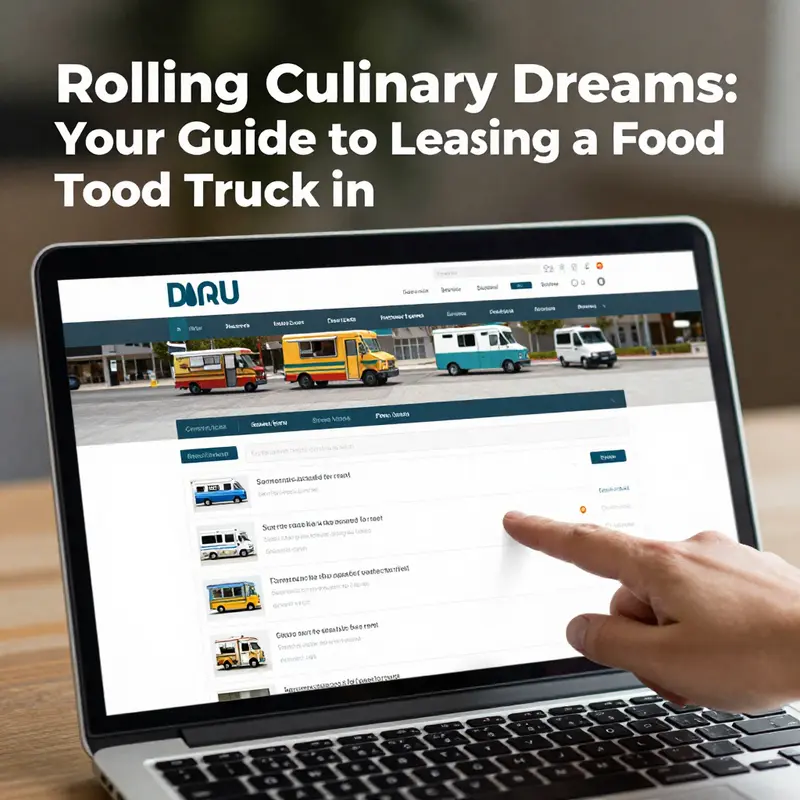
Leasing a food truck is rarely a one-click transaction. The market for mobile kitchens sits at the intersection of vehicle manufacturing, event site management, institutional procurement, and specialized rental services. Understanding the commercial platforms that connect these worlds makes the difference between a slow search and a successful launch. This chapter walks through the practical channels where operators find leased trucks, how those channels work, and what to watch for when evaluating opportunities.
Start by thinking in terms of four overlapping markets. First, manufacturers and upfitters who offer lease options for customized vehicles. Second, specialized leasing companies and equipment rental marketplaces focused on food service. Third, public procurement and institutional tenders that periodically open large-scale lease opportunities. Fourth, site-booking and event platforms that function as demand hubs and sometimes bundle vehicle access with location permits. Each market has distinct transaction patterns, timelines, and risk profiles.
Manufacturers and upfitters often run leasing programs that appeal to operators who need custom builds. These arrangements are attractive because they let you specify kitchen layout, power systems, and exhaust setups while avoiding the capital outlay of outright purchase. Leases from manufacturers can cover short-term seasonal needs or long-term, multi-year operations. Expect structured maintenance terms, scheduled inspections, and standard response-time guarantees for repair support. Those guarantees are critical because a mobile kitchen out of service costs both revenue and reputation. When you evaluate a manufacturer lease, prioritize clarity on warranty transfer, who supplies replacement parts, and whether breakdown assistance is included.
Specialized leasing firms and equipment marketplaces fill a different niche. These platforms aggregate inventory from multiple sources—used trucks, professionally refurbished units, and turnkey mobile kitchens—so operators can compare sizes, fuel types, and interior configurations. Leasing from these markets often gives you flexibility to swap units between seasons or scale your fleet incrementally. Contracts here can be more varied, ranging from simple short-term rentals for events to multi-year leases tied to supply agreements. Carefully review mileage limits, permitted use clauses, and liability coverage. Ask whether the lessor will handle routine compliance checks or if those responsibilities fall entirely to you.
Public procurement and institutional tenders are another important channel. Government bodies, large food service contractors, and institutional kitchens sometimes publish formal tenders for vehicle leasing. These opportunities often involve multiple units and longer commitments, with rigid performance and reporting requirements. For operators who can meet administrative demands, tenders can secure stable, predictable income. They also demand meticulous documentation, insurance proof, and compliance with vehicle and food safety standards. Monitor municipal and institutional procurement portals regularly. Missing a submission window or misunderstanding a technical specification can cost you a viable contract.
Site-booking and commercial space platforms form the market’s demand side. These services connect food truck operators to events, private developments, and municipal sites. Some platforms offer integrated services: site booking, permit coordination, and insurance verification. Others act only as a marketplace where event organizers and property managers post opportunities. Either way, access to a good platform reduces the time you spend finding locations and securing the necessary approvals. Treat these platforms as sales channels that can determine your schedule, not merely as listing services.
In practice, the smartest operators blend channels. A lease from a manufacturer may provide a reliable truck and maintenance package. A specialized marketplace can supply a short-term replacement vehicle for peak periods. An institutional tender can stabilize revenue during slow months. And site-booking platforms will keep your calendar full. The synergy between sources is what lets food truck businesses scale without overcommitting capital.
Evaluating listings across platforms requires a consistent checklist. First, confirm vehicle compliance with local commercial vehicle laws and food safety regulations. The truck should have documented certifications for its cooking equipment, ventilation, and electrical systems. Second, clarify what the lease includes: maintenance, spare parts, emergency replacements, and scheduled inspections. Third, inspect insurance and liability coverages tied to the lease. Does the lessor require you to carry full commercial liability? Do they provide supplemental insurance for equipment failures? Fourth, verify allowable uses; some leases restrict types of cooking or forbid long-haul transport.
Because many listings do not describe operational details, move quickly to clarify terms with the lessor. Request a sample lease contract and compare it to industry standards. Pay attention to termination provisions and early-exit penalties. If the lease ties you to a service level, quantify expectations for response times and the process for claiming downtime compensation. Also, confirm who supplies consumable parts like filters and hood materials.
Negotiation is often possible. Leasing platforms that host inventory from multiple providers encourage competition. Use that leverage. Highlight your business plan, expected volumes, and the potential for repeat leasing. Ask for bundled services—reduced rates for maintenance packages or permit support. If a manufacturer offers a nationwide support network, see whether a local service depot can be designated in writing for faster response times.
Operational integration is another factor frequently overlooked. Leasing is not just about the truck itself. It includes how the vehicle will fit into your supply chain, your staffing model, and your event calendar. Confirm the truck’s dimensions and weight class relative to parking and event access restrictions. Check power options—shore power compatibility, generator capacity, and backup systems. Ensure your staff can safely operate the equipment and that the vehicle layout suits your menu flow.
For operators who rely on public tenders, successful bids come from combining operational reliability with administrative readiness. Prepare templates for technical and financial proposals. Maintain up-to-date proof of insurance, safety certificates, and references. Consider teaming with other providers to meet scale requirements. In some cases, a consortium bid increases your credibility and spreads risk.
Local and regional markets can present opportunistic deals. Failed tenders or projects that attract few bidders often create windows where less competition means better terms. When a regional procurement initiative fails to attract offers, approach the procuring body directly to express interest. They may accept revised proposals or smaller, phased bids. Equally, keep an eye on municipal property managers and development projects that need temporary catering solutions. Small-scale, short-term leases can become long-term relationships if you perform consistently.
Technology can streamline your search and management. Use alerts on procurement portals and marketplace sites to receive new listing notifications. Maintain a simple database of prospective units, listing sources, and key contract dates. When you respond to a listing, attach a concise capabilities document summarizing your compliance credentials and operational capacity. That increases the chance of being shortlisted when providers need a dependable lessee.
Lastly, balance flexibility and stability. A long-term lease offers predictable payments and easier financial planning. Short-term rentals and platform bookings give agility and exposure to new markets. Combining both allows you to test locations and menus without sacrificing the backbone of a stable vehicle arrangement.
For operators seeking immediate listings and regional procurement notices, begin with procurement portals that aggregate institutional bids. They show current requests for leasing services and detail specifications. These portals provide both tender announcements and contact points for clarifications. Use them to track upcoming opportunities and download tender documents as soon as they appear. For guidance on vehicle selection during negotiations and fleet decisions, consult resources aimed at model comparison and operator needs, such as a practical guide to choosing the best truck models for startup operations: best food truck models for Lakewood startups.
To check current procurement notices and leasing opportunities across institutional channels, consult centralized bidding platforms that post vehicle and equipment lease tenders. These portals often include search tools that filter by service category, region, and deadline, helping you identify relevant requests quickly. Example procurement aggregators list lease services and vehicle tenders, and they are a useful starting point to find institutional leasing opportunities. For direct access to current tender postings and procurement listings, visit: https://www.bidcenter.com.cn
Navigating Local Food Truck Rental Markets: Trends, Risks, and Tactical Opportunities
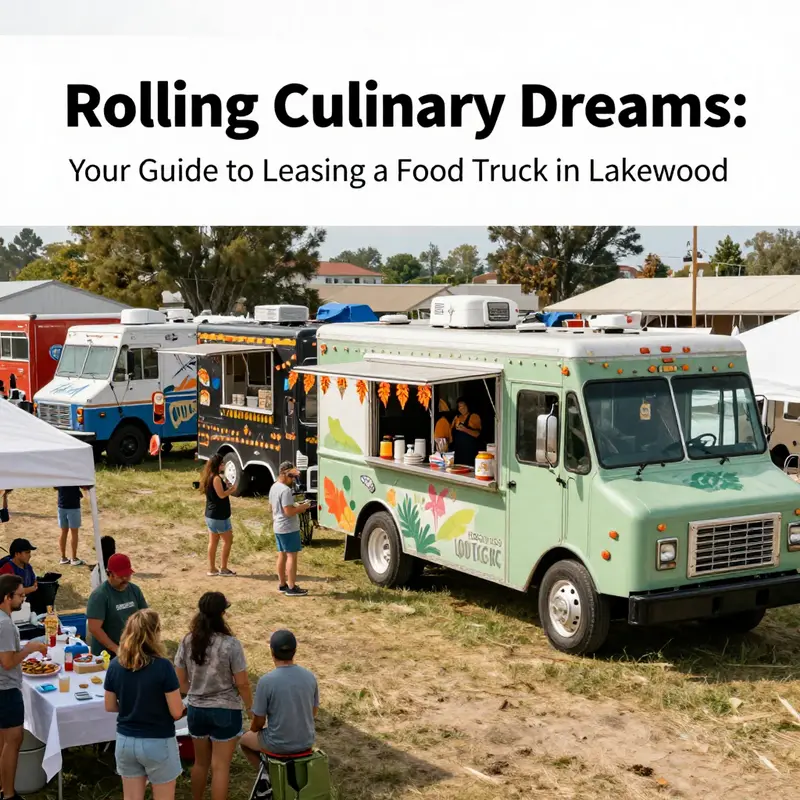
Market pulse and practical approach
Local and regional food truck rental markets are expanding in predictable and surprising ways. Urban foot traffic, festival culture, and demand for flexible catering drive steady need for short-term and long-term rentals. Projections show consistent growth, which supports diverse leasing models and a wider range of vehicle types. For anyone asking where to lease a food truck to operate, the local rental landscape presents clear patterns to follow, plus pitfalls to avoid.
Events remain the strongest engine of demand. Food festivals, community fairs, outdoor concerts, farmers markets, and private events create repeated, time-bound needs. Event organizers prefer turnkey solutions that minimize their logistics. As a result, rental offers that include staffing options, power and waste management, and quick setup attract the most attention. If you target event-driven opportunities, focus on reliability and predictable service delivery. Event managers reward suppliers who reduce friction.
Competition is fierce in busy regions. Established vendors win recurring slots and build relationships that lock in the best dates. New entrants often find their biggest challenge is gaining visibility and trust rather than vehicle access. That means an attractive vehicle matters, but consistent operations and clear communication matter more. Visual appeal opens doors; operational competence keeps them open.
Rental pricing structures vary. Many owners use revenue-share models on top of fixed fees, while others set high flat rates for premium events. Smaller operators should model both scenarios to estimate realistic margins. Fixed fees are predictable but can squeeze profit during slow hours. Revenue-sharing aligns incentives with event organizers, yet it can be complex to track and reconcile. Negotiate terms that match your risk tolerance and expected volumes.
Public and institutional tenders are an underleveraged channel. Local governments and institutions sometimes release contracts for mobile catering or vehicle leasing tied to public services and large-scale catering logistics. These tenders can lead to stable revenue for the contract term, but they also require compliance with procurement rules and greater administrative effort. If you can navigate paperwork, such contracts reduce variability and provide a reliable baseline income.
Auctions and failed tenders reveal opportunity. When a regional tender fails to attract bidders, or when an auction lists unusual vehicle types, swift action can secure favorable terms. These happen more often than vendors expect. Monitoring procurement notices and local government bulletins gives you an edge. Quick decisions matter; the first competent bidder often wins.
Local marketplaces and brokers add convenience, but due diligence is essential. Commercial platforms list short-term rentals, long-term leases, and containerized kitchens. These platforms simplify search but do not guarantee inspection or permit readiness. Always verify the vehicle’s condition, equipment list, and past service records. Ask for a written history of maintenance, and if possible, an independent inspection report.
Operational readiness is as important as the vehicle. A well-configured kitchen, compliant ventilation, secure power connections, and proper waste systems are non-negotiable. Many regions enforce hygiene and safety inspections before allowing operation. Factor permit timelines into your lease decisions. Leasing a compliant vehicle that still needs retrofitting will delay revenue and increase startup costs.
Visual design and branding amplify returns. A professional wrap, clear signage, and organized service flow attract customers and help event organizers decide between competing vendors. Cosmetic upgrades are often easy to add to a leased vehicle and yield outsized benefits. If your lease limits exterior changes, negotiate flexible branding clauses.
Timing and seasonality shape strategy. In many locales, demand concentrates in warmer months and around major holidays. Consider short-term ramp-ups instead of committing to year-round fixed rents if your market has a clear off-season. Conversely, lock in longer leases in regions with milder climates or indoor event options. Seasonal forecasting helps you align lease length and fleet size with predictable demand.
Insurance and liability cannot be afterthoughts. Rental agreements should specify who carries insurance for what risks. Pay attention to public liability coverage, equipment protection, and any requirements tied to event participation. If you act as operator and not just lessee, you will likely need higher coverage. Clarify responsibilities for third-party damage and for mechanical breakdowns during events.
Negotiation levers exist beyond price. Flexible pick-up and drop-off terms, maintenance windows, included training, and support response times can be as valuable as lower monthly fees. Seek leases that include clear response commitments for repairs. A documented service SLA with guaranteed response times reduces downtime and protects revenue.
Local regulations and permitting are often the most time-consuming barrier. Zoning rules, health department certifications, and site-specific permits vary by municipality. Build relationships with local permitting offices and ask event organizers about the most common compliance issues they see. Knowing which forms and approvals take the longest lets you plan and prevents last-minute scrambles that cost opportunities.
For newcomers, modular and multi-use setups reduce risk. Vehicles designed for multiple cooking methods and easy layout reconfiguration let you adapt menus to different crowd types. If your market mixes daytime lunch crowds and evening festival crowds, choose equipment that scales across those needs. Flexibility increases booking potential and improves overall utilization.
Scaling strategically matters. Start with one vehicle and build a repeatable operations playbook. Track staffing needs, inventory turnover, average ticket size, and setup time. Use those metrics to forecast when to add another leased unit. Many operators expand not by buying but by leasing additional trucks for peak seasons. That approach avoids large capital expenditure and keeps cash flow fluid.
Where to look and how to monitor listings. Regularly scan local procurement notices and commercial marketplaces. Subscribe to event organizer newsletters and join community organizer groups to learn about upcoming dates and selection criteria. When a platform lists a rental, act quickly and seek references. A platform listing is a starting point, not a guarantee of quality.
Do your checks before you sign. Inspect the vehicle in person. Confirm that equipment specs match what you need. Ask for a maintenance log and for proof of past inspections. Test power, water lines, and ventilation. If the vehicle was used intensively before, expect higher wear and factor future maintenance into your budget. A short independent mechanical inspection often pays for itself.
Contracts should protect both parties. Define responsibilities for routine maintenance and for major repairs. Specify who pays for replacements of critical systems. Include clauses for early termination and subletting if your plans change. Clear dispute resolution terms and defined notice periods reduce future conflict.
Leasing can be a path to ownership. Some agreements offer lease-to-own options. If you plan to scale long-term, consider these structures. They spread costs and let you test market fit before committing capital. But read the fine print about residual values and purchase conditions.
Brand partnerships and co-marketing increase traction. Partner with event promoters, local beverage brands, or community organizations to gain priority placement and cross-promotion. Strategic partnerships can also open doors to recurring bookings and larger audiences.
Practical checklist for a rental decision:
- Confirm permit compatibility with the intended locations.
- Inspect mechanical systems, kitchen fixtures, and safety equipment.
- Review insurance requirements and secure appropriate coverage.
- Negotiate service-level commitments for repairs and support.
- Understand pricing models and forecast profitability.
- Clarify branding and exterior modification permissions.
- Include exit and renewal terms in the contract.
A modest, practical final note: strong local relationships and operational reliability trump flashy equipment alone. Secure a vehicle that balances condition, flexibility, and cost. Then focus on consistent service, smart marketing, and careful calendar management. Those elements convert a rented truck into a dependable revenue stream.
For perspectives on vehicle models and design ideas applicable to startup operators, consult this guide to the best truck models for startups to align your lease choice with operational needs: best food truck models for startups.
For broader market context and long-term projections, see the industry analysis that outlines market growth and future trends: https://www.researchandmarkets.com/reports/5987461/global-food-trucks-market-size-share-industry-report-2026-2034
Final thoughts
With a growing food truck scene in Lakewood, aspiring operators have numerous avenues to explore for leasing their dream truck. By understanding the different options—from direct rental and public tenders to commercial platforms and local markets—you’ll be well-equipped to navigate this exciting culinary journey. Whichever path you choose, may your flavors and creativity drive your success in bringing delightful food to the streets!