
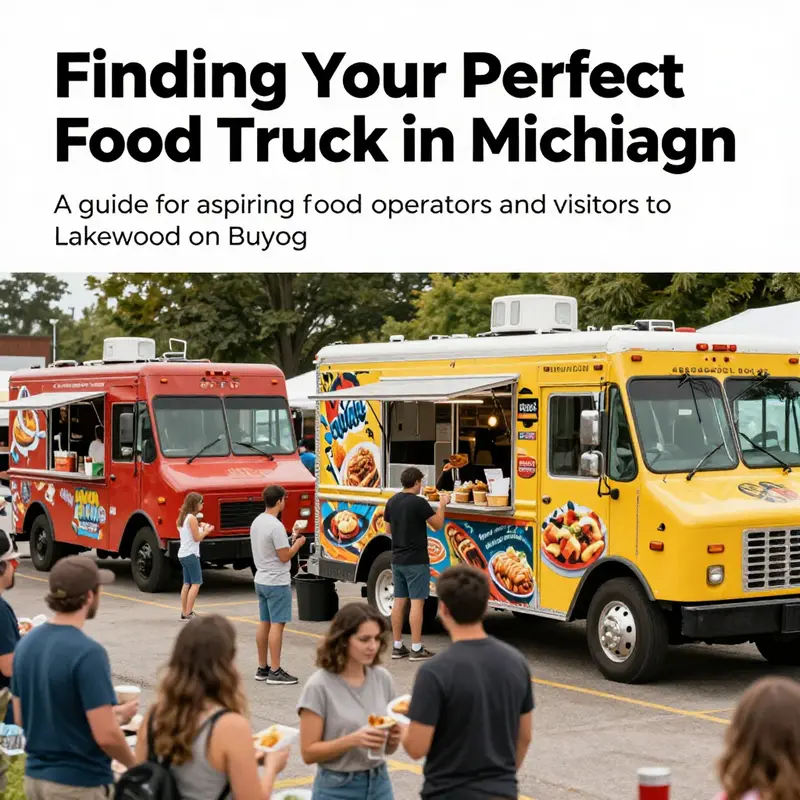
Are you dreaming of owning your own food truck in Michigan, or are you simply a tourist enjoying the diverse culinary options in Lakewood? Whether you want to crank out gourmet burgers or decadent desserts on wheels or just savor the offerings from local trucks, knowing where to buy a food truck is essential. In this community-centered guide, we will explore online platforms, local dealerships, and custom builders that cater to food truck enthusiasts. We will also break down the financial aspects of purchasing a food truck in Michigan, helping you navigate through this exciting venture with confidence and clarity.
Michigan Food Truck Marketplace: How to Find and Vet Online Listings
Finding and Vetting Food Truck Listings Online in Michigan
Searching for a food truck online is the fastest way to find inventory across Michigan. The internet collects listings from dealers, private sellers, auctions, and specialty marketplaces. That breadth is an advantage. It also creates noise. A successful search blends smart filtering with careful verification. This chapter lays out a practical path you can follow from first search to final purchase. It focuses on online discovery and the checkpoints you should apply to every listing. Use this as a single, continuous roadmap while you move between platforms, calls, and in-person visits.
Start with a clear target. Know what you need and what you can flex on. Define the size and layout you require, the kind of equipment you must have, and the maximum budget. Decide whether you will buy a truck or a trailer. Determine whether you want a turnkey mobile kitchen or a basic shell to customize. Your priorities at this stage guide search filters and save time.
Use broad categories rather than brand names when you search. Look for general online marketplaces that list vehicles and equipment. Check local classified networks and community selling groups. Use specialized mobile-business marketplaces and commercial vehicle dealers that list ready-to-run units. Each channel has different advantages. Classifieds and social selling platforms tend to offer lower prices from private sellers. Specialized marketplaces and dealers typically list better-documented, inspected units. Dealers may also provide financing and limited warranties.
Refine by geography. Narrow your search to Michigan cities and regions you can reasonably reach for inspections and pickup. Filtering by city helps you avoid surprise shipping costs. Search with specific places in mind—Detroit, Grand Rapids, Ann Arbor, and other regional hubs. Also search surrounding states when inventory is thin. Vehicles often travel regionally, and sometimes a short haul from across a border is cheaper than a long-distance shipping bill.
Pay attention to listing detail. Quality listings include clear, multiple photos of the exterior, interior, engine bay, odometer, and serial tags. They list build year, mileage, VIN, and a full inventory of installed equipment. They describe recent repairs and known issues. They disclose whether the unit passed local inspections in the past. Avoid vague posts that lack these items. Those listings often hide mechanical or regulatory problems.
Screen sellers carefully. For private sellers, ask for proof of ownership and service records. For dealers, check business reviews and ask how long they have been listing commercial kitchens. Ask whether any warranties or return policies apply. If the listing is on a community platform, read seller feedback where available. For every seller, request a video walkthrough showing the engine running, kitchen appliances powered up, and any gauges or meters in operation. A live video call lets you see how the seller answers questions in real time.
Use VIN checks and title verification. Ask for the vehicle identification number early. Run a history check to see previous states of registration, any branded titles, and accident records. Confirm the title status with the seller. Clear title and up-to-date documentation reduce the risk of costly legal hurdles later. If the truck has been converted from another use, verify that the title and registration reflect the current configuration.
Organize a pre-purchase inspection. No online listing is complete without a thorough inspection. Hire a mobile mechanic who knows commercial vehicles or a shop that inspects food-service trucks. The inspector should check the chassis, engine, transmission, brakes, and suspension. They should verify the electrical system, generator, propane systems, and any built-in water and waste tanks. Ask for a written report that includes photos and recommendations. Treat a professional inspection as non-negotiable when the price exceeds a modest amount.
Evaluate the kitchen fit. Photographs rarely reveal how well a layout works in practice. Confirm working condition for refrigeration, cooking units, hoods, fire suppression, ventilation, and grease traps. Test the water system for steady pressure and proper drainage. Inspect for leaks, mold, and rust. Check that food-contact surfaces are smooth and sanitary. Ask about any permits or inspection history under local health codes. If the listing claims compliance, request copies of the last health inspection reports.
Consider regulatory compliance. Mobile food service is regulated at several levels. Check state and local requirements for Michigan. Confirm that the unit’s build meets code for ventilation, fire suppression, and potable water. Know the local permit process for operating a food truck where you plan to sell. Often the truck must pass an inspection from the health department before a temporary or permanent permit is issued. If the listing lacks paperwork, factor in time and expense for bringing the truck into compliance.
Think about power and utilities. Online listings should state power sources and capacities. Determine whether the unit uses shore power, a built-in generator, or both. Verify generator condition and service history. Confirm that the electrical panel has adequate capacity for your equipment. Ask about propane tank condition, certification dates, and piping. For cold climates, check heating systems and insulation. Michigan winters require preparations for safe operation and storage.
Factor in seasonal and storage needs. If you buy during off-season months, plan for where you will store the vehicle. Heated storage can prevent plumbing freeze damage. Consider whether the truck will be registered year-round or taken out of service. Storage costs and seasonal maintenance are part of total ownership expenses.
Budget beyond the listed price. The sticker price rarely covers ready-to-run status. Add costs for inspection, minor repairs, rebranding, equipment replacement, and permits. If you plan custom conversions, estimate fabrication costs. If the unit needs new refrigeration or a certified hood system, get quotes before you commit. Include a buffer for unexpected mechanical work.
Explore financing and warranties. Some specialized commercial vehicle dealers offer financing and limited warranties. Private sellers usually sell as-is, but financing options exist through lenders that specialize in small-business equipment. Compare loan terms, interest rates, and down payments. Warranties, when available, reduce risk. If a warranty is not included, investigate extended protection plans or negotiate a short period of seller responsibility after sale.
Negotiate with data. Use inspection reports and market research to inform offers. Cite comparable listings to justify reasonable offers. If you uncover mechanical or compliance issues, request a price reduction or seller-funded repairs. For private sellers, be respectful and fact-based. For dealers, expect structured negotiation and trade-in options if you have an asset to offer.
Coordinate pickup or shipping. Once purchase terms are agreed, arrange transport. For local pickups, ensure you have the right towing vehicle or driver with appropriate licensing. For long-distance purchases, compare carriers that specialize in transporting commercial vehicles and trailers. Shipping costs may change the deal’s economics. If you plan to move a trailer, verify your tow vehicle’s capacity and hitch rating.
Complete legal steps carefully. Transfer title and registration according to Michigan rules. Obtain a bill of sale that details the vehicle’s condition and agreed terms. If the truck will operate commercially, register under the appropriate class and tax status. Verify insurance needs and secure a commercial policy before you operate. Insurance often requires detailed equipment lists and proof of inspection.
Plan for rebranding and testing. After purchase, prioritize a safe, operational ride. Address critical repairs and schedule a test run with full equipment. Use the run to test ventilation, hot and cold holding, and electrical systems under load. Rebrand the truck only after you confirm regulatory compliance and stable performance. Rebranding can be costly, so delay until the unit is fully reliable.
Tap into community knowledge. Local food truck operators and events are invaluable for real-world advice. Attend regional gatherings to see similar rigs in operation. Network with operators about what to watch for in common chassis and kitchen layouts. Online forums and groups are helpful, but local experience matters most for Michigan rules and weather conditions. You may uncover leads on trucks not yet listed online.
Assess the dealer and manufacturer options if you prefer new or custom builds. Online listings sometimes link to manufacturers or dealers who build to order. Visiting a nearby showroom or dealer gives you better control over specifications. New builds take time and money, but they reduce the risk of retrofitting older equipment. If you choose custom builds, confirm lead times, payment schedules, and warranty scope before signing.
Expect trade-offs and prioritize them. Lower-priced used trucks can save money upfront. They may require more repairs and quicker replacements. Turnkey units cost more, but they reduce startup time. New or custom trucks cost the most and require longer waits. Your choice depends on your timeline, budget, and tolerance for hands-on repair work.
Maintain a checklist for each listing. Track VIN, title status, inspection reports, seller contact, equipment inventory, and photo dates. Note the last health inspection, generator run time, and any recent retrofits. Use the checklist to compare options objectively and to document negotiations. This simple tool prevents costly oversights when multiple listings look equally good.
Use caution with quick transactions. Scammers sometimes target high-demand inventory. Never wire funds without verifying ownership, title, and the seller’s identity. Insist on in-person sign-off for papers when practical. For remote purchases, use secure escrow services that release funds after title transfer and documented inspection.
When you finally close a deal, organize your documentation. Keep the bill of sale, inspection reports, receipts for repairs, and any compliance paperwork in a single folder. These documents protect you during registration, permit applications, and future resale. They also help you track depreciation and maintenance for business accounting.
If you want guidance on suitable models for startup operations in this region, review local model guides for inspiration and layout ideas. A helpful reference is available that covers common starter models and layouts suited to local markets: best food truck models for Lakewood startups.
Finally, for comprehensive, curated listings oriented to mobile food professionals, consult specialized marketplaces that aggregate commercial food truck inventory. Visit a dedicated marketplace to view various options in one place. External resource: https://www.foodtruckforsale.com/
Keep each step intentional. Online platforms are powerful, but a careful vetting process is what turns a good listing into a reliable asset. Follow this path and you minimize surprises and maximize the value of your purchase.
From Showroom to Street: Navigating Michigan’s Local Dealers and Custom Builders for Your Food Truck
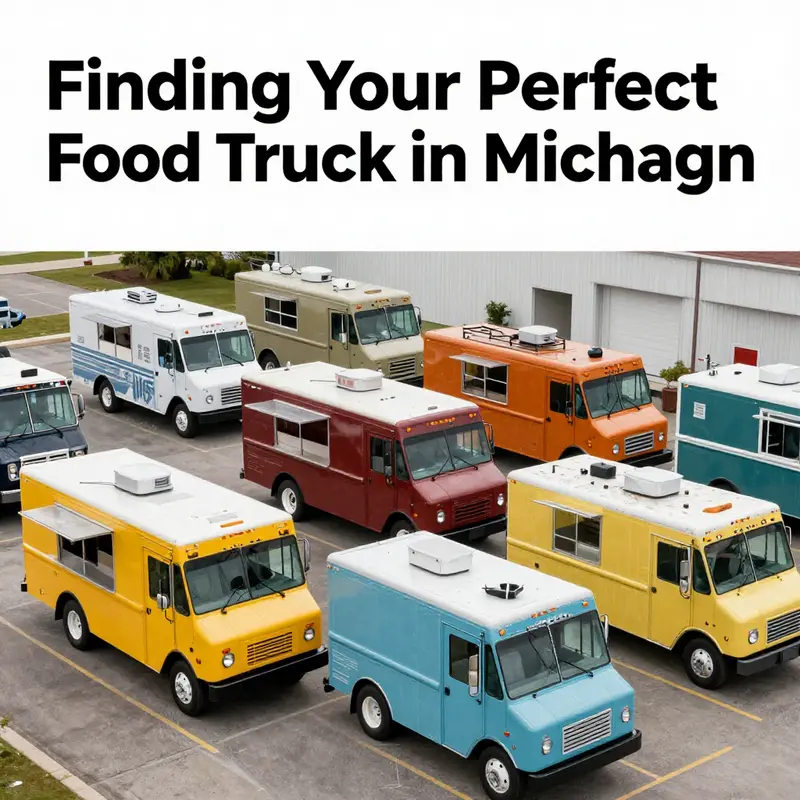
The Michigan food truck landscape blends practical access with creative possibility. For many would-be operators, the question isn’t only about what kind of cuisine they want to serve, but where the kitchen itself will come from. In a state with a growing appetite for mobile dining, buyers can choose from local dealerships that stock turnkey units to fully bespoke shops that can design and build a kitchen from the ground up. The path you choose depends as much on your ambitions as on your budget and timeline. The practical reality is that Michigan’s cities, from Grand Rapids to Detroit, host a modest but robust ecosystem of people who understand the complexities of a mobile kitchen. The industry is not a warehouse of off-the-shelf trailers; it’s a collaborative process that translates a chef’s vision into a street-ready, safety-compliant mobile workspace. And like any entrepreneurship, the journey from concept to curbside service benefits from a local focus. Working with Michigan-based dealers and builders means you’re negotiating with partners who grasp state and local health codes, permitting processes, and the realities of operating in real-world conditions—weather, traffic, and the rhythms of city licenses.
Before you pick a truck, you must decide how much customization you want. A turnkey, pre-built unit promises speed and a predictable price. A semi-custom configuration can yield a strong fit for your concept while preserving some cost controls. A fully customized build, by contrast, invites designers and engineers to co-create a layout that mirrors a precise operational flow, prioritizes your signature menu, and integrates branding from the outside in. Each route has benefits. Turnkey units are excellent for startups eager to shorten lead times. Semi-custom builds strike a balance between efficiency and specificity. Full-custom builds are best for operators who know they need a highly specialized kitchen, perhaps because they’ll push an innovative cooking technique or require unusual equipment. Michigan dealers and builders often sit along this spectrum, ready to help you chart a path that aligns with your business plan, your space, and your cash flow.
Within this framework, the decision to purchase locally carries its own advantages. Michigan-based dealerships typically offer showroom demonstrations, where you can see the equipment in action, ask questions about electrical demands, plumbing routes, and ventilation, and even test the walkways and work zones your crew will rely on during a busy service. The benefit extends beyond the physical unit. Local dealers can provide ongoing maintenance support, warranty administration, and post-sale customization should your concept evolve. When you’re building a business, you want partners who will answer the phone after the delivery, who can schedule a service visit during a slow season, and who understand how a limited-service day in January differs from a peak summer Friday.
In Michigan, the allure of local options is complemented by the depth of capability in nearby metro areas. A well-known Grand Rapids dealer, for instance, has cultivated a portfolio of modern, high-quality units capable of supporting fast-casual concepts like burgers, tacos, and smoothies. The emphasis in such showrooms is not just on the exterior gloss but on the interior logic of the kitchen: the arrangement of baking or griddle surfaces, the length and reach of the prep line, the location of cold storage, and how the exhaust system harmonizes with safety codes. These are not merely cosmetic decisions; they define workflow, speed of service, and the ergonomics that determine whether a single employee can manage peak-hour demand without fatigue. The interiors typically feature commercial-grade equipment, durable surfaces, and branding elements that can be tailored to a specific concept. This configuration is what gives a buyer confidence that the initial investment will yield reliable daily performance in the field.
On the other side of the spectrum, Detroit hosts a cluster of specialized shops that focus on custom builds from the ground up. These operations partner with chefs and business owners to craft fully functional mobile kitchens that reflect a unique culinary identity. Rather than simply plugging into a generic layout, the client collaborates with designers who understand kitchen work flows, equipment footprints, and the constraints of a mobile platform. The result is a kitchen where every inch is optimized for speed, safety, and consistency. Such partners can shepherd the project from concept sketches and 3D renderings through to fabrication, testing, and final commissioning. They consider ventilation, electrical and water supply, waste handling, and propane or other fuel systems in tandem with the appliance mix that will define the menu. This integrated approach heightens the likelihood that the finished unit will perform as a faithful extension of the brand, rather than a generic vehicle that merely carries equipment from point A to point B.
The paths to purchase also reflect a broad spectrum of price points and working realities. In the existing market, it is common to encounter listings for pre-owned or refurbished units that translate into surprisingly affordable entry points. A coffee truck with a square footprint might be accessible at a price around a few thousand dollars, a testament to durable construction meant to withstand constant use and the realities of a small business launch. For operators seeking more substantial capacity—think a pizza-focused concept with dedicated ovens or a larger service line—the price could climb into the range of several thousands, still a fraction of a brick-and-mortar restaurant but requiring careful consideration of operating costs and maintenance. These figures remind buyers that the process is not simply about the sticker price; it is about the total cost of ownership, including equipment maintenance, generator fuel, insurance, transport logistics, and the long-term reliability of the vehicle.
As buyers navigate the Michigan marketplace, they encounter a practical reality: the more complex the kitchen, the more critical it becomes to engage with a builder who can translate culinary intent into a viable mechanical plan. This is where the value of a local showroom or design studio becomes evident. An experienced dealer can map out a kitchen in terms of workflow zones, identify the appropriate ventilation strategy for the equipment, and ensure that the exhaust system meets health and fire codes while minimizing noise and energy consumption. A Detroit-based customization shop might push the boundaries of design—innovative storage solutions, ergonomically optimized prep corridors, and branding opportunities that extend to the exterior wrap and menu boards. In such collaborations, the process moves beyond simply selecting equipment to imagining a complete daily ritual: how a single cook moves from the cold storage to the grill, how a stack of trays will be carried along the service line, and how the customer experience unfolds from first glance to last bite.
For buyers who want to test the fit before committing, Michigan dealers often provide a range of demonstrator units or are willing to arrange virtual or on-site walkthroughs. You may be invited to observe a working kitchen in action, not as a spectator but as a participant who studies the rhythm, the strength, and the vulnerabilities of the layout. A unit’s success depends on more than the appliances; it hinges on the script the crew follows to plate, hydrate, and present the final dish. The sample kitchen should reveal how easy it is to clean the surfaces, how safely the grease trap handles waste, and how the electrical panel accommodates the simultaneous demands of refrigeration, hot equipment, and lighting. These are not cosmetic studies; they are the bones of daily operation. When you stand in the showroom or on the work floor during a test run, you begin to see whether the concept can endure weeks of service, then months, then years.
An important, sometimes overlooked consideration is the relationship between the supplier and the municipal or county regulatory environment. Michigan’s mobile food regulations require attention to a range of criteria—from water supply and waste management to fire suppression and ventilation compliance. Buyers should ask about documentation the builder will provide, such as equipment warranties, installation certifications, and compliance checklists. It is prudent to inquire who will perform the final commissioning and what kind of training or handover the builder offers. A reliable partner will walk through the unit’s systems with you, ensuring you understand how to operate, troubleshoot, and service the vehicle. They may also coordinate with licensed professionals for certain aspects of the installation, such as electrical work or plumbing connections, to avoid gaps that could delay opening. This is not merely a purchase; it is a long-term partnership that supports your business through early challenges and growth.
As you explore the Michigan landscape, you will encounter two broad kinds of relationships. The first is the showroom or dealership that maintains a selection of pre-built and semi-custom options. The second is the boutique builder that offers bespoke design and construction services. The former can offer speed and predictable configurations, while the latter offers a kitchen tailored to a distinctive concept and a brand that feels integrated from the chassis to the canopy. In practice, many buyers move through a combination of these relationships: they begin with a trusted local dealer to establish a baseline, then consult a Detroit-based kitchen designer to refine the layout, and finally decide whether to license a full custom-build or to move into a semi-custom arrangement that meets a set of fixed specifications. The key is to keep your operational needs front and center, framing every decision around how the kitchen will function during the busiest service periods and how it will scale as your brand and menu evolve.
To illustrate the texture of this market, consider the practical questions that a buyer should pose when engaging with a local dealer or builder. What is the typical lead time for a turnkey unit, and how does that timeline shift for a fully customized build? What are the transportation logistics and insurance costs, especially if the unit needs to be delivered across the state or to neighboring states for events? How does the dealer support the business after delivery—do they offer maintenance packages, routine inspections, or planned upgrades for equipment as trends shift? How flexible is the design if you later decide to expand the menu or rearrange the workflow to accommodate a new concept? These questions are essential for ensuring your initial confidence is matched by long-term reliability.
Beyond the mechanics of the unit itself, the social dimension of Michigan’s local dealers and builders deserves attention. The relationship between a buyer and a builder is often sustained by ongoing trust, clear communication, and an honest appraisal of what is feasible within a given budget. The showrooms you visit can be places of education as well as procurement, where staff explain not just how a unit is built, but why certain choices work well for Michigan weather, street layouts, and the city’s diverse customer base. You may learn how a particular skin finish or canopy style aligns with branding needs and how finished interiors can be kept consistent across seasonal changes. The best partners in this space are those who translate a vendor’s expertise into a language you can apply to your business plan, clarifying tradeoffs between cost, speed, and customization so you can make informed decisions without pressure.
One practical note that tends to surface in these conversations is the importance of a phased approach. If your concept is still in its infancy, you might begin with a robust, semi-custom setup that covers all essential cooking and service needs while leaving room to grow. With this approach, you can validate your concept, refine your menu, and test customer reception before investing in a fully bespoke kitchen. Conversely, if you have a proven track record, a builder with a full customization toolkit can deliver a kitchen that mirrors your brand identity and operational expectations with precision. The Michigan market supports both strategies because it recognizes that small ventures can become durable, multi-unit brands, and that growth often begins with a kitchen that works as hard as its owner.
As you close the loop on your choice, remember that local options are not merely about the unit’s exterior appeal. They are about the back room where the cooking happens, the prep line where efficiency meets safety, and the service window through which the dining experience is delivered. The road from showroom to street is paved with decisions that influence your ability to serve great food quickly, consistently, and safely. The right Michigan partner will help you translate a concept into a kitchen that feels inevitable—one that invites your crew to work confidently and your customers to linger for another bite. Whether you’re drawn to a ready-made footprint that minimizes setup time or you crave a wholly unique design that embodies your culinary voice, the local dealer and the Detroit-based builder network give you the latitude to pursue your vision without stepping outside practical constraints.
For readers seeking a quick practical doorway into understanding how model types align with different startup strategies, consider this complementary resource that summarizes how various designs fit startup concepts. It provides a quick reference for comparing layout footprints, equipment commitments, and the relative complexity of different configurations, all within the Michigan market context. best-food-truck-models-for-lakewood-startups.
In sum, Michigan’s local dealerships and custom builders offer a spectrum of options that can accommodate a wide range of budgets, timelines, and culinary ambitions. A measured, informed approach—one that respects both the art of kitchen design and the discipline of project management—will yield a mobile kitchen that not only meets health and safety standards but also supports a thriving, scalable business. The journey from showroom to street is as much about building relationships as it is about building a kitchen. And within Michigan’s ecosystem, those relationships are nurtured by proximity, shared knowledge of local regulations, and a community of professionals who understand that great food on the move begins with a kitchen that is designed to move with it.
External resource: For broader perspectives on design-build and ongoing industry practice, refer to this Detroit-based custom mobile kitchen builder. It offers insight into the full scope of a kitchen project, from concept through commissioning. custommobilekitchens.com
Counting the Costs, Securing the Route: A Practical Financial Roadmap for Buying a Michigan Food Truck
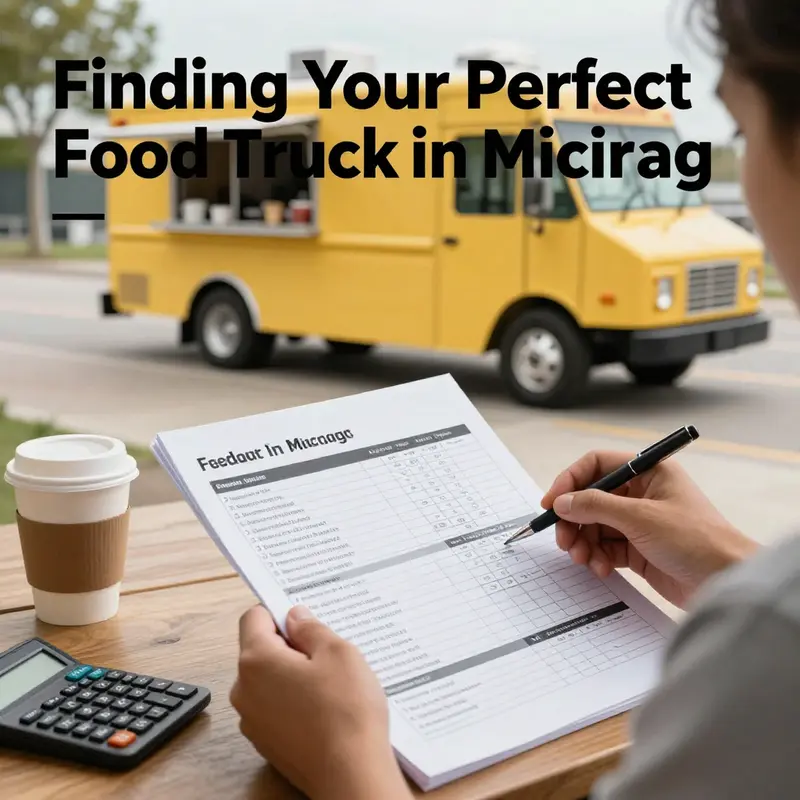
Buying a food truck in Michigan blends aspiration with accounting, ambition with audits, and menu dreams with money management. The chapter that follows treats the purchase not as a single price tag but as a carefully mapped financial journey. It starts with the sticker price, but it travels quickly through permits, insurance, ongoing operating expenses, and the financing paths that actually make ownership possible. In practice, this means thinking about how you will pay for the truck, how you will sustain it financially, and how the numbers line up with your plans for menus, events, and the hours you want to work. The search for a Michigan food truck happens across several channels. Some buyers begin by scanning online marketplaces and classified ads where listings range from older, no-frills coffee trucks to more polished pizza trailers. A seller’s page might advertise a fully equipped kitchen with a detailed specification sheet, but buyers must look beyond the glossy photos to understand condition, maintenance history, and the true remaining lifespan of critical components such as the generator, refrigeration, and electrical system. There is value in also visiting local dealerships that focus on commercial mobile kitchens. They can offer warranties, service networks, and, crucially, an appraisal of what it takes to bring a used shell up to current health and safety standards or to tailor a new unit to your specific menu. If you already have a concept in mind, there is merit in reaching out to manufacturers that operate in or near Michigan. A new build can yield a kitchen customized to your workflow, with a transparent pricing path and a publicized lead time, though the upfront cost will rise with the scope of customization. Either route—used marketplace finds or new-build partnerships—requires a disciplined approach to pricing, risk, and cash flow. For readers who want a practical snapshot of what equipment decisions imply for price and performance, exploring curated model options and their implications helps ground the budgeting process. See best food truck models for Lakewood startups to visualize how equipment choices translate into daily operations and long-term reliability, even as you tailor that example to Michigan conditions.
The starting point is straightforward but powerful: understand the full lifecycle cost of ownership. The sticker price is merely the first exposure to cash outlay. A mid-range, well-maintained used truck can be somewhere around $50,000, but as soon as you add a proper vent hood, commercial-grade kitchen appliances, insulation, an energy-efficient generator, and a robust electrical system, the price can climb rapidly. A fully customized, high-end unit designed for peak throughput and a specialized menu can exceed $200,000. Those numbers reflect not just the build quality but the scope of equipment—cold storage, oven footprints, multiple burners, steam capability, a reliable water system, and fire suppression—each of which carries both upfront and ongoing costs. When you envision your day-to-day operations, consider how your choice of equipment affects service speed, menu flexibility, waste management, and energy use. A faster, more efficient kitchen may command higher rents at events or busier locations, which can, in turn, support a larger payment plan but also require stronger cash reserves to cover slower winter periods.
Market realities in Michigan further shape the financial landscape. The commercial mobile market in Detroit, Grand Rapids, Ann Arbor, and comparable cities involves a patchwork of permit regimes. A baseline MDARD permit is typically required for mobile food facilities, but local health department approvals and business registrations add layers that vary by city. Permitting costs are not uniform, and the total can escalate if you plan to operate in high-traffic districts, at large events, or in zones with stricter safety standards. This is where the prudent buyer builds a cushion into the budget. The goal is to avoid a situation where a dream truck sits idle while waiting for approvals or where a last-minute compliance cost derails a project. The state’s regulatory framework is designed to protect public health and ensure consistent standards for food handling, which, in the long run, supports a more predictable operating environment for legitimate vendors.
Insurance sits at the intersection of protection and expense. A comprehensive package typically includes commercial auto insurance, which covers the truck as a mobile asset and its use on city streets, parking lots, and delivery routes. General liability coverage protects against third-party injuries and property damage, a standard in any public-facing business. Specialized kitchen equipment insurance guards the containers, appliances, and consumables that travel with the truck. Each policy is priced by coverage limits, deductibles, driving records, and the risk profile of your route. The more you rely on high-volume events, the more you may face premium adjustments tied to route density and location risk. The cost of insurance, like other fixed costs, should be treated as a proportional line item in your monthly budget rather than a one-off expense.
Operational costs unfold in real time as soon as you turn the key. Fuel is a necessary expense, but it’s not the only one that drives the monthly tally. Maintenance—tire replacements, brake work, engine tune-ups, and generator service—must be budgeted, preferably with a preventive plan that avoids expensive breakdowns during a busy event. Inventory and supplies form a major portion of ongoing costs. You need meat, produce, dairy, dry goods, and disposables, plus cleaning supplies and incidentals that keep your kitchen sanitary and compliant. Wages and payroll taxes crowd the labor line, especially if you hire experienced cooks or plan to staff for festival-heavy seasons. The choreography of service—how many team members you need at peak times, how you schedule shifts, and how you manage payroll around weekend events—directly shapes labor costs and, ultimately, profitability.
Beyond the basics, there are strategic investments to consider. Branding has a lasting value, influencing customer recall and repeat visits. Signage, wrap design, interior layout, and the overall aesthetic must align with your menu concept and target audience. Marketing activities—social media engagement, event partnerships, loyalty programs—represent a set of ongoing costs that may be modest to moderate but can scale with business growth. Digital ordering systems and POS software have become almost indispensable for many operators. They support faster service, upsell opportunities, and data collection, yet they bring monthly fees or per-transaction costs that accumulate over time. Incorporating these systems judiciously, and negotiating favorable terms, can be a differentiator, but they should be integrated into the financial plan from the outset so that they do not undercut cash flow during slow periods.
Financing sits at the core of turning a price tag into a practical plan. Traditional lenders—banks and credit unions—offer small business loans or equipment financing specifically tailored to mobile food ventures. The terms often reflect your cash flow projections, collateral, and credit history. The SBA plays a meaningful role for qualified buyers by providing loan programs that can align with the purchase of a food truck, especially when combined with a solid business plan and a credible revenue model. The process tends to require a comprehensive set of documents: personal and business financial statements, tax returns, a detailed operating plan, and a schedule of anticipated receipts that demonstrates debt service capacity. Local markets add nuance. Michigan lenders may weigh the regional event calendar, the propensity for outdoor service, and the regulatory costs you will incur. A prudent buyer engages with a financial advisor or an SBA representative who understands the local landscape and can translate a concept into a funding package that meets both the lender’s requirements and your business needs.
Putting all these strands together, the practical question becomes: where should you buy the truck in Michigan, given the budget you have and the growth you want? The spectrum runs from online marketplaces and classified ads to dealer lots and direct deals with manufacturers. Listings in Michigan can reveal fully equipped units with extensive specifications and transparent pricing, letting you compare kitchen layouts, power needs, and vehicle condition at a glance. Yet the same listings demand close scrutiny. A price that seems favorable can hide hidden costs—unresolved mechanical issues, outdated electrical panels, or difficult-to-access parts—that inflate the total investment once you take possession. It is advisable to request service records, verify the title, and confirm whether major components have been inspected recently. If you are aiming for a smoother process with ongoing support, a dealership or a dedicated mobile-kitchen dealer can offer warranties and service networks that protect you after the sale.
For buyers seeking certainty and a clear path to customization, approaching nearby manufacturers offers a different type of clarity. A new-build project comes with a defined design process, engineering documentation, and a transparent pricing structure. The lead time for construction and delivery becomes another line item in your planning, particularly if you need to align the truck’s arrival with festival calendars, market openings, or a specific launch date. Regardless of the route you choose, the financial equation remains: the more you tailor the truck to your exact menu and workflow, the higher the upfront price, but the potentially stronger long-term performance and reliability. If you want to speed up your research and get a sense of how equipment decisions map to cost and performance, exploring model options and their budget implications can be instructive. For Michigan buyers, this is especially relevant because the same choice between a compact, efficient layout and a larger, multi-station kitchen can dictate not just the price but the space you will need at events, the level of food safety controls required, and the speed with which you can turn a profit on a given route.
To make this tangible, consider a practical, phased approach to purchasing. A common strategy is to start with a solid, mid-range used truck and then plan a staged upgrade path. The initial unit should meet essential health and safety standards, with room to upgrade specific components as revenue grows. You might decide to replace or augment one or two appliance modules in the first year rather than overhauling the entire kitchen. This approach helps manage cash flow and reduces the risk of overinvesting before you have stable earnings. In parallel, invest in core safety systems—ventilation, fire suppression, and electrical grounding—to ensure compliance and protect your staff. A phased plan also makes room for branding and marketing investments that align with launches and seasonal opportunities, rather than front-loading all branding costs before you begin serving customers.
Budgeting for a Michigan food truck, then, is a balancing act between upfront capital and the operating cushion needed to sustain early growth. The “right” budget blends a conservative forecast for slow months with realistic expectations for peak seasons, festival circuits, and private events. A disciplined forecast should account for the variability inherent in mobile operations: weather can shorten or extend peak periods; event calendars can shift; supplier prices can fluctuate. A robust contingency helps. Many operators reserve a 5% to 15% contingency of monthly operating costs to cover unexpected repairs, price spikes, or last-minute event opportunities. The exact figure depends on your risk tolerance and your ability to access capital quickly if a setback arises. When you finalize the numbers, document them in a practical, readable format—one that you can present to lenders or investors with confidence—and ensure your projections reflect the realities of Michigan’s regulatory environment and event ecosystem.
For readers who want a structured path to licensing and permits, and who also want to understand how those costs feed into the purchase decision, a visit to the Michigan Department of Agriculture and Rural Development can provide authoritative guidance. The MDARD portal outlines the core licensing requirements for mobile food facilities and points to the responsible local health departments and city clerks who implement the permits in Detroit, Grand Rapids, Ann Arbor, and other communities. This resource helps you map out the timing of approvals, estimate potential fees, and avoid last-minute delays that could disrupt a planned launch. By integrating regulatory planning with a detailed financial plan, you create a route that keeps you compliant while preserving cash flow for growth and resilience.
In sum, buying a Michigan food truck is a careful blend of price awareness, risk management, and strategic decision-making. The path you choose—whether a near-turnkey new build or a well-vetted used unit—should align with your menu concept, your route strategy, and your ability to manage the ongoing costs that characterize successful mobile food service. The chapter above sketches the financial contours, but the real work happens in the detail: in the due diligence on a specific unit, in negotiating the best possible financing terms, and in planning for licensing and insurance without surrendering the budget to uncertainty. If you want a practical reference point for how equipment choices intersect with price and performance, consider models that illustrate efficient layouts and reliable performance, which can provide a useful benchmark as you tailor your truck to Michigan conditions. For licensing specifics, consult the MDARD portal and local health authorities as you build your plan and approach the search process with clarity and confidence. If you’re curious to see concrete examples of how model choices translate into budget outcomes, you can explore additional resources and sample scenarios that illustrate the relationship between upfront costs, ongoing expenses, and profitability.
External resource: For detailed licensing information and current regulatory requirements, visit the official Michigan Department of Agriculture and Rural Development page at https://www.michigan.gov/mdard/0,4629,17-138-71157122–_,00.html.
Final thoughts
Navigating the process of buying a food truck in Michigan can seem daunting, but with the right knowledge and resources, it becomes an exciting journey of culinary entrepreneurship. From discovering online platforms to engaging with local dealerships and understanding the financial implications, each step leads you closer to that dream kitchen on wheels. Whether you seek to connect with the community through delicious food or simply explore Lakewood’s diverse offerings, having the right food truck opens up endless possibilities. Remember, this journey is about sharing your passion with others; here’s to a flavorful adventure ahead!