
Aspiring food truck operators in Lakewood, understanding your food cost percentage is vital for your success. This number, ideally between 28% and 35% of total sales revenue, is crucial for profitability. In a city rich with food lovers and curious tourists, how well you manage this percentage can determine your business’s longevity. Each chapter will delve deeper into the subject, exploring foundational concepts, influences like menu design and ingredient sourcing, practical calculations, best practices to keep costs in check, and insights into industry benchmarks. Let’s embark on this culinary journey together!
Balancing Edge and Efficiency: Navigating the Ideal Food Cost Percentage for Mobile Kitchens
In a mobile kitchen, every dollar spent on ingredients is a signal about the business’s health. The food cost percentage is not merely a metric to hit; it is a compass that guides menu design, purchasing, and day-to-day operations. For most food trucks, the target lies in a practical corridor of roughly 28% to 35% of total sales. This range acknowledges the realities of mobile dining—fluctuating ingredient prices, cramped storage, and lean staffing—while still anchoring profitability. When you keep costs within this band, you create a buffer that protects margins against sudden price swings and supply disruptions, yet you stay flexible enough to compete on value and quality with a diverse customer base.
Understanding why this range matters begins with recognizing the distinct pressures a food truck faces. On a given week, you may encounter price bumps for fresh produce, a shortage of a favored protein, or a heat wave that spikes spoilage if inventory sits too long. Storage is finite, which means you cannot chase bulk discounts at the expense of waste. Labor costs, though typically lower than in a fixed-location restaurant, are still a meaningful fraction of the operating budget because you rely on a small, efficient crew to prep, cook, and serve across longer hours and multiple locations. The 28–35% band is neither a ceiling nor a floor alone; it is a flexible target that accommodates variation while insisting on discipline in purchasing, portioning, and waste control.
Several intertwined factors push a food truck’s cost in and out of this band. Menu design is a foundational lever: simpler, high-margin items—think staple combinations with consistent prep—tend to lock in lower food costs. When the menu becomes more complex or features premium ingredients, costs rise, and pricing must adjust, or portions must shrink. Ingredient sourcing is another critical lever. Local suppliers and bulk purchasing can cut unit costs, but you must balance this with reliability and quality. Portion control is the third pillar; precise scales, standardized recipes, and disciplined plating prevent the last gram from tipping the scale toward waste. Seasonal pricing deserves particular attention; the same tomatoes you relied on in June may be scarce or pricey in December, necessitating recipe tweaks or alternate produce choices.
Waste management cannot be an afterthought. A cold chain breach, prep overage, or miscalibrated cook times can quietly erode margins. Keeping a tight handle on spoilage, trackable in weekly reports, allows you to intervene before losses compound. In the real world, the ideal percentage is rarely a fixed line but a dynamic target that responds to market conditions while staying anchored to the business’s profitability goals.
To translate this into daily practice, many operators lean on the fundamental formula:
(Cost of Food Used ÷ Total Sales Revenue) × 100 = Food Cost Percentage.
A quick illustration makes the concept concrete. Suppose your weekly food cost totals $1,500 and your sales reach $5,000. The calculation yields a food cost percentage of 30%. That sits comfortably within the healthy range and signals sound control over ingredients and pricing. If, week after week, the percentage creeps toward 35% or higher, it’s a cue to dive deeper: Are ingredients being wasted due to over-prepping? Are you carrying expensive specialty items with slow turnover? Or do you need to recalibrate prices on certain high-cost dishes to protect margins? Conversely, a consistently sub-28% result can indicate underpricing or excessive waste in portioning, both of which risk eroding customer value and long-term sustainability.
Efficient operations underpin the ability to hold the line on costs. Inventory tracking is more than a checkbox; it is a living system that reveals usage patterns, reveals spoilage rates, and surfaces opportunities to adjust. In practice, a weekly audit of what was purchased, what was used, and what spoiled helps reveal the hidden culprits behind a rising food cost. Spoilage monitoring, in particular, is a discipline that pays back quickly: if you identify produce that consistently spoils before it can be used, you can adjust ordering quantities or switch to items with longer shelf life or higher turnover. The goal is to convert variability into predictability, even when the supply landscape itself is volatile.
Portion adjustments often walk hand in hand with supplier relationships. A stable, dependable supply chain with reliable quality can unlock pricing advantages that translate directly into the bottom line. This fidelity is particularly important for trucks operating in areas with variable seasonal yields or limited market access. Building strong partnerships with local sellers not only improves price stability but also elevates freshness and consistency, which in turn sustains customer satisfaction and repeat business. When prices shift or shortages appear, you may need to revise recipes or find acceptable substitutes that preserve taste and portion integrity.
A practical, ongoing practice is to monitor food cost weekly with simple tools—spreadsheets or a basic POS system that tracks inventory and sales. The objective is not to chase a perfect number every week but to notice trends early and respond with disciplined adjustments. If one dish consistently drives up the overall cost, consider revising the recipe, sourcing a cheaper ingredient, or re-pricing that item to maintain its appeal while protecting margins. These decisions should be data-informed but also aligned with the brand and the value proposition you offer customers.
As you fine-tune the economics, the physical design and workflow of the truck play a role in cost control as well. Equipment layout, cooling capacity, and even the speed of service influence waste and spoilage. For operators curious about how design and equipment choices affect efficiency, exploring resources on truck models and configurations can be insightful. For example, Best food truck models for Lakewood startups offers perspectives on how different setups support streamlined prep, better inventory management, and reliable service—factors that indirectly influence food cost by reducing waste and improving consistency. You can learn more here: Best food truck models for Lakewood startups.
The continuous challenge is to keep the balance between value for customers and margin for the business. Pricing decisions can be as important as procurement or prep. If costs are creeping upward beyond the 35% ceiling, it’s prudent to reevaluate the menu mix: are there items with weak demand that carry high costs? Could you introduce lower-cost but still compelling alternatives? On the other hand, if the cost sits well below 28%, you still need to ensure that prices sufficiently reflect the value delivered and the overheads of mobile service, from fuel and travel time to maintenance and insurance.
In practice, the path to maintaining profitability through the 28–35% target is iterative and data-informed, not a one-time optimization. It requires regular review of the menu’s profitability on a dish-by-dish basis, ongoing supplier conversations about price and quality, and a commitment to waste reduction through precise portioning and smart forecasting. Seasonal menus may help by rotating items that leverage cheaper, in-season ingredients while preserving the core offerings that define the truck’s identity. Transparent communication with customers about value, freshness, and portion size can reinforce trust as you adjust prices in response to cost shifts.
For readers seeking broader benchmarks beyond the chapter’s scope, industry reports provide macro-level context that can guide strategic decisions. For instance, national benchmarks and trend analyses offer a view into how costs are shifting across markets and how peers respond. See the National Restaurant Association’s 2026 Food Cost Trends Report for a comprehensive reference: https://www.restaurant.org/research/industry-trends/food-cost-trends-2026.
Keeping Food Cost in the 28–35% Sweet Spot: Practical Levers for Food Truck Profitability
A food truck’s food cost percentage is more than a number. It signals whether the business can sustain itself, scale, and survive slower days. For most trucks, the ideal range sits between 28% and 35% of sales. Hitting the lower end requires volume, tight controls, and smart sourcing. Staying under the upper threshold means managing complexity, especially for niche menus and premium ingredients. This chapter walks through the levers an owner can use to keep food cost in that band, with actionable choices that connect sourcing, menu design, operations, and location into one deliberate strategy.
Start with the raw material: ingredients. Prices for proteins, dairy, and produce shift with seasons, weather, and supply chains. Buying local can deliver fresher items and a marketing advantage, yet local suppliers may charge more per unit because they lack scale. Buying in bulk from large distributors reduces unit cost but raises the stakes for storage and inventory turnover. The choice between local and bulk is not binary. Use a hybrid approach: lock in staples through bulk purchasing, and source a select few fresh or signature items locally to preserve flavor and brand value. Negotiate short-term contracts with suppliers where possible, and build relationships so you can call for adjustments when prices climb.
Menu design is the second major lever. A well-engineered menu spreads expensive ingredients across multiple dishes, increases utilization, and reduces waste. Cross-utilization means a premium protein appears in a bowl, a sandwich, and a salad, rather than being locked into a single, slow-moving item. Portion control plays an equal role. Train staff to use scales or calibrated scoops and maintain clear recipe cards for each dish. When recipes are documented and followed, the food cost becomes predictable. Promote higher-margin items strategically to influence purchase patterns. Small changes in selling mix can nudge the overall food cost downward without changing supplier prices.
Operational efficiency converts good intentions into dollars saved. Food waste is often the silent profit killer in a mobile kitchen. Preventable waste comes from over-prep, poor storage, and inconsistent portioning. Implement simple inventory routines: daily checks for highly perishable goods and a weekly full count for longer shelf life items. Use first-in, first-out rotation to prevent older stock from sitting unseen. Even without specialized software, a basic spreadsheet that tracks deliveries, usage, and spoilage can highlight issues. Train your crew to note trim and prep waste so those counts feed back into ordering decisions. Over time, a few small tweaks to prep volumes and storage practices reduce shrink and trim costs noticeably.
Location and foot traffic change the arithmetic of food cost. High-traffic sites increase sales and dilute fixed ingredient costs across more dollars. This effect makes it easier to reach that 28–30% sweet spot. But premium spots may require permits, fees, or time-limited access that raise overhead. Conversely, quieter neighborhoods may lower permit costs but restrict volume, pushing food cost higher as sales fall. A practical solution is flexibility: identify a mix of high-traffic lunch zones and predictable evening or weekend events. Track sales per location and compare them against daily food usage. Over time, you’ll know which spots reliably improve the food-cost-to-sales ratio and which do not.
Seasonality affects both supply and demand. Menus that flex with the seasons reduce the need to stock expensive, out-of-season produce. Offer more root-vegetable and slow-cooked specials in colder months, and lighter, high-margin bowls during warmer periods. This alignment does two things: it keeps ingredient costs reasonable and matches dishes to customer desire, reducing leftovers. When demand dips unexpectedly, pulling back on complex offerings that require many expensive ingredients preserves margin.
Staffing and training are operational anchors that tie everything together. A well-trained crew portions correctly, stores ingredients properly, and communicates shortages before they become problems. Staff that understand food cost can make smarter on-the-fly choices during service. For example, swapping a lower-cost side for an expensive garnish during a rush can save dollars without changing perceived value. Invest in concise training focused on three things: consistent portioning, rapid but accurate prep, and clear inventory reporting. The time spent training returns immediately in lower waste and fewer recipe deviations.
Measure relentlessly. Use the food cost percentage formula as a weekly habit: (Cost of Food Used ÷ Total Sales) × 100. Weekly tracking exposes trends before they become crises. If food cost drifts above 35% for more than two weeks, act: renegotiate, adjust the menu mix, tighten portions, or re-evaluate locations. Keep a simple variance log that notes why costs rose or fell. Was it a spike in beef prices? A one-off event that pushed volume? Precise notes help you make better decisions and justify price changes to customers when needed.
Finally, equip the truck for success. Layout and storage capacity shape what you can buy and how long it lasts. A truck fitted with adequate cold storage and shelving reduces spoilage and enables smarter bulk buying. If you are in early planning stages, consider vehicle choices that match your intended menu and storage needs. For practical guidance on selecting suitable vehicles, review resources focused on truck fit and startup considerations, such as this overview of the best food truck models for Lakewood startups.
Balancing all these levers is a continual task. Food trucks face tight margins, shifting ingredient markets, and unpredictable foot traffic. But with disciplined sourcing, thoughtful menu engineering, strong operational habits, and regular measurement, reaching and maintaining a food cost between 28% and 35% is realistic. Adapt strategies to the truck’s concept: high-volume, simpler menus will aim for the low 20s to low 30s, while gourmet or niche operations accept higher percentages and manage them through pricing and portioning. For up-to-date market context and benchmarks, consult authoritative industry reports that track food cost trends and commodity prices. See the National Restaurant Association’s 2026 Food Cost Trends Report for current benchmarks and analysis: https://www.restaurant.org/research/industry-trends/food-cost-trends-2026
Riding the Numbers: Food Cost Percentage Formulas and Real-World Tactics for Food Trucks
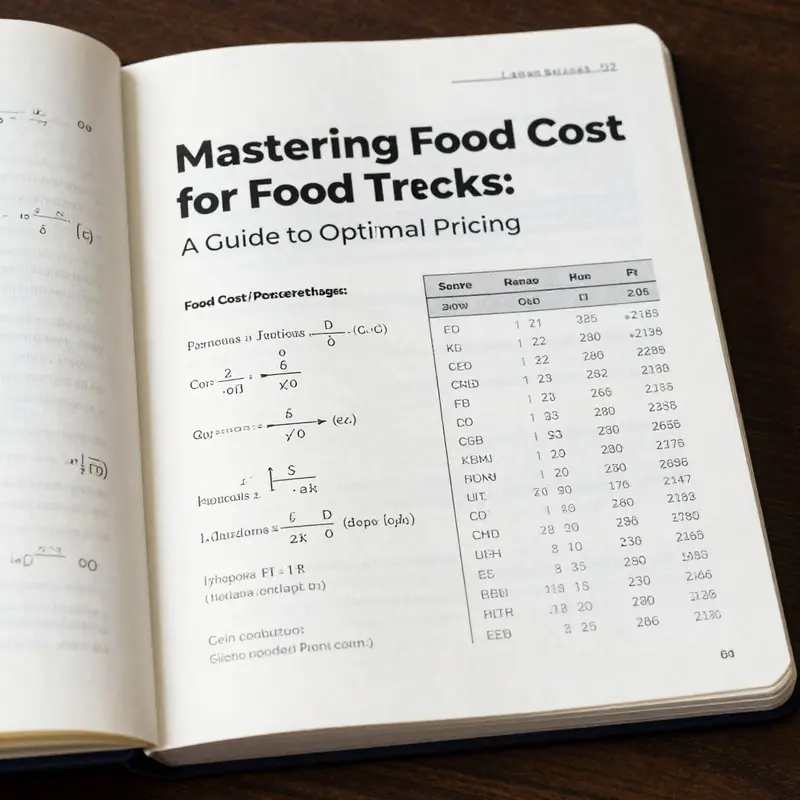
Numbers rarely look as friendly as a perfectly plated dish, but in a food truck business they are the true spice that keeps the operation sustainable. The food cost percentage is the bridge between what you sell and what you spend to produce it. It is the metric that quietly tells you whether a taco, a burger, or a bowl of noodles is contributing to profits or eroding them. Think of it as a single purpose: a single percentage that reflects the cost of the ingredients used to create a dish against the price at which you sell it. For anyone who wants to run a truck that survives market swings, seasonality, and rising supplier costs, this percentage is not just a number on a worksheet. It is a compass that guides pricing, portioning, supplier negotiations, and even menu design.
The core formula is simple enough: Food Cost Percentage = (Cost of Ingredients / Selling Price) × 100. If a taco costs $1.50 in ingredients and you sell it for $5.00, the math is (1.50 / 5.00) × 100 = 30%. That 30% sits in one line on your financials, but its implications ripple through every decision you make that week. In practice, calculating this metric for a single item is only part of the job. A food truck serves many items, and the true indicator of profitability sits in the aggregate: the total cost of all ingredients used across the menu divided by total sales revenue. To do this well, you build a recipe cost sheet for each dish. The sheet should capture not only the main ingredients but also the condiments, the disposable packaging, and even small prep consumables such as oil or gas used during cooking, because these “hidden” inputs accumulate. When the day ends, you sum the ingredients used for every dish, tally the total sales, and compute the overall food cost percentage for that period. The arithmetic is straightforward, but the discipline behind it matters more: accuracy in recipe costing, consistent portioning, and honest tracking of waste.
A practical week on a busy street corner often reveals that the target range of 28% to 35% is both ambitious and realistic. The lower end, 28–30%, is achievable in a high-volume operation with streamlined recipes, bulk purchasing, and disciplined waste control. The upper end, 34–35%, tends to show up in niche or specialty trucks—think gourmet, organic, or complex dishes where ingredient costs spike and portion control is more challenging. The range is not a rule carved in stone but a practical band that reflects how markets, menus, and execution converge. When a truck sits near 30% consistently, it signals effective control: tight inventory, solid supplier terms, and precise kitchen discipline. When it drifts toward 35% or higher, it invites a diagnostic: Are you over-portioning, over-stocking, or paying too much for ingredients? Are there systemic waste points in prep or service? The questions are as important as the numbers themselves.
To optimize toward the lower end of the healthy range, operators lean into several complementary strategies. Menu design becomes a powerful lever. Simple, high-margin items such as staple formats—think well-executed street-smart classics—tend to keep food costs lean. Conversely, when a truck embraces a highly complex, feature-driven menu, the costs rise, sometimes without a commensurate price increase in the eyes of the customer. The lesson is not to abandon variety but to engineer it: introduce a few standout items with strong margins, and group the rest into well-priced, repeatable formats. Ingredient sourcing plays a central role as well. Buying in bulk where feasible, negotiating multi-week terms, and developing relationships with local suppliers can lower the per-unit cost of many components. Seasonal pricing also matters: some vegetables are cheaper in their peak season; others spike unpredictably. Having a plan to substitute or rotate ingredients without sacrificing the core flavor profile keeps the cost curve manageable.
Portion control is perhaps the most visible and misunderstood headwind to a healthy food cost percentage. Small, consistent deviations multiply across dozens or hundreds of servings. A common rule of thumb is to standardize scoops, weigh ingredients during prep, and train staff to follow precise recipes every time. This discipline reduces waste and keeps the cost of food used in line with what the menu promises. It also supports fair pricing. When portions are consistent, the price you set for a dish reflects what customers expect to receive, and it becomes easier to maintain margins even as the cost of inputs shifts.
Seasonality and waste management deserve a chapter of their own, because they are where the best operators gain a durable edge. Fresh produce moves in predictable cycles, and prices respond to weather, harvests, and transport costs. A well-timed menu tweak that swaps out a seasonal item for a cost-equivalent substitute can save money without sacrificing perceived value. Waste is where the numbers hit the real world: spoiled produce, prep scrap, overcooked edges, and mispicked cordials of flavor all add unseen cost. The remedy is not just better forecasting but a culture of waste awareness. Track spoilage, identify the largest waste drivers, and adjust either the procurement plan or the prep method. When waste falls, a chunk of cost moves out of the equation, nudging the overall food cost percentage downward.
In practice, technology aids the discipline without removing the craft. A basic recipe costing sheet for every dish, reviewed weekly, keeps you honest about how much of each ingredient actually ends up in a plate. A simple spreadsheet can work, or a light inventory module within a point-of-sale system can automate parts of the process. The key is to connect the data: inventory usage feeds cost of goods sold, which feeds the daily and weekly food cost percentage, which in turn informs pricing, supplier negotiations, and menu decisions. As with any kitchen operation, real-time awareness matters. If you see costs creeping above 35% for consecutive days, you should react quickly. Revisit portion sizes, adjust recipes, or renegotiate supplier terms. Small, timely adjustments prevent erosion of profit margins over weeks and months.
This chapter also invites a broader sense of the truck business as a system, where the cost of ingredients interweaves with packaging, energy use, and labor efficiency. Even relatively modest shifts—switching to a more efficient cooking method, reducing the amount of oil used per batch, or choosing a packaging option that is cost-effective but still aligns with customer expectations—can tilt the food cost percentage over time. The takeaway is that the percentage is not a single statistic to chase; it is a lens through which to view your entire operation. It should be revisited when a new menu item is introduced, when supplier terms change, or when a new location demands different ingredient choices due to climate or competition.
For truck operators who want to explore how others structure their fleets and equipment to support cost management, a practical resource is the collection of insights on modern food truck models. You can explore options and configurations that suit a budget and a menu by checking the best food truck models for Lakewood startups. This kind of diligence helps ensure that the backbone of the business—its vehicle, equipment, and workflow—supports consistent portioning, reliable ingredient storage, and efficient prep routines, all of which contribute to a steady food cost percentage over time. best food truck models for Lakewood startups.
Ultimately, the aim is balance. A healthy food cost percentage is the anchor, not a ceiling. Keep the percentage in the 28–35% corridor through careful menu design, disciplined portioning, thoughtful sourcing, and proactive waste management. Use simple tools to monitor weekly figures, and stay ready to adjust recipes, prices, or suppliers as market conditions shift. When you can tell a story with your numbers—that the revenue from each plate reliably covers ingredients, utilities, and a share of overhead while still leaving room for growth—you are positioned not only to survive but to scale. For industry benchmarks and deeper context, consider contemporary resources from the National Restaurant Association that track how cost trends are evolving in diverse markets across the country. Their 2026 Food Cost Trends report offers a broader view of where the market stands today and where it might be headed next.
Balancing the Ledger on Wheels: A Cohesive Approach to Maintaining Food Cost Percentage for Food Trucks
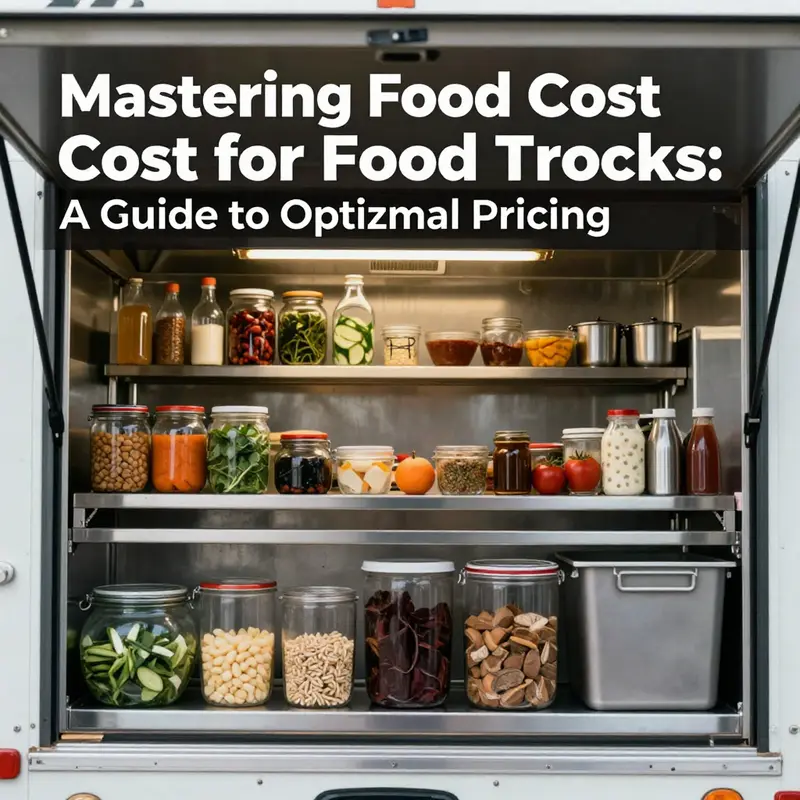
A food truck is more than a kitchen on wheels; it is a rolling financial dashboard. The food cost percentage—the share of sales eaten by the cost of ingredients—acts as a compass for the business, guiding pricing, sourcing, and waste decisions. In most operations, a healthy range sits between 28% and 35% of total sales. Push below 28%, and you risk underestimating waste and turnover; hover around 35% or higher, and margins compress, leaving less room to weather price shocks or equipment maintenance. The math behind this range is simple on paper, yet dynamic in practice: (Cost of Food Used ÷ Total Sales Revenue) × 100 equals your food cost percentage. A weekly example helps ground this idea. If you spend $1,500 on food and bring in $5,000 in sales, the percentage is 30%. It is within the sweet spot, but not a guarantee of profitability—only a scaffold upon which profit, cash flow, and growth are built.
To truly sustain a healthy food cost percentage, operators must see the number as the outcome of a daily system rather than a monthly target. Several levers influence this outcome: menu design, ingredient sourcing, portion control, seasonal price shifts, and waste management. Each lever interacts with the others in real time as you respond to a busy lunch rush or a slower, unpredictable weekend. The menu itself is not just a catalog of dishes but a blueprint for cost discipline. Simple, high-margin items—think staple fits like quick, crowd-pleasing formats—toster the front end of the cost equation. More complex, feature-driven items invite higher ingredient costs and greater variation, nudging the percentage upward if not carefully managed. In practice, the most durable profitability comes from a menu engineered to maximize cross-utilization of ingredients, limit waste, and allow flexible pricing when markets shift.
A robust sourcing strategy compounds these effects. Bulk purchasing for shelf-stable items can lower unit costs, but only if storage and turnover are aligned. Local suppliers often reduce transportation costs and support freshness, yet they may yield higher unit prices for some items. The key is a balanced sourcing plan that prioritizes reliability and consistent quality over the lure of the lowest price on every line item. In the day-to-day, this translates into clear supplier relationships, transparent lead times, and predictable deliveries that minimize last-minute substitutions, which can otherwise force more expensive substitutes and push up the food cost percentage.
Portion control is the most visible practice on the line. When kitchen staff scoop, weigh, or portion with care, the same dish every time translates into a predictable cost per item. This is not a one-time fix but a cultural habit—every handoff, every garnish, and every miscalibrated scoop becomes data, not mere error. The standardization of recipes—precise ingredients, exact weights, and defined yields—turns variability into a controllable metric, enabling more accurate forecasting and pricing decisions. For a mobile operation, where space is tight and speed is essential, standardized recipes also reduce guesswork and waste, which directly affects the bottom line.
Seasonal pricing introduces a seasonal rhythm to the financials. Fresh produce, dairy, and proteins swing with harvests, weather, and market demand. A savvy operator embeds these shifts into planning cycles, adjusting menus and prices before costs surge. This requires a pulse on inventory: what is likely to rise in price next month, what can be substituted without sacrificing quality, and what can be prepped in larger batches when possible to spread cost over more sales. A well-run cycle also incorporates a waste ledger—tracking spoilage, trimming prep waste, and identifying patterns that point to overproduction or over-ordering. The effect is a tighter funnel from procurement to plate, where waste reduction and cost predictability reinforce each other.
Best practices arise when these elements become a daily habit rather than a quarterly checklist. A practical routine starts with accurate recipe standardization. The recipes should specify every measurement, every yield, and every step to ensure consistency across shifts and cooks. Paired with a simple yet disciplined inventory system, the operation can detect discrepancies early. Weekly counts, even if they take a little time, reveal shrinkage, theft, or miscounting that might otherwise compound into a larger cost problem. The insight from these counts feeds forecasting and informs ordering—an essential loop in the cost-control cycle.
Strategic supplier sourcing sits at the intersection of price, quality, and reliability. Building strong relationships with a core group of dependable suppliers can yield favorable terms and stable price points. When storage allows, bulk purchases for non-perishables can lower unit costs, but the math must account for turnover to avoid waste. Local sourcing can trim transport costs and improve freshness, yet it should be weighed against potential price volatility and consistency. The overarching aim is a sourcing plan that supports consistent portioning and predictable menus. This is not about chasing the cheapest ingredient but about securing reliable quality at a reasonable price and aligning procurement with sales velocity.
Menu engineering becomes the strategic lens through which all practical actions are measured. Each dish should be analyzed for its food cost percentage, and the menu should be structured to promote high-margin items while using core ingredients across multiple dishes to reduce waste and simplify sourcing. A lean menu can do more with less by leveraging shared components, keeping prep steps tight, and enabling faster service. The pricing of dishes should reflect both the cost realities and the customer value, with flexibility to adjust as costs drift while preserving perceived fairness and menu integrity. This is where data, even if simple, informs decisions. A dish that uses a unique, expensive ingredient may contribute fewer sales but a higher cost; in a well-engineered menu, that ingredient might only appear in a few items, allowing price adjustments or substitution without blowing up the overall cost structure.
Regular cost analysis anchors all these moves. Rather than waiting for quarterly reviews, the operator should monitor food cost percentages on a monthly cadence at minimum and, if possible, weekly during peak seasons or when prices swing. The goal is to compare actual costs against the budgeted targets, spot trends early, and take corrective action before profits erode. This could mean revising recipes, adjusting portions, tweaking prices, or refining sourcing strategies. When actual costs drift above 35% for a sustained period, it signals an actionable shortfall that requires prompt intervention. The intervention may be a combination of menu tweaks, renegotiated supplier terms, and tightened waste controls—an integrated response rather than isolated fixes.
Equally essential is staff training and accountability. The kitchen crew, from prep to service, should understand how each action affects cost. Training on proper handling, sanitation, and efficient use of ingredients reduces waste and protects quality. Encouraging staff to report equipment malfunctions or spoilage early creates a feedback loop that keeps the cost line from widening. In a mobile operation, where equipment reliability and on-site storage can influence waste, this culture becomes a practical shield against cost overruns. A connected team, aware of the cost implications of everyday decisions, is the backbone of a sustainable food truck operation.
Finally, waste monitoring should be as routine as the daily rush. A simple waste log, filled consistently, reveals patterns—ingredients that consistently go unused, over-prepped portions, or spoilage tied to specific days or events. With that data, orders can be adjusted, menus refined, and the mix of items offered rebalanced to protect margins. The aim is not perfection but consistency. Small, disciplined adjustments accumulate into meaningful financial health, enabling you to keep the wheels turning without sacrificing service quality.
For food truck operators, the cadence of these best practices matters. They create a resilient system that aligns cost, value, and customer experience. The efficiency of a truck is not only about the engine or the exhaust system; it is about how tightly the crew can translate recipes into plates while keeping a close eye on the cost every day. That daily discipline—recipe standards, inventory discipline, strategic sourcing, menu engineering, regular cost analysis, staff accountability, and waste monitoring—transforms cost control from a theoretical target into a living, revenue-supporting discipline. It also invites a broader conversation about equipment choices and operational design, such as selecting a lean truck model that supports quick service and efficient workflow, which you can explore in the linked overview of Best food-truck models for Lakewood startups. Best food-truck models for Lakewood startups.
As the day closes and the last customer leaves, the numbers tell a story of discipline and adaptation. A healthy food cost percentage is not a ceiling but a floor—a baseline that, when maintained, supports price competitiveness, steady margins, and liquidity to reinvest in the business. The road to that steadiness winds through every dish prepared, every supplier interaction, and every ounce of waste diverted from the bin. In this sense, the food truck becomes not just a mobile kitchen, but a nimble, continual optimization engine that preserves value for both operator and customer.
For readers seeking broader benchmarks and industry insights, refer to the National Restaurant Association’s comprehensive 2026 Food Cost Trends Report. It consolidates market conditions, pricing pressures, and profitability benchmarks that can refine your internal targets and forecasting models: https://www.restaurant.org/research/industry-trends/food-cost-trends-2026
Between Sizzle and Cents: Navigating Food Cost Benchmarks in the Expanding Food Truck Market
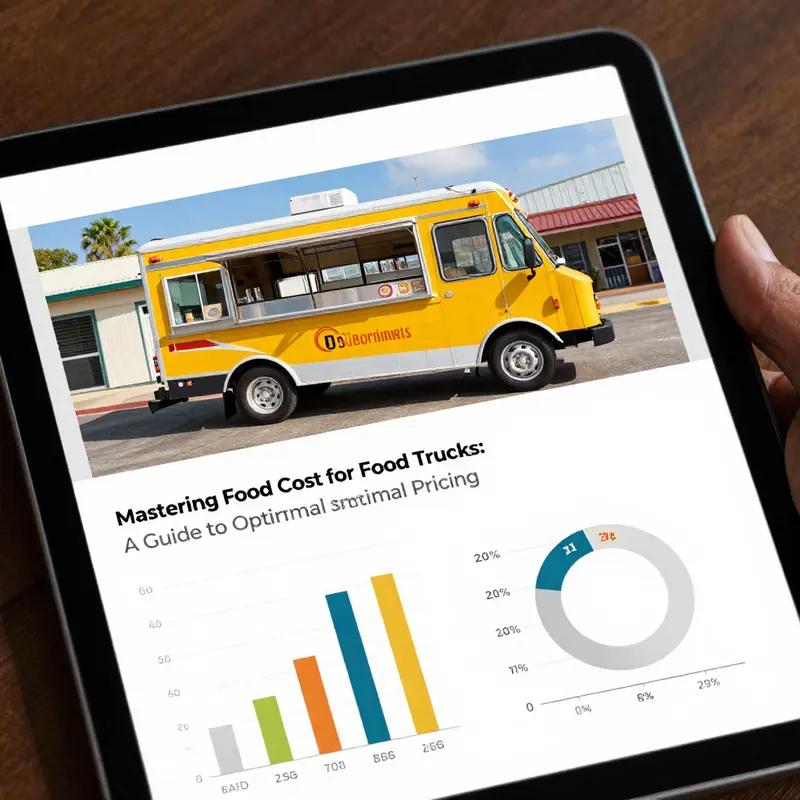
The curbside kitchen has become a dynamic engine of urban dining, where guests chase novelty as eagerly as they chase value. In that fast-moving landscape, the food cost percentage is more than a finance checkbox; it is a compass that determines whether a truck can scale without eroding margins. The industry generally targets a food cost percentage between 28% and 35% of total sales. That range is not arbitrary. It reflects the need to cover ingredient costs, waste, and the inevitable variances of live service, while leaving room for competitive pricing and ongoing investment in menu evolution. At the lower end, 28–30%, high volume, disciplined portioning, and bulk purchasing can drive profitability even in a crowded market. At the upper end, 34–35%, you often find specialty trucks with premium ingredients or more complex prep where costs rise and precision becomes harder. This spectrum invites operators to lean into their unique value proposition without surrendering financial health to a race for just-catchy trends.
The current market backdrop reinforces why this discipline matters. The global food truck sector is expanding, with forecasts pointing to a value of about USD 4.17 billion by 2034 and a CAGR around 4.7% from 2026 onward. In the United States, the domestic momentum remains resilient, nudging revenue upward as urbanization intensifies and demand for flexible, mobile dining options grows. Those macro trends underscore a simple truth at the micro level: even as trucks chase new customers and new flavors, the discipline of controlling food cost is a competitive differentiator. It influences not only how you price items but how you design menus, source ingredients, and train crew. The math is stubbornly consistent, but the art of applying it is where successful operators separate themselves.
At the core is the Food Cost Percentage Formula: (Cost of Food Used ÷ Total Food Sales) × 100. This plain equation translates into practical actions every week. If a truck’s weekly food cost totals $1,500 and sales reach $5,000, the calculation yields a 30% food cost. That result sits squarely within the recommended band and suggests a healthy margin, provided other costs remain controlled. But the real world rarely presents a clean week. There will be periods when produce costs spike, or a popular item depletes faster than anticipated. The value lies in how you respond: through tighter portion control, smarter sourcing, or calibrated pricing. And the seasonality of produce reminds us why seasonal pricing belongs in the toolkit. When peppers, berries, or herbs swing in price, a well-structured menu can absorb some fluctuation by substituting interchangeable components or by promoting items with steadier cost profiles.
The ongoing growth of the market does not negate this need to stay lean. It intensifies it. A broader portfolio of offerings, especially in urban centers, often means more complex inventory. The urge to chase novelty must be balanced against the steady discipline of tracking spoilage, trim waste, and minimize prep waste. Waste management is not a dull compliance exercise; it is a live diagnostic tool. For example, tracking spoilage data by item and by supplier reveals which ingredients are fragile or over-procured and which recipes reliably yield consistent portions. That data then informs both menu design and vendor negotiations, widening the circle of influence beyond the kitchen into the procurement pipeline.
Consider how a menu design choice can influence cost performance without compromising guest experience. Simple, high-margin items—think straightforward builds with familiar components—tend to stabilize food costs. When a truck leans into fewer SKUs with well-understood prep, the team can execute with precision, reducing waste and giving cooks a clearer template. This does not mean bland or uninspired menus; it means smarter architecture. A menu with a small set of adaptable components lets you respond to market shifts, seasonal availability, and local preferences without a wholesale rewrite every quarter. It also supports cross-utilization of ingredients, where a single base item—such as a protein or sauce—finds multiple uses across different offerings, amplifying value from every purchase.
From sourcing to service, every decision ripples through the cost structure. Bulk purchasing, where feasible, improves unit costs and stabilizes supplier relationships, yet it must be tempered by shelf life and storage realities for a mobile operation. Local suppliers often offer fresher options and shorter lead times, which can reduce waste and preserve quality, but they can be more expensive per unit. The art is in building a sourcing mix that balances price, quality, and reliability. Seasonal pricing is a fact of life for fresh produce; foresight in menu planning and production timing helps operators ride price waves rather than drown under them. Finally, portion control is the simplest, most impactful lever. A consistent scoop, a fixed trim, and a standardized plating approach keep the cost per unit predictable, making the revenue side of the equation easier to forecast.
For operators navigating these decisions, a practical blueprint can be found in the way growth-minded food truck startups think about choosing a scalable platform for operations. One resource dedicated to startup logistics and platform choices—best-food-truck-models-for-lakewood-startups—offers a candid look at how lean, modular configurations support cost discipline as a business matures. This perspective underscores a crucial point: the right equipment and workflow design do not just enable service. They shape cost outcomes by affecting portion consistency, speed of service, and waste generation. A well-chosen platform reduces the friction between a creative idea and reliable execution, helping teams keep the food cost percentage within the healthy band even as demand grows. best-food-truck-models-for-lakewood-startups
In practice, champions of food cost balance combine a few core habits with disciplined daily rhythm. They analyze costs in real time, not after a monthly close. They run weekly reviews of recipes and price points, adjusting items that consistently drift beyond target margins. They test small price modifiers carefully, ensuring any changes resonate with customers and don’t erode demand. They maintain tight control over waste and spoilage, invest in training that elevates portion accuracy, and build supplier relationships that reward reliability as much as price. The broader market growth—while encouraging experimentation and expansion—does not excuse lax cost discipline. If anything, it heightens the need for a clear, repeatable process that keeps the food cost percentage within the ideal window while supporting competitive pricing and sustainable growth.
External benchmarks help situate a single truck’s results within a wider panorama. The latest global market analysis points to steady expansion, while domestic momentum continues to push revenue upward in major markets. For operators, the takeaway is not to chase arbitrary targets but to embed the cost discipline into every shift. Weekly checks with simple tools—spreadsheets, inventory trackers, and a basic sales log—can reveal trends early, before they become problems. When the cost percentage creeps toward or above 35%, the signals are clear: revisit recipes, revisit sourcing, or adjust pricing with care to preserve guest value. When it dips toward 28% or below, reinforce it with clear margin protection across the menu and sustained efficiency in prep and service. This disciplined balance—rooted in data, informed by a broad market context, and executed through daily practice—defines the practical path to profitability in a thriving, evolving food truck landscape.
For readers seeking the most current and detailed analysis of market trends and benchmarks, the Global Food Trucks Market Size, Share & Industry Trends Analysis Report, 2026-2034 provides a comprehensive, up-to-date reference. https://www.businessresearchinsights.com/industry-reports/food-trucks-market
Final thoughts
Navigating the world of food cost percentages can seem daunting, but grasping the basics is crucial as you set yourself up for success in the food truck business. By understanding the ideal range of 28% to 35% and implementing best practices, you can keep costs in check while delighting the taste buds of Lakewood’s visitors. Stay proactive, and remember that every small adjustment can lead to significant profits in the long run!