
Bringing a food truck to the state fair is more than just a dream; it’s an adventure filled with tasty opportunities and community spirit. Whether your culinary vision involves gourmet tacos, artisan donuts, or unique vegan dishes, navigating the world of state fair food vending can feel overwhelming. This guide breaks down everything you need to know—from understanding vendor application requirements to complying with fees and contracts. We’ve designed each chapter to help you embrace the process and get your food truck ready to shine. Let’s embark on this culinary journey together!
Gates, Permits, and Greatness: A Practical Path to Getting Your Food Truck into the State Fair
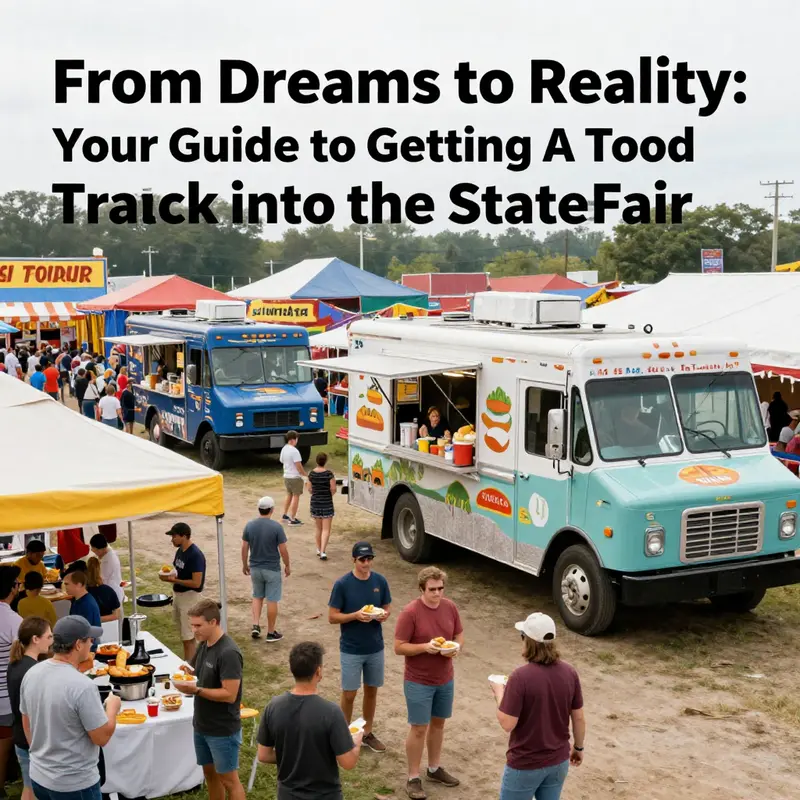
The state fair is a crowded, bright stage where a single food truck can become a neighborhood favorite overnight. But the right to roll onto that stage doesn’t come from luck; it comes from a disciplined, anticipatory process that treats the fair like a partner you want to work with for years. The chapter that follows is not a magic checklist handed to you with guarantees. It is a guided, coherent path built on early research, solid documentation, careful preparation, and a steady rhythm of outreach. When you approach the fair with clarity, you raise your odds and, more importantly, you protect your business and your reputation in one motion. The core idea is simple: know the fair’s rules, present yourself as a reliable, responsible operator, and align your offering with what fair-goers crave while staying within the bounds of safety and logistics. Start by understanding that the fair’s vendor process is a system, not a single moment of acceptance. This is a journey that begins months before the gates open and stretches into the next year as you refine your menu, your truck, and your partnerships. The path is long, but it is navigable when you anchor every step in preparation, documentation, and consistent communication.
The first place to begin is research, a step that sounds obvious but is often underestimated in its impact. The fair’s official website holds the most important map: a vendor information page, an exhibitor or food service opportunities section, and likely a portal where you can download the vendor application form and review deadlines, eligibility criteria, and any required fees. This is where you discover the exact cadence of the year ahead—when applications open, when spaces are assigned, and whether the fair uses a lottery or a selection committee. The practice of doing this work up front cannot be overstated. It transforms a vague dream into a concrete timetable and a checklist that you can truly manage. As you explore, keep a careful note of any specific rules that may govern your truck’s footprint, your electrical needs, and the fair’s expectations for waste disposal. It is not enough to say you will “bring a food truck.” You must demonstrate that your operation is predictable, scalable, and compliant, especially when it comes to health and safety.
Alongside this research, you should prepare the documents that most fairs require before you ever press the submit button. A valid business license proves your legitimacy to operate in your jurisdiction. A food service permit or mobile food facility permit confirms your food handling meets local health standards. A Certificate of Liability Insurance, often with a minimum coverage of one million dollars, shows the fair that you can absorb risks and protect attendees. A seller’s permit or resale certificate may be necessary if you plan to sell bottled drinks or packaged items. Some fairs request that you present all of these documents during the application itself; others may ask for them after you’ve been invited to move forward in the process. Either way, you should have these items organized in an easily shareable packet and be prepared to supply copies on short notice. You are not just attaching paperwork; you are communicating your readiness to operate professionally in a large, highly regulated public setting.
A practical way to visualize the truck’s fit into the fair is to imagine your menu and your vehicle as a story that can be told in sound bites and credible data. Health and safety standards are the stage directions—clear, enforceable, and nonnegotiable. Your crew must understand food safety, temperature control, waste disposal, and cross-contamination protocols. The fair will likely want to see a complete, allergen-aware menu with ingredients listed and pricing. You should be ready to offer a sample dish if the vetting process asks for it, not as a gimmick but as a demonstration of your capabilities and your consistency. Your equipment list matters as well: the kinds of grills or fryers you use, the sizes and power requirements of generators, the extent of your refrigeration, and how you manage water and hand-washing facilities. These details are not ornamental; they determine whether you can operate smoothly within a shared space, how many staff you can deploy, and how long you can keep a hot line running during peak fair hours.
With research and documentation in place, the next phase is applying for space, which is the practical hinge between preparation and presence. The application form invites a portrait of your business: its name, a description of what you offer, the size of your team, and your equipment inventory. You should describe your concept with enough specificity to distinguish it in a crowded field yet with enough flexibility to meet the fair’s constraints. Be mindful of deadlines that seem several seasons away; many fairs accept applications six to twelve months in advance of the next event. An application fee, typically modest, compensates the fair for reviewing and evaluating proposals and for the administrative work that keeps the vendor ecosystem orderly. If you are selected, you will usually move into an orientation phase, which can be virtual or in-person, to cover setup times, parking, electrical needs, water access, waste disposal, and security protocols. This orientation is not a ritual; it is your first real rehearsal on the fair floor, where you learn how your operation will interact with neighboring vendors, with show management, and with attendees who arrive in droves from all corners of the state.
The fair world rewards no-shows and last-minute scramblers as much as it rewards outstanding food and service. Therefore, finalizing logistics well before the event is essential. In the weeks leading up to the fair, you confirm your setup time and location, arrange transportation and delivery of your truck, and double-check every last piece of equipment you plan to bring. Pack an ample supply of essential items—serving utensils, packaging, signage, a reliable POS system, and a backup power source. Build in extra buffers for waste disposal, water, ice, napkins, condiments, and cleaning supplies. You will likely need to coordinate with the fair’s vendor management system to confirm your on-site arrival window, load-in procedures, and the routes you will take through the parking and exhibit areas. A calm, meticulous approach here reduces the risk of early morning headaches when the crowds flood in.
As you prepare to hit the ground running on the fair grounds, remember the on-site rules are not mere formalities; they are the framework that ensures safety, efficiency, and a fair playing field for all vendors. During the event, you will be expected to adhere to sanitation standards, noise regulations, and operating hours. Your team should maintain clean workspaces and dispose of waste properly, and you should be ready to show your permits and insurance upon request. The fair’s leadership often prioritizes vendors who can demonstrate reliability, respectful competition, and a clear commitment to guest safety. That means you should invest in processes that keep your stall tidy, your lines moving smoothly, and your interactions with guests friendly and informative. A strong on-site presence is more about consistency than bravado; it comes from tight coordination between your kitchen crew, your order-takers, and your supervisors, all of whom know exactly what to do when the flow changes—from a slow morning to a brisk, lunchtime rush.
The journey to a fair slot also hinges on relationships. It helps to view the fair as a long-term partner rather than a single event. After you win a place, maintain a steady line of communication with the vendor management team. Share updates about menu changes, health inspections, and any operational improvements you’ve implemented. Demonstrating growth and responsiveness builds trust, which is valuable when you consider returning in future years or seeking more prominent locations. In many fairs, popularity can lead to preferences for returning vendors, and the ability to present a thoughtful, well-managed operation can become a competitive advantage. Even if you don’t land a top spot right away, use the experience as a learning cycle: gather feedback from the orientation, observe neighboring booths, and adjust your menu and logistics for the next cycle.
For readers who want a concrete example of the practical side of this planning, consider how equipment considerations intersect with layout and movement on the fair floor. A robust, scalable truck model and a well-planned kitchen layout can make the difference between a smooth service and a bottleneck during peak hours. To explore practical layouts and equipment considerations in a broader context, see Best food truck models for Lakewood startups. This resource can help you think through your truck’s footprint, storage, and workflow in a way that harmonizes with fair requirements without locking you into a rigid plan that might fail under pressure. That connection between preparation and performance—that is the essence of turning a dream into a fair-ready operation.
As you close the loop on the process, you’ll appreciate that getting a food truck into the state fair is less about luck and more about disciplined, patient work. It requires a blend of compliance, preparation, and the willingness to engage early and often with fair organizers. The steps outlined here are not a one-time sprint; they are the heartbeat of a sustainable festival business. If you want to explore the external landscape of vendor resources beyond the fair, many fairs publish official portals that guide vendors through the entire lifecycle—from applications to day-of operations. For instance, you can explore the vendor portal maintained by a major state fair to get a sense of the language, expectations, and steps involved. External resources such as the vendor portal offer current forms, updates, and procedural guidance that you can attach to your internal planning, ensuring you stay aligned with real-time requirements.
External resource: https://www.texasstatefair.org/vendors
Gateways to the State Fair: Crafting a Winning Vendor Application to Bring Your Food Truck
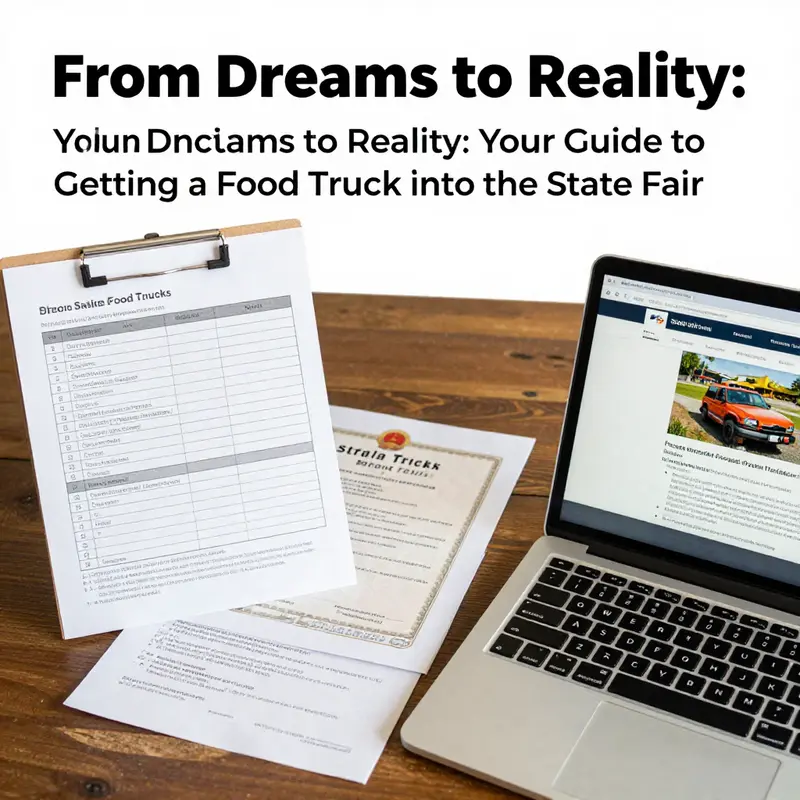
A successful path onto the state fair grounds starts long before the first sizzle. It begins with a professional approach to the vendor application, treating it as a partnership rather than a one time transaction. The official gateway is the state fair vendor information page where the application link, deadlines, and required documents live. These pages guide the submission and they change from year to year. The stronger your submission reads as organized, safety minded, and business ready, the more you stand out.
A detailed list of permits and licenses: A valid food handler permit signals understanding of basic food safety. A current business license demonstrates legal standing, while a temporary food service permit issued by the local health department confirms compliance for the event window. When assembling your packet, keep copies clean, scanned, dates current, and names matching the business that will operate on site.
Liability insurance is often required, with coverage around one million dollars. A current certificate lists the fair as additional insured if required. Presenting this up front signals risk management as a core responsibility.
On site proof of refrigeration that maintains safe temperatures, a functional handwashing station that meets standards, and a waste disposal plan that keeps the fairgrounds clean. Outline your sanitation plan, equipment maintenance schedule, and disposal methods for garbage and grease. Clear schematics of back of house, routine cleaning logs, and a culture of food safety that staff can articulate.
If your concept uses gas powered grills or smokers, be prepared for in depth scrutiny. Air quality, fire safety, and ventilation may be part of the evaluation. The fair may request details about fire suppression, propane handling, and back up power. A well prepared applicant integrates these into a cohesive plan rather than as afterthoughts.
Enclosed trailers or fully enclosed food carts are often preferred for professional appearance and weather protection. Enclosures tend to be easier to clean and provide a neutral branding canvas. If you operate a trailer, show it can be self contained with cleanable surfaces and a layout that supports safe service at peak load.
Vendors usually describe the menu, sourcing, equipment, and past experience. Some fairs want a portfolio showing consistency; others require evidence of success in similar settings. The more clearly you describe your food identity, sourcing story, and equipment reliability, the more compelling your submission.
Some fairs invite a shortlisted group for assessment. This is an opportunity to translate paper into visible competence. Demonstrate cleanliness, organized workflow, hospitality, and the ability to deliver consistent product under pressure. If selected, treat it as a dress rehearsal and practice your service flow, safety features, and responses to questions about sourcing and sustainability.
If accepted, expect a fee that varies by location and space. You will sign a vendor agreement outlining responsibilities, hours, power, water, waste, and neighborly conduct. The contract formalizes expectations and protects you by delineating what happens if policies are breached or schedules shift.
In addition to official guidelines, study broader industry insights on truck layouts, space optimization, and branding. Review examples of successful operations and translate those lessons into your plan. The best applications present a holistic picture: clear menu story, rigorous safety practices, scalable operations, and a reliable guest experience.
Seizing the Opening: Mastering Early Submissions to Get Your Food Truck Into the State Fair
When the gates to the state fair swing open to the world each year, they do not just welcome crowds. They open a door for vendors who understand timing as a strategic skill. Early submissions are more than simply sending a form; they are a statement of intention, a signal to organizers that you are ready, reliable, and serious about delivering an experience that fits the fair’s calendar, audience, and safety standards. The best way to think about the application window is not as a sprint but as a staged ascent: gather your gear, polish your paperwork, and align your story with the fair’s values long before the opening hour on the first day. In that sense, early submission is less about luck and more about disciplined preparation and proactive communication. It is the hinge that can swing a vendor’s fortunes from obscurity to the centerpiece of a favorite food lane, where long lines become a barometer of trust and anticipation rather than a simple line of customers to be padded with clever tricks.
To begin, the first move is to know the clock. Application deadlines are rarely generous, and many fairs publish different timelines for different categories of vendors. Some have a hard stop months in advance, others operate on a rolling basis with a finite number of spaces. A precise read of the official state fair website is indispensable. It is through that portal that you will discover not only the date your window opens but also the documents required, the format the submission must take, and any peculiarities—whether a health permit from your local jurisdiction, a certificate of liability insurance of a specified minimum amount, or a carefully curated menu that must pass a review for safety and variety. The idea is simple: you want your application to arrive complete, clean, and compelling, not rushed and incomplete. Early access to this information is the bedrock of smart planning because it allows you to map the entire process, from certificate updates to the color palette of your branding, long before you ever click the submit button.
Preparation begins with documentation. A complete file is a prerequisite for a fair’s first-come, first-served reality. Gather business licenses, food safety permits, and insurance certificates in digital, print, and portable formats. Some fairs will require proof of liability coverage in a specific way or from a particular insurer; others may specify minimum coverage limits. Either way, having versions ready—PDFs that can be attached without scrambling for a file at the last minute—speeds the process and signals professionalism. It also reduces stress during the moment when the window opens and decisions start to be made quickly. In addition to the standard permits, you should prepare verifications of your vehicle’s compliance with health codes and fire safety regulations. Be ready to demonstrate that your truck meets waste disposal rules and that your electrical setup can handle a day’s heavy usage without overloading circuits. A well-prepared operator is rarely caught flat-footed by a question about safety because that operator has already walked through the fair’s expectations and has the evidence to prove it.
Equally important is presenting a package that clearly communicates who you are and what your truck offers. The application is not a sales brochure, but it should tell a story the organizers can imagine as part of the fair’s broader food landscape. A strong application highlights your menu highlights in a way that communicates variety, quality, and the ability to serve at scale while maintaining consistent taste and portion control. This is where the power of a cohesive narrative matters. A compelling narrative helps the review panel picture your stands as part of a larger fair experience, not just a solo show. If you already know what makes your truck different—whether it is a signature dish that travels well, a focus on local ingredients, dietary options that appeal to a broad audience, or a unique presentation that aligns with the fair’s vibe—make that the through line of your submission. And while you curate your story, keep a careful eye on menu approval requirements. Some fairs require explicit menu submission for safety, nutritional balance, and allergen disclosure. Treat this step as a chance to demonstrate responsibility as well as creativity. If you can, sketch a back-up plan in your submission for days when ingredient supply or weather might influence service, which can reassure organizers that you have prepared contingencies rather than excuses.
The practical case for early submission extends beyond paperwork. It steps into the realm of first impressions. When the window opens, the pace of decisions can be brisk, and vendors who act quickly often establish a runway that others follow. Submitting immediately is not about rushing; it is about signaling readiness and interest while your plan is still fresh in your mind and your details are at their most accurate. The moment you press send, you shift from planning to belonging. You begin to occupy the space in the mind of the fair’s vendor manager, a space that may determine not only whether you are accepted but when and where you are scheduled. That immediacy matters because some fairs reserve high-visibility locations for the earliest applicants, or they run a lottery for the most popular spots that rewards consistency and initiative. In such systems, the psychology of speed works in your favor, but speed must be matched with completeness. A flawless early submission can save you a second round of negotiations, a potential redraw of your booth footprint, or a clarifying email that buys you time and confidence.
To maximize the chance of a favorable outcome, connect your readiness to the fair’s evaluation criteria. Even where there is a lottery or first-come, first-served process, the organizers will often rely on their internal checklist to weed out submissions that fall short on safety, legality, or feasibility. You can preempt this by aligning every line of your application with the criteria: legal compliance, food safety history, reliable service times, and the ability to scale during peak hours. Build a concise and readable application packet that mirrors those priorities. A clean, well-organized submission not only reduces the time reviewers spend deciphering your paperwork but also communicates that you understand the responsibilities that come with a coveted fair space. A touch of branding helps too. The fair is a live audience; it responds to visual clarity, professional tone, and a sense that you can deliver a consistent customer experience from dawn to dusk.
As you prepare, consider how you will present your setup and what the reviewers might infer about your operation from a description of your equipment and workflow. If your truck is compact, anticipate questions about queue management, service speed, and waste handling. If your truck features innovative equipment or a novel cooking method, explain how that contributes to safety, efficiency, and variety. Even the tone of your submission can matter. A calm, confident, and appreciative voice—one that demonstrates respect for the fair’s mission and a readiness to collaborate with other vendors and organizers—can help you stand out in a sea of applicants who may be strong on food but weak on process.
In this light, even the choice of an internal reference point can matter. For operators looking to ground their staging decisions in practical equipment considerations, exploring specific insights about truck configurations and startup layouts can be instructive. For inspiration on how equipment choices shape a startup’s presentation, see the Best food truck models for Lakewood startups. This resource offers a sense of how equipment and branding choices translate into a professional look and feel, which can inform how you describe your own setup in the application. Best food truck models for Lakewood startups.
Once your submission is live, the work shifts from creation to communication. A prompt follow-up can serve as a polite reminder that you are actively engaged and eager to participate. A brief, courteous email to confirm receipt and to reiterate your enthusiasm often helps keep your application at the top of the queue. It also gives you a chance to correct any minor issues or provide supplementary information that might strengthen your case. The key here is moderation and respect. You want to show interest without becoming a nuisance, and you want to project a sense of organization that makes the organizer’s job easier rather than more complicated. If you are placed in the finalist pool or invited to an interview or on-site review, your preparation now becomes even more crucial. You will want to bring a compact, portable display of your menu, a clean and well-labeled set of health and safety documents, and a sample of your service design that demonstrates efficient flow and high standards of cleanliness. These are not accessories but empirical signals that you can deliver not only good food but a good experience under the disciplined conditions of fair settings.
As with any strategic process, there is value in thinking ahead about what happens after submission. The fair’s vendor management system will guide you through scheduling, setup times, and assignments. Knowing these steps in advance helps you coordinate with your team and ensures you can begin operations with a defined plan rather than improvising in a crowded lot. Even if your first year yields a later placement or a location with modest visibility, early entrants often set the groundwork for subsequent years. Relationships with organizers, a proven track record of food safety, consistent service, and efficient operations can propel you into coveted slots in future fairs. This long view matters because the fair ecosystem rewards reliability as surely as it rewards flavor. The more organizers trust you to deliver, the more likely they are to accommodate your needs in future cycles when competition intensifies and spaces become scarce.
In sum, the path to the fair begins long before the first bite is sold. It starts with disciplined research, meticulous preparation, and a narrative that couples passion with practicality. It continues with a swift but thorough submission that communicates both readiness and respect for the fair’s rules. It proceeds with proactive, courteous communication that keeps you visible without becoming intrusive. And it culminates in a logistics plan that supports safe, efficient, and scalable service. When these elements align, early submission is not a gambit but a dependable route to belonging on the fair’s food map. It is a stance as much as a strategy—the choice to claim your place in the calendar before your competitors even press send.
For the curious reader who wants a practical foothold on the equipment side of this equation, the linked resource offers perspectives on how truck models can influence a startup’s presentation and efficiency, a factor that, while not the sole determinant, can shape perceptions in a competitive review process. As you move forward in your preparation, keep your eyes on the clock, your documents in order, and your story tight and true. The window opens once a year, and those who step through it with clarity, confidence, and care are the ones who leave with a place at the table—and with the certainty that their food—and their brand—will travel farther than the fairgrounds themselves. For more details on how to apply, visit the official State Fair website.
Raising the Bar at the Gate: Mastering Interviews and On-Site Reviews to Secure State Fair Admission
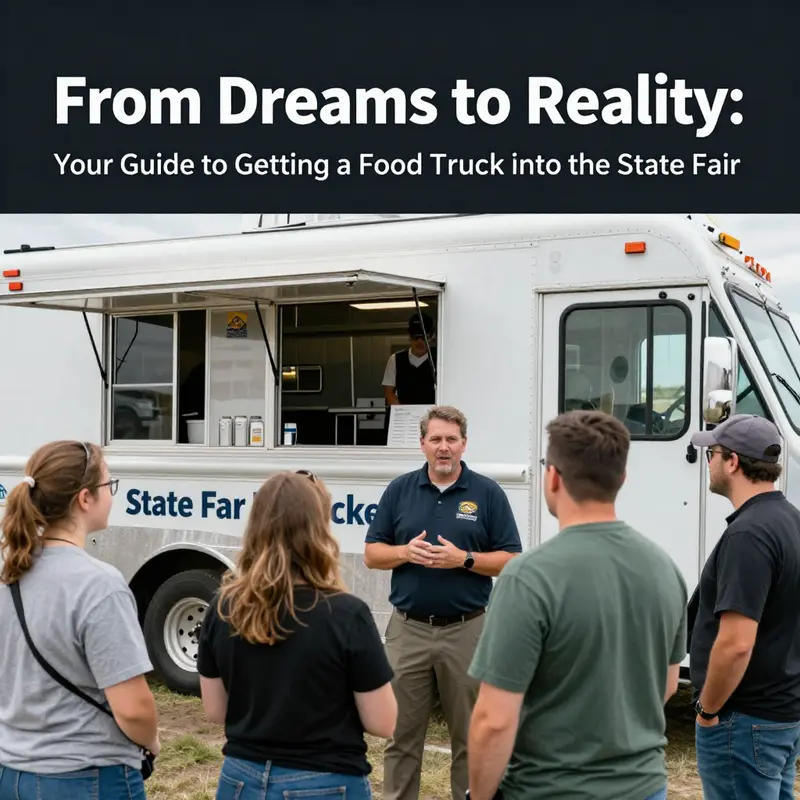
Landing a spot for your food truck at the state fair hinges on more than a tasty menu. It rests on your ability to convey reliability, consistency, and professional readiness to a panel that scrutinizes everything from your past performance to how you will operate under the fair’s bright lights and long lines. Interviews and on-site reviews are the gatekeepers that separate a hopeful vendor from a practical, well-managed partner for a major event. If you walk through these gates with a clear, well-practiced narrative and a demonstrable command of operations, you gain not just approval but a slate of trust from decision-makers who will be watching how you respond under pressure, how your team moves, and how your setup holds up in demanding moments.
Preparation begins long before your name appears on a calendar. The interview phase is less a test of trivia and more a test of fit—are you the kind of operator who can sustain quality as the crowd swells and the sun climbs higher? From candid discussions and shared experiences, you learn what committees value: a track record of safe food handling, a calm approach to service, and an ability to articulate a plan for peak hours. In practice, this means shaping your story around concrete examples rather than general assurances. When interviewers ask about prior experiences, you should be ready with concise anecdotes that illustrate leadership under pressure, a steady hand during busy moments, and a commitment to compliance at every stage of service. Reviewing real interview experiences highlighted by job seekers provides a useful window into the process. These accounts reveal the kind of questions that tend to surface, such as how you have managed high-volume service, what steps you take to ensure food safety, and how you balance speed with quality. By listening to these narratives, you can anticipate the kinds of prompts you’ll face and tailor your responses to emphasize repeatable systems rather than improvised improvisations.
The questions you encounter in the interview often orbit around several core themes: your specific scope of experience in food service, your ability to scale operations during peak fair hours, and your depth of understanding when it comes to food safety protocols. You’ll be asked to demonstrate how you handle the cadence of service, the choreography of your team, and the discipline required to maintain consistent portions and temperatures. A strong response does not merely describe what you did; it shows how you think and how you adapt when the plan meets reality. For many vendors, the opportunity to articulate a clear, data-informed approach to throughput—how you pace orders, how you stage stations to minimize cross-contact, and how you manage waste—can be as persuasive as a long menu or a polished display. In a sense, the interview becomes a preview of your daily operations under the fair’s energy surge.
As you move from interview to the on-site review, the emphasis shifts from storytelling to demonstration. This phase seeks to validate your claims with observable results. The evaluators examine product quality not merely in taste, but in consistency and presentation. They watch for how your team operates in real time: how quickly orders are taken and fulfilled, how well the crew communicates, and how smoothly the line moves from opening to closing. A key metric here is efficiency under pressure—can you maintain temperature controls, keep to safe handling practices, and deliver meals that look and taste the same as they did during the apartment-size test kitchen at your home base? Attention to cleanliness is non-negotiable. The booth or truck must radiate hygiene through the layout, the cleanliness of food contact surfaces, the organization of utensils, and the ease with which inspectors can inspect. The on-site review also assesses regulatory compliance in a practical sense. You’ll be asked to demonstrate your permits, your food safety practices, the way you dispose of waste, and your approach to using electricity or water in a way that aligns with fair guidelines. This is where preparation translates into trust: the panel sees you not just as a vendor with a good menu, but as a partner who will honor the fair’s standards and expectations, hour after hour, day after day.
Professional appearance and a well-presented unit matter more than many vendors realize. How you present yourself and your equipment communicates your seriousness and your respect for the venue. The team on-site will notice if the unit looks weather-ready, whether it has clear signage, and if your staff presents themselves in clean, appropriate attire. It is not a mere cosmetic exercise; it signals organization, discipline, and a readiness to adapt to the fair’s environment. In addition to appearance, many operators find value in upgrading the physical setup to maximize reliability and security. Enclosed trailers and weather-resistant carts are popular choices among seasonal vendors for reasons that align with on-site evaluations: they protect your equipment and ingredients, reduce weather-related disruptions, and deter theft during long shifts. These elements collectively convey that you are thinking beyond a single event and investing in long-term, professional-grade operations.
To translate all this into a tangible plan, some vendors script a practical, day-of brief for their team. They designate roles, rehearse the sequence of steps from setup to service, and walk through a dry run that resembles an actual fair day. This kind of rehearsal reduces fluster when the clock starts ticking and helps your team stay aligned with safety protocols and service standards. The most successful applicants often bring a compact, well-organized display of materials: a one-page summary of menu offerings and allergen information, a brief narrative of how their operation handles peak hours, and a clear map of the physical layout of their stall or truck. They also prepare a concise set of talking points about waste management, cleaning schedules, and regulatory compliance. All of these elements are not mere add-ons; they are the backbone of a well-communicated operation that demonstrates both competence and reliability to the decision-makers.
For a glimpse into how a veteran vendor navigates this terrain, consider the journey documented in a real-world case study, which illustrates the importance of a coherent story, a polished setup, and a team that performs under pressure: Rockdog Adventures Food Truck Journey.
The path from application to approval is rarely a straight line. It often involves a lottery or waitlist for highly coveted spots, a reminder that the fair’s architecture rewards not only culinary creativity but also your ability to manage expectations and comply with the system’s rhythms. Once the interview and on-site review clear, you will likely receive instructions to register with the fair’s vendor management system, finalize insurance and permits, and confirm your setup times. The success you exhibited in the interview and on-site review becomes part of your credential, reinforcing your later coordination with the fair’s staff as you approach setup day. It is a composite process: your narrative, your demonstrated competence, and your practical readiness all coalesce into a credible forecast of how you will operate on site. The more precise and reliable this forecast, the more confident the fair organizers will feel about giving you a slot, a schedule, and the opportunity to contribute to the fair’s overall experience.
In the end, the interview and on-site review are not about tricking a panel into a favorable decision. They are a transparent, performance-driven assessment of whether you can deliver the level of quality and reliability that fair-goers expect. Your ability to answer questions with specific, verifiable examples, to demonstrate controlled, efficient operation under load, and to present a unit that is clean, compliant, and professional—all of these factors become the signal that you belong among the fair’s trusted vendors. If you keep these principles at the forefront, you will find that the gatekeeping process is less a hurdle and more a structured, predictable pathway toward a rewarding stage where your food travels to a broad audience with confidence and consistency.
External resource: Indeed interview questions and answers for state fair roles can provide useful insights into the kinds of prompts and scenarios vendors may encounter during the process. See: https://www.indeed.com/cmp/State-Fair/jobs/Interview-Questions-and-Answers
Navigating the Fine Print: Fees, Contracts, and Compliance for Bringing a Food Truck to the State Fair
The first move is usually the one that saves you the most headaches later: contact the organizing committee to obtain the official vendor package. This package is your invitation and your map, detailing application deadlines, the exact documentation the fair requires, and the line items that compose the fees you will owe. It is not a vague outline but a formal bundle that, if you skim, you risk missing a critical piece—perhaps proof of insurance, a current food handler’s permit, or a business license. Treat it as a contract in embryo: read it thoroughly, and note anything that seems unclear or open to interpretation. In many fairs, the package will also spell out the structure of the review process, whether an interview is involved, and how space is allocated. Some events publish multiple rounds of deadlines, with early slots reserved for high-demand markets and later slots filling in the remainder. The better you understand the cadence, the more you can align your preparation with the timetable rather than chasing a moving target. This diligence pays off when you must assemble your documentation into a single, coherent file that can be submitted at a moment’s notice. And the sooner you begin, the more you reduce the risk of missing critical steps as deadlines approach. Within that package you will also encounter the rules around insurance, a cornerstone of the entire operation. A typical requirement is a Certificate of Liability Insurance, often with a minimum coverage threshold. The precise amount can vary by fair and by the size of the footprint you occupy, but a figure around one million dollars is common in many jurisdictions. This is not a placeholder—it is a protective layer for the organizers, the fairgoers, and you as the operator. If you do not have this level of coverage, you will need to secure it before you can be considered for participation. The packet may also call for a menu review. Fair boards want to ensure variety, adherence to dietary guidelines, and safety in preparation. A well-conceived menu that reflects the diversity of fairgoers can help you present a compelling case for your inclusion. While this is not a guarantee of acceptance, it does signal to the evaluators that you understand the audience and the fair’s standards. With the package in hand, the next phase is to understand the fee structure as clearly as possible. Fees typically encompass booth rental, which is the price of your square footage on the fairgrounds; utility connections if you need power or water; sanitation services for waste management; and administrative processing that covers the cost of handling applications, inspections, and coordination. Some fairs also levy security deposits or require certain performance guarantees. The sum can be substantial, and the total price tag is rarely fixed across all vendors. It is often tiered by footprint and location, with premium spaces commanding higher rates and more modest corners offering more economical options. The key is to translate those numbers into a realistic budgeting plan that encompasses both one-time costs and ongoing operating expenses during the event. A practical tactic is to create a simple, itemized forecast early in the process: booth rent, utilities, insurance, permits, waste disposal, and potential contingency for unexpected charges. This helps you avoid the experience of discovering last-minute surcharges during a fragile stage of your planning. The financial clarity also makes negotiations more productive, because you can articulate how your business model aligns with the fair’s objectives and how you intend to address any incremental costs in a constructive way. The contract stage follows, and it is where the room for interpretation narrows to a single, enforceable path. Contracts at the state fair level are not merely ceremonial documents; they formalize the relationship between you and the fair, specifying hours of operation, load-in and load-out procedures, and waste disposal expectations. They are also the clearest place to confront risk. You will see clauses that address liability for damages or injuries, and you will encounter requirements for staff conduct and food safety handling. Read these sections with a careful, almost legal eye. If you notice ambiguity about who bears responsibility for a spill or a power outage, seek clarification before you sign. A smart move is to have a trusted advisor—whether a fellow operator, a business attorney, or a seasoned fair vendor—review the contract with you. This step pays for itself many times over when it prevents a misunderstanding that could lead to disqualification or penalties later. You should also ensure that your health and safety commitments are concrete. The fair will expect you to meet health regulations, maintain your equipment, and steward your staff through appropriate training. Certifications should be current, and you should be prepared to demonstrate compliance during inspections. Some fairs require pre-event inspections or spot checks, and failing such checks can derail participation even after you have been granted a slot. It may seem onerous, but the purpose is straightforward: to protect public well-being and to maintain the integrity of the fair as a premier food destination. In the same breath, you should document your readiness to meet these standards through a robust safety and hygiene program that your entire crew can follow. A well-kept set of procedures—from food storage to handwashing to waste disposal—says as much about you as your menu. Once the contracts are signed and the health and safety checks are cleared, you transition into the operational logistics that bind the earlier promises into daily practice. The fair’s vendor management system becomes your command center. Here you will register your business and all required documentation in an organized way, schedule setup times, and coordinate with event staff about power access, water hookups, and waste collection routes. It is not unusual for fairs to enforce a lottery or a priority system for the most sought-after locations. If your results hinge on a coveted corner or a high-visibility avenue, plan for that possibility as part of your early-stage budgeting and logistics. The fair environment is, in effect, a temporary metropolis, and your truck must function as a reliable, compliant business within that microcosm. It helps to think ahead about the customer experience as well. The moment a guest approaches your truck, they should encounter impeccably clean surfaces, clearly labeled ingredients for allergen awareness, and friendly, trained staff who can answer questions with confidence. All of these elements—inspections, insurance, hours, and waste policies—form a continuous loop of compliance and service. They shape how your operation is perceived and, ultimately, how sustainably it can thrive within the fair’s calendar year. For additional context on vehicle readiness and systemic considerations in the build and operation of a food truck, you can explore broader discussions on preparedness, including vehicle configurations and startup strategies at this resource: best food truck models for Lakewood startups. The link provides a practical backdrop for aligning your truck’s capabilities with the fair’s demands while keeping the focus on safety and efficiency. As you finalize documents and finalize plans, remember that the fees and contracts are not merely hurdles to clear but disciplined structures that enable a fair, safe, and financially sound experience for everyone involved. Treat them as a framework for reliability rather than as a trap to avoid. When you honor the process, you gain access to a platform where your food can speak loudly through a well-run operation, clear communication, and an unwavering commitment to safety and guest experience. From there, the fair becomes not just a venue but a partnership built on trust, predictability, and shared goals. For those seeking primary sources, the official vendor information page offers the most current guidance on deadlines, fees, and contract requirements. It is wise to consult that page regularly as policies evolve from year to year, ensuring you stay aligned with the fair’s evolving standards. External resource: https://www.mnstatefair.com/vendor-information/.
Final thoughts
Getting your food truck into the state fair is an exciting challenge that can lead to incredible opportunities. By following the step-by-step process outlined in this guide, you can avoid common pitfalls and focus on what you do best—delivering delicious food to happy customers. Remember to stay organized, adapt as needed, and never lose sight of your culinary goals. Ready to fire up your food truck adventure? The state fair awaits you!