
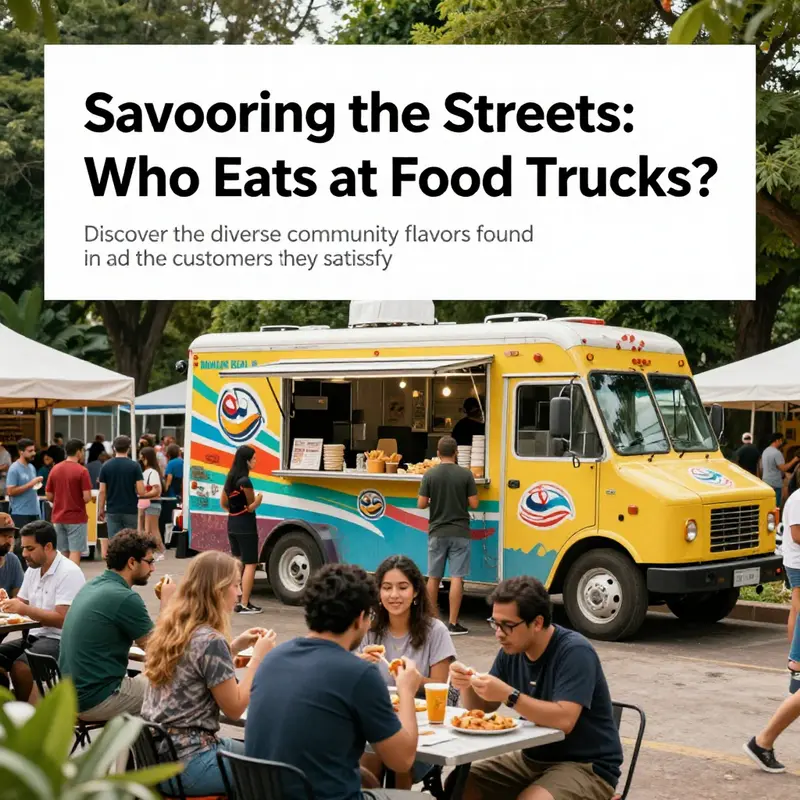
Food trucks have burst onto the culinary scene, offering delicious meals on the go to a diverse clientele. From bustling professionals grabbing a quick lunch to families seeking fun dining experiences, food trucks cater to various tastes and lifestyles. In this article, we’ll explore the key groups that flock to these mobile eateries and why they choose food trucks over traditional dining options. Every chapter highlights a unique segment of food truck patrons, establishing a richer understanding of their significance in both Lakewood’s vibrant food culture and the broader foodie community.
Fuel on the Fly: The Urban Rhythm of Busy Professionals and Commuters at Mobile Kitchens
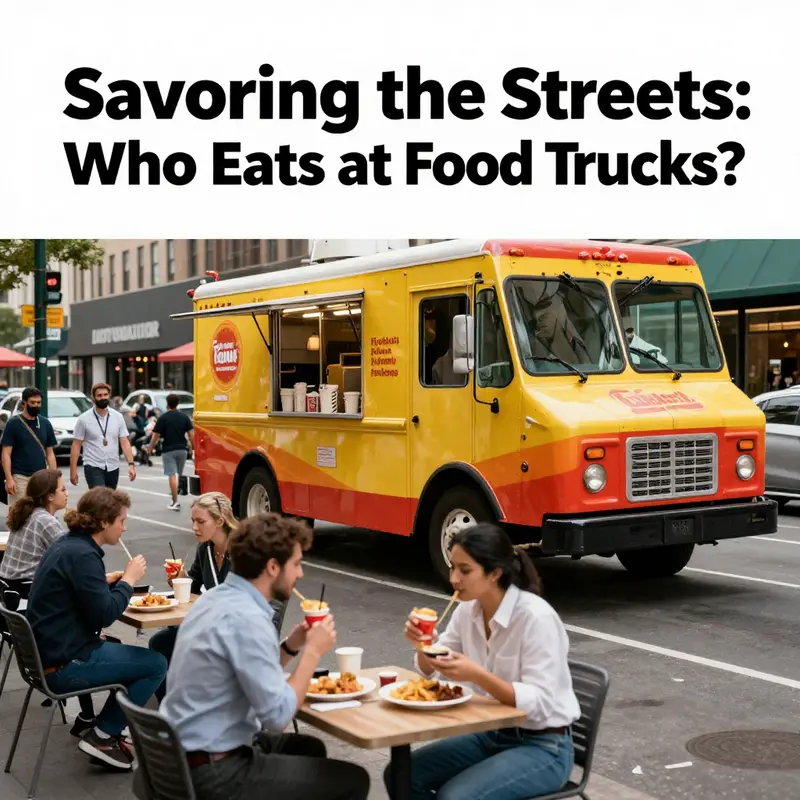
The city at noon hums with a tempo that is almost musical in its precision. Feet thud on concrete, cyclists weave between pedestrians, and the scent of sizzling garlic and sizzling steel drifts through narrow canyons of office towers. In this choreography, the food truck is a recognized instrument, a portable kitchen that keeps pace with the tight schedules of people who measure their days in meetings, deadlines, and commute windows. The chapter of eating and economy that unfolds here centers on a core audience: busy professionals and commuters who need sustenance that is fast, reliable, and capable of fitting into a tightly scheduled day. It is a chapter about not only what people eat, but when, where, and how they choose a meal that respects the rhythm of their work life. The food truck’s value proposition—speed without sacrificing quality, diversity without delays, and location that minimizes detours—speaks directly to this urban audience, shaping a dining landscape that evolves with the city’s own tempo.
From the vantage point of a typical workday, the attraction of a mobile kitchen lies less in novelty and more in predictability. The professional who walks from a glass-walled tower to a street corner knows that a line will form, likely with a steady flow rather than a rush. The operator’s challenge is to convert that flow into a series of consistent, satisfying meals in a matter of minutes. The appeal rests on three interlocking pillars: convenience, quality, and location. Convenience means more than quick service; it means a streamlined process that gets a person back to a desk, a boardroom, or a transit platform with time to spare for a reprieve that does not become a second lunch break lost to delays. Quality, in this frame, is not an afterthought. It is a deliberate, repeatable standard that keeps palettes curious and stomachs settled, even after a long morning of back-to-back meetings or a busy afternoon of project sprints. And location—this is the most active line item in the business case. Food trucks park where foot traffic surges, where crowds congregate during lunch windows, and where commuters might detour briefly to grab a warm meal on-the-go.
The professional workforce’s appetite for speed is often paired with a desire for a certain culinary edge. The trucks that succeed in this field tend to lean into robust flavor profiles, clean execution, and a menu design that speaks to the needs of busy eaters. It is common to see menus that feature high-quality staples—barbecue lean protein bowls, fresh wraps, grain bowls with crisp vegetables, or hot slices of pizza—transformed into satisfyingly efficient servings that can be carried, eaten with one hand, or consumed in a few careful bites between stops. The best offerings feel like crafted meals that respect time constraints rather than sacrifices made to meet them. This distinction matters because it determines whether a lunch break becomes a short, meaningful pause or a hurried, forgettable stop. A well-executed truck meal offers texture, temperature, and aroma that can turn a routine break into a moment of relief—an edible pause that helps a professional reset and return to the day with renewed focus.
Strategic placement plays a role almost as important as the cooking itself. A truck near a corporate campus, near a university hub, or alongside a major commuter corridor can become a predictable fixture in the daily routine. The operators who map these routes think of their day as a series of game pieces in a larger urban board: each stop is selected for potential yield, each time slot is tested for reliability, and weather, traffic, and event schedules are considered as variables that can tilt the balance. In practice, this means that a truck’s success depends on a disciplined routine: a consistent schedule, dependable inventory management to reduce wait times, and a menu that can be understood at a glance. The human factor is equally critical. The crew must be trained to handle a high-volume flow while maintaining a calm, efficient demeanor. A friendly, quick service style can be as important as a flawless recipe because a smile at the window can transform a customer’s fleeting lunch into a small moment of human connection within a sometimes impersonal workday.
From the perspective of the worker in a nearby cubicle or on a bustling platform, the appeal of a mobile lunch is also practical. It is a predictable option when the cafeteria line is long or when the office’s dining plan is not aligned with a particular craving. It is a flexible choice for those who prefer something beyond the standard menu. The menus themselves often reflect the varied tastes of a modern urban workforce, offering options that accommodate dietary restrictions, cultural preferences, and evolving trends. A salad with protein adds a light option on a hot day; a spicy, savory wrap satisfies a craving for bold flavors without the heaviness of a full takeout order. The ability to mix and match, to choose a dish that aligns with a post-work workout or a mid-day relaxation ritual, makes the truck feel less like a temporary fix and more like a thoughtful extension of the workday’s self-care repertoire.
Operationally, the trucks that cater to professionals optimize for sequence, speed, and consistency. The kitchen layout is compact but purposeful, designed to minimize the distance between prepped ingredients and the final plates that leave the window. Streamlined cooking systems support high-volume service while reducing the risk of bottlenecks at the point of sale. The staff learns a choreography of tasks: greet, confirm, assemble, and hand off with a steady tempo, all while keeping the line moving and the orders accurate. Quality control becomes built into the cadence of service rather than an after-the-fact check. A well-tuned system can deliver a hot, satisfying product within minutes, which in turn reinforces the idea that a truck meal is not merely a stopgap but a dependable component of a busy day.
The social dimension of eating at food trucks for busy professionals is equally telling. These meals occur within shared spaces: a curb, a plaza, or a street corner where people from different firms and different teams converge. The scene creates micro-stories—a curved engagement with a coworker who shares a quick bite, a manager who grabs a late lunch to discuss a project in the shade of a storefront awning, a student who intermittently hops in between classes as a more affordable, vibrant option, and a line of commuters exchanging counsel on how to navigate a crowded transit corridor. Food trucks build informal social capital in the midst of otherwise transactional workdays. They become a ritual site that punctuates the day with sensory memory—the crunch of vegetables, the scent of seared meat, the warmth of a freshly baked crust. The social value is not incidental; it reinforces a sense of community within the urban workplace ecosystem and provides a brief, shared moment of nourishment that does not require a long commitment.
To understand why these trucks persist, it helps to glance at the broader logistics of city life. In many urban centers, land use policies, pedestrian flow, and transit patterns converge to create optimal corridors for mobile kitchens. The trucks tend to favor zones where foot traffic peaks during lunch hours and where the daytime population swells with professionals and students alike. The result is a natural alignment between supply and demand: the right product in the right place at roughly the right time. Yet there is more to the story than timing. The trucks’ adaptability—their ability to adjust menus, switch locations, and recalibrate staffing during a spike in demand or a sudden storm—speaks to a broader resilience. In an era when predictable dining options in urban areas can feel homogenized, the mobile kitchen offers variety, novelty, and the thrill of discovery without deviating from the practical constraints of a workday.
This adaptability also speaks to the evolution of the industry from a historical label to a sophisticated culinary and logistical operation. Where older depictions might evoke roach coaches, modern food trucks are better understood as agile, purpose-built engines for urban dining. They pair the craft of cooking with the discipline of operations, a combination that suits professionals who cannot afford delays or detours. For the city, this means a more dynamic food landscape that can respond to changing work rhythms, seasonal shifts, and community events without sacrificing the speed or reliability that a commuter needs. In this milieu, a well-run truck becomes a trusted partner in the daily routine, a small but meaningful entrée into the culture of the city’s workforce. The best operators study not just recipes but routes, not just menus but time, and not just customers but the exact moments when a crowd will gather, pause, and order.
For readers curious about the mechanics behind this efficient service, there is a wealth of practical insight in industry-focused resources that examine how mobile kitchens support high-demand contexts. The technical standards and practical applications of this model reveal why some trucks feel almost seamless in a corporate or transit-heavy environment. They show how design choices—from ventilation to storage to workflow—translate into real-world benefits for the people who rely on them during a busy workday. These resources underline a simple truth: this is not merely a trend but a carefully engineered solution to the urban worker’s need for nourishment that respects time, taste, and temperament. In other words, the truck’s value emerges not only from what it cooks but from how efficiently it can deliver the meal to someone who is racing against a clock.
As we move through the city’s calendar—through weekends, holidays, and festival season—the same professional audience keeps the demand steady, though with different rhythms. Festivals and events create windows of heightened appetite and curiosity. The commuter who might otherwise stop at a café could decide to explore a food truck row during a lunch hour outside a business district or at a transit hub where a shuttle connects to multiple neighborhoods. The professional’s day is no longer framed solely by the office building and the desk; it becomes a circuit of edges and corners where the truck can intersect with movement, creating opportunities for discovery and convenience that align with the city’s own kinetic energy. This interconnectedness is what makes the mobile kitchen an enduring feature of the urban dining scene: it has learned to read the city’s clock as surely as it reads the oven’s heat.
For readers who want to explore how these systems are described, modeled, and standardized, there is a robust body of industry documentation that sheds light on the standards and practical applications that enable such efficiency. The material details how compact layouts, modular equipment, and streamlined cooking systems combine to boost throughput while maintaining quality. It is not a grand invention but a careful optimization—an everyday engineering problem solved in a way that makes a familiar meal effortless for a commuter who is almost always in a hurry. The urban professional, whose lunch hour can be strategically brief, benefits from a design ethos that places service speed, predictable quality, and strategic placement at the center of decision-making. They become, in effect, the audience for a well-timed performance, where the script is simple: quick, tasty, and reliably available just steps from the next meeting, the next station stop, or the next turn in a daily routine.
For further context on how the industry navigates these demands, readers may consult an external resource that delves into the standards and industry needs shaping mobile kitchens today. This deeper dive provides a structured look at how the technicalities of design, safety, and service intersect with the lived experience of the professionals who rely on these options every day. It offers a broader lens on why certain trucks stand out in a crowded market and how their operators translate time-saving into tangible value for working people.
Internal link: for a practical look at how laid-out truck models serve urban startups, see the guide on best-food-truck-models-for-lakewood-startups. The discussion there complements the observations here by grounding the narrative in specific configurations and design choices that optimize throughput and minimize wait times, while still allowing room for culinary creativity.
External resource: more on the standards that govern industry practice and the ways they support efficient, high-quality service can be found in a detailed analysis of mobile kitchen operations at this industry site: https://www.apecarfoodtruck.com/industry-insights. This resource offers a professional frame for understanding how design, equipment, and workflow come together to sustain performance under peak demand.
Campus Lines and Late-Night Cravings: Why Students and Young Adults Choose Food Trucks
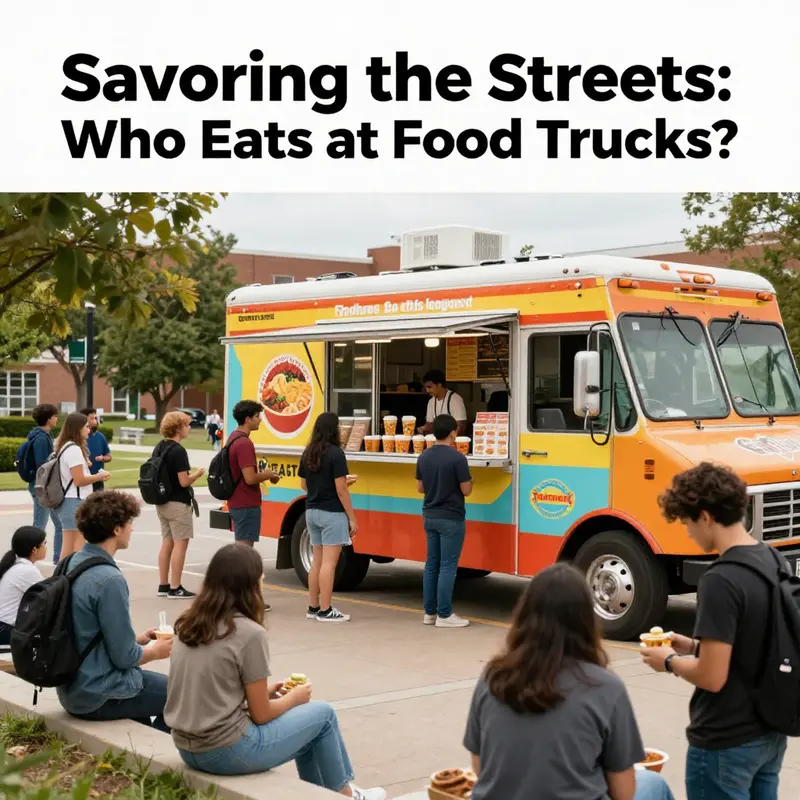
Students and young adults have made food trucks a defining part of their urban diet. They come for quick, affordable meals and stay for variety, novelty, and the social scene. For people aged 18 to 24, food trucks often fit schedules and budgets better than sit-down restaurants. Those same trucks become gathering points after classes, during study breaks, and on weekend nights. The result is a consistent and growing relationship between younger diners and this mobile food economy.
Mobility is central to the appeal. Food trucks can position themselves near campuses, office hubs, and nightlife corridors. That flexibility matters to students who move between classes and jobs. A truck parked near a lecture hall becomes a reliable option for lunch. One parked by a late-night venue becomes a convenient source of dinner after studying or socializing. The low overhead of operating a truck allows owners to keep prices competitive. That affordability resonates with people balancing tuition, rent, and limited incomes.
Beyond price, the menu diversity is a major draw. Food trucks specialize in focused, bold flavors. Young diners appreciate concise menus that emphasize a few excellent items. They are more willing to experiment than older customers. This readiness to try new tastes makes trucks an ideal incubator for culinary innovation. Chefs and owners can test new concepts with less risk. Students reward that experimentation with loyalty and word-of-mouth recommendations.
The social element cannot be overstated. For many, eating at a food truck is a social activity as much as a meal. Trucks cluster near communal spaces or set up at pop-up events. Young adults gather in small groups, sharing plates and sampling different vendors. In many cities, this communal eating mirrors the dynamic of food halls, but with a street-level, informal vibe. In Singapore, similar venues like hawker centers show how public, shared dining fosters connection. For students who prize social time, these gatherings are a regular part of life.
Image and identity also play roles. Food truck dining is often photographed and shared. Social media turns a meal into a moment. A visually striking dish, a colorful truck, or a themed event can go viral among peer networks. Young diners often curate their feeds with on-trend finds. Trucks that lean into design, playful packaging, or unique presentation gain traction. That attention translates into repeat business, as peers test out spots seen online.
Timing and convenience shape choices. Students eat at trucks between classes, after shifts, or while commuting. Trucks that adapt to campus schedules—setting up near lecture halls at midday or operating late on weekends—capture audience segments that other operators miss. The timing of service matters as much as price. A truck with reliable hours becomes part of a student’s weekly routine. That dependability encourages habitual visits and recommendations.
Cultural resonance matters, too. In many university towns, trucks contribute to a local identity. Cities like Austin provide a vivid example. What began as family-run weekend stands evolved into community staples. Those trucks did more than sell food. They helped form a sense of place and belonging. For students and young adults, food trucks become woven into memories of college years. They mark rituals: finishing finals, celebrating birthdays, or starting new semesters. That emotional value elevates simple transactions into meaningful experiences.
The entrepreneurial dimension is visible and inspiring. Many young customers appreciate the story behind a truck. They respect owners who took risks to create something original. Food trucks offer a clear example of how creativity and hustle can build a business. Students studying entrepreneurship or hospitality see trucks as case studies. Others are drawn to part-time job opportunities that trucks provide. The scene supports a cycle of creativity, employment, and community engagement that appeals to youthful energy.
Accessibility and inclusivity also define the demographic fit. Trucks often offer dietary variety that suits diverse preferences and needs. Vegan, gluten-free, and international options are common. This variety matters to a generation that values both convenience and personal choice. When a truck serves a niche cuisine well, it attracts repeat customers who might not find those flavors elsewhere. That inclusivity broadens the appeal across different student populations.
Events amplify impact. Food truck gatherings at festivals, college events, and local markets draw large crowds. These organized moments introduce students to multiple vendors in one place. They function like culinary fairs, creating buzz and encouraging exploration. Regularly scheduled rallies or themed nights make trucks part of campus calendars. For this reason, trucks that participate in such events build brand recognition quickly. Local event directories and social pages often list gatherings, making it easy for students to discover new options. For a roundup of local happenings that attract younger crowds, consider following guides like 2026’s best food truck rallies to see which events draw college communities.
Quality and authenticity remain crucial. Although price is significant, young diners will pay for flavor and authenticity. They tend to prioritize genuine, tasty offerings over strictly cheap options. Consistent quality builds trust. A truck known for a standout taco or sandwich will see lines form, even if its price is modestly higher. That patience from customers stems from a broader desire for real, memorable food. In that way, student tastes can be discerning and loyal simultaneously.
There is a rhythm to the relationship between trucks and young customers. Food trucks evolve with student preferences. As trends shift—toward plant-forward eating, international fusion, or late-night comfort foods—trucks adapt. Their mobile model makes rapid changes possible. Menu experimentation, pop-up collaborations, and themed weeks respond quickly to what students want. Young diners, in turn, celebrate and amplify those shifts through peer networks.
Safety and regulation shape operations, too. Students prefer options that look clean and dependable. Trucks that maintain visible safety standards gain repeated visits. Local health inspections, clearly posted permits, and visible cleanliness matter. These factors reduce the friction of trying a new vendor. Food truck owners who communicate safety along with flavor reassure cautious eaters and build credibility.
Finally, food trucks offer a cultural education. They expose young people to a wider range of cuisines in an accessible way. Trying an unfamiliar dish from a truck can spark interest in a cuisine or culture. That culinary curiosity often leads to deeper exploration, whether in restaurants, markets, or cooking classes. For students, food trucks can be a gateway to broader tastes and cultural appreciation.
The bond between students, young adults, and food trucks is multifaceted. It blends practicality—speed, price, and location—with experiential elements like novelty and community. For that reason, trucks occupy a unique place in urban and campus ecosystems. They connect people through food while offering a low-risk space for culinary innovation. As colleges and cities change, food trucks remain nimble, reflecting the tastes and rhythms of a youthful audience. Their presence continues to shape where and how students eat, socialize, and gather memories. For a deeper look at a city where trucks have become legendary, see this account of the local street food scene: https://www.austinchronicle.com/food/2026/01/20/discover-the-best-tacos-in-austin-tx-strictly-from-food-trucks/.
Families and Tourists: How Food Trucks Become Shared Culinary Destinations
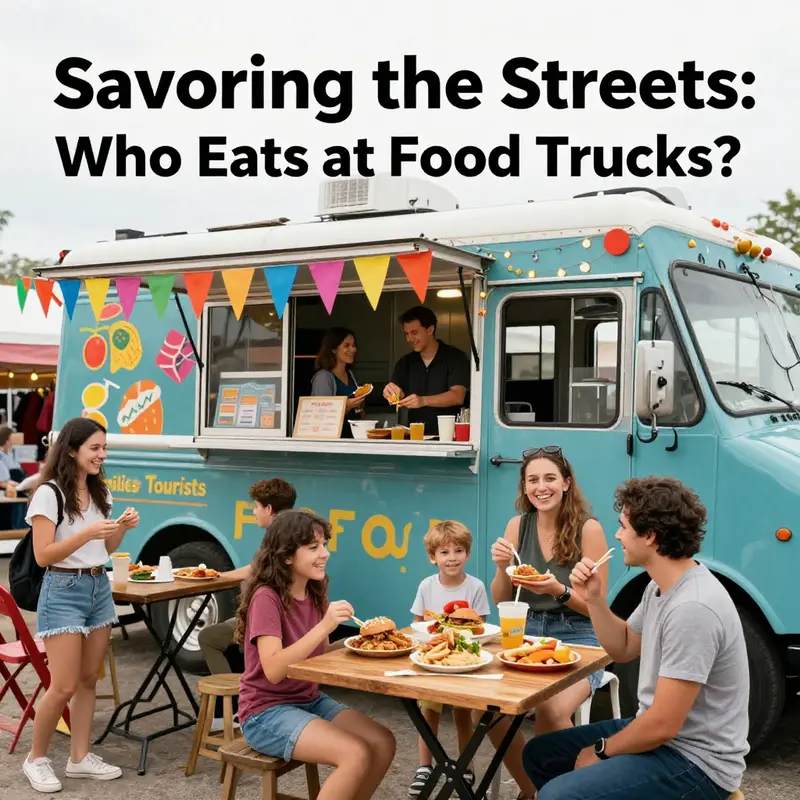
Families and tourists find food trucks irresistible for reasons that go beyond convenience. For families these mobile kitchens solve timing, taste, and budget puzzles with one simple offering: a complete meal served quickly, often outdoors, and usually near an activity. For tourists they act as a concentrated taste map, offering small-window glimpses into a city’s culinary identity. Together, these groups turn food trucks into social stages where meals, memories, and local flavor happen simultaneously.
Food trucks sit at the crossroads of practical needs and experiential appetite. A family with young children values speed and predictability. Parents choose a food truck because it shortens wait times and reduces the stress of a full-service restaurant. They can order, keep an eye on kids playing nearby, and eat without timetables. For tourists, timing matters differently. Sightseeing schedules and transit connections make a fast, reliable meal attractive. But tourists also want discovery. Food trucks compress the work of sampling regional food into a single stop. One can taste a beloved street taco, a fusion creation, or a dessert reinterpretation, all within a short walk.
The physical layout of food trucks supports these behaviors. Many operate in clusters, creating a mini food market. Families like this format because choices are visible and immediate. Children can point to pictures, sample small portions, and share plates. Tourists appreciate it for a different reason: they can compare dishes directly, choose boldly, and move on. The cluster model also makes food trucks natural anchors for festivals, markets, and plazas. Events amplify the draw, turning a meal into a social outing. For this reason, community calendars that list truck gatherings become travel tools for visitors and weekend plans for locals. Operators and organizers have noticed this trend, which is reflected in roundups like 2026’s best food truck rallies, where families and tourists converge in droves.
Beyond logistics, the variety and authenticity of offerings make food trucks appealing. Families often seek familiar comfort foods given a child’s limited taste range. Many trucks cater to that need while keeping menus interesting enough for adults. Trucks can offer grilled sandwiches, mild tacos, or simple bowls alongside more adventurous items. This balance lets groups with varied palates eat well together. Tourists chase the authentic. They want local specialties and culturally rooted recipes prepared with care. A single food truck can offer a version of a regional dish that feels more honest than a sanitized restaurant plate.
Social influence amplifies this dynamic. Families and visitors learn about must-visit trucks through recommendations from friends, local parents, or social feeds. Word-of-mouth transforms a mere vendor into a destination. Tourists often arrive with lists from travel guides or social channels, and they treat those suggestions as culinary itineraries. When a truck becomes the backdrop for a shared recommendation, it gains ritual value. That ritual makes returning worthwhile. Families bring relatives. Visitors bring future visitors. The cycle creates reputations that outlast any single season.
Inclusivity is another reason families and tourists favor trucks. Dietary restrictions are increasingly common among groups on the move. Food trucks excel at specialization, making it easier to find vegan, gluten-free, or allergen-aware options than at some larger venues. Many operators design menus around single cuisines or dietary philosophies. The result is clarity for diners and speed at the window. For mixed groups—parents with toddlers and grandparents with restrictions—this clarity matters. It reduces friction and increases the chance everyone leaves satisfied.
Pricing plays a strategic role as well. Families juggle budgets, and tourists calculate meal value against limited time. Food trucks often sit in a middle ground: higher than fast food, lower than a sit-down meal. This pricing reflects the perceived value of creativity and authenticity. In some cities, premium pricing signals quality, signaling to visitors that a truck’s offering is worth seeking out. Families perceive value in portion size and flavor profiles. Tourists judge value by uniqueness and local relevance. Both groups are willing to pay slightly more for food that creates an experience.
The outdoor setting also factors into the appeal. Eating outside reduces worries about noise, spills, and schedules. Children can move freely. Tourists can pause between stops without feeling rushed. Outdoor dining fosters a relaxed mood that makes meals feel like part of the day rather than an interruption. For families on vacation, that relaxed tempo is essential. The casual nature of truck dining reduces formality, encourages sharing, and invites spontaneous conversation.
Food trucks also serve as cultural touchpoints. They are often run by small teams with strong ties to their culinary traditions. Owners and chefs are accessible at the window, and conversation about ingredients, origin stories, or recommended pairings feels natural. This interaction creates a human connection that restaurants sometimes dilute. For travelers, it’s an entry into local life. For families, it’s an opportunity to teach children about food origins and cooking traditions in an approachable way.
Another practical advantage is location. Food trucks strategically place themselves near parks, beaches, tourist routes, and event sites. This proximity matters for families who arrange outings around playgrounds or museums. It also matters for tourists moving between landmarks. Planners of family activities and tourist itineraries increasingly map food truck locations as part of their route. The presence of trucks can even shape tourist behavior, turning a quiet street corner into a lunchtime waypoint.
Safety and accessibility are not trivial concerns. Many trucks adhere to strict sanitation standards and visible practices. Families prefer vendors who display hygiene certifications and transparent ingredient lists. Likewise, tourists often seek vendors with clear pricing and simple service flow. These visible signals build trust quickly. When trust is present, families return and tourists recommend.
Photo culture has amplified the social role of trucks. Dishes designed to be shared and visually appealing get captured and shared online. Families enjoy the visual novelty, especially when traveling. Tourists document meals as proof of place. A single image can generate interest and drive future visitors. For operators, visually strong dishes serve both taste and marketing. For diners, the photogenic nature of a meal adds to the memory.
The role of food trucks at festivals and civic events cannot be overstated. These gatherings create concentrated opportunities for sampling and socializing. Families arrive for entertainment and stay for food. Tourists plan trips around marquee events, using them to access a wide range of local flavors at once. Event organizers understand this and intentionally curate truck selections that appeal to broad demographics. This curation encourages repeat attendance and increases economic impact for host communities.
Finally, food trucks are flexible platforms for culinary storytelling. They allow chefs to experiment, adapt, and respond quickly to customer feedback. Families enjoy that responsiveness because it often translates to menu tweaks for kids. Tourists appreciate it because they encounter dishes that feel alive and evolving. Chefs can introduce seasonal ingredients or cross-cultural blends that reflect a city’s changing demographics. These experiments can become local staples that define a destination’s culinary identity.
Food trucks create a shared culinary space that suits both families and tourists. They solve practical dining challenges while offering discovery. They offer inclusive menus, visible hygiene, portable locations, and a social atmosphere. They are economic engines at community events and memory-making stops on a holiday itinerary. For both groups, the appeal goes beyond food: it is about belonging and exploration, safety and spontaneity, flavor and story.
For a closer look at how food trucks shape festivals and local gatherings, see 2026’s best food truck rallies, where community, family outings, and tourist experiences intersect.
External reference: https://www.austintexas.org/blog/discover-best-tacos-austin-tx-strictly-food-trucks
Mobile Kitchens for Hard Labor: How Food Trucks Feed Remote and Industrial Workforces
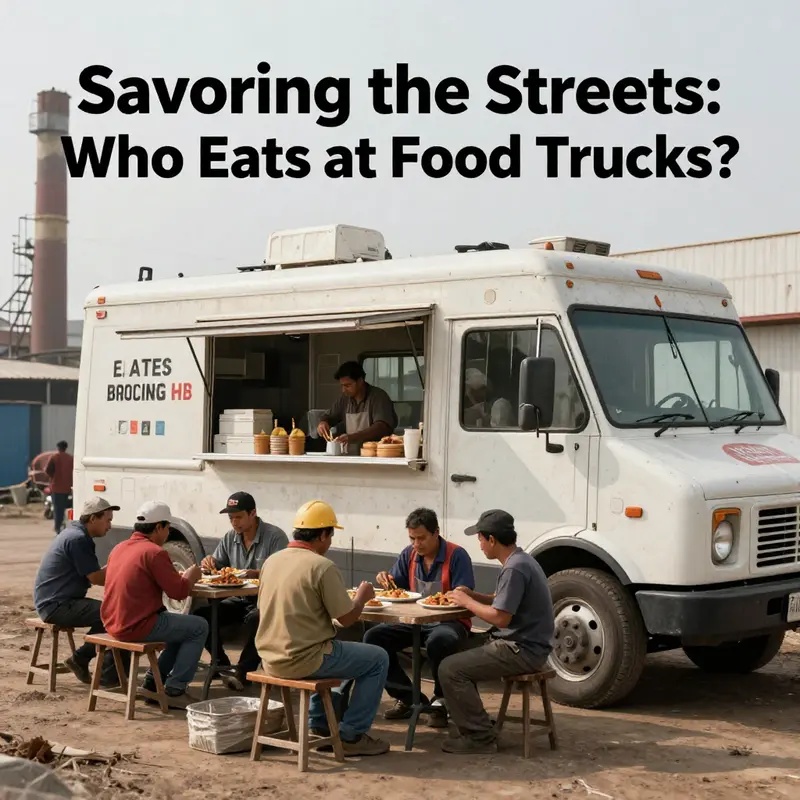
Workers in remote and industrial settings rely on food trucks as more than a meal stop. These mobile kitchens fill gaps left by distance, schedules, and limited dining options. They arrive where permanent restaurants cannot, park near job sites, and serve hot plates that meet the physical demands of heavy labor. This chapter follows how food trucks have become dependable partners for crews in mining, construction, agriculture, oil and gas, and other industrial environments—and what that means for workers, operators, and communities.
Food trucks answer a simple problem: crews need timely, affordable food without losing work time. In many industrial zones, the nearest restaurant can be miles away, accessible only by car. Transit is costly or nonexistent. Break windows are short and unpredictable. A food truck that parks at the site turns a lost lunch hour into a five-minute transaction. Workers do not have to travel, queues are often faster than at a fixed restaurant, and managers can keep shifts on schedule. For people doing physically demanding tasks, having a hot, calorie-dense meal nearby is not a luxury; it supports stamina and safety for long shifts.
Beyond convenience, food trucks adapt to the tastes and requirements of local labor forces. Operators learn what sells: hearty sandwiches, rice bowls, stews, and protein-heavy plates that provide energy. Menus are designed to be portable and filling, built around affordability and speed. Many trucks offer customizable options, letting workers add extra protein or sides to meet their caloric needs. This flexibility also reflects regional preferences. Trucks serving agricultural communities may focus on comfort foods popular in those areas, while those near industrial pads may emphasize quick, rugged meals with familiar flavors.
Affordability is crucial. For many blue-collar workers, meals must fit modest budgets. Food trucks often price items so one plate equals the cost of a packed lunch but tastes fresher and more satisfying. Volume and repeat business allow operators to keep prices reasonable. Some trucks run specials targeted at crews—bulk discounts, meal combos, or loyalty punch-cards that reward frequent buyers. Employers sometimes subsidize truck meals for subcontract crews, recognizing that onsite food reduces downtime and boosts morale. These arrangements create a steady revenue stream for operators and a reliable service for workers.
The mobility of trucks also creates a logistical advantage. Operators can rotate locations to follow demand, serving multiple sites in one day. This dynamic routing is valuable for remote projects that move across regions, such as pipeline builds or multi-site construction. It also allows trucks to respond to sudden needs—overtime, storms, or unexpected delays—by showing up when food options are scarce. Some operators develop informal schedules with crews and site managers so workers know precisely when and where the truck will appear. That predictability becomes part of the daily rhythm for the workforce.
Serving industrial sites comes with special operational demands. Food trucks must meet safety requirements, secure permits, and coordinate with site managers about parking, access, and waste disposal. Operators often invest in equipment that keeps food hot for long periods and ensures quick service under pressure. Trucks may carry generators or rely on onsite power; they need stocked supplies and contingency plans in case a delivery is delayed. In remote areas, supply chains can be fragile: operators schedule restocks carefully, maintain cooler space for perishables, and plan menus around ingredients that travel well.
Health and nutrition are ongoing considerations. Heavy labor requires balanced meals, not just high calories. Forward-thinking operators increasingly include options with vegetables, lean proteins, and whole grains. Some trucks collaborate with dietitians or leverage customer feedback to tweak offerings so workers get both energy and nutrition. Packaging choices also matter: sturdy containers that keep food warm without spills, utensils that withstand rough environments, and labels for allergens or dietary notes help crews eat safely and comfortably on the job.
The presence of a food truck can also influence workplace culture. A midday stop becomes an informal gathering point where crews exchange news, coordinate tasks, and build camaraderie. Eating together in small clusters fosters communication across trades and shifts. Managers see benefits too: teams that take convenient, timely breaks tend to return focused and less prone to fatigue-related mistakes. In emergency or overtime situations, a truck that stays late becomes a morale booster, signaling support for the workforce.
There are economic links beyond immediate service. Food trucks create local employment and can source ingredients from nearby suppliers. They offer entrepreneurship opportunities for operators who build relationships with industrial clients. Some trucks expand into event catering for corporate site celebrations or safety meetings. These ties strengthen local supply chains and keep spending within the community.
Regulation and safety shape how trucks operate in industrial zones. Sites often require background checks, insurance proof, and compliance with hygiene standards. Trucks must manage waste responsibly—disposing of grease and food waste in approved ways so sites remain clean. Road and site access rules, especially in energy sectors or hazardous sites, add layers of coordination. Operators who master these requirements build reputations as reliable partners, which opens doors to long-term contracts and recurring stops.
Practical design choices help trucks thrive in these environments. Seating is rarely an option, so food must be portable and mess-resistant. Menu items that stack well in containers and can be eaten standing or in vehicles are preferred. Trucks may install extra shelving for bulk orders, specialized heating units to keep large batches warm, or reinforced storage for long transport. When serving remote locations, some operators retrofit trucks with larger water tanks or upgraded refrigeration to handle extended service without resupply.
There is also a safety dimension tied to timing and portioning. Overly large meals can induce sluggishness, which is risky in jobs that require alertness. Operators who understand this balance offer portion control and lighter alternatives alongside the more filling options. Hydration is critical in outdoor and hot settings; trucks often stock beverages and electrolyte drinks to support crew health. Attention to these details shows a respect for the work conditions and builds trust with customers.
Food trucks that succeed in industrial settings often do so through partnerships. Site managers, safety officers, unions, and procurement teams can shape access and demand. A truck that aligns with safety protocols and communicates clearly about schedules will win repeat business. Some operators formalize arrangements with purchase orders or weekly schedules; others rely on grassroots word-of-mouth among crews. Either way, consistent presence and responsiveness matter.
Cultural familiarity matters too. In tight-knit labor communities, taste and tradition are important. Trucks that nod to local culinary heritage—offering regional comfort foods or adapting to cultural preferences—earn loyalty. This sensitivity extends to language and service style. Workers who feel understood and respected are more likely to return and to recommend the truck to colleagues.
Challenges remain. Extreme weather, long distances, and volatile project timelines can interrupt service. Operators must weigh insurance costs, fuel prices, and vehicle maintenance against margins. Yet many find the model sustainable because of steady, predictable demand from industrial clients. Unlike festival or downtown markets that ebb with seasons, construction sites and agricultural shifts provide a baseline level of customers over long periods.
For communities and employers, the presence of food trucks is a pragmatic solution. They increase access to hot meals, reduce downtime, and support worker satisfaction. For operators, these routes offer reliable income and the chance to refine something often overlooked: how meal services can be tailored to the realities of physical work. The ecosystem that forms around mobile kitchens and industrial labor is practical and human-centered: simple adjustments in timing, menu design, and logistics translate into meaningful differences for workers who depend on them.
For a deeper look at how mobile dining adapts to different workplaces and the broader business considerations involved, see this in-depth overview from BBC News: https://www.bbc.com/news/business-64821034.
For operators planning routes or building a truck for remote service, practical guides and model choices matter. A useful starting point is a discussion of the best food truck models for startups, which outlines designs and features that suit demanding environments: https://lakewoodfoodtrucks.com/best-food-truck-models-for-lakewood-startups/.
Final thoughts
Food trucks have become an integral part of the Lakewood culinary landscape, serving up diverse meals to various customers. Whether it’s busy professionals needing a quick bite, students seeking delicious budget-friendly meals, families tasting new cuisines, or workers relying on convenient food access in remote areas, these mobile kitchens offer community and flavor. Understanding who eats at food trucks paints a vibrant picture of the social and culinary tapestry that defines our area’s eating culture. Next time you spot a food truck, take a moment to appreciate not just the food, but also the diverse communities they serve.