
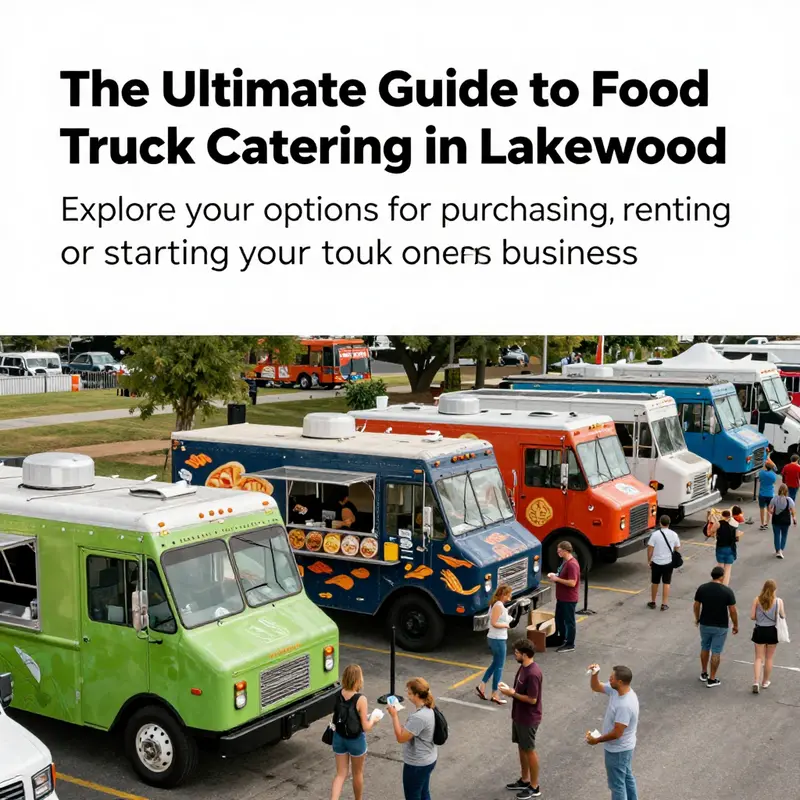
Food trucks have taken the culinary world by storm, offering a delightful blend of convenience and gastronomic passion. Whether you’re an aspiring food truck operator or a tourist looking for your next delicious meal in Lakewood, understanding food truck catering options can enhance your experience. This guide will walk you through the purchase, renting, and starting your own food truck business—providing valuable insights to make informed decisions for your culinary journey or food exploration.
null
null
Rent Smart: Leasing Food Trucks to Launch and Grow Your Catering Service
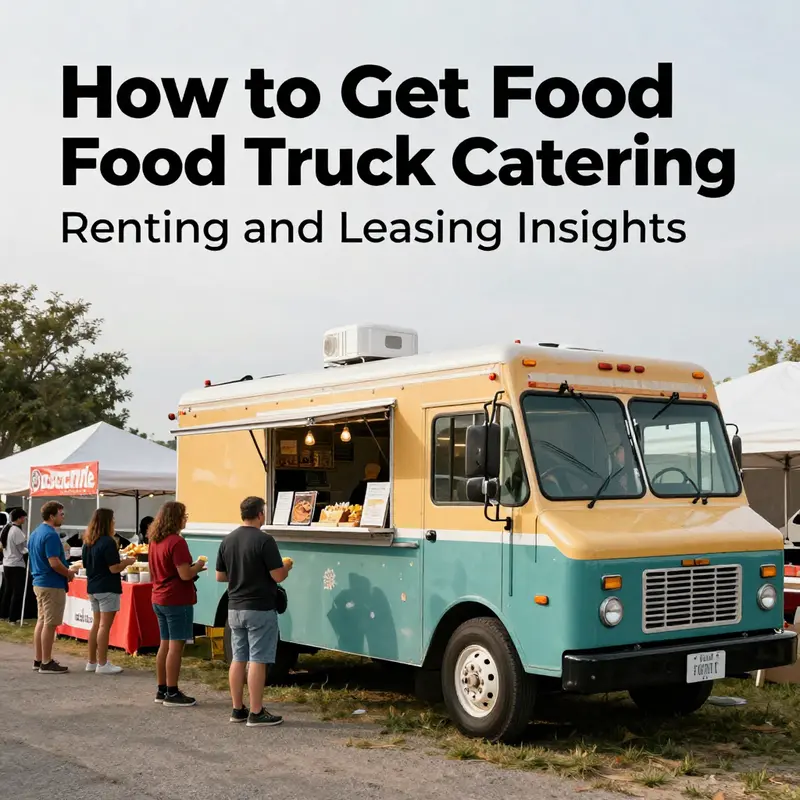
Getting access to a fully equipped mobile kitchen through renting or leasing is one of the fastest, most flexible ways to start food truck catering. Leasing removes the heavy capital burden of buying a vehicle and gives you practical freedom to test menus, refine operations, and find the best locations. It also lets you adapt seasonally and scale without long-term asset risk. This chapter walks through the key decisions and operational realities of renting or leasing a food truck, so you can move from idea to booked events with confidence.
Start by thinking in terms of outcomes rather than vehicles. You want dependable equipment, reliable delivery, and a contractual arrangement that matches your plans. A good lease or rental does more than hand you a truck. It provides predictable availability, clear maintenance responsibilities, and the flexibility to change vehicles when your concept or demand changes. Many operators begin with a short-term rental for a few events or a season. That approach quickly shows whether the concept resonates and where to invest next.
There are different rental models to consider. Short-term rentals are ideal for pop-ups, festivals, and private parties. They usually include the vehicle, basic equipment, and sometimes staffing options. Mid-term leases, typically a few months to a year, are great for testing neighborhoods, running a summer schedule, or supporting a product launch. Long-term leases mimic ownership in many ways, but without the upfront capital expense. They often include more robust service agreements, lower monthly rates, and the option to upgrade vehicles during the term.
When comparing offers, focus on what the truck delivers. Equipment matters more than paint. Confirm the presence and condition of key systems: refrigeration, cooking surfaces, ventilation, electrical and gas hookups, and water systems. Look for durable interior finishes and efficient layouts. A well-thought-out kitchen can shave minutes off prep time and reduce error rates. If you plan to serve a tight, high-volume menu, prioritize grills or fryers sized for continuous use. For delicate or plated items, give extra weight to refrigeration stability and prep space.
Certifications and build quality are also important. Ask for documentation that the vehicle meets local health and safety standards. Certifications indicating quality of construction and electrical systems provide extra assurance. Trucks built with corrosion-resistant materials and reliable appliance brands cost less to maintain. If the supplier offers a safety inspection report, review it closely. Request photos or a video walk-through if you cannot see the unit in person.
Lease terms and responsibilities must be clear from the start. Standard rental agreements will outline nightly or daily rates, mileage limits, and the party responsible for fuel. Lease contracts often add clauses covering permitted uses, geographic restrictions, and options for early termination. Maintenance responsibilities vary. Some providers include routine maintenance and repairs in the rate. Others require you to return the truck in the same condition and bill you for any service. Clarify who handles emergency repairs and how quickly support arrives. A rapid service response can save a day of lost revenue.
Insurance is non-negotiable. A commercial auto policy and a general liability policy are usually mandatory. Confirm the minimum coverage amounts required by the lessor and by local authorities. If staff will work inside the truck, check for workers’ compensation requirements. Ask whether the lease requires named additional insured endorsements. These clauses protect the vehicle owner and may affect your premium. Factor insurance costs into your per-event pricing so margins remain healthy.
Permitting and local regulations will shape where and how you operate. Mobile food business rules vary widely. Some areas require a mobile food vendor permit, while others mandate health inspections tied to the vehicle itself. Parking rules may restrict vending near certain zones or require a business parking permit. If you plan to serve at private events, secure temporary event permits when applicable. When you rent, the vehicle may already carry required permits, but many permits are specific to the operator. Confirm which documents you must supply.
Branding is another area where leasing shines. Many providers allow temporary or removable signage. This option lets you apply your brand and remove it at the end of the term. Magnetic wraps, vinyl decals, and vinyl banners work well. For longer leases, negotiate semi-permanent wraps that protect the vehicle’s finish and keep branding professional. If you want a fully branded look, discuss whether the lessor will accept custom wraps and whether there are restrictions on colors or materials.
Operationally, renting a truck simplifies startup logistics. The vehicle will typically come with a functional layout, appliances, and storage. That reduces the need to retrofit or order costly fixtures. Still, plan for small customizations. A tailored temp station, a specific shelving configuration, or a unique POS setup can improve flow and reduce wait times. Test your menu on a small scale before committing to a full event schedule. Use a few private bookings to fine-tune recipes, plating, and timing. Real-world practice highlights issues that don’t appear on paper.
Staffing for a rented truck follows the same rules as for owned equipment. Hire people who can adapt to compact kitchens and moving workflows. Cross-trained staff who can handle cooking, serving, and simple maintenance are best for short leases. Provide clear operating procedures. Create a checklist for pre-shift safety, appliance startup, and shutdown. Include tasks for waste disposal and cleaning to meet health code expectations. If the rental includes staff, verify their training and certifications.
Point-of-sale and payment acceptance are essential. Choose a portable system that integrates sales, refunds, and receipts. Prioritize systems that work offline and sync when a connection returns. This reduces lost sales during spotty mobile coverage. If the rental includes a POS system, test it thoroughly. Confirm which services are supported and who handles transaction disputes. Keep hardware backups like a small printer or mobile hotspot to avoid interruptions.
Logistics control your day-to-day reliability. Plan loading, fueling, and route schedules to avoid delays. Verify that the rental vehicle fits the physical constraints of your events, such as parking spots and loading docks. Check clearance heights, turning radius, and total length. Some venues restrict access by size. Smaller trucks fit narrow city streets and tight event spaces. Larger units provide more prep space but need better access. Align your vehicle choice with expected event types.
Cost planning must go beyond base rental fees. Itemize fuel, insurance, permits, cleaning, labor, and food costs. Account for delivery and pickup fees, which some suppliers charge separately. If mileage allowances exist, calculate average driving distances between events to avoid overage charges. Think in terms of cost per event and cost per serving. That gives you a clearer picture of profitability and helps set menu prices accordingly.
Negotiation can reduce rates and add valuable services. Ask for bundled deals that include delivery, routine maintenance, and branding elements. Offer a longer commitment in exchange for lower monthly fees. Request a trial period with the option to convert to a longer lease if certain revenue targets are met. Always negotiate who pays for emergency repairs and the response time standard. Consider clauses that allow swapping to a different vehicle if the original becomes unavailable.
Inspect the truck thoroughly before signing. Walk through the interior and exterior. Start every appliance and check for cold-storage consistency. Look for leaks, loose fittings, and electrical faults. Confirm that ventilation and fire suppression systems function. A short video of the initial inspection, with time stamps, provides a record should disputes arise later. If you lack mechanical expertise, bring a technician to evaluate the vehicle before finalizing the agreement.
Maintenance and support are crucial to uptime. Ideally, your contract will include a maintenance schedule and emergency repair response. Understand how replacement units are handled if the truck requires extended service. Some providers guarantee a loaner vehicle for major repairs. That clause can be worth the extra cost when you depend on the truck for booked events. Keep a maintenance log during the rental to document minor issues and repairs. This avoids disputes at turn-in.
Plan marketing around the truck’s mobility. Use social channels to announce locations and specials. Run targeted campaigns for neighborhoods and events where you expect heavy foot traffic. Consider partnerships with event organizers and venues to secure regular slots. With a rented truck, you can experiment with different price points and menu formats quickly. Use customer feedback to improve offerings. Track sales by location to identify your best routes and event types for future bookings.
Scaling with rentals is straightforward. Start with short-term rentals to validate concepts. Move to longer leases when demand stabilizes. To expand capacity, add a second rented unit rather than purchasing a second truck. This keeps capital flexible and reduces risk. Seasonal strategies also work well with leasing. Use larger units for summer festivals and smaller rigs for winter markets. Switching vehicles by season lets you optimize for menu and crowd size.
There are common pitfalls to avoid. Renting the cheapest available unit often means older equipment and more downtime. Hidden fees for delivery, cleaning, and damage are common. Always get a full breakdown of expected charges. Another mistake is underinsuring. If the lease limits liability but excludes certain coverages, you could face large unexpected costs. Finally, overpromising and underpreparing for events damages reputation. Only accept bookings you can staff and supply reliably.
A practical timeline helps keep the launch on track. Start by selecting a rental model four to eight weeks before your first public event. Secure permits and insurance early. Use the first two weeks to customize the truck and test menu items. The following two weeks should focus on staff training and local marketing. Reserve the final week for a soft launch with private bookings. This phased approach catches issues early without risking high-profile events.
Before you sign any agreement, run a short checklist: confirm equipment and certifications, inspect the vehicle, verify maintenance support, clarify insurance requirements, check permit responsibilities, understand all fees, and confirm branding allowances. Keep copies of every document, and maintain a single folder with the lease, inspection photos, and contact numbers for service and emergency support.
Renting or leasing a food truck can accelerate your entry into catering. It minimizes upfront risk and offers operational flexibility. The right lease aligns with your event plans, supports reliable service, and leaves room to grow. With clear contracts, smart inspections, solid insurance, and thoughtful operations, a rented truck can become the cornerstone of a thriving catering business. If you want to explore popular vehicle choices for new operators, see this resource on the most suitable models for startups: best food truck models for startups.
For a sample leasing listing that illustrates typical configurations, equipment, and lease options, review this example: https://www.alibaba.com/product-detail/Lease-Food-Truck-Mobile-Catering-Trailer-13-Foot_1600572494811.html
Launch and Run a Mobile Catering Operation: From Concept to a Road-Ready Food Truck
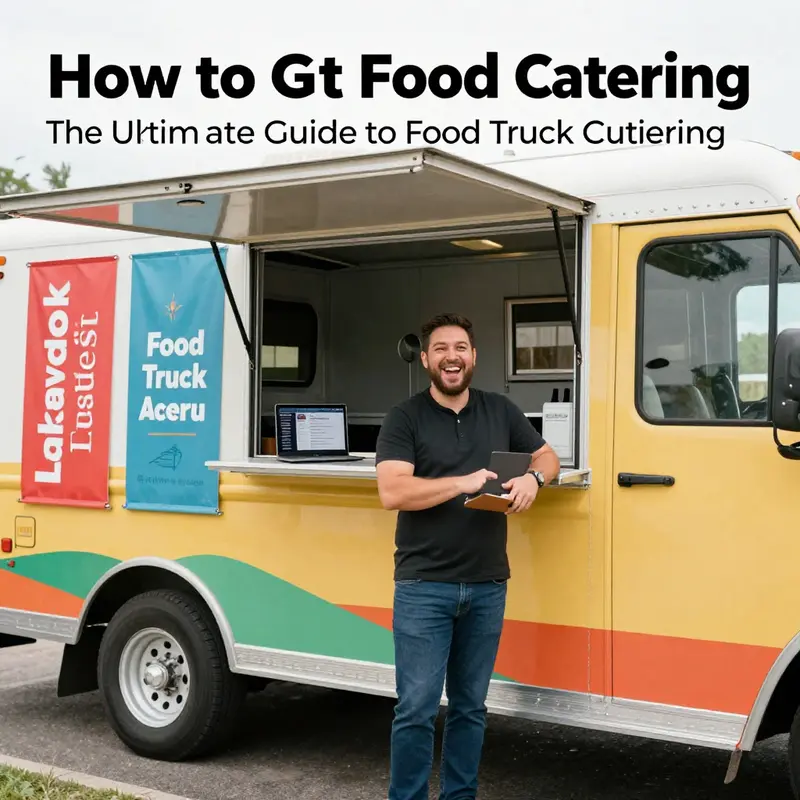
Getting Road-Ready: Building a Mobile Catering Operation
Starting a mobile catering business means turning a strong food idea into a reliable system that runs on wheels. This chapter walks through the practical decisions that shape whether your service becomes a one-off novelty or a dependable catering partner for events, offices, and festivals. It focuses on the fundamental choices—what to sell, how to legalize and protect the venture, and how to balance capital expenditure with revenue opportunities—so you can move from planning to profitable action with clarity.
The first and most consequential choice is your culinary focus. Pick a niche that fits your skills and the market. A concise menu makes operations faster and reduces waste. Think in terms of preparation steps and holding times. Choose dishes that travel well, plate quickly, and hold up during service. Your signature items should offer a clear benefit: unique flavors, speed, portability, or a dietary angle that meets demand. Keep portioning predictable. Standardize recipes. Train staff to execute the same plate every time. These measures keep food costs steady and service times short, which matters for catering where volume and timing are critical.
Location and markets determine everything from menu design to staffing and pricing. Catering for private events and weddings requires different gear and staffing than serving office lunches or festival crowds. Create a mental map of the places you want to serve and their rhythms: weekday lunch traffic near office clusters, weekend markets, late-night entertainment zones, or seasonal event calendars. Research event producers and venue rules so you know how access, setup, and teardown affect operational costs. A good rule is to test three distinct markets early. Compare gross margins, travel time, and predictable demand before committing to a primary focus.
Regulatory compliance is non-negotiable. Local health departments will require inspections, operating permits, and food handler certifications. Zoning and parking rules vary. Learn local rules about where trucks can park, how long they can remain in place, and whether you need event-specific permits. Plan for regular inspections and maintain meticulous records of cleaning, temperatures, and supplier invoices. Insurance is another layer: liability coverage protects against customer injuries, and commercial auto insurance covers your vehicle. For catering, consider event-specific coverage that can be added for large bookings. These safeguards protect your finances and reputation.
Deciding whether to buy, lease, or rent a truck shapes your capital needs and flexibility. Owning a truck gives complete control over branding and layout. Leasing or renting lowers upfront costs and allows fast entry for testing concepts. If ownership is your goal, prioritize a kitchen layout that supports your menu’s flow: prep area, hot line, refrigeration, and storage should be arranged to minimize movement. Equip for safety and service: fire suppression, ventilation, and non-slip flooring are essential. If using a used unit, verify that electrical, gas, and plumbing systems meet code and that appliances hold safe temperatures. Whether rented or owned, ensure the vehicle meets all local safety and health requirements before signing contracts.
Funding options include small business loans, personal savings, equipment financing, and community investment. Accurately forecast startup costs: vehicle or lease, kitchen equipment, initial inventory, POS system, licensing, initial marketing, and a small payroll buffer. Build scenarios: conservative (slow ramp), expected, and aggressive (fast growth). Each scenario should include a break-even month and cash runway. Many operators begin with a modest menu and a used vehicle so they can reinvest early profits into upgrades. That approach reduces risk and keeps the focus on solid operations and customer experience.
Branding and presentation matter more than many new operators expect. A clear, memorable brand helps event planners and customers remember you. Visual identity should remain consistent across vehicle wrap, menus, staff uniforms, and online presence. Prioritize legibility: menu signs should be readable from a distance, and ordering flow should be intuitive. For catering, create a concise package for event planners that lists sample menus, portion sizes, setup needs, and pricing tiers. Include clear photos of plated items and a compact equipment checklist so planners can quickly assess fit.
Technology streamlines orders, tracking, and customer communication. Use a modern point-of-sale system to speed transactions and capture sales data. Adopt online booking forms for inquiries and contracts, and establish a deposit policy to reduce no-shows. Offer electronic receipts and consider scheduling tools to manage deliveries and event timelines. Implement location-sharing technology so clients and customers can find your truck during events and promotional pop-ups. Use sales data to refine menus and staffing needs; accurate daily sales reports are invaluable for adjusting inventory and forecasting.
Catering logistics differ from street service. Events demand precise timing and consistent volume. Build a flowchart for each event type: the time you load, travel, set up, when you begin service, and how you teardown. Factor travel time, traffic, and loading restrictions into your scheduling. For large events, bring extra staff and a second set of insulated carriers for hot and cold items. Standardize cooking schedules so you can hit service windows without overproducing. For plated catering, practice the sequence so each dish is plated and delivered at its best temperature.
Menu engineering for catering balances variety with operational simplicity. Limit full-scale menus to a few core items, and offer add-on sides or customizable packages to provide perceived choice. Price items for both unit profitability and event-level margins. For plated meals, calculate food cost per plate and multiply by expected attendance, adding a contingency for extras. For buffet-style or service-line catering, estimate consumption rates based on event type and guest profiles. Keep disposable and servingware simple, eco-friendly if possible. That reduces cleanup time and aligns with many clients’ preferences.
Staffing is a scheduled cost as much as a culinary one. Hire staff with event experience when possible. Train everyone on food safety, portion control, and customer interaction. Cross-train employees in multiple roles: a line cook who can also manage the POS during a lull adds flexibility. Create a staffing multiplier for events that include setup, service, and teardown. Factor in travel compensation for long drives and add contingency hours for delays. For large bookings, plan a pre-event briefing that covers timeline, menu changes, and client contacts.
Contracts turn conversations into commitments. Use a short but clear contract that outlines scope, deposit amount, cancellation policy, timelines, setup needs, and insurance coverage. Require a deposit to secure the date. Spell out what constitutes additional charges: extra travel, overtime, or requested menu changes on the day. For recurring clients or corporate accounts, consider a simplified master agreement that streamlines repeat bookings.
Pricing for catering must reflect both food cost and operational burden. Build menus using standardized recipes that ensure consistent costs. Add overhead allocation per event: vehicle wear and tear, labor, insurance, and administrative time. For remote events, include mileage and travel time charges. Offer a few price tiers so clients can trade up for premium ingredients or specialized service. For large events, a per-head price often simplifies budgeting for clients and ensures predictable revenue for you.
Marketing for a catering business blends direct outreach with community presence. Build a packaged pitch for event planners and venues; deliver it in-person or via email with clear, concise attachments. Attend local vendor open houses to meet decision-makers for venues and corporate accounts. Create a presence at local markets and smaller events to build a photo library and a track record. Encourage client referrals and capture reviews from every booking. Maintain a simple portfolio that highlights setup photos, plated items, and testimonials.
Operational resilience comes from disciplined systems. Maintain inventory par levels and reorder thresholds to avoid last-minute trips. Keep spare parts for essential equipment and a small toolkit for roadside fixes. Track routine maintenance for the vehicle and any leased equipment. Implement a check-in checklist for daily setup and teardown that staff must complete. Document standard operating procedures so new hires can get up to speed quickly and owners can step back from daily tasks as the business grows.
As you scale, consider fleet strategies. Additional trucks expand capacity and allow geographic coverage. Standardize vehicle layouts and menu items across units so training and inventory remain manageable. Centralize procurement for key ingredients to capture volume discounts. Use data from initial months to identify peak times and popular menus, then replicate successful patterns across new units.
Finally, understand that starting a mobile catering business is iterative. Expect to refine menus, systems, and routes as you gather real-world data. Keep improvements incremental and tied to measurable outcomes, like faster service times, higher average check, or lower food waste. Use bookings as opportunities to test new items and to learn client preferences. Over time, a disciplined focus on consistent food, reliable service, and efficient operations turns a mobile concept into a trusted catering partner.
For a deeper, practical legal and startup checklist tailored to mobile food operators, consult the official government guide on starting a food truck business: https://www.sba.gov/business-guide/launch-your-business/start-food-truck-business
For guidance on choosing the right chassis and kitchen layout for a new operation, see this industry-focused resource on the best food truck models for startups: best food truck models for startups.
Final thoughts
As you can see, getting food truck catering in Lakewood is an enriching opportunity that caters to both eager foodies and budding entrepreneurs. Whether you choose to purchase a food truck, explore rental options, or start your own business, there’s a world of delicious possibilities waiting for you. Embrace the excitement of mobile dining and community engagement that comes with food trucks—they’re more than just meals; they’re experiences that bring people together.