
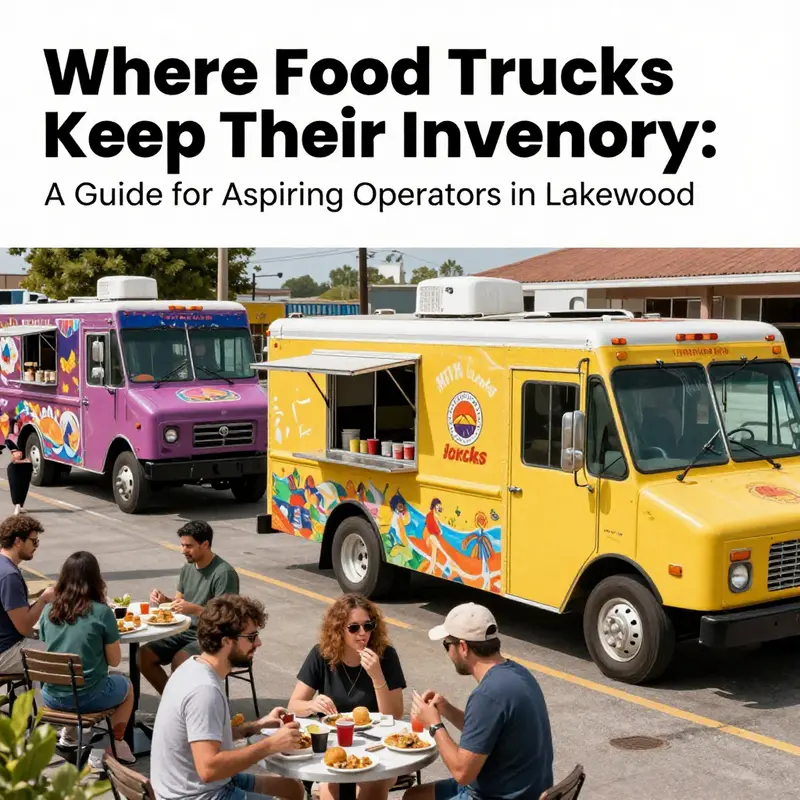
Food trucks have become a beloved part of the Lakewood community, bringing diverse culinary delights to our local events and streets. If you’re an aspiring food truck operator or a tourist keen on experiencing our vibrant food scene, understanding where food trucks keep their inventory is essential. Efficient inventory management ensures that each dish served is fresh, safe, and ready to delight customers. From refrigerated storage to digital inventory systems, this guide will take you through the various compartments and storage areas that make up a food truck’s inner workings. By the end, you’ll have valuable insights into the crucial practices that help food trucks run smoothly—leading to tasty meals and satisfied customers.
Cold Chains on Wheels: How Food Trucks Store and Protect Perishable Inventory
Cold Chains on Wheels: How Food Trucks Store and Protect Perishable Inventory
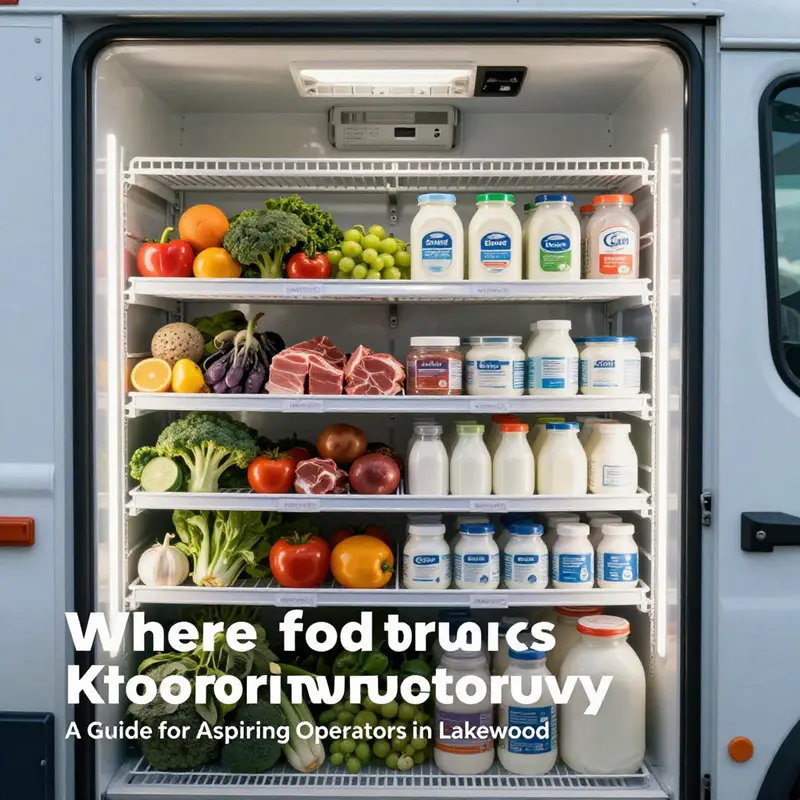
Keeping perishable inventory safe inside a food truck requires more than a single cooler. It demands a planned cold chain that fits a compact, moving kitchen. Refrigeration choices drive daily workflows, menu options, and compliance. The right setup preserves flavor and texture, prevents waste, and reduces risk during busy service windows.
Built-in refrigeration is the foundation for most trucks. These systems are integrated into the truck layout and tailored to available space. Built-ins offer predictable temperature stability. They sit under counters, behind prep stations, or in vertical units along the wall. Because they are permanent, installation is a professional job. That permanence means consistent performance and fewer surprises during service. It also means the refrigeration footprint must be planned before the truck is finalized. Size, door placement, and shelf configuration are set during design.
Portable refrigerated chambers add flexibility. Operators use them for events, pop-ups, or when they need extra cold capacity. These units can sit beside a truck or be towed for larger orders. They come in varied temperature ranges, which helps when a truck handles diverse perishables. Portable chambers are useful on festival days when stock levels spike. Their transportable nature lets teams stage inventory closer to service points. The trade-offs include power requirements and limited maneuverability in tight urban sites.
For larger scale operations, refrigerated shipping containers are a solution. They behave like temporary walk-in coolers and maintain stable temperatures for long periods. These containers work well for multi-truck fleets or for operators who move product in bulk between commissaries and trucks. They are less common for solo operators because they demand space and a larger budget. Still, for seasonal businesses and high-volume caterers, they reduce daily trips back to a commissary.
Choosing among built-in, portable, or containerized refrigeration depends on space, menu, and operating rhythm. A small taco truck with a simple menu needs a compact under-counter fridge. A dessert truck that stocks ice cream requires a larger, more controlled cold space. A catering fleet that serves corporate events needs both truck refrigeration and a portable chamber for staging.
Layout matters almost as much as capacity. Shelving must allow airflow around items, preventing cold spots. Operators avoid overpacking. Overcrowding reduces circulation and creates warm pockets where bacteria can grow. Adjustable shelving and clear labeling help staff rotate stock using first-in, first-out rules. Transparent bins and shallow trays make visual checks quick during service. Vertical storage maximizes cubic feet while keeping items accessible.
Temperature control is non-negotiable. Refrigeration units should maintain temperatures below 40°F, with many perishables stored colder. Digital thermostats and remote sensors keep operators informed in real time. Alarms for temperature excursions protect inventory on long shifts. Because trucks run on variable power sources, redundancy matters. Backup power through generators or battery systems prevents catastrophic losses during outages. For trucks that park off-grid, planning for power demands is part of refrigeration selection.
Power sources shape equipment choice. Built-in units often run on either vehicle power while driving or on shore power when parked. Portable chambers and containers typically require a stable external source. Operators must calculate wattage, start-up surge requirements, and run-time. Underestimating these needs leads to frequent resets or unit failure. Smart energy use—such as pre-chilling stock and minimizing door openings—reduces load and extends runtime.
Maintenance preserves performance. Regular cleaning keeps coils and condensers free of debris. Scheduled defrost cycles prevent ice buildup that reduces cooling efficiency. Technicians should inspect seals, fans, and thermostats often. A preventive maintenance checklist prevents mid-shift breakdowns. Clear cleaning zones and easy-to-remove components make sanitation faster. Food safety inspections look for clean condensers and proper temperature logs, so maintenance also supports compliance.
Sanitation ties directly into storage design. Materials must be non-porous, easy to wipe, and resistant to corrosion. Rounded corners prevent food and grime from accumulating. Drainage and slope in cold storage floors allow for wash-downs when necessary. Secure latching doors prevent pests and accidental openings while driving. Proper insulation keeps internal temperatures stable and reduces compressor cycling.
Operational habits are as crucial as hardware. Preparation routines, like chilling prepped ingredients overnight, reduce load during service. Staging small, frequent restocks near the service window keeps doors closed and tailors inventory to demand. Staff training on proper loading and rotation ensures every item spends minimal time in transitional temperatures. Checklists for pre-shift temperature checks and mid-shift logs create accountability.
Inventory systems streamline decisions and reduce waste. Digital tracking tools monitor stock levels and expiration dates. These systems send alerts when levels fall or when an item nears its safe use limit. For busy trucks, inventory software ties to sales data and predicts reorder points. That reduces last-minute shortages and prevents overstocking perishable goods. Combining digital tools with visual cues in the truck creates a double layer of control.
Contingency planning saves stock from unexpected events. Small trucks often carry a few insulated coolers with gel packs. These act as short-term backups during minor outages. For longer issues, having access to a portable refrigerated chamber or a nearby commissary can be the difference between loss and recovery. Operators should map nearby resources before an event. That network can include rental chillers or partnering businesses willing to share space for a fee.
Selecting the right truck model influences refrigeration choices. Compact models favor under-counter units, while larger platforms allow for vertical refrigeration or built-in walk-in spaces. Operators looking to match refrigeration to their business model can review model options tailored for startups and growth. A useful resource on matching truck models to operational needs is the guide to the best food truck models for Lakewood startups, which highlights size and layout considerations that affect cold storage.
Finally, refrigeration decisions affect menu creativity and customer experience. Reliable cold storage lets chefs use fresh dairy, delicate sauces, and high-quality produce. It allows speed without sacrificing safety. Investing in the correct refrigeration system is an investment in brand consistency and long-term viability. Thoughtful design, disciplined routines, and simple contingencies create a robust cold chain on wheels.
For additional guidance on temperature thresholds and safe storage practices, consult the food safety and storage guidelines from a national restaurant authority: https://restaurant.org/resources/food-safety-storage-guidelines
Stowed and Sorted: How Food Trucks Manage Dry Inventory On the Move
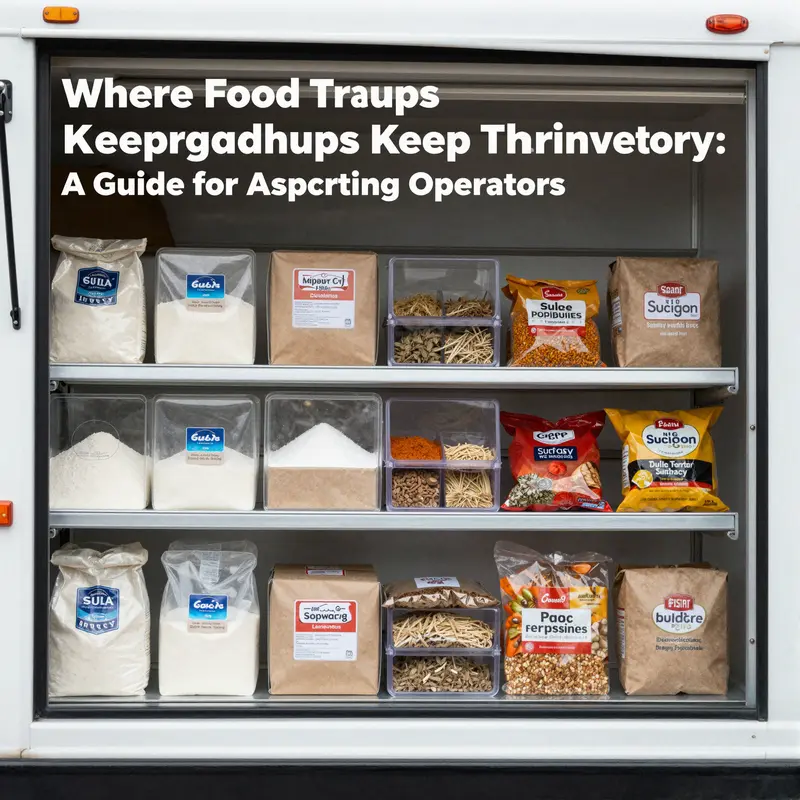
Dry storage is where a food truck’s rhythm meets its pantry. Non-perishable ingredients and service supplies live in cabinets, shelves, and drawers designed for tight spaces. When well executed, dry storage keeps operations fast, consistent, and safe. It also protects ingredients from moisture, pests, and the knocks of the road. This chapter describes practical layouts, materials, and daily habits that help mobile kitchens keep their dry inventory organized and accessible.
Design starts with the footprint. Every food truck trades square footage for workflow. Operators must prioritize items used most often and place them closest to prep stations. Stainless steel shelving is the backbone of many setups. It resists corrosion, cleans easily, and fits custom layouts. Modular cabinets, often built to the vehicle’s contours, offer a balance between secure storage and quick reach. Pull-out drawers and slide racks turn vertical space into usable shelving. These features reduce bending and reaching, which speeds service and lowers fatigue.
Containers and labeling create order within those shelves. Clear, food-grade containers shield ingredients from humidity and pests. Airtight bins for flour, sugar, and other dry staples prevent clumping and insect entry. Smaller items—spices, condiments, and single-serving garnishes—belong in labeled bins or divided drawers. Consistent labeling speeds prep and reduces mistakes. Labels should name the item and include a received or opened date. That simple detail enforces rotation and keeps quality predictable.
Rotation is non-negotiable. The FIFO method—first in, first out—keeps older stock moving and reduces waste. Use storage placement to enforce it: place newly received boxes or bags at the back of the shelf and move older items forward. For bulk goods, portioning into smaller containers on arrival helps. Instead of grabbing directly from a 50-pound bag during service, transfer measured amounts into smaller, sealed bins. This practice reduces exposure and streamlines dosing during busy periods.
Securing inventory for travel is a unique requirement of mobile kitchens. Vibration, sudden stops, and sharp turns can turn stacked goods into hazards. Anti-slip mats on shelves help keep containers from sliding. Vertical dividers and lip edges hold jars upright. For drawers and cabinets, positive latches or magnetic catches prevent accidental openings. Elastic straps, bungee nets, and tote boxes can secure larger bulk items in a rear compartment or under a counter. These measures protect stock and reduce the risk of spills that interrupt service.
Weight distribution also matters. Heavy sacks and large canned goods belong low and centered. Storing dense items up high raises the truck’s center of gravity and affects handling. When planning a layout, visualize the truck in motion and imagine where weight will shift during turns. A balanced load improves safety and helps prevent wear on suspension components.
Dry storage ties tightly to refrigeration. Perishables live cold, but many recipes rely on dry staples stored inside the cabin. A clear separation between dry and refrigerated areas lowers cross-contamination risk. Keep packaging and single-use service items near the window or service counter, away from prep surfaces that contact raw proteins. Under-counter cabinets are ideal for utensils, cleaning supplies, and non-food items because they remain out of the food path yet accessible for quick use.
Materials affect sanitation and longevity. Food-grade plastics and stainless interiors resist stains and odors. Avoid porous materials that retain moisture. Shelving should be smooth and rounded at corners. That minimizes trapped crumbs where pests could gather. Regular cleaning routines—wiping down shelves, sweeping crumbs, and checking seals—prevent infestations and odors. A weekly deep-clean, paired with daily spot checks, keeps storage hygienic and inspection-ready.
Organization choices influence speed. Many trucks use vertical space with dividers for sheet pans, trays, and prep ingredient racks. Pull-out drawers for spices and garnish containers make it simple to assemble orders without searching. Labeling systems can be visual and tactile. Color-coded lids for allergens or prep stages speed decisions under pressure and help new staff learn the layout quickly.
Inventory control systems reduce guesswork. Even a simple checklist that operators complete at the end of each shift improves restocking accuracy. Digital solutions scale this process. Mobile inventory apps can track consumption, trigger reorder alerts, and produce simple purchase lists. For high-turnover operations, these systems prevent last-minute shortages during festivals or catering runs. Digital logs also help analyze which items sit unused and which move quickly, guiding purchasing decisions and saving money.
Bulk storage and backup plans matter for events. Trucks that serve long shifts or caterings often carry extra dry goods in a separate, secured rear compartment or an attached dry storage trailer. This approach keeps the cabin uncluttered while offering on-site resupply. A compact trailer or cooler box on a tow can hold backup bags of rice, flour, and paper goods. When planning such a setup, factor in security and weather protection. Cover and lock trailers, and keep backups off the ground to avoid moisture wicking.
Pest prevention and humidity control are constant concerns. Inspect deliveries for signs of pests before opening them. Keep moisture out by storing dry goods above the floor and away from walls prone to condensation. In humid climates, desiccant packets inside containers help, and breathable shelving promotes airflow. Routine pest inspections, combined with sealed containers and traps placed away from food contact surfaces, protect inventory.
Service workflows inform storage decisions. Where does the cook stand during assembly? Where does the expeditor stand? Place the most-used dry ingredients within arm’s reach of those positions. Items used only for the last step of a dish—garnishes, finishing salts—belong near the service window. Packaging materials should be organized by size and type, with frequently used items closest to the hand-off point. This minimizes steps per order and reduces lines.
Safety and regulation are easily overlooked but essential. Storage must comply with food safety standards for separation, sanitation, and pest control. Using durable, washable materials and maintaining clear documentation of cleaning schedules helps during inspections. Operators planning a custom build should consider how storage choices affect compliance and choose finishes and fixtures that are easy to sanitize.
Finally, iteration is part of the craft. No layout survives constant service perfectly. Track where staff slow down, which shelves are perpetually overstuffed, and where stock disappears. Small changes—relocating a spice rack, adding a divider, or switching to stackable containers—can cut seconds off each ticket. Over a day, those seconds compound into a smoother service and steadier profits.
For guidance on safety and storage standards, consult reputable resources that outline sanitation, temperature control, and pest prevention measures. For broader choices about vehicle layout and model options that affect dry storage potential, review industry guides such as the best food truck models for Lakewood startups. More detailed standards are available from the National Restaurant Association: https://www.restaurant.org/learn/safety-and-compliance/food-safety
Hidden Workhorses: How Under-Counter Cabinets Store and Organize Food Truck Inventory
Design and Organization Principles
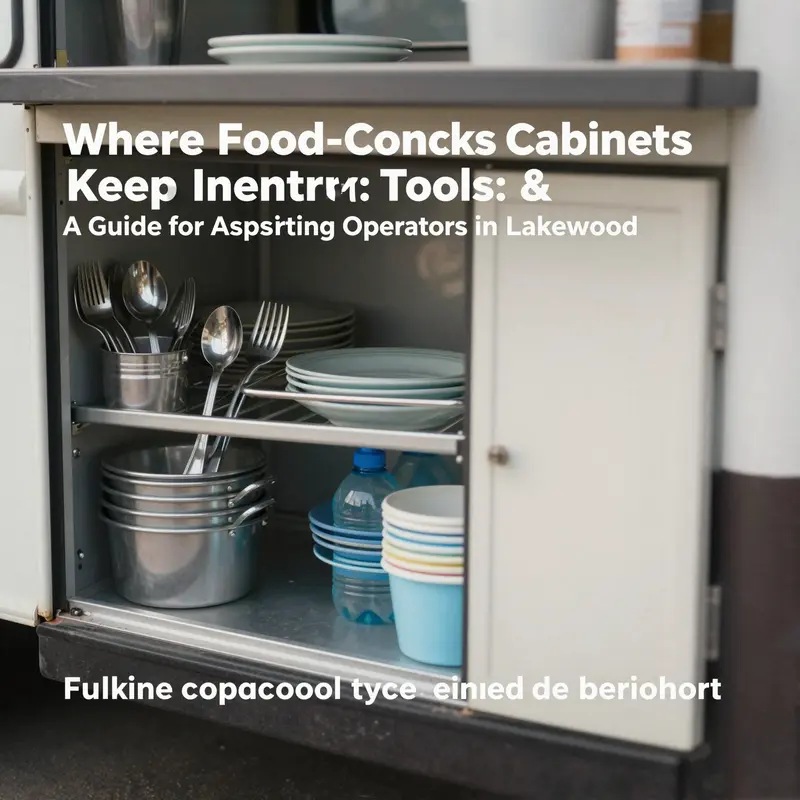
Under-counter cabinets are the unsung infrastructure of a food truck’s inventory system. These compact spaces handle the bulk of daily tools, small equipment, and many non-perishable items. When fitted and organized well, they reduce motion, cut service time, and protect inventory during transit. Operators design cabinet layouts to keep high-use tools within arm’s reach, to separate cleaning agents from food-contact items, and to secure loose items so they don’t shift while driving.
Cabinet surfaces and materials matter first. Stainless steel resists corrosion, tolerates heat and spills, and cleans easily. It also withstands repeated opening and closing. Cabinets built into the truck’s under-counter height preserve valuable counter real estate. Their doors and drawers line up with prep stations and cooking lines. This alignment keeps hands moving forward, not sideways, which speeds service and reduces accidents.
A practical organization begins with categorization. Group items by function and frequency of use. Keep the most-used items in shallow, front drawers. Store backup utensils and less often needed tools deeper or higher. This approach reduces the time staff spend digging for equipment during rushes. Use labeled bins and color-coded systems to reinforce placement. Labels help new staff and temporary crews maintain order through busy shifts.
Drawer dividers and vertical organizers are essential. Dividers break large drawers into predictable zones. Vertical racks let spatulas, tongs, and ladles stand up. Standing storage preserves tool shape and speeds selection. Vertical slots for cutting boards and pans save shelf depth. Small parts trays corral clips, thermometers, and garnish tools. Magnetic strips inside cabinet doors secure knives, keeping blades out of mixed drawers and easing access while maintaining safety.
Corner areas under counters often become black holes. Use engineered corner cabinets that swing or slide to the front. Lazy susans and pull-out trays transform deep corners into practical storage. These mechanisms make every cubic inch usable and keep staff from shuffling through stacks during service.
Consider workspace adjacency when placing items. Utensils used at the grill belong next to the grill line. Plating tools pair with the assembly station. Serving containers and to-go packaging sit close to the service window. This simple principle reduces travel distance and eliminates cross-traffic in a tight kitchen.
Safety and sanitation shape what goes where. Store cleaning chemicals in dedicated sealed cabinets with clear labeling and a separate latch. Never place detergents above food prep surfaces. Use antimicrobial lining materials and removable trays in drawers for easy washing. Regularly inspect seals and hinges for wear. Damaged seals let pests and moisture enter, risking contamination.
For perishable inventory, under-counter cabinets can serve a supporting role. Keep dry, heat-stable ingredients, and small sealed containers or single-use garnish packs in these spaces. Reserve refrigerated units for core perishables like dairy and meat. The under-counter zone is best for utensils, packaging, small bulk items, and prepared condiment jars waiting for service.
Operational strategies improve cabinet effectiveness. Implement a first-in, first-out (FIFO) rotation for any items stored here that have shelf-life concerns. Use transparent or labeled containers for quick visual checks. Pre-portion common garnish and condiments into labeled tubs. This reduces in-service measuring and keeps spillage contained.
Inventory planning around cabinet volumes matters for restocking. Know the capacities of each cabinet and map standard par levels. For example, designate one drawer for three sets of utensils, another for two sizes of tongs, and a third for spare parts. When a set drops below par, the system flags restock. These simple rules reduce last-minute runs and prevent service slowdowns.
Compact trucks benefit from multi-use inserts. Modular trays can shift between prep, service, and cleaning roles. Removable caddies let staff carry a micro-inventory to a satellite station. Magnetic and foam inserts further secure small items during transit. Where weight distribution affects handling, place heavier stored items low and near the truck’s centerline.
Accessibility under pressure should guide choices. Drawer slides with soft-close features prevent slams. Gas-assisted lift supports on heavier panels reduce strain. Smooth glides and deep drawers allow staff to fetch items quickly and safely. Non-slip liners prevent items from sliding when the truck brakes or turns.
Maintenance is part of storage policy. Schedule quick cabinet cleanings between shifts. Empty drawers weekly for deep cleaning and inspection. Replace worn foam or liners proactively. Lubricate sliding mechanisms on a regular timetable. Clean, well-functioning cabinets preserve inventory life and reduce downtime from broken hardware.
During service spikes, quick-access staging can improve throughput. Set up a shallow, front-facing drawer as a grab-and-go station. Populate it with the day’s most used utensils and a small run of prepped garnish. Staff can reach into the drawer without breaking flow. After the rush, return the items and restock the drawer for the next wave.
Emergency planning should include cabinets. Store a small repair kit for equipment failures in a named drawer. Keep a compact set of disposable service ware and extra packaging in another. These measures help a truck keep serving through minor breakdowns without returning to base.
Training and signage sustain organization. Spend a short portion of staff onboarding showing cabinet logic. Use clear permanent labels and pictograms for shared operations. Encourage crew members to return items to their assigned zones. Small rules, enforced consistently, create a culture where under-counter cabinets stay orderly by default.
Because truck models influence cabinet design, operators should consider storage layout when choosing a vehicle. The right chassis makes installing custom under-counter cabinetry easier. For guidance on models aligned with practical storage needs, review resources on the best food truck models for Lakewood startups to match space with workflow.
Under-counter cabinets also tie into broader inventory systems. Many operators integrate physical layout with digital tracking. Barcode tags on bins and scanned restock lists speed inventory reconciliation. Tracking which drawer an item comes from helps identify usage patterns. That data informs reorder quantities and reduces waste.
Finally, customization wins in mobile kitchens. Off-the-shelf cabinets work, but custom inserts, angled drawers, and pull-out bins tailored to a menu can transform efficiency. Expert cabinet design uses every inch without obstructing service lines. When under-counter storage is treated as active workspace, not as an afterthought, it becomes a quiet engine of consistent, safe, and fast service.
For detailed specifications and examples of under-counter stainless steel cabinets used in mobile kitchens, see this supplier resource: https://www.stainlesssteelcabinet.com/under-counter-stainless-steel-cabinets-for-food-trucks/
Keeping It Hot on Wheels: Practical Warming and Holding Strategies for Food Truck Inventory
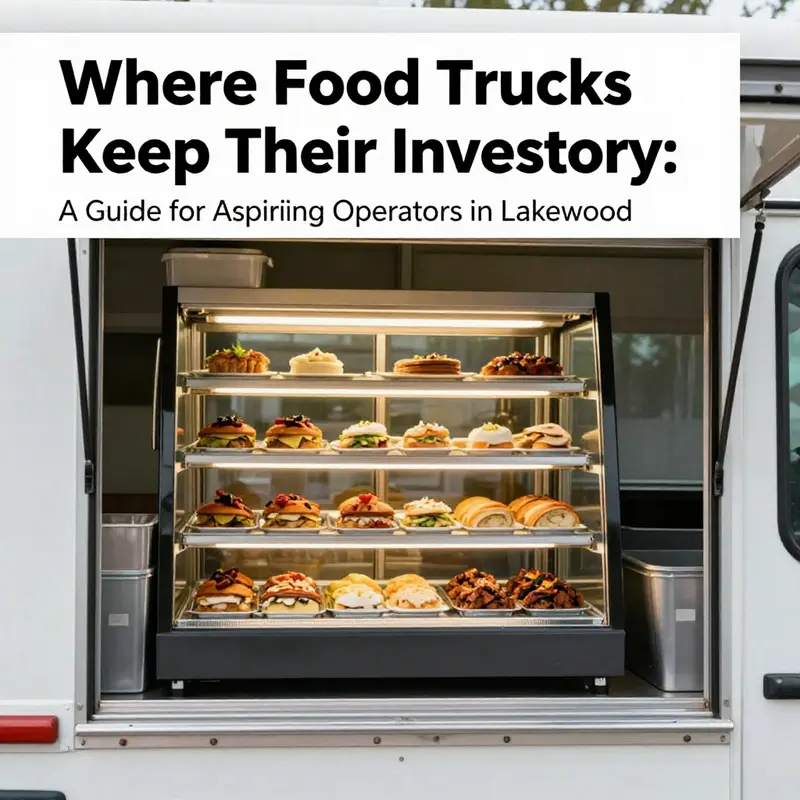
Keeping hot food at safe, appetizing temperatures inside a food truck is more than a convenience. It protects customers, preserves quality, and keeps service flowing during busy shifts. Whether a truck serves piping-hot tacos or comfort food at an all-day festival, the choices operators make about warming and holding systems shape how inventory is staged, transported, and served. This chapter weaves the core approaches—insulated transport and active heating—into a practical playbook for where and how food trucks keep ready-to-serve inventory.
Food trucks that rely on insulated transport treat hot food like a thermos. Prepared dishes are loaded into well-sealed, insulated containers built from materials such as polyurethane foam or advanced vacuum panels. These materials slow heat loss and let kitchens preload trays at optimal serving temperatures. Insulated solutions work best for predictable, short-to-medium runs where timing is controlled: school lunch routes, hospital deliveries, or multiple stops in a tight circuit. The major advantage is simplicity. Insulated containers need no power during transit. They run quietly and require minimal maintenance. That frees space in the truck and reduces fuel draw on generators or the vehicle battery.
Insulated strategies do come with limits. Temperatures will decline gradually, so the model depends on accurate timing and quick serving. In cold weather or on long routes, insulation alone can allow temperatures to dip below safe holding levels. That is why insulated systems are most effective when they pair with disciplined staging. Hot pans are rotated from the prep line straight into insulated cambros or hot boxes. Staff load items in a sequence that mirrors the service order, minimizing time exposed to ambient air. Inventory placement inside the truck prioritizes insulated units near the pass-through or serving area, so operators can retrieve food quickly without opening and resealing containers repeatedly.
Active heating systems solve the timing problem by maintaining temperature continuously. These systems use electric, gas, or propane-powered heaters built into cabinets or transport compartments. They include thermostatically controlled heated holding cabinets, heated shelves, and warming ovens. Active systems monitor internal temperatures and replenish heat as it escapes, so food remains within safe ranges even through long service windows or extended deliveries.
On trucks that operate all day or in cold environments, active heating adds reliability. It supports extended festivals, large event catering, and remote jobs where access to kitchen infrastructure is limited. The trade-offs are energy consumption and maintenance. Heaters draw power and may require a generator sized to the truck’s overall needs. Fuel-burning systems need proper ventilation and periodic checks. Yet the benefit is consistent quality. Entrées retain texture and moisture, sauces hold safely, and operators avoid last-minute reheating that can degrade flavor.
Deciding between insulation and active heat isn’t binary. Many food trucks use a hybrid approach. Insulated transport reduces energy use during short hops and on-day prep. Active holding cabinets inside the truck keep a small inventory of finished plates at safe service temperatures. This hybrid model allows trucks to prepare batches in advance, keep them warm safely, and use insulated carriers for overflow or deliveries.
How inventory is organized around these systems matters. For hot-hold operations, a layered workflow works best. First, prep lines finish dishes and stage them in labeled GN pans or half pans. Items that will be served immediately stay on the hot line. Items intended for later service move into heated cabinets or insulated cambros. Each container gets a time- and temperature-labeled tag to track how long an item has been held. Rotation is FIFO: first in, first out.
Placement within the truck reduces temperature loss and speeds service. Heated cabinets belong along the service side where access is quick, not jammed behind the fryers. Insulated carriers should be stowed where they experience the least temperature swings, away from doors and ventilation openings. Staff should avoid stacking hot pans tightly without airflow. While compact stacking conserves space, it can trap steam and make internal temperatures uneven. Using perforated shelves or spacing trays ensures consistent heat circulation.
Monitoring is non-negotiable. Digital thermometers, built-in thermostats, and wireless temperature sensors give operators real-time data. Temperature logs, whether written or digital, document that items were held at safe levels. Many modern trucks integrate digital inventory systems that sync item counts with holding times. This reduces waste and flags low-stock items before they affect service. A simple alert for when a heated cabinet falls below set temperature can prevent safety breaches and last-minute scrambling.
Power and redundancy planning are part of inventory strategy. Active heaters need a reliable power source. Trucks that rely on a single generator should keep a backup plan: spare fuel, an auxiliary battery system, or small portable heaters that meet safety standards. For insulated-only operations, keep thermal blankets and extra insulated carriers on hand. When service scales up unexpectedly, these low-tech tools can stabilize temperature quickly.
Cleaning and maintenance influence where hot inventory can be stored. Heated holding cabinets need regular degreasing and gasket checks. Insulated carriers require inspection of seals and interior liners. A perforated or non-slip mat beneath pans prevents sliding and helps collect spills. Scheduled maintenance reduces downtime and keeps inventory zones safe and sanitary.
Staff procedures tie the physical systems together. Clear roles for who stages, who loads, and who serves keep timing tight. Small rituals—checking cabinet temperatures at shift start, tagging each pan with put-up time, and confirming generator fuel levels—create predictable outcomes. Training should cover how long individual dishes safely hold, how reheating affects quality, and when to rotate or discard items.
Finally, consider situational adjustments. Festivals and rallies can push systems to their limits. For event-heavy schedules, a hybrid of warm holding and insulated overflow is prudent. Some operators bring additional insulated carriers to ferry hot food from a central heated cabinet to remote serving windows. Others prepare smaller batches more frequently to preserve texture and minimize long holds. If your truck regularly serves at events, learning from others at similar gatherings helps. For ideas on how fleets scale for large events, see 2026’s best food truck rallies and what organizers expect.
Keeping hot inventory safe and appealing on the move requires choices grounded in temperature science and practical workflow. Insulation conserves heat without power. Active heat offers control and consistency. Pairing them with smart staging, monitoring, power planning, and staff discipline ensures food trucks can meet demand without compromising safety. For deeper technical detail on systems and specifications, consult this practical industry guide: https://www.foodserviceequipmentnews.com/food-truck-warming-systems-2026.
Smart Stock on Wheels: How Digital Inventory Keeps Food Trucks Running Smoothly
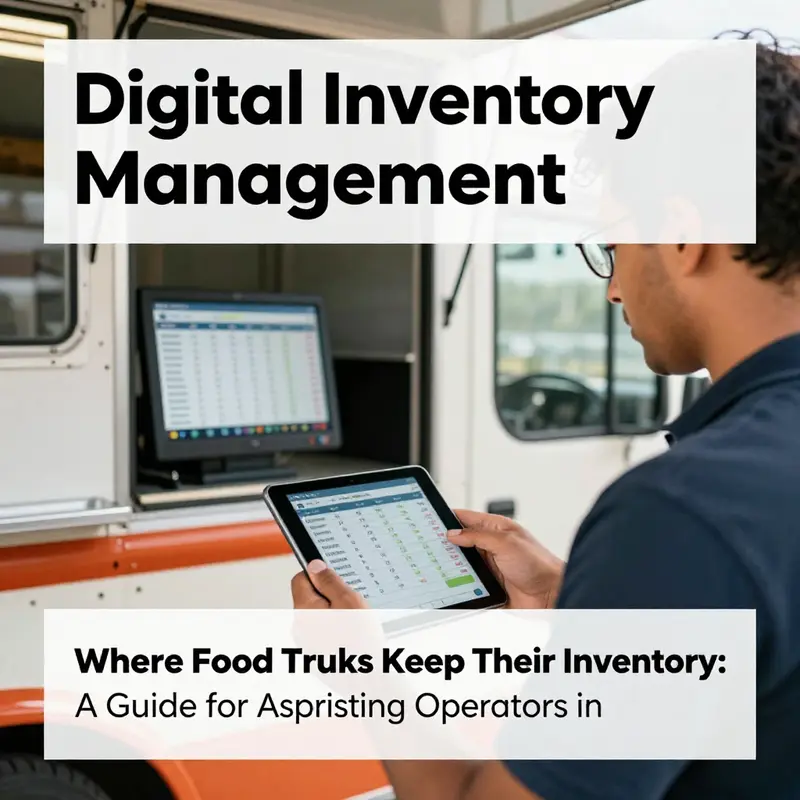
Food trucks face a unique inventory challenge: limited space, perishable ingredients, and unpredictable demand. Digital inventory management turns that challenge into an advantage. By combining real-time tracking, POS integration, and cloud access, these systems keep stock where it needs to be — on the truck and ready for service. The result is tighter control over costs, less waste, and smoother service during busy shifts.
At its core, a digital inventory system replaces manual counts and paper logs. Each ingredient, package, or supply is entered into software as a tracked item. Sales ring through the point-of-sale and deduct automatically from inventory. Prep work and receiving updates adjust counts in the same system. That single source of truth removes the errors that come with hand tallying and keeps stock levels accurate across shifts. For operators who run more than one vehicle, cloud-based access makes a unified view possible. Owners can monitor every truck from a phone or tablet. Managers can compare usage between routes or events. That visibility is particularly useful during festival weekends or multi-location service.
Integration with the POS is the most transformative feature. When a sale is completed, the system reduces inventory in real time. This linkage eliminates the delay between transaction and restock decision. Over a week of service, business owners can see exact depletion rates for each menu item. That data moves purchasing from guesswork to evidence. Low-stock alerts trigger before essentials run out. Alerts tie directly to reorder points, which avoids emergency trips to suppliers. For perishables, expiry tracking is essential. Digital systems flag approaching use-by dates so staff can rotate stock correctly. This reduces spoilage and keeps food safety top of mind during long service days.
Analytics within these platforms go beyond simple counts. Consumption patterns emerge: which tacos sell fastest at lunch, which sauces move only on weekends, and which sides lag. Operators can use those insights to tweak menus and simplify procurement. Forecasting tools project future demand based on historical sales and current reservations. During catered events, forecasts help predict exactly how much to prep. For pop-up locations, analytics can reveal whether a menu requires regional tweaks. Over time, plate-level visibility helps refine menu engineering to maximize margins and reduce leftover waste.
Digital inventory also streamlines supplier relationships. Automated reorder functions can place purchase suggestions or create purchase orders. When paired with lead-time settings, the system ensures ingredients arrive before stockouts threaten service. For small operators, this automation reduces administrative burden. For fleets, it centralizes purchase requests and standardizes ordering across vehicles. Supplier automation becomes a backbone for reliable daily operations and frees staff to focus on service and food quality.
Practical setup and daily habits
A successful digital inventory workflow starts with an accurate initial count and consistent labeling. Each item gets a clear name, unit of measure, and par level. Perishables include expiry dates and storage location. Hardware choices matter: barcode scanners speed counts, and small label printers improve clarity. Mobile tablets mounted in the truck allow quick checks mid-service. Daily habits should be simple and repeatable. Count critical items at the start and end of a shift. Log deliveries immediately. Update any waste or transfers to another vehicle. Train staff to record prep quantities and finished goods as they are made. These habits ensure the digital numbers match the physical stock.
Space inside the truck still matters even with great software. Digital systems help optimize what goes where. Track items by compartment, then arrange shelves so high-turn items sit within easy reach. Store backup stock in a separate, labeled area to prevent accidental use. Use under-counter cabinets for dry goods and dedicate refrigerated sections by food type. These physical routines reduce service time and improve safety during rush periods.
Temperature and compliance monitoring are often built into modern systems. Sensors can log fridge and freezer temperatures automatically. If a unit breaches safe ranges, the system alerts a manager. This feature protects perishable inventory and supports food safety records. For events that require proof of safe handling, digital logs offer verifiable histories for audits.
Adoption can be a hurdle. Operators need training and routine enforcement. Start small: track a handful of high-cost or high-waste items first. As staff become comfortable, expand tracking to more ingredients and supplies. Keep interface screens uncluttered. Customize dashboards to show only relevant items for each role. When the system saves time, compliance becomes self-reinforcing.
Cost and return on investment are straightforward to evaluate. Calculate savings from reduced spoilage, fewer emergency purchases, and improved purchasing efficiency. Track labor time saved from faster counts and simpler ordering. Many trucks see payback within months after adopting a digital system. The financial benefits compound as analytics guide smarter menu decisions and waste reduction.
Security and backup are important considerations. Cloud-based platforms should offer encrypted data transfer and regular backups. Assign user roles to limit who can change par levels or approve orders. Keep local backup procedures for offline days and ensure the team knows how to operate when connectivity drops. A resilient system keeps service running, even during short outages.
As technology evolves, digital inventory tools are adding more automation. Weight sensors and smart scales can update counts as items are removed. Integrated cameras can verify deliveries and log discrepancies. These advancements reduce manual work further and increase accuracy. But even without high-end sensors, a well-implemented digital system delivers measurable benefits.
Finally, digital inventory management supports growth. Whether expanding to a second truck or servicing large events, clear stock data makes scaling predictable. It helps owners decide which truck models and layouts will support their menu and volume. For advice on matching equipment and layouts to operational goals, consider guidance from resources that review vehicle models and fit-outs, such as the best food truck models for Lakewood startups (https://lakewoodfoodtrucks.com/best-food-truck-models-for-lakewood-startups/).
Digital inventory does more than track cans and cartons. It shapes purchasing behavior, enforces food safety, and turns data into operational decisions. For food truck operators who want reliable service and controlled costs, implementing a digital system is a strategic move. For further reading on how these systems simplify stock keeping, see this detailed overview: https://www.foodtrucks.com/digital-inventory-management-simplifying-stock-keeping-in-food-trucks/.
Final thoughts
Understanding how food trucks store and manage their inventory provides valuable insights for aspiring operators and curious visitors alike. From the critical role of refrigerated storage to the efficiency of digital inventory tracking, each component plays a part in ensuring food safety and quality. A well-organized food truck not only enhances the operational flow but also ensures that every customer experience is delightful and satisfying. Whether you’re planning to launch your own food truck or simply savoring the local offerings in Lakewood, appreciating these behind-the-scenes practices can elevate your journey.