
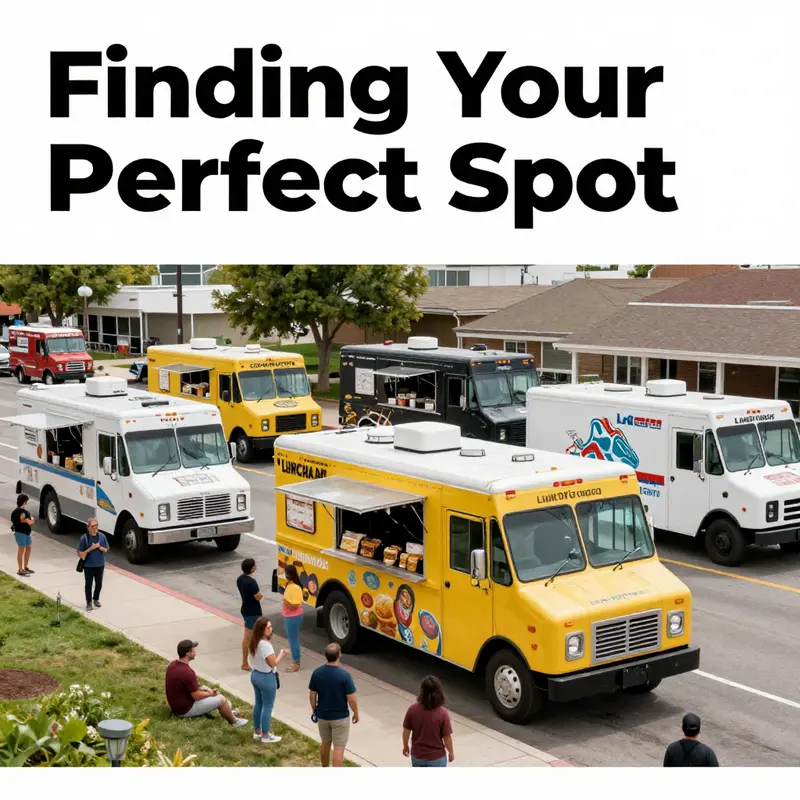
For aspiring food truck operators and tourists visiting Lakewood, knowing where to place your food truck can make all the difference. With its bustling streets and vibrant community, Lakewood offers an array of opportunities. This guide dives into five key areas: designated food truck parks that help vendors thrive, high-traffic locations that promise a steady stream of customers, the ins and outs of securing local government permits, effective use of mapping services for real-time spots, and popular locations already buzzing with activity. Each chapter serves to equip you with vital insights and actionable advice to ensure your food truck journey is successful and fulfilling.
Where to Park and Plate: Navigating Designated Food Truck Parks and Prime Local Spots
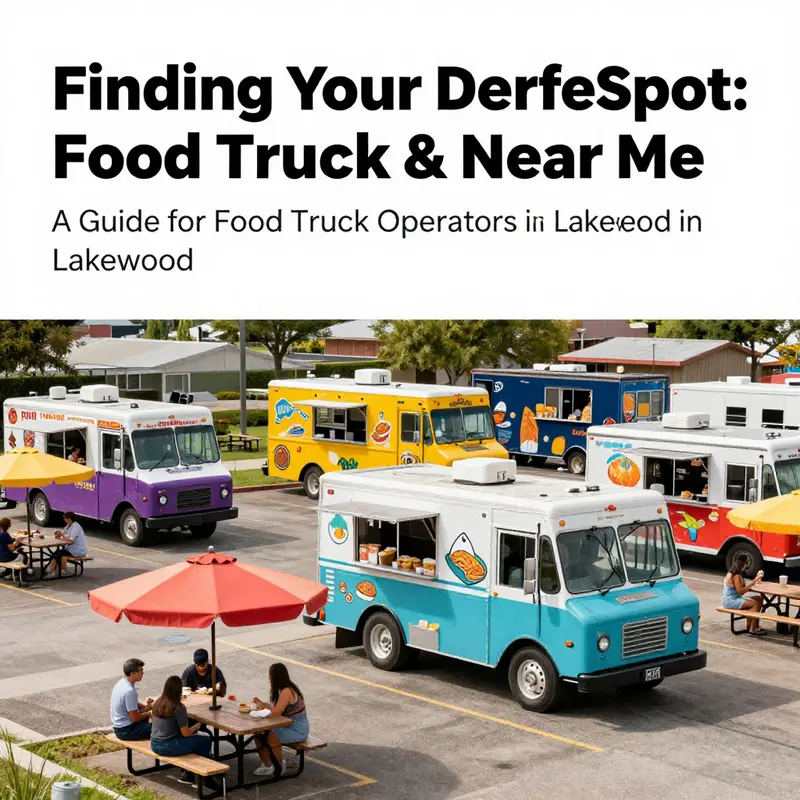
Finding the right place to park a food truck is seldom a single decision. It blends urban geography, permit regimes, crowd psychology, and the tempo of daily life. A well-chosen site is not just about foot traffic; it becomes a stage where your menu and your story meet a city’s consent to celebrate street food. The first lesson is that designated food truck parks exist for a reason. They provide predictable infrastructure, managed power and water, and a rhythm that customers recognize. Across many metros, these hubs act like recurring markets rather than ad hoc stops. They offer a steady audience, reduce the friction of daily permits, and create a community footprint that helps a brand grow from a single pop-up into a reliable dining option for locals and visitors alike. When you imagine your truck’s day, picture a scenario with a dependable schedule, a built environment designed for quick service, and a cadre of vendors who share the same operational tempos. Designated parks can deliver that baseline stability while leaving enough space for culinary risk taking to flourish in the open air.
Yet proximity alone is not enough. The real magic happens when you understand why a particular park works for certain cuisines and styles. A park near an office district may hum with lunch crowds, but it can also demand faster turnover and shorter menus. A weekend riverside location may lure families, joggers, and tourists with a longer window of operation, but it can also require a more resilient setup to handle gusts of wind and shifting footpaths. The best operators study the microclimate of each site—the prevailing wind direction, the typical crowd age range, the common questions guests ask, and the kind of seating or standing space that supports quick bites. The result is a choreography: a rhythm that suits the neighborhood, your team, and your concept.
To find designated food truck parks near you, consider using a real-time location platform that aggregates parked trucks, schedules, and available slots. These systems are invaluable because they translate city blocks into a fluid map of where culinary activity currently resides. They help a new entrant see the pattern of where crowds accumulate and how long they linger. They also reveal when a park is most active, which helps with planning staff shifts and inventory. The beauty of this approach is that it moves you beyond guesswork into data-informed decisions. You can identify a hub that aligns with your peak hours, whether you aim for a steady lunch trade or a bustling evening scene. In many cities, the most successful parks are those that blend routine with spontaneity—predictable hours and a rotating line-up of vendors that keeps the experience fresh for repeat customers.
Equally important is recognizing that not every crowded corner is suitable for every cuisine. A Tex-Man vibe might thrive in a high-energy, late-afternoon square near a sports venue, while a lighter, health-forward concept might outperform in a park adjacent to a lake or bike path where families linger after a picnic. The decision process must weigh the character of the neighborhood, the surrounding businesses, and the expectations of the park’s management. If a site already hosts a few vendors with a similar price tier or menu style, think about how your dish stands out—whether through flavor, aroma, or service that feels unique to your truck. The human element matters as much as the logistical one. People respond to hospitality, and in a park setting that means a friendly greeting, a clean station, and a menu that reads quickly from a distance. These cues can determine whether passersby pause, say hello to your staff, and become repeat customers.
As you build your mapping strategy, integrate practical checks into your routine. Confirm the park’s hours and any seasonal variations. Ask about the permitted equipment setup, waste containment, and the availability of electricity or generator use. Some parks require a fixed footprint; others allow flexible footprints or a shared space with neighboring vendors. Clarify whether you must bring your own shade, lighting, or cold storage, and whether the venue provides a loading zone and ADA access. A clean, efficient presence matters as much as the menu. A well-marked truck with clear branding and legible pricing invites curious onlookers and reduces decision fatigue for the busiest lunch rush.
If you are weighing multiple options, a useful approach is to simulate a day at each site. Imagine arriving before the crowd builds, setting up, engaging with the first wave of customers, handling a two- or three-plate rush, and clearing away with time to spare before the next shift. Observe what works and what slows you down—where you need extra staff, how long it takes to restock a popular item, and how weather changes the flow of customers. This kind of field testing turns abstract data into practical wisdom. It also helps you communicate with park managers when you apply for a permit or negotiate a seasonal contract. The permit process is rarely glamorous, but it is the backbone of a storefront-style legitimacy for a mobile business. It covers not just the right to operate but the right to operate safely, with attention to health standards, fire codes, and waste management. A proactive operator keeps permits up to date, maintains clean records, and demonstrates compliance with the park’s rules on noise, queue management, and hours of operation.
The conversation with park managers can also reveal opportunities that go beyond the obvious three square meals a day. Some parks host special events, farmers markets, or seasonal festivals where the volume spikes and the exposure rises. In those moments, your truck becomes part of a curated dining circuit rather than a standalone stall. Being part of a rotating lineup at a designated park can build trust with regular customers and give you a platform to test new items with lower risk than a standalone street corner. When a park fosters consistency, it becomes a learning laboratory where recipes mature, service rituals refine, and a brand story deepens. For the entrepreneur, this translates into a growing customer base, better vendor relationships, and a clearer pathway to scale across neighborhoods.
For operators exploring more structured options, a good starting point is to examine case studies of established hubs in cities that celebrate street food as a cultural asset. In Denver, for example, designated spaces and scheduled gatherings have helped food trucks reach audiences that stay for conversations, music, and community initiatives after sundown. The ethos there—where culinary risk-taking meets accessibility—illustrates how a supportive ecosystem can elevate a simple meal into a shared experience. The principle carries across regions: design parks that invite curiosity, balance competition with collaboration, and invest in infrastructure that lowers barriers to entry for new vendors. In practice, this means not just providing a curb and a corner, but offering dependable power, water access, waste facilities, and dependable management that treats every truck as a partner rather than a nuisance.
As you map your path, consider the proactive step of connecting with resource networks and mentors who can translate city regulations into workable timelines. Local government offices, small-business centers, and culinary associations can provide checklists, permit timelines, and contacts who know the peculiarities of your jurisdiction. While the road can feel uncertain, a well-planned approach keeps you moving toward your peak spots with clarity. If you are curious about equipment choices and the best configurations for different parks, a concise guide covers the best food truck models for Lakewood startups. It’s a reminder that the decision to park in a designated space is also an opportunity to align your physical footprint with your culinary ambitions. best-food-truck-models-for-lakewood-startups.
For the investor in you, the numbers also tell a story. Consistent location reliability translates to steadier cash flow, which reduces the risk of chasing sporadic crowds. When your truck operates at a designated park, you gain predictable hours, a built-in audience, and the possibility of cross-promotion with neighboring vendors. Of course, not every park thrives in every season or city climate; some flourish near transit hubs, others near college campuses, and others near nightlife districts that buzz late into the evening. The best plan is adaptive: start with a few vetted parks, test the waters across different days of the week, and use your findings to refine route planning and inventory management. The city might change with new development, but the enduring principle remains: choose spaces that respect the customer’s pace and the vendor’s capacity, and you cultivate a sustainable, scalable street-food business.
In closing, the art of choosing where to park your food truck near you is less about chasing the loudest corner and more about scripting a dependable, welcoming experience that fits the neighborhood’s tempo. Designated food truck parks offer a platform where your menu, service, and story can flourish in a supportive ecosystem. They are not a one-size-fits-all solution, but when chosen with attention to flow, infrastructure, and community, they become the backbone of a resilient itinerant kitchen. The right hub invites regulars, attracts curious first-timers, and helps your operation move with the city’s own pulse. And as you listen to the city’s rhythm—its events, its parks, its commuter routes—you’ll find not just places to park, but places to belong.
External resource note: for a broader sense of live, location-based guidance, you can explore a widely used external resource that aggregates current parked trucks and schedules at https://www.truckfindr.com.
Where the Crowd Flows: Positioning Your Food Truck for Maximum Foot Traffic
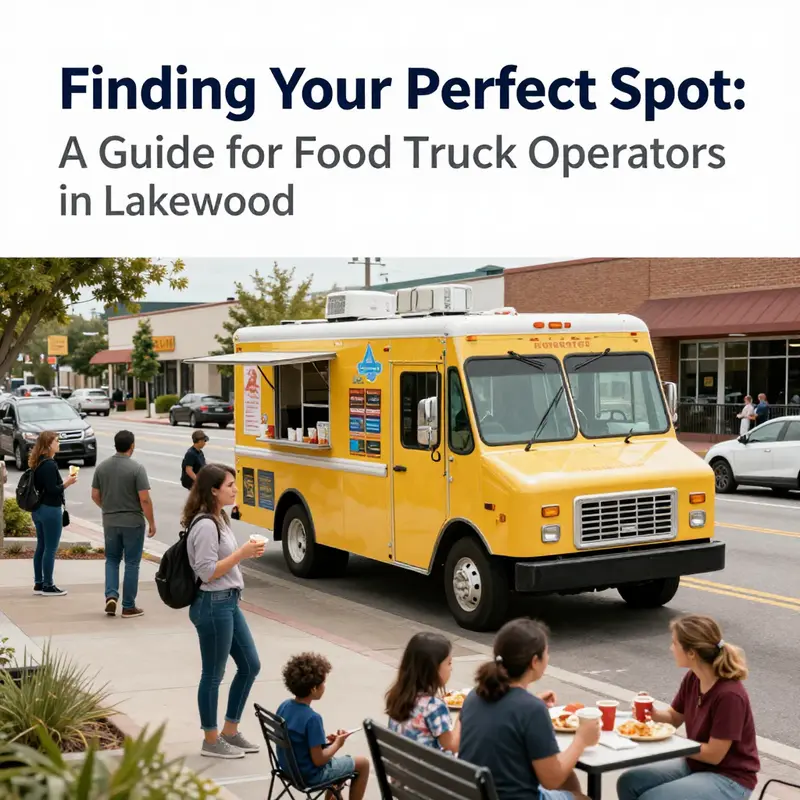
Choosing a place to park and serve from is as strategic as the menu you craft. In a business built on speed, flavor, and approachable price points, the spot you choose often determines how many people cross your path, how long they linger, and how readily they decide to pay for a bite. The idea of finding a “near me” location becomes less about a random street corner and more about reading the daily flow of people—the subtle choreography of who moves through a district, when they move, and why they stop. High-traffic sites are not just magnets for visitors; they are climate for repeat customers, footfall that turns into steady revenue when your hours, offerings, and presence align with local rhythms. Think of the city as a living map where the simplest choices—parking in a certain block after a commuter rush, setting up near a park’s popular weekend market, or landing a spot by a stadium entrance—can convert passing interest into meals purchased, tips left, and social shares that bring new faces to your cart week after week. The challenge is less about finding a decent curb and more about interpreting the pattern of crowds so your truck appears where demand is already forming, not where it ends up after you arrive with good intentions alone.
Identifying these opportunities begins with a loose framework: look for places where people already gather in predictable ways. Parks and beaches are natural magnets for morning coffee runs, quick lunches, and casual weekend breaks. They produce regular foot traffic, often with predictable peaks as families stroll, athletes take breaks, and students unwind between classes. Corporate campuses, on the other hand, deliver a different cadence. They offer a concentrated lunch window and a built-in audience that values convenience and consistency. When your truck becomes a familiar, time-saving option for employees who can’t or won’t leave the campus for a long lunch, you gain stability in your revenue stream. Event venues can deliver dramatic spikes in customers, but the key is to be able to adapt quickly—sharing space with other vendors, adjusting to weather shifts, and riding the momentum of festivals, concerts, and public gatherings. Urban centers, with their dense pedestrian networks and long hours, reward mobility, visibility, and the ability to move with the crowd. In practice, the strongest locations are those that balance a steady daily cadence with the occasional surge in demand that comes from a special event, a community activity, or a seasonal festival.
To translate this framework into action, many operators start by combining a few concrete checks with a flexible mindset. First, visit potential spots at different times of day and across days of the week. A park on a sunny Saturday may feel like a gold mine, but a weekday lunch hour in the same park could reveal a different, more modest pattern. An office park might look quiet at 11 a.m., only to spring to life briefly around 12:15 as nearby employees stream out for a quick meal. The tempo matters as much as the terrain. Second, consider the physical setup: is there room for a queue without blocking sidewalks or entryways? Will you have access to a nearby power source, or will you rely on generators? How easy is it for customers to find you during peak moments when lines form? The best spots offer straightforward access, clear sightlines from the main flow of foot traffic, and a path that minimizes the friction of purchase. They also better support a smooth, repeatable routine: ample space for a short line, a visible cooking area, and a predictable location you can defend week after week.
Beyond the physical layout, the social ecosystem matters. Partnerships with nearby employers, event organizers, or neighborhood associations can unlock prime placements that single trucks may not secure alone. A simple collaboration—commuting-time promotions near a corporate campus, or co-hosted lunch events with a nearby retailer—can yield a steady cadence of visitors who come for the experience as much as for the food. These partnerships often translate into reserved blocks of time or designated markets where multiple trucks gather, providing customers with a reliable, rotating lineup that brings different flavors to a common audience. The value of collaboration is not only in the customer pile-up but in the credibility that comes from being part of a respected, recurring community event or venue program. When a city or a campus recognizes your truck as a trusted, contributing member of the local food scene, it becomes easier to negotiate access to the best spots, to secure reasonable terms, and to build a schedule that fits your production capacity.
To maximize reach, operators increasingly turn to data to forecast where demand will cluster. Delivery platforms and payment systems generate a wealth of signals—where orders originate, what neighborhoods show rising activity, and which days reveal spikes in purchase frequency. When a truck sites near high-demand pickup zones, even existing customers begin to see it as a familiar stop, and newcomers are more likely to try it on a first-come, first-served basis. This data-driven approach does not replace the human touch; it informs it. You still need to scout, listen to the cadence of a place, notice the micro-patterns—when steps in a certain direction become a queue, when people linger near a corner stall, when a crosswalk funnels foot traffic past your setup. The combination of on-site intuition and data insight is what separates a good placement from a great one.
A practical orientation to discovery is useful here. Use mapping services to search for “food truck parking” or “mobile food vendor spot” within your locale, then compare the results with real-world observations. Pay attention to access, visibility, and proximity to complementary traffic generators—think shopping centers, transit hubs, gym plazas, or stadiums—without assuming that every busy block is immediately appropriate for your product. If the goal is to maximize both visibility and sales, you want a location that draws steady foot traffic but also aligns with your operational strengths: the speed of service, the ability to move quickly when the crowd shifts, and the capacity to maintain consistent quality across a day’s worth of meals. In this sense, the right place is as much about the environment and community as it is about the simplest answer to “where can I put a food truck near me.”
No single location guarantees success, but a disciplined approach to choosing sites compounds value over time. One method is to pursue a limited number of strategic, recurring spots in each neighborhood—the places you can reliably serve every week, with a consistent menu and a predictable line. Another approach complements this by planning around event-driven opportunities: markets, concerts, farmers’ markets, and outdoor festivals that bring a broader audience with an appetite for diverse flavors. Partnerships extend your reach beyond your own four wheels, and data helps you time your appearances in ways that sync with peak demand. If your schedule and permits allow, alternating between a stable daily spot and a rotating event calendar can keep your revenue steady while expanding your brand presence across the city.
As you refine your placements, keep in mind practical restrictions and local rules. Begin with the basics: verify that the area permits mobile food vendors, and understand the zoning and licensing requirements that apply near your chosen sites. The process can vary by city and neighborhood, but most jurisdictions require a vendor permit, a business license, and often proof of food-safety training. Some locations are managed by dedicated park or event authorities who publish rules about hours, signage, and queue management. Others rely on private partnerships with property owners who can grant temporarily assigned stalls for a season or a special event. It is essential to maintain a clear, up-to-date map of your allowed spots, your schedule, and your contact points for permission changes. This proactive approach reduces the risk of interruptions that could disrupt a busy lunch service or a festival day.
Candidly, the available information in the knowledge base points to real-world examples of parking hubs and city-specific venues that host food trucks, yet it does not offer a universal, up-to-date map of every viable spot in every market. This is where local observation, official channels, and digital tools converge. You’re not merely chasing a promise of a perfect corner; you’re building a reliable approach to identifying and validating good sites, then refining your routine so customers recognize your truck as a dependable option during their daily or weekly rounds. For those who want to see how place and event ecosystems shape opportunities, one notable path is to explore how trucks integrate with large-scale rally events, seasonal festivals, and recurring markets, which can become part of your regular rotation in a given area. 2026s best food truck rallies—what Lakewood has in store offers a concrete example of how events can function as a catalyst for vendor placement and sustained traffic. 2026s best food-truck rallies—what Lakewood has in store.
In practice, the path to a fruitful near-me setup is to blend steady, accessible spots with occasional, high-impact opportunities. Treat a park or a campus like a chapter in a larger calendar of community life. Don’t worry if the first few weeks yield modest results; the goal is to establish a pattern that you can measure, improve, and scale. When you can predict who will be in a place and when, you can craft menus that align with that audience’s preferences, optimize wait times, and maintain quality. The most successful operators treat placement as a moving piece of the business model—one that shifts with the weather, the season, the civic calendar, and the evolving geography of crowds. Keeping this dynamic mindset helps you stay present where people already gather, while also positioning you to ride the occasional tidal wave of higher demand that a concert, a fair, or a big game can deliver.
External resource for broader market context: Verified Market Reports offer in-depth analysis and forecasts to help inform strategy, market size, and potential growth in the food truck sector. https://www.verifymarketreports.com/reports/food-truck-market-size-research-potential-and-forecast-2032
Permits as Milestones: Charting Local Rules to Put Your Food Truck Nearby
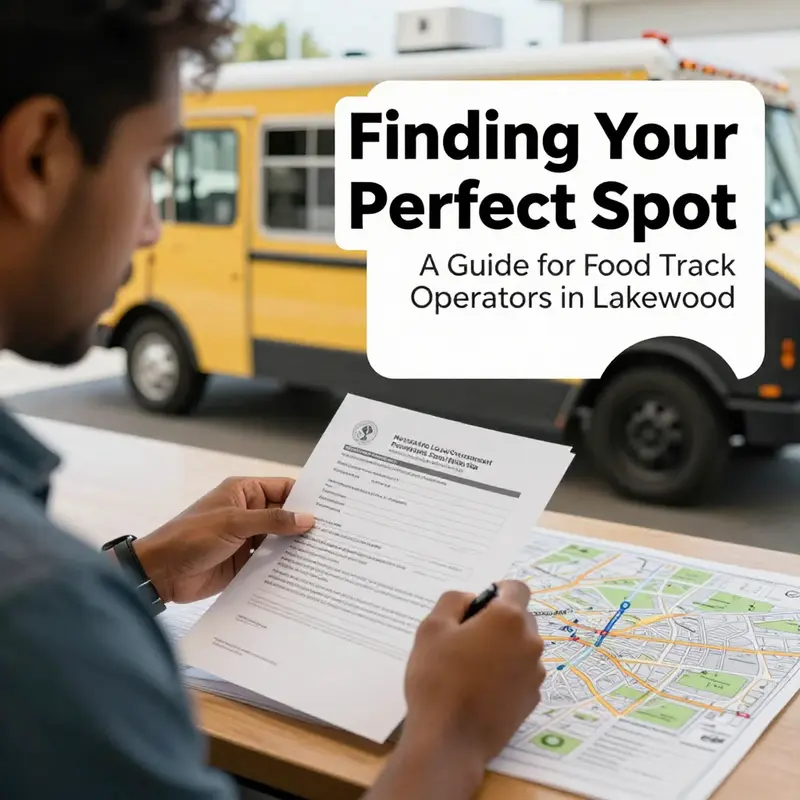
Launching a food truck isn’t only about the menu you plan to serve or the flames you control. It’s a careful navigation of a city’s regulatory landscape, a map drawn not in street lines but in licenses, inspections, and time-bound permissions. Permits, in this light, become milestones on a journey from concept to curbside service. They mark the progress of a business that wishes to be part of a neighborhood’s daily rhythm, to appear where crowds gather, and to do so with legitimacy, safety, and accountability. The first step is understanding that permits are layered rather than singular. A city will typically require a business license to operate in its jurisdiction, a health or environmental health approval to ensure the food is prepared safely, a food handler or food safety certification for the crew, and a mobile or street-vending permit that specifies where and when a truck can park, serve, and move on. Each layer has its own documents, fees, and timelines, and each layer interacts with zoning rules that define what kinds of vendors may occupy a given space. Some neighborhoods embrace mobile vendors as an economic and cultural asset; others restrict them for park-planning, traffic, or noise reasons. The distinctions matter because they shape not only where you can park but when you can serve, how long you can stay, and what infrastructure you must bring to the lot—fence, fire suppression, waste management, and beyond. The complexity can feel daunting, but there are ways to approach it that turn the maze into a practical plan rather than an intimidating wall. Begin with the basics: identify the city or county agencies that regulate vending, food service, and vehicle licensing. In most places, these responsibilities are split across at least two departments, sometimes three. Find the official portals, and bookmark the pages that list permit types, fees, renewal schedules, and required inspections. Building a core file—an organized folder of licenses, permits, and compliance documents—will save days when you apply, renew, or update. While you gather paperwork, keep a running calendar that tracks when each permit will be issued, when inspections must occur, and when renewals are due. Time is often the silent factor in getting a truck to the lot on a chosen opening day. The health department, for example, may require a pre-opening inspection, a vehicle inspection, and a certified food handler program for anyone who touches food. The fire marshal may require a certified extinguisher system, a hood and vent inspection, and proof of fire safety training for staff. And the local zoning office will define the allowed zones for mobile vendors, including any restricted hours, minimum setbacks from brick-and-mortar restaurants, or distances from schools. Because regulations vary so widely, a local first step should be a direct conversation with the licensing or permits office. A quick call or a visit can clarify the exact documents you must present, the acceptable hours to submit materials, and whether an in-person inspection is required before you receive approval to operate. In many municipalities, the licensing staff can outline a clear sequence: apply for a business license first, then secure health department approval, then obtain the mobile vendor permit, followed by a vehicle inspection and a scheduled sanitation review. Even within a single city, you might encounter variations by district or neighborhood—areas with pedestrian-friendly zoning may encourage pop-up corridors while industrial zones might favor designated parking lots or periodic markets. It helps to view your city’s rules as a playground with boundaries rather than a rigid fence. A practical approach is to align your permit plan with a physical map of potential parking locations, both fixed and temporary. Public parking areas close to office parks, transit hubs, or event spaces can offer high visibility if your permit windows accommodate daytime or evening service. Yet every parking site will have its own carve-outs: proximity restrictions, time limits, and obligations to maintain clean sidewalks and compliant waste disposal. In parallel, explore designated food truck parks or licensed marketplaces if your city has created them. They can reduce friction by aggregating truck activity into a single, regulated hub where vendors share infrastructure and traffic. For operators aiming to maximize both reach and compliance, a blend of locations often works best: a steady anchor at a designated park or market, complemented by temporary or recurring placements at high-traffic venues that permit mobile vending. It’s worth noting that many successful operators grow through relationships as much as through paperwork. Building a constructive dialogue with the permitting office, health inspectors, and even nearby business associations helps you anticipate challenges and adapt quickly. When questions arise—whether about cart dimensions, waste disposal, or the acceptable hours for service—document the guidance you receive and confirm it in writing. A concise, professional summary sent to the permitting office after a meeting can prevent misunderstandings and create a reference point should conditions change. The application journey can benefit from a practical mindset that treats each permit as a doorway rather than a barrier. When you plan your truck and equipment, you should design around the regulatory requirements as much as around the menu. For instance, health and fire safety standards often translate into specific equipment standards: sealed food preparation surfaces, a certified handwashing station, a certain type of grease trap, and a fire suppression system rated for commercial kitchens. If your truck is a retrofit from an old vehicle, you’ll want to ensure that your layout and utilities meet current code, not just your own convenience. Budgeting is an essential discipline here. Permits come with fees that can be modest in some jurisdictions and substantial in others. Each inspection adds a potential stop or delay, so it’s wise to build a buffer into your launch timeline and cash flow. It’s also prudent to budget for any required renovations or equipment upgrades that arise from the health or fire inspections. The aim is not merely to check boxes but to create a reliable, safe, and customer-friendly operation. You should also consider the long arc: permits, once secured, may require renewals each year or after changes to the truck or the menu. If you expand to a new district, you’ll likely re-engage the process in part or whole. A good practice is to maintain a living file of permits and corresponding expiration dates, so nothing slips through the cracks when you scale or relocate. Finally, while the permit process can be navigated by diligence and patience, digital tools can illuminate the path. Real-time local data aggregators or city portals can help you identify permitted zones, operating hours, and upcoming regulatory changes. Integrating these insights with a physical map of potential sites lets you plan a coherent, compliant route to regular service. If you’re weighing your vehicle setup or considering how to position your truck for the best customer flow, you might explore practical resources that align with both compliance and performance. For operators curious about equipment choices and layout in the context of Lakewood startups, you can read about the best food truck models for Lakewood startups. That article can offer a sense of how different configurations align with permit requirements and site opportunities. Best Food Truck Models for Lakewood Startups. As you move from planning to execution, remember that permits are not merely hurdles but gateways to operating with integrity and reliability. The more you anticipate, document, and align with local expectations, the smoother your opening day will be—and the more likely you are to sustain momentum as the population you serve grows. The city’s rules are not adversaries; they are the framework that keeps your customers safe, your employees protected, and your venture resilient amid change. In time, the permit process becomes a routine rhythm rather than a sprint, a cadence that supports both daily service and seasonal variability. And in that rhythm, your truck can find a regular place on the map—near the crowds, within the rules, and with everything it needs to serve a growing community. External resources are available to help you navigate this terrain. For a broad look at how vendors leverage platforms that compile locations, hours, and events in real time, you can consult an external directory that aggregates local permit and site information. https://www.truckster.com
From Map to Market: Using Real-Time Mapping to Put Your Food Truck Where People Gather
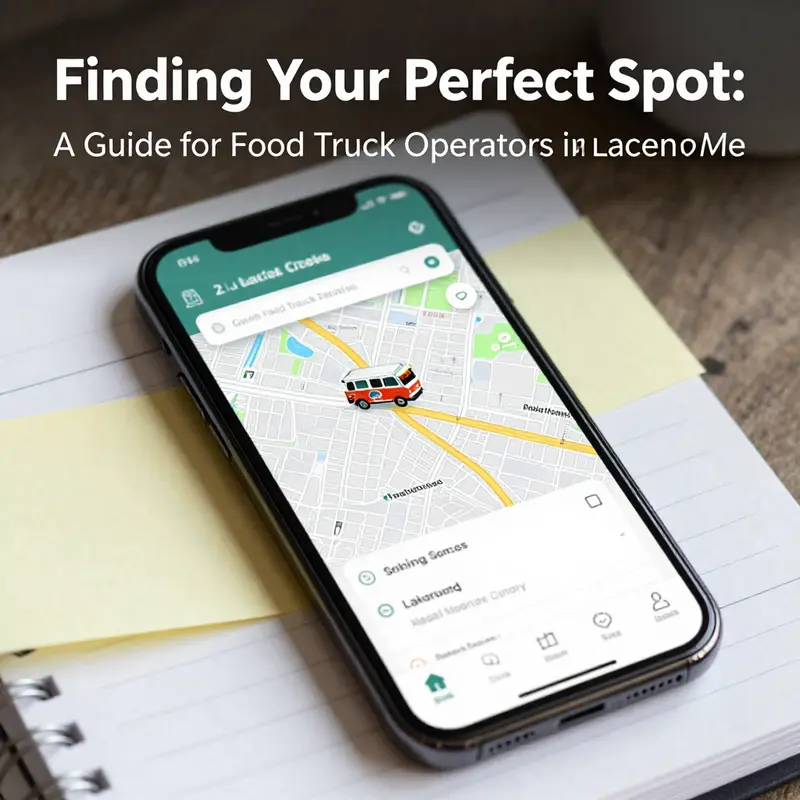
Choosing a spot for a food truck is as much a science as it is an art. The best locations balance foot traffic, accessibility, parking logistics, and local rules so that a hungry queue becomes a repeat crowd rather than a one-off rush. In practice, the map becomes a map of opportunity when you read it through a vendor’s eye. You’re not just looking for open asphalt; you’re looking for corridors where people move, linger, and choose food as part of their daily rhythm. The earliest and most decisive step is to shift your mindset from “where can I park?” to “where will my truck be seen, smelled, and remembered?” The shift hinges on two things: data you can trust and the flexibility to adapt as that data changes. Real-time mapping tools have moved from novelty to necessity, turning a good guess into a verified possibility. A single app that pinpoints nearby trucks, displays menus, and signals upcoming appearances can shorten what once felt like a scavenger hunt across the city into a straightforward decision tree. This is not a luxury; it is a practical edge that helps you plan your week, coordinate with other vendors, and stay compliant with local rules without losing precious service hours.
Publicly designated zones and organized hubs matter as anchors in a crowded market. Cities increasingly support mobile vendors by designating specific lots or seasonal parks where customers expect to find a rotating lineup of cuisines and experiences. In practice, these hubs create a reliable baseline of visibility, reducing the variability that makes or breaks a startup. A real-world example serves as a reminder: in Wausau, Wisconsin, a popular Food Truck Festival has become a semi-permanent gathering point, operating near Mosinee Brewing Co. Such hubs act as gravity wells for customers who want variety in a single stop, and they reduce the initial burden of building a following from scratch. Yet even in these spaces, the location alone won’t guarantee success. You still need to synchronize with the cadence of the crowd—the time of day, the day of the week, and the cadence of events that draw people to a given area. Designated parks are valuable, but they work best when your presence is predictable, and your offerings align with what the crowd expects to find nearby.
Beyond these sanctioned spots, the most practical path to a steady stream of customers is to position yourself along the routes that people already use: offices during lunch, shopping centers after work, or parks and venues where families gather on weekends. High-traffic zones aren’t a lottery; they’re patterns you can read if you study the flow of people around you. Start by identifying corridors where you’ve observed consistent foot traffic, then test small footprints along those routes. A quick approach is to map the area with a simple flag for potential parking lots, curbside zones, and any public lot that allows a mobile vendor. Don’t neglect the periphery, either: a side street adjacent to a popular venue can serve as a secondary funnel, catching customers who park farther away but remember the brand after the first bite. The goal is to create a network, not a single point of failure. The network increases your options on busy days and provides fallback locations when primary spots are taken by other vendors, special events, or private bookings.
Technology can be a great ally in building that network. Dedicated mapping apps provide real-time location tracking that keeps you informed about where trucks are now and where they plan to be next. They consolidate essential information—current spots, menus, and event announcements—into one place, so you aren’t chasing down feeds from multiple domains. A platform designed to help users find food trucks quickly and accurately can shave hours off your planning cycle. It enables advance planning, too, letting you map out a route for the week, compare potential spots, and decide where to be according to anticipated demand rather than instinct alone. The most helpful tools are those that update you as situations change: a nearby truck that suddenly moves to a more favorable corner, a park that temporarily restricts parking due to a private event, or a downtown corridor that hosts a street fair later in the afternoon. With real-time insight, you can adjust on the fly and still open with confidence.
For operators to benefit from such tools, accessibility matters as much as accuracy. The app ecosystem now offers a consumer-facing model—free for guests—that doubles as a decentralized marketing channel for vendors. When customers can easily locate your truck via an app, they also gain a window into what you’re serving, how much, and when you’ll be back. That transparency builds trust and loyalty, since a predictable schedule is part of the value proposition when people decide to follow a truck rather than chase it from one coveted corner to another. It also opens the door for advance planning: if the app lets a customer plan a lunchtime stop or a pre-event dinner, you gain a share of their calendar. On the operator side, registration and real-time updates become a practical form of outreach. You can announce new items, special events, or pop-up collaborations with other local vendors, turning the map into a living brochure rather than a static listing.
The practicalities of locating a truck near you still require a disciplined approach to permits and regulations. Local government licensing departments are the gateway to permitted areas, zoning allowances, and the process for obtaining a vendor permit. Even if the appetite for experimentation is strong, you’ll want to anchor your strategy in compliance. Start by asking about hours, proximity to residential zones, and any restrictions that govern curbside vending in your city or county. Some municipalities restrict street parking for food trucks during peak commuter hours or near schools; others may require a permit to operate in a certain park or plaza. Mapping your routes with these constraints in mind ensures you aren’t chasing a dream that is legally off-limits during the hours you intend to work. A thoughtful approach also helps you avoid the friction that comes with late-day permit checks or unexpected enforcement visits. Your route planning can become a narrative of places where you are welcome and flexible, rather than a scattered effort to squeeze into any available space.
As you refine your strategy, consider integrating a discussion of long-range planning with your day-to-day scouting. Use real-time data to build a calendar of priorities that combines the safety net of established hubs with the nimbleness of mobile routes. A core practice is to test potential spots during different times of day and on different days of the week. You might find that an office district plaza is a goldmine at noon on weekdays but sleepy on weekends, while a park near a stadium pulses with energy on game days. Pairing observations with data from mapping tools makes your assessment more reliable and repeatable. When you narrate your plan to a partner or investor, you can show a clear map of where you will be, when you will be there, and how you will adapt in response to crowds, weather, and events. This is the kind of disciplined flexibility that turns a decent location into a dependable business routine.
For operators contemplating growth, the path forward includes learning from related industries and local markets. A practical way to augment your understanding is to read about trends in nearby communities and consider how a well-timed expansion could benefit from similar layouts or events. If you’re exploring expansions or equipment upgrades, you might find value in resources that discuss design choices and operational models that optimize for a mobile kitchen’s footprint without sacrificing menu breadth or speed. A helpful point of reference can be found in guides that discuss starting considerations for Lakewood startups, where a thoughtful look at equipment and layout can influence route planning and placement. You can explore this topic through the article on best food truck models for Lakewood startups.
In the broader context, mapping and location strategy are not about chasing every open space but about building a reliable ecosystem around your truck. That ecosystem includes designated hubs, flexible itineraries, and a transparent customer experience that invites people to plan their day around your presence. It also means respecting the rhythms of the city: avoiding conflict with peak deliveries, choosing venues that welcome mobile vendors, and communicating clearly about your schedule. With a dependable map and a disciplined approach to permits and weather, you can turn a single well-chosen corner into a loyal lane of traffic, a place where people know they can find your truck and savor your menu on a regular cadence. The result is not just more meals served but a brand that becomes part of the local texture—the kind of presence that customers begin to seek out, rather than chase down.
For readers who want to explore tools that help you locate trucks near you in real time, a practical option to consider is Kraven, a newly launched platform designed to simplify this search. The app brings together real-time location tracking, menu viewing, and advance planning features in one place, reducing the friction of deciding where to set up each day. The focus on user-friendly design and location accuracy makes it a natural companion for anyone aiming to optimize their street-food footprint. As of early 2026, Kraven has been live for a couple of months and is likely to add ordering capabilities soon, further expanding the convenience for customers who want to order ahead or coordinate visits with friends. If you want to learn more about how Kraven works and what it offers today, you can visit the official source: Kraven App – Find Food Trucks Near You. For readers who want a glimpse of the broader ecosystem of maps and mobile dining, this kind of tool represents a practical bridge between on-street intuition and data-driven planning.
When you combine a thoughtful sense of public spaces with the real-time clarity provided by mapping tools, your strategy for “where can i put a food truck near me” becomes a plan you can execute with confidence. You identify where you’ll be seen, you respect the rules that govern the space, and you stay nimble enough to adjust when crowds shift or weather changes. The result is a reliable, scalable approach to location that can support steady growth, stronger community ties, and a menu people anticipate every week. Whether you lean into a designated park or test a busy corridor that is under-served during lunch, the map becomes your ally. And with the right combination of permits, planning, and technology, you can turn a single corner into a dependable and inviting stop on many customers’ daily routes.
From Pulse Points to Park Hubs: Finding the Right Spots for Your Food Truck Near Me
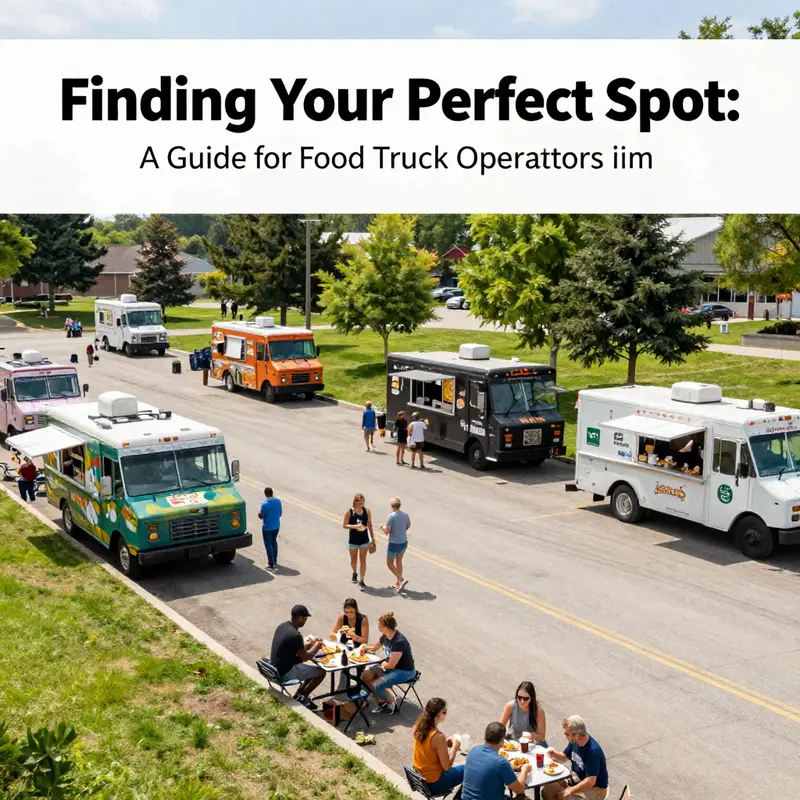
Locating a food truck that can reliably draw crowds starts with a practical question: where will people be when they crave something tasty, fast, and new? The answer is a tapestry of locations rather than a single corner. Treat placement as a living part of the business model, not a one-off decision. The biggest wins come when foot traffic aligns with your hours, menu, and licenses. The most promising sites fall into three broad categories: designated food truck parks or hubs, high-traffic outdoor spaces such as office districts and stadiums, and vibrant streets or parks that attract locals and visitors. The best strategy often blends elements from all three rather than chasing a single ideal spot.
Designated food truck parks or hubs provide a stable, curated environment, sometimes with shared power, water access, seating, and predictable hours. They offer predictable customer flow, easier compliance, and a built-in audience. A hub works like a culinary crossroads: one truck carries a familiar favorite, another introduces a new fusion, and together they create a destination that people plan around food. In practice, a well-run hub creates variety, comfort, and reliability.
High-traffic locations office complexes, shopping centers, parks, sports arenas, and event venues offer another stream of opportunity. They are not just about passing by; they are about syncing with the cadence of daily life. Read the flow: identify peak moments when crowds spill out, then position your truck to hit those times with enough cadence to build a repeat audience. Visibility matters, but consistency matters more. A truck that parks at the same spot on predictable days builds trust with nearby workers, shoppers, and neighbors who start to expect you.
Local permits and licensing are the framework that turns good spots into sustainable businesses. Start with your city or county licensing department to learn about designated areas, zoning allowances, and the steps to obtain a vendor permit. Each locale has its own rhythm—some require renewals, others short-term permits for events. Staying compliant also means respecting parking, signage, fire codes, and health inspections. Simpler compliance means more time cooking, serving, and delighting guests.
The practical toolkit for choosing spots includes technology. Real-time results from mapping services can reveal occupancy, crowd levels, and nearby competition. A quick search for terms like food truck parking can surface opportunities you hadn’t considered. Platforms that aggregate mobile-food activity can show where vendors cluster, helping you plan routes that maximize visibility without head-to-head clashes on peak days. This approach isn’t about chasing popularity; it’s about understanding patterns. A deliberate rotation through a few high-traffic sites paired with a quirky venue on a quieter day creates a balanced, resilient model.
To connect ideas to action, start with one or two core locations you can reliably service, ideally where you anticipate strong flow and efficient service. Then test a secondary site with a contrasting profile perhaps a park on weekends or a campus with a weekday lunch rush. Track sales by location and time, note weather effects, and refine your menu or pricing to match demand. The goal is to learn the geography of your own business where you can move quickly, where you need longer setup, and which days produce meaningful engagement.
As you gain experience, you’ll build a portfolio of spots that suits your brand. A strong front-of-house can be complemented by a back-up plan for weather, permits, or events. The beauty of a mobile business is its flexibility; the challenge is keeping the schedule coherent so customers know when to expect you and crews can operate smoothly. Treat each location as a chapter in a larger narrative you can revise as you learn more about your audience and capacity.
External reference: https://www.example.com/
Final thoughts
Navigating the world of food trucks in Lakewood can be an exciting venture filled with opportunities. By exploring designated food truck parks, tapping into high-traffic areas, understanding local permits, utilizing mapping technology, and discovering popular locations, you set yourself up for success. This blend of strategies not only increases your visibility but also connects you to the vibrant Lakewood community. Dive into your food truck journey with confidence and creativity, and watch your culinary dreams become a reality.