
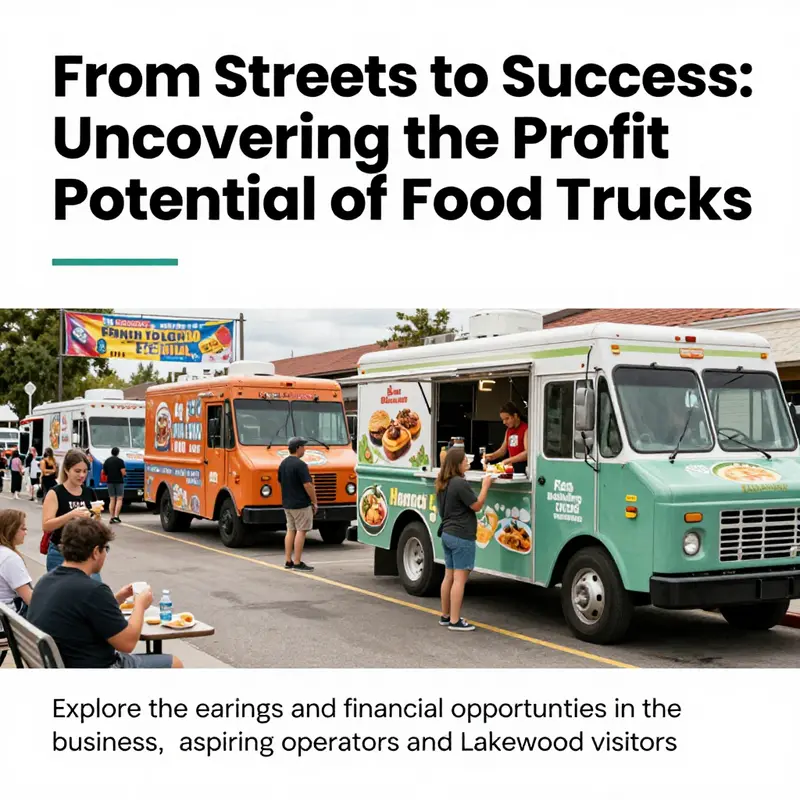
Imagine cruising through Lakewood where the tantalizing smells of gourmet tacos, artisanal burgers, and vibrant street food tempt your senses. For aspiring food truck operators, this colorful scene isn’t just about serving delicious meals; it’s also about unlocking a world of financial opportunity. Whether you’re daydreaming of launching your own food truck or are a tourist curious about the local flavor, it’s essential to understand the money-making potential that lies within this bustling business sector. In the chapters ahead, we’ll dive into typical earnings, monthly income potential, the key factors influencing profitability, and the long-term financial prospects of owning a food truck. Let’s roll on this culinary journey and find out just how much you can make with a food truck in Lakewood!
Counting the Miles and Meals: How Much Money a Food Truck Can Really Make
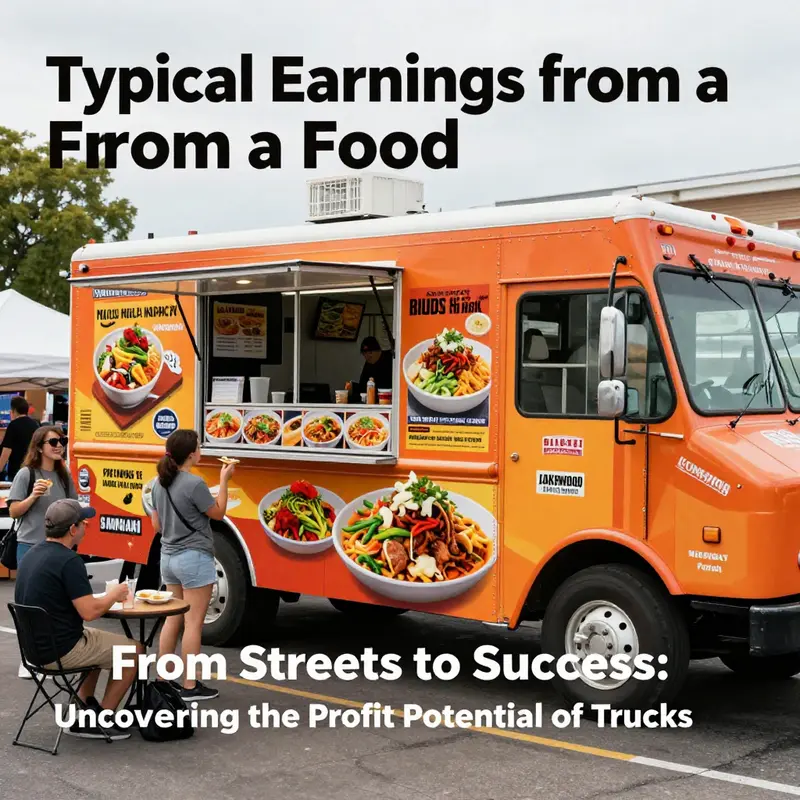
Entering the world of food trucks invites a practical question that’s as important as any recipe: how much money can you actually make? The short answer is that earnings vary as widely as the cuisines on wheels. In high-traffic urban zones, a well-run truck can pull in between $1,000 and $3,000 in gross sales each day. A survey compiled by industry researchers shows that in major markets like New York, Los Angeles, or other big cities, the most reliable performers regularly exceed $2,000 per day on busy days or during festivals and lunch rushes. Multiply that by the typical 22 business days per month and subtract what you spend on food costs, labor, fuel, permits, insurance, and other overhead, and the monthly numbers begin to take shape: revenue of $30,000 to $90,000 is common in strong markets, with the average profitable operator aiming at a net margin around 10% to 20%. That margin translates into a realistic monthly net income of roughly $3,000 to $18,000 for a truck that runs efficiently, controls waste, and keeps labor lean. The annual picture follows a similar arc. The U.S. Bureau of Labor Statistics notes that the median annual salary for self-employed food truck owners hovers around six figures when you include a mix of busy seasons, consistent location play, and a few highly profitable weeks each year; the top performers in prime locations can push well beyond $100,000. Yet the horizon is not uniformly bright, and the ordinary year for a budding truck can be far more modest, especially during weather downturns, slow seasons, or when a truck is still building its customer base. The long view matters as much as the daily grind, because the equation of revenue minus costs yields the bottom line, and that bottom line can swing dramatically depending on strategy and execution. The core lessons are simple at heart: location is king, menu and pricing matter, operating efficiency determines how much margin you keep, and marketing helps you convert curious shoppers into repeat customers. Location, in particular, is the difference between a bustling lunch crowd and a quiet few hours. A truck parked near office campuses during peak lunch windows, or one that positions itself along tourist routes during peak seasons, tends to capture far more customers than a truck that never leaves a residential block or a mid-day cul-de-sac. A strong niche helps too. A menu that offers high-quality, fast-prepared fare—think chef-inspired staples, bold flavors, or health-forward options—can justify higher ticket prices and drive repeat visits. But this is not about chasing trends alone; it is about pairing a distinct value proposition with day-to-day operational discipline. Efficiency is the machinery that turns potential into profit. It starts with inventory control—minimizing waste, tracking usage, and negotiating favorable supplier terms so that food costs hover around 30% to 35% of gross sales. It extends to route planning; a smart truck that follows events, avoids backtracking to refuel, and consolidates cooking and service intervals can significantly reduce fuel costs, a nontrivial expense that chips away at margins if left unchecked. The staffing strategy matters as well. Many truck operators rely on a small team, often a cook, a driver, and a few shift workers on busy days. Labor typically eats up a significant slice of the budget, and the ratio of labor to revenue will tilt a business toward profitability or trouble depending on how efficiently the crew works. A lean operation that trains staff to multitask and emphasizes speed can sustain a healthy margin even when sales dip; a poorly coordinated crew, lingering lines, or frequent breakage can push costs through the roof. Marketing and branding tie these elements together. A recognizable brand—consistent visuals, a memorable concept, and reliable service—helps generate return customers and word-of-mouth referrals. Social media outreach, loyalty programs, and participation in local events amplify the impact of every shift. The science of pricing also plays a crucial role. The instinct to set prices higher in premium neighborhoods must be balanced by the willingness of customers to pay and by the realities of competition. An operator who can command slightly higher prices while delivering clear value will tend to enjoy higher margins than one who competes on price alone. In practice, many trucks blend these strategies. They might offer a core core menu at a stable price, with daily specials that exploit surplus ingredients or seasonal flavors, creating a sense of excitement without eroding margins. The math behind profitability becomes clearer when we translate it into concrete scenarios. Consider the following hypothetical but representative case: a truck operating in a busy downtown district with a steady stream of office workers and tourists. If this truck averages $2,000 in gross revenue per day on 20 to 22 service days per month, monthly revenue would land around $40,000 to $44,000. Food costs at 32% would consume roughly $12,800 to $14,080 of that revenue, leaving gross profit after cost of goods sold of about $27,200 to $29,200. Add labor costs—drivers, cooks, dishwashers, and occasional event staff—that total around 20% to 25% of sales, say $8,000 to $11,000 monthly. Fuel, maintenance, permits, insurance, and other overhead typically run another 8% to 12% of sales, or about $3,200 to $5,280. If the truck is well-managed, marketing adds a bit of momentum without a large budget, perhaps another 2% to 4% of revenue, which is $800 to $1,600. In this scenario, total non-COGS expenses sit roughly at $11,600 to $17,880 per month. Subtracting those costs from gross profit yields a monthly net income in the neighborhood of $15,320 to $31,600. That range illustrates why some operators thrive and others stall; the same revenue base with different cost control and operational discipline can yield dramatically different outcomes. In a more cautious, real-world frame, this example also emphasizes the importance of seasonality and location switching. A truck that plugs into a festival calendar, and that can shift its routine to capture lunchtime traffic at business parks during weekdays, has more opportunities to maintain or grow that top line while still keeping costs in check. The seasonal rhythm of food trucks often means using the winter months to refurbish the truck, test new recipes, and build vendor networks for spring and summer peaks. This approach helps stabilize the business year after year, smoothing the natural ebbs and flows of consumer demand. For many operators, the story is not about a single perfect month but about a string of solid months that, when added up, average a comfortable annual income. The numbers in industry reports help anchor expectations, but they do not tell the full story. A typical year might see profits anywhere from $30,000 to $70,000, with the potential to crest beyond $100,000 in exceptional conditions and with savvy branding that attracts a loyal audience. The average revenue range cited by many analysts places annual sales for a well-run truck between $250,000 and $400,000, a scale that yields net margins of about 10% to 20% after cost of goods sold, labor, fuel, permits, insurance, and maintenance. To the outside observer, those margins may seem slim given the hours and the capital required, yet the discipline behind reaching higher profit margins is teachable and replicable. The first pillar is location, and the second is the menu. When a truck operates near dense foot traffic and can serve a steady stream of customers throughout the day, albeit with a limited window to cook and plate, revenue remains robust. But the menu must be carefully constructed; every item carries a margin and a workload. Some operators lean into a few high-margin specialty items that can endure price resistance while still delivering value. Others diversify with a rotating set of specials to appeal to new crowds, provided they can manage inventory and avoid waste. The third pillar is operating efficiency. This is where many diners and investors see the clearest path to sustainable profitability. It involves disciplined inventory planning, waste reduction, rigorous maintenance of equipment, and a logistics mindset that minimizes downtime. A well-tuned kitchen workflow within a truck reduces cooking times, shortens queue lines, and pushes more sales into a single hour. It also reduces the need for additional employees, which helps keep labor costs predictable. The last pillar is marketing—brand presence, loyalty, and community engagement. A consistent social media voice that announces daily locations, special items, and upcoming appearances can generate excitement and draw people to the truck on scheduled days. Loyalty programs convert occasional buyers into regular customers, and collaborations with local events or other vendors expand exposure. A note on career paths and earning potential can help ground expectations for aspiring operators. The U.S. Bureau of Labor Statistics reports that self-employed food truck owners often earn a median annual income around sixty thousand dollars, a figure that aligns with the mid-range of profitable operations that run efficiently in strong markets. Yet, top performers in the most competitive locales can dramatically surpass this median as they flatten expenses through scale, or by owning multiple units, or by specializing in high-demand niches that command premium pricing. For those who want to peel back more layers, industry data points to annual profits typically ranging from thirty thousand to seventy thousand dollars, with some trucks in festival scenes or major thoroughfares pulling well over a hundred thousand dollars in net earnings when everything lines up. The optimistic projection sits against the reality of startup costs and the learning curve. A food truck, even before it hits the road, often requires a substantial upfront investment in the vehicle itself, kitchen equipment, permits, insurance, and initial inventory. The average operator who manages to keep costs in line and sustain a steady operation over the first two years can begin to see a more stable trajectory, but many fail to recoup initial outlays quickly, highlighting the importance of careful financial planning and budget management from day one. The good news is that a strong brand, a clear niche, and a well-curated menu can accelerate profitability. A truck that chooses a distinct concept—perhaps gourmet street fare or a nutrient-dense option—can demand a premium price that matches or exceeds the extra effort. Achieving this balance requires a tight feedback loop: test menu items, collect customer feedback, adjust pricing, and refine the operation to maximize both satisfaction and margins. It is also essential to plan for the inevitable costs that will appear over time, including maintenance, insurance, and regulatory changes. A realistic financial plan accounts for the possibility of rising fuel costs, fluctuating commodity prices, and the need to upgrade equipment every few years. The prudent operator builds a cushion for slow periods and invests in marketing during the peak seasons to harvest the most favorable returns. In short, there is no universal ladder to a six-figure annual income in this space, but there is a dependable ladder of steps that, when climbed with discipline and vision, can yield meaningful financial rewards. The ladder begins with understanding the numbers and ends with building a repeatable model. The first rung is framing revenue in a way that captures both the physical reality of sales and the strategic advantage of location. Those quick slices of daily revenue become the backbone of the monthly and annual picture, but only when costs stay under control. The second rung is thinking in margins, not just in dollars. A 5% swing in either cost of goods or labor can translate into thousands of dollars more in annual profit, multiplied across weeks and months. The third rung is building a brand that travelers and locals come to recognize and trust. A simple, consistent concept travels far when backed by dependable service and a memorable story. The fourth rung is operational discipline: keep the truck on the road, keep the equipment in top condition, and keep inventory lean. When these elements align, a food truck shifts from a fleeting curiosity to a reliable business asset. Finally, the fifth rung is learning from the wider ecosystem. Engage with peers, study profitability trends, and test new markets. The linked data at the industry resource level and the internal reference to established models for Lakewood startups serve as catalysts for incremental growth, not a substitute for the daily grind. The most effective operators treat profitability as an ongoing project rather than a destination. They maintain a dashboard that tracks daily revenue, food cost percentage, labor cost percentage, and line-level margins by item. They audit occasionally to verify that waste remains within target levels and that marketing investments translate into measurable lift. They rotate menus to optimize seasonality, ensuring that popular items remain profitable and that less popular ones are retired in favor of higher-return options. They also plan carefully for events and festivals, recognizing that those are the venues where a truck can make a disproportionate share of its annual income, but only if it has the right equipment, staffing plan, and food strategy to capitalize on those opportunities. The numbers confirmed by industry surveys are not a guarantee but a map. They show what is possible and where the ceiling sits under varying conditions. For someone contemplating entry into this field, the most practical attitude is to prepare for a range of outcomes and to view profits as a function of control rather than luck. If you can control the factors—location, menu, efficiency, and marketing—you can tilt the odds toward the scenario where monthly net incomes approach the higher end of the spectrum, and annual profits cross into the six-figure territory with the same cool confidence a chef brings to a signature dish. The journey to that point hinges on a blend of calculation and courage. It invites an operator to think not only about what will be cooked today but about how the business will scale tomorrow. The best operators treat each location as a potential branch of a larger enterprise, testing markets, refining the operation, and building relationships with event organizers, landlords, and local councils. In that sense, profitability is not a static figure but a dynamic map that guides decisions about where to park, what to serve, how to price, and how to deploy labor. For a practical starter, many aspiring owners will begin by researching industry benchmarks and then modeling their own numbers on a simple template. Use the observed range of daily revenue and the target food cost percentage to set realistic pricing and portions. Build a labor budget that reflects the local wage environment and the expected hours of operation. Add overhead for permits and insurance, and lock in a conservative estimate for maintenance and fuel. As you produce your financial forecast, keep in mind the broader context: the ability to turn a profit is influenced by the same forces that affect bricks-and-m mortar restaurants, only with more flexibility and different fixed costs. The variability is real, but the upside is equally real for those who design a business around the realities of mobile dining. And because this is a business built on movement, the operator’s capacity to adapt—to relocate, to schedule, to re-theme, and to re-price—becomes the strongest driver of profitability. To bring this back to the bigger picture, think of the typical earnings as a spectrum rather than a single target. At one end, a hungry operator in the heart of a sprawling city with a tight menu and robust marketing could realize annual profits near the high six figures if they accumulate volume across multiple units and events. At the other end, a new truck in a quieter neighborhood can still generate a respectable living by focusing on high-margin items, excellent service, and disciplined cost control, even if annual earnings stay closer to the lower end of the range. The key is to know which end of the spectrum you want to live on and to plan accordingly. Chapter-tuned insights aside, the practical takeaway remains straightforward: money in the food truck business comes from converting foot traffic into meals with a well-practiced system behind it. The more efficiently you operate, the more of the revenue you capture. The more compelling your value proposition, the more you can charge and attract repeat customers. The more you market and engage with communities, the more you can sustain a strong flow of sales. And the more you plan for risk, the steadier your path toward durable profitability. For readers who want a concrete, shareable reference, you can explore a detailed industry analysis that frames profitability trends for 2024 and beyond, which supports the figures above and offers guidance on how to interpret them in your local market: https://www.foodtrucks.com/insights/food-truck-profitability-trends-2024. For those seeking a quick starting point for practical next steps, consider looking at models that fit your local context—such as exploring the best food truck models for Lakewood startups—for a sense of what chassis, power, and kitchen layout you might need, and how those choices align with your plan to optimize efficiency and reduce downtime best food truck models for Lakewood startups. This holistic approach, grounded in real numbers and disciplined operations, is how a food truck business becomes a credible, sustainable source of income rather than a hopeful experiment.
Money in Motion: Reading the Monthly Cash Flow of a Food Truck Venture
A food truck lives and dies by cash flow. The monthly income you can pull from a mobile kitchen depends on where you operate, what you sell, how efficiently you run your back end, and how well you translate customer interest into repeat business. In bustling urban centers with dense foot traffic, seasoned operators often see monthly revenue that stretches from the high five figures into the low six figures during peak seasons or at big events. The range is wide because every choice you make—from the hour of operation to the exact route you chart through a city—carries a price or a payoff. What remains consistent is the relationship between revenue, cost, and discipline. Understanding that relationship not only clarifies what you might make, but also what you must do to reach the higher end of the spectrum rather than drift toward the lower end. When you zoom out, the monthly picture looks like a landscape of opportunities tempered by prudent controls and a clear sense of your niche.
In practical terms, major-city operators often report monthly revenues in the neighborhood of $10,000 to $20,000 or more, with seasonal boosts during festivals, farmers markets, and lunch rushes near busy office districts. Heavier events and longer hours can push revenue even higher, but they usually come with proportionate increases in labor, fuel, and permitting costs. In many cases, the factor that separates a modest month from a strong one is the consistency with which a truck lands in high-traffic spots and converts attention into orders. In this sense, location is not just a driver of demand; it is the gatekeeper of cash flow. A truck that successfully hones its route to align with crowds—office parks during mid-day, stadium districts on event nights, or tourist-heavy corridors during weekends—tends to produce a steadier stream of daily sales that circles back into reliable monthly income.
From a profitability standpoint, net margins after all operating costs—ingredients, fuel, maintenance, permits, insurance, and labor when applicable—typically fall in a comfortable band of roughly 10% to 25% of gross revenue. That means a truck pulling in $15,000 in a good month might see a net profit of about $1,500 to $3,750. If conditions tilt toward efficiency—tight inventory management, low waste, optimized routes, and lean staffing—those margins can edge toward the upper end of the range. Conversely, a month with higher fuel costs, price-sensitive traffic, or unexpected maintenance can compress margins toward the lower end. The math is straightforward, but the variables that fill it in are dynamic and interwoven. The same truck in two different neighborhoods can operate with strikingly different profitability if one enjoys steady lunch traffic and the other battles sporadic crowds and higher competition.
To translate this into a realistic plan, many operators anchor expectations using a broader framework of revenue, cost of goods sold (COGS), and operating expenses. COGS typically run around 30% to 35% of sales in a well-managed operation. This percentage reflects the cost of ingredients, spices, condiments, and packaging that customers see as the food’s price tag. Labor costs, including cooks and drivers where applicable, add another sizeable line on the ledger. In a lean crew setup, labor may be a smaller portion of the monthly picture, but in heavier traffic seasons or bigger events, it can become a meaningful driver of expenses. Then there are fuel and maintenance, which rise with distance traveled and the wear and tear of the kitchen on wheels. Permits and insurance provide essential protections and compliance, while depreciation and equipment maintenance quietly erode cash flow but extend the truck’s life. The sum of these costs pulls against gross revenue to define net income, and the difference between those two numbers is what stakeholders often remember most—whether as dream or disappointment.
Starting a food truck is as much about capital strategy as it is about cooking. The initial investment, which can range from $50,000 to $150,000 or more, sets the stage for the trajectory of monthly income. New trucks with modern kitchens and efficient layouts cost more upfront, but they reduce downtime, improve service speed, and can command higher price points through better quality and consistency. Used vehicles, while cheaper to acquire, may require more frequent maintenance and could pose reliability risks that disrupt a predictable monthly income. Financing options, potential down payments, and the speed with which a truck earns back its cost all influence a founder’s ability to scale earnings over time. In the early years, that scale often takes the form of building a loyal customer base, refining the menu to balance high-margin items with popular crowd-pleasers, and calibrating routes to minimize idle time and maximize peak-hour sales.
The story of monthly earnings, then, is ultimately a story of time and location. A truck parked near a busy business district at lunch, offering a tight menu of high-margin items, can turn hour-to-hour demand into a reliable daily cadence. Over a month, this cadence translates into the revenue benchmarks mentioned earlier, and with disciplined cost control, it translates into meaningful net income. A different story unfolds in a lower-traffic area where the same menu might produce slower sales, even if the price points remain constant. The difference is not just volume, but the ability to capture demand and convert it into sustainable profitability through smart scheduling, efficient service, and targeted marketing.
Seasonality adds another layer to the monthly equation. Some markets swing with the seasons—college towns during fall semesters, coastal cities in the summer, or areas that stage regular street fairs. In peak months, it’s common to see a surge in daily sales that can push monthly revenue well beyond the baseline. In slower periods, the same operation must lean on branding, loyalty programs, and a lean cost structure to preserve margin. This is where operating efficiency becomes essential. The better a truck is engineered to minimize waste and missteps—through careful inventory planning, standardized prep, and a kitchen crew that knows exactly when to pivot a menu to meet demand—the less seasonal drift you experience in net income.
Many owners discover that the path to stable monthly earnings is paved with a blend of steady routines and occasional calculated risk. Routine comes from disciplined inventory management, clear pricing, and consistent service quality. It also includes a predictable schedule: knowing which events to attend, how long to stay, where to park, and how to staff for peak vs. off-peak times. The calculated risk comes in choosing a niche or a set of offerings that you can deliver exceptionally well, rather than chasing every popular trend. A focused menu that leverages core strengths can command higher perceived value and reduce the costs associated with a sprawling, hard-to-execute lineup. The more you can design your operation around a clear value proposition—whether it is speed, quality, or a signature concept—the more reliably you can translate attention into dollars each month.
A practical way to think about this is to treat every month as a balance sheet in motion. Revenue grows when you align your truck’s location with sustained customer demand and when you price items to reflect both value and cost. Costs shrink when you tighten control over ingredients, minimize waste, and manage labor without sacrificing service. This balance is not a single decision but a sequence of decisions, each affecting the next month’s cash flow. It means that the best operators continuously test and refine: adjusting routes, tweaking portion sizes, revising menus to raise margins, and strengthening the brand so that customers seek out the truck even when other options are nearby. The blend of discipline and adaptability is what converts potential into consistent monthly income rather than a one-off payday.
If you are evaluating equipment, location, and a strategic start, consider how the setup can help you sustain higher margins without compromising quality. For example, the right vehicle and kitchen layout can reduce prep time and water usage, minimize maintenance, and enable faster service during peak hours. A thoughtful setup helps you squeeze more meals out of each hour of operation and makes it easier to deliver the same great product with fewer errors. For a deeper dive into choosing the right truck models and setups for starting strong, explore resources that compare capabilities and efficiency in real-world use, such as the guide on best-food-truck-models-for-lakewood-startups.
Beyond the mechanics of revenue and cost, the social dimension of monthly earnings matters as well. Marketing and branding are not afterthoughts; they are the engines that drive demand where the traffic is hardest to reach. A memorable concept, a recognizable color scheme, and a consistent message help your customers remember where to find you, even when competing trucks are parked nearby. Social media becomes a magnifying glass for momentum, turning a single busy shift into an entire month’s worth of new repeat customers. Loyalty programs, periodic specials, and partnerships with local events or businesses can translate sporadic spikes into predictable patterns of return visits. In the end, the money you make each month is as much about the trust you build with your community as it is about the menu or the price tag on your trays.
To ground this discussion in a concrete frame, imagine a mid-sized city scenario where the truck operates at office parks during lunch and near evening entertainment districts on weekends. Assume an average ticket of around $12 to $15 per order, with customers purchasing 2 to 3 items per visit on average. If the truck attends four to five lunch-hour locations daily and participates in a couple of weekend events, it is not unreasonable to approach the lower end of the revenue spectrum for a month, around $10,000 to $12,000, in a cautious, steady pattern. With savvy management of ingredients and a lean crew, net profits could hover around $1,000 to $3,000 per month in this scenario. In a more aggressive setup—where the truck targets prime locations, leverages a popular niche, and executes tight cost controls—the monthly revenue could climb toward $18,000 or more, with net profits potentially reaching $3,000 to $6,000 or higher. These illustrations are not predictions, but they illustrate how location, demand, and discipline interact to shape the bottom line over the course of a month.
The chapter’s core message remains clear: there is money to be made in the food truck business, but it is earned through consistent performance, strategic positioning, and disciplined financial management. The figures referenced here reflect aggregate patterns across diverse markets and seasons. Your personal trajectory will depend on your choice of location, your menu’s appeal and margins, and your ability to optimize every facet of operations—from procurement and prep to parking and promotion. Treat monthly earnings as a target that is reachable with the right mix of site selection, menu design, and operational rigor, rather than a fixed guarantee. If you pair a well-chosen truck with a focused concept and a plan to capture demand efficiently, you can turn the monthly arithmetic of revenue minus costs into a meaningful, steady income that scales with experience and market understanding.
For readers who want to ground these ideas in concrete comparisons, consider exploring practical guidance on the best truck configurations and models tailored for startups in your area. These resources can illuminate how layout decisions influence speed, waste, and energy use, all of which feed directly into monthly profitability. And as you chart your path, remember that the numbers you see in real-world practice will be shaped by your consistency, your willingness to iterate, and your capacity to cultivate a loyal base of customers who seek you out again and again. In the end, the monthly money you can make is a reflection of how well you translate attention into meals, meals into repeat visits, and visits into a recognizable, trusted brand on wheels.
External resource: https://www.nfta.org/
Profit in Motion: The Real Drivers of How Much Money a Food Truck Can Make
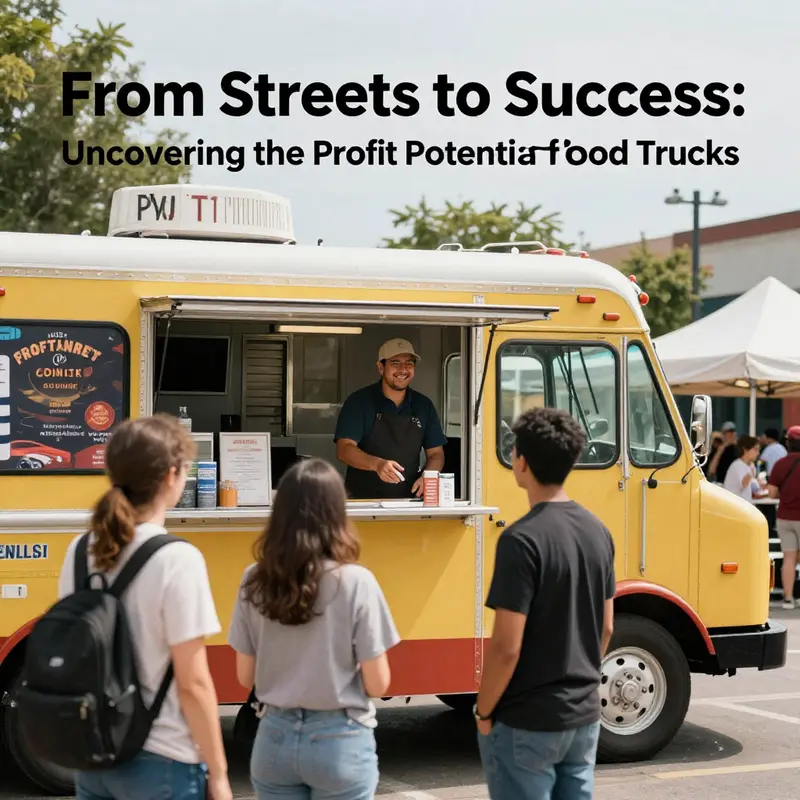
When people ask how much money a food truck can make, they’re really asking how much money a well-run idea can generate in a given place and time. Revenue is only part of the story. The real question is how you manage the engine that converts potential into profit: location, speed of service, cost control, and the ability to adapt to a changing market. In bustling urban corridors where foot traffic never sleeps, a truck can rack up substantial daily sales, but those numbers don’t appear out of thin air. They emerge from disciplined decisions about where to park, what to cook, how to price, and how to run the day-to-day operations with precision. The numbers from industry observations are clear enough to provide a realistic target. A successful truck in a high-traffic area can see daily sales in the ballpark of one thousand to three thousand dollars. In major cities like New York or Los Angeles, well-managed trucks frequently exceed two thousand dollars in daily revenue, a figure that becomes a meaningful multiplier when multiplied by a typical work month. If you translate that into a monthly picture, you’re looking at roughly thirty thousand to ninety thousand dollars in gross revenue, depending on how often the truck operates, where it sets up, and how efficiently it converts crowds into paying customers.
From there, the margin is critical. Most food truck operators report that food costs run around thirty to thirty-five percent of sales, a band that can shift with seasons, supplier agreements, and menu design. Labor costs, fuel, permits, insurance, and other overhead steadily chip away at gross revenue, but they also represent the essential investments that enable consistent service and growth. A realistic path to profitability often lands in the ten to twenty percent net profit range. Put differently, after all costs are accounted for, a profitable operator might expect to pocket roughly three thousand to eighteen thousand dollars per month. That range is not a promise or a guarantee; it’s a reflection of how efficiency, location, and price discipline translate into real cash flow. The broader data set also shows that the long arc can be favorable. The U.S. Bureau of Labor Statistics notes that self-employed food truck owners have a median annual income around sixty thousand dollars, while the very top performers in prime spots can push notably higher. The labor market story, then, is not just about the truck’s daily score but about the equity of the business—customer loyalty, repeat business, and a brand that continues to grow.
To understand what drives that profitability, it helps to see how the pieces fit together when the truck rolls into the city or winds through a festival lineup. Location is the single most critical determinant. A truck parked near an office complex during lunch hours, or stationed at a popular festival with a constant flow of attendees, can capture a much larger share of the market than a truck in a low-traffic square. The contrast can be stark: a busy lunch crowd can deliver the kind of consistent daily revenue that makes the business viable, while a quiet corner can force a slow, uphill climb to break even. The decision about where to operate is seldom a one-time choice. It requires ongoing observation of foot traffic, competitor presence, and event calendars, and often a calculated rotation to maximize exposure across different neighborhoods and times of day. When a truck owners optimizes its route—choosing the right mix of fixed spots, pop-up events, and mobile routes—the cost of mobility itself becomes a lever rather than a liability.
Beyond location, operational efficiency acts like a hidden engine room inside the business. Speed of preparation, accuracy in order fulfillment, and a tight inventory system can shave minutes off each sale while reducing waste and spoilage. Every step that shortens the line, completes a ticket, or reorders supplies on time directly ripples into the bottom line. Efficiency also means training staff to work as a cohesive unit, so cooks, service crew, and drivers understand the flow and can adapt under pressure—whether the truck is facing a long lunch rush or a sudden surge at a weekend festival. In practice, this translates into fewer mistakes, faster turnarounds, and a better customer experience, which in turn fosters repeat visits and positive word of mouth. The arithmetic of efficiency is straightforward: faster service and lower waste improve the gross margin, and that improvement compounds when multiplied across dozens or hundreds of service cycles in a month.
Pricing strategy sits at the intersection of value and perception. Prices must reflect the cost of ingredients, the quality of the offering, and what customers are willing to pay in a given market. A well-priced menu can command higher prices without sacrificing volume, especially if the truck has built a strong brand or a unique niche. At the same time, price hikes must be implemented with care, supported by a consistent value proposition and clear communication to customers who may have become loyal fans. The pricing calculus also hinges on the menu structure. A compact, efficient menu with items that share ingredients can reduce waste and simplify inventory, which lowers the cost of goods sold and strengthens margins. Conversely, a sprawling menu with exotic ingredients can tempt customers but may erode profitability if demand fails to meet the added costs. The sweet spot lies in balancing variety with discipline: enough options to attract a broad audience, but not so many that the kitchen becomes a labyrinth of unused ingredients and complicated prep.
Ingredient costs, perhaps more than any other line item, can swing the profitability curve. Food trucks that cultivate relationships with local suppliers, negotiate bulk deals, and monitor market prices closely tend to stabilize margins even when prices swing on the wholesale side. Seasonal ingredients offer creative opportunities but also carry risk if demand doesn’t align with supply. Smart operators hedge against this by designing menus that can pivot around available produce and proteins without compromising the core identity of the truck. Inventory management becomes a daily habit—tracking usage, setting par levels, and using data to anticipate reorders before stock runs out or waste accrues. This discipline reduces costly overstock and last-minute emergency purchases at premium rates. The goal is not to eliminate all variability in costs but to harness predictability where possible, letting the numbers tell a coherent story about profitability rather than a series of hopeful guesses.
Marketing and branding play a decisive, sometimes overlooked, role in profitability. A strong online presence, consistent visuals, and a narrative that resonates with residents and visitors can convert casual browsers into paying customers who return. Loyalty programs, targeted promotions, and participation in local events can drive client acquisition and retention in ways that simple price competition cannot. In many markets, a well-executed marketing approach also supports premium pricing by signaling quality and reliability. Of course, marketing requires time and budget, and it should be integrated into the operating plan rather than treated as an afterthought. A truck that aligns its brand with its menu, its location strategy, and its customer service ethos tends to develop a reliable following that sustains sales through slow days and seasonal dips alike.
Adaptability is the final, often decisive, factor. Market trends ebb and flow, and consumer preferences shift with new dietary concerns, wellness narratives, and cultural moments. A truck that can pivot—adding seasonal items, offering vegan or gluten-free options, or tailoring its menu to food trend cycles—can attract new customer segments while keeping regulars engaged. This adaptability is not a license to chase every trend, but a call to remain responsive to what customers are saying, what competitors are doing, and what events are shaping demand in a given month. A flexible approach to recipes, portion sizing, and promotional timing can preserve profitability even in a market that feels unpredictable.
Taken together, these factors create a dynamic ecosystem where profitability is earned, not assumed. The math remains the same: revenue minus the sum of costs yields net income. But the inputs are varied and interconnected. A truck that maximizes a strong location, streamlines its operations, prices with care, and manages ingredients with foresight, while actively marketing and remaining adaptable, is the one most likely to hit the higher end of the profit spectrum. Real-world operators in prime markets have reported annual profits that can range broadly—from fifty thousand to over one hundred thousand dollars—depending on the blend of factors discussed above. Yet the initial phase of entry is another reality. Startups often face substantial upfront costs, including vehicle modification, permits, equipment, and initial inventory, which can exceed a hundred thousand dollars. This capital hurdle can compress early profits and extend the period before achieving sustainable net earnings. Those embarking on this path should plan for a careful balance of aggressive location targeting and prudent cost management, recognizing that the payoff is a function of both time and persistent execution.
For anyone evaluating whether this path is right, a practical starting point is to examine how to translate the general profitability framework into a concrete plan. It helps to look at the specific city or neighborhood you intend to serve, map the typical events and lunch-hour rhythms, and estimate potential daily traffic. Then, model a few scenarios: one that assumes a steady location with moderate traffic, another that cycles through a handful of high-traffic events, and a third that explores a hybrid approach. Each scenario should spool out a basic budget for food costs, labor, fuel, permits, insurance, and ongoing maintenance. The exercise makes the likely range of monthly net income more tangible and provides a baseline for measuring actual performance once the truck is on the street. When you combine a thoughtful location strategy with disciplined operations and a flexible market approach, the numbers become a reflection of execution more than a lottery of luck.
If you are exploring the foundational choices that influence profitability, it’s worth considering how to align equipment and layout with your market strategy. For those evaluating startup options, researching the best food truck models for Lakewood startups can be a useful first step, offering insights into how different configurations support speed, capacity, and reliability. This kind of research helps ground assumptions about how many meals you can prepare per hour, how long customers will wait, and how frequently you can rotate through venues to maximize exposure. An informed choice on the truck itself—size, power supply, refrigeration, and kitchen workflow—can influence not only your upfront costs but your ongoing efficiency and customer satisfaction.
For readers who want a broader lens on profitability, the landscape is continually shaped by new data and evolving expectations. A reputable external analysis highlights the key factors in influencing success for food trucks, reinforcing the themes outlined here: location, efficiency, pricing discipline, supplier relationships, marketing, and adaptability. That external perspective complements the on-the-ground numbers you see in city reports and operator anecdotes, offering a framework to assess risk and opportunity as you plan your first year and beyond. As you imagine your own route through the city, keep in mind that the money you make is the product of deliberate choices made day after day, not a single stroke of luck. When those choices align, the prospect of turning a compelling idea into a profitable business becomes not just possible, but likely, given the right combination of strategy, discipline, and timing.
For a deeper dive into the overarching factors that drive success in food truck ventures, readers can explore broader analyses of profitability and market dynamics. This context helps frame the estimates discussed above and situates them within the larger conversation about small-business viability in the food and beverage space. To enrich your understanding with external analysis, see the following resource: https://www.forbes.com/sites/forbestechcouncil/2024/12/25/the-key-factors-influencing-food-truck-success/
Sustained Profits on Wheels: Navigating the Long-Term Financial Prospects of a Food Truck
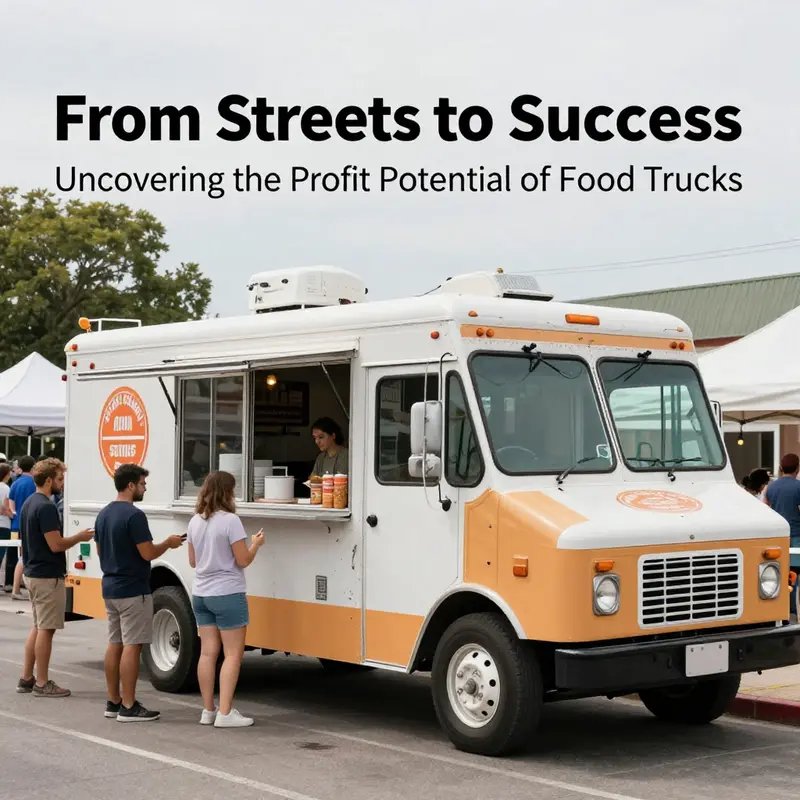
The long arc of a food truck business is about steady, disciplined progress that compounds over time. Early months resemble a startup sprint—testing locations, tuning the menu, managing costs, and building a loyal customer base. The real profitability emerges when the foundation scales: when the truck becomes a recognizable brand, hours and routes stabilize, and additional revenue streams reinforce the core operation. Long-term earnings hinge on understanding not just revenue, but how money flows, how costs respond to scale, and how markets shift with seasons, trends, and competition.
Monthly revenue in mature operations often sits in a broad range, with higher results in busy urban centers and slower markets in more seasonal climates. The path to sustainable profit relies on cost control, pricing discipline, and efficient execution. The typical range for net margins in established setups is roughly 10% to 20%, which translates into practical monthly net income in the low thousands to well over ten thousand dollars, depending on location and throughput.
Location strategy is central to long-term health. Select spots with predictable foot traffic, cultivate relationships with event organizers and property managers, and maintain an adaptable operating model that can shift routes and hours as demand changes. Menu design and pricing must capture value without alienating price-sensitive customers, while also reducing waste and simplifying inventory. Branding reinforces premium pricing and builds customer loyalty, turning one-off guests into repeat visitors.
Operational efficiency—tight inventory control, waste reduction, and mindful routing—compresses costs and widens margins. In a mobile business, logistics matter: fewer idle miles, smarter routing, and a lean crew that can deliver quality during peak periods without breaking the budget. As scale grows, payroll becomes more predictable and better aligned with a steady flow of orders rather than erratic daily surges.
Finally, diversification through catering, private events, or a second unit can extend the revenue runway, but it also brings new costs and complexity. A robust financial model that stress-tests best, expected, and worst cases helps guide decisions about capital, equipment, and growth. In short, long-term profitability in the food truck world comes from clarity of vision, disciplined cost management, and a brand people seek out repeatedly.
Final thoughts
With the roadside culinary scene bursting with flavor, opportunities abound for aspiring food truck operators in Lakewood. As we’ve explored the potential earnings, monthly income, critical factors influencing success, and long-term financial prospects, it’s clear that with the right strategy and dedication, running a food truck can be both a rewarding and profitable venture. Whether you’re a tourist catching the latest food trends or someone dreaming of launching your mobile eatery, remember that passion paired with well-informed decisions can lead you to the financial success you’re aiming for.