
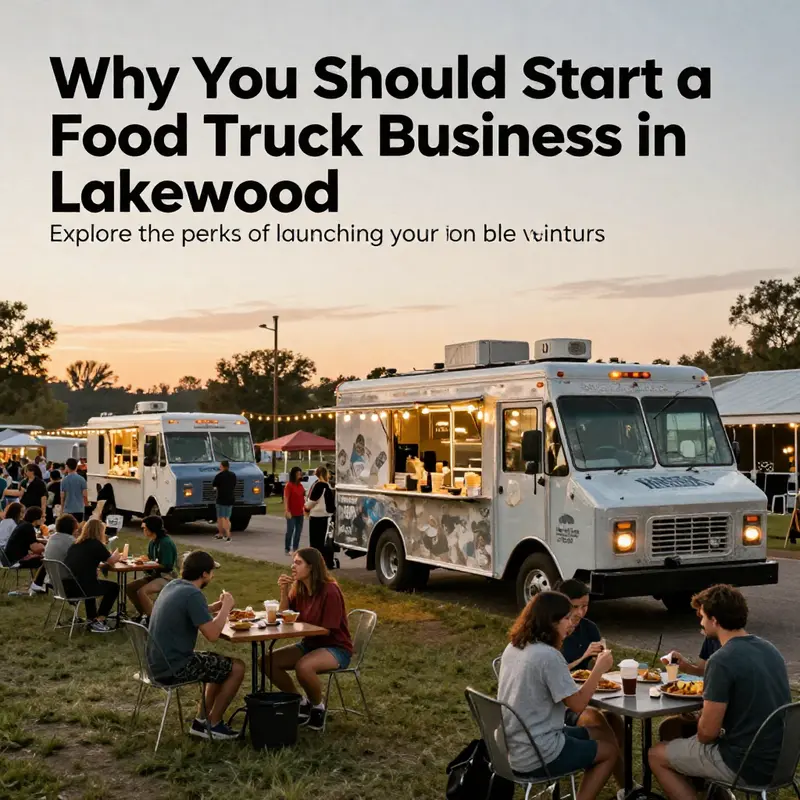
Thinking about starting a food truck business? You’re not alone! Lakewood is a thriving hub for food truck culture, and there’s never been a better time to jump in. With lower startup costs than a conventional restaurant, unparalleled flexibility in choosing your bustling locations, the chance to rapidly test menus, and the opportunity to build a strong brand identity, the food truck business could be your perfect entry into the culinary world. In this guide, we will explore these exciting aspects one chapter at a time, showcasing why food trucks have a promising future in Lakewood and beyond.
Lower Investment, Higher Potential: Why a Food Truck Makes Sense for New Culinary Entrepreneurs
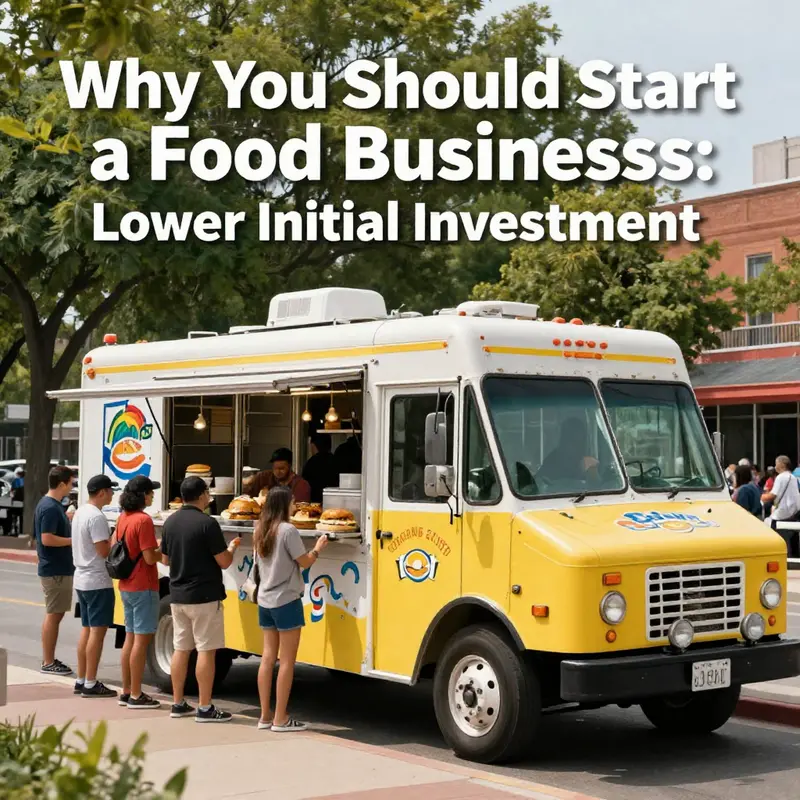
Launching a food business is often painted as a leap into expensive risk and long, uncertain roadmaps. Yet for countless aspiring chefs and curious entrepreneurs, a food truck offers a practical, scalable entry point with a fraction of the traditional startup cost. The appeal is not simply about saving money; it is about building a business that learns as it earns, adapting to real-time feedback, and cultivating a brand that travels where customers gather. When you compare the financial footprint of a brick-and-mortar restaurant to a mobile kitchen, the distinction is striking. A storefront demands rent, renovations, decor, and long leases before you ever serve your first customer. A respected, well-run truck can enter the market with a leaner capital base and a sharper focus on core capabilities: cooking, service, and market fit. The practical implications are profound. With a smaller upfront investment, you reduce personal financial exposure and gain a more forgiving pause button to test ideas, refine recipes, and prove demand before committing to a larger, more capital-intensive footprint. The cost delta is not merely a number. It translates into time, momentum, and the confidence to iterate rather than double down on untested assumptions. This is why many entrepreneurs start their culinary journey with a food truck as the launchpad rather than the final destination.
From the outset, the lower initial investment offers a different kind of leverage. It lowers the threshold to experiment. You can afford to pilot a handful of menu items, each with a distinct identity, and observe which dishes resonate in specific locations or among particular crowds. The ability to test concepts quickly—serving a limited menu, then expanding or pruning as feedback comes in—is not only cost-efficient; it is smart strategy in a market where tastes shift with seasons, events, and neighborhoods. In practice, a mobile kitchen lets you gather real, actionable data without risking substantial personal savings or taking on prohibitive debt. This is the kind of learning curve that builds durable business intuition: what sells, at what price, in which setting, and with what kind of experience.
The mobility intrinsic to a food truck compounds the case for a lower investment. Rather than committing to a fixed site with fixed costs, you can reposition with weather, crowd movements, and festival calendars. Lunch hours in corporate districts may yield different demand than weekend evenings near entertainment venues or farmers markets. There is a practical elegance to moving toward opportunity rather than waiting for it to come to you. The cost savings are not only about rent. They extend to utilities, property taxes, and the long-term depreciation that weighs heavily on traditional restaurants. With a truck, you often carry fewer high-commitment assets and can rotate locations to align with peak foot traffic. That kind of flexibility translates into more predictable cash flow, fewer dead days, and a quicker path to profitability, even when starting from modest means.
Another compelling dimension is how a truck positions you to test and monetize ideas at the same time. The basic premise—test a concept, observe customer reactions, and adjust—becomes practical reality when you can shift menus, pricing, or service models on a weekly basis. A chef can experiment with different regional flavors, presentation styles, or dietary niches without the heavy sunk costs associated with a permanent kitchen rebuild. The feedback loop is immediate and direct: customers tell you what works, what surprises them, and what makes them come back. This direct line to the market accelerates learning and reduces the risk of carrying a menu that misses the mark. It also means your brand evolves quickly. A truck is not only a vehicle for selling food; it is a mobile platform for storytelling. Your van, trailer, or truck becomes the stage on which your culinary identity is played out in public, in real time, and in a way that customers can experience firsthand. The experiential aspect—watching a chef craft a dish, smelling a sauce as it finishes, seeing a colorful, cohesive stall—becomes part of the marketing engine. In today’s crowded food landscape, that kind of storytelling can create a following that a static restaurant might only dream of achieving through costly campaigns.
With the lower entry price comes another practical benefit: the potential to reinvest early profits to grow without taking on unsustainable risk. As revenue accrues, profits can be funneled back into the business to upgrade equipment, expand the menu, or even add a second unit. The growth path feels organic because it is tied to demonstrable cash flow rather than speculative projections. This reinvestment capability lowers barriers to scaling and aligns with the way many food businesses actually expand—by replicating the model in additional locations, not by borrowing against a future that may never arrive. The flexibility of a truck-based model makes it easier to guard against market downturns or disruptions in a single area. If one route underperforms, you can pivot toward another, keeping the business resilient rather than stuck in one place. In this sense, the initial affordability is not just an economic advantage; it is a strategic framework that fosters experimentation, resilience, and adaptive strategy.
A clear advantage of starting on a smaller financial footprint is the smoother navigation of regulatory landscapes that can otherwise overwhelm newcomers. Many cities actively support mobile food vendors with simplified permitting, designated zones, or streamlined licensing processes. These incentives reduce upfront friction and shorten time-to-market. They are not guarantees of success, but they do lower the friction of entry enough to make the learning phase more forgiving. In the broad arc of entrepreneurship, the early stage is the period when decisions matter most—and when those decisions can be made with more freedom because the financial stakes are smaller. The combination of reduced capital exposure, rapid feedback loops, and the flexibility to move where demand pulls you creates an environment in which disciplined execution compounds quickly. It is this virtuous cycle that helps explain why the food truck sector has grown so robustly in recent years. The market is pulling toward experiences that blend quality, speed, and mobility, and a well-managed truck business can capture that pull with greater speed and lower risk than many traditional food ventures.
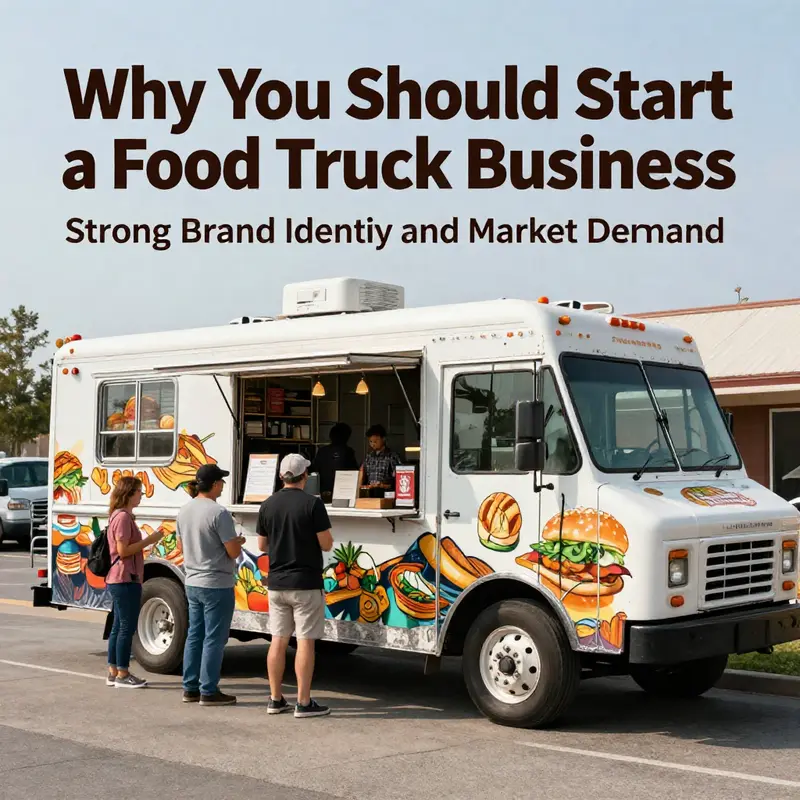
Beyond the numbers and the immediacy of feedback, there is a branding logic that often makes the investment compelling. A food truck is a portable brand. The vehicle itself, the way it is painted, the menu board, the way staff interact with customers, and the aroma that fills the air all contribute to a narrative customers remember. This experiential branding is powerful currency in a world where people share moments, meals, and recommendations on social feeds. The initial cost barrier does not block this potential; it channels creative energy toward building a distinctive, memorable presence on wheels. In practice, that means designing a compact menu with a cohesive theme, aligning staff training with the customer experience you want to own, and letting the vehicle carry a consistent, compelling story wherever you park. A strong, portable brand can produce word-of-mouth momentum that money cannot buy, especially in vibrant neighborhoods and at events where people are looking for something novel as much as something delicious. The branding becomes the connective tissue between the food, the service, and the audience, transforming everyday transactions into repeat visits and meaningful relationships.
To appreciate why the lower investment is not merely a financial preference but a growth enabler, consider the funding and financing landscape. With a smaller capital requirement, you can build credibility with lenders and investors through early traction and a clear path to profitability. You may begin with personal savings, small loans, or community funding options that would be impractical for a high-cost restaurant buildout. As you prove concept and establish a reliable revenue stream, it becomes substantially easier to secure additional capital for expansion, whether that means upgrading equipment, expanding the team, or launching a second unit in a higher-demand market. The math is simple: lower fixed costs, combined with a flexible asset base, translates into faster payback periods. Faster payback supports a virtuous financing cycle, letting you scale not by piling debt early on, but by plowing earnings back into capacity and reach.
For readers who want a practical path forward, it helps to keep in mind the materials you will need to manage cost and quality from day one. A tight, well-curated menu reduces waste and keeps ingredients fresh. A careful location strategy—prioritizing venues with consistent foot traffic and predictable schedules—reduces the costs associated with idle hours. Streamlined operations, from scheduling to inventory, protect margins as you grow. And because the market rewards experiences as much as food, investing time in crafting a compelling service narrative—how you greet customers, how you plate, how you present—can amplify that initial investment into a lasting impression. A strong early year is less about how much you spend initially and more about how efficiently you convert cost into value: great food, efficient service, and a brand that people want to tell their friends about.
When you are weighing options, it is useful to consider a practical summary of how a lower initial investment translates into everyday advantages. First, it lowers risk. Second, it accelerates learning and market fit. Third, it enhances flexibility and resilience. Fourth, it supports fast, disciplined growth through reinvestment rather than speculative borrowing. Fifth, it strengthens branding and customer connection through a distinctive, mobile experience. Each of these benefits accumulates quickly when the starting point is a lean footprint that invites experimentation rather than fear of failure. The result is a business that can adapt to a wide range of urban environments and event-driven opportunities while staying within a manageable financial envelope. For many aspiring operators, that combination is not merely attractive; it is the strategic core that makes the dream of owning a food business both actionable and durable.
As you plan your own venture, consider how a flexible, mobile platform could fit your goals. The path from concept to consistent revenue is built on smaller bets that compound over time. In this sense, the lower initial investment is more than a cost-saving measure—it is a deliberate design choice that aligns with the realities of modern food culture. People want fresh, delicious food served quickly, with a story they can share. A food truck delivers that combination with the agility that today’s urban life demands. It allows you to grow, learn, and adapt while keeping the door open to new neighborhoods, new menus, and new audiences. By starting with a lean, test-driven model, you can establish a durable operation rooted in real-world performance, not just optimistic forecasts.
For readers seeking a structured view of startup costs and funding options—especially the kinds of streamlined procedures and incentives mentioned earlier—there is a helpful resource outlined in industry guidance. To deepen your understanding of the financial pathway, see the SBA Food Truck Business Guide. This external resource offers practical guidance on budgeting, financing, and planning as you chart your course from a first-mile truck to a scalable operation: https://www.sba.gov/business-guide/plan-your-business/start-a-food-truck-business.
Internal link reference: when you are ready to explore how truck models can shape your initial investment and service model, consider reviewing the range of options that fit different markets and budgets. A concise, well-chosen set of configurations can anchor your brand and keep costs predictable while you test and grow. For example, exploring a few adaptable layouts through a trusted source tailored to startup needs can help you choose a model that aligns with your goals and geographic realities. You can learn about the best food truck models for Lakewood startups through this resource best food truck models for Lakewood startups.
In summary, the appeal of starting a food truck with a lower initial investment hinges on a simple, powerful premise: you gain speed, learning, and flexibility at a cost that leaves you room to grow. You minimize downside risk while maximizing your ability to prove, adjust, and scale. You cultivate a brand that moves as fast as your ambitions and serves as a direct link to your customers’ evolving tastes. That combination—lower upfront capital, rapid market feedback, and scalable growth—creates a compelling value proposition for anyone who wants to turn culinary craft into a business without waiting years to prove the concept. The road to a thriving food enterprise, in other words, can begin with a truck, a plan, and the discipline to reinvest what you learn along the way.
Rolling into Opportunity: Why a Food Truck’s Unmatched Flexibility and Mobility Makes It the Smart Start
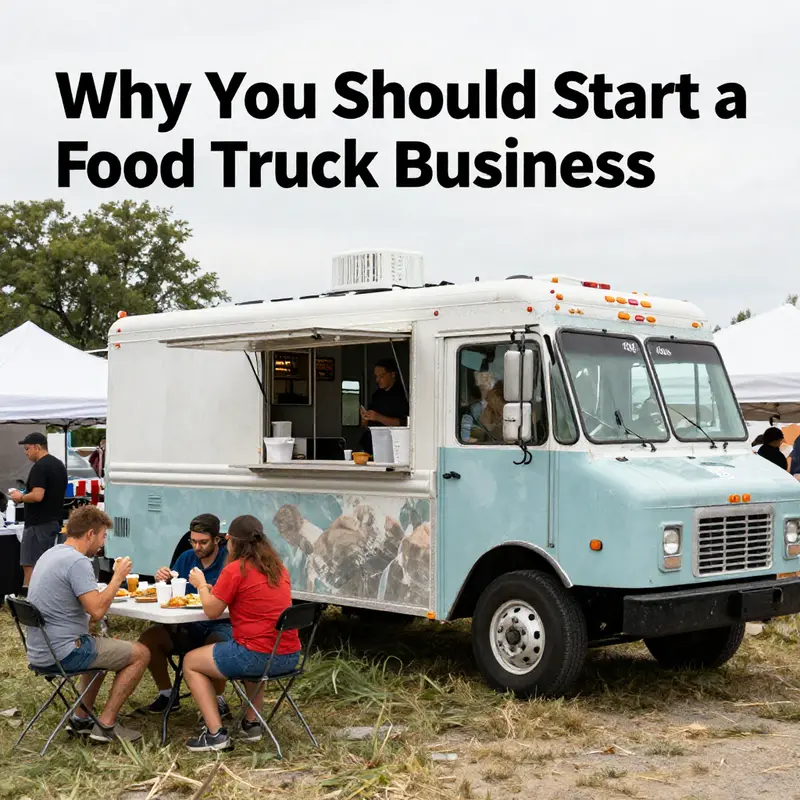
A food truck does more than deliver a meal in a compact kitchen on wheels. It offers a kind of entrepreneurial wind at your back, a capability to chase demand rather than wait for it to come to a fixed storefront. The mobility of a mobile kitchen reshapes how you think about a business plan, a menu, and even your own workday. In practical terms, that portability translates into a powerful competitive edge. You can chase lunch crowds in office districts, pivot to evening crowds near entertainment venues, or reimagine your location entirely for a weekend festival. The truck becomes a moving platform for opportunity, not a static frame. When you start a food truck, you begin with a core advantage that many aspiring restaurateurs only dream of: you control where your customers are and when they want your offerings. Mobility turns constraints into possibilities, one drive, one stop, and one event at a time.\n\nThe essence of this flexibility is not merely about moving from point A to point B. It is about the ability to adapt quickly to shifting tastes, seasonal trends, and the rhythm of a city. A traditional brick-and-mortar restaurant commits you to a single footprint and a fixed schedule. A food truck, by contrast, is a portable engine for market testing, feedback loops, and iterative refinement. You can introduce a new dish at a busy market, observe reactions, and tweak ingredients, presentation, or pricing within days rather than months. This rapid experimentation is invaluable for learning what resonates with your audience without the significant sunk costs of renovating a venue or signing long leases. That is the kind of learning curve that can turn a small operation into a beloved local option.\n\nFrom a practical standpoint, the mobility of a food truck also translates into meaningful financial realities. The path to profitability is often shorter than it is for a fixed restaurant because the barriers to entry are lower. The average initial investment for a food truck, including the vehicle, essential equipment, permits, and initial inventory, sits in a far more accessible range than a full-scale restaurant buildout. The range commonly cited by the U.S. Small Business Administration is roughly fifty thousand to a hundred thousand dollars. This figure reflects not just the vehicle itself, but the all-important early stage needs: permits, insurance, a starter menu, and the basics of a compliant operation. For many first-time owners, this range means the difference between a cautious leap and a confident, well-funded launch. With a smaller financial runway, you can test the waters with a lighter appetite for risk while still pursuing ambitious growth trajectories.\n\nYet the cost advantage is more nuanced than a simple price tag. Because a truck is mobile, you often pay for the ability to shift your revenue sources rather than to maintain a single, fixed location. You can allocate resources to appear at busy lunch corridors on weekdays, then pivot to high-traffic evenings near entertainment districts or events on weekends. This flexibility dovetails with a lean operating model: lower fixed costs, reduced rent exposure, and a more scalable approach to inventory and staffing. You can assemble a small, dedicated team that travels with the truck or rotates through locations as demand dictates. The operational simplicity, when paired with the dynamic opportunities of different neighborhoods and events, creates a business that can grow in steps aligned with your appetite for risk and your capacity to manage complexity. Consider how the vehicle itself becomes a portable brand ambassador, a moving billboard that speaks to your concept as you roll through town. The personality of the truck—its colors, its typography, the way it presents food and hospitality—emerges as a core component of your marketing, often before customers even sample your menu.\n\nFlexibility and mobility also enable you to respond to regulatory and environmental conditions with less friction than a stationary venue might endure. Weather, traffic patterns, local ordinances, and the tempo of a city can shift rapidly. A food truck can relocate to a nearby park, a different district, or a festival lineup if a location dries up or if new opportunities surface. The ability to react quickly to shifting patterns makes you less vulnerable to the kind of revenue droughts that haunt fixed restaurants on rainy days or slow seasons. By maintaining a portfolio of potential sites and a calendar that prioritizes high-traffic windows, you can ride the ebbs and flows of demand with greater ease. The logistical skill here is not simply moving equipment; it is orchestrating a network of micro-operations that keeps the business vibrant and visible across the calendar.\n\nThe growth potential of a mobile kitchen sits on a foundation of market engagement that naturally arises from direct customer contact. A truck on the move invites conversations with customers who might never venture into a brick-and-mortar restaurant in their own neighborhood. When you serve people in transit or at a pop-up event, you create opportunities to gather immediate feedback about flavor, portion size, price sensitivity, and service speed. That feedback loop is a powerful advantage. You don’t wait for quarterly surveys or a general manager’s notes; you hear it in real time, in the pace of your service, and in the expressions of people who sample your dishes. The ability to learn quickly and implement changes promptly makes a food truck an extraordinarily responsive business vehicle. The feedback doesn’t just surface as data; it becomes a catalyst for menu evolution, improved efficiency, and more personalized customer experiences.\n\nAs you weigh the path forward, you may discover that the most effective way to plan your first year is to blend mobility with a deliberately scoped approach to product and audience. You can begin with a lean menu that emphasizes a handful of crowd-pleasing items while you test regional tastes and preferences. The mobility of the business makes it feasible to curate a rotating lineup that speaks to what your current customers want and what your market is ready to embrace. You can pair this with a flexible staffing model, hiring part-time cooks or shifting shifts to coincide with peak hours at different locations. This modular approach to operations is central to the appeal of starting a food truck. It makes it possible to grow organically, to scale the business in measured steps, and to preserve the joy and creativity that often draw people to food entrepreneurship in the first place.\n\nThe practical takeaway is clear: mobility is not just a tactic; it is a business framework. It frames the entire decision-making process—from where you source ingredients to how you plan your week. It invites you to imagine the daily routine as a moving itinerary rather than a fixed schedule. And it allows you to embed your brand into the daily rhythms of your city, as regular as the morning commute and as memorable as a festival night. In this sense, a food truck is not merely a vehicle for serving meals. It is a dynamic platform for entrepreneurship, a way to test, iterate, and grow with less financial exposure and more experiential leverage. The result can be a deeply personal business that remains nimble enough to ride the next wave of consumer preference while staying true to a core culinary vision.\n\nFor those who want to explore practical steps while maintaining the momentum of mobility, a thoughtful approach to fleet planning, site selection, and schedule optimization becomes essential. Start by mapping potential high-traffic zones that align with your concept—office corridors, nightlife hubs, markets, and festival grounds. Build a calendar that accurately reflects expected demand while leaving space for spontaneous opportunities. Consider a rotating schedule that allows you to gather feedback from multiple locales within a single month. This approach keeps your menu fresh, your team engaged, and your customers curious about what you will bring to the street next. As you accumulate data from each stop, you can begin to identify patterns—what works in particular blocks of time, how weather influences demand, and which partnerships yield the strongest turnout. Each insight becomes a lever you can pull, allowing you to optimize throughput, quality, and customer rapport without sacrificing your core mission or your agility.\n\nThe reality is that mobility does come with its own set of challenges. You must stay compliant with health and safety regulations, secure appropriate permits for every jurisdiction you enter, and maintain a clean, efficient operation despite the hustle. Yet these challenges are often simpler to manage when you view them through the lens of movement. If you see each location as a short-term engagement rather than a permanent lease, the work feels less intimidating and more like a series of meaningful encounters you design. In the end, the decision to start a food truck is a decision to embrace a cycle of trial, feedback, and reinvention that can outpace many traditional concepts in today’s fast-moving dining landscape. Mobility empowers you to stay relevant, connected, and resilient—qualities that matter as much as any recipe in a world where consumer tastes shift with the seasons and the streets themselves.\n\nAs you consider the next steps, you might explore how the concept translates into equipment choices and setup. The layout inside the kitchen should support your workflow, speed, and consistency. Thoughtful design reduces back-of-house friction and helps you maintain a high-standard product throughout a busy shift. The same principle applies to your branding and customer experience. Your truck should tell a story at a single glance: color, typography, and signage that reflect your culinary voice. The experience you create—how you greet customers, how you present your menu, and how you handle lines and service—contributes to the lasting impression that turns curious passersby into loyal fans. The faster you can deliver a delicious, well-presented meal, the more opportunities you have to weave your brand into daily life, to build a community around your food, and to grow through repeat visits across multiple neighborhoods.\n\nIf you are ready to visualize the practical path forward, consider how a well-chosen model can optimize your mobility without inflating your costs. A strong starting point is to review the available configurations that best fit your concept and your target markets. For those who want a concise comparison grounded in practical considerations, you can explore the best food truck models for Lakewood startups. This resource offers a practical sense of how different layouts influence workflow, efficiency, and service speed, helping you choose a configuration that matches your culinary priorities. best food truck models for Lakewood startups.\n\nIn closing, the case for starting a food truck rests not on a single breakthrough moment but on the cumulative advantages of mobility. The freedom to move, test, and adapt—coupled with a lower initial barrier to entry and a fast feedback loop—provides a compelling platform to learn, grow, and ultimately succeed. You can craft a business that remains nimble in the face of changing tastes, weather, and competition. You can build a brand that people recognize not for a storefront alone but for the energy, reliability, and delight you bring to customers wherever you set up shop. If you want a path that blends creativity with practical, accountable growth, a food truck offers a distinctive, attainable route into the food business that can evolve with you as you learn what your city loves and how you can best serve it. The road ahead may be dynamic, but so is the opportunity—and that is precisely what makes starting a food truck such a compelling choice for aspiring entrepreneurs.\n\nExternal resources can provide further grounding as you plan. For official guidance on starting a food truck, you can consult the U.S. Small Business Administration’s overview, which covers investment ranges, permits, financing, and early-stage considerations: https://www.sba.gov/business-guide/starting-a-business/start-food-truck-business
Rapid Market Testing on Wheels: How a Food Truck Lets You Taste the Market in Real Time
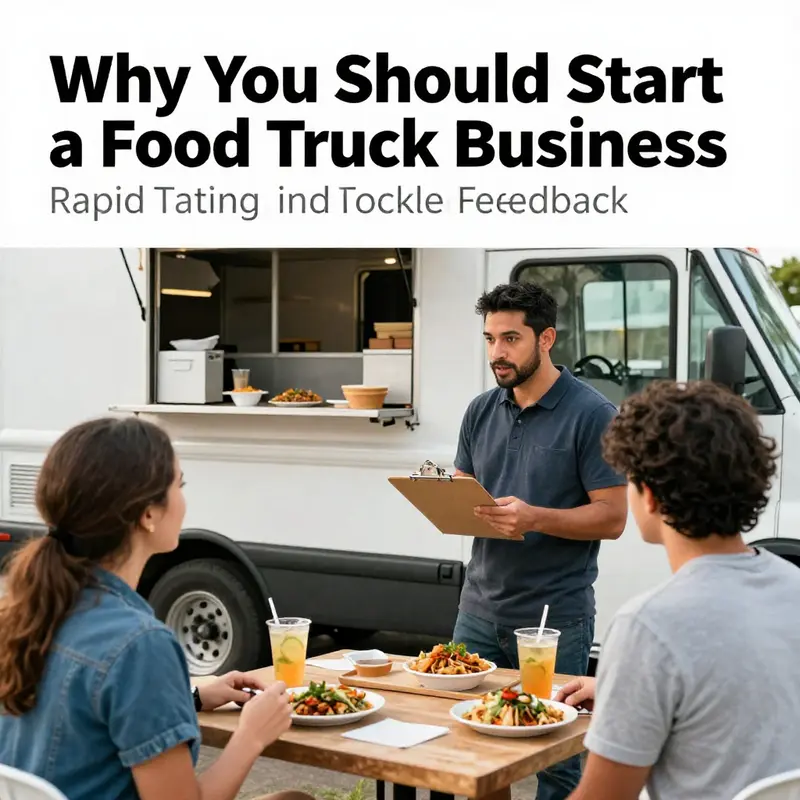
A food truck is not only a vehicle that carries your food to customers; it is a living laboratory on wheels. In the world of entrepreneurship, where many startups fail because their bets miss the mark, the mobile kitchen offers a rare edge: the ability to test ideas quickly, cheaply, and publicly. The elevator pitch for starting a food truck often centers on lower startup costs and unrivaled flexibility. But beneath that is a more powerful instrument: a real-time feedback loop that lets you learn, adapt, and refine before you scale. This is the essence of rapid market testing, and it sits at the intersection of craft, logistics, and customer psychology. When you move, you learn; when you observe, you adjust; when you listen to customers in the moment, you shape a brand that resonates far beyond a single location. The truck makes the abstract promises tangible, turning hypotheses into data points with every customer interaction, every ordering oddity, and every shift in foot traffic that your eyes and pencil-pairing notes capture.
From the outset, the beauty of mobile testing is that it lowers the stakes. Traditional brick-and-mortar concepts demand solemn commitments: months of lease negotiations, expensive build-outs, and forecasts that hinge on a single, fixed location. In contrast, a food truck lets you deploy a menu, a price, and a look in a variety of environments—office parks at noon, festival grounds in the evening, and downtown corridors on weekends—within days or weeks. You can begin with a lean core menu, then add or prune items as you observe what travels best with real customers. This is not merely a trial; it is a calibration process, a continuous loop between idea and reception that, when done thoughtfully, yields a menu and a brand that feel inevitable because they are built on evidence rather than assumption.
The practical method rests on three pillars: location, menu, and service, all operating in concert. Location is not a single choice but a portfolio. A truck can ping multiple high-visibility spots in a single week and measure how the crowd composition shifts from one locale to another. Office parks offer predictable lunch traffic, but the true test is whether your dish lines up with the tastes of people who know their routines—who they are, what they crave, and how much they’re willing to spend during a short break. Festivals and farmers’ markets, meanwhile, expose you to a more diverse audience, many of whom are tasting your concept for the first time. Each setting is a data point about demand, price tolerance, and the kind of culinary narrative your brand can carry in broader markets. Data collection, in this sense, ceases to be a back-office function and becomes part of your daily routine: you observe, you adjust, you retest.
Menu testing follows a natural rhythm that fits the pace of a moving kitchen. You start with a few signature items that you believe have the strongest pull—perhaps because of comfort factors, visual appeal, or a cultural hook—and you watch how they perform in different spaces. If a dish sells out quickly in a farmers’ market but sits on plates during a weekday lunch, that signal sends you back to the stove with a clearer question: what conditions created this divide, and what changes would close the gap? Maybe the market favors lighter, brighter flavors on Saturdays when energy is high, while weekday crowds lean toward heartier, quicker-serve options. The beauty of the truck is that you can adjust on the fly—offer a lunch-specific version, alter portion sizes, or introduce a rotating daily special for the busier spots—without the overhead risk that would accompany a permanent change in a storefront. A well-run truck uses the early weeks to construct a simple, repeatable test protocol: select a location, run two or three menu variations, measure uptake and profitability, then decide which items deserve broader rollout.
Price experimentation is another essential element. When customers are standing in a queue, they reveal their willingness to pay through their choices. A truck can test price points in real time, using small, deliberate adjustments and clear signaling. A two-dollar difference on a popular item may seem minor in a fixed setting, but in the field it can translate into meaningful margins or slower service during peak periods. You can also experiment with bundle offers, combo pricing, or small-plate tastings designed to attract first-timers at lower risk, then guide them toward larger orders once trust in the brand is established. The immediate feedback is not limited to what customers say; it is embedded in what they do: the speed of their decision, the frequency of repeat purchases, and the social chatter that follows a successful service window.
Direct customer interaction, a defining feature of the mobile model, accelerates learning in a way that no closed kitchen can. A truck sits at the intersection of craft and conversation. The operator has a front-row seat to who is lined up, what they order, and why they choose your stall over neighbors. Compliments, questions, and even critiques become data you can act on the same day you observe them. If a customer notes that the spice level is too mild for a certain crowd, you can adjust the seasoning in the next shift or tailor a spicy version for specific events. If families with small children seem drawn to a particular item due to its ease and speed, you can codify that option into the core menu. The feedback loop expands beyond the clipboard notes to social channels, where customers share photos, tag the truck, and describe the experience. Each post acts as a micro-focus group, offering qualitative cues about branding, packaging, and the overall vibe—elements that ultimately determine whether a concept is durable or merely trendy.
This iterative process has a pragmatic elegance. You stage yourself as a brand that is responsive, transparent, and built on observation rather than bravado. Customers notice this humility as much as the flavors you serve, and they respond with loyalty that isn’t bought but earned through responsiveness. The truck’s mobility is crucial here: you can transport a concept from one neighborhood to another and compare not only sales figures but the reaction of a distinct community. If a dish thrives in an urban district with a brisk, commuter crowd but falters in a family-friendly plaza, you learn something fundamental about your audience and the environment they inhabit. You may decide to reframe the brand narrative for that audience or to deploy a complementary concept at a different time or location. The possibilities for learning are not limited by geography; they are amplified by movement.
Of course, the value of rapid market testing extends beyond the menu. It informs your branding, your pricing psychology, and your operational design. Testing helps you validate or refute core assumptions about your business model before you scale. For instance, you might hypothesize that a rotating menu boosts curiosity and repeat visits. The truck allows you to test that hypothesis across multiple venues, ensuring you aren’t banking on a single mood or a single crowd. If the data shows consistent interest in a flexible concept, you gain confidence to invest in a broader branding strategy, a more robust supply chain, and a marketing plan that can survive the inevitable fluctuations of any market. The ability to prove the concept with real customers, in real time, dramatically lowers the risk of a costly, irreversible commitment down the line.
The narrative of testing is not a dry ledger of wins and losses. It is a story about listening to the market and letting that listening guide your evolution. It is about translating feedback into tangible changes—whether that means refining a recipe, tweaking a service flow to reduce wait times, or rethinking the entire concept to align with observed consumer desires. This is where the food truck becomes more than a business vehicle; it becomes a brand-building engine. The customers you meet in the first weeks may never buy from you again in a storefront, but their impressions shape your identity, your tone in social media, your packaging, and the story you tell about your culinary journey. In this sense, rapid market testing is not a temporary phase but a strategy for meaningful growth.
As you begin this journey, think of the process as a disciplined pattern rather than a scattergun sprint. Start with a small, testable set of menu items and two or three high-traffic locations. Give each test a time boundary, such as a two- to three-week window, and establish simple metrics: daily sales, average order value, number of new customers, and some qualitative signals from customer conversations. Track not only what sold but what season or event influenced the purchase. Dedicate time to review data with the same rigor you apply to recipe development. If a dish underperforms in one spot but shines in another, you learn exactly where to adjust your approach. If a concept dies in the market, you accept the signal, pivot, and move on without clinging to a favorite idea that doesn’t meet customers’ needs.
This approach also scales gracefully. Once you identify several items with consistent appeal and a stable price point, you can expand testing to new neighborhoods or larger events with more predictable returns. Over time, your truck becomes less of a novelty and more of a trusted option, known for a concise, adaptable menu and a clear understanding of the community it serves. The end goal is not merely growth in revenue but the growth of insight—the kind of insight that allows you to allocate resources efficiently, optimize your route planning, and cultivate a brand narrative that can carry a business through the inevitable cycles of demand. When a tested concept finally earns a place in a second or third truck, the decision is grounded not in nostalgia but in validated performance across diverse settings.
For readers who want to dig deeper into how mobile vendors are reshaping entrepreneurial practice, consider the broader context provided by reputable coverage of the food-truck economy. The rise of mobile food vendors illustrates how nimbleness and direct customer engagement translate into competitive advantage in today’s culinary landscape: a reminder that the business case for starting a food truck rests not only on lower costs or flexibility, but on the capacity to learn faster than the competition. As you evaluate your path, you can draw on that growing body of insight to design a testing program that feels natural to your idea, your market, and your pace of learning. To explore related perspectives on how these model practices translate into broader market strategy, you can reference resources focused on practical setups and scalable models, such as thoughtful explorations of equipment choices for Lakewood startups. the best food-truck models for Lakewood startups.
In sum, rapid market testing with a food truck is a disciplined form of experimentation that leverages mobility, direct feedback, and iterative refinement. It aligns your culinary instincts with real customer behavior, reduces the risk of costly missteps, and builds a brand story that customers feel and remember. By treating each location as a live lab, you transform the early phase of your business from a leap of faith into a series of informed steps. The result is not just a menu that sells but a concept that resonates, evolves, and endures because it grew with the people it serves. The road is the classroom, the truck is the instrument, and the market—the classroom’s real-time feedback—teaches you how to balance flavor, value, speed, and personality in a way that scales without losing the essence of what drew you to this path in the first place.
External resource: https://www.theguardian.com/business/2024/jun/15/the-rise-of-the-food-truck-economy
null
null
Final thoughts
The journey of starting a food truck business in Lakewood is filled with promising opportunities. With lower startup costs, the freedom to roam, immediate customer feedback, and a unique brand story, launching your mobile food venture can be rewarding. Not only can you create delectable dishes that appeal to the community, but you can also connect with your customers in meaningful ways. So why wait? Join the food truck movement and make your culinary dreams come true in Lakewood!