
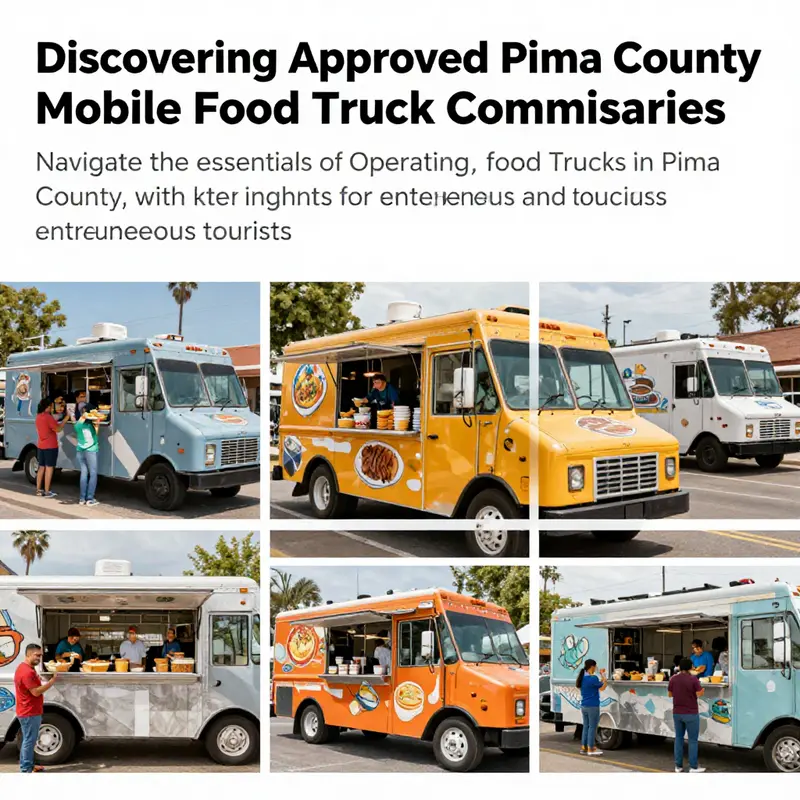
For those looking to explore the vibrant world of mobile food trucks in Pima County, knowing where approved commisaries are located is paramount. Not only is this information essential for aspiring food truck operators, but it also provides insight for tourists visiting Lakewood seeking unique culinary experiences. In this guide, we’ll take a closer look at the location of approved food truck commisaries, the regulations that govern them, the authorities to contact for the latest updates, and valuable online resources. Finally, we’ll underline the vital role the Pima County Health Department plays in ensuring these operators meet all necessary standards. Whether you’re a budding entrepreneur or just someone keen to grab a bite, understanding this landscape can enhance your experience.
Locating Safe Ground: Tracing Approved Mobile Food Truck Commissaries in Pima County
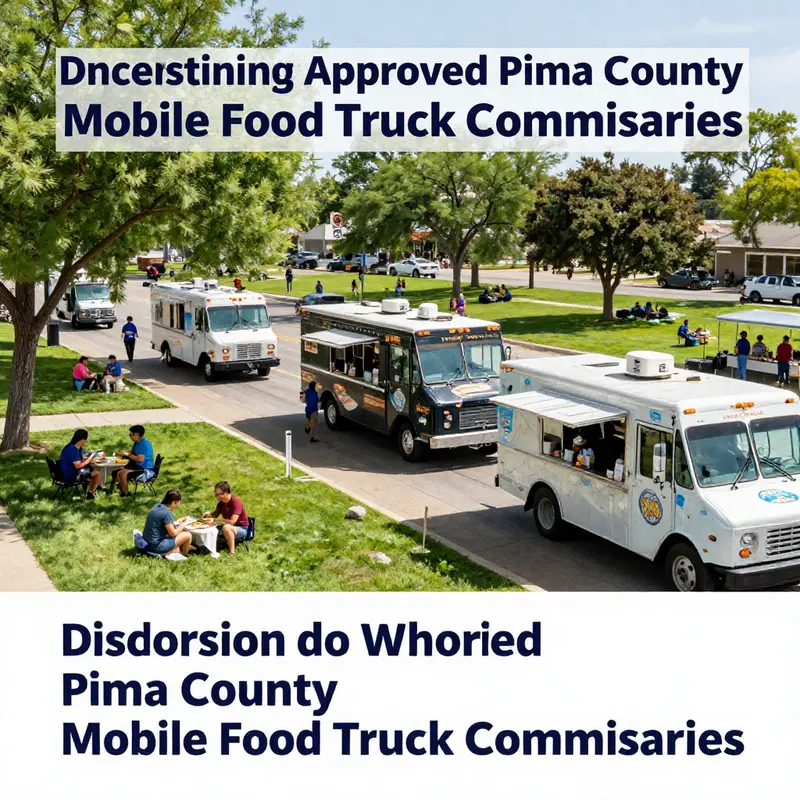
In mobile food operations, the truck relies on a trusted home base. In Pima County that base is a network of approved commissaries, shared commercial kitchens that provide space for cooking, plating, storing supplies, washing, and sometimes waste management. The system is built around health and safety standards that require an inspected environment for activities outside a traditional restaurant. The exact map of approved commissaries is not published as a public directory. Instead it rests with the health department and licensing authorities who regulate and approve facilities that meet mobile food criteria. For researchers, operators, and the curious, the practical path starts with official channels rather than guesswork.
A commissary is more than extra storage. It is a licensed, inspected workspace that ensures that food prepared for service on wheels passes the same basic health tests as food prepared in a brick-and-mortar kitchen. In these facilities trucks can access water for cooking and handwashing, hot and cold storage for ingredients and finished products, proper waste management, and a controlled workflow that minimizes cross-contamination. The health department oversight means that commissaries must meet criteria around floor drains and surfaces that are easy to clean, approved ventilation, reliable hot water, pest control, and waste disposal that protects the surrounding environment. The system favors shared use and coordinated scheduling over publicly posted addresses.
For operators seeking to align with these requirements the starting point is not a map but a process. The Pima County Health Department maintains a Mobile Food Vendor Program that governs how mobile units register where they may operate and what facilities they may use as commissaries. The program describes licensing steps, facility expectations, and documentation needed to demonstrate compliance. In many jurisdictions including Pima County, the exact addresses of approved commissaries are considered sensitive information. This approach protects safety by limiting access to facilities to authorized parties and by surfacing changes through official channels rather than casual listings. Anyone seeking concrete addresses should engage with the official program and licensing portals rather than rely on third party summaries.
The practical implication is that locating an approved commissary is a matter of coordinating with local government, not scanning a public map. The Pima County Health Department and City licensing offices can guide you to current approvals and procedures. Licensing portals can reveal whether a candidate commissary has active licensing, applicable fees, and documentation required to maintain operations. Even as you follow the regulatory backbone, the overall goal remains clear: safe, predictable, and compliant mobile operations.
For readers who want a broader perspective see discussions about mobile kitchen models and how commissaries fit the startup workflow. While specific addresses in Pima County must come through official channels, the core concepts space for prep, reliable utilities, and clean, inspected environments are universal. If you are using this material in a case study or analysis, linking to broader discussions can provide context while anchors in local regulatory realities are established. The official program page and licensing portals are the reliable starting points for current guidance.
Mapping the Regulatory Terrain: Approved Pima County Mobile Food Truck Commissaries and the Path to Compliance
In Pima County, the liberty to operate a mobile kitchen is balanced by a ledger of responsibilities that begins with a designated commissary. The idea of a truck that roams the desert towns and bustling event spaces is alluring, but the reality is that every successful operation rests on a fixed, approved hub where food is stored, prepared, and cleaned in ways that protect public health. The commissary is not a mere waypoint; it is the backbone of compliance, the place where the ethics of service meet the science of sanitation. Without an approved commissary, a truck may find itself unable to obtain the licenses it needs to hit the road, regardless of the restaurant-grade equipment packed inside the vehicle or the creativity of the menu.
The entry into this regulatory landscape begins with the basics: a business license filed with the county’s health department and a detailed operational plan that includes the proposed routes, the menu items, and, crucially, a written commissary agreement. This agreement is more than a contract; it is an affirmation that the commissary will serve as a reliable, ongoing base for storage, cleaning, and waste management. Officials look for clarity in how the truck will coordinate with the commissary on a daily or near-daily cadence, because frequent access is essential to maintaining cold chains, ensuring handwashing, and disposing of waste properly. The language of this document matters, because it signals the operator’s readiness to integrate into a system designed to reduce risk at every turn.
From there, the county’s standards zoom in on the physical and logistical attributes of the commissary itself. The requirements are practical but exacting. A compliant facility must offer adequate handwashing stations, reliable refrigeration capable of maintaining the strict temperatures needed for perishable items, waste disposal systems that separate and manage refuse without cross-contamination, and robust cleaning protocols that can withstand the tempo of a busy service day. These are not abstract ideals; they are concrete features that inspectors verify through on-site evaluation and documented procedures. The commissary must also be positioned within a reachable radius—specifically, within about 15 miles of the truck’s primary operating area—so that access is feasible during peak service times. The intent is not to constrain ambition, but to ensure a predictable cycle of use that keeps food safe from pickup to plate.
The process culminates in a health inspection that precedes any operating permit. The truck, as a mobile workspace, must demonstrate that its construction is fit for food preparation and storage. Materials, seams, and surfaces are scrutinized for ease of cleaning and resistance to corrosion. The vehicle must have functioning refrigeration, hot water, and a reliable garbage disposal system. The inspection also serves as a check on operational discipline: how the vehicle handles raw ingredients, how it cleans, and how waste streams are managed. A vehicle that passes this audit confirms its readiness to join the broader ecosystem of permitted mobile food operations in the county.
Beyond the mechanics of the equipment and the brick-and-mortar logic of the commissary, there is the matter of cuisine that requires special attention. Operators who plan to offer Halal or other specialty preparations face additional documentation that demonstrates compliance with religious dietary standards and food safety rules. The emphasis on strict cold-chain management in such operations reflects a broader adherence to the science of food safety, ensuring that temperature-controlled processes extend from the commissary through the truck to the consumer. It is a reminder that the regulatory framework, while structured, is responsive to diverse culinary practices and the unique demands they place on storage, transportation, and handling.
A separate strand in the regulatory weave concerns zoning and permitting for locations and events that allow temporary or episodic service. The county’s approach provides flexibility for appearances at events, night markets, and other venues where traffic patterns and audience demand can fluctuate. Temporary permits may be granted, but they are time-bound and require advance planning. Applicants must submit proof of liability insurance and coordinate with event organizers to align with site rules and occupancy limits. The temporary nature of these authorizations underscores the importance of a strong, well-defined operating plan—one that anticipates how the truck will move between fixed commissary days and event days while maintaining the safety and quality standards that inspectors expect.
For operators, the practical consequence of these rules is a need for strategic planning. The commissary selection process should weigh proximity, capacity, and the reliability of routine access. It is not enough to find a nearby facility; operators must assess whether the commissary can accommodate the equipment layout, the number of service days, and the specific needs of the menu. The commissary agreement, then, becomes a living document—one that guides daily practice and contingency planning. A thoughtful operator will build schedules that minimize the distance traveled between the truck and the commissary during peak hours, ensuring quick turnaround times for food safety checks and inventory management. In this sense, the commissary is both safety net and strategic partner, anchoring the business while enabling mobility.
The journey through compliance also invites a careful look at the equipment and layout choices that support efficient, safe operations. For those starting with limited resources, the question is not simply which stove or cooler to buy, but how to design a workflow that reduces risk and streamlines service. Layout considerations play a critical role in staying within the rules while delivering a compelling customer experience. Operators must anticipate how ingredients flow from the commissary to the truck, how cold storage is organized to prevent cross-contamination, and how waste streams are handled in a way that keeps the work area clean and compliant. In this planning phase, practical models and layout examples can be valuable guides. For instance, resources that explore compact, efficient truck configurations and equipment strategies—such as those described in model-focused overviews—offer a useful reference point for new entrants seeking to balance space, safety, and speed. See best-food-truck-models-for-lakewood-startups for a concise look at equipment layouts and workflow considerations that resonate with the needs of mobile operations in a regulated environment. best-food-truck-models-for-lakewood-startups
One practical takeaway from this regulatory journey is the importance of documenting every interaction with the commissary and every step in the operational plan. The health department’s review hinges on evidence: the written commissary agreement, the dates and times of anticipated use, the logistics of waste disposal and water supply, and the procedures for cleaning and sanitizing equipment. Operators should maintain easily accessible records that demonstrate ongoing compliance, from routine inspection results to maintenance schedules. When audits occur, having a clear trail of adherence reduces the friction associated with corrections and helps keep customers safe. Additionally, operators should build relationships with the commissary staff and the county health representatives. Open lines of communication help anticipate scheduling conflicts, maintenance needs, or changes in regulatory expectations, smoothing the path from permit application to daily service.
In this landscape, knowledge is a form of currency. The primary sources of guidance remain the county’s official channels, where current requirements, forms, and contact information are published and updated. The chapter’s overarching message is to approach compliance as a long-term commitment to safety, reliability, and community trust. When a truck and its commissary operate in harmony, the community benefits from consistent standards and predictable service, while the operator gains a stable foundation for growth. The regulatory framework, with its emphasis on proximity, access, and rigorous hygiene practices, is not merely a hurdle. It is a map that, when read carefully, reveals opportunities for responsible expansion, event partnerships, and streams of repeat customers who value safety as much as flavor.
For readers seeking official, up-to-date guidance on how these requirements are applied and how to begin the licensing journey, the Pima County Health Department’s Mobile Food Vendor Program page offers the authoritative overview. It provides current forms, application procedures, and direct contact points for regulatory inquiries, ensuring operators can translate this framework into a practical start date for service. This page is the touchstone for anyone contemplating operation in the county, from the initial planning stages to the first permit and beyond. External resource: https://www.pima.gov/health/services/mobile-food-vendor
As you chart your path, remember that the regulatory map is not static. Policies shift with public health priorities, and new guidance can come from periodic reviews or changes in local zoning rules. Staying connected to official channels, maintaining a living operations plan, and cultivating reliable commissary partnerships will help ensure that your mobile culinary venture not only complies but thrives. In the wide expanse of Pima County, the road to approval is well-lit by documented procedures, regular inspections, and a shared commitment to serving safe, quality food wherever your customers gather.
Tracing Approved Commissaries: Navigating Pima County’s Mobile Food Truck Infrastructure and Regulation
In the world of mobile food, a truck is only as good as the place it calls home when it’s not on the road. A commissary is more than a parking spot with power; it is a purpose-built hub where a truck can safely store, prep, and clean, under the watchful eye of health inspectors who ensure that every onion is peeled in a sanitary environment and every pot rinsed with properly sourced water. In Pima County, the quest for an approved commissary is not a vague average of options but a specific regulatory pathway. The county’s approach recognizes that mobile food vendors operate across neighborhoods and districts with different clientele, schedules, and competition. Yet the essential requirement remains constant: the operator must base operations in an approved facility that meets health and safety standards. The journey from curiosity to confirmation begins with understanding who regulates these spaces, what counts as approval, and how a single operator can move from inquiry to licensing without getting lost in the paperwork or the jargon of local government.
The backbone of this chapter is the Pima County Health Department, which holds the mandate to regulate and license mobile food vendors within the county. Their oversight covers many moving parts of a mobile operation—from vehicle sanitation and food storage to cross-contamination controls and waste management. Crucially, they also oversee the approval of commissary locations. In practical terms, a commissary is not just a building; it is a facility that meets defined health codes and operates as the legal base of operations for one or several trucks. An operator cannot simply choose a flashy warehouse or a public kitchen strip and call it a day. The site must be evaluated and approved through the department’s processes, which typically involve site inspection, adherence to sanitation standards, and confirmation that the facility will support the truck’s daily workflow. The approvals are not a one-and-done stamp; they reflect ongoing compliance, periodic inspections, and the potential for updates as the operation grows or changes.
For anyone considering entry into Pima County’s mobile food scene, the practical question is simple and urgent: where are the approved commissaries located, and how can a new operator obtain approval for a specific site? The answer is rooted in direct engagement with the health department and the use of official channels designed to standardize licensing and compliance. The mobile food vendor program, as described by the Pima County Health Department, is the authoritative gateway. It provides the framework for registrations, license issuance, and the list of permissible commissary facilities, along with the rules governing how a truck must operate in relation to those facilities. In other words, you do not determine compliance in isolation; you verify it through the department’s published requirements, engage with a live staff member who can explain the nuances of your particular situation, and proceed with the formal application process.
When seeking approved commissary locations, the first essential step is to connect with the Pima County Health Department directly. They are the source of truth for licensing details, health codes, and the procedural steps needed to obtain a commissary approval. The department’s official resources provide the most current guidance on what constitutes an approved base of operations, what records you must have ready, and how inspections will be scheduled and conducted. This is not merely a matter of finding a space with a roof and a sink; it is about aligning your operation with standards for refrigeration, handwashing, waste disposal, and facility maintenance that protect public health. The department’s mobile food vendor program is designed to streamline these connections, delivering clarity for operators who might otherwise be confronted with a maze of municipal and state requirements.
To begin, you can visit the official page of the Pima County Health Department and explore the specific guidance for mobile food vendors. The page typically outlines registration steps, licensing requirements, and the process by which commissary locations are approved. In addition to the online information, direct contact with a representative can clarify any unique circumstances—such as the nature of the cuisine, the anticipated routes, or seasonal variations in operation. If a question arises about whether a particular site meets the health code, a staff member can explain the criteria and, if needed, arrange a preliminary site evaluation. For many operators, this direct line to regulatory guidance shortens the path from concept to compliant operation and reduces the risk of costly missteps later in the process.
The practical reality is that the approval of commissary locations is a dynamic process. Facilities can change ownership, upgrades may be required for refrigeration or water supply, and inspections can adjust to new rules or updated health codes. Operators should plan on maintaining open communication with the health department and documenting changes in their base of operation promptly. Keeping records up to date—such as the commissary’s contact information, hours of operation, and certifications related to sanitation and waste management—helps ensure that a truck remains in good standing with health authorities. This ongoing diligence protects both the operator and the public, reflecting the core purpose of the program: to enable vibrant, mobile commerce without compromising community health.
The practical steps are straightforward, even if the language of permits can feel dense at first. First, identify your intended operating footprint and verify that any chosen commissary site is within the approval purview of Pima County. Second, contact the Health Department’s mobile food vendor program to discuss your planned operation and request information about approved commissaries or the criteria for approving a new site. Third, prepare the necessary documentation—proof of business registration, vehicle specifications, water and wastewater plans, and a description of your daily workflow, including how you will transport and store food, how you will clean and sanitize, and how waste will be handled. Fourth, arrange for any required inspections of the commissary facility itself, ensuring that the site has reliable water access, proper drainage, a functional handwashing station, and adequate refrigeration capacity. Fifth, submit the license application along with any inspection reports or compliance documentation the department requires. Throughout this process, keep lines of communication open and document each interaction. The path from inquiry to approval is rarely a straight line, but it is well-trodden by operators who proceed step by step with the department’s guidance.
The broader ecosystem—beyond the health department—also plays a role in locating and selecting an approved commissary. Local business portals and city-level licensing offices often provide supplemental information about where mobile vendors can legally operate, what ancillary permits may be required, and how commissary access interacts with city codes and zoning. For example, a city or county business services portal can be a useful companion resource, offering context on how licensing harmonizes with other regulatory needs. If you are building a broader business plan that anticipates future expansion, it can be helpful to compare what Pima County requires with what neighboring jurisdictions expect, all while keeping a clear focus on the department’s official guidance for mobile vendors. In this sense, the process is not just about finding a space; it is about aligning a mobile kitchen with a framework designed to ensure safety, reliability, and service quality for customers who trust that what they eat came from a regulated, sanitary operation.
As you navigate this landscape, a useful way to keep the narrative concrete is to imagine the daily operations of a truck arriving at a commissary at the end of a service window. The truck parks under a supervised roof, where the refrigeration units are checked for proper temperature ranges, where the handwashing sink is stocked with soap and towels, and where waste is disposed of according to approved procedures. The operator logs the day’s activity, notes any deviations or equipment issues, and plans for the next day with a clear understanding of how those variables might affect compliance. This continuous loop—prepare, serve, clean, document—embeds health-conscious practice into the rhythm of everyday operation. And it is precisely this rhythm that the health department seeks to cultivate by enforcing the commissary system as a backbone of mobile food safety.
For readers seeking deeper context on how mobility intersects with the broader design and operation of a mobile kitchen, a related resource worth reviewing is a discussion on the evolving models for food truck operations. It offers perspective on how fleets optimize space, workflow, and equipment within the constraints of regulatory frameworks. See the article titled Best food truck models for Lakewood startups for insight into how operators balance mobility with infrastructure in real-world settings. You can explore it here: Best food truck models for Lakewood startups.
In the end, the map to approval in Pima County is charted through official channels. Start with the Pima County Health Department, whose mobile food vendor program is designed to guide operators from the moment of concept through the licensing milestone and into compliant daily operations. The department’s website and a direct phone line serve as the most reliable compass. If you leave with one takeaway, let it be this: a successful mobile food venture in Pima County rests not just on the concept or the recipe, but on the firm ground of an approved commissary, vetted under the standards that protect public health and support consistent, high-quality service.
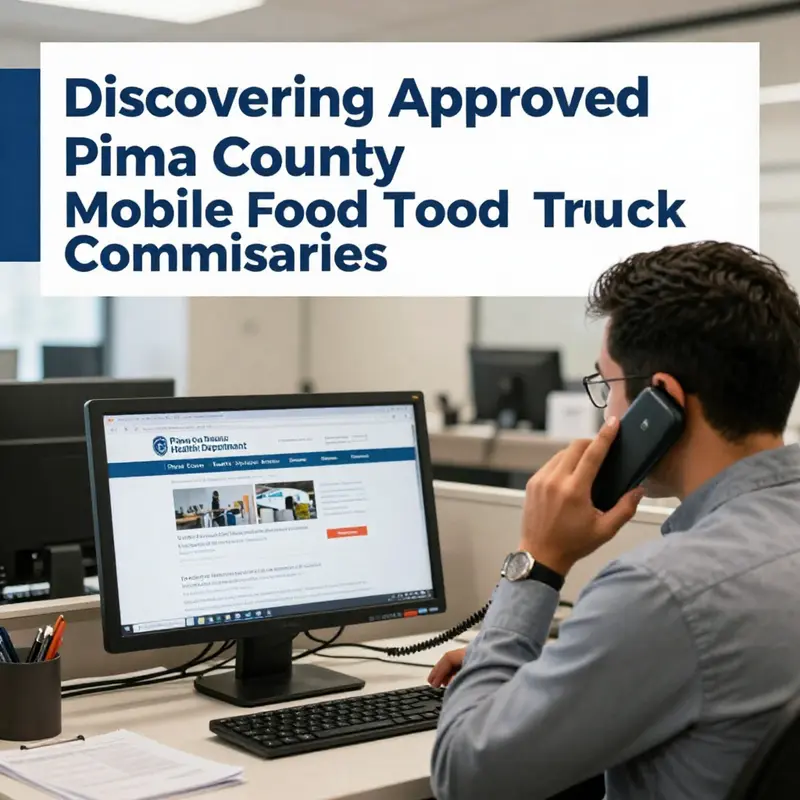
For official, up-to-date information and to initiate the process, visit the Pima County Health Department’s site and reach out to their mobile vendor program. They provide the authoritative framework for commissary approval, licensing requirements, and the steps needed to operate a mobile food truck within the county. You can also contact their office by phone to speak with a representative who can provide specific details about approved commissaries, licensing, health codes, and application procedures for operating a mobile food truck in Pima County: (520) 724-6100. Official information can be found at the Pima County Health Department site: https://www.pima.gov/health.
Mapping the Hidden Ground: How Pima County Governs Approved Mobile Food Truck Commissaries
In Pima County, the mobility of a food business hinges on a quietly strategic infrastructure—the commissaries. These shared or dedicated facilities serve as the central hubs where a mobile unit can safely prepare, store, and clean before it serves customers across city streets and county roads. The idea of a commissary is simple in principle: a licensed kitchen on wheels needs a home base that meets meticulous health and safety standards. But in practice, locating and securing an approved commissary is a process woven through local health regulation, licensing portals, and county-by-county interpretations of what counts as a compliant operating hub. The exploration of online resources around Pima County’s mobile food truck commisaries reveals a core truth that regulators emphasize more than any single list: the most authoritative, up-to-date guidance lives with the county health department and its published mobile food truck regulations. As of the 2023 guidance, the accessible material clarifies the framework but stops short of publishing an exhaustive public ledger of every approved site. This is not unusual in a landscape where approvals hinge on individual facility capabilities, inspection histories, and ongoing compliance. Yet the absence of a neatly published roster does not leave operators adrift; rather, it nudges them toward a practical, methodical search anchored by official channels and the broader licensing ecosystem of the region. The health department’s role, therefore, remains central. It is the authority that defines what counts as a safe commissary in terms of food safety, vehicle sanitation, temperature control, and the minimum standards for employee training and facility management. The department’s mobile food truck regulations, updated for 2023, outline the essential steps to apply, the permit requirements, and the cadence of inspections that mobile vendors should expect once they are operating. In effect, the framework describes a lifecycle: from initial eligibility to the ongoing discipline of quarterly or more frequent checks that confirm continued compliance. Within this lifecycle, the commissary acts as a critical node—more than just a storage space, it is the operational footprint where the vehicle, the food, and the sanitation processes converge under a single roof or within a shared complex. Because these facilities must align with temperature controls, proper water supply, wastewater handling, handwashing stations, dishwashing capabilities, and surface sanitation, the selection of a commissary becomes a decision that directly affects safety, legality, and the ability to scale a mobile food operation. When a vendor contemplates where to park the truck, where to prep, and where to dispose of waste after a long service, the considerations are not only logistical but regulatory. This is why the official guidance emphasizes both the application process and the inspection cadence. The act of applying for a mobile food truck permit is a gateway to a compliant commissary arrangement. Applicants typically begin by engaging with Pima County Health Department resources, reviewing the Mobile Food Truck Permitting and Regulation materials, and identifying any city-level licensing requirements that may intersect with county oversight. The city and county licensing ecosystems often work in tandem. In Tucson, for example, business licensing and zoning considerations can influence where a commissary may legally operate and how close it can be to residential areas, schools, or other sensitive establishments. The interplay between county health rules and city business licensing underscores a broader principle: compliance is not a single act but a sustained practice of documentation, facility readiness, and consistent operations. Within this context, the journey to an approved commissary also involves practical evaluations of the facility’s capabilities. A prospective operator will look for reliable access to potable water, an adequate ventilation system, sanitary waste management, and a layout that supports safe food handling from storage through prep to service. Temperature control is a recurring focal point. Cold holding needs to be maintained at set thresholds, hot holding must ensure safety margins, and defrosting routines should avoid cross-contamination risks. The equipment in the commissary—commercial-grade refrigeration, freezers, cooking surfaces, ventilation hoods, and dishwashing sinks—must meet standard specifications. The health department’s inspection frequency is tied to risk factors, but operators should plan for routine checks that ensure ongoing compliance with sanitation, labeling, sanitation, and cross-contamination prevention practices. The emphasis on training cannot be overstated. Employees must understand how to prevent cross-contact, how to document temperatures, and how to respond promptly to any deviation in food safety practices. In many ways, the commissary becomes the ethical center of a mobile operation. It is where a vendor transforms raw ingredients into meals under a controlled regime, and where audits verify that the cooking and cleaning processes align with established health standards. Given the dynamic nature of mobile food operation, where routes, menus, and customer bases can shift with seasons and events, the commissary becomes not only a physical space but a strategic partner. An operator may need to coordinate with the commissary for storage rotations, scheduled cleaning, and even equipment maintenance that could affect service windows. The regulatory framework recognizes these realities and provides the scaffolding to navigate them. A typical path involves assembling the requisite documentation, securing a facility that meets sanitary and space requirements, and coordinating with the health department for inspections that confirm readiness before any permit is issued. Once permits are in hand, ongoing compliance means routine self-audits, adherence to temperature logs, and timely response to any corrective actions identified during inspections. In short, the approval of a commissary is a joint achievement of regulatory acceptance and operational discipline. The online landscape of available information in 2023 reflects a concerted effort to guide operators through this process, without promising a static, exhaustive map of every approved site. The recommendation is to consult the official Pima County Health Department page dedicated to mobile food truck regulations, which provides the authoritative, up-to-date guidance on how to apply, what permits are required, and how the inspection regime unfolds. For readers seeking a practical orientation to how these topics appear in related industry materials, a related, publicly accessible resource offers a narrative parallel to the operational realities described here. It presents a broader context of facility layouts, shared-use concepts, and the typologies of spaces that mobile vendors might consider as commissaries. This kind of cross-reference helps illuminate the conceptual underpinnings of a commissary, even as the exact location list remains fluid and jurisdiction-specific. The overarching message remains clear: while the precise roster of approved commissaries may not be openly published across all county platforms, the path to approval is well-defined through the health department’s mobile food truck regulations, with connections to city licensing where applicable. Operators who embark on this path learn to balance the practicalities of kitchen efficiency with the stringent demands of food safety, hygiene, and regulatory accountability. They discover that a commissary is less a mere address and more a framework for consistent, safe, and scalable operation. To navigate this landscape successfully, aspirants should engage with the official channels, begin from the health department’s guidance, and plan for an integral process that respects both the letter and the spirit of local health regulations. As the inquiry into approved Pima County mobile food truck commissaries continues, the most reliable compass remains the county health department’s published materials and the related licensing portals that govern business operations across the region. For readers who want a concrete example of how facility discussions appear in industry resources, a related, publicly available page offers a perspective on how shared spaces and showroom concepts are discussed in the field: 2026’s Best Food Truck Rallies in Lakewood. This resource, while not a Pima County document, helps frame the kinds of conversations and facility considerations that mobile vendors encounter when planning their commissary partnerships. In all cases, the central, definitive reference remains the official Pima County Health Department portal for mobile food truck regulations, which continues to guide applicants through the permit process, the required safety standards, and the inspection cadence that ensures every approved commissary remains compliant over time. For the most authoritative and up-to-date guidance, consult the official resource: Pima County Health Department – Mobile Food Truck Regulations (2023).
Behind the Wheel: How Pima County Approves Mobile Food Truck Commissaries and Keeps the Public Safe
Across the desert expanse of Pima County, mobile food trucks rely on a network of approved commissaries—the licensed base kitchens where operators rest, prep, and sanitize between runs. The Pima County Health Department oversees this system, conducting inspections to verify sanitation, temperature control, potable water, waste management, and facility design. The approval journey typically begins with plans, equipment lists, and layout details submitted for review, followed by on-site inspections and periodic follow-up. Approved commissaries are spread around Tucson and surrounding communities to balance travel times with reliability, ensuring a stable base that supports consistent food safety practices. The ongoing relationship between the department and operators emphasizes transparency, compliance, and continuous improvement rather than punitive checks. Operators can consult the official Pima County Health Department Mobile Food Vendor Program page for the latest requirements and submission steps. Together, the public health framework and the mobility of street food create a dependable, safe experience for customers citywide.
Final thoughts
Navigating the landscape of approved mobile food truck commisaries in Pima County can be both exciting and daunting. With the right information in hand, aspiring food truck operators and curious tourists can embark on their culinary adventures with confidence. From understanding regulatory frameworks to reaching out for authoritative guidance and leveraging online resources, everyone can enjoy Lakewood’s dynamic food scene. The Pima County Health Department remains a cornerstone in this process, ensuring that quality and safety are upheld across the mobile food industry. So next time you’re near a food truck, consider the efforts and community connections that go into creating those memorable bites.