
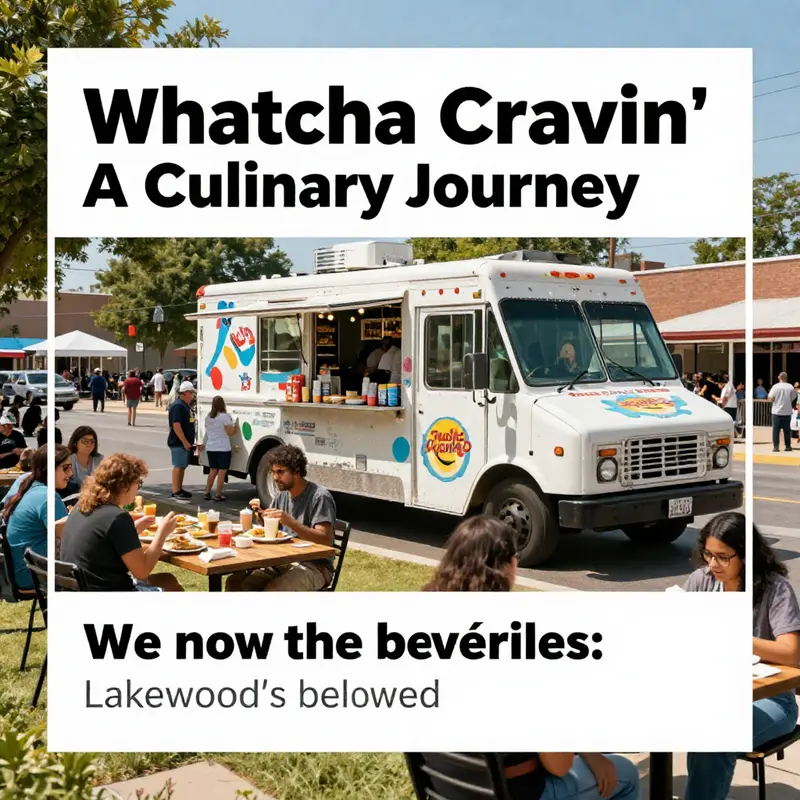
While cruising through Lakewood, you might find yourself enveloped by the enticing aroma coming from a vibrant food truck, Whatcha Cravin’. This popular gem isn’t just a meal; it provides a unique culinary experience cherished by locals and tourists alike. In this exploration, we’ll take you through five flavorful chapters that reveal the truck’s diverse offerings and cultural significance, insightful economic aspects, and the social atmosphere surrounding its events. You’ll learn what meals make it stand out, how it fits into Lakewood’s broader food scene, and why it’s a key player for aspiring food truck operators seeking to make their mark.
Exploring Whatcha Cravin’ Food Truck: A Culinary Delight
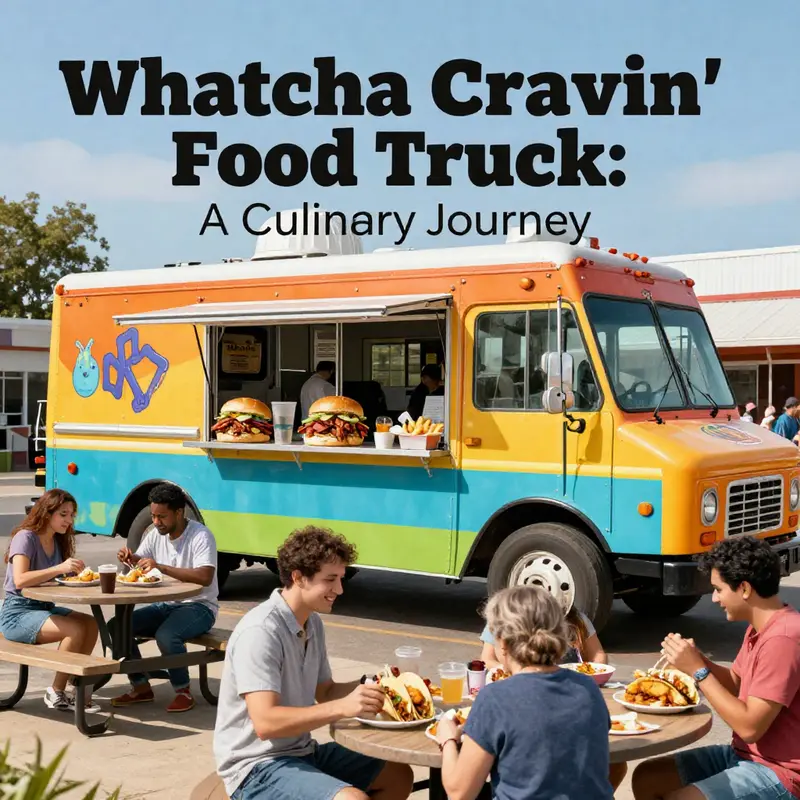
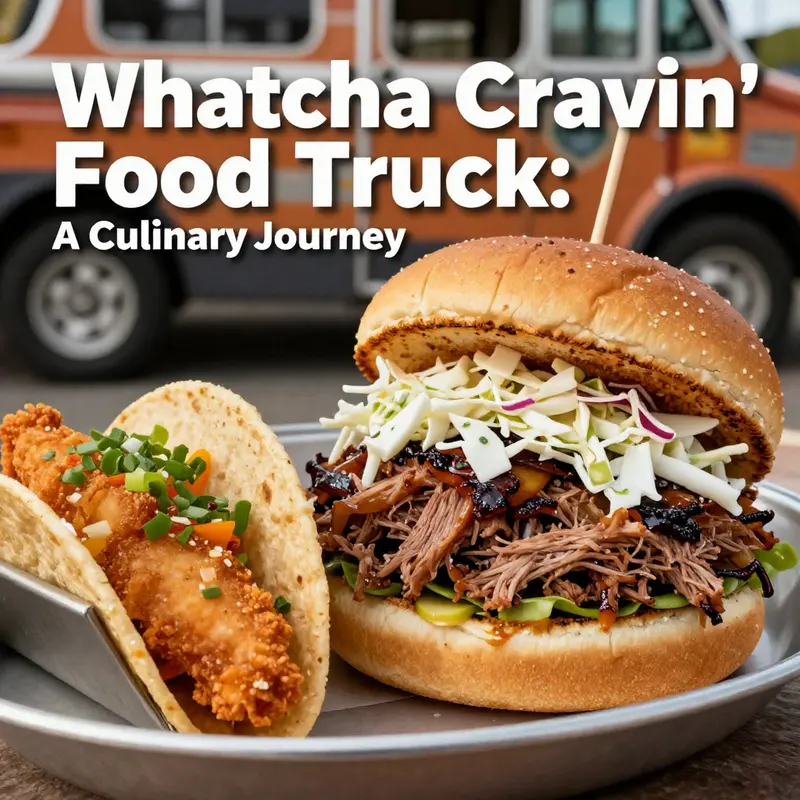
When you crave something beyond the usual sit-down ritual, a food truck can feel like a portable market of memory and flavor. Whatcha Cravin’ stands as a bright example of how a single vehicle can anchor a neighborhood and tug a little at the appetite of every passerby. Yelp reviews celebrate the truck for serving the best BBQ pulled pork sandwich I have ever had and fish tacos second to none. The crew, in turn, is praised for being friendly and welcoming, turning a quick bite into a small social event. These lines of praise do more than reward a meal; they speak to a larger impulse that drives the entire mobile dining scene. When a truck rolls into a park or a festival lot, it carries not just food but a sense of shared purpose, a promise that the next bite might surprise you in its simplicity and depth.
Beyond one truck, the mobile kitchen is a roaming lab of taste. Whatcha Cravin’ is part of a broader ecosystem that can move from city to city, adapting to crowd rhythms and weather. Unlike brick and mortar places, the truck can chase a weekend sunbeam, set up near a college campus for a finals week relief session, or park outside a busy office tower for a lunch crowd that wants something quick yet comforting. The menu is often a reflection of the concept the cooks want to explore. Some trucks lean into classic American comfort, others mine the pantry of global flavors, and many blend ideas into unexpected, satisfying hybrids. In the most successful setups, the limited workspace becomes a strength, forcing cooks to select ingredients with care, to time orders so everything arrives hot, and to plate with an eye for color and texture that makes a simple seal of flavor feel like a signature. The kitchen design itself invites wonder: a grill that slides out, a smoker that hums, a stack of salsa jars that glisten in the sun. The cooks often balance two or three tasks at once, flipping meat, warming tortillas, and keeping pace with a growing queue. Even in the busiest moments, there’s a rhythm of swapping stories with customers, a spray of hot steam, and the immediate satisfaction of smelling something you know will taste right.
That sense of variety is a core appeal, especially for families, late-nighters, and curious eaters who want authenticity without a long reservation list. A typical line might reveal a chorus of tastes: smoky ribs and tangy slaw, a crisp fish tucked into a warm tortilla, zesty citrus glazes, and sauces that carry a memory of a grandmother’s kitchen or a seaside shack. Mexican trucks, whether pure or playful, harness a tradition of fresh ingredients and handmade tortillas that might rival a home kitchen. The scene around the truck often includes aromas in the air, the clatter of metal trays, and the quick, cheerful banter between cooks and customers. These moments create an experience that is less formal than a restaurant and more inviting than a takeout window. The truck becomes a place where a simple craving can become a shared story, a small ceremony of bite and breath and conversation. In many cities, these trucks become touchpoints for newcomers and locals alike, a place where a foreign flavor might land smoothly into someone’s weeknight routine. Kids learn to identify the smoke from a distance, signaling a favorite snack is near.
Operationally, Whatcha Cravin’ and similar trucks must balance speed with quality. The compact kitchen is a studio on wheels, designed to produce consistent flavors at a brisk pace. The crews work with fresh ingredients, sometimes sourcing locally when possible, and they lean into the craft of technique: smoke on a BBQ sandwich, quick sears on a fish taco, crisped tortillas that crackle when folded. The emphasis is on value as well as flavor; these are meals you can enjoy with friends after a day in the sun or after a long shift, with generous portions that leave room for a second or third choice if the mood strikes. In practice, the best trucks develop a rhythm that feels almost choreographed yet spontaneous—each item prepared as if at a small, efficient kitchen that happens to roam across neighborhoods. That mobility helps them test new ideas quickly and respond to what listeners and diners are telling them through their favorite posts and comments. The kitchen setup itself becomes a stage for learning, as cooks adjust heat, timing, and plating under pressure while keeping a friendly banter that makes the line feel less like a queue and more like a communal lunch hour.
That sense of pace and personality spills into the social fabric around the truck. Following the scene requires more than watching the street corners; it asks for engagement with the signals the trucks put out through social media and live updates. People map routes, synchronize calendars with pop ups at parks, and plan meals around a truck’s next appearance. The sense, of anticipation, becomes part of the flavor narrative, because a craving can be a conversation with a city that keeps showing up in different neighborhoods with its own version of comfort food. For fans of the genre, this is a game of taste with a social twist. A truck that understands its crowd can adjust its footprint, moving closer to schools during lunch hours or shifting to late night venues near entertainment districts. The idea of a roving kitchen that remains anchored in community is what gives these meals a personality as strong as the recipes themselves. To catch the pulse of the scene and plan your next stop, consider following 2026’s Best Food Truck Rallies—What Lakewood Has in Store, a resource that aggregates venues and schedules to spark your appetite for the next outdoor bite.
Ultimately, what you crave from a food truck like Whatcha Cravin’ is not just sustenance but a moment of connection. The sandwich, the taco, the sizzle, the friendly hello, the sight of neighbors sharing a bench as the sun dips low—these details contribute to a culture where food travels with a story. The truck makes good on an old promise that great meals can arrive when you least expect them, in places you did not plan to visit, carried by people who treat customers as friends. In a broader sense, this is a reminder that the tasting menu of a city can be found in the lines outside a mobile kitchen, in the aroma of smoke and citrus, in the chorus of orders being called and answered in real time. The landscape of mobile dining continues to expand because it thrives on curiosity, speed, and community, qualities that a single crew, a single truck, and an attentive host can transform into a lasting memory. For readers who want to widen their understanding of how these mobile eateries operate, a comprehensive external guide offers deeper context and standards for the growing scene: https://www.foodtruckassociation.org/
Vibrant Streets on Wheels: The Diverse Offerings of Food Trucks
The city street becomes a moving pantry, where curbs turn into tables and the sidewalk hosts a tasting menu. When cravings strike, the food truck scene answers with a breadth that feels like a passport stamp tour. Far from a single lane of sameness, today’s mobile kitchens offer a spectrum that crosses continents in a single block. Savory street tacos share space with gourmet burgers, vegan bowls balance comfort with lightness, and artisanal ice creams gleam with seasonal fruit and seeds. The appeal lies not only in the dishes themselves but in the way trucks reframe dining as an experience you chase down the block, from park concerts to late shifts and weekend gatherings. The mobility is the engine of flavor exploration, turning city streets into a rolling gallery of tastes where the next stop is a surprise and the scent trails lead you toward something you didnt know you were craving until you smell it drifting past a lamppost.
In this evolving landscape, variety is more than a selling point; it’s a philosophy. Look beyond familiar comfort foods to discover global flavors winking from compact kitchens. Chiles wake the palate with smoky notes; bowls balance textures and spices; delicate preparations celebrate ingredients in ways restaurants may serialize on seasonal menus. This is not merely a menu on wheels but a living map of culinary curiosity. From classical street staples to chef-driven updates, the range makes it possible for anyone, anywhere, to embark on a mini journey with each bite. The format’s flexibility means a single truck can pivot from night to night, swapping in a regional favorite or a playful fusion that nods to years of culinary influence. Mobility expands the kitchen’s vocabulary, as chefs collaborate with markets, farmers, and makers in real time, stitching a community story worldwide.
Variety also serves practical needs for people with dietary preferences. For gluten-free eaters, keto fans, plant-based diners, and whole-food advocates, the mobile model offers direct access to meals that align with their values without sacrificing flavor. Because many trucks emphasize fresh ingredients, the focus shifts to produce quality, spice balance, and technique rather than a fixed supply chain. When a truck can tailor a dish to dietary needs with speed and care, it becomes a trusted option instead of a compromise. The result is a hungry community that can explore with fewer tradeoffs.
Beyond the plate, the rolling kitchen adds rhythm to neighborhoods. It invites residents to gather on a street corner, in a park, or at a festival. These moments build social connection and local pride. Families arrive with curious kids who trace menus and point to flavors they want to try. Colleagues stroll between trucks, comparing notes like connoisseurs of a traveling fair. In the evening, music, chatter, and the clink of utensils mingle with the aroma of fried onions and citrusy sauces. The scene becomes a memory, an edible artifact locals reference when planning weekend outings or discovering new neighborhoods to explore through flavor.
Digital threads connect the scene, with real-time locations, changing menus, and limited-run specials guiding neighbors from curb to curb. Social feeds create anticipation and a form of marketsmanship, while feedback from diners travels back to the truck team within hours to shape future pop-ups. The result is a dynamic, democratic accessibility to high quality food and a platform for entrepreneurial energy that thrives on speed and trust.
Craving Culture on Wheels: How What You Craving Food Truck Reframes Urban Palates
The city hums with an improvisational orchestra of smells, neon, and the distant hiss of a grill waking up after dusk. In this choreography, food trucks are not mere outlets for hunger; they are mobile stages where cuisine, memory, and community perform together. The phenomenon is more than a trend in dining; it is a reshaping of urban life, a way to reimagine how neighborhoods breathe, share, and grow through taste. When you walk toward a truck at the edge of a crowded street, you’re not simply ordering a meal. You’re stepping into a microcosm where culture is carried in smoke, spice, and the shape of a corn tortilla, and where the crowd around you becomes part of a broader conversation about identity, resilience, and possibility.
The cultural impact of food truck cuisine is both diffuse and intimate. It appears first in the simple fact that mobility lowers barriers to entry. Traditional brick-and-mortar establishments require significant capital, long leases, and a fixed location. A truck, by contrast, can travel toward neighborhoods that may have been underserved, turning a curb into a dining commons for an hour or two. This mobility matters because it democratizes access to international flavors. Immigrant cooks who carry centuries of family recipes can pilot a business without being tethered to one storefront. As a result, the culinary map of a city becomes more dynamic and inclusive, offering a living archive of the people who populate it. The street, once a staging ground for quick bites, becomes a classroom in which visitors can encounter a spectrum of traditions—from the tang of a well-balanced spice blend to the deft handling of handmade tortillas—without a passport or a long flight ticket.
In such spaces, the act of eating becomes a form of social exchange. Sidewalks transform into informal dining rooms where strangers pause, share a bench, and swap stories about where a dish comes from and who cooked it. The exchange is not superficial; it’s an invitation to curiosity and empathy. This social dimension is amplified by the reliability of a friendly crew—someone who remembers a regular’s favorite side, or who explains a technique behind a dish with patience. These human connections are the emotional backbone of the scene, turning meals into moments of belonging. It is no accident that neighborhoods known for their cultural diversity often host clusters of trucks that echo the city’s mosaic. A passerby tasting a kimchi-tlecked taco or a smoky, peppery barbecued sandwich is rehearsing a form of cross-cultural dialogue, one bite at a time.
The culinary repertoire on wheels is exceptionally broad, and that breadth reflects a larger cultural evolution. Korean BBQ, Mexican street tacos, Middle Eastern falafel, and Indian samosas may share a curb, but each brings a different logic of flavor to the table. Some trucks lean into authenticity with ingredients sourced from regional suppliers and time-honored techniques. Others experiment with premium ingredients or fusion concepts, reimagining a classic dish through a contemporary lens. This blend—authentic craft alongside inventive reinvention—is central to the culture truck canon. It respects tradition while inviting new interpretations, a stance that mirrors how communities negotiate memory and modern life in fast-paced cities.
A practical consequence of this cultural agility is health-conscious innovation. As consumer preferences shift toward nutrient-dense, plant-forward meals, many trucks have responded with menus that emphasize balanced bowls, plant proteins, whole grains, and transparent sourcing. The kitchen on wheels becomes a laboratory for wellness that doesn’t sacrifice flavor. The emphasis on fresh ingredients, reduced added sugar, and responsible farming practices signals a broader cultural pivot toward sustainability. In this light, food trucks are not just about speed and convenience; they’re about mindful nourishment that aligns with evolving values about health, environment, and social responsibility. The result is a public palate that grows more adventurous yet more discerning, a paradox that these mobile kitchens navigate with skill.
Within this evolving ecosystem, particular stories illuminate the larger arc. Consider a beloved local truck that has earned praise for both a standout barbecue pulled pork sandwich and exceptionally crafted fish tacos. The appeal here rests not merely on recipe success but on the complete experience—the warmth of the crew, the care in plating, the way the line of hungry patrons becomes a shared chorus of anticipation. Such experiences underscore how a single truck can become a cultural beacon in a dense urban fabric: a place where flavor conveys history, where hospitality carries memory, and where late-night cravings become starting points for new social rituals. The importance of these narratives lies in their ability to translate broad cultural shifts into tangible moments people can touch, taste, and remember.
For readers who crave a more tangible lens into how trucks carve their place in the urban cultural landscape, one can look to micro-epics that travel with a truck’s wheels. A long-running journey, such as the one chronicled by a particular troupe of road-worn cooks, offers a map of neighborhoods visited, audiences encountered, and menus refined by real-time feedback. The story of Rockdog Adventures Food Truck Journey provides a vivid illustration: a caravan of cooks who treat each stop as an audition for belonging, each new street corner as an opportunity to translate heritage into something accessible, joyful, and shareable. This kind of narrative demonstrates how mobile cuisine can be both anchored in place and liberated by movement, a duality that echoes the city’s own tension between continuity and change.
The broader cultural significance extends beyond palate and plate. Food trucks shape not only what people eat, but how they eat together. The urban sidewalk becomes a public square where strangers strike up conversations about ingredients, techniques, and the stories behind dishes. This kind of spontaneous sociability has a restorative effect on city life, inviting people to slow down just enough to notice textures, aromas, and conversations that would otherwise pass unnoticed in the rush of daily routines. In multicultural neighborhoods, trucks function as a form of edible diplomacy, a way to acknowledge others’ histories while sharing one’s own. The street is thus reimagined as a classroom, a theater, and a marketplace in one—where food, performance, and commerce mingle under a single ribbon of light and steam.
The Guardian’s 2025 examination of how street-food vendors are redefining urban culture emphasizes this transformative potential. It notes that mobile vendors are quietly reshaping how people eat, socialize, and experience city life by turning sidewalks into gathering points that celebrate diversity and experimentation. This perspective underscores a simple truth: food is a practical bridge between cultures, and the truck is a vehicle for that bridge. A city’s cuisine becomes a living museum, not a static display, rebuilt every evening as trucks roll in, menus shift, and communities respond with curiosity and appetite. In that sense, trucks are not just feeding people; they are curators of a shared urban memory, reminding residents that flavor can be a unifying language in a world of different accents and histories.
As the urban future unfolds, the shape of what you crave continues to evolve. There is room for both the preservation of beloved regional specialties and room for bold, health-conscious, and eco-aware innovations. The beauty of the mobile kitchen lies in its adaptability—the ability to meet shifting needs without demanding permanent commitments. In this sense, the culture of what you crave food truck cuisine mirrors the resilience of the city itself: a vibrant mosaic that grows richer as it travels. It invites us to trust the informal networks of street life—the cooks, the customers, the families who chase flavors after work, the late-night diners who find a sense of steadiness in a shared meal under the open sky. In such moments, taste becomes a passport, a reminder that the city is a continuous, collaborative performance rather than a fixed stage.
External reference: https://www.theguardian.com/food/2025/jun/18/street-to-scene-how-food-trucks-are-redefining-urban-food-culture
Craving Commerce: The Economic Pulse Behind the Mobile Kitchen
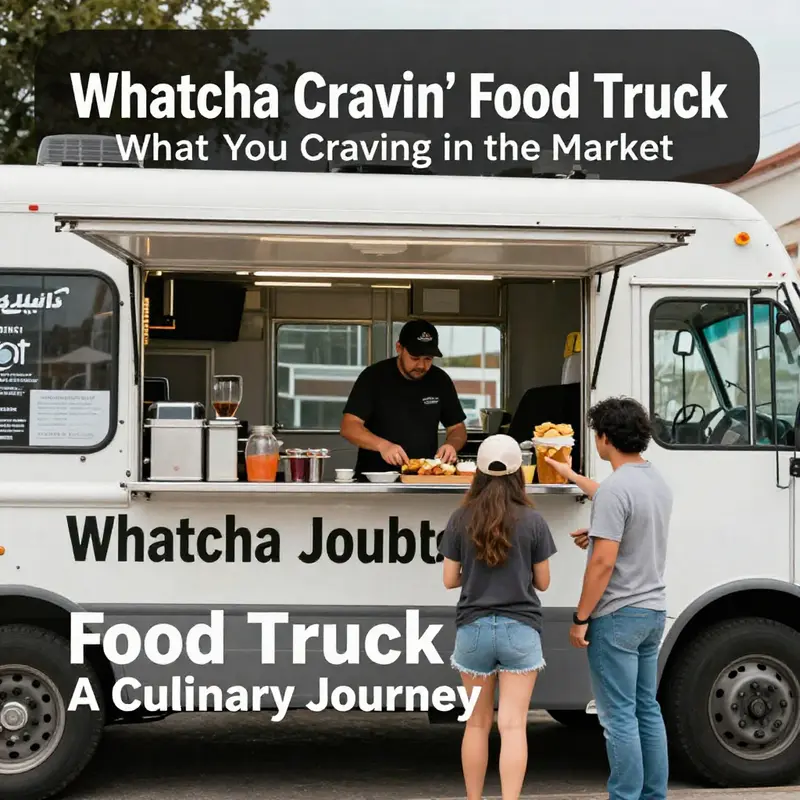
When a street corner comes alive with the sizzle of a grill and the aroma of bold spices, it is more than a quick bite. It is a micro-economy built around appetite, speed, and choice. The food truck model has evolved from a niche curiosity into a robust, adaptable engine for culinary experimentation and entrepreneurship. At its heart, the relationship between what you crave and how you access it is economic as well as sensory. Taste drives demand, but the economics of scale, cost structure, and market timing determine what becomes a go-to option and what remains a fleeting novelty. Across cities, this synergy between craving and commerce is reshaping how food reaches mouths and wallets alike, offering both hungry consumers and ambitious cooks a way to translate skill into a thriving, mobile enterprise.
Startup costs are often the first tale the aspiring operator tells themselves. A traditional brick-and-mortar restaurant, with its brick and mortar rents, permits, and build-out, can demand seven figures in initial investment. The mobile alternative lowers the barrier dramatically. A food truck or trailer business typically requires tens of thousands to modest six figures in startup capital, depending on equipment, kitchen layout, and compliance needs. That reduced threshold matters because it invites chefs and dreamers who want to test a concept without risking everything. It enables rapid iteration: a sampler of regional barbecues, a tour through seafood tacos, or a global street-food concept can be piloted, refined, and scaled without a prohibitive upfront investment. The effect is a kind of culinary R&D lab on wheels, where risk is bounded and feedback is fast.
Market appeal for the mobile kitchen rests on accessibility and novelty, two forces that sit at the intersection of convenience and culture. In dense urban cores, at bustling festival sites, or near stadiums after sunset, the portable model thrives on grab-and-go efficiency. It taps into the desire for immediate gratification—delicious, freshly prepared meals crafted in minutes. Beyond speed, branding becomes a powerful asset for impact. A vivid wrap, a bold theme, and a memorable concept can turn a simple cart into a walking billboard. This is where the craft of menu design matters as much as the art of cooking. Operators often lean into customizable menus, offering a core set of proteins or vegetables and then adding or swapping options to accommodate gluten-free, vegan, or other dietary preferences. The flexibility not only broadens the audience but also reduces waste by aligning ingredients with real-time demand.
Technology threads through these advantages with quiet efficiency. Mobile payment options are more than convenience; they are a driver of throughput and data collection. Cloud-based kitchen management can synchronize inventory, prep schedules, and order flow across multiple units, enabling a single concept to scale without losing quality. This digital backbone helps small teams feel large, delivering consistency and speed while preserving the intimate, hands-on craft customers crave. The trend toward digitization also lowers the friction of repeat purchases. Loyal customers return not just for flavor but for a reliable, seamless experience—from ordering to pickup to the final bite. In this sense, the tech layer amplifies the natural human draw toward trusted flavors delivered with minimum fuss.
Yet every thriving street-food concept must face challenges as it grows. Refrigeration remains a logistical hurdle, especially for menus built around fresh, seasonal components. High ingredient turnover demands careful supply planning and reliable restocking routes. Operational discipline is essential to avoid spoilage and keep food safety at the highest standard. Weather, too, plays a tangible role. Cold snaps can depress foot traffic, while heat invites long lines and elevated line-management considerations. Permitting landscapes and local health codes can also shape how and where a truck operates, influencing route planning, event participation, and even daily operating hours. These realities remind us that the mobile kitchen is simultaneously a culinary venture and a portable business—one that must balance craft with compliance, speed with safety, and ingenuity with practicality.
Within this balance, specialized market opportunities illuminate how a simple concept becomes a distinctive brand. A truck can carve out a niche by leaning into a single offering—breakfast burritos, a signature dessert lineup, or culturally specific dishes that celebrate heritage. These focused concepts can become powerful ambassadors for a broader cultural experience, drawing curious eaters who want to sample something authentic and new without committing to a full restaurant meal. The market is generous to these specialists because there is space for storytelling in food. A well-told concept—paired with a crisp, eye-catching design and a coherent menu—can translate into strong word-of-mouth, repeat business at events, and social-media visibility that outsize the physical footprint. The opportunity here is not merely to serve good food but to serve a narrative the audience wants to be part of.
For the entrepreneur, the question becomes not only what you crave to cook but how that craving translates into a sustainable enterprise. The answer rests on a few core moves: test concepts swiftly, embrace flexible equipment, and cultivate a brand that travels as well as it tastes. The ability to test markets quickly allows a chef to learn which flavor profiles resonate in a given district, which times of day yield the strongest demand, and which pairing of price and portion size unlocks optimum profitability. Flexible equipment—modular grills, compact fry stations, and portable cold-storage solutions—lets a single truck morph between concepts without a full retooling. Branding, as noted, carries the promise of consistency across pop-ups, festivals, and occasional brick-and-mortar collaborations. The most enduring success stories in the mobile food space are those that pair culinary authenticity with a disciplined, repeatable business model.
For readers considering where to begin, imagine a path that aligns taste with scalable operations. A chef might pilot a compact truck with a lean core menu and a few rotating specials tied to local ingredients and seasonal cravings. The truck can operate as a brand ambassador at farmers’ markets and street fairs, then transition to night markets or campus events, and finally participate in curated food-truck rallies that attract larger crowds. This progression is not merely about geography; it is about learning to read the appetite of a neighborhood in real time, then adjusting recipes, portions, and prices to align with demand while protecting margins. The process turns appetite into data, and data into a replicable blueprint for growth across multiple units. It is this dynamic—craving shaping product, product shaping process—that makes the food-truck model both exciting and resilient.
Within the broader ecosystem, a note on accessibility and knowledge sharing becomes essential. Operational and financial literacy matters just as much as culinary skill. Prospective operators benefit from studying established vehicle layouts, power and plumbing options, and efficient kitchen workflows. Some resources exist to guide newcomers through practical decisions, including profiles of viable truck setups and startup considerations. For readers curious about the hardware side of launching such a concept in a specific region, consider resources like the best food truck models for Lakewood startups, which offers a concise tour through common configurations and their trade-offs. This resource helps translate concept into concrete specs without getting lost in abstract theory.
As this chapter threads together the economic realities with the appetite-driven nature of the business, it becomes clear that what you crave is inseparable from how you can deliver it. The mobile kitchen trades on speed, flexibility, and authenticity—the attributes that ride the crest of urban life and festival culture. The numbers support the story: a lower capital barrier invites experimentation; a flexible menu and branding strategy attract a broad audience; and technology makes execution scalable without sacrificing craft. The result is an industry that continues to evolve, driven by the simple, universal fact that people crave good food that travels with ease and stays consistent from one bite to the next. If you listen carefully to the market, the cravings tell you where to place the next truck, what to cook, and how to price the experience so that every mile on the road adds to the bottom line and to the memory of a meal that felt worth chasing.
External grounding for those who want a broader perspective on the sector’s trajectory can be found in industry analyses that track growth trends, consumer behavior, and operational strategies shaping the coming years. For a deeper dive into current economic performance and market dynamics, see the growth trends report on the contemporary food-truck landscape: https://www.foodbusinessnews.net/articles/14678-food-truck-industry-growth-trends-2026
Cravings on Wheels: The Social Pulse of Food Truck Gatherings
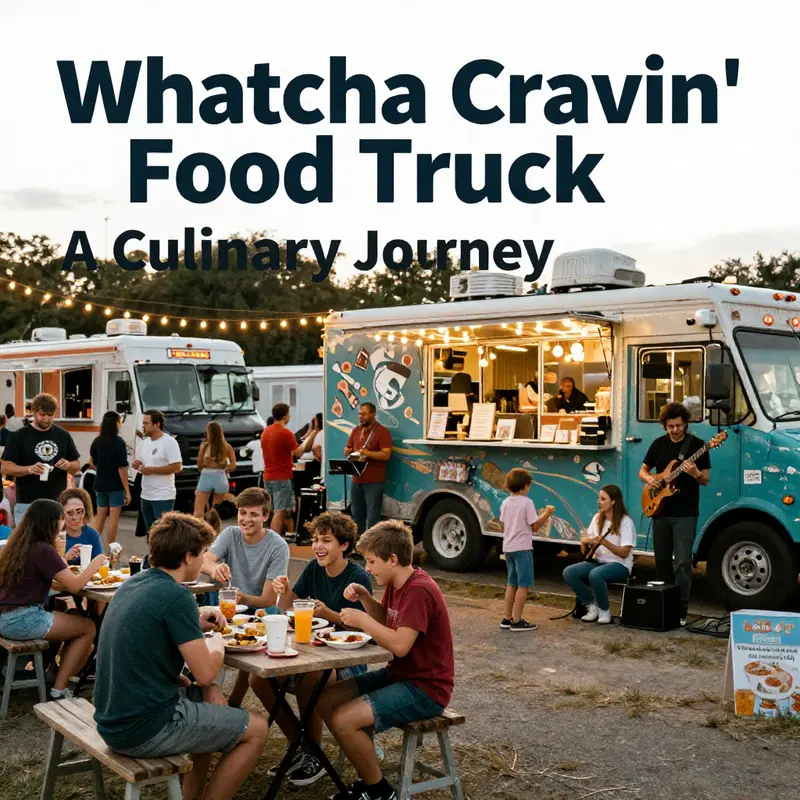
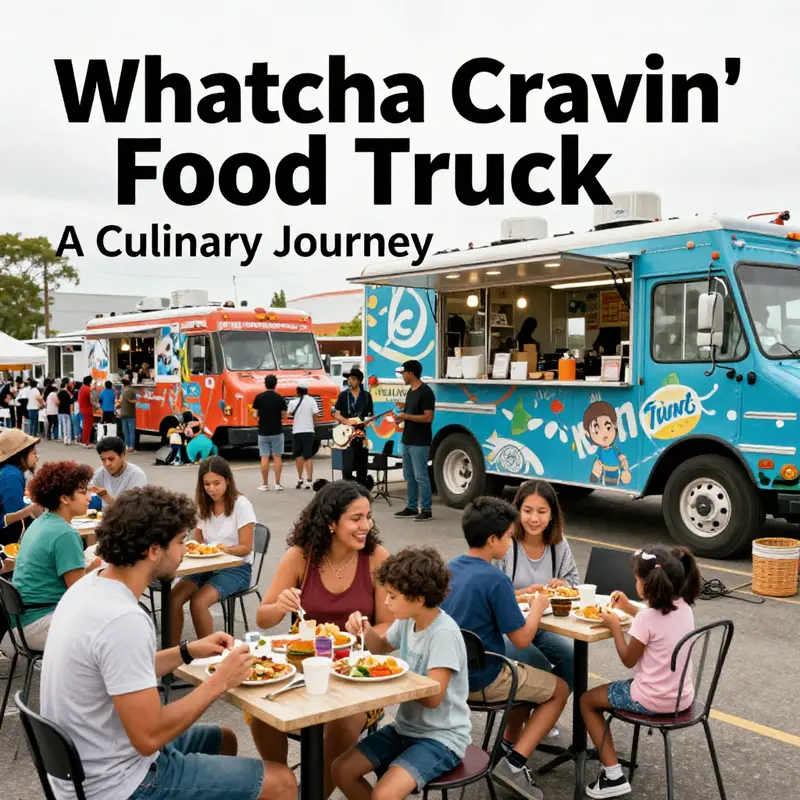
Cravings ignite more than hunger; they spark a social loop that begins at the curb and expands into a shared marketplace of stories. A food truck event is not merely a place to eat; it is a temporary neighborhood where strangers become neighbors over steam, smoke, and the whistle of a grill. The mobile kitchen, parked for a few hours in the sun or under string lights, becomes a temporary courtyard and a living room for conversations. What you crave at that moment—something smoky and rich, something bright and tangy, something comforting and familiar—arrives wrapped in conversations with the cooks, with the servers, and with fellow tasters who have their own cravings and rituals. The setting is part performance, part workshop, part open-air dining room, and all about connection as much as appetite. The aromas braid together—smoke curling from a grill, citrus lifting from a squeeze of zest, herbs brightening the air—and the crowd moves with a shared curiosity, as if the city itself had decided to pause and let flavor lead the way for a while.
Events unfold in an almost carnival rhythm. You walk along a row of bright trucks, each storefront on wheels signaling a different culinary voice. Some echo long-standing traditions using tried-and-true techniques—slow braises, steady flames, dough pressed by hand until it sings. Others push toward culinary experimentation, blending premium ideas with street-food discipline. The most resonant moments arrive when the crowd pauses to trade recommendations, to compare notes on a glaze, or to swap tips about which truck has the best late-night hours. In places as varied as summer festivals in Dubai, cultural celebrations in Houston, and bustling gatherings in Sri Lanka, the essence remains: food becomes a shared language that lets people speak without words. The air fills with a mosaic of aromas—smoky, sweet, citrusy, herbaceous—and the soundscape keeps time with sizzling grills, clattering pans, laughter, and the occasional live music that threads through the crowd. The staging is informal and improvisational; the choreography happens in real time as cooks adjust heat, fans whisper, and neighbors lean in to ask about a technique or a backstory behind a recipe.
Within those scenes, the social fabric of the crowd grows thick with texture. Families bring strollers and grandparents, friends meet after work, and pairs on a date map out a night of small meals that stretch into a longer conversation. There is space for everyone: the kid who wants a milder bite, the foodie who hunts for a subtle twist on an old favorite, the late-night wanderer chasing something savory after a long shift. The affordability spotlight matters as much as flavor. In many urban settings, a well-chosen tray or two can carry you through a budget without sacrificing variety or quality; the chance to sample a spectrum of cuisines for under ten dollars invites broader participation and helps create a sense of shared discovery. This inclusive energy is part of what makes these events so nourishing beyond the stomach—people leave not only full but also connected, often with a new story to tell about the moment when a stranger became a friend over a plate. The seating often bets on improvisation too—folding chairs pulled from nearby shops, communal benches under awnings, and shaded corners where conversations linger long after the last bite.
The menu at food truck gatherings is itself a map of culture and entrepreneurship. Each truck is a small business with a voice, a kitchen, and a plan for tomorrow. Some bring traditions that feel like a living memory of home, using fresh ingredients, honest techniques, and a respect for the lineage behind every recipe. Others interpret heritage through modern sensibility, layer by layer, until a classic dish becomes something that speaks to contemporary tastes. The tension between authenticity and innovation is not a clash but a dialogue that invites the crowd to participate. In this setting, the role of the cook is not only to deliver sustenance but to tell a story. The storytelling happens in the sizzle as much as in the choice of ingredients, in the hands that roll dough or carve meat, and in the way a server explains a dish with a smile that makes the line feel like a shared conversation rather than a hurried transaction. Even the rituals of dining—who shares tables, how hands pass small plates, where people gather to linger after finishing a bite—become part of the experience, a social choreography that reinforces a sense of belonging. A few trucks embrace the moment with small, theatrical touches—a quick dough toss before baking, a seasoning ritual announced with a wink, or a friendly challenge to a guest to guess a secret ingredient—so the encounter feels personal, almost like meeting a neighbor you’ve never met.
One of the striking features of these events is how they function as portals for cultural exchange. A stand that specializes in authentic Mexican flavors might invite guests to watch handmade tortillas come off the press or to hear the stories behind traditional fillings. Another truck might reinterpret a familiar staple with a twist drawn from contemporary techniques or global influences, offering a refined version that still respects the core identity of the dish. Halal offerings widely present themselves as part of the inclusive fabric, enabling diners from different dietary backgrounds to join in without hesitation. This openness is not incidental; it is part of the business model and the community ethos. Vendors often describe their week as a loop of market stalls, kitchen prep, and a weekend sprint that culminates in a shared space where people can taste different cultures in familiar formats. The experience invites families, students, and retirees alike to engage with culinary traditions in a way that feels both intimate and educational, a live classroom of taste and storytelling. The cross-pollination is palpable: a grandmother’s spice memory shared with a student’s curiosity, a traveler’s nostalgia meeting a local’s improvisation, and a child’s question about how dough becomes a crisp tortilla answered in a friendly demo.
Amid the sensory layers, the social dimension remains the through line. The act of deciding where to start, which order to sample, and how long to stay becomes a social ritual in itself. A group might begin with something smoky and comforting, then pivot to bright, citrus-tied notes, and finish with something cool and sweet that invites conversation about the day’s favorites. The conversations that arise—about travel, childhood food memories, or the origins of a family recipe—extend beyond the food and linger like a friendly aftertaste. The laughter and shared discoveries create a memory of place, a pocket of time in which the neighborhood feels more cohesive, more curious, more generous. In a city with seasonal daylight shifts and crowded urban streets, these pop-up meals act as reliable social anchors. They give residents something to anticipate, a recurring moment when the city slows long enough to talk. The social bonds formed in these moments often extend beyond the event itself, with attendees meeting up later, swapping tips for a future visit, or planning their own food-truck routes into the next neighborhood.
For readers who want a concrete sense of how these dynamics play out in practice, consider a recent wave of city-scale food truck gatherings that have grown into seasonal traditions. In Lakewood, for example, the appetite for mobile kitchens has given rise to rallies that feel at once compact and expansive—compact in their logistics and intimate in the conversations they foster, expansive in the planning and the variety of offerings. To glimpse how a city can evolve around these micro-festivals, explore 2026’s Best Food Truck Rallies in Lakewood. This resource reflects how organizers choreograph space, line management, and live music to sustain both energy and intention across a single afternoon that morphs into a community memory. For more details and a sense of the landscape, you can read about the regional scene here: 2026’s Best Food Truck Rallies in Lakewood. The link is a doorway into a broader conversation about how small, mobile kitchens become large, shared experiences.
Beyond the immediate, these gatherings also offer a lens on entrepreneurship and inclusion. The presence of diverse vendors—some offering halal options, some presenting heritage recipes, others experimenting with new formats—speaks to a marketplace that values accessibility as part of flavor. The affordability and inclusivity widen participation, making it possible for a broad spectrum of city dwellers to sample a vivid range of culinary voices. In a broader sense, the social experiences at these events are not just about feeding a craving; they are about feeding a sense of belonging. People come for the food, but they stay for the stories, the smiles, and the sense that the city has room for everyone at the same table, even if it is a temporary one. The warmth of the crews—their willingness to share a tip, to answer questions about ingredients, to invite you to watch a kitchen moment as a few minutes of theater—adds a human dimension that can transform a simple bite into a small civic ritual. A quick post-event chat with a vendor about future menus or a reminder to swing by another stall next weekend can create tiny threads in the city’s social fabric, threads that wires a community closer together over time.
As with any evolving food culture on the move, the current moment also invites reflection on accessibility and sustainability. The portability of the model makes it possible to bring meals to neighborhoods that feel overlooked by brick-and-mortar dining corridors. Pop-ups in parks, outside galleries, or near transit hubs extend a kind of hospitality that can spark conversations about urban life, migration stories, and local economies. Pop-up meals invite a broader conversation about how cities grow to accommodate diverse communities and how food can be a common ground for people who might otherwise drift apart. For many attendees, the joy comes less from a single dish and more from participating in a shared practice—checking in with friends, introducing someone new to a cherished flavor, and celebrating a kind of culinary democracy where choices range from street-smart comfort to refined street cuisine. In short, these events function as dynamic social hubs where stories are shared over plates, memories are created around flavors, and communities come alive again, one queuing, one bite, and one smile at a time.
External resource: https://www.houstonchronicle.com/food/article/Food-Truck-Festivals-in-Houston-2026-14328765.php
Final thoughts
Whatcha Cravin’ Food Truck stands as a beacon of culinary excellence and community spirit in Lakewood. Its delightful menu offerings, from BBQ pulled pork sandwiches to unique fish tacos, tantalize the appetites of all who visit. Beyond just food, it embodies a cultural hub where locals and visitors come together, sharing flavors and forming connections. The insights gathered here provide a fascinating glimpse into the thriving food truck scene that is as rewarding for aspiring operators as it is for food enthusiasts. Remember, a visit to Whatcha Cravin’ is not just about satisfying hunger; it’s about embracing a slice of Lakewood life.