

Opening a food truck in Germany is an exciting venture that blends culinary creativity with entrepreneurship. With its vibrant street food scene, Germany offers a canvas for aspiring food truck operators to showcase their culinary talents while bringing unique flavors to the community. However, starting a food truck business involves several important steps, from understanding legal structures and business registration to ensuring compliance with food safety standards and obtaining necessary permits. In this guide, we’ll explore these chapters in detail, providing you with a roadmap to successfully launch your food truck and become a beloved part of your local community.
Steering Through Germany’s Legal Kitchen: Foundations for Launching a Mobile Food Venture

Opening a food truck in Germany is as much a test of patience with administrative pathways as it is a test of appetite for a new culinary venture. The country’s rules are designed to protect consumers, ensure safe food handling, and manage the impact of mobile commerce on urban space. For the aspiring operator, the journey begins not in a kitchen, but at the desk of the local Gewerbeamt and with a firm grasp of how legal structure frames every decision that follows. The core decisions—how you structure the business, how you register it, and how you align with health, safety, and location regulations—shape every daily choice. A clear, compliant foundation reduces surprises and unlocks opportunities to serve customers with confidence, whether you’re parked at a bustling market, a sunset festival, or a quiet street corner on a weekday afternoon.\n\nAt the heart of the setup is choosing the right legal form. In Germany, many small, independent operators opt for a sole proprietorship, or Einzelunternehmer, a path known for its simplicity and low upfront cost. The structure keeps things light and fast to start, which is appealing for a first truck that balances limited capital with the need for agility. Yet, the flip side is personal liability. When you operate as a sole proprietor, your personal assets can be at risk if liabilities mount. This makes a cautious assessment essential: how much capital do you realistically expect to commit, what scale do you anticipate, and how risk-averse are you as an entrepreneur? For those envisioning growth, or who may seek external investors, a GmbH—a limited liability company—presents a stronger shield. GmbHs require minimum capital of €25,000, with at least half paid in at registration, which can be a meaningful barrier for a lean start. Still, it confers a formal corporate layer that can be advantageous when negotiating leases, contracts with event organizers, or partnerships with suppliers. The decision is not merely about numbers; it is about the kind of business you want to inhabit as you traverse the road from pilot truck to scalable enterprise.\n\nWith the chosen legal form in mind, the next milestone is formal registration. In Germany, you do not become an operating entity by simply serving food from a vehicle; you register your activity at the local Gewerbeamt, the trade office. This Gewerbeanmeldung is the gateway to every permission you will eventually need. The process involves providing basic personal details, a business name, the address of operation, and a clear description of the planned service. Even when you start small, the formal act of registration anchors you to the regulatory framework that governs everything from safety inspections to tax reporting. After submission, the issuing of a Gewerbeschein, or trade license, marks the official start of your business. The Gewerbeschein is not merely a formality; it is the key document that enables you to apply for the additional permits and certifications that mobile food service requires.\n\nBeyond registration, there is the imperative of food safety and hygiene. German and EU food safety standards place a premium on hygiene, traceability, and prevention of contamination. A comprehensive approach to food safety typically includes establishing a HACCP plan—Hazard Analysis and Critical Control Points. While smaller mobile operations may not always be required to implement a full HACCP system, having a plan demonstrates diligence and can ease interactions with authorities who may scrutinize your kitchen workflow during inspections. In addition to a HACCP framework, staff who handle food must be equipped with official hygiene training. This training, often delivered through the local chamber of commerce or health authorities, imparts critical practices for preventing cross-contamination, maintaining proper temperatures, and ensuring safe storage. A separate Food Handler’s Certificate confirms that you and your team understand the basics of safe food preparation and handling. If your concept includes serving alcohol, a Gaststättenerlaubnis—or restaurant license—enters the picture, reflecting the layered nature of mobile hospitality permissions.\n\nAs you begin to map out where your truck will legally operate, you will encounter a suite of permits that are location and activity specific. The Mobile Catering Permit is the core authorization you need to sell food from a vehicle. Because Germany delegates local authority oversight to cities and municipalities, the exact process and requirements can vary. Some cities standardize certain aspects, while others demand tailored applications. The Temporary Use Permit is particularly important for parking and operating in public spaces—markets, par courses, or plazas—on specific dates or in limited timeframes. Environmental considerations may also come into play if you use gas or diesel appliances; an Umweltgenehmigung, or environmental permit, could be required to manage emissions and the truck’s environmental footprint. Additionally, many locations impose Noise and Waste Permits to ensure noise levels and waste disposal align with neighborhood expectations and public health guidelines. Understanding and planning for these permits early helps you select locations that maximize footfall while staying within regulatory boundaries.\n\nThe vehicle itself must comply with safety and technical standards that reassure authorities and customers alike. A TÜV inspection is often a prerequisite, confirming that the vehicle meets road safety and emissions standards suitable for commercial operation. The kitchen equipment installed in a mobile unit also needs certification for mobile use. This includes gas stoves, refrigeration units, sinks, and cooking surfaces, which must demonstrate compliance with safety and sanitation requirements. Wastewater management is another practical concern: you should be prepared with systems for wastewater disposal, often through holding tanks and approved drainage routes. Potable water supply must be secure, with clean water lines and backflow prevention measures to avoid contamination of the supply. Fire safety cannot be overlooked. A well-equipped mobile kitchen typically includes readily accessible fire extinguishers and heat detectors to mitigate the risk of fires and to satisfy insurance and regulatory expectations. The goal is not only to pass inspections but to keep a steady, safe operation that protects both staff and customers.\n\nInsurance serves as the financial backbone that allows a mobile venture to weather unexpected events. The minimum you should secure is third-party liability insurance, which covers damages to people or property arising from your operation. Public liability insurance is also prudent, particularly given the risk of foodborne illness claims or injuries at events. Vehicle insurance, tailored to a commercial or business-use profile, protects the truck itself. Some operators also opt for business interruption insurance, which can cushion losses during periods when a truck is offline for repairs, inspections, or regulatory holds. While insurance is an ongoing cost, the protection it provides can be the difference between a minor setback and a crisis that jeopardizes the business’s viability.\n\nLocation strategy and operating rules require careful navigation. City regulations in Germany are not uniform, and each locale balances commerce with urban planning, safety, and neighborhood concerns. This means that where you can set up shop, how long you can stay, and under what conditions you can operate shifts from city to city. In practice, this often means aligning with event organizers, markets, or designated zones that invite mobile vendors. You may need to apply for temporary stands at parks, transit hubs, or festival grounds, each with its own contract terms and infrastructure expectations. As an example, a major city might publish distinct regulations for mobile vendors, laying out permitted zones and permitted hours. A proactive operator researches these rules early, builds relationships with event organizers, and negotiates contracts that guarantee reliable customer traffic while keeping compliance in check. The learning here is simple: clear, early communication with local authorities and event organizers reduces friction and accelerates route planning.\n\nFrom a fiscal perspective, registration is only the first step into a broader tax and accounting ecosystem. After Gewerbeanmeldung, you should register with the local Finanzamt to obtain a tax identification number and a VAT number (USt-ID). The standard VAT rate in Germany stands at 19%, with specific reduced rates (7%) applying to certain food items. Understanding when VAT applies to your offerings—and how to correctly report taxable sales—ensures you remain on the right side of tax authorities and positions you for smoother audits. Running accurate records of sales, expenses, and inventory is essential. For a small operation, this discipline supports cash flow management, helps with annual tax returns, and provides clarity to potential lenders or investors should you seek growth or additional funding.\n\nNaming and branding also occupy a strategic space in the regulatory landscape. While not legally mandatory for sole proprietors, registering a business name with the local IHK (Chamber of Commerce) or the DPMA (German Patent and Trade Mark Office) can protect your brand and streamline future expansions. Even if you start as a one-truck operation, thinking about branding early pays dividends as you scale to additional vehicles or pop-ups. In parallel, keeping clean records—of customers, employees, and suppliers—facilitates audits and regulatory reporting. It also underpins customer trust, a crucial asset in today’s competitive street-food environment.\n\nThe machine of compliance, however, is not a cage. When approached thoughtfully, it forms a solid platform for creativity. The legal structure you choose determines liability, tax transparency, and the capacity to raise capital. The registration acts as a passport to legitimate operation and opens doors to permits for the places where you intend to serve. Hygienic and safety standards protect your reputation and keep customers returning. Permits for mobility and location ensure you can meet demand in the right places at the right times, while environmental and noise considerations help communities accept your presence. And finally, insurance and careful record-keeping provide resilience against the unforeseen.\n\nAchieving balance between compliance and opportunity is the practical art of launching a food truck in Germany. It is a process that rewards preparation, patience, and ongoing dialogue with authorities, suppliers, and customers. The regulatory path is not a single hurdle but a sequence of checks that, when completed conscientiously, unlocks a mobile business ready to move through neighborhoods, markets, and festival circuits with confidence. As you contemplate your first route or your first event, keep in mind that each permit, each certification, and each insurance policy is a protective layer that supports your vision. The goal is not to become entangled in red tape but to use the framework as a scaffold for vibrant, compliant, and sustainable growth.\n\nFor readers who want to further ground their planning in official guidance, it is worth consulting the general starting-point resources provided by government portals and industry bodies. They offer precise requirements for your city and provide checklists that help you avoid missing critical steps. While regional differences matter, the core sequence—select a legal form, register the business, secure health and safety credentials, obtain mobility and site permits, meet vehicle and equipment standards, arrange robust insurance, and establish a practical tax and record-keeping regime—remains consistent. The clarity of this sequence is what saves hours of back-and-forth with offices and minimizes the risk of costly delays once you are ready to serve.\n\nExternal resource for deeper regulatory details and up-to-date requirements can be found here: https://www.umweltbundesamt.de/en/topics/transport-and-mobility/mobile-food-vending\n
From Permits to Plates: Navigating Food Safety and Hygiene for a Mobile Kitchen in Germany
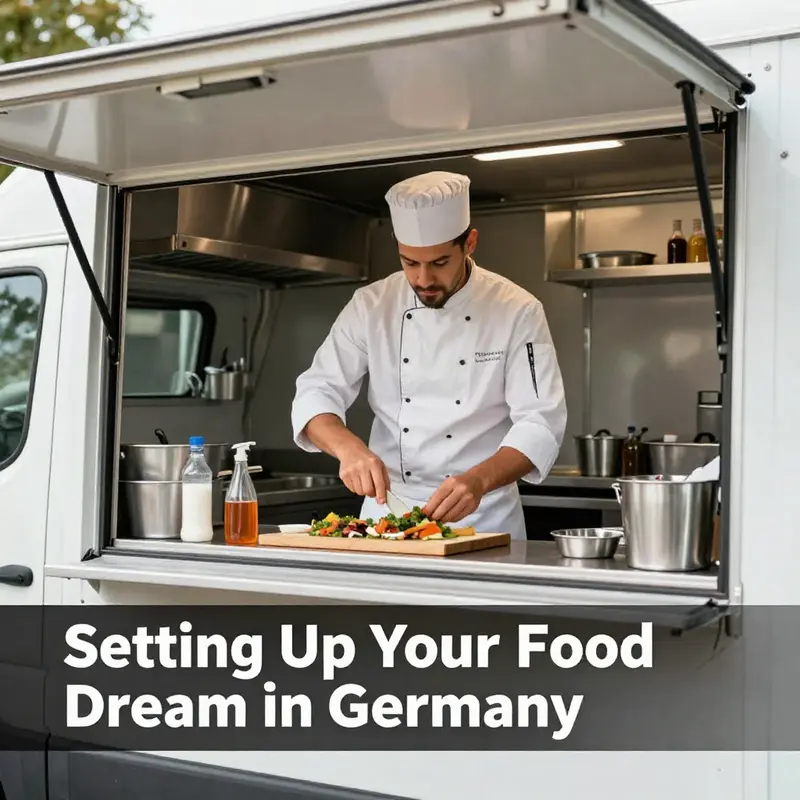
The dream of a food truck in Germany is more than a culinary venture; it is a careful navigation of a system designed to protect diners while enabling creative entrepreneurship. A mobile kitchen on wheels moves through a landscape where national standards, EU regulations, and city-level nuances intersect. Understanding how to open a food truck in this context means recognizing that safety and compliance do not hinder flavor but rather provide the foundation that earns trust with customers, regulators, and partners. The journey begins with a practical acknowledgment: in Germany, every bite you serve is governed by a precise set of rules, and success depends on translating that framework into day-to-day operations. The core of this effort is ensuring that what leaves your truck is safe, properly handled, and traceable from storage to service. This is why the chapter on food safety and hygiene is less a collection of forms and more a story about how discipline in the kitchen becomes the safeguard of your business. It is also a story about the relationship between your menu ambitions and the realities of inspections, certifications, and public health responsibilities that accompany any mobile food service.
At the heart of starting is a clear sense of the legal form and business registration. In Germany, most food truck operators opt for a simple structure that keeps administration manageable, at least at the outset: a sole proprietorship, or Einzelunternehmer, which is straightforward to set up, and a more protective option, the GmbH, which requires a capital minimum and provides limited liability. The choice shapes your day-to-day considerations, from tax filings to liability exposure, and it frames how you approach licensing and compliance later on. Once you decide on the form, the next step is registration with the local trade office, the Gewerbeamt. This step is often described as the gateway to legality, because it is where you declare your business activity as mobile food service. In practice, you submit basic details about yourself, your intended business name, your address, and the type of service you will offer, and you receive a Gewerbeschein, a trade license that confirms you are authorized to operate. The official Gewerbeanmeldung portal provides step-by-step guidance for those starting fresh, reinforcing that the process, while formal, is designed to be navigable rather than obstructive for new entrants. The ethos here is clarity: you declare your intent, you meet the conditions, and you gain the operational foothold to begin cooking on wheels.
But legality is more than a registration. Food safety and hygiene anchor every other requirement, because the supply chain and the kitchen environment must align with both EU-wide rules and local health expectations. In Germany, the HACCP framework—Hazard Analysis and Critical Control Points—emerges as the central planning tool for any food business, including mobile vendors. HACCP is fundamentally about identifying potential hazards—biological, chemical, and physical—and establishing control measures to prevent them. Even if some small mobile operations encounter flexibility in how rigorously HACCP plans are required in practice, having a documented HACCP plan tailored to your menu and workflow signals to inspectors and customers that you take safety seriously. A HACCP plan is not a static document; it evolves with your recipes, storage practices, storage temperatures, handling procedures, and cleaning schedules. You build it by mapping your processes from receiving ingredients to serving the final dish, and you articulate controls for critical points, such as proper refrigeration, separate cutting boards to prevent cross-contamination, and clear personal hygiene practices for all staff involved in food handling. In parallel with HACCP, local health authorities emphasize training in hygiene. Staff who touch food should complete official hygiene training, which reinforces how to prevent cross-contamination, maintain clean surfaces, and manage allergens. The aim is not to burden operations with abstract concepts but to embed practical routines—temperature checks, proper label and storage for perishables, and consistent handwashing—into the rhythm of service.
Alongside HACCP and hygiene training, there is a broader regulatory frame that mobile vendors must respect. The EU’s hygiene regulation, while implemented and enforced at the national and local levels, sets overarching expectations for how food is handled, processed, and distributed. Local Gesundheitsämter, the health offices, carry out inspections to verify continued compliance with these standards. The inspections can be anticipated if you maintain thorough documentation, keep staff trained, and demonstrate that your procedures are followed in daily practice. In some cases, the emphasis is on tangible proof during an inspection—temperature charts, cleaning logs, and evidence of staff certifications—rather than opaque assurances. The practical implication is straightforward: your operation should be a living system of record, ready to stand up to scrutiny from any health inspector who visits your truck during a market, festival, or daily route.
The human element of safety—your people handling food—receives formal recognition too. In addition to a HACCP plan, employees must hold validated food handler certifications that attest to their understanding of safe food handling, storage, and hygiene. This certification framework, often delivered through recognized training programs, emphasizes foundational principles: maintaining proper storage temperatures, preventing cross-contact with allergens, and applying rigorous personal hygiene standards. The certificate is not merely a credential; it is a reflection of the competence and discipline that customers expect when they place an order for a fresh, ready-to-eat meal from a mobile kitchen. When you combine HACCP, hygiene training, and food handler certifications, you create a safety net that travels with your truck, ensuring that the emphasis on safety lands at every table you serve.
Beyond the kitchen’s immediate operations, the regulatory plot thickens with permits and licenses that your truck must carry to operate legally in different contexts and locations. The mandatory permits involve mobility and location-specific permissions. A mobile catering permit is required if you are selling food from a vehicle, and, depending on the city, it may come with location-based expectations. A Befristete Nutzungsgenehmigung, or temporary use permit, covers your ability to park and operate at specific sites such as markets, festivals, or designated squares. Environmental considerations also surface in the permit landscape: if your setup uses gas or diesel appliances, you may need an environmental approval that addresses emissions, while cities can require additional permissions for noise levels and waste disposal. The environmental layer is not an abstract concern; it translates into practical choices—how you manage waste, where you dispose of wastewater, and how you minimize noise for nearby residents and other vendors. The objective is to harmonize your business with the urban fabric, so that your presence remains welcome rather than contested.
In the technical realm, your vehicle must meet safety and equipment standards. A TÜV inspection verifies that your truck complies with road safety and emissions criteria, which is essential for any vehicle-based business. The kitchen equipment in a mobile unit also needs certification, ensuring that devices such as stoves or refrigeration units are appropriate for mobile use and safe under the conditions of transport and daily service. Wastewater disposal and potable water supply must be designed to prevent leaks or contamination, typically through holding tanks and compliant plumbing configurations. Fire safety cannot be overlooked either: a properly installed fire extinguisher and reliable smoke detection in the kitchen help to prevent small incidents from becoming serious emergencies. The combination of vehicle safety, certified equipment, and robust safety systems gives you a credible platform for operational days that begin with confidence rather than fear of a sudden inspection or a shutdown.
Insurance forms the financial shield around your venture and is not a luxury but a standard. A third-party liability insurance protects against damages to people or property arising from your activities, while a separate public liability policy addresses incidents specific to food handling, such as contamination claims or customer injuries. Vehicle insurance covers the truck itself, and business interruption insurance, though optional, can be a prudent safeguard against losses during downtime caused by regulatory issues or unexpected repairs. The insurance suite keeps the business resilient, so that a hiccup in one area does not cascade into a larger disruption that threatens livelihoods or the livelihood of staff who depend on regular service.
Location and operating rules further shape how you plan your daily and weekly calendar. City-specific regulations mean that the same concept—a food truck serving hungry passersby—can look very different depending on where you operate. Some cities allow food trucks in markets, at events, or near transit hubs, while others restrict to designated zones or require additional permits for specific neighborhoods. A practical approach is to build a calendar that balances markets, festivals, and other events with regular street operations, ensuring you consistently meet local expectations. Berlin, for instance, illustrates how municipal rules can define where and when a mobile vendor can set up, along with the processes for acquiring temporary permissions for street-side activity. The right alignment with local norms and schedules is crucial; it prevents friction with authorities and helps you secure steady customer flow through seasonal events and recurring markets.
Viewed through a marketing lens, safety and legality become part of your brand’s credibility. Customers today value transparency about where their food comes from and how it is prepared. Documented HACCP plans, certified staff, and visible safety practices translate into trust and repeat business. A well-governed operation communicates that safety is embedded in every step you take—from receiving ingredients to serving the last bite. That trust becomes a differentiator in a crowded urban market where quality and consistency are prized as highly as creativity and flavor. The narrative of compliance becomes part of your story, allowing you to tell customers that your mobile kitchen is not only convenient but also responsible and reliable. In practice, that translates into marketing tactics that emphasize schedule reliability, clear allergen management, and predictable service quality—without sacrificing the spontaneity and energy that make a food truck compelling.
The path to compliance is not a one-time hurdle but a continuous practice. Regular interaction with the Gewerbeamt and Gesundheitsamt is essential as rules evolve, as do local zoning decisions and environmental considerations. The guidance offered by national and local authorities is designed to be navigable, but it requires ongoing engagement: updates to HACCP documentation, refreshers on hygiene training, and reviews of vehicle and equipment certifications as technology and standards advance. This ongoing relationship is the backbone of a resilient mobile kitchen. It ensures that when you roll into a new district, you arrive with the necessary paperwork and the confidence that your operation meets the highest standards of safety and compliance. The long arc is not merely about obtaining a license; it is about cultivating a culture of care for customers and a habit of responsibility for the neighborhood and environment you serve.
As you prepare to launch, a practical philosophy emerges: safety and compliance are a platform, not a barrier. They enable you to scale thoughtfully, adapt to different locations, and weather the inevitable changes that come with operating in a dynamic urban landscape. With a solid HACCP plan, trained staff, the right permits, a compliant vehicle, robust insurance, and an understanding of local rules, you can focus your energy on food, service, and community, rather than the fear of penalties or closure. This sensible foundation makes it possible to be creative—experimenting with a rotating menu, collaborating with local producers, or crafting experiences around seasonal events—while maintaining a clear line of accountability for every plate that leaves your window.
For operators who want a broader view of the regulatory environment, environmental considerations offer a useful lens beyond safety alone. Mobile food vending intersects with transport and emissions concerns, waste management, and urban sustainability goals. The guidelines published by the Federal Environment Agency provide practical orientation on how mobile vendors can operate in ways that minimize environmental impact, from waste handling to energy use and emissions. These resources complement the HACCP-centered view of food safety by expanding the accountability framework to the broader city ecosystem in which a food truck functions. In short, building a lawful and safe mobile kitchen in Germany is a continuous process of aligning your operations with regulatory expectations, while preserving the energy, flavor, and mobility that draw people to your cart. When you frame compliance as a core strength rather than a bureaucratic obstacle, you create a durable platform for growth that respects both customers and the communities you serve.
External resource: https://www.umweltbundesamt.de/en/topics/transport-and-mobility/mobile-food-vending
The Regulatory Compass: Permits and Licenses for Germany’s Mobile Food Trucks
Germany’s mobile food business operates at the intersection of street food craft and public administration. The first milestone is the Reisegewerbekarte, the mobile trade license, typically issued by the local IHK or Gewerbeamt. It confirms you are authorized to operate away from a fixed storefront and sets basic prerequisites: proof of identity, a clean police record, and a basic food safety training certificate. Processing usually takes a few weeks, and fees vary by region. Next comes Gewerbeanmeldung and the Gewerbeschein, the business license, which formalizes your activity as a business and enables tax registration. After that you register with the Finanzamt to obtain a tax ID and, if applicable, a VAT ID (USt-IdNr). Tax registrations can take several weeks and timing should align with your launch plans.
Health and safety requirements center on hygiene, training, and site readiness. Local health authorities may require a Food Hygiene Certificate, a verified HACCP-style plan, and a layout that shows proper sinks, handwashing, and cold storage. A site visit is common, especially for markets and events.
Operating in public spaces requires a Sondernutzungserlaubnis or equivalent permit for the chosen locations. The process is city-specific and may involve coordination with event organizers and police. In parallel, environmental and fire-safety considerations—such as safe gas installation, fire extinguishers, and waste management—are checked. A TÜV inspection for the vehicle itself is usually required to prove roadworthiness and safety, and equipment must be certified for mobile use.
Insurance is essential: public liability, vehicle, and possibly business interruption cover help protect the venture and support growth.
Finally, plan for city variances. Berlin, Hamburg, Munich, and smaller municipalities each have their own permitting calendars, processing speeds, and preferred locations. A practical approach is to sequence applications: travel from Reisegewerbekarte to Gewerbeanmeldung, to health approvals, to site permits, and then to environmental/fire clearances. Build buffers into your schedule for peak market season.
Rolling Compliance: Mastering Germany’s Vehicle Rules to Power a Food Truck
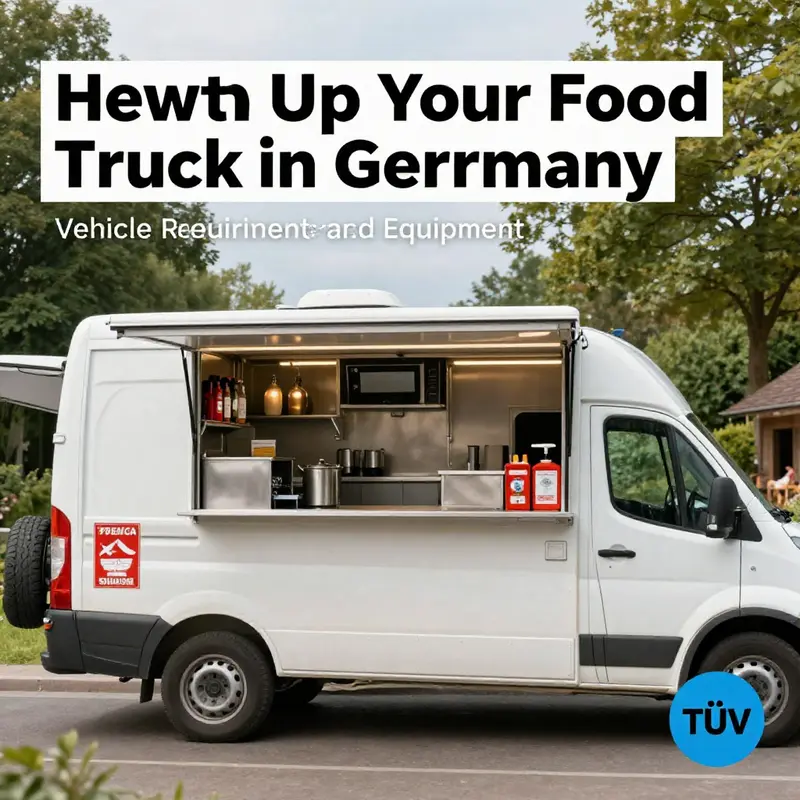
A food truck is more than a kitchen on wheels; it is a mobile business that must comply with the same bedrock standards as a fixed restaurant, only deployed in a moving, often outdoor environment. In Germany, where regulation bites as precisely as a chef’s knife, the journey from dream to street-ready truck begins with the vehicle itself. The chassis, the kitchen layout, and the safety systems all have to speak a common language: reliability, hygiene, and legal compliance. The road to a successful mobile venture weaves together vehicle standards, interior outfitting, and the permits that turn a protected concept into a compliant operation. When you understand how these elements fit, the rest of the launch falls into place with fewer roadblocks and surprising ease.
The vehicle is the business’s first act of compliance, and in Germany that means a set of standards that are both explicit and prescriptive. German and EU regulations govern external dimensions, weight, and the vehicle’s overall fitness for transport and use as a mobile kitchen. Width, for example, is limited in most cases to around two and a half meters. Length and height have their own constraints, and any vehicle that exceeds typical thresholds often triggers additional permits or exemptions. This is not merely about avoiding tickets; it is about ensuring maneuverability, road safety, and environmental accountability. A food truck, in this sense, behaves like a commercial vehicle, and its certification demands the same rigor you would expect for a delivery van or a public service vehicle.
Before the first fry sizzle, the vehicle must undergo a Hauptuntersuchung, the main technical inspection that ensures the truck’s brakes, lights, tires, and structural integrity meet safety and environmental standards. The inspection is not a one-off hurdle. It marks a recurring obligation, a reminder that the vehicle must be re-evaluated at prescribed intervals. In many cases, a successful HU is paired with an Abgasuntersuchung, or emissions check, to demonstrate that the truck’s exhaust and emissions profile stay within regulatory limits. For those starting out, this is less a bureaucratic obstacle and more a safeguard that the vehicle will perform consistently as a moving kitchen and a business platform.
Registration is the next essential step. The truck is a commercial vehicle and must be registered at the local Kfz-Zulassungsstelle, with the business itself registered at the local Gewerbeamt. These registrations tie the vehicle and the enterprise into the public registry, creating a formal basis for insurance, taxation, and accountability. Once registered, you can legally drive the truck on public roads and set about the more specialized work of turning the interior into a food preparation space that complies with hygiene rules equivalent to those of a stationary kitchen.
Inside the vehicle, the interior standards echo the high expectations Germany sets for food safety. The kitchen must be equipped with professional-grade appliances, securely installed, and aligned with HACCP principles. Surfaces should be non-porous and easy to clean—stainless steel is the standard because it resists staining, resists bacterial growth, and can be scrubbed to professional levels. The layout should isolate raw handling from cooked foods to minimize cross-contamination, with clear zones for preparation, cooking, hot holding, and dishwashing. An efficient workflow reduces the risk of error and supports consistent food safety across service days. Each appliance—whether a grill, fryer, oven, or refrigeration unit—carries its own certification, ensuring it can operate safely within a mobile environment and under German electrical and gas regulations.
Water and waste systems are the quiet backbone of a compliant mobile kitchen. A potable water supply must be guaranteed, along with a reliable drainage system for grey water and waste. In a fixed kitchen, sinks connect to the city sewer system; in a truck, you typically rely on holding tanks and an approved waste management plan. A grease management system is not optional; a correctly installed grease trap protects the environment and prevents grease buildup in the vehicle’s plumbing and in public drainage. Clean hands are fundamental to safe food handling, so a properly located handwashing station with running water becomes a non-negotiable feature inside the mobile kitchen. These water and waste provisions are more than convenience; they are essential components of regulatory compliance and operational hygiene.
Gas and electrical systems demand equal attention. Many mobile kitchens rely on propane or other gas systems to power stoves and ovens, paired with electrical power for refrigeration and other equipment. All gas lines, gas appliances, detectors, and connections must be certified and periodically inspected for leaks and performance. Electrical installations should be robust enough to support peak cooking loads and to withstand the vibrations and jostling of a vehicle in motion. In practice, this means a carefully engineered electrical plan, often combining onboard power with external grid connections when parked at events or markets. The safety logic is straightforward: a fault in a gas line or electrical system can create immediate hazards, so robust testing, protective devices, and clear safety protocols are integral to every truck build.
Fire safety rounds out the core infrastructure. A mobile kitchen should be equipped with fire extinguishers suitable for kitchen fires and, in many setups, a grease fire suppression system. Smoke detectors further enhance safety, and clear escape routes within the truck are essential for quick action during an emergency. While the design should minimize fire risks through good layout and high-quality equipment, the presence of reliable extinguishing and detection devices is a critical safety net that authorities increasingly expect for mobile food operations.
The interior design must also address hygiene and sanitation as a daily practice, not a weekly check. Surfaces must be easy to sanitize and capable of withstanding frequent cleaning with approved detergents and sanitizers. Food contact surfaces should be rinsed and sanitized according to HACCP-based protocols. In practical terms, this means a cleaning schedule, proper storage for detergents, and clear labeling so employees know precisely when items were cleaned and sanitized. If you have staff, at least one person should hold a food hygiene certificate. Germany’s official programs—often administered through the IHK or local health authorities—award certificates that demonstrate familiarity with safe handling, storage, and temperature control. For a startup, possessing and displaying these credentials is a strong signal to customers and inspectors alike that safety is a core value of the business.
Permitting for operation in public spaces adds another layer of complexity. City-by-city variations mean that what works in one municipality may not be permitted in another without adjustments. Municipal permits address where you can park, how long you can vend, and what times you may operate. They also cover environmental concerns, such as noise and the management of waste. A typical path includes obtaining a mobile catering permit and, for specific locations like markets or public squares, a temporary use license. Some locales require environmental approvals if your equipment generates higher emissions, and others manage noise through scheduled hours or sound level limits. The net effect is that your truck must be capable of complying with these local rules wherever you plan to operate, and you should be prepared for the possibility that a given site requires advance payment or a contract with an event organizer to secure a stall and the necessary infrastructure—electricity, water, and waste disposal—on site.
Every piece of equipment and every system in a mobile kitchen contributes to a broader picture of reliability. This is not just about passing inspections; it’s about delivering a consistent customer experience. A steady generator or reliable battery system ensures you won’t lose service midafternoon when your grill and fridge demand power. A well-planned ventilation system reduces heat buildup and keeps the working environment comfortable for staff, which in turn supports safe handling of hot foods and reduces the risk of accidents. The goal is to minimize surprises on service days—no failed inspection, no emergency, and no overwhelmed staff in a crowded market setting.
From a business perspective, the equipment and vehicle decisions also influence the brand’s perception. Guests notice the quality of the setup—the shiny, clean lines of the stainless interior, the clearly labeled zones for food handling, and the visible, well-maintained safety devices. A truck that looks and operates with professional precision sends a message before the first bite. It communicates to event organizers and potential partners that you value safety, reliability, and a seamless customer experience as much as flavor and service. The chain of thought from the kitchen to the customer thus starts with the vehicle’s design and the discipline behind its operation. That discipline—documented through proper registrations, certified equipment, and a robust hygiene program—builds trust in a market where repeat business hinges on consistent quality and predictable service.
In practice, a startup should approach this journey with a pragmatic, stepwise plan. Start with the vehicle’s purchase and registration, ensuring it matches the expected service area’s size and maneuverability requirements. Engage a technician who understands mobile kitchen installations to design the interior, create a compliant layout, and install certified cooking equipment, water systems, waste disposal, and fire safety devices. Simultaneously, enroll in approved hygiene training and prepare a HACCP plan that reflects your menu and workflow. Build a maintenance calendar that includes regular checks of gas lines, electrical connections, fire suppression systems, and the vehicle’s TÜV renewal schedule. Finally, research the municipalities where you intend to operate, collecting information on the permits you’ll need and the hours during which you may vend. This proactive approach reduces last-minute regulatory hurdles and increases the likelihood that you can operate smoothly at your targeted events and markets.
As you map this terrain, a crucial consideration is how to balance flexibility with regulatory compliance. A mobile kitchen should allow for quick relocation between short-term events and more permanent setups, yet every relocation tests the limits of your permit and your equipment’s resilience. It helps to anticipate common pain points: the need for temporary electrical hookups at markets, the challenge of safely disposing of wastewater in unfamiliar locations, or the logistics of transporting equipment that is sensitive to temperature changes. The better you plan for these contingencies, the more smoothly your operation will run on the busiest weekends.
To keep the chapter grounded in practical steps, consider the following mental checklist as you design and outfit your truck. Confirm product and service details your inspector will request, such as your intended menu, the number of staff, and your planned hours. Verify the dimensions and weight of the vehicle to ensure it complies with local road rules and can safely accommodate all equipment. Confirm that a credible fire safety plan is in place and that all alarms and extinguishers are accessible and functional. Gather documentation—not only the certificates for your equipment but also training records for your team and maintenance logs for the vehicle. Keep these documents readily available for inspections, permit renewals, and potential audits by local authorities.
In sum, opening a food truck in Germany demands a careful alignment of vehicle standards and interior outfitting with the country’s strict food safety and transportation regulations. The vehicle is not simply a mode of transport; it is a platform for compliant cooking, safe operation, and professional service. The right design, properly installed equipment, and a disciplined approach to hygiene, safety, and permits lay a foundation that supports growth—from a single weekend pop-up to a thriving, location-spanning business. With the road ahead clearly charted, you can focus on what makes your food truck unique: the menu, the people you serve, and the experiences you create at every stop. The journey through Germany’s regulatory landscape, once understood, becomes a practical framework rather than an obstacle, enabling you to bring compelling flavors to markets, festivals, and streets across the country.
External resource for regulatory context: https://www.bmvob.de
Final thoughts
Embarking on your food truck journey in Germany is both thrilling and demanding. By following these essential steps—understanding legal frameworks, ensuring food safety, obtaining the right permits, and equipping your vehicle efficiently—you’ll be well on your way to creating a successful and mobile culinary enterprise. Each chapter of this guide contributes to a holistic understanding of what it takes to thrive in this vibrant market. Remember, your food truck can not only bring delicious meals to locals but also serve as a platform to share your passion for food within the community. Embrace the adventure, keep the flavors fresh, and let your food truck story take flight!