
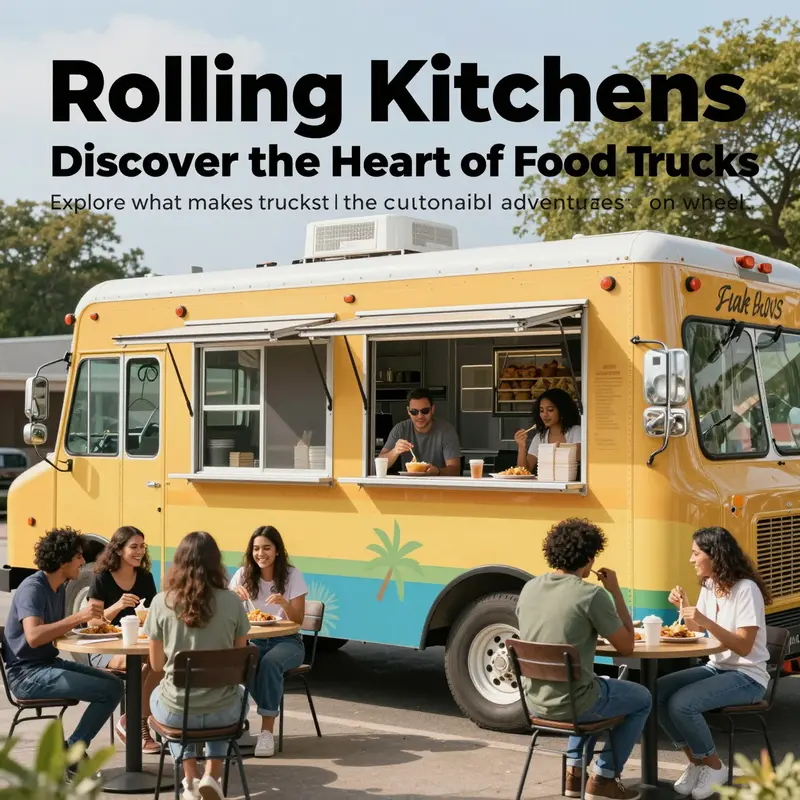
Food trucks have become a fixture in the culinary landscape, offering diverse flavors and experiences on the go. For aspiring food truck operators and tourists alike, understanding the unique characteristics of these mobile kitchens is essential. The first chapter will detail the fundamental traits that define a food truck, including its design and functional features that equip vendors to serve delicious food. Following this, we will delve into the design and customization possibilities that make every food truck stand out, ensuring each has its unique flair and presence on the streets. Next, we’ll cover the compliance and regulations faced by food truck owners, highlighting the importance of staying within the law while serving the community. Finally, we’ll wrap things up by looking at market trends and the growing popularity of food trucks, showing how they continue to engage and enrich communities like Lakewood. By the end of this exploration, you’ll have a comprehensive understanding of what type of truck a food truck really is—and perhaps feel inspired to try one for yourself!
On Wheels of Flavor: Decoding the Vehicle Types Behind Modern Food Street Commerce
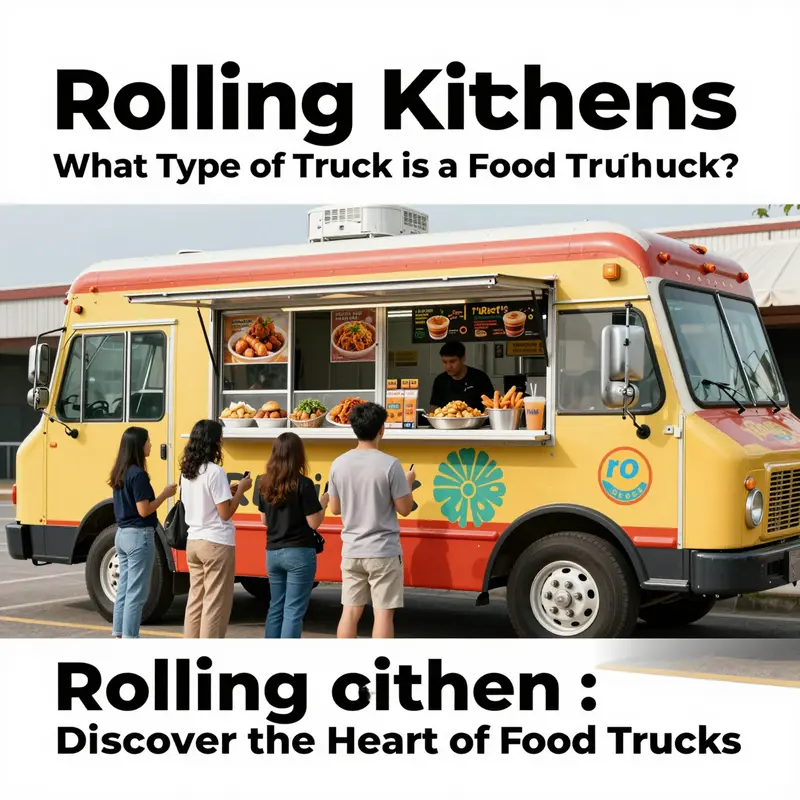
A food truck is more than a vehicle with a kitchen. It is a compact, mobile platform that blends commerce with craftsmanship, turning a metal shell into a dedicated space where dishes are planned, prepared, stored, and served. The type of truck chosen does more than dictate size and cost; it shapes every facet of a seller’s operation. From the speed of service to the complexity of the menu, and from the sites where one can operate to the routines that keep a kitchen compliant with health and safety rules, the vehicle itself is a critical collaborator. In cities and towns around the world, vendors operate at a spectrum of scales, from intimate vans to expansive box trucks, each with a distinct rhythm. To understand what type of truck best serves a given concept is to recognize how mobility meets culinary ambition in practical, everyday terms. The answer is not simply about space but about the workflow that space enables and the footprint the business wants to leave on a street corner, a festival field, or a corporate campus. In that sense, the vehicle becomes a partner in flavor, not merely a vessel for it. The most illuminating way to think about food truck types is to connect form to function. Each category carries core capabilities and tradeoffs that echo the choices a vendor makes from the first concept sketch to the final service window on a crowded Friday night. Consider the box truck, the van, the trailer, the bike mounted unit, and the handful of specialized builds designed for particular cuisines or service models. The distinctions are real, and the implications reach into budgeting, licensing, and even branding. The diversity mirrors the diverse goals across street food and mobile catering. Some operators aim for high volume and extended menus, while others seek nimble operations that can slip into tightly packed neighborhoods or cruise along a festival circuit with minimal friction. The vehicle becomes a lens through which these strategic aims are clarified, a means of translating a culinary vision into a reliable, repeatable service experience. The interplay between menu design and vehicle layout is more than a matter of placing a grill in a certain corner. It is about how cooks move, where ingredients and equipment live, how waste is managed, and how customers experience the process of getting food. When a vendor builds a kitchen on wheels, the investment is not just in the appliances but in the confidence to operate in varied settings. A well chosen truck type reduces hours spent solving space problems and increases time spent crafting sauces, perfecting textures, and building relationships with customers. The result is smoother turnovers, more consistent plate quality, and a clearer brand promise delivered with every service window opening. The common types of food trucks span a wide range of interiors and exterior aesthetics, each tailored to different operational realities. Box trucks stand out for their cavernous interiors. They can accommodate a full commercial kitchen on wheels, with room for multiple cooking lines, robust refrigeration, extensive storage, and a structured workflow that mirrors a brick and mortar kitchen. This design is especially valuable for operators who offer a broad menu, or who provide catering services that demand portable, high capacity food production. The infirmities of size however are present as well. A box truck often consumes more fuel, requires stronger chassis and more careful driving, and can demand higher insurance and maintenance costs. It is a long term commitment to space and power, with more elaborate venting, grease management, and waste systems. Yet for the right concept, the box truck is a stage on which a culinary show can be performed. In contrast, vans provide an agile compromise. A well equipped van can house essential cooking appliances and standardized refrigeration in a compact footprint that fits into tighter urban footprints and narrower streets. Vans shine for operators who offer focused menus such as sandwiches, wraps, or short days with limited hours. The upfront investment is typically lower than a box truck, and so is the ongoing fuel burn, making vans attractive for first time owners or smaller teams. The tradeoff is fewer ovens or burners and a more constrained fridge and storage area. Yet clever layouts and careful equipment selection can deliver a surprisingly capable kitchen that still feels intimate and responsive to customers. Trailers offer yet another grammar of mobile cooking. They are popular when a seller wants lots of space but does not require constant road use. A trailer can be hitched to a vehicle for transport and then leveled and set up at a site with a dedication that feels more like a stationary storefront than a roadside stall. Trailers invite expansive kitchen configurations, including multiple cooking zones, large refrigeration units, and generous prep areas. The caveat is the setup time and the dependence on external parking and leveled ground. In busy urban environments, that can translate into longer dwell times and more planning around stall rotations and site permits. Bike mounted food trucks push the envelope on mobility. A compact unit strapped to a bicycle or ultra-light frame can reach pedestrian zones that larger vehicles simply cannot access. These micro setups are ideal for high footfall districts and events with dense crowds where quick service and light, snackable offerings work best. The equipment is often minimal but highly optimized for rapid service, and logistics lean toward fresh, prepped items rather than heavy on-site cooking. Regulatory considerations grow more complex for these nimble rigs, reflecting their exposure to diverse streets and crowds. Specialized trucks and dessert trucks or gourmet trucks represent another axis of variation. A specialized truck tailors the vehicle to a single cuisine or product line, turning the entire kitchen into a focused concept. A dessert truck can be a compact but well appointed unit with dedicated pastry ovens, blast chillers, and pastry prep space. A gourmet truck might emphasize fresh, locally sourced ingredients, open kitchen lines, and sophisticated plating. The advantage of specialization is strong brand identity and efficient workflow designed around a narrow menu, while the downside can be less menu flexibility and higher equipment costs tailored to a single culinary discipline. The central question when choosing among these forms is not only what can be done on wheels, but what can be sustained in a given market. A bustling downtown can support a high volume multi-line kitchen on a box truck, while a cultural festival might reward the visibility and quick service of a van with an eye catching wrap and a simple, bold menu. A bike mounted unit can thrive in neighborhoods with narrow lanes and heavy pedestrian traffic, where space for a full kitchen is impractical but a consistent stream of customers can be captured with a fast, friendly service model. Budget is of course a primary compass. A lower upfront cost is common with smaller vans and bike mounted units, enabling faster market entry and faster learning curves. A larger box truck or a well configured trailer requires more capital and a longer runway to break even, but it also unlocks a broader culinary possibility set and the ability to deliver to events and venues that demand greater scale. Operational costs grow with size. Fuel efficiency declines as vehicle weight and engine load rise. Maintenance becomes more complex when the kitchen is integrated with a vehicle that travels thousands of miles and endures a harsh on road life. Insurance, licensing, health department compliance, and parking or commissary fees all nestle into the ongoing expense of doing business on wheels. Beyond these financial considerations, there is a creative dimension that often marks the difference between a mere food cart and a thriving mobile brand. The geometry of the kitchen, the flow from prep to service to waste disposal, and the relationship between cook and customer are all shaped by the vehicle. For example, the arrangement of a box kitchen can allocate a dedicated prep zone with a separate wash area and a clearly defined cold chain. A van kitchen might emphasize a compact service line that faces the window while keeping the back of the vehicle a flexible space for staging and assembly. A trailer setup can exploit longer sides and gable walls to accommodate multiple service windows or an expansive front counter that draws foot traffic. Bike mounted configurations rely on tight coordination and speed, with smartly designed racks for ingredients and clamshells for hot, ready-to-eat items. Specialized builds reinforce the story of the cuisine, turning function into identity through color, signage, and even the sensory cues of the kitchen itself. In all cases, the design must support not only the current menu but the likely evolution of the business. A beginner operator might start with a smaller, cost efficient unit and reserve capacity for growth, while an established business might lean into a larger kitchen on wheels to accommodate a rolling tasting menu or seasonal offerings. The operational playbook must extend beyond the kitchen to the street. Locations and events become an extension of the kitchen, a canvas on which the mobile restaurant paints its day. The choice of truck interacts with locations in three fundamental ways. First, the vehicle determines where the operator can legally operate. Some zones are friendly to full size kitchens, while others require compact setups or even non cooking food service where the food is prepared elsewhere and finished on site. Second, the vehicle affects the speed and style of service. A high capacity box truck can sustain long lines with a varied menu, while a van may rely on a focused lineup and rapid turnover. Third, the vehicle helps shape the brand experience. A bright, well branded box can project a chef driven, artisanal persona; a sleek van can signal fast casual and efficiency; a bike mounted unit can evoke a streetwise, eco conscious vibe. Branding becomes a feedback loop with the vehicle design, reinforcing the narrative of what the business stands for as it cruises or parks and opens for business. The story of each truck type connects with a larger arc about mobility and culinary entrepreneurship. It is a story of adaptation to permit regimes, to health and safety guidelines, and to the rhythms of urban life. Operators must navigate health codes, fire safety requirements, water supply and waste management, as well as zoning and permit constraints that vary by city and state or country. A kitchen on wheels must maintain reliable refrigeration, potable water, safe electrical systems, and appropriate ventilation. The vehicle design must provide safe routes for hot equipment, minimize the risk of cross contamination, and ensure that waste, including grease and organic matter, is handled in a compliant and efficient manner. Even the choice of power source matters. Some setups rely on a generator, others on shore power, and some blend both with energy efficient appliances. The emphasis on efficiency often drives choices about which appliances are essential versus optional in a given truck type. For a seller starting with a tight budget, the instinct to minimize cost often translates into a modular approach. A van might be outfitted with versatile, compact appliances that can be rearranged as crowds shift. A bike mounted unit can operate with modular coolers, portable burners, and collapsible prep surfaces that travel light yet can be expanded for peak events. For a more ambitious path, a box truck or a trailer can become a flexible kitchen with dedicated zones for hot line, cold line, pastry or cold storage, and a separate hand wash area. Regardless of the chosen vehicle, success often hinges on the discipline of the workflow. The path from prep to service is a choreography that keeps food safe and service smooth. The service window acts not only as a point of sale but also as a social stage where staff, equipment, and customers meet. A well designed service window reduces the risk of bottlenecks and miscommunication, while a thoughtful layout behind the window helps cooks deliver consistency across dozens or hundreds of servings. The interplay between space and speed becomes a defining feature of the concept. In practice, many operators discover that the right vehicle aligns with a precise operational ethos. A luxury tasting concept might justify the space and investment of a large box truck, with a kitchen designed to deliver a curated, multi course experience on the move. A fast casual staple, by contrast, might thrive in a compact van, focused on speed, reliability, and a tight menu that can be refreshed with seasonal offerings. Even within a single city, the same operator may deploy different vehicle types to capture different audiences. They might park a compact van near a busy transit hub for morning pickup, while sending a larger trailer to a weekend festival that demands a broader array of dishes. The underlying logic is not about vehicle elegance but about how the vehicle aligns with the daily reality of business. That daily reality includes the realities of maintenance, reliability, and the inevitable surprises of weather and crowds. A well chosen truck type becomes a stable platform on which to test ideas, gather feedback, and iterate on the menu and the service model. In this sense the question what type of truck is a food truck becomes a living answer shaped by the work, the audience, and the ambition behind the venture. For readers who want a concise compass, the takeaway is simple yet nuanced. Start with the menu and the typical sites you expect to serve. If the goal is to deliver a wide range of dishes to a few dozen events, a box truck might be justified by the pace and capacity. If the aim is to test the market with a tight, fast service vessel, a van or bike mounted unit provides a lower risk entry point and greater flexibility. If you want to create a theater of dessert or gourmet dining on wheels, a specialized truck that supports a singular culinary identity can generate powerful brand resonance. The decision also depends on location dynamics, which can differ dramatically from one neighborhood to another. In dense urban cores, street corners and block parties favor compact layouts and efficient service lines. In suburban or event spaces, there is room for more expansive kitchens and a longer preparation timeline. The vehicle is never a passive tool; it is a partner that frames how the business can interact with customers and the city around it. Those who study the field point to a growing ecosystem of support, including infrastructure for mobile kitchens, sharing commissaries, and networks that help vendors navigate permits, insurance, and compliance. The vehicles themselves are evolving as technology and regulation evolve. More efficient refrigeration, smarter power management, and modular, inspection friendly designs are becoming common. The industry is learning how to balance ambition with practicality, how to maintain consistent quality across diverse locations, and how to maintain safety while serving delight on the street. A final thread ties the vehicle type to the broader story of culinary entrepreneurship. The choice of truck type can unlock a particular path to community engagement. The right truck makes it possible to reach neighborhoods that crave novelty or comfort food alike, to participate in festivals with high visibility, and to respond to the pulse of a city where food is a social currency. The vehicle becomes a storytelling device as much as a kitchen. It helps translate the concept into a visible, tangible presence, inviting curiosity, trust, and repeat visits. For readers exploring how to start or scale a food business on wheels, a careful look at the range of vehicle types offers clarity. It clarifies not only what is physically possible but what is financially and operationally sustainable. In short, the type of truck chosen should be a strategic expression of the entrepreneur’s menu, their sites, and their pace. The best choice is not always the largest or the most feature rich; it is the option that harmonizes cost, capacity, and cadence with the business’s ambitions and the rhythms of the places where it hopes to belong. For further reading on how the vehicle type can influence growth and model selection, see Best-Food-Truck-Models-for-Lakewood-Startups. The broader spectrum of vehicle types and their features are further illuminated in international resources that review how different jurisdictions regulate food service on wheels and how trucks adapt to a menu and market. For a broader international perspective see https://www.foodtruck.com.au/food-truck-types-and-features/.
Moving Kitchens, Shaping Menus: The Real Impact of Truck Type on a Food Venture
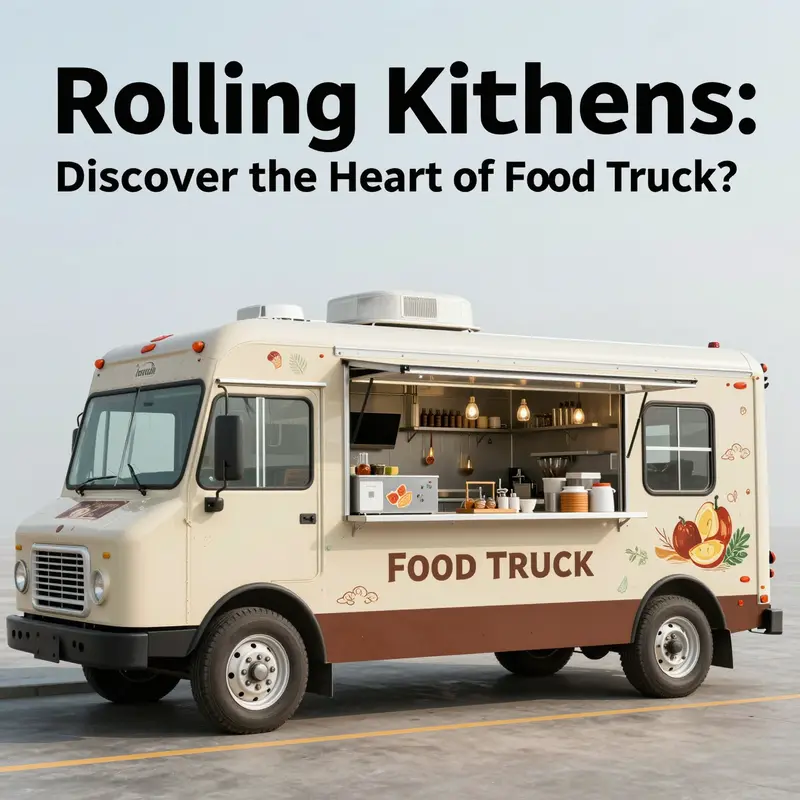
A food truck is more than a vehicle with a window; it is a compact, purpose-built kitchen on wheels, a retail space that travels through neighborhoods, events, and festivals, and a business model that hinges on how the truck is designed. The question “what type of truck is a food truck?” is not just about the chassis or the size. It is about how that choice influences every step of the operation—from the geometry of the workspace and the flow of food preparation to the rhythm of customer service, the menu you can sustain, and the costs you must bear over the life of the venture. A properly chosen truck type translates into smoother processes, tighter control over cleanliness and safety, and a more authentic brand presence in the crowded street-food landscape. The truck is a tool, but it is also a canvas; it signals to customers what you offer, how quickly you can serve them, and how consistently you can reproduce quality in a shifting outdoor environment. In this light, the type of truck you select becomes a foundational strategic decision rather than a mere logistical choice.
Among the common architectures—box trucks, converted vans, and trailers—each format carries distinct advantages and trade-offs that can steer a budding entrepreneur toward a particular operating model. Box trucks provide vast interior space, a near-blank slate for a full-scale kitchen, and the capacity to host multiple cooking stations. Vans offer a nimble, urban-friendly footprint with a favorable balance of cost, fuel efficiency, and maneuverability. Trailers, by contrast, balance capacity with flexibility, letting operators expand kitchen scale without committing to a larger fixed vehicle. There are even niche designs, such as ultra-light, bike-mounted units, which push the concept of mobility to the sidewalk edge and are well-suited for foot-traffic corridors and festivals. These categories are not merely about length or horsepower; they encode real differences in how a business can grow, what it can serve, and where it can operate.
Box trucks stand out for those who intend to run a kitchen that feels like a portable restaurant. Inside, the space is typically organized into dedicated zones for prep, cooking, assembly, and service. A long, flat workbench can host multiple cooking stations—grills, fryers, ovens, and specialized equipment—while built-in storage keeps ingredients and utensils within arm’s reach. The upside is unmistakable for operators chasing high-volume service or multi-course menus. In catering and large events, the box truck turns into a self-contained culinary facility that does not rely on external cook-sites or frequent restocking between bursts of service. The layout can be engineered to minimize cross-contamination risks, streamline dish assembly, and optimize the placement of sinks, hand-washing stations, and grease management. The investment is substantial, and so are the operating costs; fuel consumption tends to be higher, and maintenance costs rise with the complexity of the kitchen systems and refrigeration networks installed inside a large rectangular body. Yet the payoff comes in repeatability and scale: a box truck can handle consistent, service-level cooking over long shifts and in settings where a robust kitchen footprint is non-negotiable.
Converted vans offer a different calculus. They are inherently more agile, easier to park in tight urban cores, and generally cheaper to acquire and outfit than a full-size box truck. The interior can still be laid out with a compact but efficient workflow: a dedicated prep area, a service window, a small but effective refrigeration suite, and perhaps a single production line that concentrates on a few core menu items. The trade-off is space. Vans demand careful prioritization of menu scope, equipment footprint, and water and electrical capacity. Yet this constraint often spurs creative solutions: multi-use appliances that pull double duty, compact refrigeration that preserves ingredients without crowding the work zone, and clever storage systems that keep essentials within easy reach while maintaining the clean lines customers expect from a professional mobile kitchen. For operators starting out or pursuing a bakery, coffee concept, or light fare, a van can deliver the right balance of initial cost, reliability, and flexibility to experiment in diverse neighborhoods while building a loyal customer base.
Trailers introduce a model of expansion without the immediate heft of a heavy-duty vehicle. A trailer-based kitchen can ride behind a mid-sized tow vehicle and be dropped at a site for the day or night, then hauled away when the task is complete. The interior can be generous, with room for multiple cooking stations, a separate dishwashing zone, and ample storage. The benefits include a larger kitchen footprint than the smallest vans and the possibility of upgrading to a higher-capacity setup as demand grows, without purchasing a second vehicle. However, portability is reduced: you must account for unhitched setup time, electrical or generator hookups, level ground, and the logistics of towing. Trailers can also impose constraints on location choices, since some venues and municipalities restrict the use of towed facilities or require specific permit configurations. For operators who prioritize steady service at fixed markets or long-duration events, a trailer presents a pragmatic path to scale while maintaining a relatively modest fleet footprint.
Beyond these mainstream formats exist niche designs that reveal how far the mobile culinary concept can travel. Bike-mounted or ultra-light units push mobility to street corners and festival grounds where pedestrians are the primary audience. These compact configurations emphasize speed, visual appeal, and immediacy: small prep spaces that feed a focused menu, quick turnover, and high energy branding. While they cannot match the storage or cooking capacity of box trucks or trailers, niche designs excel when the goal is rapid, recurring micro-sales in dense foot-traffic environments. They also highlight a broader theme in the food-truck world: design is not simply about what fits inside the truck; it is about how the truck interacts with people, space, and the rhythms of a city. A vivid exterior, a service window that invites curiosity, and an efficient interior that minimizes motion between stages all contribute to a successful street presence.
The question of which truck type to choose is inseparable from a business model. A dessert-focused operation may prioritize a refrigeration layout that keeps toppings pristine and a display area that wows customers from the curb. A fried-food concept will demand a strong grease management system, robust ventilation, and a layout that allows quick, repeatable production with minimal cross-contamination. A healthful, grab-and-go concept might emphasize compact prep zones, high-efficiency cold storage, and a service window that speeds lines without sacrificing safety. These considerations are not mere preferences; they shape the operational cadence and the cost structure—from fuel and maintenance to insurance and compliance. The size and style of the vehicle also influence permit requirements and zoning considerations, since many jurisdictions regulate mobile food operations with weight limits, distance from fixed restaurants, and rules about where a truck can park, cook, or serve.
Branding and customer experience ride hand in hand with truck design. The chassis you choose frames the canvas for your storefront on wheels. The exterior branding must be legible from a passing distance, and the interior layout should convey efficiency and cleanliness in every movement of the crew. A strong service window becomes more than a point of sale; it is a stage where the brand message—whether minimal and modern, rustic and artisanal, or bright and playful—lands in real time as customers observe the preparation and service flow. Thoughtful interior design can also reduce delays and errors. For instance, aligning the order counter with the most frequently used ingredient storage or placing the primary cooking station near the window can shave seconds from every order, multiplying capacity over a busy shift. In doing so, operators extend the life of a single truck by delivering consistent performance while preserving the brand’s reliability in diverse environments.
The regulatory landscape adds another layer to the decision. Health, safety, and zoning rules vary not only by country but by city and state. Regulations typically address how food is stored, cooked, and cooled; how wastewater is managed; how grease is handled; and how fire suppression, ventilation, and electrical systems are engineered. A truck’s electrical load, generator use, and exhaust considerations must meet local codes, and operators must secure the necessary health department permits, business licenses, and food-handler certifications. These requirements influence not only the upfront outfitting but ongoing operation—regular inspections, potential modifications to meet changing standards, and the cost of compliance that can accumulate over time. A larger truck with multiple stations will naturally contend with more complex ventilation and waste management needs, while a smaller van may rely on offshore commissaries or shared commercial kitchens for some services, shifting the operational model rather than the core food concept.
Operational discipline becomes the connective tissue that binds the choice of truck type to sustainable success. A well-executed menu that aligns with the available equipment reduces waste and ensures consistent quality. Power supply planning is essential; a box truck kitchen may require a substantial electrical system and reliable refrigeration across several zones, while a van might lean on a combination of inverter systems and strategic generator use. Water management and waste disposal demand careful attention, especially in urban settings where street cleaning and environmental constraints shape permissible practices. The equipment you select—griddles, fryers, ovens, blenders, cold storage, and dishwashing capacity—dictates daily routines, the speed of service, and the potential for long-running events. Maintenance planning cannot be an afterthought; it must be embedded in the schedule, as failures mid-service can derail a line and erode customer trust. In turn, the economic calculus of a truck choice grows clearer: higher upfront costs in a box truck can be offset by the ability to serve at larger events, whereas a lean van enables tighter cash flow with lower risk during early-stage market tests.
Taste and style interact with logistics in subtle but meaningful ways. The aesthetic appeal of the truck’s exterior influences first impressions, but the interior layout determines how consistently a crew can execute a recipe across a long day or through fluctuating crowds. A dessert-focused truck might rely on visible refrigeration and a display, while a savory concept may highlight a cooking station’s steam and sizzle in the moment of service. The interplay between menu design, kitchen configuration, and customer flow is a dynamic puzzle; the truck becomes a moving theater where practical constraints and creative ambitions must harmonize. It is this harmony that sustains momentum, enabling vendors to expand from weekend markets into weekday fetch-and-go lunch corridors or evening festival circuits.
For those who want a more tangible sense of what the landscape looks like, practical guidance on model options tailored to different startup ambitions is worth a close look. A comprehensive overview of popular configurations for emerging operators explains how each format suits particular capital envelopes, site access, and regulatory environments. The choice is rarely abstract; it translates directly into available partnerships, locations, and the ability to weather off-peak periods. If you want to explore models most applicable to a Lakewood-like market, you can check a curated resource that highlights practical options and considerations in that regional context. Best Food Truck Models for Lakewood Startups.
As this chapter moves toward a closer look at the practicalities behind each option, it becomes clear that there is no single answer to the question of what type of truck is a food truck. The best fit depends on the menu complexity, the scale of anticipated events, the urban or rural character of the target markets, and the entrepreneur’s appetite for upfront investment versus ongoing operating costs. The right truck is the one that aligns with the business’s tempo—how often it will travel, how many customers can be served per hour, and how reliably it can reproduce a high-quality product from dawn to dusk across diverse venues. A well-chosen vehicle is a foundation on which a successful culinary brand on wheels rests, enabling consistent service, controlled costs, and a memorable customer experience.
Ultimately, the decision about truck type is about creating predictable, scalable momentum. The interior geometry must map to the menu’s needs; the exterior branding must engage passersby; and the surrounding operations—the commissary relationships, scheduling, and maintenance cadence—must reinforce reliability rather than drift into chaos. In the end, the truck type you select should feel like a natural extension of your concept, not an external constraint. It should invite customers to approach, feel confident about what they will receive, and keep them coming back for the same reasons they chose you in the first place. That is the core link between form and function in the mobile kitchen—the way a vehicle’s shape and systems shape the stories you tell on the street, and the way those stories translate into repeat business, steady growth, and a brand that travels well across neighborhoods and across time.
External resource: https://www.foodtrucks.com/
On the Move Kitchen: Defining the Food Truck Through Its Truck Type
A food truck is more than a portable kitchen; it is a legally defined mobile business entity that rides the edge between culinary craft and regulatory governance. In everyday talk, people speak of a van with a grill on the back or a trailer that follows a caterer from one event to the next. Yet from a policy and operations perspective, the term points to a single idea: a self-contained cooking workspace mounted on a vehicle and designed to travel, set up quickly, and serve customers with speed and consistency. The classification matters because it echoes through kitchen design, energy and water systems, storage, service flow, insurance, taxes, and the places where a truck may legally operate. In short, the type of truck shapes what the business can deliver, not merely how it looks. The goal is to harmonize mobility with a functional kitchen that adheres to safety standards wherever the wheels take the crew.
The chassis options are diverse and reflect different business models, each with its own operational logic. Box trucks offer the most interior space, a natural home for a full-scale kitchen on wheels. They are well suited to catering, events, and multi-dish menus. The upside is obvious: multiple cooking zones, generous refrigeration, ample counter space, and a layout that supports high-volume service. The downside is equally real: higher fuel consumption, greater insurance costs, and more complex logistics for parking, maneuvering in dense urban areas, and meeting fire codes for larger exhaust systems. If your plan hinges on maintaining a broad menu across frequent locations, a box truck might be worth the extra investment because it supports reliability and scale when demand spikes.
Vans present a different calculus. They bring lower up-front costs, better fuel efficiency, and a nimble footprint that excels in crowded neighborhoods or tight blocks. A van-based kitchen can be highly efficient with a compact cooking line, a single pass-through service window, and streamlined storage. The trade-off is space: limited cold storage and fewer large appliances, which often translates into leaner menus or a highly optimized, single-focus concept. For many first-time operators, a van provides a practical doorway into street food entrepreneurship—enough dish variety to attract a loyal following without overextending on the kitchen footprint. The choice often hinges on anticipated location density, typical service times, and whether speed and mobility trump menu breadth.
Trailers occupy a middle ground that blends portability with modular kitchen design. They are not self-propelled and require a tow vehicle and level surfaces at each stop. Trailers can be highly specialized; operators can configure them around a chosen cuisine or technique, installing a kitchen module that optimizes a single workflow while freeing space for a customer-facing counter and a compact service area. The benefits include customizable layouts and potential cost savings compared with a fully built box truck, especially when modularity enables swapping kitchen modules to adapt to different events. The constraints, however, include the need for reliable towing arrangements, site access, and a steady supply of utilities at each location, which can complicate planning and increase the importance of careful site agreements.
Bike-mounted units remind us that mobility comes in many scales. Ultra-portable carts and trikes can serve snacks, beverages, or pre-prepared meals in pedestrian zones, markets, and festivals where a larger vehicle would struggle to maneuver. While the capacity is modest, the speed of service and footprint can be a strategic advantage in dense urban settings. A bicycle-based model demonstrates that the food truck category is not monolithic; it is a spectrum of mobility and kitchen intensity designed to meet different customer rhythms and regulatory environments. The bike approach emphasizes lean inventory, rapid turnover, and a lighter environmental footprint, making it appealing for certain neighborhoods and seasonal opportunities.
Across these configurations, the defining feature remains a self-contained culinary workspace perched on a vehicle that must meet health and safety expectations. Inside the vehicle, the kitchen is a compact, highly engineered environment stocked with the essential cooking appliances—grills, fryers, ovens, and more—paired with refrigeration and dedicated storage for ingredients and disposables. A service window frames the counter where customers place orders and receive meals, while branding and signage turn the vehicle into a moving storefront that can attract attention far beyond a stationary restaurant. The layout must balance the rhythm of cooking with the flow of customers, ensuring a smooth line, efficient cleanup, and a safe separation of raw and finished products. The branding carried on the exterior communicates the concept before a single bite is taken, and it reinforces the promise of consistent quality as the truck travels to varying venues.
Yet the physical layout and branding would be in vain without a robust compliance backbone. The food truck, no matter its chassis, travels within a framework that treats it as a mobile food service unit and a commercial vehicle. This classification has practical consequences: vehicles must comply with safety standards, emissions rules, and licensing requirements, and operators must align with health codes that govern handling, storage, and sanitation. Food safety, in particular, is not negotiable. Perishable items demand precise temperature control, validated cleaning protocols, and waste management practices that prevent cross-contamination. The regulatory codes that apply to mobile vendors—often anchored in the FDA’s Food Code and reinforced by state and local health departments—set the baseline for how a mobile kitchen is built, operated, and inspected. The general principle remains constant: regardless of whether the kitchen sits inside a box truck or a compact van, it must pass health inspections, hold the necessary permits, and operate within the zoning rules that govern where and when it can serve.
For operators beginning to plan, a practical step is to ground the vehicle choice in a clear assessment of space needs, equipment requirements, and reliability of service. A larger footprint can accommodate a broader menu and more rigorous prep lines, as well as more extensive cold storage and a multi-station cook line. A smaller footprint emphasizes rapid setup, straightforward cleaning routines, and mobility—often appealing for weekend markets, pop-ups, and neighborhoods with tight parking or permit windows. The trailer option can offer the best of both worlds in some contexts, delivering a modular kitchen that can be upgraded or reconfigured while still providing a reasonable degree of mobility, though with added planning for site utilities and tow coordination. Each path also carries a different energy strategy: larger kitchens may require robust electrical infrastructure, generators, or shore power; smaller units may lean on more efficient appliances, battery storage, or compact gas systems. Planning for power, water, venting, and waste is as critical as choosing the chassis itself because these systems anchor service quality and safety across every shift.
Regulatory complexity varies by jurisdiction, yet the common thread remains clear. Health departments, environmental agencies, transportation offices, and zoning boards all intersect in the march from concept to operation. In California, for instance, operators must navigate a rigorous set of inspections and permits, regardless of whether the vehicle is a box truck or a van. The federal layer of guidance, provided by the FDA, covers mobile food vendors and outlines the broader framework within which states and municipalities implement more detailed rules. This layered approach helps ensure that a mobile kitchen can be deployed across diverse neighborhoods and events without sacrificing safety or consistency. In practice, the vehicle type influences the pace, not the essence, of compliance. The kitchen must demonstrate the ability to maintain safe temperatures, prevent contamination, and adhere to sanitation standards throughout the day, as well as to demonstrate readiness for inspections and to carry proof of permits and licenses. In addition, operators should consider emissions standards if they plan to use larger engines or generators in urban areas with strict air quality goals, because these rules can affect the choice of chassis and the operational plan around fuel use and idle times.
For those who want a grounded, real-world sense of how these configurations translate into planning decisions, it helps to examine a spectrum of practical options. A box-based kitchen supports a broad menu and steady sales, but it requires careful budgeting for space, equipment, and maintenance. A van-based setup reduces capital outlay, simplifies logistics, and can be deployed quickly, though it may compel tighter menu discipline and a more aggressive scheduling strategy. A trailer configuration can introduce modularity and a tailored kitchen that matches specific offerings, yet it requires attention to hitching logistics, site utilities, and permit timing. A bike-mounted system demonstrates how flexibility and speed can unlock opportunities in pedestrian zones that larger vehicles cannot access. The critical point is not the vehicle itself but how well the kitchen and workflow align with the chosen footprint while satisfying regulatory obligations.
If you doubt the relevance of this alignment, consider the ripple effects of a mismatched plan. An overbuilt box truck in a market that values speed and compact service can strain cash flow due to high insurance, fuel, and maintenance costs. A minimalist van might struggle to accommodate peak demand or a complex menu, risking slow service and customer dissatisfaction. A trailer that depends on unpredictable site utilities could stall operations at a festival if the power supply or water line access is delayed. The bike-based approach can excel in dense, contracted spaces yet might not scale to heavy, multi-meal production on a cold winter day. The common thread across all these outcomes is the singular need to balance the vehicle’s capabilities with the kitchen’s requirements, a balance governed by safety, efficiency, and the local regulatory environment. The vehicle thus becomes a vehicle for both flavor and compliance, enabling a consistent customer experience without compromising public health or legal boundaries.
For readers seeking a practical entry point into comparing configurations, a curated resource that surveys current model configurations can be instructive. It helps frame space planning, power needs, and storage solutions in ways that translate into concrete budgeting decisions. To gain a tangible sense of how chassis choices map to real-world constraints and opportunities, explore the resource linked here: Best Food Truck Models for Lakewood Startups. This kind of comparative snapshot can illuminate how different footprints influence menu design, staffing, and daily operations, guiding the inevitable compromises that accompany any startup.
Ultimately, the question of what type of truck defines a food truck is less about a single answer and more about aligning a kitchen’s needs with mobility, cost, and regulatory realities. The vehicle type shapes the layout, while compliance shapes the process. The same FDA guidelines that govern a stationary restaurant apply with equal seriousness to a rolling kitchen, ensuring that food is prepared, stored, and served under conditions that protect public health, no matter where the truck parks. This is the core insight: mobility is a canvas, but safety and consistency are the act that makes the canvas viable. The chosen chassis should emerge from a clear picture of the menu, the pace of service, the communities served, and the jurisdictional rules that govern where, when, and how the truck may operate. When these pieces come together, the truck becomes both a portable kitchen and a trustworthy, compliant business platform that can travel to where customers gather, turning street corners, markets, and festivals into reliable venues for flavor and entrepreneurship. For a practical reference on model choices and space planning, the Lakewood startup resource cited above offers a helpful point of comparison as you sketch your plan. And for a comprehensive regulatory framework that governs mobile vendors nationwide, consult the FDA’s mobile food vendors guidance. https://www.fda.gov/food/federal-food-regulations/mobile-food-vendors
null
null
Final thoughts
In summary, food trucks represent more than just a way to grab a bite; they embody creativity, community spirit, and culinary delight on wheels. From their distinctive characteristics to the vibrant designs that set them apart, food trucks draw in people from all walks of life, making them a beloved aspect of our dining experience. Understanding compliance is vital for aspiring operators, ensuring that the community can enjoy safe and trustworthy food. Lastly, observing the trends of this thriving industry allows us to see how food trucks adapt and grow alongside our tastes. So whether you’re looking to start your own food venture or just enjoy the local scene, remember that food trucks are truly a feast for the senses.