
Introduction
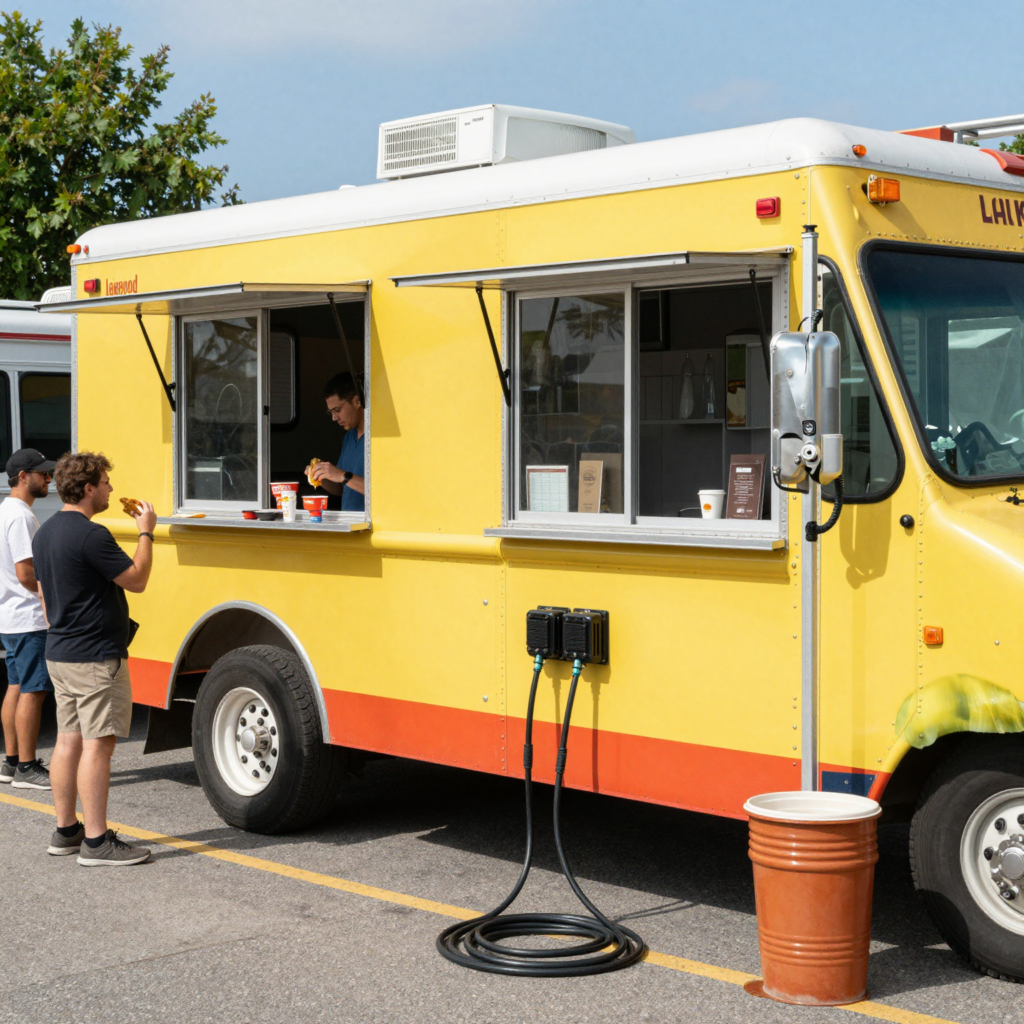
Every flavorful bite from a food truck not only tantalizes taste buds but also stirs the spirit of community right here in Lakewood. Imagine the vibrant scene where culinary creativity meets the bustling excitement of locals and tourists alike, all powered by delectable dishes and the energy that flows behind the scenes. But have you ever considered what keeps those food trucks simmering with such delicious offerings? Power requirements are a crucial part of the food truck operation, influencing everything from menu choices to the overall success of aspiring entrepreneurs. In Lakewood, where the food truck culture thrives, understanding these power needs can make the difference for operators eager to share their passion with the community. As you explore the local food scene, it’s essential to appreciate how this connection fuels both the business and the joyous gatherings that define our neighborhoods. Join us as we delve into the world of power essentials and their impact on your culinary adventures!
For more insights, check out Lakewood’s vibrant food truck gatherings and top food truck models for startups.
Here is a comparison table for different power sources that food truck operators can consider, complete with pros and cons for each option:
| Power Source | Pros | Cons |
|---|---|---|
| Generator | – Provides a lot of power – Portable and versatile – Can run multiple appliances |
– Noisy – Regular fuel costs – Maintenance required |
| Battery | – Silent operation – Environmentally friendly (especially if solar powered) – Low operating costs (once installed) |
– Limited power availability – Longer recharge times – Initial setup cost can be high |
| Shore Power | – Reliable and stable power source – Lower running costs if connected to a permanent supply – Eliminates noise associated with generators |
– Requires proximity to power sources – Not always available at events – Dependent on external infrastructure |
Practical Tips for Choosing the Right Power Option:
- Assess Your Power Needs: Calculate the total wattage needed for your equipment. This will help you determine whether to opt for a generator, battery setup, or shore power.
- Consider Your Locations: Think about where you’ll operate most frequently. If you’re often in locations with access to electricity, shore power might be ideal.
- Evaluate Long-Term Costs: Factor in initial investments and ongoing fuel or maintenance costs. Sometimes, a higher upfront cost can lead to lower long-term expenses.
- Think About Noise Levels: If you’re setting up in residential areas or during festivals, consider quieter options like batteries or shore power to avoid disturbing your customers.
Operators can find more about best practices for food truck power sources by visiting this comprehensive guide and examining food truck power requirements to inform their choices further.
This table and accompanying information should help aspiring food truck operators make informed decisions regarding their power needs.
Electrical Needs for Food Trucks
As you set out on your exciting journey into the food truck business, you might be wondering just how much power you’ll need to keep your culinary creations alive! The truth is, food trucks have specific electrical requirements that aspiring operators need to consider carefully.
Power Requirements for Essential Equipment
Most food trucks typically require a 50-amp electrical service, which is adequate to support the necessary equipment. Here’s a quick overview of the power consumption of common food truck appliances:
| Equipment Type | Typical Power Consumption (Watts) | Notes |
|---|---|---|
| Refrigeration System | 1,000 – 3,000 | Depends on size and load; requires more in hot climates |
| Cooking Equipment (Griddle, Grill, Fryer) | 1,500 – 5,000 | Used extensively during peak hours |
| Ventilation Systems | 400 – 800 | Essential for exhaust and air flow |
| Air Conditioning Units | 1,500 – 3,000 | Important for cooling in warmer weather |
| Lighting (Interior & Exterior) | 100 – 300 | Energy-efficient LED lights recommended |
Factors to Consider
Before buying equipment, consider the following:
- Evaluate Your Menu: The types of food you’ll serve can significantly impact your power needs. Heavy-duty cooking appliances will draw more power, so make sure your electrical setup can handle it.
- Space for Equipment: Think about how many appliances you’ll have and their placement in the truck. An optimized layout can help distribute power usage effectively.
- Generator Capacity: If you’re not plugged into a stationary power source, ensure your generator can meet your peak electrical needs. Most food trucks may need around 6000W or more to operate efficiently.
Get it Right the First Time
A reliable electrical system is crucial for the seamless operation of everything from refrigerators to lighting and cooking appliances. Don’t overlook this aspect while planning your food truck venture! For more insights on setting up your food truck, check out our essential guide.
By understanding your electrical needs and planning accordingly, you’re well on your way to creating a successful and vibrant food truck business!
Local Regulations for Food Trucks in Lakewood
Operating a food truck in Lakewood can be an exciting venture, but it’s essential to navigate through the local regulations to ensure you’re compliant. Let’s break down the key areas you should be aware of:
Permits
To legally operate your food truck in Lakewood, you’ll need to obtain several permits. Initially, a mobile food vendor permit is mandatory, allowing you to serve food to the public from your vehicle. This permit typically requires a detailed application, including your truck’s specifications, and a fee.
Additionally, you may need to secure a business license and possibly a food handler’s permit, which ensures all staff are trained in safe food handling practices. For detailed information on the necessary permits, check out this guide on obtaining food truck permits.
Zoning Laws
Lakewood has specific zoning laws applicable to food trucks. Certain areas are designated as suitable for food vending, while others may restrict mobile vendors. It’s crucial to familiarize yourself with these zoning regulations to avoid fines and ensure you’re operating in approved locations.
Health Regulations
Health and safety are paramount in the food service industry. Your food truck must pass inspections that verify you’re meeting local health department standards. This includes proper food storage, sanitation, and serving practices. Ensuring compliance will not only keep your customers safe but also help you avoid any legal issues down the line.
For a detailed look into health regulations, consider checking local public health resources.
Understanding these regulations can seem daunting, but they’re in place for a good reason-to keep your business and community safe and thriving! If you’re interested in food truck events, don’t miss out on Lakewood’s upcoming food truck rallies to connect with other vendors and share experiences!
Do Food Trucks Require Power?
Power is an essential component of operating a food truck as it enables the use of cooking equipment, refrigeration, and other necessary appliances. Without a reliable power source, food trucks cannot serve their delicious offerings effectively. When considering the logistics of a food truck, aspiring operators must evaluate how they will obtain and manage power.
According to Chef Jamie from the food truck industry, “A reliable power source is not just a luxury; it’s the backbone of my operations that keeps everything running smoothly and ensures food safety for our customers.”
This underscores the importance of power in maintaining high standards in food safety and service. Whether it’s using generators, batteries, or solar panels, having the right setup is crucial for ensuring a seamless food service experience.
“The importance of adhering to municipal guidelines about power usage cannot be overstated. Ensuring compliance means not just following the rules but also embracing efficiency, which is crucial for our community-focused businesses.” – Culinary Expert and Food Truck Owner, Source
In Lakewood, food trucks contribute significantly to the community dining experience. Their ability to adapt to customer preferences while ensuring quality and safety builds customer loyalty and enhances community enjoyment. Food trucks are not merely mobile kitchens; they are gathering spots where culinary creativity meets local culture.
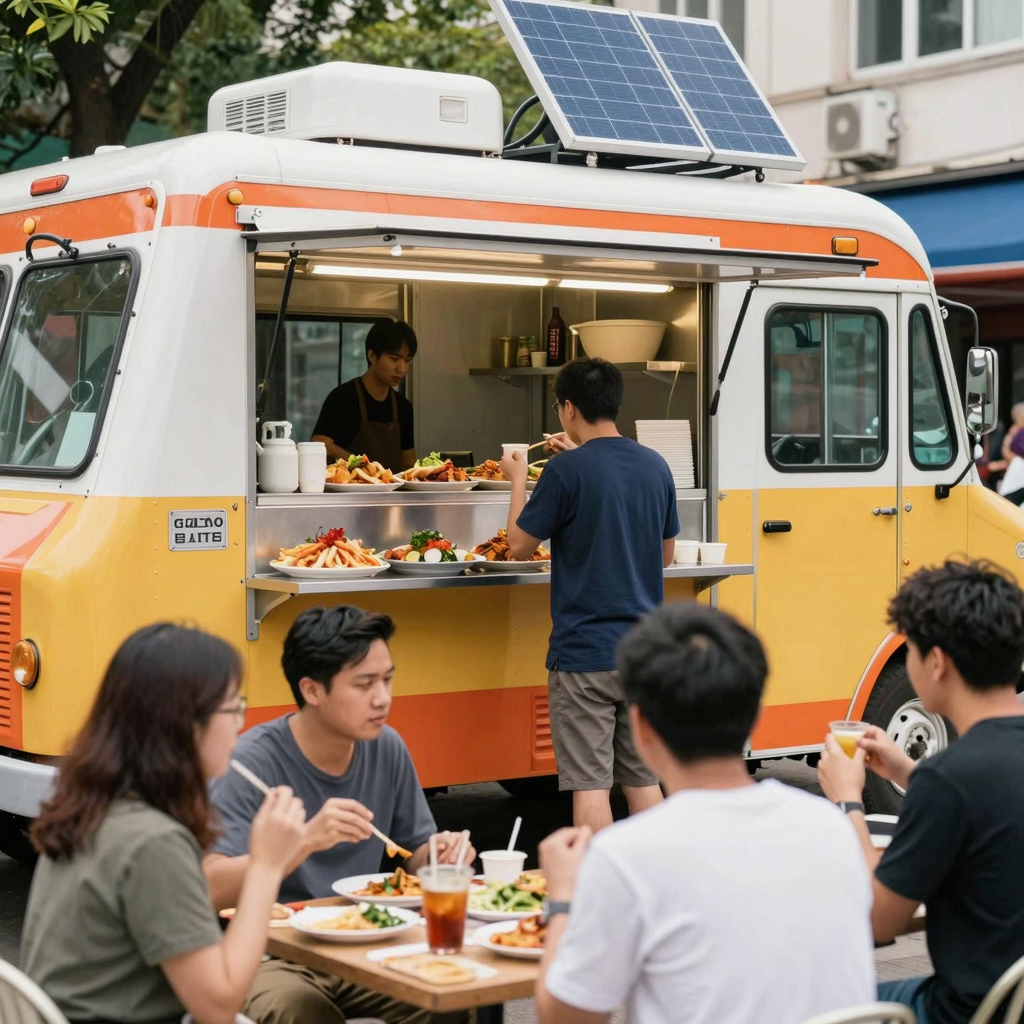
Food truck operators should also stay informed on the evolving technologies and power options available. For a deeper understanding of the local culinary scene and how to best utilize power systems in your food truck, explore our food truck gatherings in Lakewood and read about food truck innovations.
If you’re diving into this vibrant industry, remember that power management is key to not just survival but thriving in food truck business, enhancing the effectiveness of your community interactions and culinary creations.
Explore local food truck culture, from trends to challenges, and think critically about how best to power your culinary venture. It could be your secret ingredient to success!
FAQ Section on Power Requirements for Food Trucks
Understanding the power needs for your food truck can be a bit overwhelming, but don’t worry! Here are some common questions answered to help you on your culinary adventure.
-
How much power do I need?
The amount of power required depends on your kitchen equipment. Typically, food trucks need between 3,000 to 7,000 watts to run essential appliances like refrigerators, fryers, and grills. For precise calculations, consider consulting resources like the Power Requirements for Food Trucks guide. -
Can I run my food truck off a battery?
Yes, but it’s important to note that battery systems usually provide limited power. If you’re planning to operate using batteries, look into solar options for supplemental charging or invest in a high-capacity battery bank to ensure your operations run smoothly. -
What permits are required in Lakewood?
In Lakewood, you will need several permits to operate legally, including health permits and a business license. For detailed information, check the City of Lakewood’s official guidelines.
Embarking on your food truck journey can be an exciting venture, so make sure you’re well-informed about your power needs!
Cost Comparison Chart of Generators vs. Shore Power for Food Trucks

Conclusion and Call to Action
Understanding the power needs of your food truck is crucial for ensuring smooth operations and maintaining a delightful experience for your customers. As we discussed, food trucks require a reliable power source to run essential equipment such as refrigerators, grills, and ovens. Without proper planning, you might face operational disruptions that can affect your service and, ultimately, your bottom line. To prevent these issues, aspiring food truck operators should conduct thorough research and consider all power options available-be it generators or solar setups-to find the best fit for their business model. For detailed insights, check out this guide on Food Truck Electrical Requirements.
As you embark on your food truck journey, why not engage with our wonderful local community? Lakewood hosts various events that celebrate food culture, offering prime opportunities for food vendors. You can learn more about upcoming events and how to get involved by visiting the City of Lakewood’s event vendor page. Let’s support each other and make Lakewood’s food truck scene vibrant and dynamic!
Unlock Your Potential with Summit Fairings
Are you ready to elevate your food truck game or motorcycle journey? At Summit Fairings, we believe that premium, custom-fit fairings can transform your ride into something extraordinary. Whether you’re serving delicious street food or cruising down the highway, our high-quality products are designed to empower you.
Imagine driving your food truck with style and efficiency, or enjoying a smooth ride on your motorcycle, thanks to our perfectly tailored solutions. Don’t wait-embrace the journey today!
Visit Summit Fairings now to explore how custom-fit fairings can enhance your adventures and let your vehicle reflect your unique vision. Take action now and experience the transformation firsthand!