

Food Trucks and Apartment Living: What You Need to Know
Have you ever wondered if food trucks can just pull up to your apartment complex and start serving delicious meals? This question is increasingly relevant as the food truck scene continues to thrive, especially in vibrant communities like Lakewood. For aspiring food truck operators, understanding the regulations around parking at residential areas is essential for building a successful mobile dining venture. Meanwhile, tourists and locals alike benefit from the convenience and variety these trucks provide, turning any neighborhood into a culinary hotspot. Whether you’re dreaming of launching your own food truck or simply looking for your next favorite meal on wheels, it’s crucial to navigate the local laws and community sentiments effectively. In this article, we’ll explore everything you need to know about food trucks parking at apartments in Lakewood and beyond! Explore Lakewood’s food truck gatherings to find your new favorite eating spot!
Understanding Food Truck Regulations in Lakewood’s Residential Areas
If you’re an aspiring food truck operator dreaming of serving delicious meals directly to residents in Lakewood, it’s essential to understand the local regulations governing food trucks in residential areas, particularly apartments.
Licensing Requirements
In Lakewood, any food truck wanting to operate must adhere to specific licensing protocols defined by the township. According to the Township of Lakewood’s regulations, all mobile food vendors are required to obtain appropriate permits before operating. While the regulations do not explicitly prohibit food trucks in residential areas, they do imply stricter guidelines that require compliance with residential zoning and business standards.
Operating in Residential Areas
Here’s what aspiring food truck operators should consider if they’re eyeing apartment complexes as potential spots for their business:
- Permits Are Needed: Any food truck wishing to serve in these areas must have the required permits from the city. The application process ensures that local health and safety standards are met, protecting the community.
- Potential Restrictions: While there may not be a blanket ban on food trucks operating in residential neighborhoods, various restrictions can limit their presence. For instance, food trucks might only be allowed at certain times or must secure additional approval from local homeowner associations or apartment management.
- Community Benefit: Food trucks can enhance the community by bringing diverse culinary options right to residents’ doorsteps. However, operators need to ensure they maintain a good relationship with local residents and comply with any specific rules set by the management of apartment complexes.
Conclusion
If you’re considering starting a food truck in Lakewood, it’s crucial to do your homework on local regulations. The city has made efforts to streamline the approval process to make it easier for vendors to serve the public while ensuring community safety. For a more in-depth dive into local food truck events and opportunities, take a look at Lakewood’s food truck gatherings.
Visualize the Regulations
Curious about how these regulatory requirements look over time? Check out this chart:

Advantages of Food Trucks in Apartment Complexes
Food trucks have become a staple in modern urban living, bringing delectable meals and unique culinary experiences right to our doorsteps. Particularly in apartment complexes, food trucks offer numerous benefits that enhance residents’ lifestyles and foster community spirit. Here are some standout advantages:
Convenience
Having food trucks in or near apartment complexes means residents no longer need to travel far for a meal. After a long day, the last thing anyone wants is to navigate through traffic or wait in line at a busy restaurant. Food trucks typically offer a variety of cuisine options right outside their doors, allowing residents to enjoy gourmet food with minimal effort. This convenience is especially appealing to busy families and professionals who appreciate quick meal solutions without sacrificing quality or flavor.
Community Building
Food trucks serve as a gathering point, creating a vibrant community atmosphere within apartment complexes. They attract diverse groups of residents, leading to spontaneous interactions and socializing. When residents come together over food, it fosters friendships, encourages cultural exchange, and strengthens community ties. Events centered around food trucks can turn ordinary evenings into exciting social gatherings, making apartments feel more like a close-knit community.
Support for Local Businesses
Food trucks often focus on supporting local farmers and suppliers, adding an element of sustainability to their operation. By sourcing ingredients from nearby producers, they contribute to the local economy and promote farm-to-table initiatives. This local flair not only makes the food unique but also helps residents feel more connected to their community.
Flexibility and Variety
The beauty of food trucks lies in their flexibility. If one food truck isn’t quite fitting the bill, another can easily set up in its place, keeping options fresh and exciting for residents. Different trucks can rotate through the apartment complex, bringing an ever-changing menu and allowing residents to explore various cuisines without leaving their neighborhood. This variety adds a sense of adventure and keeps culinary options vibrant.
Healthier Dining Choices
Many food trucks focus on health-conscious choices, offering fresh, organic, and gourmet items that can be a healthier alternative to traditional fast food. This culinary diversity allows residents to make better food choices right outside their homes. Some food trucks also cater to specific dietary needs, ensuring that everyone can find something delicious to enjoy.
In conclusion, having food trucks in apartment complexes is a win-win for residents and operators alike. They not only provide immediate convenience and tasty meals but also enhance community cohesion and support local economies. For those interested in diving deeper into the food truck phenomenon, check out the latest updates on food truck rallies planned in Lakewood to see what culinary adventures await!
Moreover, if you’re considering your entry into the food truck business and want to learn about the models that are perfect for startups, refer to our comprehensive guide on the best food truck models for Lakewood entrepreneurs.
Top 5 Most Popular Food Truck Types in Urban Areas
If you’re considering joining the food truck scene, it’s important to know what types of cuisine are thriving in urban settings. Here’s a list of the top five food truck types that have captured the hearts (and stomachs) of city dwellers:
- Tacos and Mexican Street Food: Always a favorite, food trucks serving tacos, burritos, and other Mexican delicacies are popular for their flavorful and portable options.
- Gourmet Burgers: Elevated burger concepts that feature high-quality ingredients and unique toppings attract a wide range of customers.
- Coffee and Dessert Trucks: Offering everything from artisanal coffee to gourmet donuts, these trucks cater to both early risers and afternoon snackers.
- Asian Cuisine: Food trucks specializing in Asian dishes, like ramen and sushi, have found a loyal fanbase in urban areas for their bold flavors and quick service.
- Healthy and Vegan Options: With a growing demand for health-conscious dining, trucks that provide fresh, organic, or plant-based meals are becoming increasingly popular.
These food truck types not only serve delicious food but also provide great networking opportunities in urban environments. If you’re curious about food truck rallies, you might want to check out what Lakewood has in store for 2026!
Ready to dive deeper into the world of food trucks? Learn more about choosing your first food truck and start your culinary adventure!
Challenges Food Truck Operators Face in Residential Areas
Food truck operators often dream about vibrant neighborhoods filled with hungry customers, but parking and serving in residential areas can present significant hurdles. Here are some key challenges they encounter:
-
Zoning Regulations: Many cities impose strict zoning laws that limit where food trucks can operate, particularly in residential neighborhoods. A significant study indicated that 78% of cities have specific regulations that restrict food truck parking in these areas, often requiring them to maintain a distance from homes and schools, making access difficult for families seeking convenient dining options.
-
Parking Restrictions: When looking for a place to park, food truck operators frequently run into designated parking spots that are either unavailable or time-limited. Issues arise when residential streets prohibit overnight parking or limit food truck operation times, forcing vendors to pack up early or find alternate locations far from their target customers.
-
Traffic and Noise Concerns: Residents might express concerns about traffic congestion and noise related to food trucks. As one report highlights, neighbors often complain about blocked driveways, late-night operation, and litter accumulation, leading to stricter local regulations that may push food trucks out of residential zones altogether.
-
Community Relations: Building good relationships with the local community is essential yet challenging. While many residents may appreciate the culinary diversity food trucks offer, some may feel overwhelmed by their presence and demand a quieter neighborhood without street food vending. Vendors must frequently engage with residents to address concerns and find common ground.
The combination of these factors can lead to frustrating outcomes for food truck operators, making it challenging to serve a community that could really benefit from their offerings. Understanding these challenges can help aspiring food truck owners navigate the complexities of operating within residential areas.
To explore more about food truck operations and community engagement, check out the best food truck rallies in Lakewood!
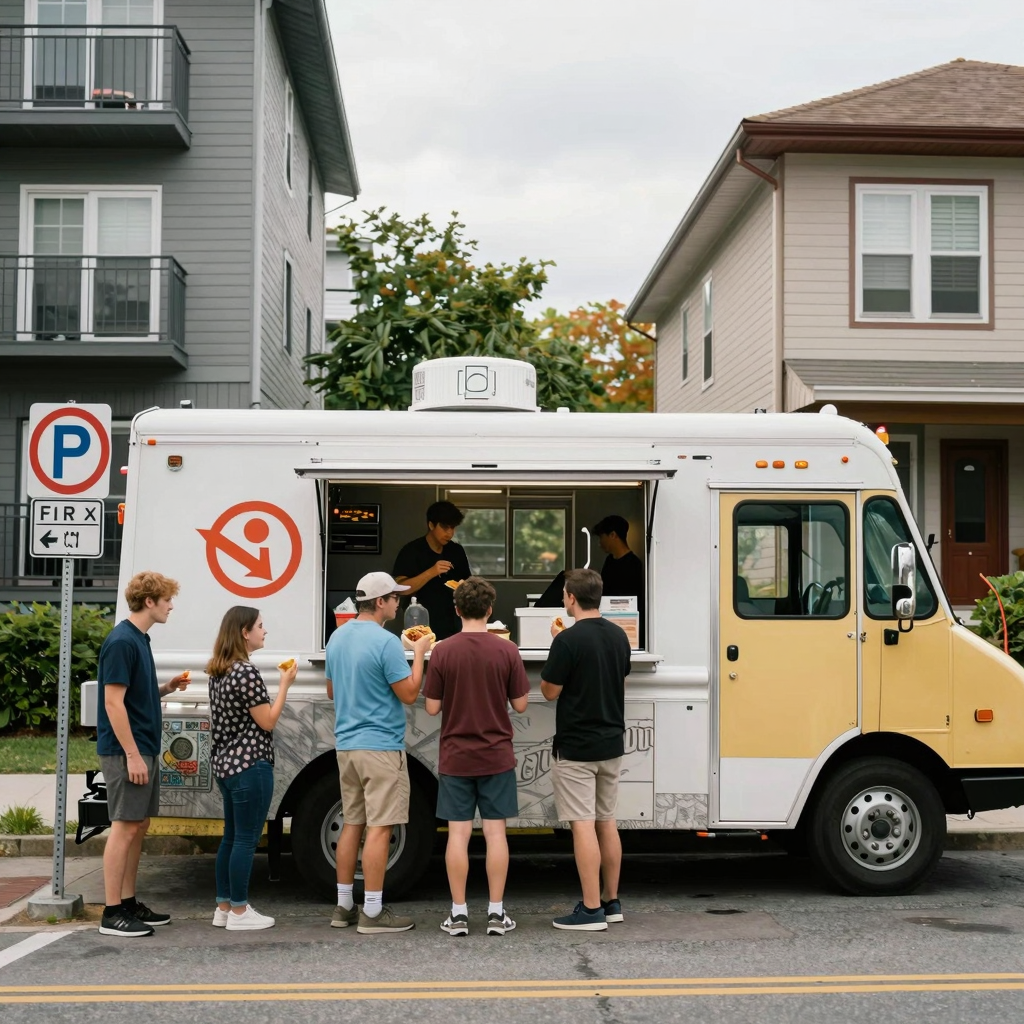
Food Truck Regulations by City
As aspiring food truck operators consider their options, understanding local regulations is vital for planning successful operations. Many cities have specific rules regarding food truck activities, especially when it comes to parking in areas like apartment complexes. Here’s a comparison of food truck regulations across several major U.S. cities, particularly focused on their stance towards parking in residential areas:
| City | Food Truck Parking Regulations | Relevant Authority | Source |
|---|---|---|---|
| New York City, NY | Food trucks are not permitted to park or operate in residential apartment complexes or private parking areas. They must operate in designated public zones or commercial districts. | NYC Department of Consumer and Worker Protection (DCWP) | NYC Department of Consumer |
| Los Angeles, CA | Food trucks may not park or operate within residential zones or private property such as apartment complex parking lots without explicit permission from the property owner. Permits are required for operation in public spaces. | Los Angeles Department of Transportation (LADOT) | LADOT |
| Chicago, IL | Food trucks are prohibited from parking or operating in residential parking areas, including those within apartment complexes. Operations require a permit and must occur in designated zones. | City of Chicago Department of Business Affairs and Licensing | Chicago Business Affairs |
| Houston, TX | Food trucks may not park or operate in residential parking areas unless authorized by the property owner. The city requires a mobile food vendor permit and enforces strict zoning rules. | Houston Health Department – Mobile Food Vendor Program | Houston Health Dept. |
| Seattle, WA | Food trucks are restricted from parking or operating in residential zones or private parking areas like apartment lots. They must operate in approved public or commercial zones with proper permits. | Seattle Department of Finance and Administrative Services | Seattle Finance |
Note: As of 2026, no major U.S. city allows unrestricted food truck parking in residential apartment complexes. All cities require permits and prohibit operations in private or residential parking areas without authorization.
Whether you’re looking to cater events or serve neighborhoods, being aware of these regulations will help you navigate the food truck landscape more effectively. For more insights on starting your food truck journey, check out your first steps here!
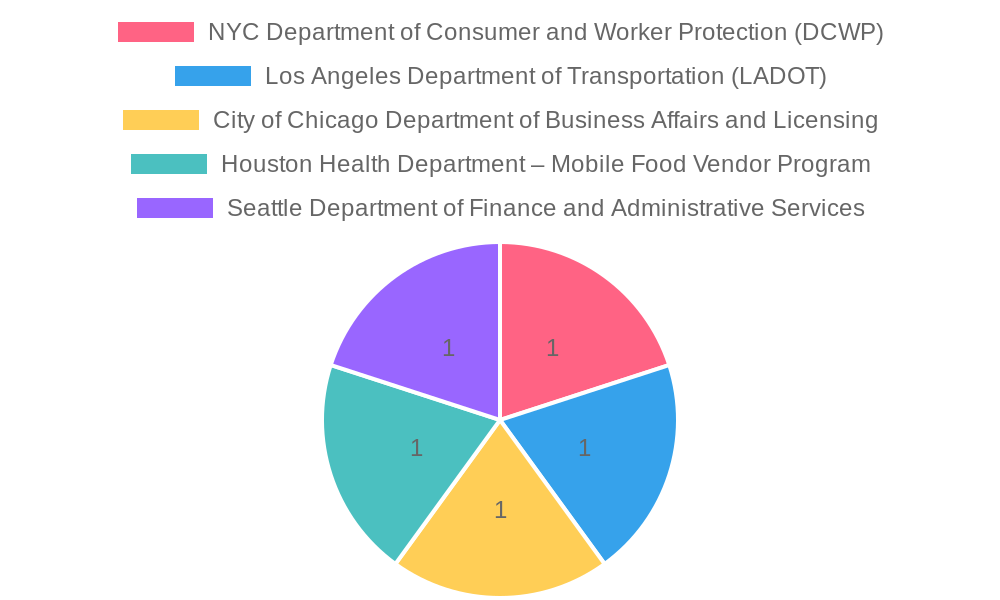
In summary, it’s crucial to coordinate with local authorities to better understand the nuances in regulations across different cities. This can help you strategize your business model effectively and ensure compliance as you plan your food truck operations!
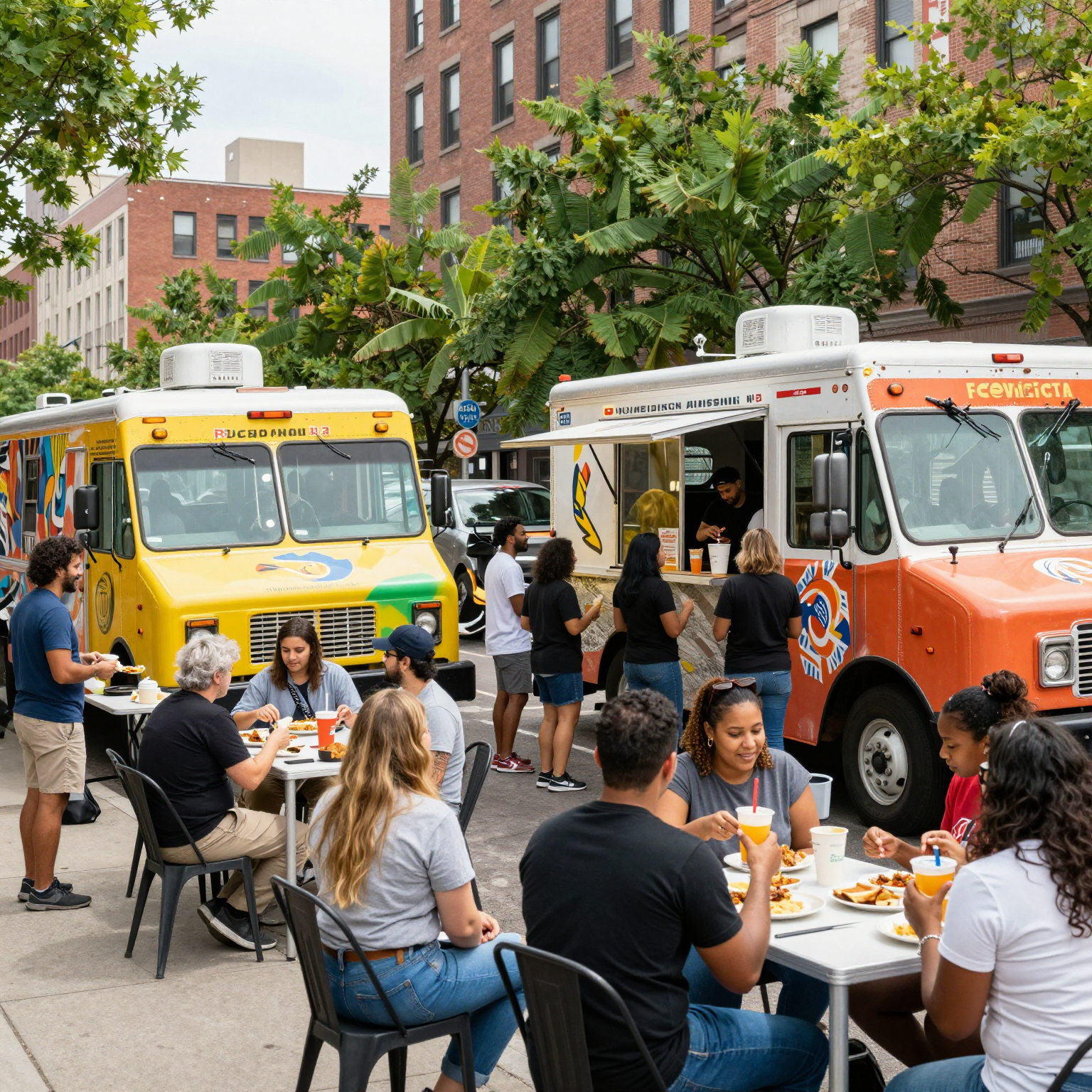
Community Events Featuring Food Trucks: A Recipe for Local Connection
Participating in community events is a fantastic way for food truck operators to forge deeper connections within their neighborhoods while showcasing their culinary talents. Food trucks are essential at these gatherings, providing delicious, affordable meals that attract diverse crowds. Here’s why involvement in such events is beneficial for food truck operators and the community at large.
Benefits for Food Truck Operators
- Increased Exposure: Community events expose food trucks to new customers who may not have discovered their offerings otherwise. It’s a great way to market their food and create a loyal customer base.
- Networking Opportunities: Events allow food truck operators to meet other local businesses and vendors, leading to potential collaborations that can enhance their marketing reach.
- Community Support: Participating in local events solidifies their reputation as community-focused businesses that care about local engagement and support. This fosters goodwill and encourages repeat business.
Benefits for the Community
Community events featuring food trucks serve as social catalyzers, bringing people together over shared meals and experiences. Many residents look forward to these events, as they foster cultural exchange and inclusivity. Reports show that food truck gatherings during festivals increase attendance and create vibrant atmospheres that help strengthen neighborhood bonds. For instance, a recent study revealed that events featuring food trucks saw 90% of venues reporting a 20%-35% increase in visitor foot traffic during events, underscoring the positive impact on local engagement and economic vitality (Urban Institute – Center for Local Economic Development).
Moreover, food truck operators, often local residents or small business owners, contribute significantly to the identity and flavor of their communities. Their participation not only enhances event experiences but also enriches local economies. In fact, over 1,200 food truck events were recorded in the U.S. in a recent year, collectively generating significant revenue and providing jobs, particularly for local youth (National Food Truck Association 2026 Industry Report).
In conclusion, community events featuring food trucks are not just about food; they are a crucial element of local culture and economy, bringing people together and fostering connections. Aspiring food truck operators should embrace these opportunities to participate in local gatherings, as they are likely to find joy not just in serving food but in building community links that last well beyond the event’s end.
Bringing Community and Accessibility to Food Trucks
“Our trucks aren’t just about serving food-they’re about bringing people together. We park in neighborhoods that might not have easy access to fresh, affordable meals, and that’s where our purpose lies. When I see a family from a low-income area enjoying a hot meal we’ve prepared with care, I know we’re doing something meaningful. Accessibility isn’t just about location; it’s about making sure everyone feels welcome at our counter.”
- Maria Chen, Food Truck Owner
This insightful quote from Maria Chen beautifully captures the essence of what food trucks can offer to diverse communities. As they roll into neighborhoods, food trucks have the power to transform not just the local culinary landscape but also foster a sense of belonging and inclusivity.
Community-Focused Operations
Food trucks often choose their locations based on the needs of the community rather than just high-foot-traffic areas. By making fresh meals available in neighborhoods with limited access to grocery stores, they play a pivotal role in enhancing food accessibility.
You can learn more about food truck community impacts and discover how local vendors are making a difference in Lakewood.
As we’ve explored, food trucks have the unique ability to transform their operations by pulling up to residential areas, offering convenience, diversity, and the chance to bring communities together. This flexibility not only provides residents with fresh and exciting dining options but also stimulates local economies by creating new job opportunities and supporting local suppliers. Additionally, food trucks can adapt their offerings to cater to specific community needs, providing affordable meal options in areas lacking conventional restaurants. Understanding these benefits can inspire aspiring food truck operators to take the plunge and start their journey in this vibrant industry.
For those ready to jump into the world of food trucks, consider elevating your mobile venture with Summit Fairings’ premium products. Their custom-designed fairings and body kits are crafted to enhance both the aesthetic and functionality of your food truck. With durable, weather-resistant materials and a variety of styles to choose from, you can create a standout vehicle that reflects your brand’s unique identity. Ready to get started? Learn more about Summit Fairings here and take the first step toward your exciting food truck journey!