
Introduction to Running a Food Truck with a Partner
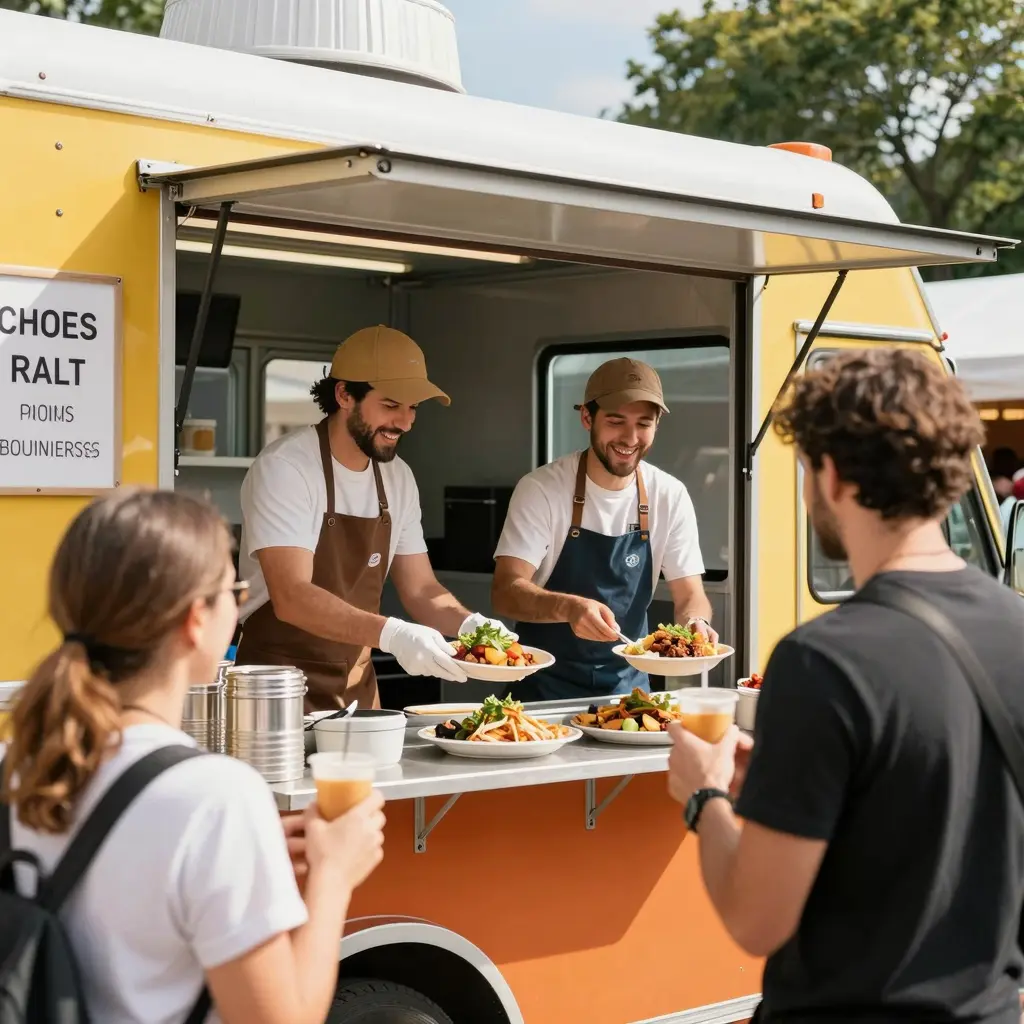
Running a food truck can be one of the most exhilarating adventures you embark upon, especially when you choose to do it with a partner! Just picture it: the two of you, side by side, serving delicious bites to hungry customers during the sunny festivals of Lakewood. The partnership in the food truck business not only lightens the load but also brings a unique blend of skills to the table. Whether it’s perfecting the recipe or managing the finances, having a fellow food enthusiast by your side can be incredibly rewarding.
Collaboration opens doors to creative ideas and shared responsibilities, which allows you to focus on building your brand and cooking up mouthwatering dishes. Imagine the laughter, the challenges, and the countless sweet success stories you’ll create together! If you’re an aspiring food truck operator or a tourist curious about the local eats, understanding how two people can run a food truck successfully is a stepping stone to embracing the fantastic culinary adventures awaiting you. So, let’s dig deeper into the world of food trucks and discover the magic of a partnership that sizzles!
Pros and Cons of Running a Food Truck as a Team
Operating a food truck with a partner can be an incredible journey filled with shared experiences and challenges. Here’s a breakdown of the advantages and disadvantages to help you weigh your options!
Advantages
- Shared Responsibilities: Having a partner means you can split the workload. One can focus on cooking while the other manages the register or customer service, making operations smoother.
- Stress Management: Dealing with the hustle and bustle of food truck life can be stressful. With a teammate, you can share the pressures, making each shift feel a little less overwhelming.
- Diverse Skill Sets: Different backgrounds can bring unique skills to the table. For instance, if one of you is a great cook while the other excels in marketing, you can cover more bases effectively.
- Support System: Running a food truck can be a rollercoaster of emotions. Having someone to celebrate wins with and guide you through tough times can make the journey more enjoyable.
Disadvantages
- Potential for Conflict: Disagreements over decisions, such as menu changes or pricing, can arise. If not managed properly, these conflicts can lead to strained relationships.
- Profit Sharing: While you share the workload, you also share the profits. This means each partner’s earnings are reduced compared to running the truck alone.
- Varying Commitment Levels: If one partner is more invested than the other, it could create resentment and a lack of balance in effort.
- Communication Issues: Miscommunication can occur, especially during busy hours. If roles aren’t clearly defined, it may lead to mistakes or inefficiencies.
Running a food truck as a team can be rewarding, but it’s essential to discuss these pros and cons upfront. Clear communication and defined roles can help mitigate disadvantages while enhancing the advantages. If you’re interested in community gatherings that showcase food trucks, check out this page on Lakewood’s food truck gatherings! Remember, teamwork is key to success in such a fast-paced environment!
“When we started this journey, it was just a dream between the two of us. We didn’t know the challenges we would face, but we knew we had community support and each other. Our food truck isn’t just about serving delicious food; it’s about bringing people together and sharing our story with everyone who visits us.”
- Miriam and Nael, owners of a popular cultural food truck.
This quote encapsulates the essence of running a food truck as a partnership. The aspiration, community engagement, and personal growth they experienced serve as an inspiration for others looking to embark on a similar journey.
For more food truck stories that resonate with entrepreneurs, check out our food truck success stories section where you’ll find more about local food truck journeys!
Comparing Food Truck Partnership Roles
Running a food truck can be a rewarding venture, especially when two passionate individuals come together to manage it. Here’s a comparison of key partnership roles that are essential for a successful food truck business:
| Role | Duties and Responsibilities |
|---|---|
| Chef | – Create and develop the menu – Maintain food quality and safety standards – Handle food preparation and cooking – Manage inventory for ingredients – Train kitchen staff on food handling |
| Manager | – Oversee daily operations – Manage finances and budgets – Handle permits and regulations – Ensure excellent customer service – Coordinate staff scheduling |
| Marketing | – Develop advertising strategies – Manage social media accounts – Create promotional events – Build partnerships with local businesses – Engage with customers to gather feedback |
| Operations | – Ensure the food truck is properly maintained – Handle logistics such as location planning and supply ordering – Manage equipment and technology needs – Monitor food safety and sanitation protocols |
Conclusion
Working together allows for a division of labor that can make running a food truck more efficient and enjoyable. Each partner can focus on their strengths while ensuring all necessary roles are covered.
For more insights into successful food truck operations, check out Lakewood’s Food Truck Success Stories and essential tips for choosing your first food truck.
Essential Skills for a Successful Food Truck Partnership
Running a food truck can be an exciting venture, especially when it’s a partnership! But to make your dream a reality, both partners should bring essential skills to the table. Here are some key abilities that will ensure your food truck operates smoothly and thrives:
1. Culinary Skills
While it might seem obvious, strong cooking skills are crucial! Both partners should have a good understanding of food preparation, taste, and presentation. This is not just about making delicious meals; it’s about creating a menu that stands out. If one partner excels in cooking, the other could focus on recipe development or portion control to enhance the business.
2. Business Management
Having a solid grasp of business management is vital. This includes budgeting, inventory management, and understanding local regulations regarding food service. Each partner should participate in delegating tasks such as finances or vendor relationships. Knowing how to manage your truck’s operations efficiently can help you focus on what really matters – serving awesome food! You can learn more about the operational aspects of running a food truck.
3. Communication
Good communication is the backbone of any relationship, especially in a partnership. Be it through resolving conflicts or discussing daily operations, both partners need to communicate openly. Regular check-ins and honest discussions about what works and what needs improvement can help you stay on the same page.
4. Marketing Knowledge
In today’s digital age, understanding marketing is essential for attracting customers. Both partners should be familiar with social media platforms and know how to engage with the community. Building a brand and promoting your food truck is crucial for growth.
5. Customer Service Skills
At the end of the day, it’s all about your customers! Each partner must prioritize great customer service since happy customers lead to repeat business. Develop a friendly rapport with your customers, listen to their feedback, and adapt your menu accordingly.
6. Adaptability
The food truck scene can be unpredictable. Weather, foot traffic, and customer preferences can change rapidly. Both partners should possess the ability to adapt and pivot when necessary. Flexibility in cooking, menu offerings, and event participation can make a significant difference in success.
In summary, a successful food truck partnership hinges on having a mix of culinary, business, and interpersonal skills. By embracing these skills together, partners can navigate the challenges of the food truck industry while creating an enjoyable, community-driven experience. For more ideas on how to connect with local food communities, check out our Lakewood food truck gatherings.
Food Truck Partnerships: A Viable Model
Success Rates
Partnerships in the food truck industry often play a crucial role in the overall success of the business. According to reports from food industry experts, food truck success rates can be significantly enhanced through collaboration with local vendors and businesses. These partnerships can aid in reaching new customer demographics and establishing a loyal customer base. Success rates vary, but food trucks that engage in effective partnerships report a 30% increase in customer engagement and sales.
Common Challenges
While partnerships can provide substantial benefits, there are common challenges that aspiring food truck operators should be aware of:
- Regulatory Compliance: Food trucks must adhere to local health regulations, which can change based on partnership engagements (e.g., sharing space with restaurants).
- Competition: With more food trucks entering the scene, maintaining a unique selling point can be challenging.
- Seasonal Demand: Food truck sales can be unpredictable due to weather and local events, making it essential for partnerships to involve reliable events or locations.
Financial Insights
From a financial perspective, entering into partnerships can help mitigate some of the costs associated with running a food truck. For instance, sharing overhead costs with a partner or negotiating joint marketing efforts can lead to significant savings. Despite the high initial investment (averaging between $50,000 to $175,000), food trucks engaging in strong partnerships report better financial stability over time. Tracking expenses and investments becomes easier with a partner since responsibilities can be shared, helping to secure the future of the food truck business.
For those looking to navigate the food truck landscape, engaging in partnerships can be a strategic move. It helps bolster visibility in the marketplace and potentially leads to more profitable operations. To delve deeper into the potential of food trucks in Lakewood, learn more about the best food truck models for Lakewood startups and get tips on building customer loyalty.
This collaborative approach not only strengthens the food truck’s presence but also fosters a supportive community around local flavors and experiences.
Checklist for Aspiring Food Truck Partners
Starting a food truck is an exciting venture, especially when you have a partner by your side! Here’s a friendly and practical checklist to help you both get on the road to success:
-
Define Roles
Sit down together and openly discuss your strengths and interests. Decide who will handle which responsibilities, such as cooking, management, marketing, and finances. Defining your roles early on can help avoid confusion later! -
Budget Your Startup Costs
Create a preliminary budget that includes costs for the food truck, kitchen equipment, permits, supplies, and marketing. Don’t forget to factor in potential operating costs for the first few months. Tools like the Webstaurant Store guide can offer insights on typical expenses. -
Scout Locations
Visit various neighborhoods, parks, and events to find the best spots for parking your food truck. Consider foot traffic and local regulations. You can also check out upcoming events in Lakewood to join the fun-learn more about food truck rallies here. -
Craft a Unique Menu
Collaborate on a menu that showcases your culinary skills while keeping it feasible. Experiment with dishes and consider seasonal ingredients to attract repeat customers. Perhaps even try limited-time dishes that highlight the seasons, as shown in Lakewood. -
Understand the Legal Requirements
Investigate local health regulations, permits, and licensing needed to operate your food truck legally. The CO Chamber guide can provide valuable information on necessary steps. -
Develop Marketing Strategies
How will you promote your food truck? Consider social media, local events, and word of mouth. Engaging with the community can create buzz around your truck. Remember, building customer loyalty can significantly affect your success-check out this article on loyalty. -
Test Run Your Operations
Before officially launching, set up a test run of your menu at a local event or pop-up. This helps you gather feedback, fine-tune your operations, and ensure everything runs smoothly. -
Launch with Flair
Plan a grand opening event to attract your first customers. Consider offering discounts or special promotions to make it memorable! -
Monitor and Adapt
After launching, keep track of what works and what doesn’t. Regularly seek customer feedback and stay adaptable to change your menu, location, or tactics as necessary. -
Have Fun Together!
Remember, the journey of running a food truck should be enjoyable. Celebrate your achievements, support each other, and share the joy of serving delicious food to your local community!
With this checklist, you and your partner can navigate the thrilling adventure of starting a food truck together!
Financing a Food Truck with a Partner
Starting a food truck with a partner can be both thrilling and daunting, especially when it comes to financing. Luckily, there are several options available to help you get your culinary dream on wheels. First, shared investments are a fantastic approach for partners; both parties can contribute funds based on their financial capabilities, creating a sense of ownership and responsibility. This can be as straightforward as pooling savings or as structured as drawing up formal investment agreements.
Loans are another viable option, particularly for entrepreneurs looking for a more substantial capital injection. Personal loans can be utilized to purchase a food truck or cover initial expenses. It’s essential to shop around for competitive interest rates and terms; check out resources like Investopedia for guidance on different types of financing and their implications.
Lastly, crowdfunding has surged in popularity, allowing you to gather small contributions from a large number of people, often through platforms like Kickstarter or GoFundMe. This not only helps you raise funds but also builds a community around your brand from the get-go. Keep in mind that successful crowdfunding campaigns often require a compelling story and a well-articulated vision of what your food truck will offer. With these financing options, aspiring food truck operators can partner effectively, manage costs, and achieve their culinary dreams in Lakewood!
In conclusion, successfully running a food truck is not just about the food you serve; it’s about the joy of teamwork and building a vibrant community around your passion. Whether it’s a couple navigating the ins and outs of their culinary business or two friends sharing a dream, the bond you create while working together is invaluable. Not only do you get to experience the thrill of serving delicious food, but you also bring people together, fostering connections and delightful experiences for everyone involved.
The stories of thriving food trucks, including couple-run businesses that grew into beloved community staples, show that with dedication and collaboration, dreams can indeed become reality. Whether it’s through friendly competition or supporting fellow vendors, the food truck scene allows for shared success and joy. As you embark on this culinary journey, remember that the beauty truly lies in the connections we make and the joy we bring to our customers.
If this sounds like your kind of adventure, why not explore more resources at Summit Fairings to help you along the way? So, gather your partner in crime, and get ready to create something special in the food truck world! You’ll not only feed your community but also create memories that last a lifetime.