
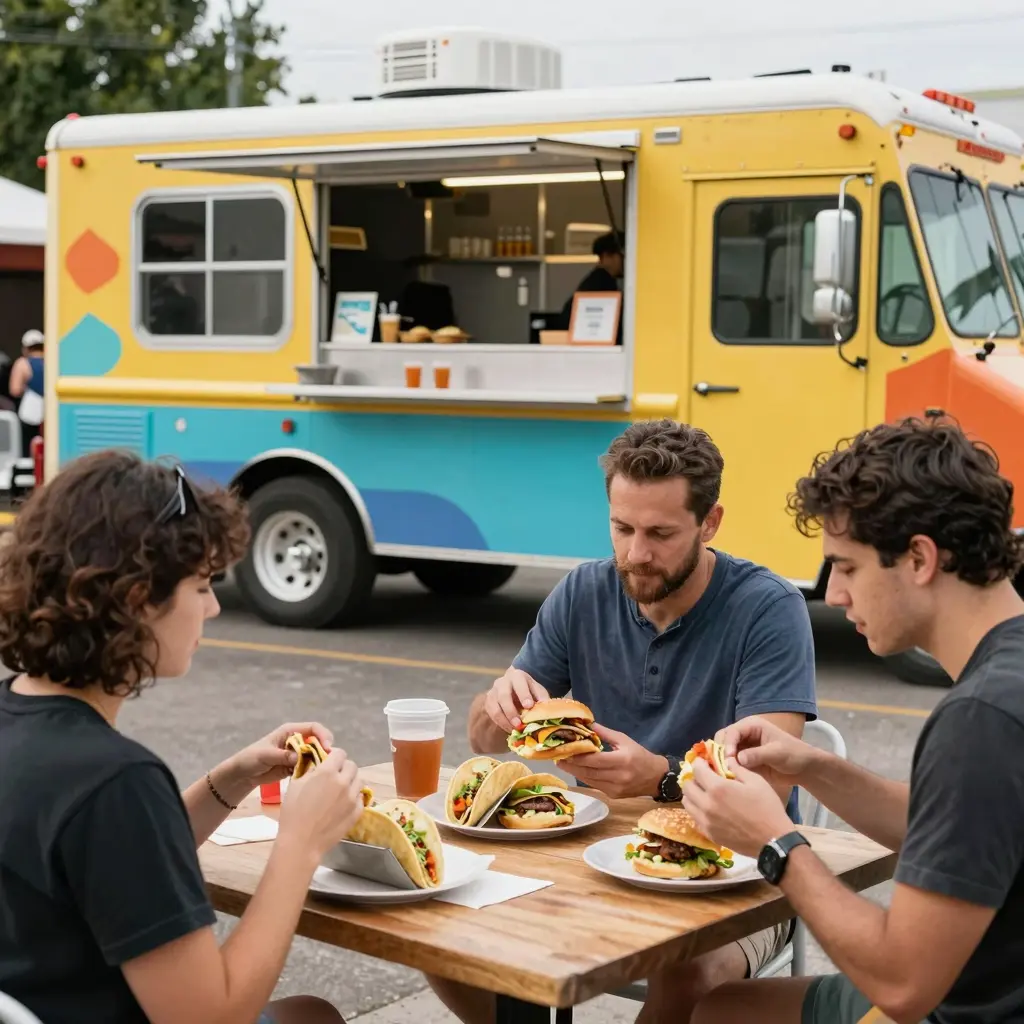
Starting a food truck venture is like setting off on a delicious adventure-you have the wind in your hair, the sun on your face, and dreams of serving your community the best street food possible! 🚚💨 Picture this: you’re flipping gourmet burgers or crafting mouth-watering tacos, attracting curious locals and tourists alike. But just like any great adventure, there are important steps to tackle before you can hit the open road. One of the first and most crucial pieces of the puzzle is obtaining a business license for a food truck. This is your ticket to legally serve your culinary creations to eager customers. Curious about how much a business license for a food truck actually costs? In this article, we’ll dive into the details of licensing, helping you navigate the early stages of your food truck dream. From the paperwork to the costs involved, let’s make sure you’re well-prepared to park your culinary mobile in the heart of Lakewood and serve up unforgettable flavors!
Understanding the Importance of a Business License
For anyone dreaming of starting a food truck, obtaining the necessary business licenses is one of the most crucial first steps. Many seasoned food truck owners agree on the significance of this aspect. As one successful food truck owner reflected,
“Having a business license isn’t just about legality-it’s a commitment to your craft and your customers. It gives you credibility and peace of mind, making it clear that you’re operating within the rules. This is essential in building trust with your community and customer base.”
Acquiring a business license not only helps you avoid potential fines and legal issues but also opens doors to opportunities. It signals to investors, partners, and customers that you are serious about your venture.
- Legal Protection: It ensures you are operating within the law, protecting you from penalties or shutdowns.
- Credibility: A license promotes trust and showcases your business professionalism.
- Market Access: Certain locations and events require a valid license to operate.
For aspiring food truck operators, obtaining the proper licenses can empower and support your entrepreneurial journey. To learn more about the essential licenses and permits, check out this guide on food truck licenses and permits.
If you’re interested in discovering how to navigate the food truck scene in Lakewood, don’t miss our insights on best food truck models for Lakewood startups.
Understanding Average Costs of Obtaining a Food Truck Business License
When diving into the world of food trucks, one of the first things you’ll need to tackle is the business license. The costs associated with obtaining a business license can vary widely depending on your location, specific requirements, and additional permits you may need. Let’s break down what you can expect.
License Fees
- State Fees: Food truck permit costs can range anywhere from $50 to $1,000 depending on your state. For instance, states like California and New York are known for their higher fees due to strict regulations, sometimes charging upwards of $1,500.
- Local Fees: In addition to state fees, local municipalities often impose their own charges. Cities like Los Angeles or Chicago have specific fees that might add several hundred dollars to your total cost. This could range from $100 to $800, based on the local council’s regulations.
Additional Costs
Getting your food truck on the road involves more than just the business license:
- Health Department Permits: Required across the board to ensure food safety, these could also run from $300 to over $1,000.
- Vehicle Inspections and Certifications: Budgeting for routine inspections is essential and can add $100 to a few hundred dollars more.
Budgeting Tips
As you embark on this journey, it’s crucial to budget carefully. Costs can add up quickly, and having a solid financial plan can help you avoid surprises. Remember to check with your local government and regulatory bodies to ensure you have accounted for all necessary expenses. Be sure to learn more about local food truck regulations to tailor your budget accordingly.
By understanding these costs upfront, you can better prepare for your adventure in the food truck industry and focus on what really matters-serving delicious food to your community!
| State | Average Cost | Notes |
|---|---|---|
| California | $1,000 – $2,500 | High demand, includes health permits |
| Texas | $300 to $500 | Costs may vary by city regulations |
| New York | $1,000+ | Requires several licenses; health certifications are additional |
| Florida | $200 to $500 | Variations based on specific local ordinances |
| Illinois | $200 – $600 | Local licenses may apply depending on city |
| Ohio | $100 to $300 | Fewer restrictions; costs may vary by county |
| Nevada | $500 – $1,000 | Additional fees for health permits |
| Colorado | $200 – $800 | Based on city and health department requirements |
| Pennsylvania | $250 to $500 | Varies by municipality; health inspections necessary |
| Georgia | $150 to $500 | Local permits required; costs may vary |
Requirements for Obtaining a Food Truck License
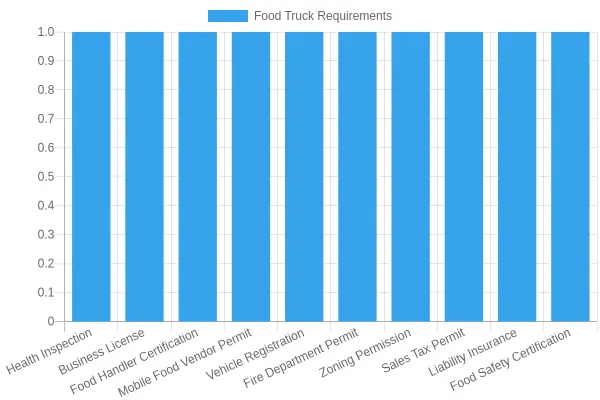
Obtaining a food truck license is a fundamental step for aspiring food truck operators. While the specific requirements can vary by state, there are several common regulations and permits you’ll need to consider:
- Health Inspection: Pass health inspections conducted by local health authorities to ensure food safety and hygiene.
- Business License: Obtain a business license, which is typically required for operating any business, including food trucks.
- Food Handler Certification: Complete training and obtain a food handler certification demonstrating knowledge of food safety practices.
- Mobile Food Vendor Permit: Secure a mobile food vendor permit or food truck permit as required by local legislation.
- Vehicle Registration: Ensure the food truck is properly registered and insured according to local laws.
- Fire Department Permit: Acquire any necessary permits related to fire safety, especially if cooking equipment poses risks.
- Zoning Permission: Confirm that the location chosen for the food truck is zoned for food service businesses.
- Sales Tax Permit: Acquire a sales tax permit if applicable in your state to legally collect taxes for food sold.
- Liability Insurance: Purchase liability insurance to protect against accidents or damages.
- Food Safety Certification: Obtain a food safety certification if required by state or local regulations specifying safe food practices.
Each state has its own unique requirements, so be sure to check local government websites for the most accurate and detailed information. For those new to the food truck scene, learn more about key regulations that may apply to you!
Together, these elements can help you navigate the process of securing your food truck license and starting your culinary adventure on wheels! For a closer look at popular food truck events, check out our guide on Lakewood’s best food truck rallies.
Navigating Food Truck Licensing in Lakewood, Colorado
Lakewood is a vibrant place, often bustling with food lovers eager to try diverse culinary options from food trucks. For aspiring food truck operators, understanding local regulations is crucial to successfully launching and running a food truck business. Here are some key considerations:
1. Business License
To operate a food truck, you’ll first need a general business license from the City of Lakewood. This license ensures your business is compliant with city regulations and is a prerequisite for further steps.
2. Mobile Food Vendor Permit
Beyond the business license, you must apply for a mobile food vendor permit. This process typically involves documenting your operational plan and meeting certain health and safety standards as dictated by local regulations. Your application may require you to demonstrate knowledge of safe food handling practices.
3. Health Department Inspections
All food service operations, including food trucks, are subject to inspections by the local health department, such as the Jefferson County Public Health Department. These inspections ensure compliance with sanitation and food safety standards. Your food truck must have a valid health permit demonstrating that it meets all necessary regulations regarding food storage, preparation, and hygiene.
4. Zoning Regulations
It’s essential to check local zoning laws to understand where you can operate your food truck. Certain areas may have restrictions-such as limitations on operating near traditional restaurants or residential neighborhoods. Familiarizing yourself with these regulations can save you time and trouble down the road.
5. Liability Insurance
Many cities require proof of liability insurance before issuing a food truck permit. This protects you and your customers in the event of an accident or foodborne illness claim. It’s advisable to consult an insurance agent familiar with food truck requirements in Colorado.
6. Vehicle Compliance
Your food truck must adhere to specific health and safety regulations, including those related to equipment used for cooking, food storage, and even the vehicle itself. Ensuring that your truck is compliant will not only keep you in line with regulations but also build trust with your customers.
For those planning to visit or operate in Lakewood, keeping abreast of local regulations is key to a successful food truck venture. It’s best to contact the City of Lakewood directly or visit their official website for the latest information regarding food truck permits and licensing.
If you’re keen on the food truck scene, be sure to check out Lakewood’s food truck gatherings for a taste of what makes this city unique.
In summary, while food truck licensing may seem daunting in Lakewood, understanding the basic requirements can help streamline your journey.
Starting a food truck business is an exciting journey full of culinary adventures, but aspiring operators often face several hurdles, especially when it comes to securing the necessary business licenses. Here are some common challenges you may encounter-and some encouragement for overcoming them.
Complex Paperwork
One of the foremost challenges in applying for a business license for a food truck is the complex paperwork that varies by city and state. Many aspiring food truck operators find themselves tangled in a web of forms, applications, and legal jargon that can feel overwhelming. It’s important to thoroughly research your specific state’s requirements and ensure all documentation is completed accurately.
Tip: To simplify the process, consider creating a checklist of all required documents. This can include proof of identity, a business plan, and health inspection records. If you’re unsure about any part of the application, don’t hesitate to reach out to local business support organizations or even your future customers for help!
Local Ordinances and Zoning Laws
Each locality can have its own unique rules and regulations regarding food trucks. Some cities may have strict zoning laws about where you can park and operate your truck. Additionally, certain areas may require you to obtain special permits or licenses, which can lead to further complications.
Tip: Familiarize yourself with local ordinances to avoid any surprises. Websites like lakewoodfoodtrucks.com can be a great resource for understanding local food truck regulations in Lakewood.
Health and Safety Regulations
Food safety is critical in the culinary world, especially with mobile food services. Complying with health regulations can be a daunting task. You’ll need to make sure your truck meets health codes, pass inspections, and possibly even attend food safety training.
Tip: Prepare ahead of time by taking a food safety course early in your planning phase. Familiarizing yourself with the guidelines can make the inspection process smoother.
Encouragement to Overcome Hurdles
While the path to obtaining your food truck business license may be bumpy, remember that every challenge is an opportunity for growth. Communities across the country are becoming increasingly supportive of food truck operators, and many municipalities are making strides to streamline the licensing process.
If you encounter setbacks, don’t be discouraged. Engage with local food truck associations or forums where you can connect with other aspiring entrepreneurs. Sharing experiences and solutions can provide not only advice but also valuable moral support.
Your passion for food and providing unique culinary experiences will shine through, so keep pushing forward! With determination and a willingness to navigate these challenges, you can successfully launch your dream food truck in Lakewood or beyond.
Keep an eye on local events and opportunities to network, such as food truck rallies in Lakewood-who knows, your food truck could soon be the star of the show!
Acquiring a business license is a pivotal step in your food truck journey. Not only does it ensure you’re operating legally, but it also builds trust with your customers and opens up new opportunities for growth. Think of your license as your ticket to ride-without it, the road ahead may be bumpy and full of hurdles. By taking this vital step, you’re not just following the law; you’re showing your commitment to quality and professionalism.
As you prepare to hit the streets with your food truck, remember that the right support can make all the difference. If you’re looking for resources or equipment to help your food truck business thrive, don’t hesitate to explore our offerings at Summit Fairings. Let’s get cruising towards culinary success together! Your flavorful journey awaits-now is the perfect time to take action!
Your Guide to a Food Truck Licensing Timeline
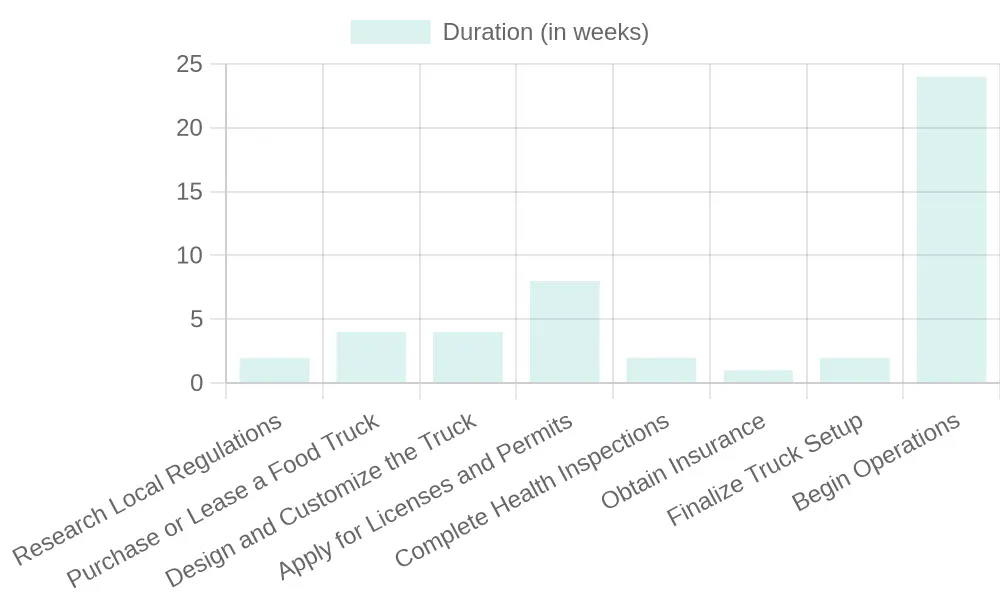
Starting a food truck can be an exciting and fulfilling journey, but being aware of the licensing timeline is crucial for any aspiring operator. Here’s a breakdown of the typical steps required to obtain a business license for a food truck, along with their estimated durations:
| Step | Duration |
|---|---|
| Research Local Regulations | 1-2 weeks |
| Purchase or Lease a Food Truck | 2-4 weeks |
| Design and Customize the Truck | 2-4 weeks |
| Apply for Licenses and Permits | 1-2 months |
| Complete Health Inspections | 1-2 weeks |
| Obtain Insurance | 1 week |
| Finalize Truck Setup | 1-2 weeks |
| Begin Operations | Total Timeline: 3-6 months |
Understanding these steps can help streamline your launch! As local regulations can vary, always consult your local authority for specifics. For more insights into the food truck scene, check out Lakewood’s food truck gatherings to see how vibrant our community is!