
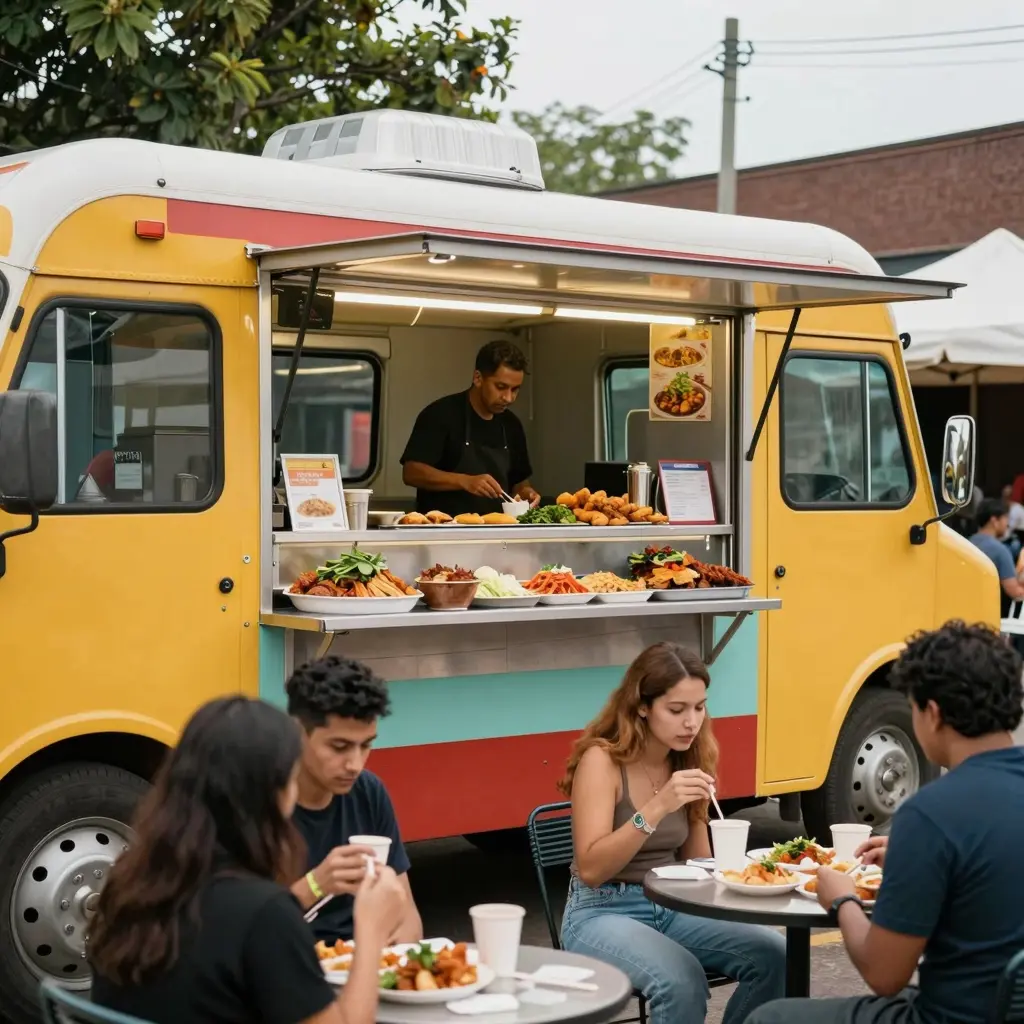
The Rise of Food Trucks: A Delicious Opportunity
In recent years, food trucks have blossomed from humble wheels serving late-night munchies into a thriving phenomenon, captivating communities and foodies alike. From gourmet tacos to artisanal ice cream, these mobile kitchens offer a diverse array of culinary delights, igniting our taste buds while bringing us together in local gatherings. This growing popularity presents an exciting opportunity for aspiring entrepreneurs: investing in a food truck can be both a fulfilling passion and a lucrative venture.
With the food truck industry projected to reach over $3 billion in revenue by 2024, the potential for profit is undeniable. What’s more, food trucks often have lower startup costs compared to traditional restaurants, allowing new business owners to enter the culinary scene without breaking the bank. Moreover, flexible operating hours and the ability to cater to various locations can create a loyal customer base, maximizing profit margins and brand visibility.
If you’re considering stepping into the world of food trucks, check out Lakewood’s best food truck rallies for inspiration and networking opportunities. There’s never been a better time to roll out your culinary dreams on four wheels!
Key Benefits of Investing in a Food Truck
Investing in a food truck can be a rewarding venture for aspiring culinary entrepreneurs. Below are some of the compelling benefits that come with this business model. Whether you are considering a truck to serve the vibrant streets of Lakewood or cater to bustling events, these factors can help you make your decision.
1. Lower Startup Costs
One of the most attractive aspects of starting a food truck business is the significantly lower startup costs compared to opening a traditional restaurant. Initial investments can range from $50,000 to $200,000 depending on the truck condition, equipment, and location. This makes it accessible for more individuals to enter the food industry without the burden of overwhelming financial commitments. Learn more about startup costs.
2. Mobility and Flexibility
Food trucks offer a unique advantage of mobility. Unlike brick-and-mortar restaurants that are fixed in one location, a food truck can be taken anywhere-from busy streets to festivals or farmers’ markets. This flexibility allows owners to serve diverse locations and find the best crowds to maximize their profits. Plus, you can easily adapt to customer demands by rotating your menu or location.
3. Opportunity to Experiment with Menus
A food truck allows you to test and serve a variety of dishes without the seasonal constraints of traditional restaurants. It serves as a culinary playground where you can experiment with new menu items based on customer preferences and seasonal ingredients. This can lead to more dynamic marketing opportunities, as changing your offerings can keep your clientele engaged and eager to try new items.
4. Community Engagement
Food trucks are often seen as local treasures, fostering community spirit. They can develop loyal followings and create a sense of camaraderie among locals. By participating in events, farmers’ markets, and food truck rallies, you find an excellent avenue to build relationships, brand loyalty, and community support. Discover the excitement of Lakewood’s upcoming food truck rallies.
5. Growing Popularity and Revenue Potential
The food truck industry has been experiencing a boom, with a reported revenue of around $2.7 billion as of 2023. This growth illustrates the rising demand for mobile food solutions and the potential to earn a significant income. With strategic planning and a strong marketing message, food truck owners can carve a rewarding niche in the casual dining market.
In conclusion, investing in a food truck presents an excellent opportunity laden with benefits, ensuring you earn while sharing your culinary creations. With lower costs, adaptability, and a strong community focus, it’s an appealing choice for many aspiring food entrepreneurs in Lakewood and beyond.
A Journey to Success: The Story of Dawon Matthews
Dawon Matthews’s journey into the food truck business is nothing short of inspiring. As an entrepreneur from Houston, he started with a dream and a vision to serve delicious soul food. Launching his food truck, Goodies Soul Kitchen, was not just about making food; it was about making a difference in his life and his community.
Overcoming Initial Challenges
When Dawon first entered the business, he faced significant challenges. Securing funding was difficult; he struggled to convince investors about the potential of his food truck, especially in a competitive market saturated with various cuisines. Moreover, he had limited experience in the culinary world, which added to his fears of failure. But he didn’t let these challenges deter him.
Turning Passion into Profit
Dawon’s passion for cooking and love for his family’s recipes became his driving force. He started small, offering his signature dishes at local events and farmers’ markets, which allowed him to engage with customers directly and refine his menu based on their feedback. By focusing on quality ingredients and authentic flavors, he quickly gained a following.
Growth and Recognition
Despite the initial hurdles, Dawon’s dedication paid off. Goodies Soul Kitchen began generating significant revenue, eventually exceeding $1 million. The turning point came when he participated in a popular food truck festival, where his dishes garnered rave reviews, leading to increased catering requests and larger events.
This success story not only emphasizes the importance of resilience but also shows how community support can elevate a small business. Dawon Matthews’s journey is an inspiration for aspiring food truck operators who may face similar challenges.
For many others looking to follow in his footsteps, you can find valuable resources in our overview of the best food truck models for startups and our tips on building customer loyalty in the food truck industry.
Whether it’s through testing new recipes or fine-tuning service strategies, Dawon’s story is a testament to the spirit of entrepreneurship and the vibrant community of food truck owners.

Investing in a food truck can be an exciting venture, especially in vibrant communities like Lakewood. However, before you hit the road with your culinary creations, comprehensive market research is essential. Understanding the market landscape is key to ensuring success and sustainability in this competitive field.
Understanding Your Target Demographics
Identifying your target demographics is the first and perhaps the most critical step in your market research. Demographics include factors such as age, income, lifestyle, and food preferences. For example, a recent survey indicated that around 60% of food truck customers are aged between 18 to 34 years old. This young audience is often looking for trendy food items that provide unique experiences rather than just traditional meals.
Knowing who your customers are will allow you to tailor your offerings to better meet their tastes and preferences:
- Age groups: Are your potential customers primarily students, professionals, or families?
- Cultural influences: Understanding local cultural demographics can help you adapt your menu accordingly.
- Purchasing power: Are your offerings affordable for your target customers, or do you need a high-end gourmet menu?
Investing time in identifying these factors can significantly increase your chances of success. Many food trucks have thrived by precisely understanding and catering to their local demographics by offering specialized menus that resonate with community preferences.
Popular Cuisines and Menu Trends
In parallel with understanding demographics, researching popular cuisines in the region is vital. As you contemplate your food truck menu, consider the top trends in food that are currently captivating customers. Fusion cuisines, health-conscious options, and street food-inspired menus are particularly popular among food truck enthusiasts. For instance:
- Fusion cuisine blends two different cooking styles, appealing to adventurous eaters.
- Health-conscious meals focus on fresh, organic ingredients, attracting health-focused customers.
- Street food-inspired selections tap into nostalgia while providing modern twists on classic dishes.
Local food trends and preferences can be explored through social media and community events. Engaging with locals and observing popular food truck gatherings, such as those in Lakewood, can provide direct insights into what works.
Conclusion
In conclusion, thorough market research is not just beneficial; it’s essential for food truck investment and long-term survival. By understanding both your target demographics and the prevailing cuisine trends, you can create a rewarding culinary experience that resonates with your community.
As you refine your concepts and menus, consider checking out Lakewood’s Food Truck Gatherings or explore the best food truck models for startups for more insights.
By investing in market research today, you pave the way for a successful food truck venture tomorrow!
Costs Comparison Table
| Cost Category | Food Truck | Traditional Restaurant |
|---|---|---|
| Equipment | $50,000 – $200,000 | $200,000 – $1 million |
| Licensing & Permits | $50 – $1,500 (varies by location) | $1,000 – $10,000 (including health, liquor, etc.) |
| Initial Inventory | $1,000 – $5,000 | $5,000 – $20,000 |
| Insurance | ~$2,500/year | ~$3,500/year |
| Marketing | $1,000 – $5,000 | $5,000 – $20,000 |
| Commercial Driver’s License | Required in some areas, costs vary | Not required |
Additional Notes:
- Food Truck Insurance: While food truck insurance typically costs around $2,500 per year, restaurant insurance can be more expensive due to higher liability risks.
- Permits: The food truck license fees can range significantly based on local regulations, and it’s important to check specific requirements in your region.
- Equipment Costs: Food trucks tend to be less expensive than restaurants because they usually require less overall square footage and fewer equipment types.
If you’re interested in learning more about events featuring food trucks, check out Lakewood’s food truck gatherings.
Common Mistakes to Avoid When Starting a Food Truck
Starting a food truck can be a delicious path to entrepreneurship but it’s not without its challenges. Here are some common pitfalls that aspiring food truck operators should avoid:
1. Neglecting Permits and Licenses
When starting a food truck, it’s essential to understand the local regulations, including required permits and licenses. Failing to adhere to these guidelines can lead to fines or even closure. Always check with your local health department, fire department, and city hall to ensure that you have the necessary documentation before launching your truck. For more information on the basic permits you might need, consider visiting local government websites.
2. Misjudging Food Costs
Understanding your food costs is crucial for pricing your menu appropriately and ensuring profitability. Many starters underestimate ingredient costs or fail to account for waste. Calculate your food costs accurately by considering all components, from purchase price to preparation. A solid grasp of these figures will help in setting menu prices that cover expenses while remaining attractive to customers.
3. Poor Location Choices
Location can make or break a food truck’s success. High foot traffic is crucial, but many new operators fail to scout and analyze potential locations thoroughly. Utilize local events and busy areas to maximize your visibility. Researching foot traffic data and competitor locations can significantly enhance your chances of attracting customers.
4. Underestimating Competition
Ignoring the competition is a mistake that can prove costly. Understand who your competitors are, what they offer, and how you can differentiate your food truck. Developing a unique selling proposition (USP) that sets you apart will allow you to carve out your niche in the market.
5. Inadequate Marketing Strategy
Finally, while word-of-mouth can be powerful, relying solely on it may not be sufficient. New food truck owners often underestimate the importance of having a marketing strategy in place. Utilize social media platforms and local community boards to announce your openings and special events. Engaging with customers online can create a loyal following and bring more traffic to your truck.
By being aware of these common mistakes and taking proactive measures, you can set yourself on a course for food truck success! For additional strategies on making your food truck stand out, learn more here.
Food Truck Growth Trends
As the food truck industry gains popularity, aspiring operators and community members alike are curious about its growth trajectory. Over the past five years, the food truck market has experienced significant expansion, which is indicative of a growing trend in mobile dining options. To illustrate this exciting trend, here’s a simple line chart depicting the growth in the food truck industry:

Hypothetical Data Summary
| Year | Growth (%) | Revenue (hypothetical) |
|---|---|---|
| 2019 | 5% | $1,000,000 |
| 2020 | 10% | $1,100,000 |
| 2021 | 15% | $1,265,000 |
| 2022 | 20% | $1,518,000 |
| 2023 | 25% | $1,898,000 |
These numbers reflect a steady increase in both growth percentage and revenue, showcasing the potential of investing in a food truck business. If you’re eager to jump into the food truck scene, consider looking at some available models and strategies that can help set you on the path to success!
Investing in a food truck can be a rewarding venture, not only for your taste buds but also for your entrepreneurial spirit. As industry expert Jennifer Schuler from Food Truck Nation puts it,
“The food truck business is an incredible opportunity because you can operate with lower overhead compared to traditional restaurants. With the right location and a killer menu, your food truck can become the star of the show!”
This quote captures the essence of why food trucks have become so popular among aspiring entrepreneurs. With the rise in consumer demand for unique and diverse food options, there’s ample room for success in this industry. To dive deeper into strategies for launching your food truck, be sure to explore more tips that can set you on the right track!
Conclusion: Embrace the Food Truck Revolution
As we’ve explored, investing in a food truck can be an exciting and lucrative venture. With low start-up costs, a flexible business model, and the ability to serve diverse culinary delights, it’s no wonder that the food truck industry is thriving. In recent years, the number of food trucks has grown significantly, reaching 40,000 in 2023, with an impressive revenue of $4.5 billion. This growth illustrates not just the popularity of food trucks, but the community’s vibrant demand for unique dining experiences.
This journey can embark you on thrilling adventures, allowing you to share your culinary passion and engage with food lovers from all walks of life. If you’re thinking about taking the plunge, now is the time to act!
Don’t forget to check out resources that could support your food truck aspirations, like choosing the best food truck models for Lakewood, which can be critical in determining your success in this field. Additionally, you can connect with fellow food entrepreneurs to glean valuable insights and experiences.
While you’re dreaming of your food truck, if you’re also an enthusiast for adventure and motorcycles, consider exploring unique products like the Summit Fairings for motorcycle enthusiasts. Whether you’re hitting the road with your food truck or gearing up for a bike adventure, the opportunities are endless!
So gather your ideas, follow your passion, and let the food truck revolution ignite your entrepreneurial spirit!