
Getting your food truck noticed in Lakewood might feel daunting, but putting it on Google Maps is a powerful first step! In a community where dining options thrive, being easily found is essential. This guide gently walks aspiring food truck operators and enthusiastic tourists through the straightforward processes of adding your food truck to Google Maps. We’ll explore crucial tools like the Google Business Profile, offer tips for manual location marking, delve into technical integrations, and share best practices that can elevate your visibility. Plus, we’ll highlight the benefits of making your truck’s presence known online. Let’s hit the road to success together!
From Street Cart to Spotlight: Mastering Google Business Profile to Put Your Food Truck on the Map
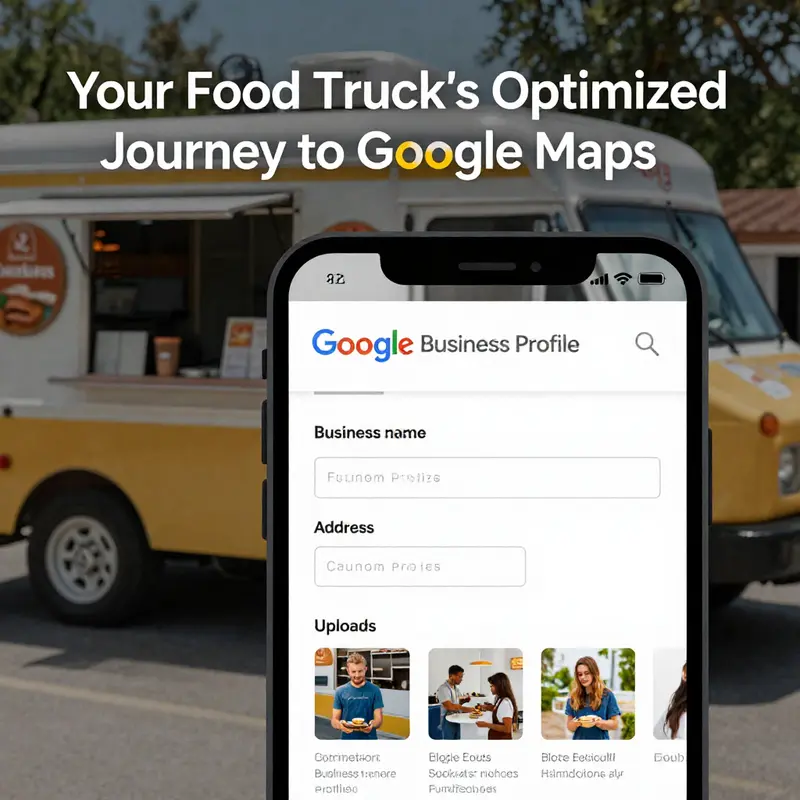
Discovered by locals and visitors alike, a food truck lives on the road and in the search results at the same time. The moment you need to be found, the digital map becomes your partner. Google Maps isn’t just a pin on a screen; it’s a dynamic itinerary where customers filter for “food near me” or “tacos near me” at noon. The way you present your truck on Google Maps matters as much as your menu. The path to visibility isn’t a one-and-done trick; it’s a living profile you nurture, especially because mobility is your business model. The tool you lean on is Google Business Profile, formerly Google My Business, a platform created to hold the essential facts about a mobile operation: who you are, where you roam, when you’re open, and what you serve. When you set it up correctly, your truck becomes a trusted option in a crowded street food scene, appearing in the right neighborhoods at the right times, with details customers can rely on. The goal is simple but powerful: be visible where people go to find quick, tasty options, and do it without anchoring you to a single storefront all day. Behind that goal is a philosophy of clarity and reliability that translates messy itineraries into predictable moments of bite-sized delight for hungry passersby.
Begin by building your profile not as a static announcement but as a living map of your daily movements. The process starts with creating or claiming your Google Business Profile at business.google.com. Use your official business name exactly as it appears on your truck, your permits, and across all profiles so there is no confusion when someone searches for you. Choose the most accurate category—“Food Truck” or “Mobile Food Vendor”—to keep your listing in the right searches. The critical twist for a moving business is not the address but the service area. This lets Google know you are mobile and that you serve customers at their location. Define the geographic areas you operate in, such as downtown districts, neighborhoods, or recurring event zones. Paint a realistic map of your reach, even if your routes shift week to week. When you’re asked, indicate that you are indeed a business that serves customers at their location, instead of implying a fixed storefront with permanent hours. As you fill in details, don’t neglect contact information, a phone number for curbside orders, and a website if you have one. Visuals matter almost more than words, so upload high-quality photos that show the truck’s exterior from the street, the interior workspace where orders get built, and a handful of signature menu items. Photos help people decide to chase your truck before they even step out of their cars, especially when they’re weighing several lunch options in a hurry.
One of the most powerful shifts for a mobile operator is embracing the service area as your anchor. You’re not hiding a location; you’re signaling reach and reliability. You can specify service areas that cover your core neighborhoods, business districts, and event clusters. You can also note on your profile whether you welcome customers to your mobile unit or whether you primarily bring the food to their event. This level of nuance matters when searchers look for “tacos near me” or “best burgers in [city],” because Google blends proximity with the fact that you travel. For the tech-minded, there are deeper tools that can map your fleet and keep menus in sync with real-world movements. The Google Business Profile APIs provide a path to real-time updates, especially if you run more than one vehicle or a rotating schedule. You can wire a menu update into your API calls, so that the search results reflect the day’s offerings as the truck moves. Consider a simple data model that stores each truck’s name, coordinates, status, and schedule in a GeoJSON format, then render it with dynamic markers—red when you’re open, green when you’re closed. This is not about replacing the map; it’s about enriching it with live, publishable data that makes your truck trustworthy at a glance. If you operate in a single town or city, you might still benefit from this approach by maintaining clear, consistent updates about where you’ll be and when.
Verification is the gatekeeper step that separates a listing from a legitimate, trusted one. Google typically sends a postcard to your service area, but it can also verify by phone or email depending on your profile and region. Once verified, the profile becomes a platform where you sustain attention rather than a one-off entry. The key to credibility is activity. Post updates that announce your next stop, a new menu item, or a special event. People appreciate seeing your schedule in the same place they found you. The posts feature is not a gimmick; it’s a simple, linear way to communicate changes as they happen. A consistent cadence—weekly highlights of where you’ll be and what’s cooking—builds a habit for return visits. Because you move, your reviews carry extra weight: they are social proof that you’re a dependable option across different neighborhoods and times of day. Encourage happy customers to leave feedback after a successful pickup or curbside order; this helps your ranking and makes future searchers feel confident about choosing you again.
Beyond the basics, a synchronized approach to listings across platforms helps a lot. You may already be scanning maps for reviews, but you will also benefit from keeping your information aligned with other search and map services. If iOS users rely on Apple Maps or a similar directory, making sure your name, service area, hours, and contact details align across these resources reduces confusion and keeps a consistent narrative about your route. A practical step is to publish an occasional “events” or “schedule” post that cross-promotes your presence at a street fair, a farmers market, or a private event. Consumers who are strict about timing will appreciate knowing where to find you two or three weeks ahead. And if your operations involve more than one vehicle, the API approach becomes more valuable, offering a single source of truth for multiple listings.
For operators balancing the logistics of planning, serving, and promoting, the GBP setup becomes a backbone. If you’re also weighing truck design options, you can explore best food truck models for Lakewood startups to weigh your options and how your vehicle will support a robust online presence. The design choices you make for your truck can influence not only efficiency on the street but also how easily you can present high-quality images and up-to-date menus online. The aim is to create a self-reinforcing loop: a well-constructed GBP profile pulls in local diners; clear service-area data increases relevance; consistent posts keep your audience engaged; and a well-maintained API-driven menu ensures accuracy as your route shifts.
Taken together, the steps to publish and maintain a mobile listing on Google Maps form a disciplined routine rather than a one-time setup. The process rewards clarity, speed, and consistency. When a hungry customer in a new neighborhood pulls up the map and types your cuisine, your listing should answer swiftly: where you are today, what you’re serving, and when you’ll be wandering toward the next block. This is how a food truck harnesses Google’s search and mapping authority to become part of the local food ecosystem, turning every location change into an opportunity rather than a missed connection. For a deeper dive into the technical side of keeping menus current and pushing updates through the Google Business Profile APIs, consult the official documentation: https://developers.google.com/business/updates-food-menus
Pinning Your Food Truck to the Map: A Practical Guide for Manually Adding Your Location in the Maps App
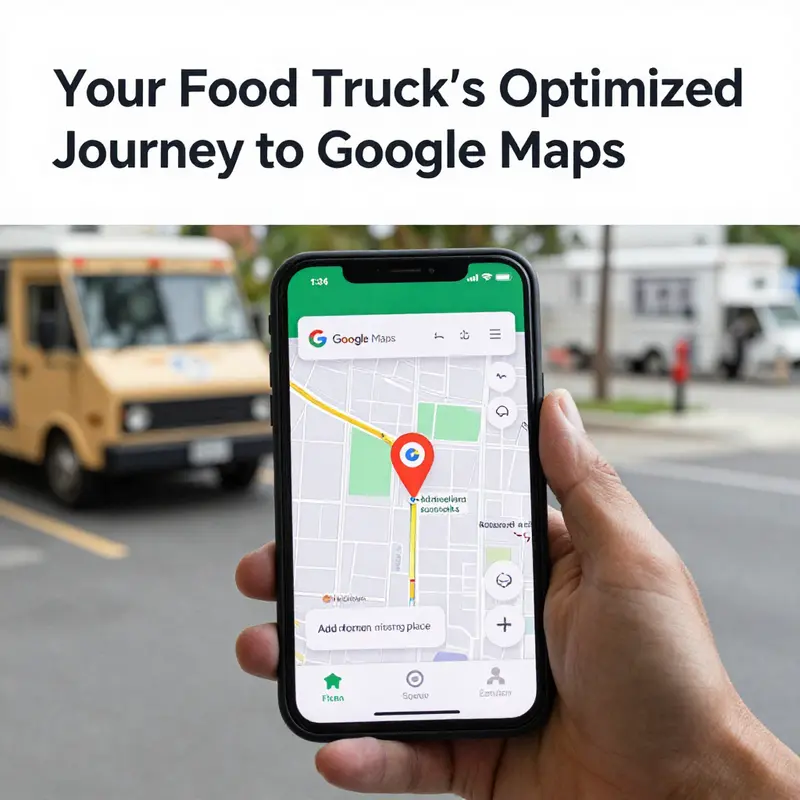
Visibility is a currency for food trucks. A well-placed pin on the map can turn a casual passerby into a customer and a regular stop into a ritual. When a business profile is already in place, the path to prominence is clear and well-lit. But there are moments when a truck captain might face a mobile reality that doesn’t fit neatly into a static storefront. The Maps app, in its practical genius, offers a manual route to put your truck on the map for hungry crowds who are actively searching for something delicious nearby. This chapter follows one such path, weaving practical steps with the understanding that a good pin is more than a point on a map—it’s a promise of flavor, reliability, and accessibility. The method described here is especially useful when your truck’s exact location shifts from day to day, or when you’re still building your business profile and want immediate visibility for a specific stop, market, or festival. The core idea is simple: locate your truck’s current or upcoming stop on the map, mark that spot with a missing place, and fill in enough detail to make the listing trustworthy and searchable. It’s a process that rewards precision, transparency, and timely updates, because in the world of mobile eateries, credibility comes from accuracy and consistency as much as from taste.\n\nThe first moment of action happens in the Maps app, the familiar blue compass guiding you toward the neighborhood you serve. You log in with the account you use to coordinate your truck’s itinerary, ensuring that you control the information that other customers see. Then you navigate to the exact location where your truck currently sits or where you expect to set up next. The long-press gesture becomes your best friend in this scenario. By pressing and holding on the precise spot on the map, you trigger a red pin to appear, a tangible marker that represents your operational reality in the physical world. When that pin materializes, you tap it and you gain access to a menu that invites you to “Add a missing place” or something similarly labeled, depending on the app’s current language. It’s the moment you translate a wandering operation into a fixed data point that others can rely on.\n\nThe form that follows is where your careful, practical approach pays off. You begin with the name—your truck’s official moniker, exactly as you want customers to search it. The address field is the critical anchor. For a mobile business, this is not a static street address but a precise location that your customers can physically reach. You might use a landmark, a known intersection, or a venue’s entrance where you frequently set up. The address should be as detailed as possible to reduce ambiguity; if you’re at a weekly farmers’ market or a recurring festival, consider listing the venue name along with a cross-street descriptor. The category—often preselected—should align with “Food truck” or its closest equivalent. You want to avoid generic labels that could pull in unrelated searches. The phone number and website are optional, but they’re worth including if you have a direct line for inquiries or a landing page with your schedule, menu, and location calendar. A missing place gains credibility when customers can reach out for updates, especially if a schedule changes due to weather, permit constraints, or other temporary factors.\n\nHours are more nuanced for a food truck than for a storefront. The form may offer a few standard fields for hours, but the practical approach is to document a predictable pattern when you can. If you rotate stops, note the regularity of each stop, such as “Downtown Market: Wednesdays 11:30 AM–2:00 PM; Saturday Street Fair: 5:00 PM–9:00 PM.” If your truck operates without a fixed schedule, you can still provide the general hours you are typically available in a given area, and then rely on the improved visibility that comes from adding photos and a clear schedule to your profile. The more precise your hours, the more helpful you become to hungry customers who are trying to plan a quick lunch or a weeknight dinner.\n\nPhotos are the visual language of a mobile business. Uploading clear, high-quality images of the truck’s exterior, a welcoming window, and a few menu items helps customers recognize you when you arrive and signals that this listing is active and legitimate. Exterior shots, especially ones that show distinctive signage, trapdoors, or branding, help create instant recognition. Interior shots—where the food is prepared or the kitchen layout visible—can also reassure curious patrons about cleanliness and professionalism. The more persuasive your photos, the more confidence customers have when deciding to head toward your location. It’s not just about aesthetics; it’s about reducing ambiguity. A strong photo set invites visits and reduces the friction that comes with uncertainty.\n\nAs you review the information before submission, a careful audit of accuracy becomes a ritual. Confirm that the name matches the truck’s brand, the location pin corresponds to where you’ll be, and the hours reflect your real operating times. If you’re at a mobile stop that changes weekly, you might consider creating a short, descriptive location note within the listing—though you’ll still need to provide a specific address or landmark that anchors the pin. In practice, this manual addition often invites a reminder of why many operators eventually pursue a full business profile. A profile becomes the hub of your presence, aggregating photos, hours, reviews, and even posts about upcoming events. Yet the manual approach remains essential when you need immediate visibility for a particular stop or when you want to validate a listing before committing to a full profile. It’s the difference between marking a moment for potential customers and letting that moment drift in the digital ether.\n\nThe submission process itself is reassuringly straightforward. Once you hit submit, your request is routed through Google’s review system. The review can take a few days, during which the listing sits in limbo as the platform checks for completeness, authenticity, and potential duplicates. It’s a period that tests patience but also underscores the seriousness of the platform’s attempt to maintain reliable, trustworthy maps. If the submission is well-detailed and unique—without obvious duplicates or confusing address data—it stands a better chance of being accepted. If it’s rejected, you’ll usually receive guidance on what to improve. In some cases, a missing place may be flagged if the location appears to have no fixed site or if it resembles a generic pinless location. The remedy lies in refining the data you provide: a more precise landmark, a clear schedule, and a stronger photo set.\n\nBeyond the immediate act of adding a location, there is a broader strategy to consider. Some operators have found value in pairing a manual pin with a broader, more formal listing later on. The transition from a temporarily added missing place to a fully claimed business profile can be smooth if you keep the information consistent and your schedule predictable. As you build out your presence, you may incorporate a public-facing event calendar, or use the platform’s scheduling features to announce pop-up appearances and special appearances. This creates a dynamic, customer-friendly narrative that travels with your truck as you roll from one neighborhood to the next, making locations as legible as possible. The approach championed here—short of creating a comprehensive profile right away—still yields measurable results when your map presence is properly maintained, and it also charts a path toward full digital maturity when the time is right.\n\nFor those who want a sense of what sustained visibility feels like in practice, consider the broader arc of a food truck’s journey. Trails of glowing reviews, a steady stream of photos from recent stops, and a predictable schedule all feed into a virtuous cycle of discovery. This is where an internal link to a narrative of a truck’s journey can offer a resonant example. See how a mobile eatery navigates shifting venues, builds a following, and translates curiosity into customers at each stop in RockDog Adventures: A Food Truck Journey. The real-world texture of such stories mirrors the careful, deliberate steps of manual listing: consistent presence, reliable information, and a little storytelling that invites patrons to participate in the truck’s continued path through the city. RockDog Adventures: A Food Truck Journey.\n\nAs you master this manual addition technique, you also sharpen your sense of why the maps ecosystem matters to a mobile business. You’re not merely dropping a pin; you are anchoring a potential customer’s route to your food, your hours, your menu, and your vibe. You are laying the groundwork for a more robust digital profile, which in time will support reviews, photos, and posts that keep your audience engaged between stops. The end result is a living listing that travels with your truck, not a static flag that appears and disappears with the day’s weather. The act of adding a missing place becomes more than a technical step; it becomes a practical ritual of transparency and accessibility, a handshake with the people you serve that says: I’m here, I’m reliable, and you can find me when hunger strikes.\n\nExternal resource: for the most up-to-date, practical guidance from the platform itself, consult the official help documentation on adding missing places and managing listings. This resource provides current steps, limitations, and considerations that complement the method described here: https://support.google.com/maps/answer/1002201?hl=en
Guiding a Mobile Kitchen: Deploying Google Maps Platform for a Fleet of Food Trucks
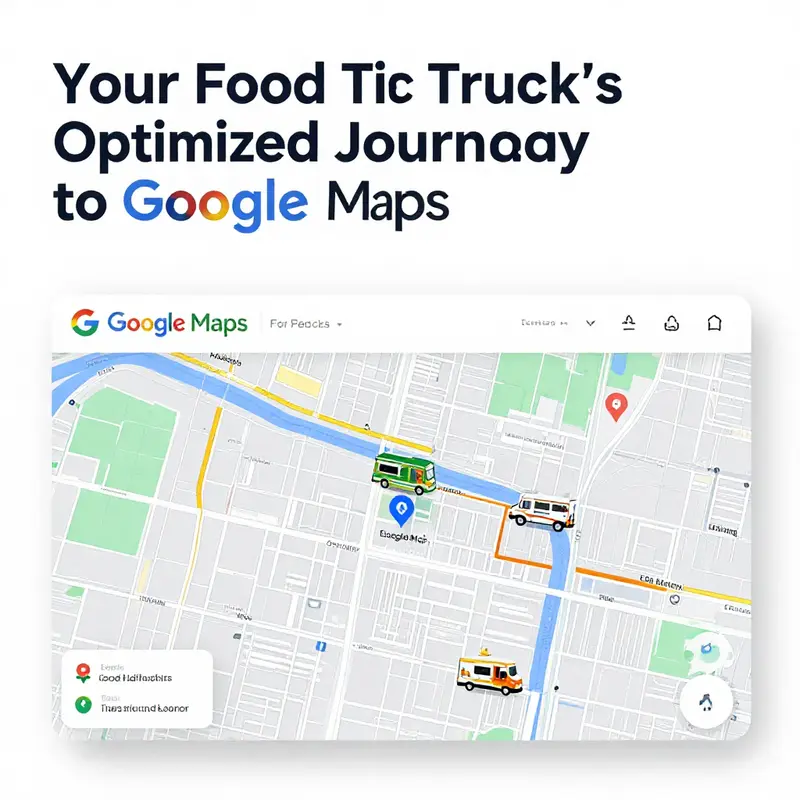
A food truck operation gains clarity when its location, hours, and offerings are visible in real time. This chapter explains how Google Maps Platform Mobility Services can transform a single truck into a scalable fleet. The Fleet Engine functions as the central brain, ingesting location and status data from the Driver SDK, assigning tasks, and updating customers on progress. The Driver SDK provides GPS coordinates and on/off duty signals from each vehicle, while the Consumer SDK renders live truck locations, ETAs, and order status in the customer app. The Navigation SDK guides drivers with turn-by-turn directions and applies brand-consistent map styling. For growing fleets, Mobility Accelerate adds real-time dispatch, multi-truck tracking, and back-office orchestration, enabling more reliable service during festivals, pop-ups, and rush hours. A practical onboarding path starts with Mobility Activate to validate navigation and location flows, then scales to Mobility Optimize for Location Context and improved route scoring, and finally Mobility Accelerate for end-to-end dispatching. The data backbone uses GeoJSON to model each truck’s identity, location, and status, with consistent identifiers, timestamps, and status values. When data is clean and accessible, customers benefit from accurate ETAs and transparent tracking, while operators gain better utilization, reduced idle time, and stronger capacity planning. Beyond tracking, nearby Drivers or Vehicles APIs surface nearby trucks for discovery without needing precise addresses. Route optimization respects constraints such as delivery windows and traffic, while Map styling reinforces brand identity. The system should be resilient to connectivity gaps, with graceful re-routing and honest estimates communicated to customers. A practical deployment also considers governance, billing, and security, plus monitoring and incident response to keep passengers and drivers informed. As a baseline, reference the FoodTrucks open-source example for prototyping data flows and the Lakewood startup example for practical dynamics, and consult the official Fleet Engine documentation for enterprise-grade tooling. The overarching aim is to remove friction from the search-and-visit process, helping diners find you, track you, and pre-book pickups while you focus on cooking great food.
From Street to Spotlight: Mastering Map Listings for Your Food Truck
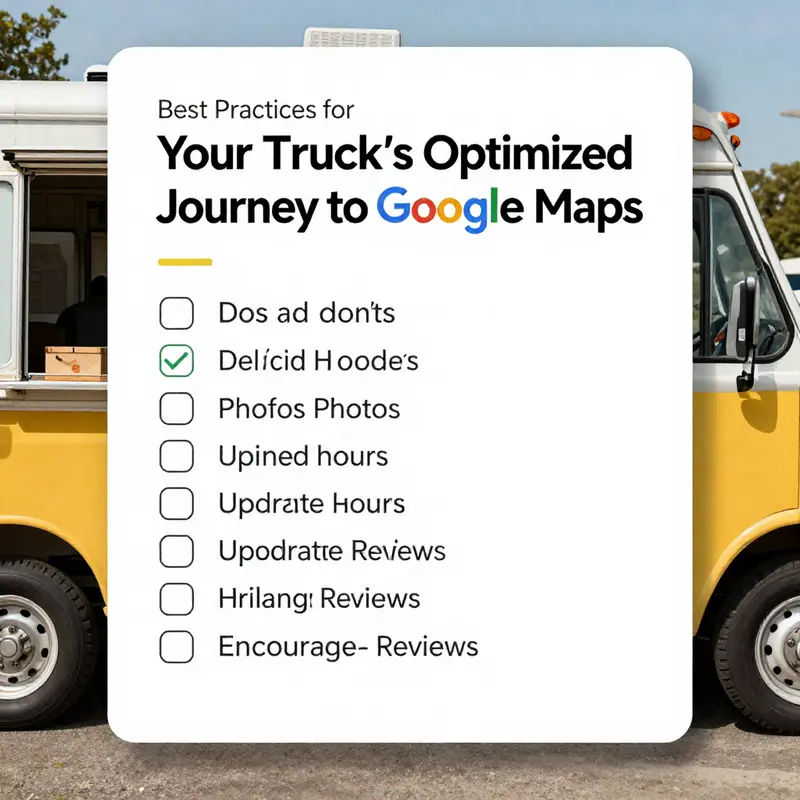
A food truck is a roaming invitation to dine well, a mobile kitchen that anchors moments of flavor to places—parks, festivals, office corridors, and curbside corners. But in a crowded culinary world, being delicious isn’t enough. If customers don’t know where you are, they won’t find you. The power of a well-managed map listing is less about a single moment of discovery and more about a steady stream of visibility that follows your truck from lot to lot, event to event, turn-by-turn when people plan their day around a bite. This chapter threads together the practical, field-tested steps that turn a moving kitchen into a reliable pin on a map, a profile that invites trust, and a presence that helps regulars—and first-timers—chart you into their routines. It’s not just about being listed; it’s about being found, understood, and valued whenever your wheels touch down.
First comes the claim and verification of your business listing. Think of this as the formal entry that legitimizes your truck’s being on the map. You’ll want to claim the listing under the official business platform that governs map results and local search. Verification is essential; it’s the gatekeeper that proves you own or operate the entity you’re listing. The process typically involves a verification step that arrives as a mailed code to the primary address you designate for your truck’s headquarters or main operating location. This step may feel procedural, but it is the foundation that enables you to manage location details, respond to reviews, and post timely updates. Until you’re verified, your listing remains semi-visible, and the credibility you gain after verification often translates into more consistent foot traffic.
With verification in place, completeness becomes your next priority. Accuracy matters, starting with the basics. Use your official truck name—consistent spelling, spacing, and punctuation across all digital touchpoints. The address field should reflect the most reliable, recurring location for your truck, such as a city park or a particular street corner that you routinely return to. If your schedule rotates with markets or festivals, consider listing multiple locations or using a flexible address approach that signals your mobility. A current phone number that is answered during operating hours reinforces trust, while linking to your online menu and social profiles lets customers explore what you serve before they even arrive. If you have a website, make sure it is mobile-friendly and fast, because most customers will check you out on their phones while they’re out and about.
Operating hours deserve careful attention too. When you have a fixed schedule, set those hours precisely. If your truck doesn’t stay in one place every day, the scheduling tool becomes your ally. You can outline regular hours and then annotate special events or pop-up locations with notes like open daily from 11 AM to 3 PM at City Park, plus longer hours at a weekend festival. This approach reduces confusion and helps hungry passersby decide to chase you down on the fly. The ability to post a temporary location or a time-bound schedule is powerful; it communicates that you’re a responsive, customer-focused business rather than a mystery on the map.
Photography is another pillar of a strong listing. High-quality, well-lit images of the truck’s exterior draw attention, while interior shots and close-ups of the most popular items entice appetites. Clean, crisp photos tell a story of care—from the cleanliness of the service area to the artistry of a well-plated dish. When possible, include a menu shot or a link to your online menu. Visuals reinforce the belief that you’re approachable and ready to serve, which reduces friction for first-time visitors who are weighing whether to try you out.
Beyond photos, a well-crafted description can be a deciding factor. Use a narrative voice that conveys your culinary identity—whether you specialize in bold street-food flavors, locally sourced ingredients, or a rotating menu that captures seasonal produce. Mention dietary options such as vegan or gluten-free choices, and highlight what makes your truck stand out—speed, a signature dish, or a one-of-a-kind cooking method. A good description isn’t a sales pitch; it’s a story that invites people to imagine a quick, delicious stop that fits their day.
The menu is a special case. While the platform itself may not host a full PDF menu, linking to an online menu or a digital menu hosted elsewhere keeps your offerings dynamic. Treat this link as a bridge between discovery and decision: a potential customer who finds you on the map can quickly see what you’re cooking and how to order. If the platform you’re using supports an interactive menu feature, take advantage of it to boost engagement. Even a concise, well-organized online menu with prices and dietary notes can help customers decide in advance and reduce time at the window.
Reviews are social proof writ small. Encourage diners to leave feedback after they’ve enjoyed your food. A steady stream of thoughtful reviews can lift your listing’s credibility and increase click-throughs to your website or menu. The key is to respond, professionally and promptly, to both praise and critique. A simple acknowledgment that you’ve heard a customer’s comment and an outline of how you’re addressing it can transform a one-time visitor into a return customer and even a repeat promoter of your truck. In practice, this means setting aside time to monitor reviews, thanking patrons who take the time to write, and addressing concerns with a clear path to resolution. The tone should convey appreciation and a commitment to consistent, high-quality service.
Updates and posts are the liveliness of a map listing. Use the feature that allows real-time updates to announce location shifts, promotions, or new menu items. Think of these posts as micro-ads that aren’t paid—shots of momentum that show people where you’ll be next and what they can sample when they arrive. When a location changes, a post about the new spot can be pinned to the top of your listing for a day or week, ensuring those who rely on the map aren’t chasing outdated information. If you’re operating as part of a larger fleet or if you’re coordinating multiple trucks, regular posts help you maintain a cohesive narrative across the fleet and make it easier for curious customers to locate the closest available truck.
For operators who plan for expansion or multiple vehicles, there are deeper tools that can help you manage a growing footprint. Some map platforms offer enhanced tracking and fleet management features that allow you to display real-time locations with status indicators—open, serving now, or closed for lunch. These markers can be customized to reflect your current operating state, giving customers near real-time confidence in where they can find you. When used thoughtfully, these features reduce confusion, improve customer satisfaction, and increase the likelihood of repeat business as you paint a clear picture of your schedule and movements.
As you build your presence, consider the broader strategy behind your listing. A strong profile supports not just discovery, but trust and engagement. The more complete and accurate your listing is, the more likely people are to choose you over a competitor’s truck that looks less prepared. The story you tell through your photos, your menu link, your hours, and your responses to reviews becomes part of your brand’s local identity. In a world where mobile ordering and curbside dining are the norm, a well-tended map entry is not a one-off marketing tactic but a foundational customer touchpoint—one that helps locals navigate their day and travelers find a tasty stop on instinct.
If you’re exploring ways to think about your operation’s scalability and future-proofing, consider the planning parallels with building a resilient, mobile business. A well-structured truck model and a robust map listing share a mindset: clarity, consistency, and the willingness to show up wherever your curious customers expect you. For perspective on setting up your truck for growth and choosing models that fit a mobile, location-dependent business, you can explore a post focused on best practices for Lakewood-area startups, which discusses considerations that translate into the map listing realm in practical, tangible ways. Best food truck models for Lakewood startups.
In short, the path to a compelling map listing is a journey of care and consistency. Claim ownership, provide precise details, present your cuisine with bright visuals, narrate your uniquely compelling story, and stay engaged with your audience through thoughtful responses and timely updates. Embrace the scheduling flexibility to reflect your mobile nature, and leverage the platform’s features to communicate status and location in real time when possible. A truck that shows up clearly, feels approachable, and communicates its whereabouts with certainty will turn casual glances on a map into purposeful, appetizing visits. The goal is not merely to exist on the map but to become a trusted, familiar beacon in a wandering day—an accessible bite that people know they can count on, wherever your wheels happen to be.
External resource: https://support.google.com/business/answer/7095775?hl=en
From Street Corners to Search Results: The Benefits of Listing Your Food Truck on Maps
When a mobile kitchen makes the leap from being a well-kept secret to appearing on a map where locals and travelers look for lunch, dinner, or a late-night bite, something shifts in how people discover and choose it. Listing a food truck on the Maps platform is not just about being seen; it’s about turning casual explorers into regulars who know where you’ll be next week, next weekend, or even today. The most effective path to that outcome is to claim and optimize your listing through the official business profile system. This approach is more than a directory entry; it becomes a living storefront you control from a phone or a laptop, where every piece of information—from location to hours, photos to customer reviews—contributes to a customer’s decision to walk up and place an order. The advantages accumulate as your presence becomes more accurate, more engaging, and more trustworthy, which is exactly what dynamic street dining requires.
The first and most tangible benefit is increased discoverability. When a potential customer is nearby and decides to eat, their mind naturally drifts toward a quick, reliable option. In today’s fast-paced dining landscape, proximity is a powerful driver. A well-claimed listing surfaces in search results and in the Maps interface precisely where a hungry user is looking. It’s not merely about appearing in a general search for “food truck” but about appearing in the right moment—when someone wants a meal within a few blocks. This immediacy translates into more foot traffic. People see your exact location, and they see you’re open during the hours you’ve specified. They see the latest post about your pop-up location or a new menu item, and that clarity reduces hesitation. When your hours align with a shift change, a student break, or a festival, a well-maintained listing helps your truck become the answer to “where are you today?” instead of a guess that leads to a different option.
Beyond visibility, customer reviews serve as social proof that reinforces trust. A positive rating, along with thoughtful remarks about flavor, speed, and consistency, communicates quality without a customer ever stepping inside your truck. Reviews have a compounding effect: new diners read what others experienced, which lowers the perceived risk of trying something new from a rotating menu. The Maps listing makes it simple for satisfied customers to share their impressions, and it makes it straightforward for you to respond with gratitude, answers to questions, or clarifications about hours and locations. When a truck owner takes the time to reply to reviews, especially in a timely and professional manner, it signals care and reliability. That courtesy is itself a form of marketing, nudging curious readers toward a visit and nudging hesitant customers toward a return trip.
The visual dimension of a Maps listing is not just decorative; it is a critical driver of interest and orders. High-quality photos of the truck’s exterior, the setup at a pop-up location, and, most importantly, the dishes themselves create a powerful first impression. People do not only read menus; they imagine the aroma, the steam, and the sizzle. A compelling photo set reduces ambiguity about what’s offered and increases the likelihood of a click-through to a line, a menu item, or a location update. The ability to curate a photo gallery—front view, interior shots, and close-ups of signature items—gives your brand personality a chance to shine in a way that a plain address never could. Coupled with a concise, well-organized menu and clear pricing, these visuals help convert a passerby’s curiosity into an actual order, even for a truck that regularly relocates.
Engagement, a term some online marketers reserve for social networks, is equally meaningful on a Maps listing. The platform supports updates and posts that announce new locations, seasonal specials, or limited-time pop-ups. When a truck publishes a post about a fresh location or a special that day, it signals consistency and presence—an assurance that the business will be where it says it will be. This ongoing communication is essential for mobile businesses because it reduces the friction of locating the truck and invites customers to turn an accidental encounter into a habit. The effect compounds as more followers see your posts, leading to recurring visits and word-of-mouth referrals that travel as quickly as the aroma of grilled meats or sweet-smelling sauces waft through a neighborhood.
Part of the strength of this approach is its adaptability. Food trucks thrive on flexibility—change locations, adjust hours, and respond to weather or events with speed. A Maps listing makes rapid updates practical and visible. The ability to add scheduled events or upcoming locations helps customers plan ahead, which is especially useful for trucks that operate on a rotating circuit of neighborhoods and weekend gatherings. You can outline your daily route, note that you’ll be at a certain park on Friday and a farmers market on Saturday, or highlight a ticketed tasting night. This scheduling capability helps you manage expectations and reduce the churn of customers who show up at the wrong time or at the wrong place. Keeping your listing accurate turns a potentially confusing experience into a reliable one, which in turn boosts trust and repeat business.
To illustrate how this translates into a tangible example, consider the real-world cadence of a mobile kitchen that builds its online footprint around its changing spots. A listing with a clear name, a precise current location, an updated schedule, and a handful of high-quality images becomes a mini catalog of where the truck will appear next. For those who follow the route or those who search at the right moment, the listing becomes a dependable compass. For a concrete example in the broader food-truck ecosystem, readers can explore the journey of a brand that has used a narrative arc of adventures and evolving locations to engage a growing audience: Rockdog Adventures Food Truck Journey.
The cumulative impact of visibility, trust, visuals, and engagement is a stronger bottom line. A well-managed listing helps convert foot traffic into orders, especially when a diner is nearby and choosing among several nearby options. The psychological anchor is simple: when a customer finds a trusted option quickly on a familiar map interface, they are more inclined to choose it. This is not just sentiment; it translates into more frequent visits, higher average order values, and a more predictable revenue stream in a business that thrives on movement and spontaneity. In turn, that reliability becomes a selling point in the truck’s broader branding strategy. Regular customers begin to follow your location patterns, share your posts with their networks, and anticipate the next pop-up the same way they anticipate a favorite street food stall back home. The maps listing, then, morphs from a passive directory entry into an active, evolving representation of your brand’s life on the road.
Of course, maximizing these benefits requires some care. A listing that is accurate, complete, and current will outperform one that lags in updates or lacks essential details. Start with the essentials: your truck’s name, a current address or service area, phone number, and a website if you have one. Set a realistic schedule that reflects your typical hours, and remember to differentiate by day if needed. Upload photos that capture the vibe of the truck and the best menu items, ensuring that each image is sharp and well-lit. Leverage the category designation that best fits your operation, and be precise with location metadata when you’re parked at a specific venue or street corner. If your truck changes spots frequently, take advantage of the scheduling feature to announce the next location, providing a sense of predictability that others in the area will appreciate.
For readers who want to deepen their understanding, there is a wealth of guidance about how location visibility on maps can be part of a broader local-SEO strategy. It’s not merely about being listed; it’s about becoming a trusted, repeatable choice in a crowded field. A practical takeaway is to view the listing as a living page that mirrors the truck’s real-world activity. Regular updates, consistent photos, responsive engagement with reviews, and precise location data together create a robust, credible, and compelling presence that helps your truck stand out when people are hungry and time is of the essence. In this sense, the Maps listing becomes more than a directory; it becomes a direct line of connection between the road and the plate, between a wandering cart and a relieved diner who found exactly what they needed at the moment they needed it.
For further perspective on how location-centric optimization can elevate a restaurant’s visibility on online maps, consider exploring external insights from established voices in local SEO and customer acquisition. A thoughtful exploration of strategies to push a restaurant to the top of map results is available here: Get Your Restaurant on Top of Google Maps – LinkedIn. This resource offers broader context for how map-centric optimization fits into a modern digital marketing approach, complementing the practical steps outlined in this chapter.
Final thoughts
Having your food truck on Google Maps can truly transform your business landscape in Lakewood. With the right tools at your fingertips, like the Google Business Profile, you can make your delicious offerings easily accessible to outdoor diners craving variety and flavor. Remember to keep your information up to date, embrace best practices, and engage with your customers through photos and reviews. Together, we can build a vibrant food truck community that enriches Lakewood’s culinary scene. So get ready to hit send, and let’s make your food truck a local favorite!