
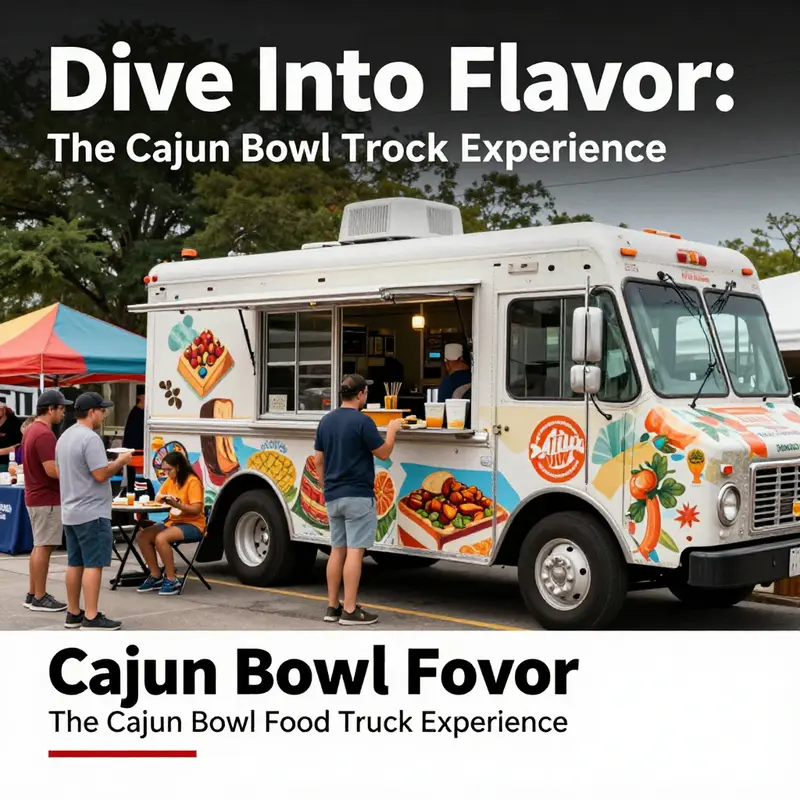
If you find yourself wandering the streets of Lakewood, prepare yourself for a culinary adventure like no other. The Cajun Bowl food truck is more than just a place to grab a meal; it’s a vibrant fusion of Cajun and Latin flavors that’s captured the hearts (and appetites) of many. For aspiring food truck operators, there’s much to learn from this thriving business model that emphasizes sustainability, innovative menus, and a commitment to quality ingredients. Each chapter dives deep into what makes the Cajun Bowl a standout—a must-read for culinary aficionados and curious tourists alike.
Cajun Bowl Food Truck: A Rolling Fusion of Southern Heat and Latin Brio
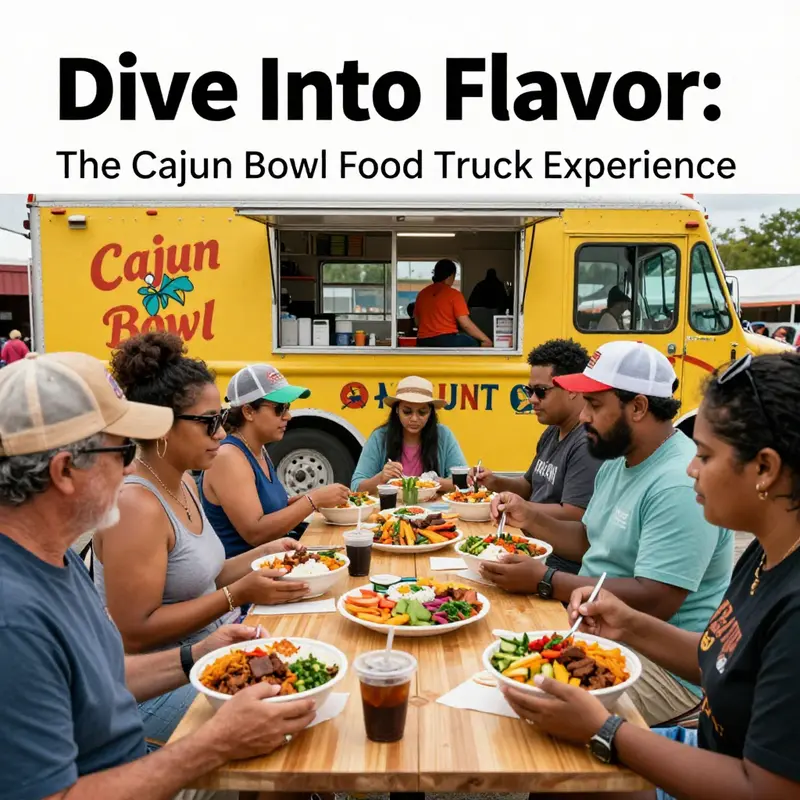
The Cajun Bowl Food Truck rolls into the city block with the confident clatter of a well rehearsed crew and the warm scent of spice in the air. This is not just a meal on wheels; it is a compact stage where Cajun heat meets Latin brightness in a portable, shareable form. The idea is simple yet ambitious: take the bold fundamentals of Cajun cooking—the smoke, the heat, and the deep, savory backbone—and braid them with the fresh acidity and colorful options of Latin inspired toppings to create a bowl that travels as well as it tastes.
The base of every bowl is honest and hearty: a bed of perfectly steamed rice or a hook of seasoned beans, designed to anchor the drama above. On top, a protein that has been roasted, grilled, or slow cooked to tenderness, paired with vegetables that crackle with life—bell peppers, onions, corn, and herbs that catch the light with a squeeze of lime. A signature Cajun spice blend drives the flavor, with cayenne for heat, paprika for warmth, thyme for depth, and garlic for zing. The result is a bowl that hums with confidence and invites another bite.
Beyond the spice, the method matters. Chicken and shrimp frequently headline the bowls, marinated with care and finished with a kiss of char. When the menu turns to slow braises, the texture becomes almost velvet, a contrast that makes the heat feel balanced rather than blunt. The grains and beans keep the bowl sturdy, while vegetables provide brightness and crunch that refresh the palate between spicy notes. The final flourish—a drizzle of citrus, a sprinkle of herbs, a cool dollop of crema—binds the pieces into a cohesive whole and signals that a bowl can be both comforting and exciting.
Sustainability and mobility are not afterthoughts but guiding threads. The team leans toward local produce when possible and sources proteins from farms that practice responsible husbandry. The kitchen embraces a rotating menu that follows what farmers are harvesting and what the supply chain is wrapping up, ensuring variety without sacrificing consistency. The truck’s schedule, location updates, and brief, social media friendly bites turn a moveable kitchen into a moving celebration. Eating becomes a shared experience as neighbors chase the truck from block to block, exchanging notes about heat level, toppings, and favorite days when the line moved fastest.
If you watch closely, the Cajun Bowl concept reveals itself as more than a recipe. It is a model for street food that honors tradition while inviting improvisation, speed without sacrificing care, and flavor with place. The bowl travels easily, the flavors stay bright, and the memory of a good bite lingers long after the last drop of lime has been squeezed. For the curious reader, the story of this rolling kitchen suggests a larger truth: food on the go can feel intimate, crafted, and deeply rooted in the places it visits.
Rolling Green on the Open Road: Sustainable Craft in a Cajun Bowl–Inspired Food Truck
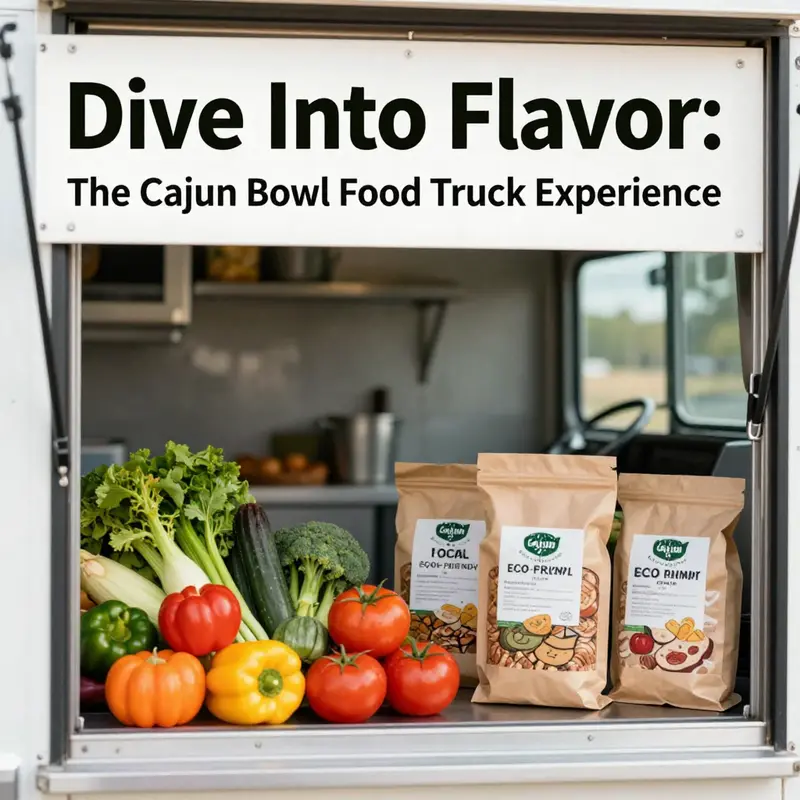
Rolling green on the open road is not just a color in the truck’s palette; it’s a promise stitched into every step of the operation. A Cajun bowl–inspired food truck, moving from one neighborhood to the next, demonstrates that bold flavor and responsible practice can travel together. The essence of its success lies not only in the heat of its spices or the richness of its rice and beans, but in how deeply sustainability is woven into sourcing, cooking, waste management, energy use, and community life. The result is a dining experience that tastes like freshness and feels right in the places it serves. Guests walk away with a bowl that carries the memory of local farms and the confidence that their meal came with a lighter footprint on the land and on the air. This is not a footnote to flavor; it is the backbone of the business model, and it shapes every decision, from the moment the crew selects produce to the moment the last container is handed to a customer who understands that a meal can be both satisfying and responsible.
The heart of this approach begins with sourcing. Local farms become partners rather than backstage suppliers, and the truck’s crew treats them as vital threads in a broader ecosystem. When the greens are harvested at peak ripeness or tomatoes find their way from a nearby patch rather than a distant warehouse, flavor becomes more vibrant, and emissions shrink. Seasonal produce is not a gimmick but a practical discipline. It reduces the energy and resources tied to long-distance transport and minimizes waste rooted in mismatch between supply and demand. The same logic extends to proteins. In a kitchen built around bold, slow-cooked meat and seafood, the emphasis is on suppliers who raise animals or harvest seafood without routine antibiotics and with strong welfare considerations. These choices travel beyond taste; they resonate with guests who want transparency and accountability in the meals they share.
Alongside sourcing, waste reduction stands as a daily practice rather than a yearly goal. Packaging is chosen to minimize plastic and maximize recyclability or compostability, and portioning is calibrated to deliver exactly what a bowl holds in balance—enough heft to satisfy and enough restraint to avoid leftover waste. Excess ingredients are redirected to donation programs when safety and guidelines permit, benefiting local food banks and neighbors in need. The crew treats waste not as a problem to hide but as a resource to manage: trimmings become stock for a warm, comforting broth on colder nights; vegetable peels and stems find their way into compost rather than the bottom of a bin. This thoughtful approach is visible in the daily rhythm of the truck, where the staff discusses menu changes not only for novelty but to align with what the farms can supply at peak season. It’s a practical, humane system that reduces waste while improving the flavor and nutritional profile of every bowl.
Energy efficiency accompanies the workflow, too. The cooking equipment is selected for efficiency and longevity, with attention to insulation, heat retention, and clean-burning fuels where possible. The aim is to keep the kitchen nimble, capable of delivering the same depth of Cajun warmth without unnecessary energy draw. Some trucks explore alternative energy options such as on-board solar panels or lightweight, efficient power systems that cut running costs and carbon emissions. The result is a kitchen that travels lightly, with less impact on the places it visits but without compromising the robust, multi-layered flavor profile that customers expect. The crew learns to choreograph tasks so heat and time are used optimally, whether they’re simmering a pot of red beans or searing marinated shrimp. The emphasis on energy stewardship reinforces the idea that sustainability is not a luxury but a core competency of a modern mobile kitchen.
Community engagement is the other half of the sustainability equation. A business that moves through towns becomes part of a larger community fabric when it leans into partnerships with local organizations, schools, and cultural events. The truck doesn’t merely sell bowls; it participates in community conversations about freshness, accessibility, and environmental stewardship. Loyalty programs can reflect these values, offering incentives tied to sustainable behavior—reusing containers, returning spoons for recycling, or choosing a seasonal menu that highlights local harvests. By engaging with neighbors and partners, the truck helps build a shared sense of pride in regional flavors and responsible dining. This approach also extends to how the brand communicates. Rather than presenting sustainability as a separate drop-down in a menu, it becomes a storytelling thread that runs through every plate and every event. Social media, when used with care, can showcase farm visits, the repair and reuse of kitchen equipment, or a peek at composting and donation efforts. The audience begins to see the bowl as a symbol of local resilience rather than a disposable indulgence, and they respond with return visits and word-of-mouth referrals that grow the business with intention.
The flavor story itself plays a crucial role in conveying sustainability. Cajun heat—cayenne, paprika, thyme, and garlic—meets bright Latin influences in a bowl that balances spice with nutrition. The choice of ingredients, prepared with respect for their season and origin, becomes a language that speaks of care. A hungry traveler in a busy city, savoring a bowl that tastes like a kitchen that has thought through its footprint, experiences more than a meal; they encounter a philosophy in motion. The rotating menu is not merely a way to offer variety but a mechanism to stay aligned with what the land, sea, and seasonal markets can truly provide. Each change signals a commitment to freshness, a willingness to adapt, and a promise that the journey of the truck will continue stewarding resources responsibly as it travels from one community to another.
The operational blueprint supporting all this is as practical as it is principled. A real-time awareness of location and daily menus, as provided by the brand’s online hub, keeps customers informed and engaged while reducing the friction of planning for meals. The truck’s team uses data about demand to fine-tune ordering, preparation, and portions, which minimizes waste and supports the local economy. In a world that often treats sustainability as a separate program, this integrated approach proves how a mobile business can embed responsible practices into its core strategy. For readers curious about the broader landscape of sustainable mobility and what it takes to run a green operation on wheels, a window into adjacent innovation can be found at Unleash Off-Grid Adventures Meet the Godzilla Truck Camper. The link offers a vivid example of how rugged mobility, efficient energy use, and resourceful design come together in a mobile lifestyle—an echo of the mindset that fuels a sustainable bowl truck on crowded city streets and quiet rural corners alike.
As this culture of sustainability grows, the branding and marketing of the truck evolve in tandem. The message shifts from simply selling a meal to inviting customers into a shared project—flavor with purpose. Locals and visitors alike learn to recognize that a bowl built on local harvests, careful waste management, and transparent sourcing can stand up to the bold taste of Cajun heat and Latin brightness. This alignment between flavor, ethics, and community trust makes the experience more meaningful and more durable in a competitive landscape. It’s a model that rewards longevity; a truck that respects resources can endure, expand to more locations, and inspire other mobile kitchens to adopt similar practices. In this sense, sustainability is not a trend but a competency—one that travels as reliably as the vehicle itself and lingers in the mouth long after the last bite.
For readers who want a deeper dive into the principles behind these practices, a structured, scholarly approach offers a useful framework. The Sustainable Business Practices course provides foundational concepts for integrating sustainability into business strategy and day-to-day operations, a resource that resonates with small food businesses aiming to balance flavor, profitability, and environmental responsibility. External resource: https://www.coursera.org/learn/sustainable-business-practices
Seasonal Alchemy on the Move: How the Cajun Bowl Food Truck Crafts Fusion Bowls Through Seasonal Harvests
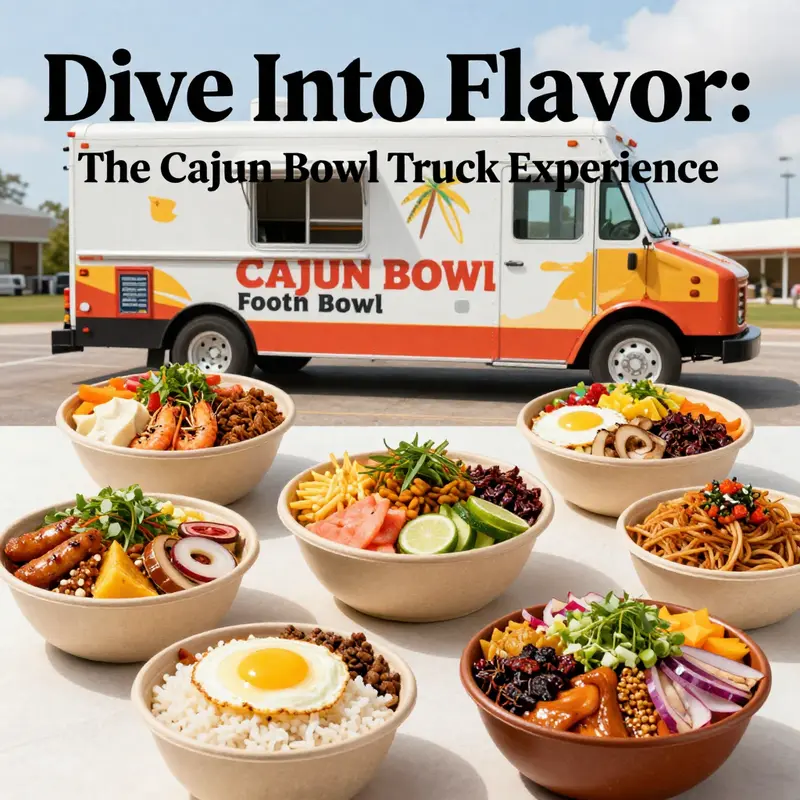
The Cajun Bowl Food Truck moves the kitchen into the daylight, rolling through neighborhoods with the hum of a diesel engine and the scent of spice following in its wake. Its signature power lies not merely in the bold heat of cayenne or the bright snap of lime, but in a careful chemistry: a fusion bowl that starts with a foundation of seasoned meats, fragrant rice, and beans, then receives a seasonal overlay that mirrors the land’s changing moods. This is not a fixed menu so much as a living dialogue between Cajun fire and the bounty that ripens, blooms, and hardens with the calendar. In this sense, the truck becomes a traveling pantry, translating place into plate and time into taste, while preserving the core identity that first drew crowds to its curbside fire and smoky aroma. The result is a continuous conversation between tradition and innovation, a conversation that respects its roots while inviting the seasons to rewrite what a bowl can be.
Spring returns with a promise of freshness, and the truck answers with a lighter touch. The charcoal warmth remains, but the edges soften. Herbs—parsley, cilantro, a squeeze of citrus—lift the meat’s depth without burying it under heavy sauces. The vegetables shift from heavy casseroles to crisp, bright accompaniments: ribbons of cucumber, shards of fennel, peppery greens that still hold a bite. In the Seafood Boil, the seafood takes center stage with a clean ocean note that plays off the smoky stock rather than competing with it. The chef’s knife seems to dance with the lime and a whisper of garlic, and the rice becomes a quiet stage for the seafood’s sweetness. The same philosophy guides the Cajun Fried Rice, where grains receive a gentle toasting and a chorus of garden herbs, keeping the dish vibrant even as the temperature climbs. The truck’s sourcing mirrors this seasonality: farmers’ markets feed the supply chain, ensuring produce arrives with a peak that is both flavorful and sustainable. The commitment to antibiotic-free proteins remains the backbone; the seasonal rotation then acts as the seasoning that makes each visit feel like a fresh encounter rather than a replay.
Summer’s long days push the flavor profile toward brightness and balance. Citrus notes brighten every bite, and the herbs become more pronounced, dancing with the salt and spice rather than competing against them. The Seafood Boil gains a cooler, lighter finish—perhaps a splash of grapefruit or orange that echoes the sea’s bounty while keeping the dish from feeling heavy in the heat. The rice-based bowls take on a new sparkle, with pico-inspired salsa cruda and lightly pickled vegetables adding texture and a zing that refreshes the palate between bites. Here the truck’s rotation matters more than ever: a shift in the market’s vegetables invites the cook to adjust pace, texture, and heat so that the meal feels alive and urgent, never static. The kitchen’s rhythm, tuned to the clock and the weather, becomes a performance that invites regulars to seek the truck at its new time and place, knowing they will encounter something both familiar and surprising.
As the air cools into fall, the menu shifts toward sturdier layers and richer spices. The warming notes—smoked paprika, thyme, a touch more cayenne—work in concert with heartier vegetables and starches. The fall version of the Seafood Boil knits in root vegetables and a deeper broth, giving the dish a comforting backbone without severing the bright line that defines the seasonal approach. The Cajun Fried Rice, too, receives its annual uplifts: caramelized onions, roasted peppers, and a hint of brown butter that amplifies the dish’s natural sweetness while grounding the heat. The season’s harvests bring chestnuts, fall squash, or locally grown greens to the table, not as mere garnish but as essential elements that influence texture, aroma, and finish. The warming broths emerge as a practical luxury—rich enough to soothe a chilly evening, light enough to avoid weighing diners down. In every bowl, there is a deliberate balance between depth and lift, between the familiar heat and the surprise of a seasonal accent.
Winter, with its longer nights and cooler air, reaffirms the truck’s role as a shelter on wheels. The season’s emphasis shifts toward comforting, restorative bowls that invite lingering. Rich broths become the canvas for slow-cooked proteins and deeply roasted vegetables. The meats, still sourced from farms that prioritize animal welfare and ethical practices, arrive ready to surrender their flavor to the pot and to the spices that define Cajun cuisine. The rice and beans anchor the dish with a robust, satisfying texture, while the vegetables contribute color and a sense of home. In this season, the heat stays generous, but the heat now carries a sense of homecoming—familiar spices that are tempered by time and patience. A deliberate layering of flavors—garlic, thyme, paprika, a dash of citrus—creates a bowl that, while bold, becomes comforting to the soul as much as to the palate. The truck’s menu remains flexible, allowing the kitchen to compensate for the reduced daylight hours with heartier, more soulful combinations that still celebrate seasonal abundance. The seasonal rotation, carefully tracked and communicated to patrons, ensures that each stop on the map offers something that resonates with the moment while still carrying the brand’s unmistakable signature scent of char, citrus, and spice.
What makes this approach most compelling is not only the flavor arc but the ethical and practical choices behind it. The Cajun Bowl Food Truck treats seasonality as a design constraint that challenges the kitchen to reinvent its staples without betraying core principles. The focus on locally grown produce and antibiotic-free proteins is not a marketing line but a practice that threads through every decision—from what arrives on the chopping board to how the truck sources seafood that aligns with responsible fisheries. Seasonal menus require suppliers who can forecast, not just bake, a plan with the truck’s itineraries. It also depends on a kitchen crew that can improvise with a sense of purpose, respecting both tradition and the day’s harvest. In this sense, the truck is less about chasing trends and more about sustaining a living, breathing palate that reflects the land’s cycles. The result is a dining experience that feels intimate and immediate, the kind of encounter where the steam and spice carry a memory of the season and the road. Diners sense that what they are enjoying could only exist at that moment in that place, and yet it also connects to a broader narrative about how food trucks can be more than quick meals on the move.
The interplay between seasonality and fusion is what keeps the Cajun Bowl’s offer feeling fresh while staying rooted in a recognizably Cajun-Latin fusion backbone. The kitchen’s care for ingredients, the deliberate pace of slow-cooked proteins, and the crispness of seasonally appropriate vegetables create a choreography readers can imagine themselves savoring. This is not a sweet, fixed pastiche but a dynamic practice of culinary winters, springs, summers, and falls that travels with the truck. It shows how a mobile eatery can honor the integrity of a bold spice profile while remaining deeply responsive to the local markets, climate, and community it serves. The experience extends beyond taste, shaping a connection with the neighborhoods it visits and inviting patrons to participate in the cycle of harvest, dish, and delivery.
For readers curious about how this mobile kitchen threads through the broader landscape of food-truck innovation, the seasonally driven approach reflects a growing trend in which flavor, ethics, and mobility converge. The truck’s evolution mirrors the consumer impulse toward transparency and freshness, where diners value not only the intensity of spice but also the story of the ingredients—their origins, their journey, and their impact on the plate. The Cajun Bowl Food Truck embodies this fusion of tradition and adaptability, turning every stop into a lesson in how to honor the past while embracing the present’s demands. As seasons turn and the road continues to roll, the bowls become a map—of weather, of harvest, and of shared appetite—drawing regulars back not just for a meal, but for a ritual of tasting that honors both the land and the craft.
External resource: For up-to-date seasonal offerings and recent customer impressions, see the Yelp listing for Cajun Bowl in San Bruno: https://www.yelp.com/biz/cajun-bowl-san-bruno-san-bruno-ca
Internal reference: Readers interested in how mobile kitchens participate in regional food-truck communities can explore related perspectives at this regional hub about truck rallies and mobile culinary innovation: 2026s-best-food-truck-rallies-what-lakewood-has-in-store.
Quality, Craft, and Cajun Flame: The Mobile Kitchen’s Commitment to Fresh, Nutritious Bowls
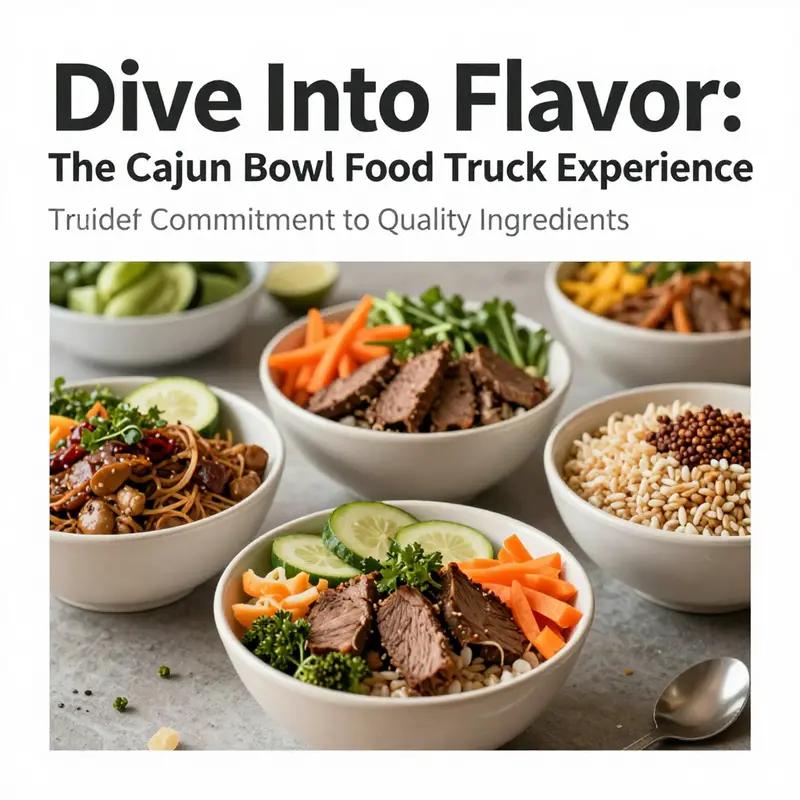
The first thing a visitor notices as they approach the curbside window of a Cajun-inspired mobile kitchen is not just the scent of spice, but a disciplined calm behind the flame. The cooks move with the quiet confidence of people who have learned to coax flavor from simple, honest ingredients. In this on-the-go kitchen, health and nutrition are not afterthoughts but the scaffolding on which a bold, comforting bowl is built. The truck’s mission, in essence, is to prove that you can feed appetite and body without surrendering responsibility to the pantry. In a cuisine famous for its heat, depth, and soul, the challenge is to balance potency with provenance, to honor tradition while inviting nourishment that respects modern sensibilities about freshness, sourcing, and sustainability. This is the heart of the experience: a bowl that satisfies the appetite and the conscience in equal measure.
What unfolds in the cooking is more than a recipe. It is a philosophy about ingredient quality that rises from the same soil that nourishes generations of Creole and Cajun cooks in New Orleans and the wider Gulf region. The foundation rests on real, unprocessed components. Instead of relying on premixed seasoning packets, the kitchen leans on homemade Cajun blends made from freshly ground spices. A whiff of those blends speaks to the potency of the spice’s peak moment—ground just before use, ready to release its full spectrum of aroma and heat when kissed by the pan. The result is a brightness and complexity that canned or overly processed seasonings struggle to imitate. Each bowl carries the resonance of a well-made spice mix, not just a quick burn of heat. The approach is simple, almost old-fashioned in its honesty, yet it translates beautifully to the mobile context where speed must never eclipse quality.
Protein is treated with the same care. The kitchen leans toward options that respect health goals and culinary tradition alike. Slow-cooked chicken and shrimp carry the weight of a labor-intensive method that draws out tenderness and flavor without heavy reliance on fat. Marinades that blend cayenne, paprika, thyme, and garlic are not merely about maximizing heat; they are about layering notes—earthy warmth from paprika, bright herbal lift from thyme, a smoky edge from slow infusion—as if the dish breathes with a rhythm rather than simply delivering a burst of spice. The chain of decisions in sourcing becomes critical here. Local, responsibly raised proteins, when possible, anchor the bowl’s nutrition profile in a story of community and care. It is not about a single star ingredient but about a constellation of components that work together to support a wholesome meal.
Alongside proteins, the vegetables and grains tell a similar story of balance. The kitchen favors vibrant produce—crisp greens, sweet peppers, corn kernels, and seasonal accents—that bring color, fiber, and micronutrients to the bowl. The choice of rice and beans as anchors is intentional. Rice provides a satisfying starch that helps carry the bold seasonings, while beans contribute plant-based protein and fiber. The vegetable mix is never an afterthought; it is a canvas for texture and brightness, a counterpoint to the meat’s richness and the spice’s intensity. When seasonal availability allows, the menu rotates to feature produce at its peak. This commitment to seasonality not only elevates flavor but also reduces waste and supports local growers who align with sustainable farming practices. The kitchen’s pantry reads like a farmer’s market ledger—spices ground in-house, legumes soaked to their best texture, greens cleansed and chopped with care—creating a sense that every bowl is assembled with both intention and respect for the land.
The cooking itself is a symphony of steps that honor tradition while embracing utility. The smoky roux—a cornerstone of Cajun flavor—receives careful attention, not as a relic of the past but as a living component that can be tuned. It darkens gradually, collecting the sweetness of caramelized flour and the depth of slow-bloomed aromatics. The result is a mouthfeel that carries weight and a savory warmth that lingers on the palate. While the roux contributes a familiar backbone, the truck’s approach remains nimble, letting the rest of the ingredients speak through contrasts in texture, color, and brightness. A touch of sliced green onion or fresh herbs added near service can illuminate the dish without overpowering the core flavors. This balance—the interplay between smoky richness and fresh lift—gives each bowl a signature authenticity that feels both rooted and contemporary.
What sustains this balance is a careful attention to sustainability and quality across the supply chain. Local sourcing is more than a policy; it’s a practice that shapes how flavors arrive at the window. Antibiotic-free proteins, when available, are prioritized because they align with a broader health-conscious ethos without compromising the dish’s boldness. Produce is sourced close to the truck’s routes when possible, supporting farmers who implement responsible agricultural practices and helping shorten the distance between field and table. Seasonal rotations in the menu are not mere marketing devices; they reflect a respect for what the land can provide at different times of the year. Such practices reduce waste and minimize the environmental footprint, while also ensuring ingredients arrive with peak freshness. The consistency that diners feel—the way the flavors remain bright, the textures remain crisp, the proteins stay tender—stems from this steady discipline in sourcing and preparation.
In the end, the act of eating becomes an education in restraint and generosity. The bowls are generous with protein and vegetables, but they never overwhelm with salt or artificial fillers. The focus is on natural savor—sun-warmed herbs, the natural sweetness of roasted peppers, the mineral depth of perfectly cooked beans, and the comforting warmth of a well-made spice blend. The result is a meal that satisfies, nourishes, and respects the body’s needs without sacrificing the soul of Cajun cooking. This is not a superficial panache of heat; it’s a thoughtful craft that recognizes the moral logic of food: to feed well is to care well.
The mobile kitchen world offers a unique lens on authenticity that extends beyond the plate. It is a space where the practical constraints of cooking on wheels often yield surprising innovations. The real-time nature of a food-truck operation—daily updates, rotating menus, and a constant read of what the road and the weather demand—forces cooks to adapt without compromising their standards. The social dimension is equally important. Diners come to a curbside window not only for a meal but for a moment of shared ritual—the aroma that travels down the street, the sight of a chef’s hands at work, the moment of choice as a bowl is personalized with extra greens or a touch more heat. In this way, the truck becomes a mobile classroom, a small business that teaches patience, precision, and the joy of eating well on a schedule dictated by the road.
For readers curious about how these principles play out in other corners of the mobile-food world, consider the stories of peers who chart sustainability and flavor on the move. One example, chronicled in a journey through diverse landscapes, offers a compelling blueprint for maintaining quality under varied conditions. RockDog Adventures: Food Truck Journey demonstrates how a small kitchen-on-wheels can sustain curiosity, adapt to new markets, and keep ingredient ethics at the center of daily operations. The link serves as a practical reminder that principles of freshness, responsible sourcing, and thoughtful menu design travel well, through city blocks and backroads alike.
As the landscape of fast-casual dining continues to evolve, the mobile Cajun-inspired bowl remains a potent reminder that bold flavors and mindful choices are not mutually exclusive. The truck’s commitment to quality ingredients—ground spices prepared in-house, proteins raised with care, vegetables harvested at their best, and grains chosen for texture and nutrition—forms a coherent narrative. It is a narrative that speaks to a broader audience: cooks and eaters who want heat and heart, tradition and transparency, speed and sustainability. The bowl becomes more than a dish; it becomes a statement about how food can travel with the rider, traveling from farm to curb with a bright, clean footprint and a memory that lingers long after the last spoonful.
For those who seek a wider context about authentic Cajun cooking and ingredient quality, a broader exploration of New Orleans’ dining scene offers valuable perspective. The discussion of smoky roux, house-made sausages, and family recipes passed down through generations provides a frame for understanding how modern operators translate tradition into accessible, health-forward options. This external resource deepens appreciation for the craftsmanship underlying every bite and reinforces the idea that great flavor and responsible sourcing can coexist within a vibrant, mobile kitchen culture.
Cajun on Wheels: The Rise of a Bold Bowl Phenomenon Across America
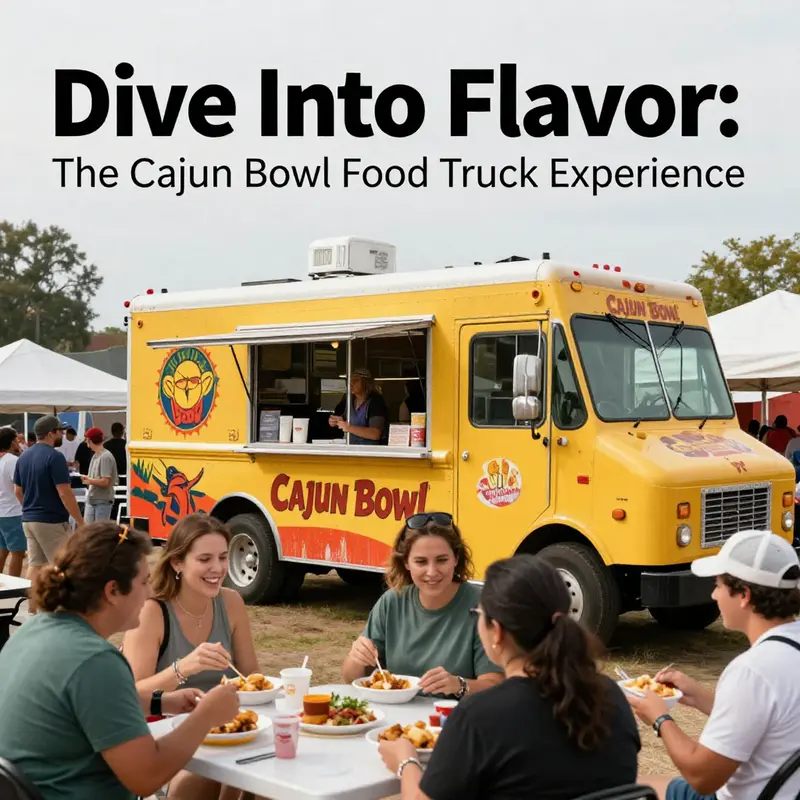
When the Cajun Bowl food truck rolled onto city streets and festival grounds, it did more than introduce a signature bowl of seasoned meats, rice, and bright, zesty toppings. It launched a movement in which speed, flavor, and responsibility coalesce into a portable dining experience. The truck approach taps into a simple but powerful appetite: hungry diners want bold memorable meals without the ceremony of a sit down restaurant. They want something that travels with them from a crowded farmers market to a bustling street festival and a curbside in a downtown corridor. The result is a wave of interest in food trucks that blends culinary heritage with modern convenience, and the Cajun Bowl is right at the crest of that wave. Its allure rests not just in its kick of cayenne and paprika, but in what the bowl represents a deliberate flavorful departure from the predictable, a promise that a meal can be both satisfying and fast, both rooted in tradition and open to reinvention.
At its core, the Cajun Bowl menu spins a story of fusion without losing its core identity. Slow cooked chicken or shrimp takes center stage, marinated in a proprietary blend that balances heat with aromatics garlic thyme paprika and the ever present whisper of cayenne. The protein rests atop beds of rice or cauliflower rice, a choice that speaks to a broader health conscious conversation sweeping through urban dining. The kitchen offsets that heat with vibrant, fresh toppings: roasted peppers, black beans for heft, corn that pops with sweetness, shredded lettuce for crunch, and a kiss of zesty salsa or pico. The result is a bowl that tastes like a travelogue—rice fields and coastal breezes in one practical, edible package. Diners can customize, but even the default builds feel complete: familiar Cajun warmth, a modern grain, and a brightness that comes from chopped herbs and citrusy lifts.
What makes the truck’s growth compelling is less about a single standout flavor and more about how flavor travels through the experience. The Cajun Bowl is a mobile operation designed for speed without sacrificing soul. The staff work with practiced efficiency, ensuring that each bowl lands on the counter with a balance of spice and freshness that can compete with much larger, stationary restaurants. The truck’s movement itself is a feature of the experience. Location trackers on the official site turn every outing into an event tourists and locals can anticipate. This is not just convenience; it’s a way to cultivate anticipation. People plan their days around the truck’s route, building a casual ritual around the search for that night’s bowl, and then sharing the ritual with friends who crave not only big flavors but a connection to a community that shows up for the same food, in the same spirit, at the same time.
Sustainability threads through every aspect of the Cajun Bowl operation. The commitment to quality starts with ingredients. Local sourcing for produce supports nearby farms and shorter supply chains, reducing transport emissions and strengthening community ties. Proteins come from suppliers who emphasize antibiotic-free practices, aligning with a growing consumer preference for transparency about what is on the plate. The menu’s seasonal rotations mirror the rhythms of nature, ensuring that each visit offers something fresh and relevant. In spring, zesty greens and crisp vegetables join the bowls; in summer, the palette expands with peppers, corn, and ripe tomatoes; in fall, roots and hearty legumes reappear, and in winter, cauli rice and warming spices keep the bowls comforting without weighing them down. The kitchen’s adaptability is not an afterthought but a core strength, enabling the truck to respond to fluctuating harvests, city events, and evolving tastes.
Branding is more than a logo or a catchy name; it is a narrative carried by every encounter. The Cajun Bowl communicates through its colors, its signage, and the rhythm of its service. Light, energetic hues and bold typography convey that this is a place where flavor meets efficiency, where people can grab a satisfying meal between meetings or while they wait for a friend at a street fair. The truck’s presence at festivals, farmers’ markets, and urban food hubs serves as a living gallery of what a modern, mobile kitchen can accomplish. It is a model built for community as much as commerce. Each stop becomes an opportunity to engage with neighbors, chat with farmers, and celebrate the shared joy of a well-made bowl. The experience is designed to be social as well as satisfying—diners compare notes on heat levels, ask about the origins of the spice blend, and trade tips on how to customize bowls to their taste and dietary needs.
A crucial dimension of the Cajun Bowl’s rise is its responsiveness to seasonality and locality. The rotating menu keeps regulars curious and first-timers eager for a return visit. There is an implicit promise in those frequent updates: something new, something familiar, and something that reflects what the community is growing or harvesting at that moment. It’s not simply about novelty for novelty’s sake; it’s about sustaining relevance in a crowded dining landscape where new concepts appear almost daily. The result is a business model that thrives on variance without losing the integrity of its core cuisine. In practice, this means bold but balanced flavor, a comfortable level of heat that can be dialed up or down, and a sense that every bowl carries a story—one that travelers can taste and share.
To understand the broader trajectory of this phenomenon, it helps to situate the Cajun Bowl within the larger arc of food trucks reshaping American eating habits. A widely cited overview by a prominent food culture publication notes that mobile eateries have evolved from a novelty to a pivotal part of the culinary ecosystem. They have become spaces where chefs experiment with cross-cultural influences, where accessibility is engineered into every bite, and where entrepreneurship is visible in real time through pop-ups and shared kitchen spaces. The Cajun Bowl fits this arc perfectly. It offers a disciplined, scalable model for flavor that travels—from a single truck to a network of stops across regions. Its growth is not simply a function of taste but of logistics, branding, and community integration that together create a durable, repeatable consumer experience. Readers curious about the broader implications of this trend can follow external research highlighting how these mobile venues are reshaping expectations around what fast, casual dining can look like in a culture that prizes speed, authenticity, and locality. External reference: https://www.eater.com/food-trucks-america-cuisine-trends-2023
The journey of the Cajun Bowl also offers a link to a broader ecosystem of mobile food success. In the same spirit that other trucks share lessons learned from the road, there are threads of shared knowledge—the way a team negotiates crowded urban spaces, the method of sourcing seasonal produce, the cadence of menu rotations, and the importance of a reliable, real-time locator that invites fans to participate in the journey rather than merely observe it. For instance, the path tread by a certain related truck journey has become a touchstone for many aspiring operators who study how to translate wandering through markets and neighborhoods into a stable, recognizable brand identity. Readers who want to explore a concrete example of how a food truck journey unfolds and what it teaches about brand evolution can follow a documented case at RockDog Adventures food truck journey. The narrative there mirrors, in many ways, the rhythm of the Cajun Bowl: a blend of flavor-forward cooking, nimble logistics, and a growing audience drawn to a bold, travels-to-you dining ethos.
In sum, the Cajun Bowl food truck represents more than a menu of spicy bowls. It embodies a set of choices about how to cook, how to source, how to move, and how to speak to a city that is perpetually hungry for something new yet deeply rooted in tradition. Its ascent illustrates a larger pattern in American cuisine—one where food trucks are not merely marketing experiments but integral players in the nation’s evolving culinary landscape. They offer a way to experience regional flavors in an everyday, portable format while maintaining commitments to sustainability, locality, and community. The bowl, warmed by Cajun fire and brightened by Latin-inspired brightness, travels to where people live, work, and gather. It invites them to slow down just enough to savor a single, well-constructed bite, and then to grab another, and another. The story is ongoing, written with grease-stained screens, clattering trays, the hum of a generator, and the unmistakable scent of a well-spiced sauce that travels as freely as the truck itself. It is a story that continues to unfold as more neighborhoods welcome the bold promise of a bowl that tastes like a road trip, a festival, and a home all at once.
Final thoughts
As we wrap up our exploration of the Cajun Bowl food truck, it’s clear that this culinary gem is more than just great food; it encapsulates a commitment to community, sustainability, and taste. Whether you’re a tourist eager to sample unique flavors or an aspiring food truck operator looking for inspiration, the Cajun Bowl provides valuable insights into building a successful and appealing food truck business. So next time you see that vibrant truck rolling through Lakewood, remember there’s a delicious story behind every bowl.