
Introduction to Food Trucks and Liquor Licenses in Lakewood
Have you ever thought about cruising through the vibrant streets of Lakewood in a food truck, serving up delicious eats while also potentially pouring a refreshing drink? If you’re an aspiring food truck operator or a tourist eager to explore the culinary scene, you’re in for a treat! Food trucks have become a staple in our communities, offering diverse flavors and a sense of adventure right at your fingertips. But what if we add an exciting twist to the mix? Yes, we’re talking about acquiring a liquor license!
Navigating the legal maze of liquor licenses can be daunting, but don’t worry! In this article, we’re here to break it down for you, sharing insightful tips and important regulations that could help you make your food truck dream a reality. Whether you’re planning to serve craft beers at a festival or spritzing up your menu with unique cocktails, understanding the requirements is key. So, buckle up for a journey through the bustling world of food trucks, and let’s see how you can enhance your culinary offerings in Lakewood. If you want to dive deeper into the food truck culture here, check out our article on Lakewood’s food truck gatherings for some inspiration!
Understanding Food Truck Licenses and Liquor Licenses
Starting a food truck can be an exhilarating adventure, especially when you consider offering a variety of beverages alongside your culinary creations. However, entering the world of food trucks comes with its own set of laws and regulations, particularly regarding food truck licenses and liquor licenses. Here’s an overview to help you navigate this essential aspect of food truck operation.
General Requirements for Food Truck Licenses
To operate legally, food trucks need to acquire several licenses which often include:
- Business License: A basic requirement for any business.
- Food Service License: This certifies that your truck meets health and safety regulations.
- Mobile Vendor License: Required in most jurisdictions to sell food on the go.
Each location may have additional licensing requirements, so it’s vital to consult your local health department and city regulations. For instance, Chicago mandates a separate Mobile Prepared Food Vendor license and also a liquor license for selling alcohol from food trucks (City of Chicago).
The Liquor License Specifics
When adding a liquor menu to your offerings, the complexity deepens. Selling alcohol typically requires:
- A food service license to establish your primary operation as a food business.
- A liquor license, which varies significantly by state and sometimes even by local jurisdiction (Pelican’s Food Truck LIC). This license may come in various forms, such as a special event license or a full liquor license for mobile service, depending on your service model.
Navigating these regulations can be tricky. For example, in Pennsylvania, liquor licenses can only be issued for fixed locations, prohibiting food trucks from selling alcohol (LiquorLicense.com). This highlights why it’s essential to thoroughly research local laws before moving forward.
Importance of Location
Understanding your location’s specific regulations is crucial to your food truck success. Each city and state has unique rules regarding food and liquor licenses. Some places are very amenable to food trucks serving alcohol, while others may have restrictions that limit operations.
For aspiring food truck operators in Lakewood, staying updated on local guides like the best food truck rallies in Lakewood can give insight into prevailing regulations and community preferences.
Conclusion
In conclusion, maneuvering through the food truck and liquor license maze requires diligence and a thorough understanding of your local regulations. By following established steps and knowing who to consult, you’ll be much better prepared to serve your community and delight your customers with both fantastic flavors and refreshing beverages! So roll up your sleeves and set your course for culinary success!
Benefits of Food Trucks Having a Liquor License
If you’re an aspiring food truck operator, you might be wondering whether getting a liquor license is worth the effort and cost. Spoiler alert: it definitely is! Here are five benefits of having a liquor license that can make your food truck stand out and serve up success.
-
Increased Revenue Opportunities
A liquor license can significantly enhance your revenue stream. By pairing delicious food with thoughtfully selected beverages, you can boost your overall sales. Customers are more likely to indulge in higher tickets when they can enjoy a refreshing drink along with their meal. Read more about enhancing your food truck’s offerings here. -
Attracting More Customers
Alcohol can be a compelling draw for customers. Many people enjoy having a drink while they eat, whether it’s a glass of wine with gourmet tacos or a craft beer paired with barbecue. Offering beer, wine, or cocktails can make your food truck more appealing, particularly at events and festivals. This can lead to larger crowds eager to experience your offerings. -
Enhanced Dining Experience
Providing alcohol creates a more complete dining experience. This is especially important in vibrant locations like Lakewood, where guests love to experience great food and drink in a fun atmosphere. A good drink can elevate the meal, leading to higher customer satisfaction and repeat visits. -
Participation in Events and Festivals
Many events require vendors to hold a liquor license to sell alcohol. By obtaining one, you’ll be able to participate in local festivals, markets, and other events that attract larger crowds. This not only increases brand visibility but also positions your food truck as a go-to destination for great food and drinks. Explore food truck festivals in Lakewood. -
Competitive Advantage
In a busy market, standing out is crucial. Offering unique beverage options, perhaps even specialty cocktails or local brews, can give your food truck the edge over others that don’t serve alcohol. This differentiation can draw in customers looking for a unique culinary experience, making your food truck their first choice.
In summary, acquiring a liquor license can transform your food truck from a simple food provider into a full-service dining experience, increasing your revenue and customer base. If you’re considering a liquor license, it might just be the best decision for your business!
Can a Food Truck Have a Liquor License in Lakewood?
Starting a food truck in Lakewood is as exciting as it is complicated, especially when it comes to serving alcohol. Understanding the liquor licensing requirements can make or break your venture! In this article, we’ll explore what it takes to serve drinks on wheels in Lakewood and surrounding areas.
Overview of Requirements
To obtain liquor licenses for food trucks in Lakewood, operators typically have to navigate various requirements set by both state and local authorities. Here’s a breakdown of what you need:
| License Type | Requirements | Notes |
|---|---|---|
| Temporary Liquor License | – Application form – Background check – Public hearing (if applicable) |
Must comply with local health regulations and zoning laws. |
| Mobile License for Food Trucks | – Local Licensing Authority approval – State Liquor Enforcement Division review |
Alcohol must be served with food; compliance with zoning regulations required. |
| Full Liquor License | – Comprehensive application – Public notice – Compliance with local ordinances |
Suitable for food trucks wishing to sell alcohol independently from a brick-and-mortar. |
Navigating the Process
-
Research the Licenses:
Familiarize yourself with the types of licenses available. In Colorado, you typically cannot get a full liquor license as a food truck, but a temporary or mobile license might be possible, especially for special events. For more information, check out this resource on how to obtain a liquor license for your food truck. -
Meet State and Local Requirements:
Each city may have specific regulations, so achieve compliance with local health codes and zoning laws before you apply. This is crucial since different municipalities can have varying rules. -
Prepare for Inspections:
Your food truck will undergo health inspections as part of the licensing process. Ensure your mobile kitchen meets all safety and health standards to prevent any hiccups during inspections.
Community Impact
As you navigate the licensing maze, remember that serving alcohol at your food truck can significantly enhance its appeal, offering a unique dining experience. However, it also comes with the responsibility to serve responsibly.
Food trucks have recently been seen becoming popular meeting spots for communities, so incorporating a thoughtful alcohol offering could help foster social connections right in the heart of Lakewood.
Local Events and Opportunities
Food trucks that operate compliant with alcohol licenses are frequently featured in local events, such as festivals and food truck rallies. If you’re interested in the vibrant food truck scene in Lakewood, consider visiting one of the many upcoming food truck rallies, a great place to network, find inspiration, and perhaps even see how other trucks successfully integrate alcohol into their offerings.
Conclusion
As you embark on your food truck journey in Lakewood, gaining a liquor license is a key step to consider. By understanding the requirements and preparing adequately, you can add that extra flair to your food offerings. Get ready to whip up some delicious meals with a refreshing drink in hand!
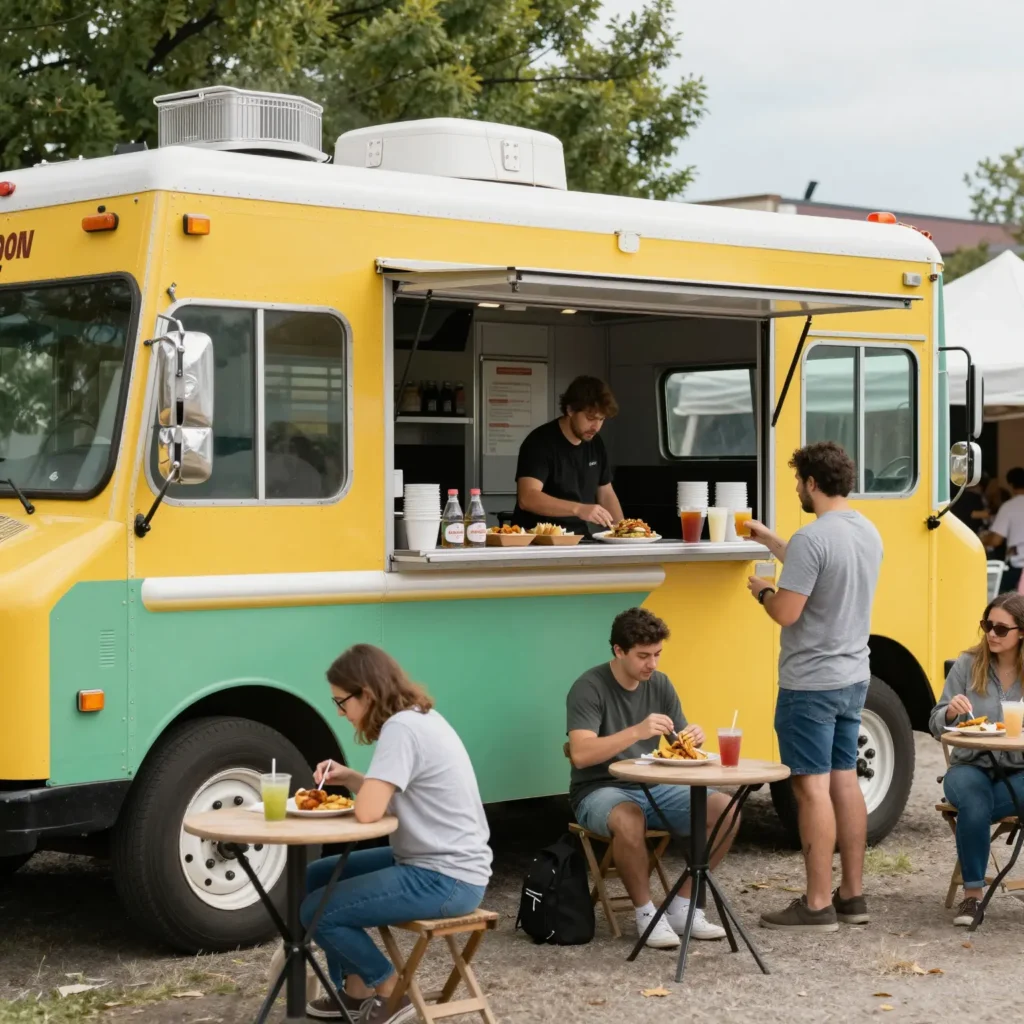
Imagine a vibrant food truck, colorful and inviting, situated in a lively park filled with joyful chatter. Customers are mingling about, enjoying a selection of refreshing drinks offered by the truck, which showcases both community spirit and the joy of outdoor dining. This scene captures the essence of food trucks: delicious food, great drinks, and an unforgettable atmosphere that brings people together.
If you’re thinking about how to make your food truck stand out, discover the best food truck models for Lakewood startups that can help you create a similar inviting experience for your customers!
Challenges in Obtaining a Liquor License for Food Trucks
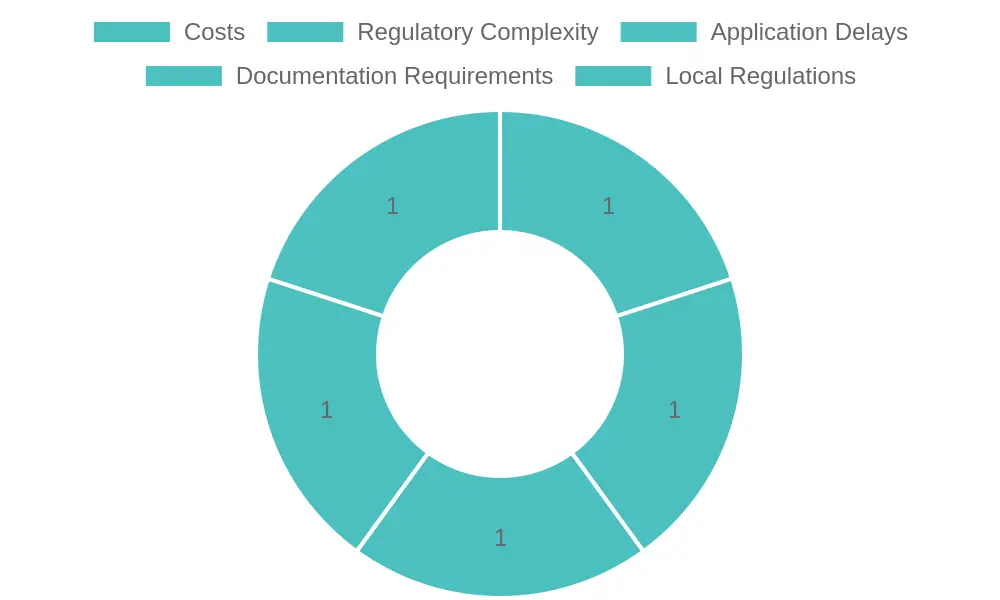
Navigating the world of liquor licensing can feel like a maze for aspiring food truck operators, and it’s crucial to be aware of the challenges you might face along the way. Here, we break down some common hurdles, along with friendly advice on how to tackle them:
1. Costs
The financial aspect can be daunting. On average, applying for a liquor license can cost around $3,000 or more, depending on your location and the specifics of the license (source: FLIP Blog). To make this manageable, start by budgeting early and exploring financing options or partnerships to share the costs.
2. Regulatory Complexity
Each state and municipality has different rules and regulations regarding alcohol sales. Sometimes, food trucks can only obtain temporary licenses for events rather than a full-time license (source: Toast). It’s essential to do your research on specific local laws to avoid surprises. Consider consulting with a local business advisor who can help you navigate these regulations.
3. Application Delays
The application process can range from 30 to 120 days, and delays can occur if there are complexities or missing information. Being thorough in your application can help speed up the process. To avoid lengthy delays, ensure all documentation is complete and correct before submission (source: Toast).
4. Documentation Requirements
You may need to provide various documents and proofs – from business plans to staff training certificates. This can slow down your application process if any paper is missing or incorrectly filled. Start gathering your documents early to ensure you have everything you need when applying.
5. Local Regulations
Different jurisdictions might have varying rules which can be overwhelming-what’s permitted in one location might not be allowed in another. Attend community meetings or engage with local business groups to stay informed about any changes in the law. Networking with other food truck owners can also provide insights into dealing with local regulations.
By understanding and preparing for these challenges, you can put yourself in a better position to secure that coveted liquor license! For further insights into the Lakewood food truck scene, consider checking out our guide to 2026’s best food truck rallies.
Liquor Licensing Challenges for Food Trucks
Navigating the world of food trucks can be a thrilling experience, but it comes with its own set of challenges-one of the most significant being liquor licensing. Many aspiring food truck operators find that stepping into the alcohol-selling business can bring both opportunities and hurdles.
“In many states, food trucks cannot secure a full liquor license, and most can only obtain short-term licenses for special events, thus highlighting a significant licensing challenge in the food truck industry.”
- Tap Truck USA
This quote reiterates that while the potential for increased sales exists, the path to legally selling alcohol is often complex and fraught with regulations. Aspiring food truck owners must carefully consider their local laws and financial resources, especially since the average cost for obtaining a liquor license can be around $3,000, as noted by experts in the field. You can learn more about food truck licensing challenges and how to navigate them effectively.
If you’re considering adding a liquor option to your food truck menu, it’s prudent to seek advice from professionals who specialize in this area to ensure compliance and success.
Comparison of Local and State Liquor License Regulations for Food Trucks
When considering operating a food truck that serves alcohol in Lakewood, CO, it’s crucial to understand the differences and similarities between local and state liquor license regulations. Here’s a succinct table that captures this comparison:
| Aspect | Local Regulations | State Regulations |
|---|---|---|
| Authority | City of Lakewood Government | Colorado State Government |
| Application Process | Must apply for a local permit prior to state license approval. Refer to Lakewood’s Food Truck Gatherings for more details. | Approval from local authorities is mandatory before proceeding with state-level applications. See requirements here. |
| License Type | Temporary or special event liquor licenses for food trucks. | Standard licenses, including for limited and full-service alcohol sales. |
| Fees | Application fees vary but generally around $3,000 depending on the type of license. | Additional state fees may apply; total can cost over $5,000 including local fees. |
| Zoning | Must comply with local zoning regulations; specific areas restrict liquor sales. | State zoning laws must also be adhered to, and these may supplement local zoning rules. |
| Operational Hours | Local laws typically restrict hours during which alcohol can be sold. | State laws set the minimum operational hours but allow local regulations to be more stringent. |
| Renewal Requirement | Annual renewal of permits is typical with additional conditions possible. | State licenses typically require renewal every year or two, based on license type. |
| Compliance | Compliance with city health codes, sanitation, and liquor laws. | Must adhere to statewide alcohol laws plus any varying local regulations. |
Additional Resources
For more in-depth information on getting started with food trucks and understanding the ins-and-outs of liquor licenses, check out how to get a liquor license in all 50 states and for details specific to operating in Colorado, look into Colorado Food Truck Licenses and Permits Requirements.
In conclusion, pursuing a liquor license for your food truck can significantly enhance your business by allowing you to offer a wider variety of services and cater to the preferences of your customers. As we’ve discussed, navigating the legal requirements and understanding the regulations specific to Lakewood is crucial for your success. Remember, compliance with local laws and regulations is key to operating a thriving food truck. If you’re considering taking this step, don’t hesitate to reach out for guidance. Our community is here to support aspiring food truck operators like you. We’d love to hear your experiences or concerns! Sharing your journey can not only inspire others but may also provide insights for you along the way. To get started, learn more about food truck gatherings or check out the best food truck models for startups. Let’s create unforgettable culinary experiences together!
Trends in Food Truck Licensing
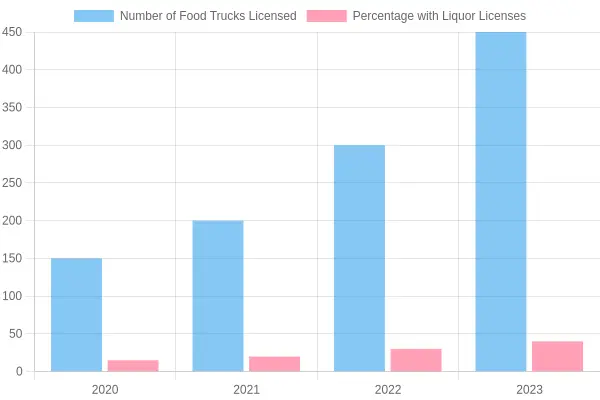
The food truck industry has seen a remarkable surge in popularity over the last few years, reflected in both the number of licenses issued and the growing interest in obtaining liquor licenses. Here’s a visual representation of these trends from 2020 to 2023:
Licensing Trends Overview
- 2020: 150 food trucks licensed with 15% having liquor licenses.
- 2021: Number of licensed food trucks increased to 200, with 20% being liquor licensed.
- 2022: The trend continued with 300 food trucks licensed and 30% holding liquor licenses.
- 2023: A significant growth to 450 licensed food trucks and 40% obtaining liquor licenses.
This data illustrates not only the increasing number of food trucks populating our streets but also a strong trend toward those seeking to serve alcohol.
For further insights, learn more about the best food truck rallies in Lakewood.
Additionally, if you are preparing to start a food truck business, consider checking out our guide on choosing your first food truck.