
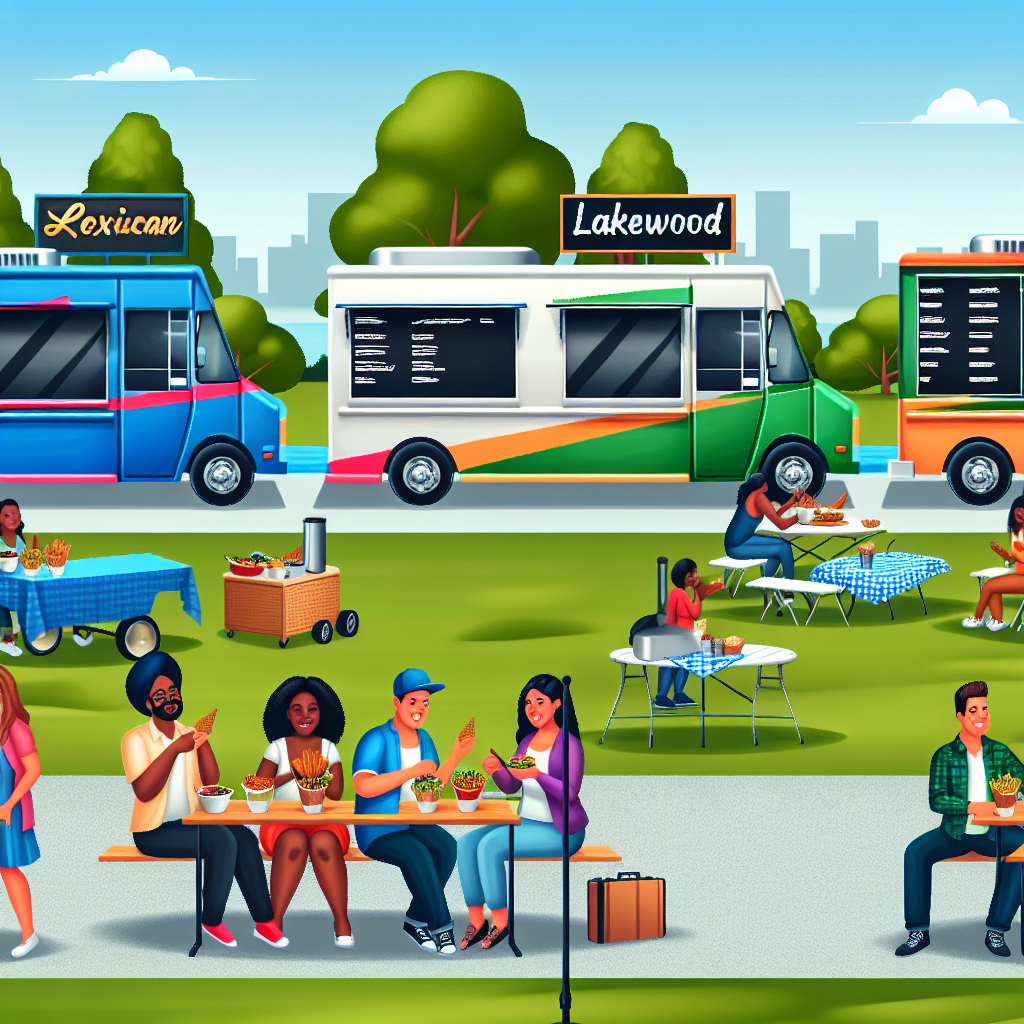
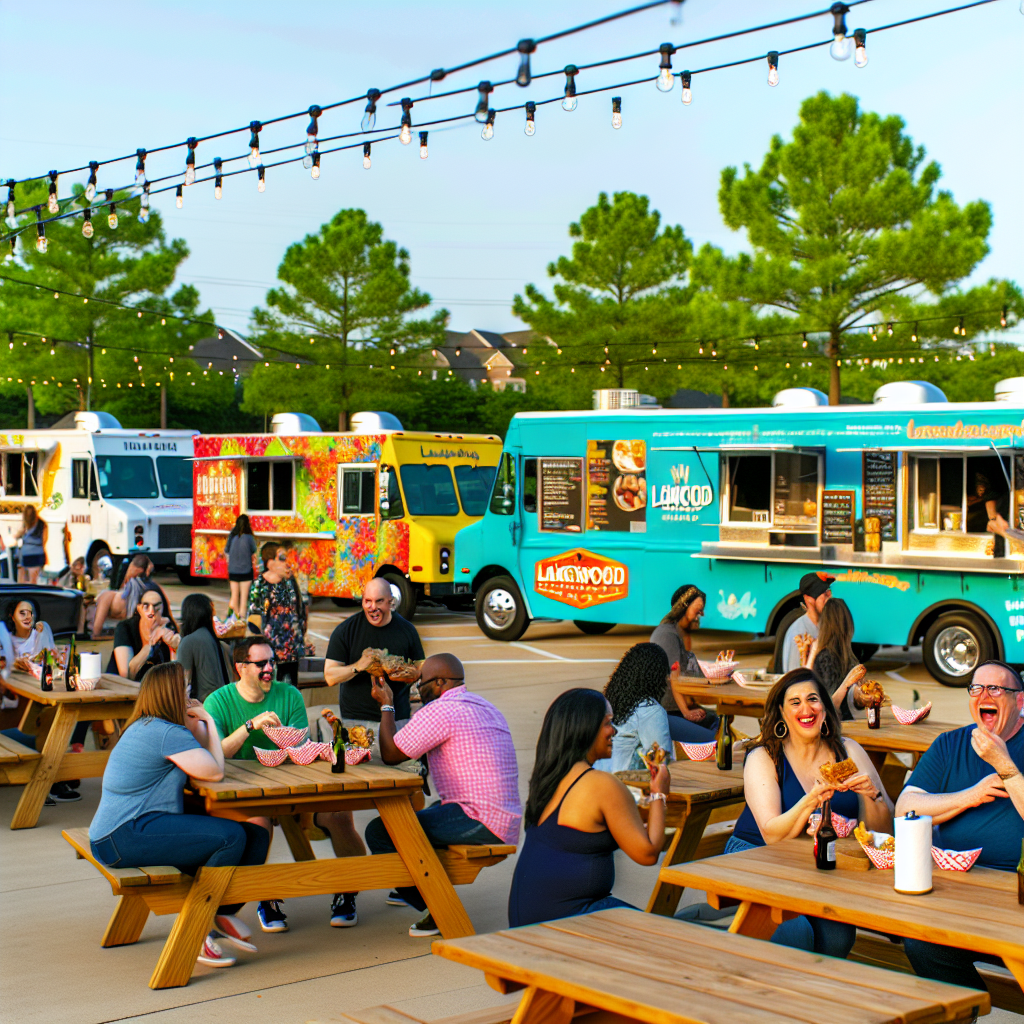
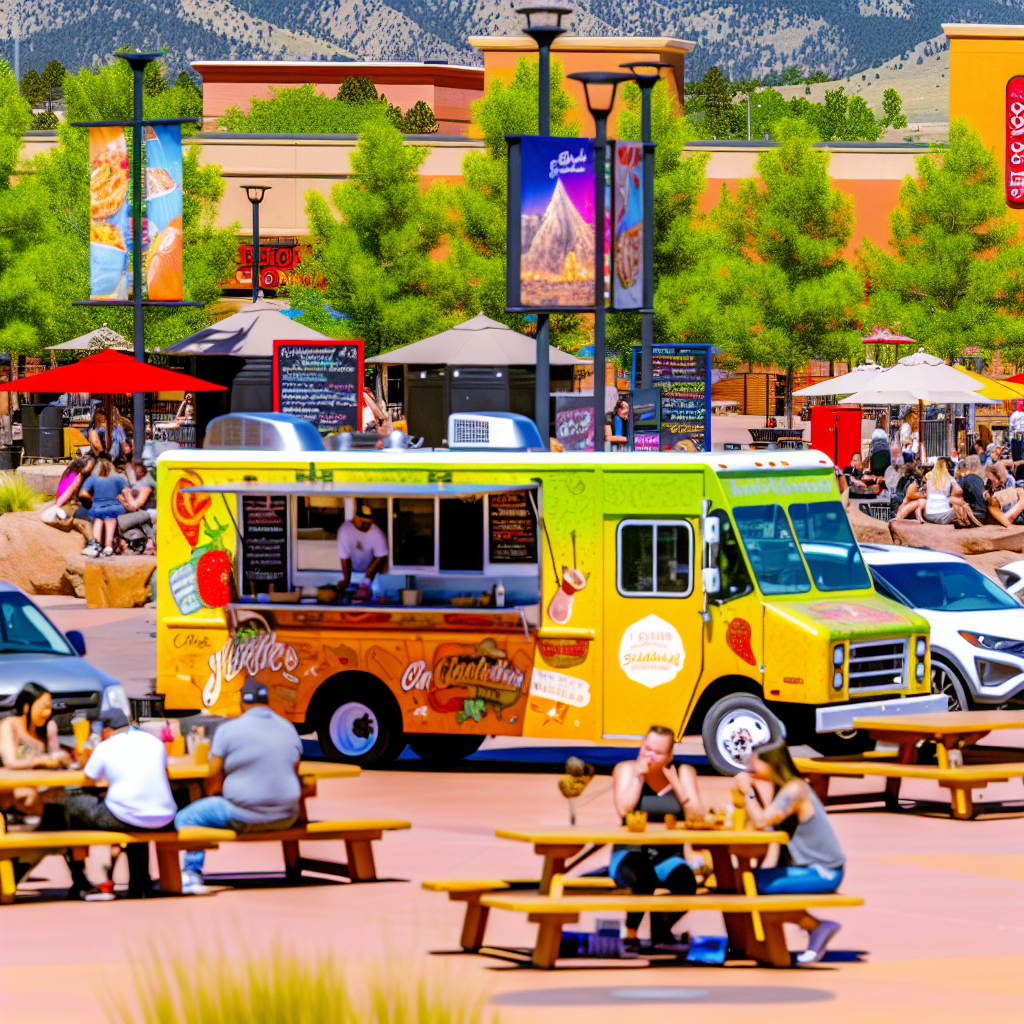
In recent years, Lakewood has seen a vibrant boom in food trucks, transforming the culinary landscape and providing diverse flavors on wheels. This growing trend showcases the versatility of the food truck industry, appealing to everyone from fast-food lovers to gourmet adventurers. However, embarking on this flavorful venture requires more than just passion for food; it necessitates careful consideration of the right food truck model. With a variety of options ranging from step vans to cargo vans and trailers, each model brings its unique advantages and investment demands.
To emphasize the impact of customer service, Tony Lamb, founder of Kona Ice, said, “I realized there was an opportunity to elevate the game. I wanted to create a brand that not only served great shaved ice but also looked the part. A consistent, professional image makes customers feel confident in their choice. It’s not just about the product; it’s about the whole experience.”
As potential food truck owners navigate the choices before them, understanding the nuances of each model becomes crucial to ensuring long-term success in this competitive market. Armed with the right insights, you can make informed decisions that lead to profitable culinary experiences in your community.
Defining Criteria for Choosing a Food Truck Model
Choosing the right food truck model involves a comprehensive evaluation of several critical factors: budget, cuisine, location, equipment needs, and the overall decision-making process. Here’s a structured approach to guide you:
1. Budget Considerations
- Initial Investment: The cost of acquiring a food truck varies based on its condition and customization needs. New food trucks range from $75,000 to $150,000, offering modern equipment and warranties. Used trucks are priced between $40,000 and $80,000 but may require additional investments to meet current health standards.
- Customization and Equipment: Allocate an additional $10,000 to $30,000 for kitchen equipment, branding, and necessary modifications. Essential appliances like grills, fryers, and refrigeration units can cost between $8,000 and $20,000, depending on your menu requirements.
- Operational Expenses: Beyond the initial setup, budget for ongoing costs such as permits, inventory, maintenance, and marketing. It’s advisable to set aside at least $100,000 for the first year to cover these expenses and unforeseen challenges.
2. Cuisine and Menu Planning
- Menu Complexity: Your menu dictates the equipment and space requirements. Simpler menus may need less equipment, reducing costs and space needs, while diverse offerings require more extensive setups.
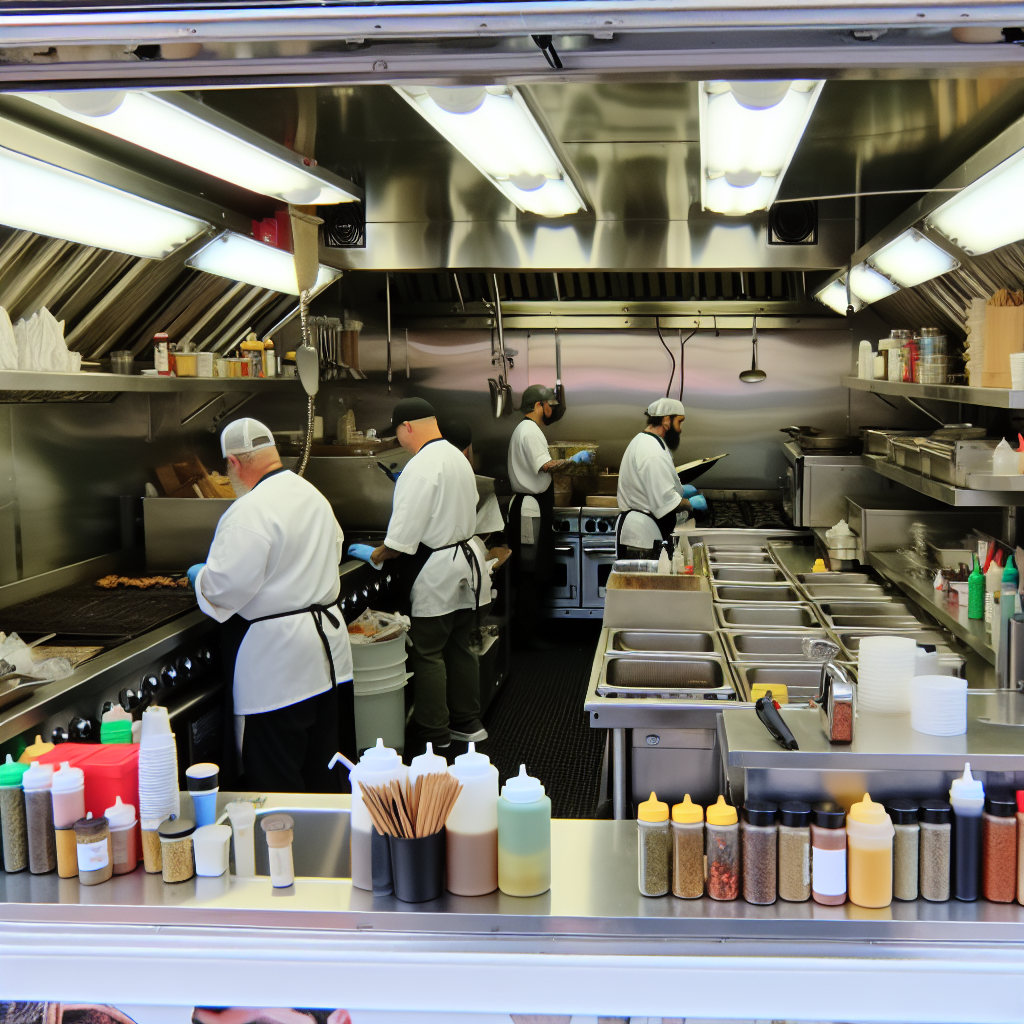
- Equipment Alignment: Ensure the truck’s kitchen layout accommodates the necessary appliances for your menu, such as grills, fryers, or specialty ovens. Efficient design enhances workflow and service speed.
3. Location Strategy
- Operational Areas: Identify where you’ll operate—urban centers, festivals, or private events. Urban areas may require smaller, more maneuverable trucks due to parking constraints, while larger trucks are suitable for spacious venues.
- Regulatory Compliance: Research local regulations, including zoning laws, parking restrictions, and health codes to ensure your truck model aligns with legal requirements.
4. Equipment and Layout
- Quality and Functionality: Invest in commercial-grade equipment that withstands the rigors of mobile operations. Multi-functional appliances can save space and costs.
- Layout Efficiency: Design the kitchen to optimize workflow, ensuring that prep stations, cooking areas, and service windows are strategically placed to minimize bottlenecks.
5. Decision-Making Process
- Market Research: Analyze your target market, including customer demographics and competitor offerings, to identify gaps your food truck can fill.
- Financial Planning: Develop a detailed business plan outlining startup costs, projected revenues, and break-even analysis to assess financial viability.
- Vendor Selection: Choose a reputable food truck builder or dealer with experience in customizing trucks for your specific cuisine and operational needs.
By meticulously evaluating these factors, you can select a food truck model that aligns with your business objectives, operational requirements, and budget constraints, setting the foundation for a successful mobile food venture.
| Food Truck Model | Price Range | Capacity | Key Features |
|---|---|---|---|
| Chevy P30 | $30,000 – $60,000 | Up to 20 people | Spacious, customizable layouts |
| Freightliner MT45 | $50,000 – $100,000 | Up to 30 people | Versatile for various cuisines |
| Ford Transit | $46,000 | Up to 15 people | Compact, fuel-efficient |
| RAM ProMaster | $44,000 | Up to 20 people | High roof for increased workspace |
| Nissan NV Cargo | $37,000 | Up to 15 people | Great for smaller menus |
| Mercedes Sprinter | $55,000 – $80,000 | Up to 12 people | Premium features, reliability |
Different Types of Food Truck Models
When selecting a mobile food unit, it’s essential to understand the various models available—such as cargo vans, step vans, and trailers—and evaluate their advantages, disadvantages, and suitability for different food businesses.
1. Cargo Vans (e.g., Sprinter Vans):
Pros:
- Cost-Effective: Cargo vans are generally more affordable than larger food trucks, with new models costing around $70,000, and total conversion expenses ranging from $120,000 to $150,000. Source
- Fuel Efficiency: Diesel engines in cargo vans can achieve 20–25 miles per gallon (mpg), while gasoline engines typically get 14–18 mpg, offering better fuel economy compared to larger vehicles. Source
- Maneuverability: Their compact size makes them easier to navigate and park in urban environments or crowded events. Source
Cons:
- Limited Space: The smaller interior restricts the amount of equipment and storage capacity, which may limit menu options and production volume. Source
- Cramped Working Conditions: With limited room, accommodating multiple staff members can be challenging, potentially affecting workflow efficiency. Source
Suitability:
Ideal for businesses with simpler menus or those focusing on beverages and light snacks, such as coffee or dessert vendors, especially in urban settings where space is at a premium.
2. Step Vans:
Pros:
- Spacious Interior: Step vans offer more room for kitchen equipment, storage, and staff, facilitating a broader menu and higher production capacity. Source
- Customization Potential: The larger space allows for tailored kitchen layouts to optimize workflow and efficiency. Source
Cons:
- Higher Initial Investment: The purchase and conversion costs are typically higher than those for cargo vans. Source
- Reduced Maneuverability: Their larger size can make parking and navigating tight spaces more challenging. Source
Suitability:
Suitable for businesses with more complex menus requiring extensive equipment, such as gourmet food offerings or full meal services, and for operations anticipating higher customer volumes.
3. Food Trailers:
Pros:
- Lower Initial Cost: Food trailers are generally less expensive to purchase and customize compared to self-propelled food trucks. Source
- Ample Space: They can be built in various sizes, offering generous space for equipment, storage, and staff, which is beneficial for extensive menus and high-volume service. Source
- Separate Towing Vehicle: The towing vehicle can be detached and used independently, providing flexibility for transportation and maintenance. Source
Cons:
- Setup and Breakdown Time: Setting up a trailer involves additional steps, such as unhitching, stabilizing, and connecting utilities, which can be time-consuming. Source
- Limited Mobility: Trailers require a towing vehicle, which can make spontaneous location changes more cumbersome compared to self-contained food trucks. Source
Suitability:
Best for businesses that operate at fixed locations for extended periods, such as fairs, festivals, or semi-permanent setups, and those requiring larger kitchen spaces for complex food preparation.
Conclusion:
Choosing the right mobile food unit depends on various factors, including menu complexity, target market, operational flexibility, and budget. Cargo vans offer affordability and ease of maneuverability for simpler operations, step vans provide the space needed for more elaborate menus, and food trailers deliver ample room and cost savings for stationary or event-based businesses. Assessing your specific business needs and operational goals will guide you to the most suitable option.
User Adoption Trends in Lakewood’s Food Truck Scene
Lakewood, Colorado has witnessed a thriving food truck culture, with about 60 licensed food trucks operating as of 2019. This vibrant scene has emerged as a significant part of the local culinary landscape, showcasing diverse cuisines ranging from Latin-Asian fusion to vegan options.
Key Customer Demographics
A considerable portion of food truck patrons consists of millennials, representing roughly 65% of the customer base. This demographic’s preferences heavily influence food truck offerings and operational strategies. Furthermore, 85% of customers have indicated that their experience at a food truck significantly impacts their likelihood of return, illustrating the importance of customer service and quality in this competitive space.
Popular Food Truck Models
While specific data on the most popular food truck models in Lakewood is sparse, national trends suggest that versatility and customization are crucial factors that determine user preference. Food truck models such as the Chevy P30 and Freightliner MT45 are widely recognized for their spacious interiors and adaptability. Such models allow food truck operators to efficiently serve a variety of dishes, catering to diverse customer tastes.
Impact of Community Events
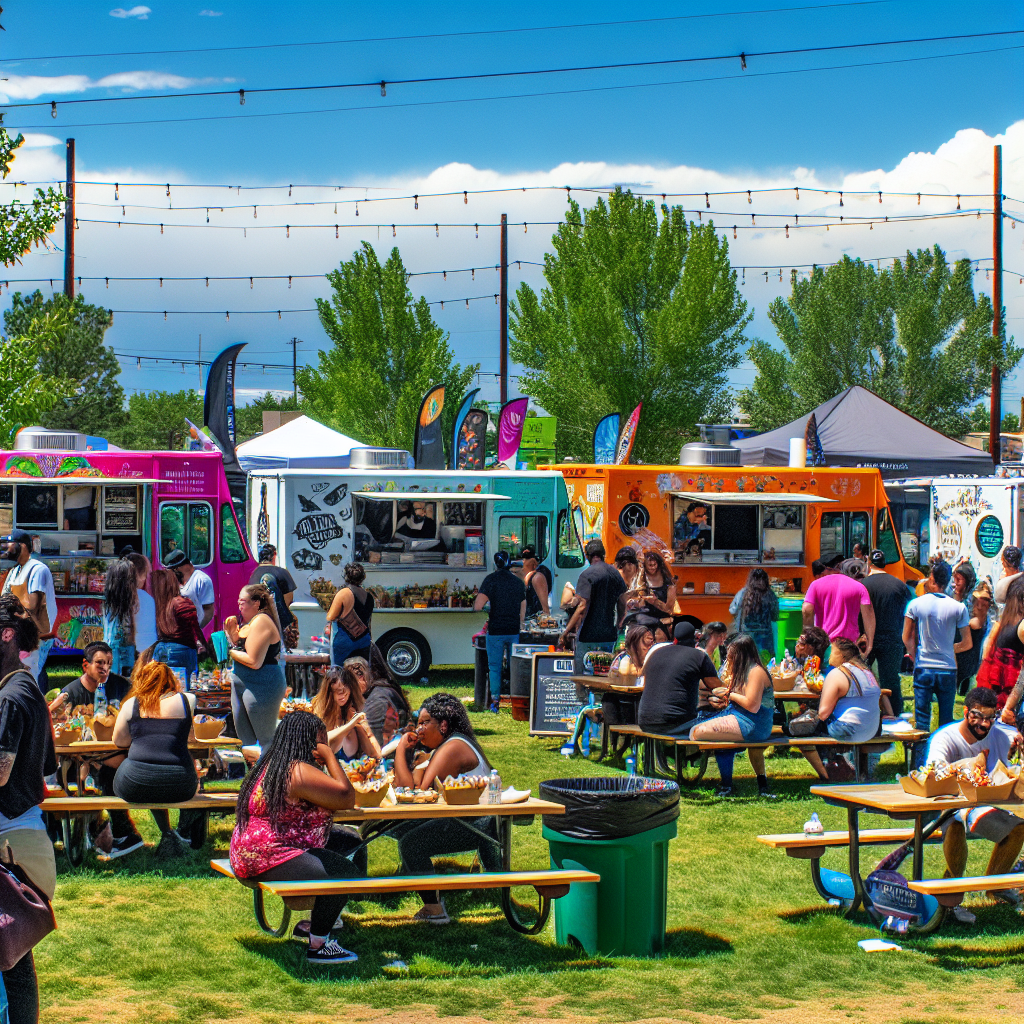
Participating in local events can significantly benefit food trucks, potentially leading to a 40% increase in daily sales. This highlights the effectiveness of community engagement in driving business and attracting customers. Food trucks that align their offerings with local events tend to outperform those that operate in isolation.
Regulatory Landscape
In Lakewood, food trucks are permitted in various zones, including mixed-use and commercial areas, albeit with restrictions in residential zones unless part of approved events. Understanding these regulations is essential for food truck operators looking to optimize their operations and reach their target audience.
Conclusion
The user adoption trends in Lakewood’s food truck market illustrate a dynamic and evolving industry. With strong preferences among younger customers, the successful operation of food trucks depends on understanding these demographics, engaging with the community, and making informed choices about truck models and cuisines offered.
Food Truck Financing
Financing your food truck venture is essential for its success. Understanding the funding options available can significantly impact your startup’s financial health. Here are some key aspects:
-
Food Truck Financing Options
- Equipment Loans: Ideal for purchasing your food truck, often with lower interest rates.
- Leasing vs. Buying: Consider the benefits of leasing if upfront costs are a concern.
- Crowdfunding: A great way to gather community support and investment.
-
Food Truck Revenue
- Knowing potential revenue streams helps in planning. Typically, daily revenues can range from $500 to $3,000, depending on various factors.
- Understanding profit margins and operational costs is vital. Aim for a profit margin of 10% to 20% for sustainability.
- Break-Even Analysis: Plan to recover your initial investment within the first year to optimize your finances.
In summary, knowledge about food truck financing and expected revenue can pave the way for informed financial decisions that contribute to your venture’s long-term success.
In conclusion, choosing the right food truck model is crucial for your success in the dynamic culinary landscape of Lakewood. Throughout this article, we have explored various food truck types, from cargo vans to step vans and trailers, each offering unique advantages tailored to different business needs. It is essential to evaluate important criteria such as your budget, menu complexity, and location before making a decision. Additionally, understanding financing options and market trends, particularly the preferences of the local demographic, can significantly impact your food truck’s success.
Further emphasizing the importance of planning, effective market research not only enhances your understanding of consumer preferences but can also reveal opportunities to engage with the community meaningfully. As you embark on your food truck journey, take the time to carefully assess your options based on your specific requirements and the local market standing.
By being informed and strategic in your choices, you can better position your food truck for growth and customer satisfaction, paving the way for a fruitful venture in Lakewood’s vibrant food scene, ultimately contributing to the culinary diversity and local economy.
In recent years, Lakewood has seen a vibrant boom in food trucks, transforming the culinary landscape and providing diverse flavors on wheels. This growing trend showcases the versatility of the food truck industry, appealing to everyone from fast-food lovers to gourmet adventurers. However, embarking on this flavorful venture requires more than just passion for food; it necessitates careful consideration of the right food truck model. With a variety of options ranging from step vans to cargo vans and trailers, each model brings its unique advantages and investment demands. As potential food truck owners navigate the choices before them, understanding the nuances of each model becomes crucial to ensuring long-term success in this competitive market. Armed with the right insights, you can make informed decisions that lead to profitable culinary experiences in your community.
Defining Criteria for Choosing a Food Truck Model
Choosing the right food truck model involves a comprehensive evaluation of several critical factors: budget, cuisine, location, equipment needs, and the overall decision-making process. Here’s a structured approach to guide you:
1. Budget Considerations
- Initial Investment: The cost of acquiring a food truck varies based on its condition and customization needs. New food trucks range from $75,000 to $150,000, offering modern equipment and warranties. Used trucks are priced between $40,000 and $80,000 but may require additional investments to meet current health standards.
- Customization and Equipment: Allocate an additional $10,000 to $30,000 for kitchen equipment, branding, and necessary modifications. Essential appliances like grills, fryers, and refrigeration units can cost between $8,000 and $20,000, depending on your menu requirements.
- Operational Expenses: Beyond the initial setup, budget for ongoing costs such as permits, inventory, maintenance, and marketing. It’s advisable to set aside at least $100,000 for the first year to cover these expenses and unforeseen challenges.
“If you cast a wide enough net, you just might find a gently used step van at a great price.”
2. Cuisine and Menu Planning
- Menu Complexity: Your menu dictates the equipment and space requirements. Simpler menus may need less equipment, reducing costs and space needs, while diverse offerings require more extensive setups.
- Equipment Alignment: Ensure the truck’s kitchen layout accommodates the necessary appliances for your menu, such as grills, fryers, or specialty ovens. Efficient design enhances workflow and service speed.
- Your menu determines the equipment you’ll have to have, as well as how much space you need for food prep and storage.
3. Location Strategy
- Operational Areas: Identify where you’ll operate—urban centers, festivals, or private events. Urban areas may require smaller, more maneuverable trucks due to parking constraints, while larger trucks are suitable for spacious venues.
- Regulatory Compliance: Research local regulations, including zoning laws, parking restrictions, and health codes to ensure your truck model aligns with legal requirements.
4. Equipment and Layout
- Quality and Functionality: Invest in commercial-grade equipment that withstands the rigors of mobile operations. Multi-functional appliances can save space and costs.
- Layout Efficiency: Design the kitchen to optimize workflow, ensuring that prep stations, cooking areas, and service windows are strategically placed to minimize bottlenecks.
5. Decision-Making Process
- Market Research: Analyze your target market, including customer demographics and competitor offerings, to identify gaps your food truck can fill.
- Financial Planning: Develop a detailed business plan outlining startup costs, projected revenues, and break-even analysis to assess financial viability.
- Vendor Selection: Choose a reputable food truck builder or dealer with experience in customizing trucks for your specific cuisine and operational needs.
By meticulously evaluating these factors, you can select a food truck model that aligns with your business objectives, operational requirements, and budget constraints, setting the foundation for a successful mobile food venture.
User Adoption Trends in Lakewood’s Food Truck Scene
Lakewood, Colorado has witnessed a thriving food truck culture, with about 60 licensed food trucks operating as of 2019. This vibrant scene has emerged as a significant part of the local culinary landscape, showcasing diverse cuisines ranging from Latin-Asian fusion to vegan options.
Key Customer Demographics
A considerable portion of food truck patrons consists of millennials, representing roughly 65% of the customer base. This demographic’s preferences heavily influence food truck offerings and operational strategies. Furthermore, 85% of customers have indicated that their experience at a food truck significantly impacts their likelihood of return, illustrating the importance of customer service and quality in this competitive space.
Popular Food Truck Models
While specific data on the most popular food truck models in Lakewood is sparse, national trends suggest that versatility and customization are crucial factors that determine user preference. Food truck models such as the Chevy P30 and Freightliner MT45 are widely recognized for their spacious interiors and adaptability. Such models allow food truck operators to efficiently serve a variety of dishes, catering to diverse customer tastes.
Impact of Community Events
Participating in local events can significantly benefit food trucks, potentially leading to a 40% increase in daily sales. This highlights the effectiveness of community engagement in driving business and attracting customers. Food trucks that align their offerings with local events tend to outperform those that operate in isolation.
Regulatory Landscape
In Lakewood, food trucks are permitted in various zones, including mixed-use and commercial areas, albeit with restrictions in residential zones unless part of approved events. Understanding these regulations is essential for food truck operators looking to optimize their operations and reach their target audience.
Conclusion
The user adoption trends in Lakewood’s food truck market illustrate a dynamic and evolving industry. With strong preferences among younger customers, the successful operation of food trucks depends on understanding these demographics, engaging with the community, and making informed choices about truck models and cuisines offered.
In conclusion, choosing the right food truck model is crucial for your success in the dynamic culinary landscape of Lakewood. Throughout this article, we have explored various food truck types, from cargo vans to step vans and trailers, each offering unique advantages tailored to different business needs. It is essential to evaluate important criteria such as your budget, menu complexity, and location before making a decision. Additionally, understanding financing options and market trends, particularly the preferences of the local demographic, can significantly impact your food truck’s success.
As you embark on your food truck journey, take the time to carefully assess your options based on your specific requirements and the local market standing. By being informed and strategic in your choices, you can better position your food truck for growth and customer satisfaction, paving the way for a fruitful venture in Lakewood’s vibrant food scene.
Images
Key Takeaways for Food Truck Startups
- Know Your Budget: Determine your budget before exploring food truck models to make informed financial decisions.
- Understand Your Audience: Focus on your target demographic and their preferences, especially if they skew young.
- Research Local Regulations: Stay updated on local zoning and health regulations to effectively navigate the operational landscape.
- Leverage Community Engagement: Participate in local events and festivals to boost sales and build a loyal customer base.
- Evaluate Truck Models: Carefully consider the type of food truck model that best fits your menu and business model.
These key points will not only enhance the skimmability of your article but also provide quick insights for readers looking to launch a food truck in Lakewood.