
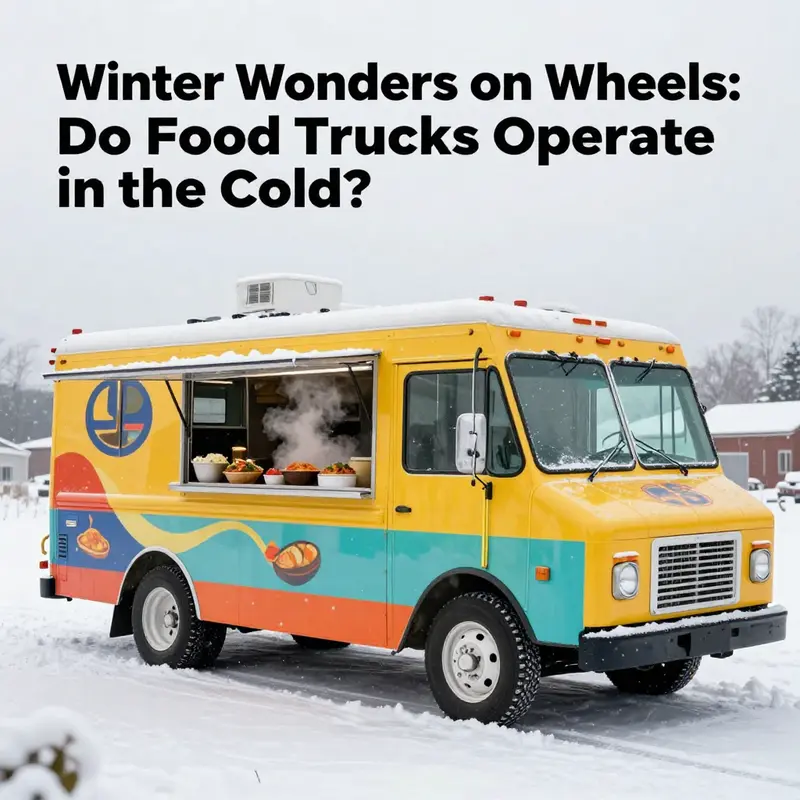
As winter blankets the ground in snow and frost, many might wonder if food trucks still roll down our streets. The truth is, these mobile kitchens adapt and thrive even in the cold months of the year. From cozy menu choices to innovative locations, food truck operators find ways to serve warm, hearty meals that make chilly days feel a little cozier. In this guide, we’ll delve into how food trucks navigate winter’s challenges, how the weather impacts operations, the seasonal adjustments they make to menus, and strategize their locations to keep serving customers. Whether you’re a tourist visiting the charming town of Lakewood or an aspiring food truck operator looking for seasonal inspiration, this article serves up all you need to know about the winter food truck experience.
Under the Winter Sky: How Food Trucks Persist, Adapt, and Thrive When the Temperature Drops
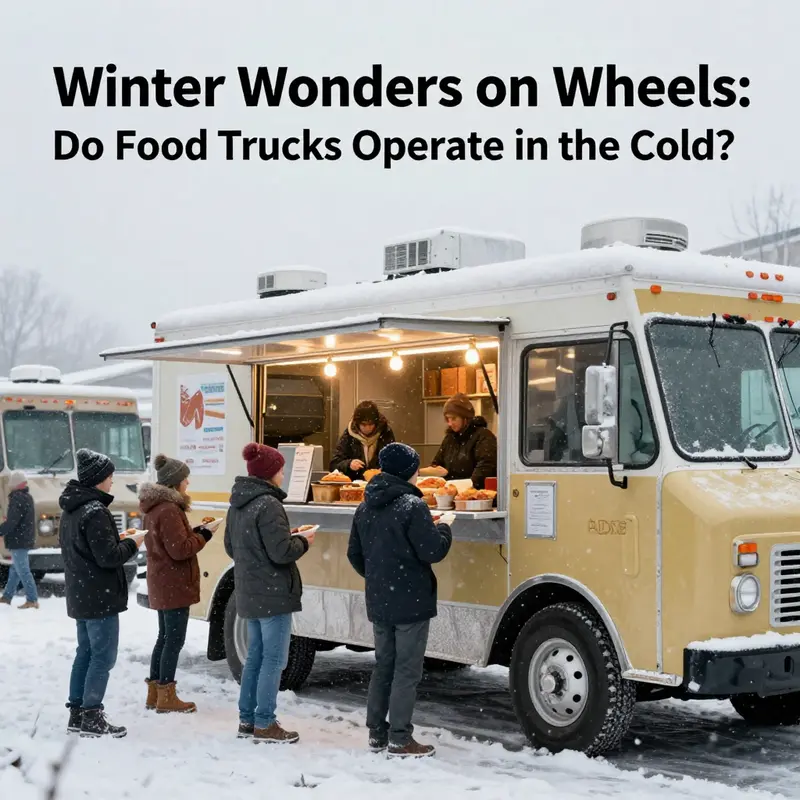
Winter tests more than appetites; it tests processes, people, and the reliability of a moving kitchen. The question of do food trucks run in the winter is not simply about weather, but about how a business translates the chill into consistent service, warm food, and a sense of welcome when the world slows down outside. In many cities, the answer is yes, with a careful blend of practical resilience and creative adaptation. The trucks that endure the season are not merely weatherproof under their awnings but are fleet-aware, menu-focused, and logistics-savvy. They evolve with the season, leveraging what the cold makes visible: where shelter exists, where foot traffic persists, and how to bring warmth into the customer experience even as the mercury drops. The core purpose remains the same: to deliver comfort on wheels, to offer nourishment quickly, and to do so with a reliable cadence that keeps customers returning even when the skies are gray and the streets slick.
A major axis of winter operation is the awareness that heat is both a service and a safety issue. Vehicles must maintain a stable interior environment for staff and a steady serving temperature for food. This is not a cosmetic feature but a fundamental requirement. Consequently, operators invest in heated zones within the truck. Propane-powered heaters or insulated cooking modules are common choices, designed to push a corridor of warmth from the kitchen area outward to the serving counter. The aim is not only to keep the food hot but to prevent condensation and dampness from turning the dining experience uncomfortable. A slight adjustment can make the difference between a brisk line of customers who linger for a moment and a hasty passersby who decide to keep moving. The interplay between heat, airflow, and sanitation becomes a steady rhythm that operators tailor to their unique layouts and jurisdictions. The result is a kitchen that feels inviting despite the wind and snow, a small pocket of comfort that stands out against the desolate feel of winter streets.
Alongside heating, insulation plays a quiet but decisive role. Insulated packaging is a simple, high-impact detail that preserves heat as food travels from the pan to the plate or from a front window to a waiting hand. The packaging design often prioritizes insulation without sacrificing ease of disposal or stackability on crowded curblines. In winter, the journey from cart to customer is shorter than in warmer months, yet the stakes are higher for heat retention. Food cools quickly in cold air, and a lapse in packaging quality can undermine a menu built on warmth. A well-considered package keeps the broth from cooling too quickly, preserves the melt of a grilled cheese, and protects a hot beverage from turning lukewarm before the first sip. These choices reflect a practical wisdom: the winter customer does not just want warmth; they want warmth that lasts a little longer than the walk from curb to counter and a meal that feels like nourishment rather than a concession to the season.
Menu strategy also shifts when the days shorten and the air bites. Operators lean into warm, hearty items that offer immediate comfort and reliable preparation under the constraints of winter service. Soups and stews offer scale and consistency; they can be batch-prepared with careful timing and held within safe temperatures, then portioned quickly to keep the line moving. Grilled cheese sandwiches rise in popularity because they are fulfilling, resilient to variations in weather, and straightforward to execute with limited space. Hot beverages, when offered, reinforce the sense of warmth. Cocoa or a spiced cider can become a social ritual in the queue, a small moment of indulgence that transforms a routine purchase into an experience people seek out on cold evenings. While the perennial favorites like hot dogs or fries persist, winter menus tend to tilt toward items that feel restorative, warming, and seasonally appropriate. The best operators adjust daily offerings in response to local weather forecasts, event calendars, and what the crowd seems to crave when the wind changes direction.
Location choice becomes a decisive factor in winter viability. A truck may chase the sun and the busiest crook of foot traffic, but in winter it often seeks sheltered corners where gusts are tamer and where customers feel comfortable enough to stop. Sheltered parking lots, covered outdoor plazas, or event spaces with heated tents create a stable microclimate for the portable kitchen. In some cities, winter-specific hubs emerge, complete with infrastructure that supports multiple vendors, shared heating, and security lighting. These hubs act as community anchors, turning a chilly night into a social event and giving customers a repeatable, predictable experience. The logistics of placement matter as much as the menu; it is not enough to cook great food if the location makes the line crawl and the wind batter the queue. Visibility, foot traffic, and the perceived safety of a gathering space often determine how vibrant winter sales can be.
There is a logistics dimension that often goes unseen, but winter makes it impossible to ignore. Vehicle maintenance takes on a heightened seriousness when everything from the engine to the plumbing has to cope with cold, damp conditions. Water lines must be safeguarded against freezing, refrigeration units require reliable power, and electrical systems must be guarded against voltage drop caused by battery fatigue. The simplest failures become dramatic in winter, not because they are more common, but because the consequences are magnified in colder weather: a refrigeration unit failing on a subfreezing night can spoil product, while a stalled heater can turn a night shift into a survival exercise. Regular, proactive checks become a core habit. A robust winter routine blends routine preventive maintenance with on-call readiness for weather events. This means internal checks on wiring, seals around doors, propane supplies, and the integrity of hoses and pumps. It also means attention to the truck’s mechanical health—the engine and fuel system—since a cold start on a bitter morning is more than a momentary discomfort; it is a potential loss of precious service time if a breakdown occurs mid-shift.
The human dimension of winter service is visible in staffing and workflow. Cold weather changes the speed and cadence of a shift. Staff need extra layers, gloves that allow fine motor control, and the mental cushion to handle longer lines in slower, shuffling traffic. Break schedules become more generous to prevent fatigue and the risk of slips. A winter service model often requires flexible shift patterns that respond to early darkness and the variability of outdoor conditions. The objective is not to rush the customer but to maintain a steady, humane pace that honors the environment while keeping food quality high. In practice, this can mean a rotating schedule that keeps the core crew rested and ready for peak times, or a design where experienced workers supervise quick, efficient stations at the front and a smaller team handles back-of-house prep and clean-up in tandem. The social contract is visible in the way staff talk to customers about weather, share an extra hot drink while someone sorts a queue, or offer a seat inside a heated tent when weather becomes truly prohibitive. These small acts contribute to a sense of community that is hard to manufacture but essential in wintry conditions.
The customer experience in winter becomes a narrative of warmth. Lighting is stronger and more directional, the queue is managed to avoid wind tunnels, and the aesthetic of the truck often shifts to feel more hospitable. Signage may be adjusted to highlight warmth and speed, and the front of house can incorporate protective windbreaks or heat lamps that create a microfront where people can gather without feeling the chill fully. The objective is to transform a potentially challenging weather moment into a brief, comforting pause in a winter evening. A seasonally tuned service mindset recognizes that a customer is not simply buying a meal; they are buying a moment of heat, a sense of being cared for, and a reminder that the city still has life even when the temperature drops. The ability to deliver this feel, consistently, is what differentiates winter operators from those who struggle to find steady sales when the days shrink.
Economic and logistical considerations intertwine in winter. Heating costs rise, fuel consumption may increase, and the cost of maintaining equipment in harsher conditions adds a layer of financial discipline. Smart operators plan for these contingencies with clear budgeting, forecasting, and inventory management that account for slower turnover as well as the potential for episodic spikes during special events or storms. They optimize energy use by staging prep work around temperatures that preserve both food safety and equipment efficiency. Evolving electricity and propane usage, careful water management, and the strategic use of insulation collectively reduce waste and protect margins. This is not merely survival; it is a disciplined approach to profitability that respects the realities of winter while leaning into the opportunities it presents. For many operators, the deepest winter insight is that steady, repeatable visits from a loyal customer base can sustain a smaller but more consistent revenue stream than a handful of high-traffic days in milder months. In such cases, the winter calendar becomes a canvas for deliberate growth rather than a period of concession.
Innovation often occurs in winter as well, but it is not about chasing the newest gadget. It is about reimagining how a mobile kitchen functions in a more constrained environment. Some operators experiment with compact, modular layouts that free space without compromising throughput. Others redesign workflows to maintain speed during peak moments while ensuring staff remain warm and safe. Partnerships with indoor venues, such as malls or event halls during the coldest periods, can extend operating hours and reach. The ability to relocate or partner to maintain a steady commercial rhythm is a hallmark of winter resilience. In some communities, these adaptations are supported by municipal programs or business associations that help vendors share resources, coordinate schedules, and weatherproof common spaces. The seasonal ecosystem around winter food trucks can be surprisingly robust when there is a shared commitment to keeping street food accessible and inviting in spite of the cold.
An ecosystem of winter activity can help a truck remain relevant when the sidewalks are quiet. Seasonal markets and curated markets that run through colder months in urban centers provide regular venues where customers already expect to find food, warmth, and a sense of gathering. These hubs can build a loyal winter audience and create opportunities for cross-promotion among vendors, which in turn sustains interest and foot traffic. The blend of outdoor service with sheltered environments creates a unique atmosphere where customers feel comforted by both the food and the surroundings. This is not a compromise, but an adaptation that leverages the strengths of street food culture while acknowledging environmental realities. In this context, a well-run winter operation is visible in the coordination between location choice, menu choices, and staff readiness. It is a holistic practice that treats the winter as part of the business cycle rather than an interruption.
In thinking about what keeps a winter operation thriving, a useful analogy emerges from the world of fleet and heavy-duty maintenance. The reliability of a mobile kitchen under cold conditions mirrors the steady performance of a family business that has stood the test of weather and time. It is not an accident that some operators who manage winter successfully build a culture of preparedness, testing, and long-term care for their equipment and team. For readers curious about the kinds of reliability that underpin winter operations, a well-trodden path in the broader mobility sector emphasizes the value of consistent maintenance, predictable routines, and a network of trusted suppliers. These elements—careful planning, robust equipment, and a culture that values safety as much as flavor—form the backbone of winter success for food trucks. And as winter recedes into spring, those same operators carry forward the lessons learned in the cold, applying them to create better service, faster throughput, and a more resilient business model.
To connect the idea of steadfast winter reliability with broader industry perspectives, consider the continuity and support that a long-standing fleet organization can exemplify. This connection is echoed in a notable reference to a family-run vehicle center known for decades of service and community integration. The insight from that model underlines a simple truth: winter resilience is a system, not a solo act. A single truck cannot win the winter; a coordinated network of heating, packaging, shelter, maintenance, staffing, and customer experience works together to create an enduring seasonal operation. In the end, the winter kitchen on wheels remains a testament to practical ingenuity, disciplined execution, and a willingness to prioritize warmth and care as central to the mission.
If one wants a practical reminder of how winter tips fit into the broader picture of mobility and logistics, a useful point of reference is the concept of fleet continuity and the way it translates to a mobile culinary business. A trusted source offers a concise set of principles for staying open and profitable during winter, focusing on preparation, heat management, and careful scheduling. This guidance, while rooted in a different sector, resonates with food truck operators who must plan around freezing temperatures, variable customer demand, and the realities of operating in flexible spaces. The core idea is not to chase a perfect day but to create dependable performance across a range of conditions, ensuring that warmth, quality, and safety are preserved no matter what the weather brings. In winter, reliability is not a luxury but a necessity, a standard that guides decisions from how a truck is heated to where it parks and how it serves customers in the cold.
For readers seeking a concrete starting point to deepen their understanding of winter operations in this field, more detailed guidance can be found in practical winter food truck resources. These materials illuminate the day-to-day realities of cooking, heating, packaging, and serving under cold conditions, and they offer strategies that align with the themes described here, including the importance of shelter, staffing, and menu design. As an additional pointer to the broader landscape of winter preparation and profitability, the following external resource provides actionable insights that complement the narrative of how these mobile kitchens endure and thrive in cold weather: https://www.foodtrucknews.com/2023/12/18/winter-food-truck-tips-for-staying-open-and-profitable/
Internal link note: throughout the discussion of winter resilience and fleet-ready operation, one internal reference helps ground the broader conversation in the realities of truck maintenance and mobility infrastructure. See the detailed exploration connected to a long-standing fleet resource at kenworth-truck-centres-45-years-family-business. This link points to a resource that, while not a direct food truck manual, illustrates the kind of trusted, enduring support networks that sustain a mobile business through harsh weather and time.
Weathering Winter on Wheels: How Food Trucks Survive, Adapt, and Thrive as Cold Sets In
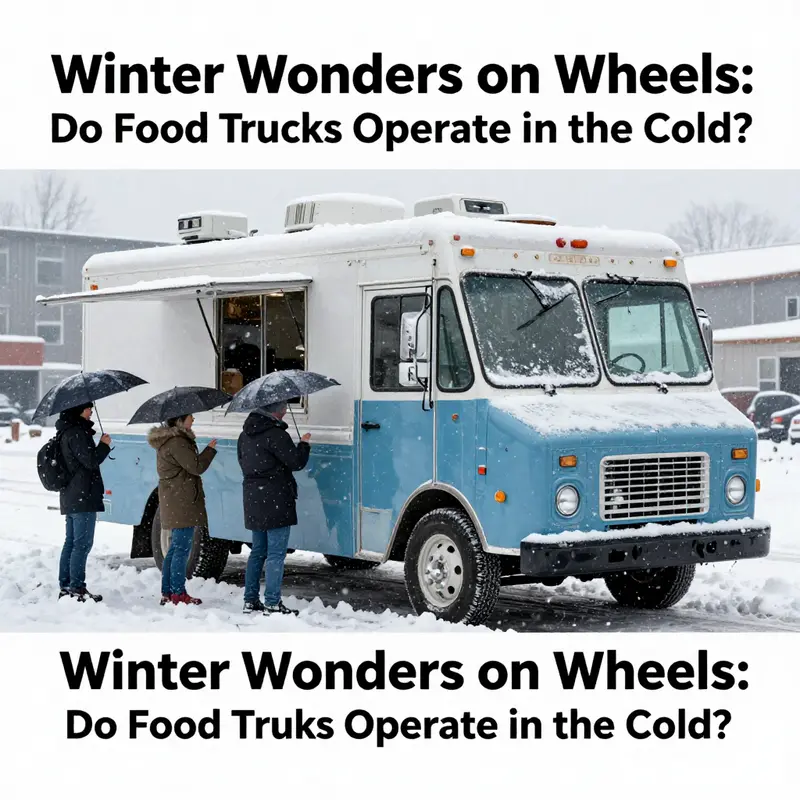
Winter arrives with a quiet but persistent demand for warmth, and food trucks enter a season where strategy matters as much as speed. The winter months compress the normal rhythms of roadside service into a tighter window of opportunity, where the weather can be as much a patron as a barrier. Snow and ice transform sidewalks into cautious routes and open-air lines into circuits of measured patience. The gust of a west wind may dampen spirits as surely as it chills hands, yet for the fleet that understands winter is a climate, not a calendar, the season becomes a test of resilience, logistics, and the art of turning comfort into commerce. The core truth is simple and often overlooked: food trucks do not vanish in winter; they shift, pivot, and reorient around what the season demands. The season’s demand is not merely for hot foods; it is for reliable availability, predictable quality, and a sense that the food on offer can be trusted to arrive at a consumer’s door, even when the weather would rather keep people indoors. In winter, the service model must move from spontaneity to steadiness, from open-air spectacle to climate-smart coziness, and from a single avenue of foot traffic to a more deliberate mix of locations, menus, and partnerships that can weather the worst days as effectively as the best ones.
The first toll winter takes is on foot traffic. Harsh temperatures, accumulating snow, and slick sidewalks all combine to reduce the spontaneous, walk-up patronage that many trucks rely on during warmer seasons. In colder regions, the most reliable customers become those who purposefully venture out to a destination—whether a heated market, a winter festival, or a transit hub where people are already on their way to appointments, work, or events. The result is a shift in emphasis from where crowds gather to where crowds can be anticipated. Seasonal markets and urban winter events often become anchor points, not merely transactions, and operators begin to plan around these rhythms instead of chasing the unpredictable gusts of casual street footfall. The urban center, with its built-in density and affinity for diverse culinary options, can transform winter from a liability into an opportunity, but only when the business models adapt to the temperature and the cadence of demand.
Operationally, winter tightens the margins and widens the gaps where equipment and safety intersect with commerce. Refrigeration units, already under strain in a busy summer, must withstand prolonged cold and the risk of temperature fluctuations during transport. Temperature control becomes a more delicate balancing act: the cold chain must be maintained not only to preserve perishables but to ensure that hot items—soup, stews, and other comfort foods—are served at an appropriate, safe temperature that customers can trust. When the cargo is a mix of dairy, meat, and greens, any mishap in insulation or heating can translate into spoilage, customer complaints, and a cascade of reputational risk that is particularly hard to recover from in a market where competition is fierce and a single bad day can ripple across a week.
The driving force behind many of these challenges is the weather itself. Extreme cold, heavy snowfall, and icy roads complicate everything from driving routes to delivery times. Fuel consumption rises as vehicles labor through snow and slush, and the risk to drivers increases with slick streets and limited visibility. The winter weather pattern also complicates supply chains. Severe storms can delay the arrival of perishables and dry goods, forcing operators to improvise with what’s on hand or to pivot toward more locally sourced or non-perishable options when fresh inventory becomes uncertain. This is where the broader supply network—the farms, distributors, and markets that support mobile food service—steps into view. Winter resilience hinges on a combination of on-the-ground flexibility and a more deliberate procurement strategy. In some cases, this means leaning on local suppliers to shorten lead times and reduce exposure to weather-related disruptions, while in other cases it means embracing non-local storage options for staples that can endure a longer shelf life without sacrificing quality.
To survive and possibly flourish, many operators install a climate-resilient set of adaptations. Portable heaters become more than a convenience; they are a core component of the service plan, transforming cramped back-of-truck space into a more stable environment for food preparation and packaging. Insulated enclosures help protect both food and equipment from the worst of the cold; they also create a small, controlled microclimate that makes it easier to manage the temperatures inside the serving area, which is essential for maintaining a smooth operation through long hours. The idea of climate resilience goes beyond equipment. It informs layout decisions, staff routines, and even the timing of shifts to avoid the coldest hours whenever possible or to align peak service with the warmest part of the day when the sun has a chance to lift the air temperature by even a few degrees. In practice, this means aligning the day’s plan with expected weather patterns and using weather intelligence to forecast demand more accurately, not just weather distress.
Another layer of winter strategy is menu adaptation. The winter palette is a direct response to the visceral need for warmth and nourishment. Operators refine their offerings toward heartier, warming dishes and reliable, quick-to-prepare items that still deliver a sense of indulgence. Hearty soups, stews, grilled sandwiches, and robust chili become staples, paired with hot beverages and perhaps simple, comforting sides. The key is not only the items themselves but the way they are packaged for portability and speed. A steaming container of soup is comforting, but it must be designed to travel without leaking, maintain heat for a reasonable period, and be easy to eat on the go. In winter, the choice of menu also reflects shelf-life and quantity planning. Dairy, meats, and greens demand careful cold-chain management, while items with longer shelf lives can provide a buffer when deliveries run late or markets close early due to weather. Staff training shifts toward food safety in cold conditions, ensuring that cold storage remains at the right temperatures during transit and that hands-on cooking and plating happen in a controlled environment that minimizes exposure to the chilling air that can dampen both flavor and appetite.
This climate-informed approach mirrors broader, climate-adaptive business models that are increasingly visible in mobile food service. The concept of weather-responsive adjustments has become a practical playbook. Vendors learn to anticipate demand spikes not only based on the day’s schedule but also on the forecast: a snowstorm may prompt an earlier start, a heated market may extend into the evening, and a cold morning may favor hot beverages and breakfast-style offerings that can be served quickly. The result is a more dynamic inventory that can shift in response to weather-driven consumer behavior. In some contexts, operators have adopted portable warmers and heated transport solutions to protect temperature-sensitive goods during transit. The goal is to preserve quality from the moment ingredients leave the source until the moment they reach the customer’s mouth, a chain that becomes more fragile in winter and demands rigor in preparation and packaging.
There is also a social and cultural layer to winter resilience. When the weather discourages outdoor activity, communities often rally around winter markets, festivals, and urban centers that offer a curated collection of vendors who share a common purpose: to deliver warmth, comfort, and variety in a compact, accessible form. The winter market becomes not only a sales channel but a social hub where people who might otherwise stay indoors are drawn out by the promise of a shared experience, seasonal specialties, and the energy of neighbors and visitors gathered under light and warmth. In such settings, the presence of a food truck becomes part of a larger ecosystem of food, culture, and commerce, with success depending on reliability, consistency, and the ability to stand out through the quality of the food, the speed of service, and the perceived warmth of the entire encounter.
In parallel, operators weigh location strategies with winter in mind. The advantage of a stable, indoor venue becomes clear when the weather is especially punishing. Indoor corridors, malls, parking structures, or event halls offer shelter, predictable foot traffic, and a version of the customer experience that blends convenience with comfort. The choice to relocate temporarily to indoor venues is not a retreat from outdoor markets but a strategic extension of the business model. It enables continued activity during the bleakest days and preserves relationships with customers who might otherwise drift to competing options that are more consistent and better suited to harsh conditions. The capacity to reposition quickly—moving from a curbside pull to a mall atrium or a covered festival space—can be a decisive factor in maintaining revenue streams when snow or wind discourages outdoor dining.
The winter season also invites a recalibration of cost management. Higher operating costs—fuel, maintenance, heating, and more frequent road salt exposure to metal components—must be weighed against the value of staying open through the season. Savvy operators track their expenses against the revenue impact of weather events, choosing to amplify their presence at opportunities that promise the strongest returns, such as high-traffic transit stops in cold morning hours or heated markets that guarantee a base of steady customers. Inventory planning becomes more granular: operators prepare for shorter windows of peak demand while maintaining a core stock of essential items that can be scaled up or down with weather shifts. These financial maneuvers are not mere hedges; they are strategic components of a winter resilience framework that recognizes seasonal volatility as an operational reality rather than an occasional disruption.
Interwoven with these practical considerations is the human element—the crew that must endure the cold, manage the equipment, and deliver consistent service. A winter shift often means shorter, more intense work periods, the need for proper cold-weather training, and a heightened emphasis on safety. Slips, trips, and falls become more common as outdoor spaces transform into slick surfaces, and drivers with slippery routes require careful route planning and updated safety protocols. The team’s morale becomes part of the product—the mood, energy, and attentiveness of staff when serving customers in subfreezing conditions can influence perceived warmth as much as the soup in the cup. In this sense, winter is not simply a weather condition; it is a stage on which the service ethic of a mobile kitchen is tested and proven through consistent, empathetic interaction with customers who themselves are seeking comfort on a cold day.
The results of these adaptations can be surprising. When a city or market embraces winter with a flexible, climate-aware approach, winter becomes a period of steady business rather than a season to endure. The research observations indicate a notable trend: operators who can align their menu with the weather, secure reliable cold-chain processes, and leverage indoor opportunities often find that winter revenue can approach or even surpass a portion of the off-season. The climate-adaptive business model is no longer a niche tactic but a framework for mobile food service that recognizes weather as a variable to be managed rather than an obstacle to be avoided.
For readers seeking practical pointers rooted in the season’s realities, a recent overview on the topic highlights several actionable directions. In particular, operators can benefit from reviewing equipment configurations and transportation solutions designed for cold weather, exploring how some layouts optimize heat retention and ease of cleanup in low temperatures, and considering logistics plans that emphasize local sourcing or non-perishable inventory when winter disruptions loom. It is useful to keep in mind the broader market context: winter markets and urban coalitions can sustain a diverse ecosystem of vendors who share the goal of offering warmth and good food in a crowded, accessible, and safe environment. The narrative of winter for food trucks is a story of continuity—continuity of service, of dependable quality, and of the everyday human need for nourishment that can cut through the cold with every steaming bowl and every cup of hot tea or cocoa.
In sum, winter does not cancel the business of food trucks; it refines it. It compels operators to optimize location, recalibrate menus toward warming and comforting fare, invest in climate-smart equipment, and reimagine supply chains for reliability under harsh conditions. The best operators examine weather not as a force to be battled but as a condition to be understood and worked with. They craft experiences that feel intimate and deliberate, even in crowded urban winters, and they cultivate relationships with customers who appreciate the promise of warmth made tangible by efficient service and food that delivers both nourishment and cheer. The season tests the ingenuity, discipline, and heart of the mobile kitchen, and it rewards those who plan with both prudence and creativity. As winter deepens, the conversation about how food trucks operate in cold months expands from a logistical discussion into a wider dialogue about resilience, community, and the enduring appeal of comfort food delivered to the doorstep of a frozen city street.
For operators exploring equipment and layout perspectives that may influence winter performance, a practical resource on the best-food-truck-models-for-lakewood-startups offers useful context on how vehicle design, storage solutions, and workflow can affect resilience in cold conditions. This resource can provide a framework for thinking about how to optimize a truck’s interior for both food safety and staff comfort, while maintaining an eye on energy efficiency and speed of service. Accessing this guide can illuminate how small design choices—such as insulation, door separation, and work zone organization—translate into meaningful improvements during winter operation. best-food-truck-models-for-lakewood-startups.
The winter experience thus becomes a compelling lens on the broader question of how food trucks survive and thrive in changing climates. It reveals a market that is adaptive, community-centered, and driven by a simple human longing: warmth delivered with care, through food that satisfies and comforts when the cold asserts its authority. The winter arc, with its challenges and opportunities, is not a detour from the main road but a season that reveals the depth and versatility of the mobile food movement. It is in this season that the operational discipline, the culinary imagination, and the willingness to reimagine the customer journey converge to create a winter narrative that is as much about resilience as it is about flavor.
External resource: https://www.bioone.org/doi/full/10.1086/345678
Winter on the Move: Crafting Comfort on the Street Through Seasonally Tuned Menus and Strategic Positioning
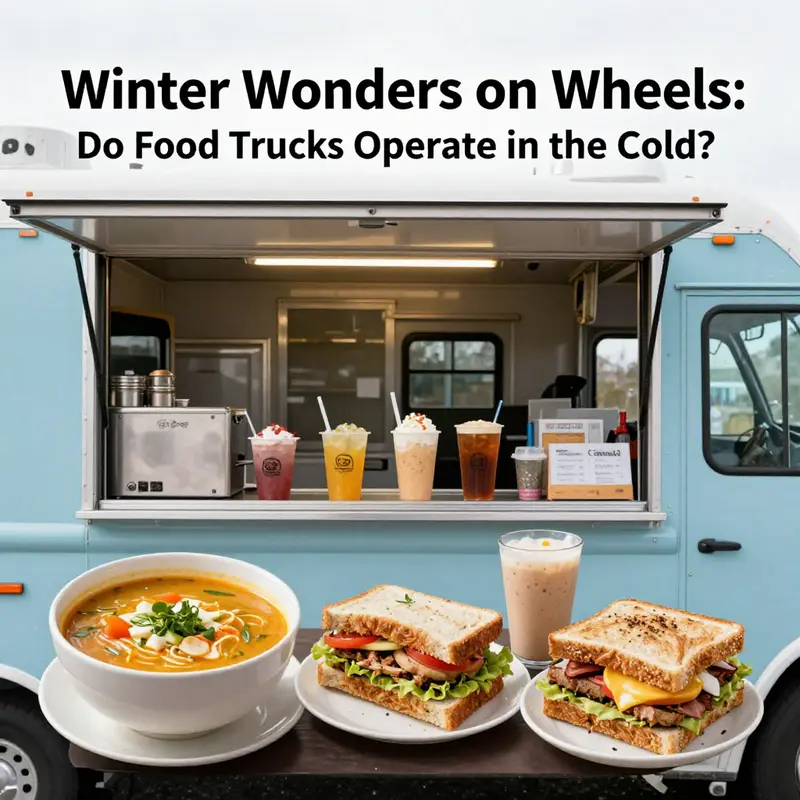
When the air turns sharp and daylight shortens, the simple question of “do food trucks run in the winter?” becomes a practical puzzle for operators who want to keep the flame of a busy street kitchen burning. The answer, proven again and again as snow blankets sidewalks or heavy rain drums on awning canvases, is yes—within a disciplined framework of seasonal adjustments, location strategy, and a menu that speaks directly to appetite and comfort. The winter months are not a pause button but a different tempo. They demand a shift from the bright spontaneity of summer crowds to purposeful planning, intimate customer connection, and a menu that feels like a warm invitation in the middle of a gray afternoon. In this sense, winter is less about surviving the cold and more about using the cold to refine what the vehicle can do best when most customers crave warmth, substance, and speed.
The most visible change is in what people want to eat when frost is on the ground. Cold weather tends to drive demand toward warmer meals, higher-calorie comfort options, and items that can be enjoyed quickly without sacrificing satisfaction. This means soups, stews, chili, chowder, and hearty grilled sandwiches rise to the top of the queue. A steam of steam becomes part of the sensory pitch—steam drifting over a crowded curb as a spoon meets a thick, velvety broth; the scent of roasted root vegetables wafting from a pot as a line of customers forms a queue that feels almost ceremonial in its ritual of warmth. In the winter, even fast food can feel like a slow, comforting moment away from the chill outside. Operators learn to balance craveable indulgence with practicality: items that can be prepared in manageable batches, finished to order, and served with minimal wait. The menu often expands to include hot drinks, mulled flavors, and robust breakfast options that can anchor a day’s sales when commuters are seeking a quick lift before a long walk to the office or beyond.
One notable outcome of the season is a natural shift toward higher-calorie, comfort-forward meals. This isn’t a license to abandon health considerations; rather, it’s a reminder that wellness in winter often takes a form that accommodates warmth, fullness, and sustained energy. A hot, nourishing bowl with fiber-rich vegetables and a protein can be as much a wellness choice as a pastry treated with a lighter glaze. Operators who succeed in winter find ways to incorporate health-conscious elements—high-fiber grains, balanced portions, and lower-sugar options—in a manner that doesn’t undermine the indulgent appeal customers seek when the wind bites at the cheeks. The result is a menu that invites customers to treat themselves to something satisfying, while still aligning with broader wellness trends and a growing consumer appreciation for ingredient transparency and quality.
Seasonal adjustments extend beyond what’s in the bowl to how the kitchen operates and how the team moves through the day. A winter menu demands a systematic approach to market analysis that begins with listening to past patterns and ends with a precise forecast that informs what to stock, what to prep, and what to push in the days ahead. Operators routinely review previous winters’ sales data to identify which items consistently perform despite holds in foot traffic, and which innovations spark a brief spike that can be scaled up or adjusted. Local ingredient availability becomes more critical in winter because many fresh items have shorter seasonal windows or higher costs due to weather-related logistics. Root vegetables, squash, apples, and winter greens come to the foreground, not as a seasonal novelty but as core pillars of the menu that support sustainability and consistency. The logic is simple: sourcing seasonal ingredients locally reduces procurement risk, supports neighbors and suppliers, and maintains menu freshness without chasing scarcity. It also helps with cost control, because shorter supply chains tend to translate into fewer surprises and lower waste when planning for a month of service.
Translation of seasonal insights into operations requires disciplined inventory management. Perishables must be forecast with a winter lens, balancing the desire for variety with the reality of shorter shelf life and slower turnover. The winter playbook emphasizes longer-hold components such as broths, stocks, and sauces that can be repurposed across multiple dishes. This cross-utilization approach minimizes waste while expanding the menu’s perceived breadth without bloating the prep list. Keeping a tight watch on inventory also guards margins when demand can swing with weather, holidays, or local events. In practice, this means a careful adjustment of purchasing forecasts and a readiness to pivot away from items that historically underperform in the cold months. The shift from summer staples to winter workhorses becomes a practical exercise in cost efficiency, not a nostalgic indulgence in comfort foods alone.
Operational realities in winter demand attention to the equipment that makes a mobile kitchen reliable in cold conditions. Cold weather can stress cooking and serving gear, from fuel efficiency and burner performance to the reliability of refrigeration in unheated or exposed environments. Operators must verify that cooking and holding equipment functions optimally when the truck is parked in brisk air or chilly shade. Heating for the interior of the service window becomes a factor not only for staff comfort but for maintaining product quality and consistency. The logistics of staying warm on long shifts, ensuring ample hand-warmers, and keeping gloves accessible without compromising hygiene are practical details with a notable impact on service speed and accuracy. A seemingly small factor—like the stability of a generator or the adequacy of a backup power plan—can ripple through service during a busy rush, affecting both temperature control and the pace at which orders move from window to customer.
Beyond gear and gear shifts, winter urban realities shape where a truck can operate most effectively. Shorter daylight hours and colder evenings alter foot traffic patterns. Peak demand may shift to lunch hours, early evenings, or weekend markets that attract a different crowd than the summer weekday lunch commuters. These shifts encourage operators to reconsider location strategy, moving closer to indoor venues during the coldest periods or partnering with event spaces, malls, or large office complexes that maintain foot traffic when outdoor crowds shrink. The aim is not simply to relocate but to optimize exposure for a customer base that still seeks the ease of street food but increasingly prefers the security and comfort of a protected environment. In some markets, winter markets and indoor food truck events extend the season by providing a predictable flow of customers who crave hot meals in heated spaces, a scenario that merges the convenience of a mobile kitchen with the reliability of a fixed site.
The operational calculus extends to staffing as well. Shorter daylight hours and intensified cold can dampen pace and stamina. Operators adjust shifts to align with the more intense winter demand patterns, ensuring that the busiest windows are fully staffed while avoiding fatigue during slower periods. Staff training places greater emphasis on efficient warming techniques, superior plating that retains heat, and consistent portioning that preserves value when demand fluctuates. In winter, every minute counts, and a well-trained team that can move quickly, handle hot pans safely, and communicate clearly with customers becomes a competitive advantage. A weather-aware staffing plan may also include contingency strategies for snow days or sudden shifts in market access, ensuring that service remains smooth even when weather disrupts usual routes or stall access.
Marketing in winter has its own distinct aroma. The seasonal story matters as much as the dish. Operators lean into themes of “winter warmth,” pairing comforting menu items with a sense of coziness that invites customers to pause, repower, and continue their day with energy. Limited-time holiday specials can create anticipation and drive repeat visits, while collaborations with local events can anchor a routine that customers come to expect. The storytelling around winter menus emphasizes not just the product but the experience—fast service, consistent quality, and the promise of a hot meal on a chilly street. This narrative is reinforced by the physical presence of the truck: a warm glow from the service window, a curated playlist that matches the mood of the season, and thoughtful touches such as an optional spice-tadded finish that warms the palate without overwhelming the core flavors. The best operators translate this atmosphere into loyalty, using simple, repeatable cues—neighborhoods, events, and times of day—to create a dependable pattern of visits that endure through the winter months.
A crucial strategic move in winter is to plan for indoor or semi-indoor venues while maintaining the vitality of a mobile enterprise. Some operators relocate to parking garages with protective canopies, event halls, or shopping-center clusters that maintain steady traffic despite outdoor conditions. This approach does not erase the authenticity of the mobile kitchen; rather, it reframes it within a controlled environment where customers can count on a warm meal within a familiar, accessible setting. It also introduces the possibility of cross-promotional activities with nearby retailers, galleries, or community spaces, where a shared table or a common lounge area can become a hub for a winter food experience. The advantage is twofold: predictability for the operator’s cash flow and a more comfortable, predictable dining experience for customers who want warmth, speed, and quality without braving the elements for long.
The broader takeaway from winter operations is clear. Do food trucks run in the winter? They do, and they can thrive if they treat the season as an opportunity to refine the core value proposition. The path to success is a loop of market analysis, seasonal sourcing, precise inventory management, equipment readiness, and a customer-focused approach to warmth and comfort. A winter menu should be a living document, revised in response to local weather patterns, event calendars, and the evolving tastes of the community. It should leverage seasonal ingredients to deliver dishes that feel fresh even as the days grow shorter, while ensuring that base staples—like a dependable broth, a solid grilled sandwich, and a reliable hot beverage—remain so proficient that customers know they can count on a warm, satisfying meal no matter what the weather brings.
To bring these ideas from the page to the street, operators often weigh equipment choices and truck layouts, a topic explored in regional guides for startups such as the best food truck models for Lakewood startups. The right configuration can influence everything from heat retention to workflow efficiency, ensuring that cooks can pivot quickly between tasks and deliver hot plates with minimum delay. The truck’s interior should support a winter workflow that emphasizes orderly prep zones, efficient cold storage, and a layout that keeps hot items flowing along a linear service path without bottlenecks. Such thoughtful design reduces the cognitive load on staff during peak periods and contributes to a more reliable customer experience, a critical factor in winter when visibility and mood can be tempered by the weather.
This season’s approach also invites a broader, long-term perspective on resilience and community integration. Winter markets, community centers, and urban centers with robust pedestrian traffic can become anchors that sustain a mobile kitchen through the cold months. Building relationships with local farmers, bakers, and producers who understand the winter cycle helps ensure steady access to ingredients and a sense of shared purpose that resonates with customers who want to support local businesses even when the temperature dips. For the shopper, warmth is not just about food; it’s about the entire moment—exchanging a few friendly words with a cook who knows the neighborhood, selecting a dish that feels like a personal treat, and stepping back into the cold with a comfortable glow in the chest and a full stomach that harmonizes with the season’s pace. In this way, winter becomes not a barrier but a distinct chapter that tests and ultimately strengthens a mobile kitchen’s craft, its efficiency, and its relationship with the community it serves.
For those seeking a practical framework that aligns winter operations with best practices in inventory control, scheduling, and forecasting, it helps to consult industry resources that distill complex operations into actionable guidance. The winter playbook for a mobile kitchen is most effective when it is data-informed, customer-centered, and adaptable. As with any seasonal strategy, the aim is to reduce guesswork, optimize resource use, and make the most of the opportunities that the season presents—opportunities to deepen neighborhood ties, demonstrate culinary versatility, and prove that a well-run food truck can bring warmth and convenience to the coldest days. When the weather makes the outdoor experience challenging, the right combination of menu, location, and service can turn a winter shift into a reliably busy, memorable occasion for both cooks and customers.
In sum, winter on the road is a test of adaptability as much as endurance. It asks operators to translate the desire for comfort into a practical, scalable plan: a menu tuned to warmth and heartiness, an inventory model that reduces waste while delivering consistency, a service strategy that honors shorter days and shifting crowds, and a marketing narrative that invites communities to seek shelter, flavor, and speed under a shared roof of warmth. The result is a winter that feels less like a season of constraints and more like a season of refined craft, where the street becomes a theater of hospitality and the food truck emerges as a trusted, dependable source of warmth in the rhythm of cold days. And the next chapter continues this thread by turning to the delicate balance of tradition and innovation—how to honor familiar favorites while inviting new tastes that suit winter’s cadence, all without losing sight of the practical core that keeps a mobile kitchen thriving through every frost.
External resource for deeper operational guidance: for a solid framework on inventory management and related operational best practices, see the Inventory Management Guide from the National Restaurant Association: https://www.restaurant.org/Industry-Insights/Operations/Inventory-Management
Winter Footprints: Urban Hubs, Rural Routes, and the Resilience of Food Trucks in Cold Months
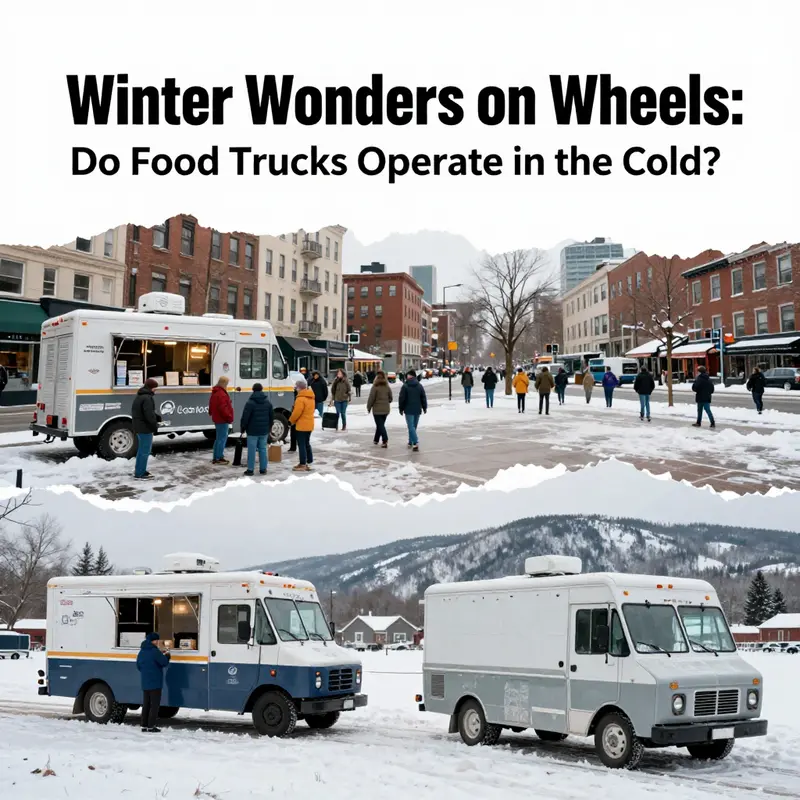
Winter does not silence the sizzle or silence the street-side promise of a good meal. It reframes it. Do food trucks run in the winter? They do, but their wagons weave through a season of variables that demand a different kind of practicality, a different choreography of space, heat, and timing. The question is not merely whether a truck can operate when the temperatures fall, but where it can find a steady rhythm—urban centers with their pulse of foot traffic and transit flows, or rural outposts where seasonal crowds gather for skiing, markets, or holiday celebrations. The answer lies in strategic positioning, agile menu planning, and a focus on comfort foods that travel well in cold weather. Winter is less about a simple persistence of business and more about a recalibrated recipe for operation.
In urban environments, the winter landscape often offers a surprisingly favorable stage for mobile kitchens. There, the math of density and accessibility tilts the odds toward stability. The roads may be slick, but sidewalks, pedestrian zones, and sheltered corridors can funnel foot traffic toward a truck’s window. Businesses that keep their stance near office districts, train stations, or college campuses tap into built-in rhythms: early-morning coffee runs, lunch dips, and late-night cravings that emerge as the workday ends and the cold bites harder. The core advantage is infrastructure. Urban centers tend to offer more reliable power sources, which is not a flashy luxury so much as a practical necessity in winter. Deep freezers remain essential for preserving stocks of hearty ingredients, while heaters, cooktops, and refrigeration units rely on dependable supply to function without fail through freezing nights and brisk mornings. Cold weather makes the need for energy efficiency even more acute; a truck that sips power while keeping outputs steady becomes a more reliable partner to both the operator and the customer.
Beyond power and plumbing, urban spaces often supply psychological shelter. Covered walkways, heated transit concourses, or adjacent indoor marketplaces can extend a truck’s operational window well into chilly evenings. The weather may bite, but the path of least resistance in a city can be a well-lit avenue with a predictable flow of people who want warmth in minutes, not hours. In this setting, the menu tends to gravitate toward hot, comforting staples that still travel efficiently. Stews that hold without fatiguing on a steam table, soups that brighten with a dash of aromatics, toasted sandwiches that offer a crust and a crisp bite, and drinks that deliver heat in a compact cup—these are the kinds of items that perform at peak in winter. Industry guidance notes a particular synergy in urban contexts: trucks equipped with reliable storage and quick-serve capabilities can meet a recurring demand for warm meals during lunch rushes and late-night strolls alike. In a city, a well-prepared winter menu becomes a reliable weatherproof signature rather than a seasonal curiosity.
Yet urban operations are not without their constraints. The same density that creates opportunity can also bring logistical friction. Parking spots near transit hubs can be scarce, and street closures or curbsides reserved for other uses may limit the hours a truck can operate. Snow and ice can complicate loading, unloading, and customer flow, while local regulations and noise ordinances require precise adherence to permits and service windows. The urban winter also amplifies the importance of a truck’s physical design. Insulation becomes a matter of comfort for staff and sustainability for the business, and the vehicle itself must withstand daily cycles of heat and cold without compromising cooking equipment or display authority. In the city, the risk of power interruptions, even brief, is a real concern, which makes dependable backup systems and prudent weather planning essential. A truck in an urban winter operates not just as a mobile kitchen but as a compact, climate-controlled node that can pivot between outdoor service and indoor partnerships as needed. The more seamless that pivot, the better the odds of maintaining steady revenue during months when foot traffic follows a more idiosyncratic pattern.
Rural winter operations, by contrast, unfold under a different set of economics and rhythms. The same sense of opportunity that comes from a ski slope or a seasonal market can be tempered by logistical realities that urban operators often navigate with greater ease. Rural areas typically present sparser populations, longer travel times, and less robust infrastructure. Electricity may be less reliable, and cold snaps can test the battery life of equipment, the integrity of refrigeration, and the efficiency of heat retention throughout the service window. Roads can become rollers of snow, and access to amenities such as nearby restrooms or sheltered spaces may be limited. In such contexts, the value of planning in advance cannot be overstated. A rural winter operation often hinges on strategic partnerships with resort operators, farms, or community venues that can provide shelter, power, or a stable customer base during peak seasonal times. The dish on demand here is more localized but can become extraordinary when aligned with seasonal activities—holiday markets, ski events, or farm-to-table gatherings where visitors arrive with appetites and an expectation of warmth.
Opportunities still abound away from the urban corridor, especially when a truck can position itself at a brief but high-intensity moment of demand. Dessert-focused or beverage-forward units can thrive at winter farmers markets held indoors or under ramada shelters, where customers seek a quick, comforting bite between shopping sprees or post-slope treats. In such settings, the capacity to pre-cook, pre-portion, and re-plate quickly can be a decisive advantage. The key is to design routes and schedules that align with stepping-stone venues—events, venues, or markets that remain open despite the weather—and to cultivate partnerships that extend beyond a single point of sale. Rural winter success is a blend of readiness and opportunism: readiness to operate with limited power backups and weather-resistant equipment, and opportunism to chase the seasonal crowds into sheltered or indoor footprints where the cold cannot dominate decision-making.
The river between urban and rural winter operations is not a wall but a spectrum. Some operators intentionally shuttle between the two, testing ideas in high-density zones and then migrating to a quieter, more intimate setting as the calendar turns toward mid-winter. This balancing act requires a flexible game plan—one that anticipates the weather, timing, and crowd flow in a way that general planning alone cannot guarantee. It also calls for a pragmatic view of what winter service must deliver: hot, hearty, quick meals; reliable service windows; and a customer experience that respects the chill while offering a brief, satisfying moment of warmth. In both contexts, the heart of the business remains the same—the same menu creativity, the same insistence on food safety, and the same commitment to consistency—but the means of achieving that warmth shifts with geography and season.
To support operators in making these decisions, it helps to think in terms of concrete configurations that can weather the cold and still deliver. The winter kitchen is not simply a set of recipes; it is a designed system. It relies on robust insulation, dependable power, and a layout that minimizes cold exposure to the cooking zone while maximizing throughput. The choice between a compact, highly efficient setup and a more expansive yet equally insulated one often maps to the location question. In urban settings, where space may be constrained but power is reliable, a smaller footprint with smart storage and energy-efficient appliances can keep operating costs down and service times up. In rural contexts, a larger footprint with more flexible cooking zones can compensate for the longer travel times and the possibility of hosting longer service windows at a single site. The ability to adapt the heat source and to manage ice and snow on the service palate becomes as important as the taste of the menu itself.
One practical way to frame this planning is to consider equipment configurations that support winter stability, especially when power reliability is a concern. Operators can optimize for heat retention, battery efficiency, and the ability to operate during grid outages or in off-grid venues. A winter-ready truck benefits from well-insulated display cases, heavy-door closures, and heated serving windows that cut down on heat loss during lineups. It also benefits from a menu that can be retooled quickly to accommodate an indoor or sheltered venue, with items that can be assembled or reheated on-site with minimal ventilation requirements. For those contemplating the lifecycle of a truck in cold months, it is worth exploring resources that outline material composition and technical standards for equipment designed to endure winter operations. A detailed guide exists that specifically discusses food truck configurations with deep freezers, illustrating how power stability and equipment protection translate into practical performance on the street.
For operators weighing the practicalities of winter-ready configurations, it can be helpful to see how others have approached the question of equipment and layout. Consider exploring best practices in winter-ready designs through a resource that examines models, layouts, and operational efficiencies. This context helps frame decisions about truck size, storage strategies, and the location mix that best suits a given climate and market. If a reader wants to dive into a concise comparison of models and their implications for winter service, a recommended starting point is a recent aggregation of design options focused on winter performance. This kind of guidance is especially useful for new entrants who must balance a limited budget with the need for reliability through several cold months. In addition to the equipment-focused considerations, another layer to think about is the customer experience: how to communicate warmth and welcome when the gusts outside are fierce, and how to create an approachable line that minimizes wait times yet maximizes perceived value.
Beyond the hardware and the menu, winter success in both urban and rural settings hinges on a disciplined approach to location, timing, and customer demand. In cities, the continuity of demand can be strong but the window to capture it is often narrow. A lunch rush can be brisk, but weather elements like wind, snow drift, or rain can shorten the peak period and push more customers toward early or late service. Operators must be prepared to shift schedules, extend hours, or relocate to covered spaces that shield customers from the worst weather while keeping the cooking area safe and compliant. In rural zones, the cadence of demand is more event-driven. A single popular ski day or a holiday market can deliver a burst of customers that makes a day financially meaningful, while normal weekdays might yield sparse walk-up traffic. This reality encourages a mode of operation built on partnerships and consistent presence at a handful of stable venues. The ability to maintain a clean, welcoming, and warm space at these sites becomes a differentiator as much as the warmth of the bowls and buns on the menu. In both contexts, creative pricing, loyalty strategies, and simple, efficient service keep the line moving and the customers returning.
The broader lesson, then, is not simply where to stand but how to stand up to winter. The best locations in winter are those that blend accessibility, shelter, and predictable demand, while still offering a path to growth through seasonal partnerships and community events. An operator who can align a winter route with indoor or covered venues—such as indoor markets, corporate events, or community centers—gains a resilience that offsets the volatility of weather and foot traffic. Conversely, even in rural settings, a truck that can deliver warmth in a compact, reliable package can convert a sporadic crowd into a loyal following, especially when paired with a well-timed appearance at three or four venues that share the same seasonal calendar.
The narrative of winter food trucks is thus a story of adaptability rather than a static plan. It is about knowing where the customers are likely to be, how to protect and project warmth, and when to lean into a sheltered environment rather than fight against the elements. It is about configuring the kitchen so that cold does not creep into the process and so that the flavor, aroma, and aroma-induced anticipation still travel efficiently from pan to plate. It is about meeting the public where they are, whether that place is a sunlit plaza in the heart of a dense urban core or a sheltered corner at a mountain market where the air is crisp but the welcome is warm. And it is about recognizing that winter is not a barrier but a different operating landscape that rewards preparation, flexibility, and a clear understanding of customer demand.
For operators curious about how to translate these ideas into actionable choices, there is value in looking at nearby case studies or design guides that discuss winter operations in light of power reliability and food safety. In particular, the consideration of equipment and layout in cold climates can illuminate decisions about truck configurations, fuel efficiency, and the practicalities of running a deep-freezer-equipped kitchen in a city or a rural festival. The guidance emphasizes that winter is a test of systems as much as a test of menus. It invites operators to think not only about what to cook but about how to cook it, where to sell it, and how to ensure that customers leave with the same warmth they felt when standing in line. The result is a winter operation that feels seamless and reliable, even as the weather outside shifts from storm to thaw and back again.
As winter continues to unfold in different regions, a single truth remains: the question of winter viability for food trucks is answered not by a one-size-fits-all formula but by a flexible framework that respects local climate, population patterns, and the infrastructure that makes a vehicle into a shoppable, hospitable kitchen on wheels. Urban centers reward speed and shelter, while rural venues reward readiness and the capacity to deliver warmth at the edge of a seasonal economy. In both spaces, the essence of winter service is the same—quality, consistency, and a willingness to adapt to the weather as a partner rather than an adversary. The winter road is long, and the winter market is seasonal, but with thoughtful planning and the right partnerships, a food truck can not only survive but thrive when the thermometer dips and the streets go quiet—until the next wave of customers reopens the window of opportunity.
To explore practical design choices that support winter resilience, consider examining models and layouts that emphasize efficient use of space, thermal retention, and scalable power options. For an operator weighing the path from concept to street, a compact, high-efficiency model may offer the best balance of upfront cost and day-to-day reliability in urban winters, while a larger, more modular setup can support expansion into rural markets or indoor venues when weather dictates. The point is not to chase a single best setup but to cultivate a family of configurations that can be deployed in different combinations as the calendar and climate dictate. The result is a winter operation that can bend without breaking, a truck that can stand up to the cold and still deliver comfort in every bite, and a business that remains connected to its community through the shared need for warmth when the days feel short and the air turns brisk.
For readers who want a deeper dive into the equipment and standards that support winter operations, a detailed resource on deep-freezer configurations and the technical standards behind them offers a practical foundation. This external reference complements the narrative above by translating concepts of insulation, power stability, and temperature maintenance into concrete performance criteria for winter service. The discussion helps operators translate theory into on-the-ground decisions about what to carry, how to configure the vehicle, and how to plan for contingencies when the weather tests capacity and patience alike. The goal is to move from general guidance to actionable design choices that will help a truck stay warm, stay compliant, and stay profitable through the cold season.
In the end, the winter question for food trucks is less about weather resistance and more about weather-smart strategy. Urban hubs reward the agility to serve steady streams of customers with a warm, fast, and comforting product in a walkable radius. Rural routes reward the foresight to connect with seasonal venues, indoor markets, and partner facilities that can sustain a business through lean days and windy nights. The strategy that emerges from this blend is a winter playbook built on reliable power, careful insulation, a flexible menu, and a disposition to partner with the places where people gather when the air is crisp and the promise of a hot meal is a welcome relief. The do-it-winter reality of food trucks thus becomes a narrative of adaptation—an ongoing conversation with climate, crowd, and the city or countryside that hosts the mobile kitchen. And through that conversation, the sizzle continues, even as the season changes.
Internal link for further context on equipment choices in winter contexts: best food truck models for lakewood startups
External resource for technical standards and deep-freezer considerations: Food Truck With Deep Freezer: Material Composition, Technical Standards, and Common Applications
Final thoughts
In summary, food trucks in winter are not just a possibility; they are a vibrant part of the community’s food landscape. By focusing on warm, hearty menu items and strategically picking their locations, food trucks continue to bring people together around delicious meals despite the chill. Tourists in Lakewood can enjoy the unique experiences these winter operations offer, while aspiring food truck owners can glean valuable insights into how to thrive in the colder months, ensuring both sides stay connected in a cozy, food-filled atmosphere throughout the season.