
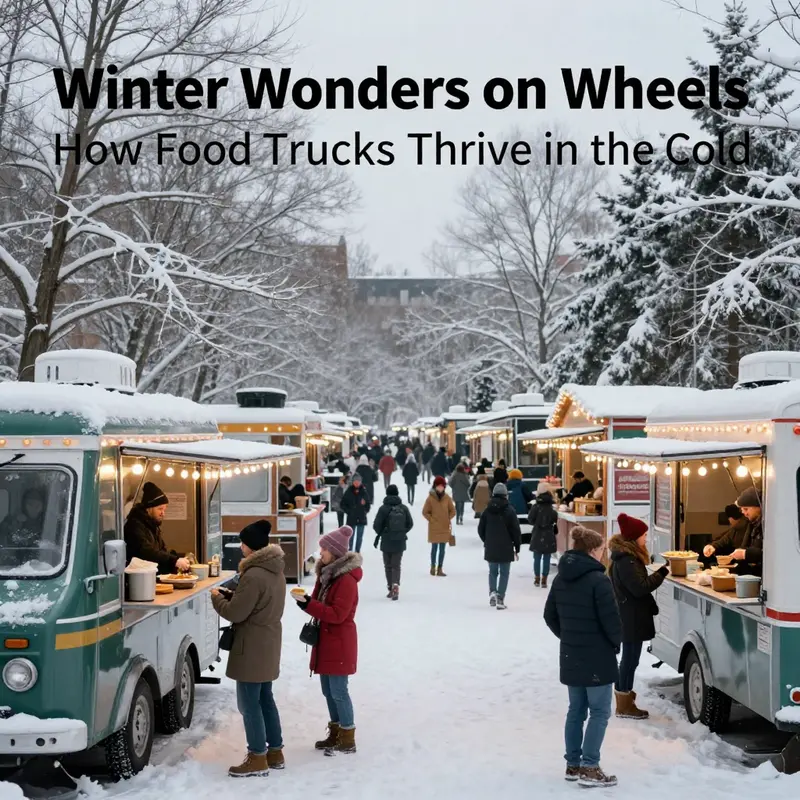
It’s that time of year again where snowflakes fall and warm beverages become a staple. But wait, does that mean food trucks have to hibernate until spring? Not at all! Food trucks can operate year-round, even in the frosty winter months. The secret lies in understanding operational strategies, adjusting to customer demands, and recognizing the challenges and opportunities that arise in the winter landscape. In this discussion, you’ll learn how aspiring food truck operators can succeed during this season, what mouthwatering seasonal menus can entice customers, and how overcoming winter challenges can lead to a fulfilling food truck adventure.
Staying Open in the Cold: Practical Operations and Winter Adaptations That Make Food Trucks Work
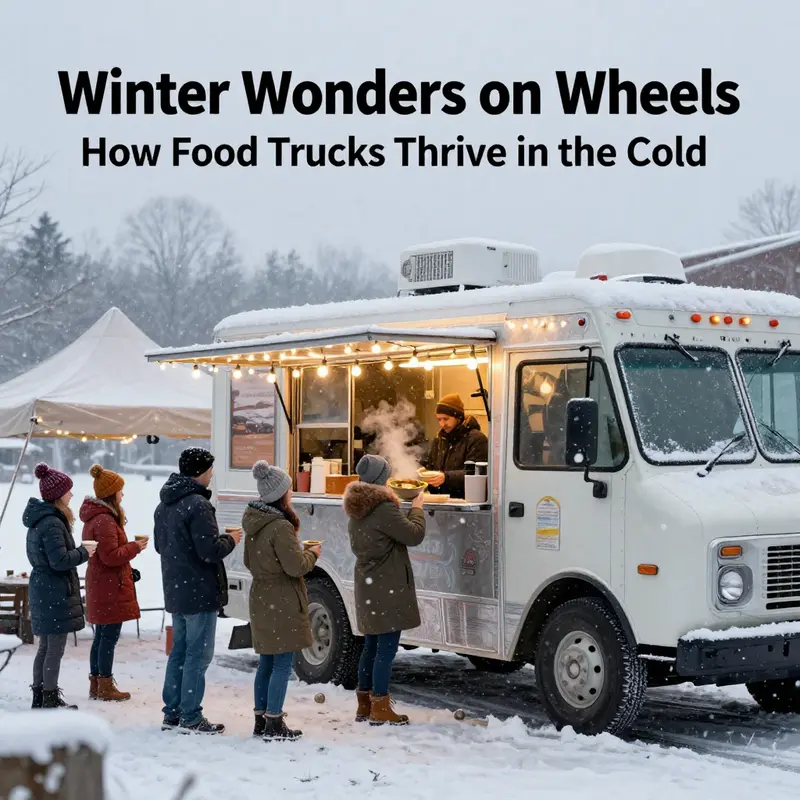
Staying Open in the Cold: Practical Operations and Winter Adaptations That Make Food Trucks Work
Running a food truck through winter shifts the business from seasonal flexibility to deliberate engineering. Cold weather changes everything: how you cook, how you serve, where customers find you, and how staff stay safe and productive. But winter does not mean shutting down. With intentional systems, robust planning, and a menu that answers the season, a food truck can operate profitably and even gain loyal customers who value consistent, warm meals when other options are scarce. This chapter walks through the operational strategies and practical adaptations that let food trucks not only survive, but thrive, when temperatures drop.
Heat and human comfort form the first and most immediate set of challenges. A reliable heating system inside the truck is essential. Trucks commonly use propane or electric heaters to maintain a safe, comfortable workspace and to keep hot-held foods at proper temperatures. Beyond the heater itself, insulating the truck matters. Adding insulation to walls and ceilings, deploying thermal curtains between sections, and fitting insulated service doors reduces heat loss. Small changes have big effects: sealing gaps around windows and service hatches, using heavy-duty door sweeps, and installing insulated roll-up covers for the service window keeps the warm air inside and the cold out. When heaters run, ventilation must remain adequate. Any combustion heater requires proper exhaust and fresh air to avoid dangerous buildup of fumes, and carbon monoxide detectors should be part of the standard safety kit.
For customer comfort, outdoor heat solutions expand usable space. Portable patio heaters, heated tents, and enclosed canopies with clear panels create sheltered zones where patrons can wait or eat without being chased away by wind chill. Heated tents can double as line management systems, reducing queuing outside and allowing more efficient service when the line slows. Choose durable, commercial-grade heaters and ensure stable, safe placement. Windbreaks and strategically placed barriers reduce the energy needed to keep a tent warm. Where seating is sparse, focus on quick, efficient service and offer insulated takeaway options that let customers carry warm meals to nearby indoor seating areas or cars.
Menu design is arguably the most visible winter adaptation. People instinctively choose warmth and comfort when it’s cold. Heavy, hot dishes—soup, stew, chili, braised items, grilled sandwiches, and warm bowls—meet this demand. These items often travel well, hold heat longer, and can be portioned efficiently. Batch cooking lends itself to predictable busy windows like lunch, reducing on-truck prep time and minimizing the number of staff exposed to cold. Hot beverages such as cocoa, spiced teas, and signature warm drinks can be high-margin add-ons and serve as grab-and-go items. Introduce limited-time winter specials to create urgency, and rotate flavors to keep regulars engaged. Packaging matters too; insulated containers and spill-proof lids maintain quality during transit and improve customer satisfaction.
Cold weather affects plumbing, fuel systems, and other equipment. Water lines and hoses can freeze if not properly insulated. Heat tape, pipe insulation, and keeping water tanks warm help avoid service interruptions. Greywater and waste systems require attention; ensure tanks are winterized and emptied regularly to prevent ice buildup. Fuel considerations include safe storage for extra propane or diesel, and planning for higher fuel use for heaters and generators. Generator reliability is critical; winter strains electrical systems, and a backup plan prevents lost sales. Regular maintenance before winter starts—battery checks, oil changes, and inspection of seals and gaskets—reduces the risk of breakdowns in freezing conditions.
Location strategy changes in winter. Foot traffic patterns tighten around indoor clusters: office building entrances, university hubs, shopping centers, and public transit stops retain consistent demand during lunch hours. Food trucks that partner with indoor venues gain stability. Seek spots where customers naturally pass by when they need to escape the cold. Indoor events, holiday markets, corporate gatherings, and community centers can provide sheltered revenue streams. In colder regions, operators often relocate temporarily to parking garages, covered courtyards, or shared indoor markets. Timing matters: schedule where and when customers are most likely to seek warm food, and consider shorter, high-density service windows rather than a long, underperforming day.
Marketing must shift to fit winter realities. Real-time updates about location and menu become more valuable when customers won’t walk in the cold just to find you gone. Use social media to announce daily spots and limited-time specials. Promote warm bundles, early-bird lunch deals, and loyalty incentives that reward repeat visits despite the weather. Pre-order systems reduce wait times and keep customers out of the cold. Mobile payment and click-and-collect reduce transaction friction and speed up service. A consistent online presence reassures customers that the truck will be there, and small touches—photos of steaming bowls and cozy service setups—remind people why they should brave the cold.
Staffing needs change in winter, too. Staff must be able to work in a warm interior while stepping outside for deliveries, customer interactions, or waste runs. Layered clothing and insulated footwear help, but shift planning and regular breaks to warm up minimize the risk of cold-related health issues. Cross-train team members so one person can rotate through warmer tasks. Clear protocols for snow and ice management keep staff safe: have salt, shovels, and slip-resistant mats on hand. Training on heater operation, safe fuel storage, and winter emergency procedures keeps the team prepared for sudden weather events.
Financial planning is the backbone that allows winter strategies to be implemented without sinking cash flow. Heating costs, additional fuel for generators, tent rentals, and extra maintenance add expenses. Budget these items into a winter operating plan. Create revenue buffers by diversifying sales: catering small indoor events, offering private bookings, or taking pre-orders for office lunches. Consider bundled pricing for winter specials to increase average ticket size while offering perceived value. Track winter sales closely and adjust the operating schedule as patterns emerge. Some operators find winter to be quieter but more predictable, allowing them to optimize staff hours and reduce waste.
Operational layout and workflow adjustments improve efficiency and reduce exposure to cold. Move the hot line closer to the service window to minimize heat loss during plating. Use insulated pass-throughs and hot-holding cabinets near the window to keep food at serving temperature. Consider modular setups that allow quick reconfiguration for indoor venues. If attending indoor events, ensure the truck layout meets local code and venue requirements, and prepare adapters for electrical hookups. Clear signage about the menu and simplified ordering reduces the time each customer spends outside.
Safety and regulatory compliance take on new urgency in winter. Check local regulations on winter vending in parking structures, public sidewalks, and indoor markets. Some cities require additional permits for heated canopies or generators. Food safety remains paramount: monitor hot-holding temperatures closely, avoid thaw-refreeze cycles, and maintain handwashing standards even when water access is trickier. Carbon monoxide and fire safety protocols become vital when heaters and generators operate in enclosed or partially enclosed spaces.
Customer experience in winter is about warmth, speed, and reliability. Design a customer journey that minimizes cold exposure. Promote pre-orders and contactless pick-up. Offer insulated cups and containers that keep items warm through commutes. Provide a visible, heated queue area or clearly mark nearby sheltered spots where customers can wait. Communicate expected wait times honestly. When customers feel cared for, they return.
Community partnerships unlock additional winter opportunities. Partner with nearby businesses to park near entrances or inside loading bays. Join local winter markets and holiday events where foot traffic is already assembled. Municipal programs sometimes promote winter vendors as part of downtown activation plans; engage with local business associations or tourism offices to find partnership opportunities. In some regions, trucks collaborate with indoor venues like co-working spaces or breweries for pop-up nights.
Finally, view winter as a season of relationship-building. Customers who see the truck through a harsh winter develop loyalty. Consistent presence creates trust. Delivering a warm meal on a cold day builds goodwill that pays off year-round. Track what sells and when, and let data inform menu and scheduling choices for the next winter. Treat the season as a lab for efficient operations: what works in cold weather often streamlines processes in warmer months too.
For practical implementation tips and deeper case studies on winter food truck success, see this resource: https://www.foodtrucks.com/blog/winter-food-truck-success-strategies
For guidance on choosing a vehicle with features that make winter operations easier, review the best food truck models adapted for startups: best food truck models for Lakewood startups.
These combined operational changes—robust heating and insulation, winter-friendly menus, thoughtful location choices, clear marketing, and conservative financial planning—make winter a manageable and often rewarding period for food trucks. The season favors operators who prepare early, prioritize safety, and craft an experience that delivers warmth both in food and in service.
Selling Warmth: How Customer Demand and Seasonal Menus Keep Food Trucks Busy in Winter
Customer demand does not hibernate; it changes. In winter, cravings shift toward comfort, warmth, and quick satisfaction. Food trucks that recognize this shift win repeat customers. They adapt menus, service models, and locations to match what people want on cold days. Success comes from understanding the psychology of winter dining and turning it into a reliable revenue plan.
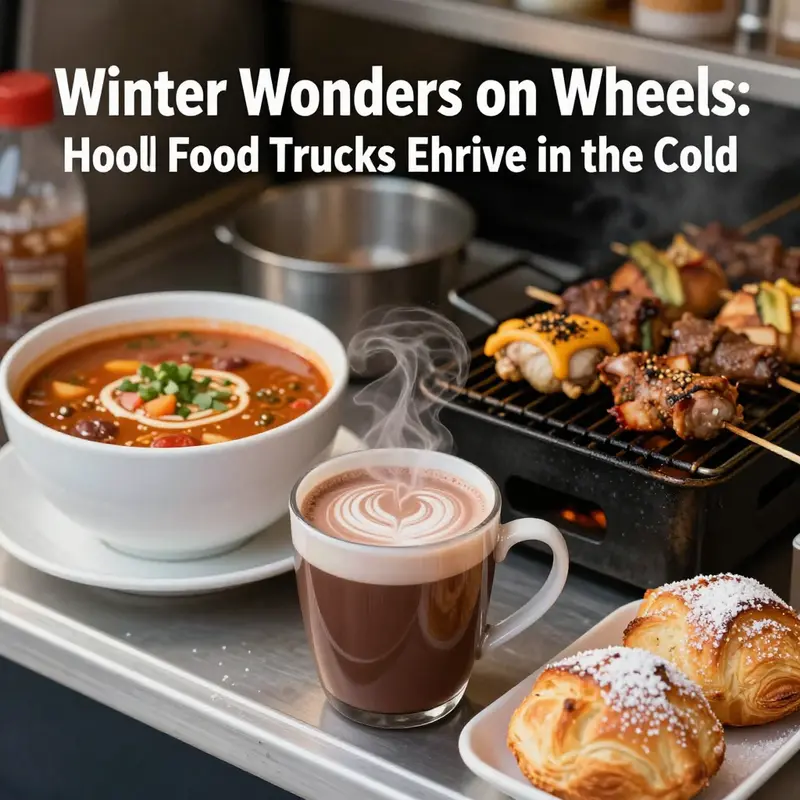
People seek hot, filling food when temperatures drop. A steaming bowl of soup or a toasted sandwich provides more than calories. It offers comfort and a tangible break from the cold. That emotional value increases perceived worth. A modest price for a hot meal feels reasonable when weather bites. Smart operators price dishes to reflect that value while protecting margins. That means focusing on items that can be produced efficiently, hold heat well, and remain appealing when carried across a snowy sidewalk.
Seasonal menus are the cornerstone of winter traction. Replace or supplement lighter summer fare with hearty bowls, thick stews, braised proteins, and hot sides. Broth-based soups and cream soups both sell, but they behave differently in service. Cream soups stay hot longer and mask variance in reheating, while broth soups travel well in insulating containers. Offer toppings and mix-ins that elevate perceived value. A small add-on, like a piece of crusty bread or a sprinkle of herbs, boosts satisfaction and justifies an upsell.
Beverages are a powerful revenue driver. Hot coffee, spiced cider, hot chocolate, and spiked options where permitted draw customers into lines they otherwise would skip. Serve beverages in insulated cups with secure lids. Offer combo deals: soup plus a hot drink at a slight discount. Bundles increase average ticket size and speed choices. Keep a few signature winter beverages that become associated with your brand. Scent and warmth are persuasive. The smell of roasting spices or simmering broth attracts passersby and converts curiosity into purchase.
Menu design must account for speed and consistency. Cold customers want food fast. Choose recipes that scale, require minimal on-the-spot assembly, and reheat reliably. Use batch cooking for stews and braises, and finish orders quickly with simple garnishes. Invest in equipment that holds food at consistent temperatures. If every order takes too long, even the most craveable menu will fail in winter.
Packaging matters more in cold months. Insulated containers, sturdy lids, and spill-resistant cups protect both food quality and customer comfort. Containers that trap heat preserve texture and flavor. Offer thick, napkin-worthy packaging for messy items. Waterproof containers are essential when customers hold food while navigating slush or snow. Consider branded packaging that communicates warmth—both literally and emotionally.
Location strategy shifts in winter. Outdoor festivals and lunchtime plazas decline in foot traffic. But predictable indoor spaces emerge as prime targets. Look for partnerships with indoor markets, brewery taprooms, shopping centers, office lobbies, and community centers. Covered parking garages and transit hubs can be surprisingly resilient sources of customers. Some cities host winter markets and events that draw crowds despite cold weather. Participating in those events can deliver concentrated sales and new loyalists.
Forming partnerships is a practical path to indoor access. Collaborate with local businesses that have steady winter traffic. Offer to station outside a grocery store entrance, a gym, or a big-box retailer on weekends. Co-promotions with these businesses expose your truck to people already venturing out. Many community centers and market organizers welcome seasonal food vendors to keep patrons comfortable. Cultivating these relationships ahead of the first frost opens doors when outdoor spots vanish.
Heated shelters expand choices. Investing in a heated tent or canopy lets trucks maintain a visible outdoor presence while offering customers a warm place to eat. Tents create a communal atmosphere and extend the time customers are willing to linger. Ensure adequate ventilation and safe heating sources. Local regulations often stipulate safety requirements for propane heaters and electrical setups. Check codes and coordinate with event organizers to meet fire safety standards.
Marketing pivots in winter. Customers rely on timely updates. Keep social channels current with daily hours, location changes, and menu highlights. People plan differently in winter; they appreciate knowing you are open despite a snowstorm. Use photos of steaming bowls and cozy setups. Short, frequent updates trump long promotional posts. Consider a weekly schedule post so followers know where to find you on slow days. Loyalty programs and digital punch cards encourage repeat visits through the season.
Create seasonal scarcity. Limited-time winter specials spur urgency. Introduce rotating flavors or weekly soups to keep regulars curious. That also allows testing of new dishes with controlled batches. When a special resonates, promote it as a returning feature. Customers who anticipate a particular soup or sandwich will show up regularly, stabilizing revenue during otherwise slow weeks.
Operational adjustments reduce winter friction. Snow removal near your vending area is crucial. A cleared path to your service window increases impulse purchases. Stock extra supplies of salt or de-icing materials, and budget time for shoveling or hiring a service. Staff need comfortable, layered clothing and heat-retaining uniforms. Shorten outdoor staff rotations and provide warm breaks. Cold staff perform better and reduce mistakes.
Equipment choice affects reliability. Use insulated cabinets, high-capacity soup kettles, and heated holding units. Protect plumbing and water lines from freezing with insulation and recirculating warm water. Plan for generator maintenance and have backup power solutions. Cold weather shortens equipment life and affects fuel efficiency. Schedule preventive maintenance in late fall to avoid breakdowns during peak winter operations.
Inventory management changes in colder months. Some ingredients are seasonal and cheaper; others are costlier. Plan menus around winter-friendly proteins and vegetables that store well. Use root vegetables, legumes, and hardy greens for cost-effective dishes. Batch-prep bases and freeze portions appropriately to handle demand spikes. Monitor supply chains closely; winter storms can delay deliveries. Maintain a buffer stock of essential items to prevent menu disruptions.
Pricing must reflect higher operating costs. Heating, additional packaging, and longer prep times increase expenses. Transparent pricing communicates value. Small price adjustments are acceptable when justified by better portions, higher-quality ingredients, or bundled offers. Test price points on low-risk items. If a winter special yields good margins, expand its availability.
Customer service takes on new importance. Cold customers want minimal exposure to the elements. Streamline ordering and pickup to reduce wait times. Consider contactless payment and mobile ordering to limit queues. If possible, allow for order-ahead pickup windows for local workers. Efficient service increases the number of customers served and improves throughput on busy days.
Community engagement pays dividends. Participate in winter charity events or food drives. Sponsor a local indoor market night and promote it. These activities build goodwill and can attract press coverage. They also solidify your place in the local food ecosystem, creating goodwill that converts to year-round patrons.
Weather risk management is non-negotiable. Have clear policies for severe weather closures. Communicate these policies to staff and followers. Buy event insurance for larger winter commitments. Financially, winter is a chance to balance slower daily sales with concentrated event revenue. Consider focusing on catering for indoor gatherings during the holiday season. Private events and office parties often prefer warm, on-site service and can be profitable during winter evenings.
Not every market behaves the same. Cities with heavy pedestrian traffic and robust winter cultures will support outdoor vendors more than suburban strips. In colder regions like Minnesota, many operators migrate to indoor venues. Others become fixtures at winter markets. Study local patterns, and track competitor moves. If several trucks converge on an indoor market, that indicates demand worth pursuing. Local event calendars reveal where crowds gather during cold months. For inspiration and practical examples of how trucks adapt, read about the strategies used in colder climates by following this report: https://www.minnesotamonthly.com/article/where-do-food-trucks-go-in-winter/.
Finally, treat winter as an opportunity to build loyalty. Slower months let you refine operations, train staff, and deepen customer relationships. Regulars who appreciate reliability in tough weather become vocal advocates. Deliver consistently warm food, efficient service, and pleasant interactions. A well-run winter truck creates memories—hot meals, friendly banter, and refuge from the cold. Those memories turn into repeat business and steady cash flow.
If you want to connect with seasonal promotions or discover where to park during busy winter events, local rally calendars are invaluable. For regional planners and operators, resources like 2026’s best food truck rallies outline where crowds will gather and which events run through winter months, helping to shape effective seasonal strategies. You can explore one such resource here: 2026’s best food truck rallies.
Adaptation is not a one-time change. It is a continuous cycle of observing behavior, testing menu tweaks, and refining logistics. In winter, small wins compound: a popular soup, an efficient pickup window, and a reliable indoor spot can transform a slow season into a profitable one. Success depends on matching the warmth of your food with the warmth of your service. When you do, customers will seek you out, even in the coldest months.
Winter on Wheels: Navigating Cold, Capturing Warmth, and Building Profit for Food Trucks When the Temperature Drops
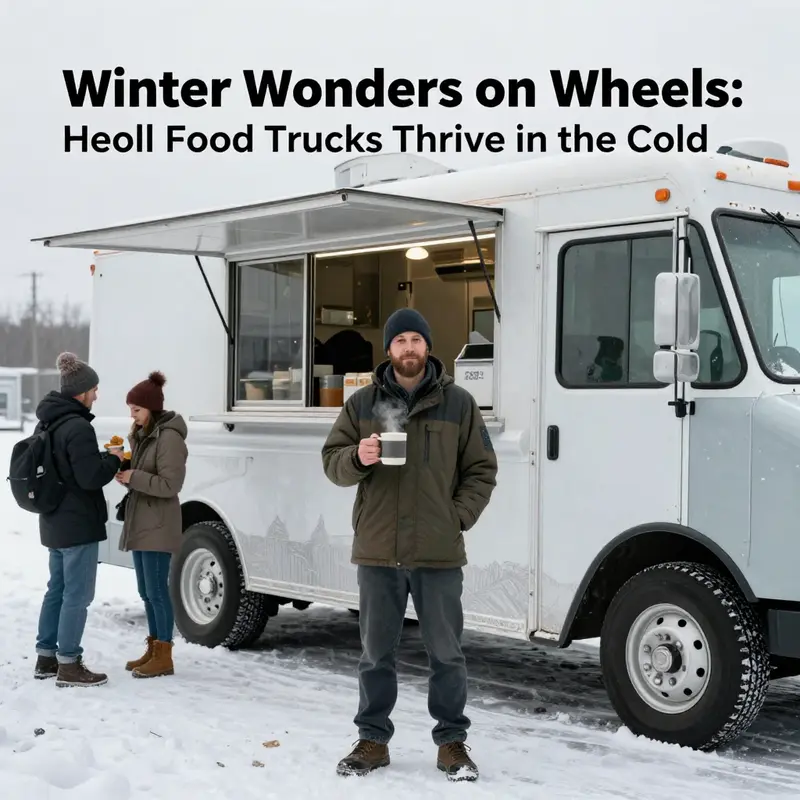
Winter tests every mobile kitchen in unique ways, and it asks operators to redefine what counts as reliable business. The question isn’t simply whether a truck can run when the air turns sharp; it’s whether the model can adapt to a season when customers are less inclined to linger outdoors and when the practicalities of running equipment in the cold become a daily consideration. In places where winter bites hard, operators discover that success hinges on a blend of preparation, positioning, and a willingness to reimagine the customer experience. This isn’t just about staying open; it’s about staying relevant and consistent when the skies are gray, the days are short, and the city seems to move in slower, snow-laced rhythms. Food trucks can indeed work in the winter, and they often do so by leaning into the very conditions that deter others, turning what looks like a disadvantage into a strategic advantage that builds lasting relationships with local communities.
The core challenges are tangible and practical. Cold weather makes outdoor dining uncomfortable for most customers, which means lines form in front of warm spaces rather than under open skies. It also complicates operation. Grills, fryers, and refrigeration units are designed for moderate temperatures; when frost becomes a companion rather than a weather anomaly, piece by piece, equipment can falter or perform suboptimally. Even the simple act of starting a generator, heating the workspace, or maintaining proper sanitation becomes more labor-intensive. Shorter daylight hours compound the difficulty by shrinking the window of peak foot traffic, while winter storms introduce real hazards for customers trying to reach trucks at high-traffic locations. The risk of ice and snow on sidewalks, driveways, or parking lots can transform a once-simple pickup visit into a cautious trek across treacherous surfaces. These factors all press operators to rethink timing, location, and the cadence of service.
Yet winter also reveals opportunities that are less visible in the warmer months. Fewer trucks crowding the same corners and markets means a reduced level of direct competition. In that quiet, customers who do venture out often seek hearty, warming fare that feels like a brief escape from the cold. Soups, stews, hot cocoa, and grilled sandwiches become not just menu choices but seasonal anchors that draw people in from nearby offices, schools, and transit hubs. The flavor profile shifts toward comfort foods, and here the winter truck can carve out a niche by delivering warmth that is both immediate and satisfying. The result is a different kind of predictability: fewer peers in the same space can translate into more steady customer bases, provided the operator meets a consistent demand with reliable service and steady quality.
Strategic positioning matters more in winter than at other times of the year. A truck that finds its niche near office clusters, shopping centers, or within holiday markets can experience a steady cadence even when the weather discourages casual browsing. Indoor or semi-indoor venues offer protection from the elements while still preserving the mobility that defines a food truck. In some markets, this means relocating to indoor corridors, mall concourses, or community centers during the coldest stretch, ensuring that staff remains protected and customers feel safe making a short walk for a hot meal. In other scenarios, it involves aligning with special winter events or seasonal markets that organize around holiday schedules, which can bring a curated audience into proximity with a consistent lineup of warming dishes. The strategic logic is straightforward: meet people where they are, at times when they are most likely to be out, and give them a compelling reason to choose a hot meal over a warmer, more comfortable alternative.
To capitalize on these opportunities, many operators invest in infrastructure that makes winter operations feasible and even enjoyable for customers. Insulation becomes a core consideration, not a cosmetic feature. A well-insulated kitchen module helps stabilize internal temperatures, reduces energy demand, and mitigates the risk of equipment freezing. Portable heaters and heated tents can extend usability into the late afternoon or early evening when temperatures dip again after sunset. The weather becomes part of the service design rather than an external constraint; a heated canopy with clear signs of shelter can transform a walk-up window into a welcoming destination. The aim is to offer a consistent experience that feels practical and comforting. In this sense, winter is less a moment of surviving cold weather and more an opportunity to craft an intimate, almost neighborhood-feel dining experience in a temporary, mobile setting. The result is a business model that leans into the cold with strategic ingenuity rather than trying to fight it with sheer pace alone.
Menu design in winter follows a similar logic. Seasonal, warming items take center stage. Hearty soups with depth, stews with comforting textures, and beverages that offer real warmth can carry a menu through long schedules and variable foot traffic. The culinary emphasis shifts toward dishes that travel well, reheat easily, and present a strong aroma that can attract passersby from a distance. Even salads and lighter fare can appear on the strategy board, but they are often paired with a robust hot option to preserve impulse buy potential and reinforce the sense that winter eating can be both convenient and deeply satisfying. For many operators, this is not a temporary pivot; it becomes a core season of the business, with supply chains adjusted to accommodate longer preparation times for warming meals and a steady cadence of menu testing to refine what resonates most with the local crowd.
Operational discipline in winter observing is critical. The cold can slow prep times, complicate workflows, and raise safety concerns. Clear, simple processes for warming, thawing, and reheating are essential. Staff must be trained to handle cold-weather hazards, including frostbite risks and the safe use of heaters and propane equipment in compact spaces. A disciplined approach to snow clearance outside the service window reduces delays and maintains accessible service points. Maintenance routines must account for more frequent checks on refrigeration seals, water lines, and ventilation to ensure that the kitchen remains sanitary and operational despite the chill. In practice, a winter operation becomes a choreography of pacing, protection, and projection—the ability to forecast customer arrival patterns, to shield critical equipment from freezing conditions, and to communicate clearly with customers about what to expect when the temperature slumps.
In many climates, winter also brings a distinct logistical advantage: the possibility of moving business indoors for portions of the season. Indoor markets, malls, or transit centers can provide controlled environments where service quality is steadier and the customer experience is more predictable. This is not merely a relocation; it is a transformation of the storefront concept, merging the mobility of a food truck with the reliability of a kiosk in a high-footfall indoor setting. The outcome can be a more resilient business model, where a portion of the revenue stream is anchored in stable, climate-controlled environments, while the remainder continues to leverage outdoor, street-level exposure during milder days or in pockets of the day when weather cooperates. The dual strategy helps balance risk and opportunity, allowing operators to preserve labor investments and maintain brand presence across seasons.
Another meaningful dimension of winter operations is the potential for community-building and customer loyalty. When people see a truck regularly outside the same office park or market, a pattern forms. Regulars begin to anticipate the truck’s hours and menu, and new customers become curious about how the business adapts to the cold. This routine creates a social contract: the operator shows up, the food is comforting, and the community responds with consistent support. The winter months test resilience; those who endure grow trust. The same pattern can extend to social media and local networks, where a reliable schedule is shared, weather forecasts are anticipated, and contingency plans are communicated proactively. In this way, winter becomes less a test of endurance and more an exercise in reliability—an attribute that can translate into repeat business, referrals, and long-term loyalty.
The profitability story in winter markets is nuanced. Some operators report higher margins during the cold season, driven by a combination of lower competitive density and robust demand for warming foods. When a truck can secure a steady position, keep a tight control on overhead, and manage costs related to heating and insulation, the bottom line can improve even as sales volumes fluctuate. But these gains do not come automatically. They require careful cost management, strategic pricing that reflects the real costs of operation in cold weather, and a clear understanding of the seasonal demand curve. The more sophisticated operators run scenarios that compare winter margins to those in spring and summer, taking into account not just revenue but also the total cost of ownership for equipment, energy consumption, and labor. In other words, winter profitability is less about dramatic spikes and more about steady, repeatable gains that accumulate over weeks and months when customers value warmth and consistency as much as flavor.
Geography matters deeply here. In northern climates, developers and operators confront more intense weather patterns and longer stretches of cold. In such environments, the winter playbook is a blend of inside-out strategy—finding venues that offer shelter and security—and outside-in tactics—optimizing street-level visibility with compelling signage, visible steam from hot foods, and the aroma that travels with a north wind. The Minnesota example, cited in industry discussions, illustrates how operators sometimes relocate to indoor venues during the harshest stretch, then reclaim outdoor spaces as conditions improve. The adaptability shown in these communities offers a blueprint for emerging operators who must decide whether to lean into shelter or to embrace the challenge of outdoor service with the right protections and processes.
A note on resilience includes a nod to a broader ecosystem of resources and community stories. In addition to culinary adjustments, winter operations hinge on partnerships that support mobility and safety. The business model benefits from investors and mentors who have navigated seasonal cycles, from subsidies for safe heating to guidance on navigating seasonal permits. The winter season, in that sense, becomes a stage in which the entire mobile-food ecosystem tests its capacity to pivot, protect workers, and deliver warmth to nearby populations. The key is not merely to survive but to cultivate a winter-ready identity: a reputation for dependable service, a menu tuned to cold-weather palates, and an operational discipline that makes a challenging season predictable and profitable.
The path to winter success is not a one-size-fits-all formula. Some operators lean into the quiet rhythm of the season, choosing to minimize travel during the worst weather while maximizing service on days that present a viable window of outdoor operation. Others aggressively pursue indoor opportunities, expanding the geographic footprint to ensure year-round viability. A flexible sourcing plan helps as well; winter markets sometimes require different ingredients, and the ability to adapt procurement strategies keeps menus stable and costs manageable. Marketing and outreach strategies, too, shift with the season. Messaging emphasizes comfort, quick warmth, and the convenience of grabbing a hot meal on the way home. Customer touchpoints, including loyalty programs and seasonal specials, reinforce the sense that the truck is a reliable partner throughout the winter, not a novelty limited to warmer days. This blend of clever operations, strategic positioning, and deliberate customer engagement is how winter becomes an extension of a resilient business rather than an interruption in growth.
The narrative of winter operation also invites a broader, shared curiosity about the future of mobile dining. As weather patterns shift and urban planning continues to emphasize accessible, localized food sources, winter strategies may become integral to a sustainable, year-round model for food truck entrepreneurs. Cities may continue to refine permit structures and market placements to encourage winter activity, recognizing that a steady stream of warm meals can contribute to local economies and to social well-being during colder periods. Operators who cultivate this forward-looking mindset—investing in infrastructure, refining menus, and building dependable delivery and pickup experiences—stand to gain not only in the coming season but in the long arc of a mobile culinary enterprise. And while the cold presents undeniable hurdles, it also offers a frontier for innovation: more efficient heating options, smarter layout of service windows, and creative menu design that leverages time-tested comfort foods and the social rituals of gathering around a hot meal during the darkest days of the year.
Within this evolving landscape, a single truth remains clear: winter, when approached with intention, can be a time of steady growth rather than a period of stagnant cash flow. The opportunities to capture loyal customers, to test new seasonal ideas, and to invest in infrastructure that improves long-term efficiency are real and measurable. The winter market is a proving ground that rewards operators who combine practical risk management with a clear, customer-centered service ethic. It rewards those who see the season not as a barrier to entry but as a set of conditions that require a refined set of skills: disciplined operations, thoughtful menu design, protected workspaces, and a communications strategy that keeps the community connected even when snowfall complicates the path to the truck. The winter months are thus not a retreat from business as usual but a continuation of enterprise through a different climate—an extended chapter of entrepreneurship that tests, but ultimately reinforces, the core principles that have always driven food-truck success: relevance, resilience, and reliable warmth.
To ground this discussion in a concrete example, consider a trucking operation that has documented how its winter strategy evolved over the years. The story of a long-standing family business in the truck sector highlights how winter adaptation builds a foundation for sustained growth, even when the weather is unyielding. The narrative points to investment in insulated equipment, portable heating solutions, and a robust plan for winter market participation as core elements of resilience. The embedded lesson is simple: winter is not a season to endure passively but a corridor for strategic investments and customer-first thinking that can extend a business’s seasonality into a more balanced, year-round enterprise. For readers curious about the broader context of fleet support and winter stability in the mobile-food space, this perspective offers a grounded, real-world example of how mobility, infrastructure, and community ties come together to weather the cold.
The winter operating path is not without risk, and the careful operator treats weather as a variable rather than an obstacle. Snow removal logistics, the risk of water lines freezing, and the possibility of supply disruptions due to storm closures are all factors that demand contingency planning. Yet, because winter is predictable in many markets—a cycle of cold days, occasional thaw days, and a cadence of markets and events—the business can be organized around these patterns. A well-structured plan includes backup power options, clear safety protocols for slippery surfaces, and a steady schedule that communicates to customers when the truck will be available and what special warm items will be featured. These elements, though they require upfront investment and discipline, reduce the chance of weather-induced revenue shocks and create a more resilient, customer-focused operation.
As operators weigh their options for the next winter season, they consider not only the immediate costs and benefits but the long-term implications for brand, community, and career satisfaction. A winter-ready operation is one that can still deliver on the promise of fresh, comforting meals, even when the city’s streets are snow-lined and the sun is a late affair. It is a model that rewards preparation, careful risk management, and a willingness to experiment with location, timing, and menu. In that spirit, the winter months become a proving ground where skilled teams translate cold weather into a compelling, reliable service, and where the season’s constraints are transformed into a narrative of persistence, warmth, and practical ingenuity that continues to drive growth for food truck entrepreneurs.
External resource: For a broader synthesis of winter operations and the challenges and opportunities they present, see this external resource on winter food-truck operations and strategies: https://www.foodtrucks.com/blog/winter-food-truck-operations-challenges-and-opportunities
Internal link: Echoing the theme of resilience and long-standing family business experience in the mobile sector, a related case study offers context on how fleets adapt to seasonal demands and invest in the right infrastructure. The link to that real-world example can be found here: kenworth-truck-centres-45-years-family-business. This connection underscores the broader ecosystem in which winter food-truck operations exist, where equipment reliability, fleet support, and steady leadership are as critical as culinary creativity and customer engagement.
Final thoughts
In the enchanting winter months, food trucks don’t just survive; they thrive by embracing the unique opportunities the season offers. From adapting operational strategies to crafting seasonal menus, the dynamic nature of winter presents avenues for creativity and community connection. For aspiring food truck operators and visitors in Lakewood, the winter food truck experience is more than just a meal; it’s about warm connections over shared meals, laughter, and the li in culinary togetherness. So, bundle up and support your local food trucks this winter—they’re ready to warm your hearts and bellies!